New Tomato Hybrids That Resist Disease Better In Humid North Carolina Gardens
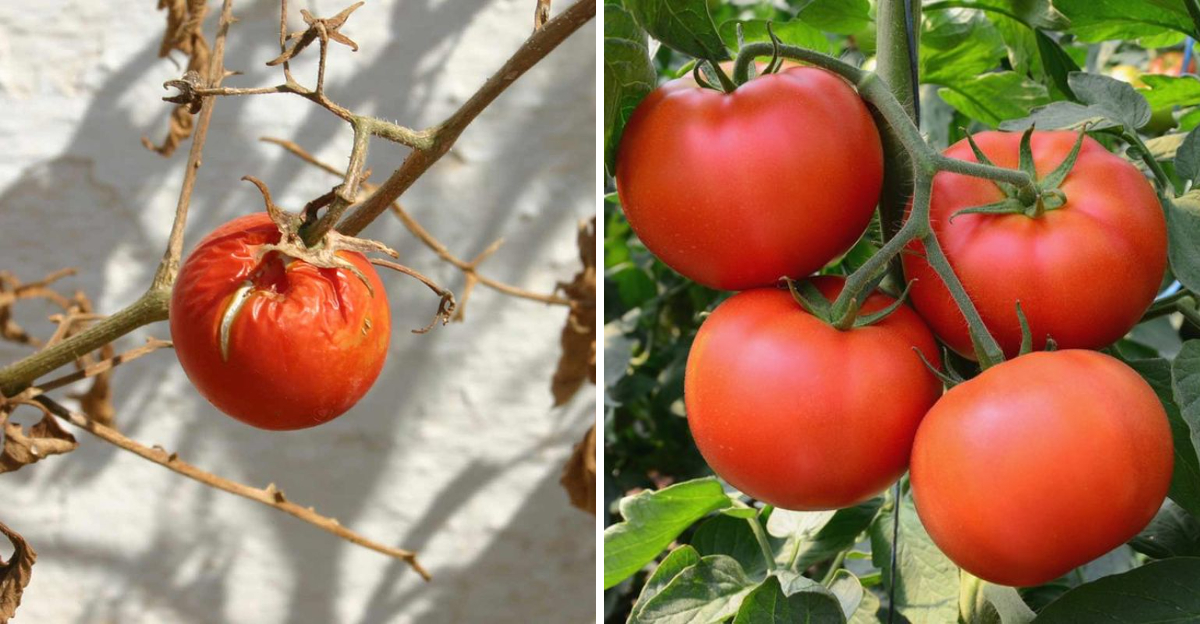
Tomatoes are one of the most rewarding crops to grow, but in North Carolina, they can also be one of the most frustrating.
Long stretches of heat, heavy summer moisture, and damp mornings can turn a healthy plant into a struggling one faster than many gardeners expect.
When disease starts creeping in, it often feels like all that early season effort was for nothing.
That is why more gardeners are paying attention to a new generation of tomato hybrids bred to stand up better to common problems in humid conditions. These newer varieties are not just about bigger harvests.
They are about giving plants a better chance to stay strong when the weather is working against them.
For North Carolina gardeners, that can mean fewer losses, less stress, and a much better shot at picking ripe, healthy tomatoes deep into the season.
If you are tired of watching disease cut your harvest short, these improved hybrids are worth a closer look.
1. Stacked Resistance Is The Secret Weapon In Humid North Carolina Gardens
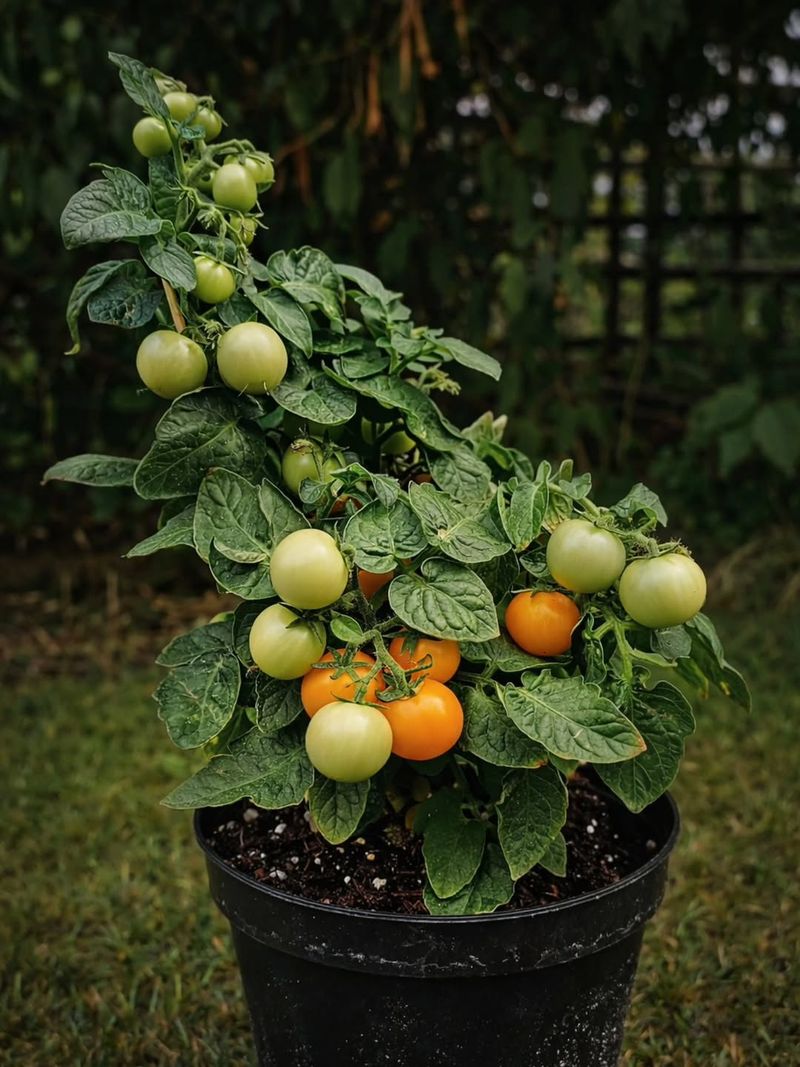
Most gardeners pick tomatoes based on size or flavor, but in North Carolina, the smartest choice starts with disease resistance.
The state’s combination of heat, heavy summer rain, and sticky humidity creates a near-perfect environment for foliar diseases and soilborne problems to spread fast.
One infected plant can quickly become a garden-wide crisis if you are not prepared. The newer hybrids that perform best in North Carolina are not just decent producers.
They are specifically bred with multiple disease resistances stacked together in a single plant.
That means one variety can fight off several threats at once, from fungal leaf diseases to soilborne infections that attack the root system before you even notice something is wrong.
A strong example of this approach is ‘Mountain Merit’, a hybrid developed by NC State University.
It carries resistance to late blight, gray leaf spot, root-knot nematodes, tomato spotted wilt virus, Fusarium wilt races 1, 2, and 3, and Verticillium wilt.
That kind of stacked protection is exactly what North Carolina gardeners need when summer humidity peaks and disease pressure builds week after week throughout the growing season.
2. Mountain Merit Stands Out As A Verified Top Choice For North Carolina
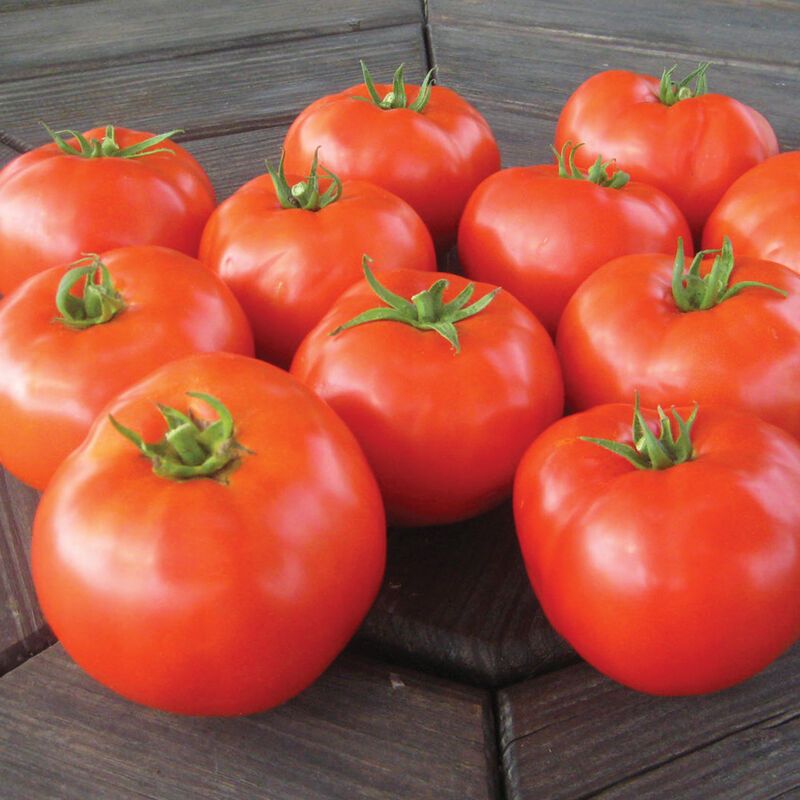
Some tomato varieties get popular based on marketing alone, but ‘Mountain Merit’ earned its reputation through real science and field testing.
Bred by NC State University’s plant breeding program, this hybrid was designed specifically for the demanding conditions found across North Carolina and the broader Southeast region.
NC State officially lists it among its recommended late-blight-resistant tomatoes, which is not a casual endorsement.
What makes ‘Mountain Merit’ special is the unusually broad range of diseases it resists for a standard slicer tomato.
Most hybrids cover one or two threats, but this variety tackles late blight, early blight, gray leaf spot, Fusarium wilt races 1 through 3, Verticillium wilt, tomato spotted wilt virus, and root-knot nematodes all at once.
That breadth of protection is rare and incredibly useful in a state where multiple diseases can show up in the same growing season.
Home gardeners in North Carolina who have struggled with repeated crop failures often find that switching to ‘Mountain Merit’ changes everything.
The plants stay healthier longer into the season, which means more fruit and less frustration.
It produces firm, flavorful slicing tomatoes that hold up well in the heat, making it a reliable anchor variety for any serious North Carolina garden.
3. Mountain Magic Brings Disease Resistance To Smaller-Fruited Tomato Lovers
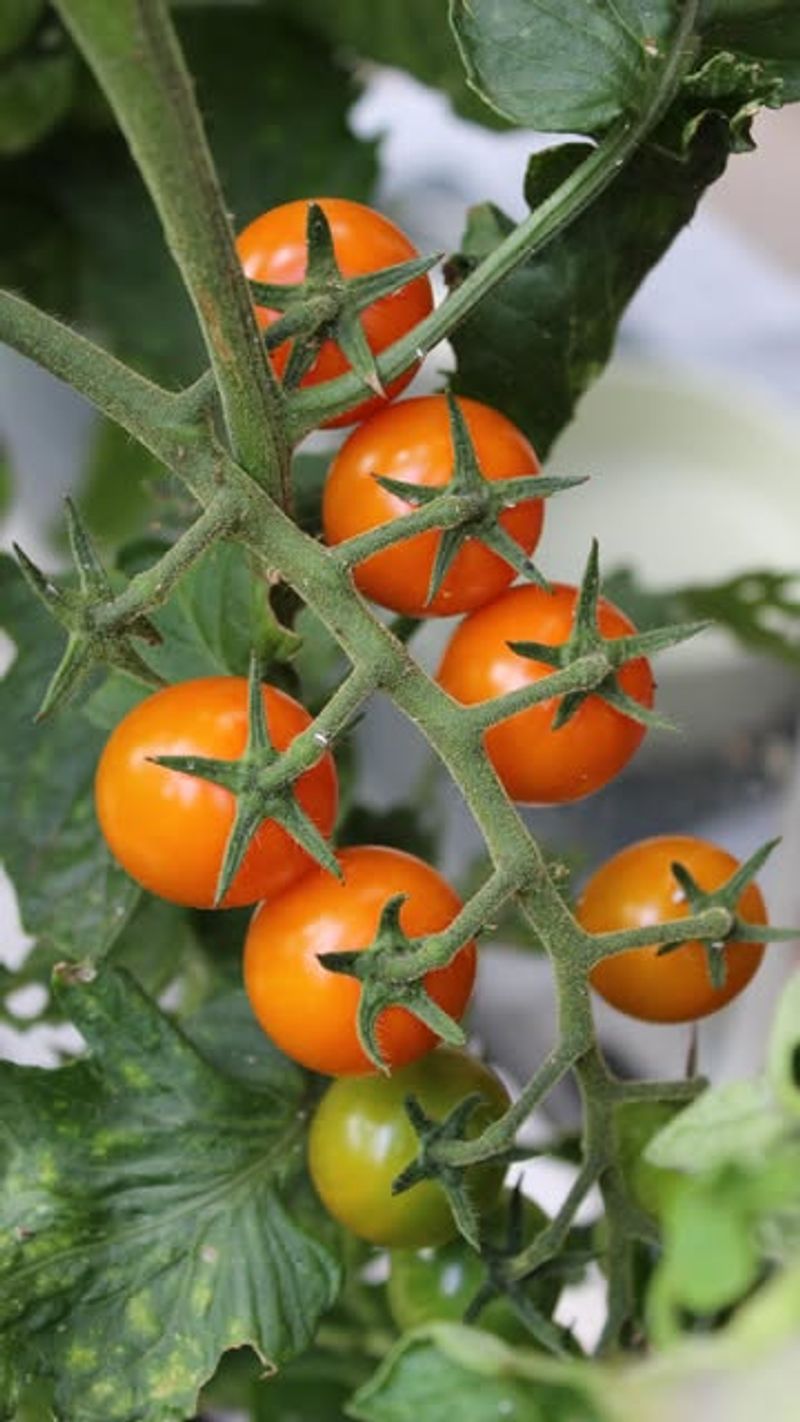
Cherry tomatoes are a garden favorite, but they come with a hidden problem. Because they stay in the garden for such a long season, they get exposed to more disease pressure than larger tomatoes that are harvested and done.
In North Carolina’s humid climate, that extended exposure can turn a promising cherry tomato plant into a diseased mess by midsummer if the wrong variety is chosen. ‘Mountain Magic’ solves that problem with impressive credentials.
NC State lists it among its recommended late-blight-resistant varieties, and breeding program data shows it carries high resistance to late blight, moderate resistance to early blight, and solid resistance to Fusarium wilt races 1 and 2 plus Verticillium wilt.
For a cherry tomato, that is a genuinely strong disease resistance package that holds up through North Carolina’s long, wet summers.
Beyond disease resistance, ‘Mountain Magic’ also delivers on flavor and productivity. The fruits are sweet, crack-resistant, and produced in large clusters that ripen evenly.
Gardeners across North Carolina who grow it often describe it as one of the most reliable cherry types they have ever tried.
If you want a smaller-fruited tomato that keeps producing even when humidity climbs and fungal pressure builds, this variety deserves a spot in your garden plan this season.
4. Iron Lady Changed The Game By Combining Three Major Fungal Disease Resistances
Cornell University made a bold claim when they introduced ‘Iron Lady’, and it turned out to be completely accurate.
They described it as the first tomato hybrid with resistance to three major fungal diseases at the same time: early blight, late blight, and Septoria leaf spot.
For North Carolina gardeners, that triple coverage is a big deal because all three of those diseases thrive in exactly the kind of warm, rainy, humid conditions the state delivers every summer.
Septoria leaf spot often gets overlooked compared to late blight, but it can strip a plant of its leaves surprisingly fast once it takes hold.
Early blight shows up reliably on lower leaves as plants mature, and late blight can move through a garden with alarming speed during wet stretches.
Having resistance to all three in one plant means far less spraying and far more consistent harvests throughout the growing season.
North Carolina gardeners who have dealt with losing plants to foliar disease year after year often find ‘Iron Lady’ to be a revelation.
The plants maintain their foliage much better than standard varieties, which means more energy going into fruit production rather than recovery.
The tomatoes themselves are medium-sized, firm, and flavorful, making ‘Iron Lady’ a practical and productive choice for anyone gardening in the humid Southeast.
5. Defiant PhR Delivers Real Late Blight Protection Backed By Verified Data
Late blight is one of the most destructive tomato diseases a North Carolina gardener can face.
It spreads fast, it thrives in cool and wet conditions, and once it takes over a plant, there is very little you can do to stop it from spreading.
Choosing a variety with verified late blight resistance is one of the most practical decisions any gardener in the humid Southeast can make before the season even starts.
‘Defiant PhR’ is exactly that kind of verified choice. NC State includes it on its official list of late-blight-resistant tomatoes, and the variety also carries resistance to Fusarium wilt and Verticillium wilt.
The PhR in the name refers to its partial resistance to late blight, which means it significantly slows the progression of the disease rather than being completely immune, but that resistance is well-documented and consistent under field conditions.
For North Carolina gardeners, the value of ‘Defiant PhR’ goes beyond just the disease package.
It produces medium to large slicing tomatoes with good flavor and a firm texture that holds up well in summer heat.
Plants tend to be vigorous and productive, making them a strong option for backyard gardens where reliability matters more than novelty.
When you pick based on verified resistance data rather than catalog descriptions, ‘Defiant PhR’ consistently delivers results worth planting for.
6. Gray Leaf Spot Is A Bigger Threat In North Carolina Than Most Gardeners Expect
Ask most North Carolina gardeners about tomato diseases and they will mention late blight or early blight right away.
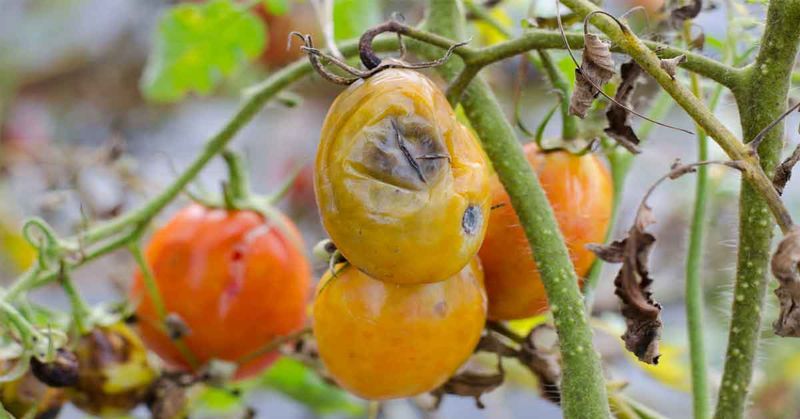
Gray leaf spot rarely comes up in the conversation, but NC State says it can cause severe defoliation and is a serious concern in warm, humid climates exactly like the ones found across North Carolina.
Once it strips a plant of its leaves, fruit production drops sharply and the plant becomes far more vulnerable to other stresses.
The good news is that NC State also notes many commercially available hybrid tomatoes carry genes for resistance to gray leaf spot.
That means the work of protecting your plants from this often-overlooked disease can be built right into your variety selection.
You do not need to rely entirely on fungicide sprays if you start with a hybrid that already has the genetic tools to resist the infection from the beginning of the season.
Gardeners in eastern North Carolina, where summer humidity tends to be especially high, report that gray leaf spot can show up earlier and spread faster than expected.
Pairing a gray-leaf-spot-resistant hybrid like ‘Mountain Merit’ with good airflow, proper spacing, and consistent mulching gives plants the best possible chance of staying healthy all season long.
Knowing about this disease and planning ahead makes a noticeable difference in the final harvest.
7. Matching The Right Hybrid To Your Garden’s Disease History Makes A Real Difference
Buying a disease-resistant tomato hybrid is a smart move, but buying the right one for your specific garden is even smarter.
Not all resistant hybrids cover the same diseases, and the differences between varieties can be surprisingly significant.
For example, Cornell’s resistance data shows that ‘Mountain Gem’ covers late blight, tomato mosaic virus, tomato spotted wilt virus, Fusarium wilt races 1 and 2, and Verticillium wilt, while ‘Mountain Merit’ adds early blight and root-knot nematode resistance on top of that list.
Those extra resistances matter a great deal if your North Carolina garden has a history of nematode problems or early blight pressure.
Root-knot nematodes are especially common in sandy southeastern soils, and once they establish in a garden, they can reduce yields significantly year after year.
Choosing a variety with nematode resistance is one of the most practical things you can do if your soil has shown signs of the problem before.
Taking notes on what diseases showed up in your garden last season gives you real information to work with when choosing varieties for the next one.
North Carolina gardeners who treat variety selection as a research exercise rather than a random choice tend to see much better results over time.
A little planning at the seed catalog stage pays off in a healthier, more productive garden when the growing season arrives.
8. Even The Best Resistant Hybrids Need Good Cultural Practices To Truly Shine
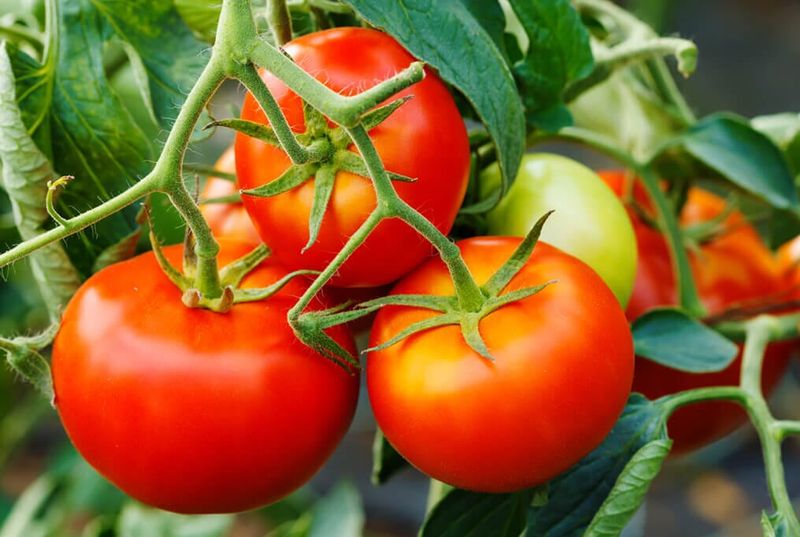
Here is something worth knowing before you plant your first resistant hybrid: no tomato variety is a complete shield against every possible problem.
NC State reported in 2022 that resistance-breaking variants of tomato spotted wilt virus were found in North Carolina on tomatoes carrying the Sw-5 resistance gene.
That was a real-world reminder that plant diseases can evolve, and relying entirely on genetics without supporting them with good growing practices is a risky strategy.
Resistant hybrids are absolutely the best starting point for any North Carolina gardener dealing with disease pressure.
But they perform significantly better when paired with proper spacing that allows airflow between plants, crop rotation that keeps soilborne pathogens from building up, mulching that reduces soil splash onto lower leaves, and careful watering that keeps foliage dry.
Each of those practices reduces the overall disease load that plants have to deal with throughout the season.
Think of resistant hybrids as your first line of defense and cultural practices as the backup system that keeps everything running smoothly.
Gardeners across North Carolina who combine both approaches consistently outperform those who rely on genetics alone.
The combination of a well-chosen hybrid and smart growing habits is what separates a garden that struggles through summer from one that produces strong, healthy tomatoes all the way to the final harvest of the season.
9. Fusarium Wilt Resistance Matters Especially In North Carolina’s Warm Soils
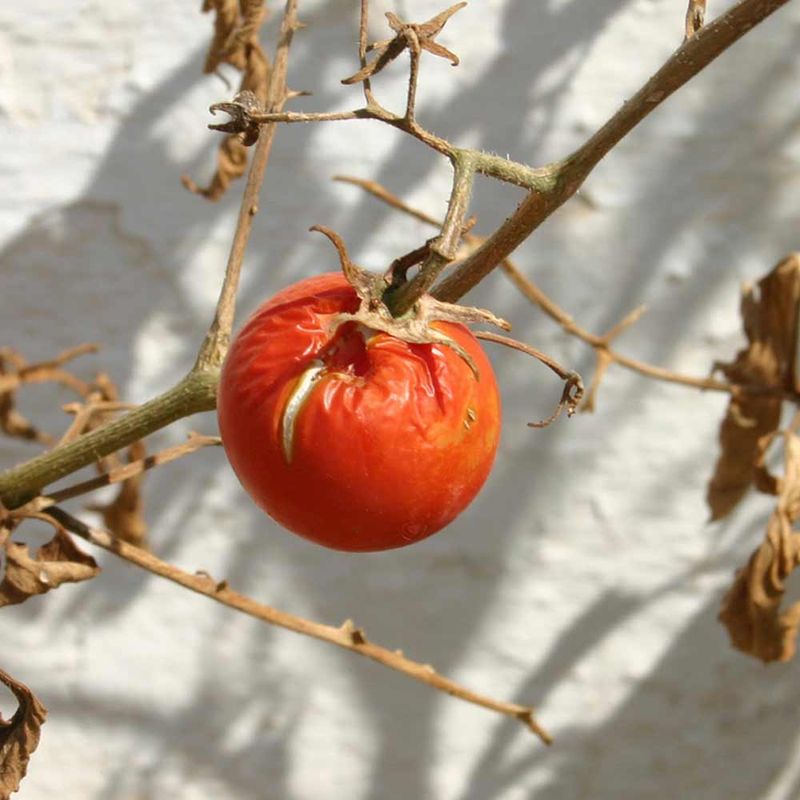
Fusarium wilt is a soilborne fungal disease that thrives in warm temperatures, acidic soil pH, and high humidity conditions. North Carolina delivers all three of those factors regularly throughout the growing season.
NC State makes it clear that once Fusarium wilt establishes itself in a garden area, there is no cure for the soil, which means prevention through resistant variety selection is the only truly reliable strategy available to home gardeners.
The tricky part about Fusarium wilt is that it comes in multiple races, and resistance to one race does not guarantee protection against another.
Many older hybrid tomatoes carry only basic VF resistance, which covers Fusarium races 1 and 2 but not race 3.
In North Carolina gardens where Fusarium has already appeared, choosing a variety like ‘Mountain Merit’ that covers all three races provides a much stronger layer of protection against future crop losses.
Gardeners in the Piedmont and eastern regions of North Carolina, where soils tend to stay warm longer into the fall, are especially vulnerable to Fusarium pressure.
Adding a layer of organic mulch to keep soil temperatures slightly cooler, maintaining consistent soil moisture, and rotating tomatoes to different garden beds each year all help reduce Fusarium risk.
But starting with a hybrid that carries strong Fusarium resistance is the single most important step any North Carolina gardener can take before the season begins.
10. The Real Takeaway For North Carolina Gardeners Is Simple: Choose Smarter Varieties
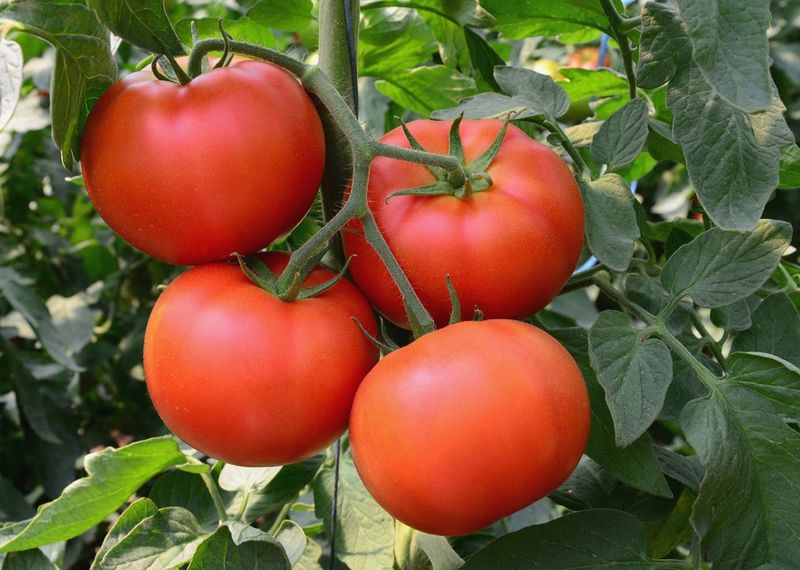
After all the science and field data, the practical message for North Carolina gardeners comes down to one clear idea: newer disease-resistant hybrids only work their best when chosen for verified resistance packages, not just because they are labeled as hybrids.
The marketing language on seed packets can be misleading, but looking up resistance codes and checking NC State’s recommended variety lists gives you real, useful information to act on before spending money on plants or seeds.
The strongest documented options for humid North Carolina conditions include ‘Mountain Merit’, ‘Mountain Magic’, ‘Iron Lady’, and ‘Defiant PhR’.
Each of these varieties was developed or verified specifically to hold up under the kind of disease pressure that humid eastern gardens create every single growing season.
They are not perfect, but they are genuinely better than most standard varieties when conditions get tough in July and August.
North Carolina gardeners who switch to these newer hybrids and pair them with good growing practices often describe the experience as transformative.
Fewer lost plants, more consistent harvests, and less time spent spraying or troubleshooting disease problems adds up to a much more enjoyable gardening season overall.
The combination of smart variety selection, proper spacing, crop rotation, and thoughtful watering is what makes a North Carolina tomato garden truly thrive from planting day all the way through the final harvest.