New Vegetables North Carolina Gardeners Are Excited To Try This Year
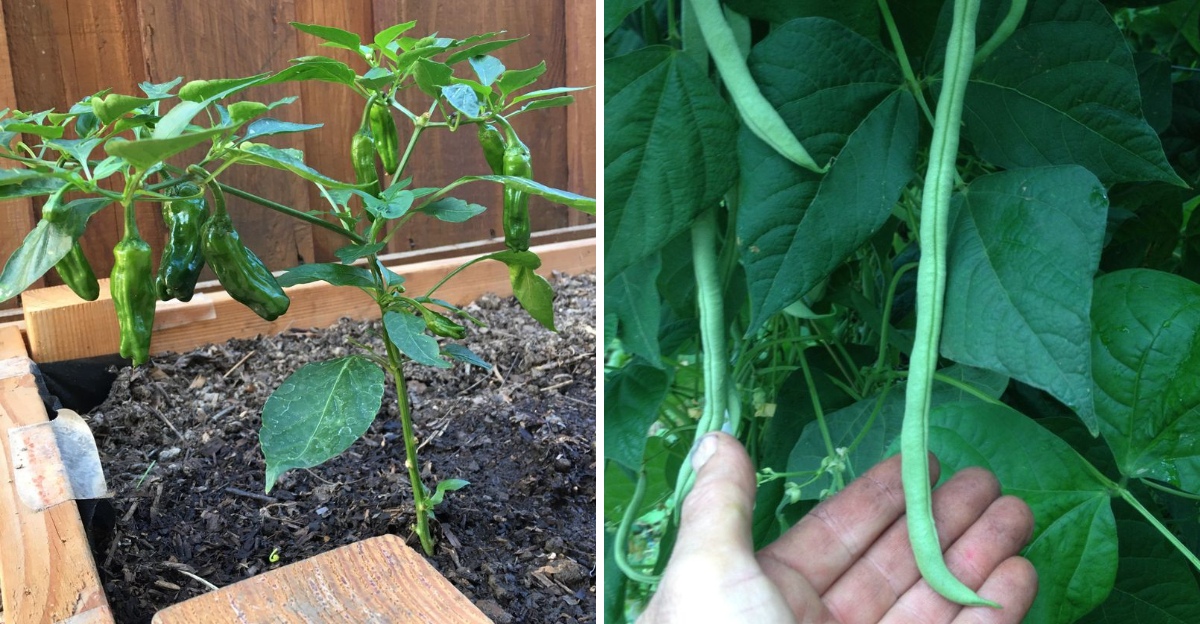
A fresh growing season brings new possibilities, and few places offer more gardening excitement than North Carolina. Across the state, gardeners are preparing for a year filled with flavorful harvests, vibrant growth, and rewarding new crops.
From the Coastal Plain to the Piedmont and into the mountain regions, North Carolina’s long growing season supports an impressive range of vegetables that thrive in its warm summers and mild transitions.
Heat loving favorites promise abundant summer harvests, while quick growing cool season greens keep gardens productive early and late in the year.
Whether you tend a spacious backyard plot or a few carefully managed raised beds, there is always something new to try and enjoy.
This season’s trending vegetables combine strong performance with exceptional flavor, making them popular choices for home growers across the state.
Get ready to plant, grow, and explore what is capturing the attention of North Carolina gardeners this year.
1. Cajun Jewel Okra Is Compact And Highly Productive For Hot Summers
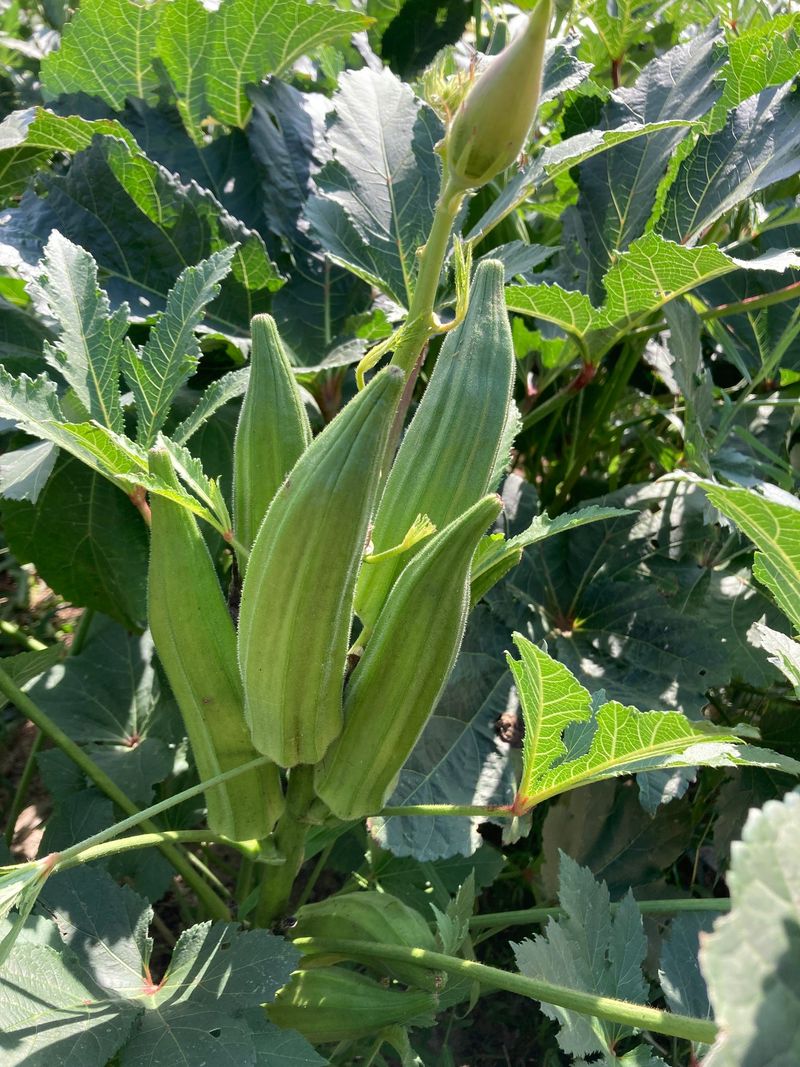
Okra and North Carolina summers are basically made for each other. The heat, the humidity, the long sunny days, it all creates the perfect environment for okra to thrive.
Cajun Jewel is a compact variety that has been turning heads among home gardeners who want maximum production without the sprawling height of traditional okra plants.
Most standard okra varieties can tower over six feet tall, which makes harvesting a real workout. Cajun Jewel stays more manageable, typically reaching around four feet, making it a smart pick for raised beds or tighter garden spaces.
Despite its smaller size, the plant produces pods generously throughout the season, rewarding gardeners with a steady harvest from midsummer through early fall.
Plant seeds directly in the ground after soil temperatures reach at least 65 degrees Fahrenheit. North Carolina gardeners in the Piedmont and Coastal Plain regions can usually get seeds in the ground by late April or early May.
Okra prefers well-drained soil and full sun, meaning at least six to eight hours of direct sunlight daily. Harvest pods when they are two to four inches long for the best texture and flavor.
Leaving pods on the plant too long causes them to become tough and fibrous. Regular harvesting also encourages the plant to keep producing, so check your plants every two to three days during peak season.
2. Striped Beefsteak Tomatoes For Flavor And Visual Appeal
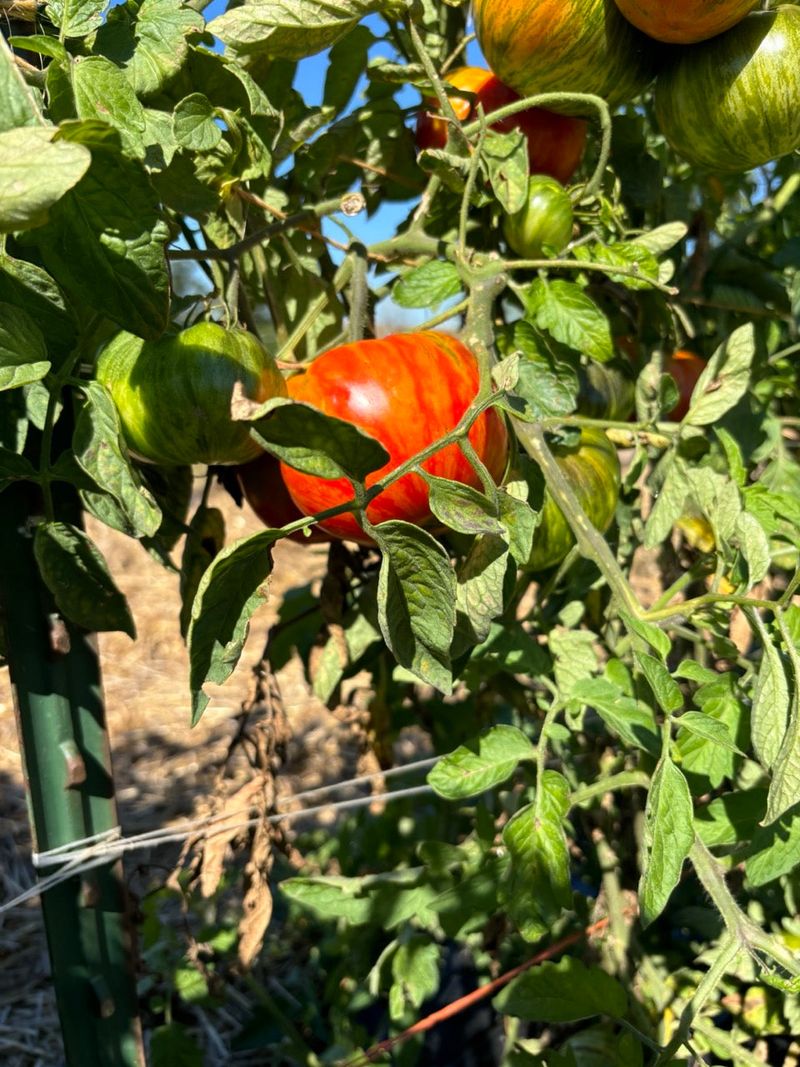
There is something almost magical about slicing open a striped beefsteak tomato and seeing those gorgeous swirls of color inside.
Varieties like Striped German, Big Rainbow, and Pineapple have become increasingly popular with North Carolina gardeners who want tomatoes that taste as incredible as they look.
These heirloom-style tomatoes bring bold, complex flavor that most grocery store tomatoes simply cannot match.
Growing striped beefsteaks in North Carolina requires a bit of planning, mainly because of the state’s humid summers, which can encourage fungal diseases.
Start seeds indoors six to eight weeks before your last frost date, then transplant outdoors once nighttime temperatures stay consistently above 50 degrees Fahrenheit.
Choose a planting spot with full sun and ensure good airflow between plants to reduce disease pressure. Staking or caging is essential since these large-fruited varieties get heavy and need support as they grow.
Consistent watering matters a great deal with beefsteak types. Irregular moisture leads to blossom end rot and cracking, two common problems in NC gardens.
Mulching around the base of each plant helps retain soil moisture and keeps roots cooler during hot spells. Many gardeners also apply a balanced fertilizer every few weeks to keep plants productive.
Expect fruit to ripen between 75 and 90 days after transplanting, depending on the specific variety you choose to grow.
3. Lemongrass, A Heat Loving Culinary Favorite
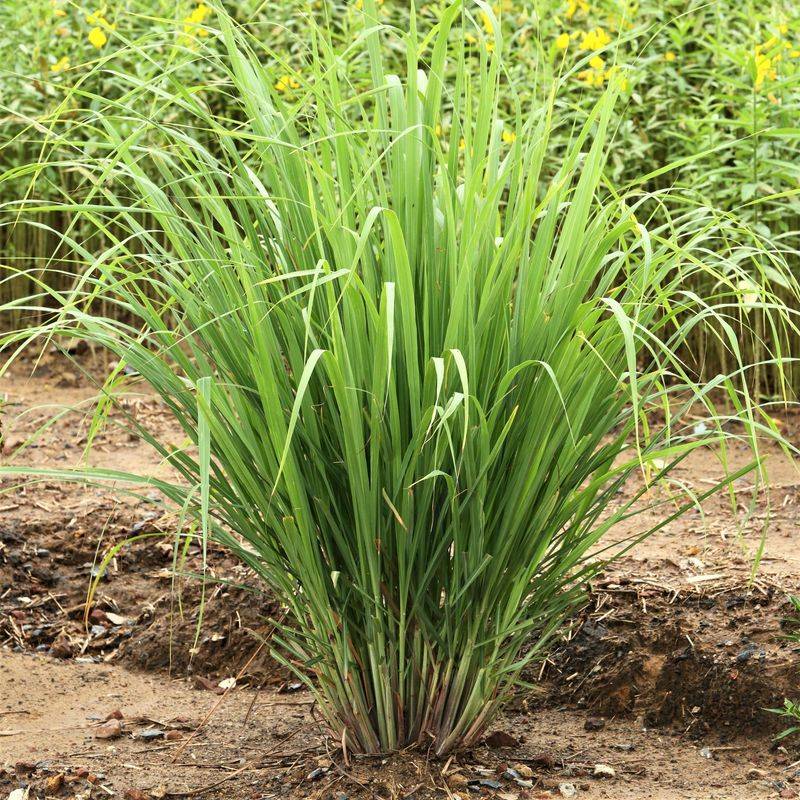
Lemongrass brings a fresh citrusy aroma and bold flavor to the garden that makes it hard to walk past without running your fingers through the leaves.
Popular in Thai, Vietnamese, and Caribbean cooking, this tropical grass has found a loyal following among North Carolina gardeners who love growing their own culinary herbs and vegetables.
The plant is surprisingly easy to grow during the state’s warm months. North Carolina summers provide the heat and humidity that lemongrass absolutely loves.
Plant it in a sunny spot with well-drained soil after all frost risk has passed, typically by mid-April in most parts of the state.
Lemongrass grows in large clumps and can reach three to five feet tall by the end of the season. It is drought tolerant once established but grows faster and fuller with regular watering and occasional fertilizing through the summer months.
Here is the important part for NC gardeners: lemongrass is not winter hardy in most of the state. In USDA hardiness zones 8b and above, which includes parts of the Brunswick and New Hanover counties along the coast, it may survive mild winters outdoors.
Everywhere else, you will need to pot it up before the first frost and bring it indoors to a warm, bright spot. Harvest stalks by cutting them at the base once they reach at least one inch in diameter for the best flavor and texture in cooking.
4. Specialty Eggplants In Unique Shapes And Colors
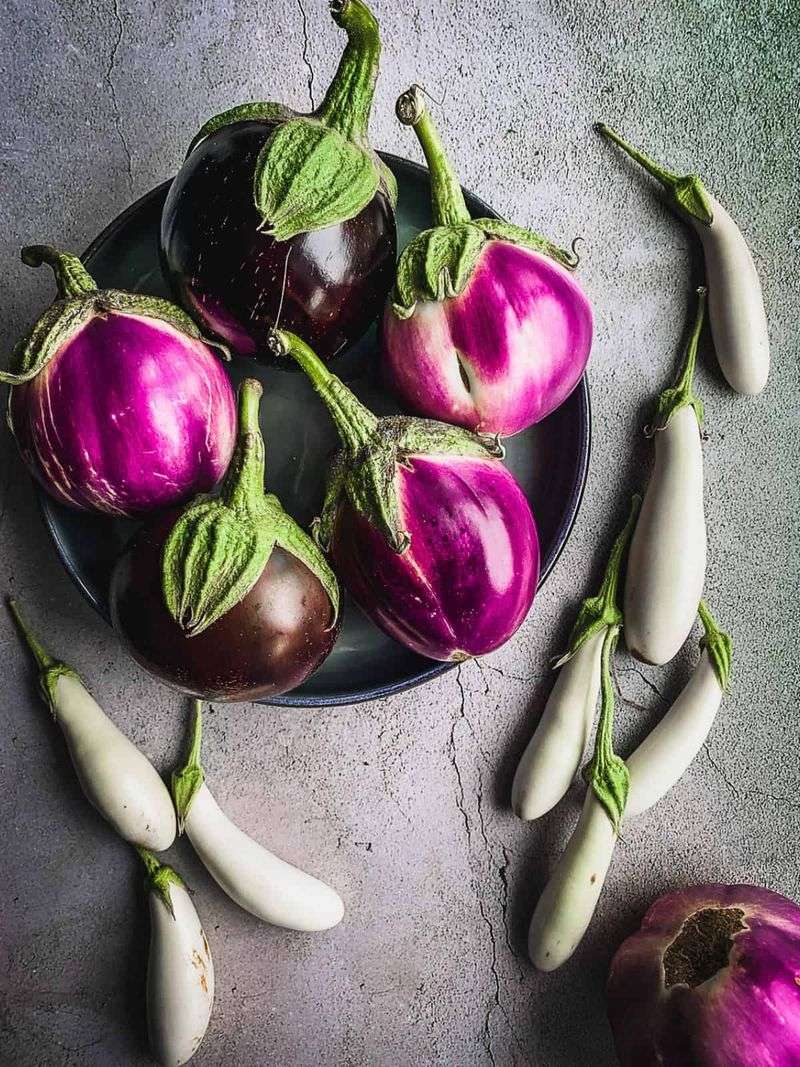
Forget everything you thought you knew about eggplant. While the standard large purple globe variety is perfectly fine, the world of specialty eggplants is a whole lot more interesting.
North Carolina gardeners are reaching for seed packets featuring long slender Japanese types, small round Thai varieties, creamy white Rosa Bianca, and striking purple-and-white striped Listada de Gandia. The visual variety alone is worth growing them.
Eggplants are heat lovers through and through, which makes them well suited to North Carolina’s long, warm growing season.
Start seeds indoors eight to ten weeks before your last frost date and transplant outside once soil temperatures reach at least 60 degrees Fahrenheit.
Full sun is non-negotiable for good production. Plants that sit in shade or partial sun tend to produce fewer fruits and grow more slowly than those basking in eight or more hours of direct sunlight each day.
Specialty types often mature faster than standard varieties, with some Japanese eggplants ready to harvest in as few as 58 days after transplanting. Keep the soil evenly moist and apply a layer of mulch to help regulate temperature and reduce weed competition.
Flea beetles are a common pest for eggplants in NC, so row covers early in the season can protect young transplants until they are well established.
Harvest fruits while the skin is still glossy and firm for the best eating quality and to keep plants producing through the season.
5. Fortex Pole Beans, Long Tender And Reliable In Warm Weather
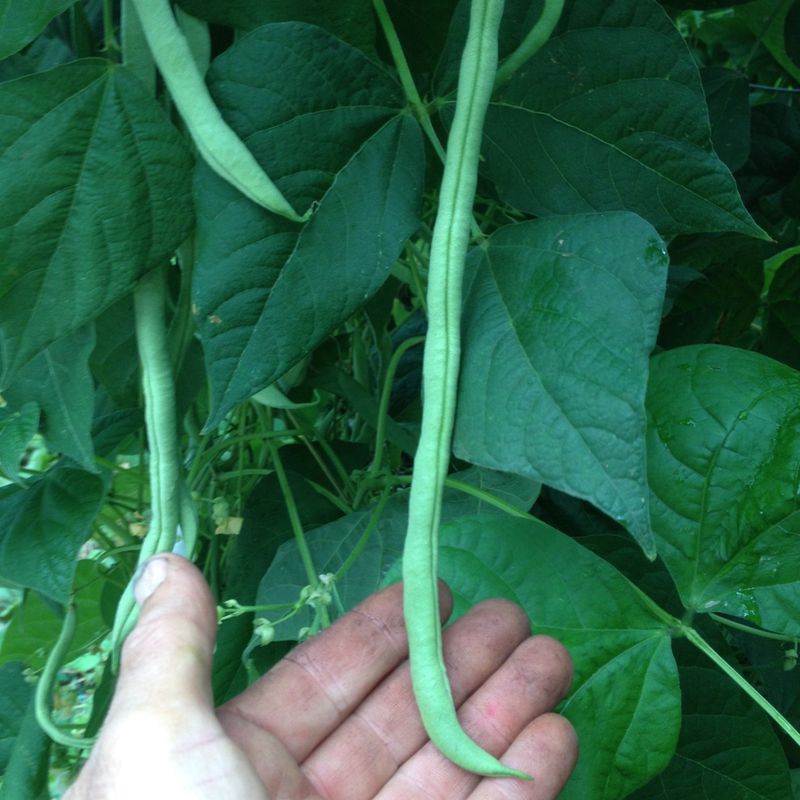
Pole beans are a staple in Southern gardens, and Fortex is quickly earning a reputation as one of the best varieties a North Carolina gardener can plant.
Unlike standard snap beans, Fortex produces exceptionally long pods, often reaching seven to eleven inches, with a slender profile and incredibly tender texture even when fully mature. Gardeners who have grown it once rarely go back to other varieties.
Plant Fortex seeds directly in the garden after your last frost date when soil has warmed to at least 60 degrees Fahrenheit. North Carolina’s Piedmont region can typically start planting in late April, while mountain gardeners should wait until mid-May to be safe.
Fortex is a true pole bean, meaning it needs a sturdy trellis, fence, or teepee structure to climb. Plants can easily reach six to eight feet tall, so give them something solid to hold onto from the start.
One of the standout qualities of Fortex is its extended harvest window. Unlike bush beans that produce one large flush of pods and slow down, Fortex keeps producing steadily as long as you harvest regularly.
Picking pods every two to three days is the key to keeping the plant productive through the summer. Fortex also shows good heat tolerance compared to many other pole bean varieties, making it a reliable choice for NC’s warm and often humid growing conditions.
Expect pods in about 60 days from planting.
6. Patty Pan Squash – A Productive Alternative To Zucchini
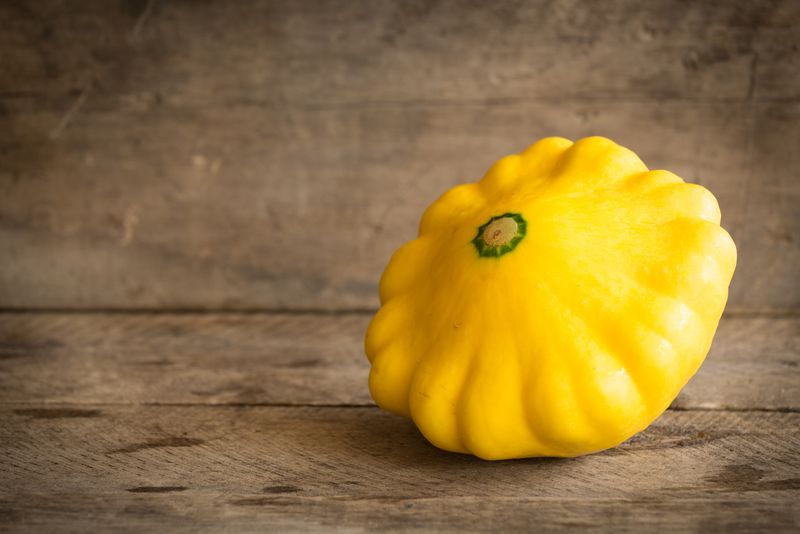
If zucchini has been your go-to summer squash for years, patty pan might just steal the spotlight this season. With its distinctive flying saucer shape and scalloped edges, patty pan squash is both a conversation starter and a genuinely productive garden plant.
It comes in yellow, white, and pale green varieties, all of which grow under the same conditions as standard summer squash.
North Carolina’s warm spring and summer seasons are ideal for patty pan squash. Direct sow seeds or transplant seedlings into well-amended garden soil after your last frost date, usually in April across most of the state.
Choose a spot with full sun and space plants about 24 to 36 inches apart to allow for good airflow, which helps reduce powdery mildew, a common issue with squash in humid NC conditions. Raised beds work especially well because they offer the drainage squash roots need to stay healthy.
Harvest patty pan fruits when they are small, ideally two to four inches across, for the most tender texture and mildest flavor. Larger fruits become tougher and seedy, so check plants frequently during peak production.
Like all summer squash, patty pan is a heavy producer, meaning one or two plants can supply more than enough for a household.
Squash vine borers are the biggest threat in North Carolina, so monitor stems regularly and consider using row covers early in the season to protect young plants from adult moths laying eggs.
7. Mizuna Is A Fast Growing Cool Season Green
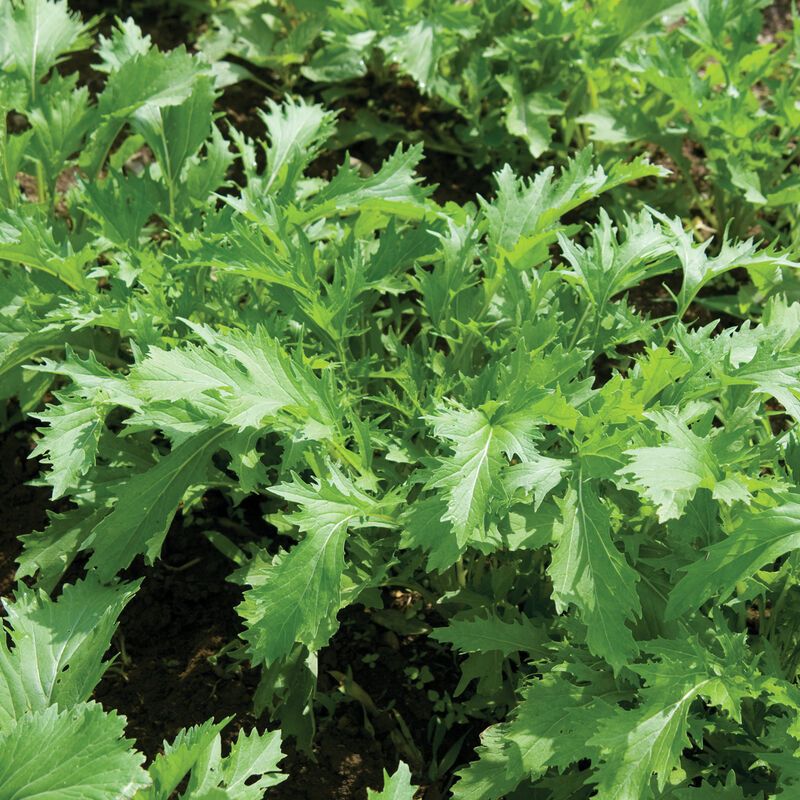
Mizuna might not be the most familiar name at the garden center, but once you grow it, you will wonder why you waited so long.
This Japanese mustard green features deeply lobed, feathery leaves with a mild peppery flavor that works beautifully in salads, stir-fries, and soups. It grows fast, looks stunning, and asks very little of the gardener in return.
In North Carolina, mizuna performs best during the cooler months of early spring and fall. Sow seeds directly in the garden as early as four to six weeks before your last expected frost, usually late February to early March across the Piedmont.
Fall planting works equally well, with seeds going in the ground from late August through September depending on your location. The plant can handle light frosts, which actually tends to sweeten the flavor of the leaves slightly.
The real challenge with mizuna in NC is the summer heat. Once temperatures consistently climb above 80 degrees Fahrenheit, the plant bolts quickly, meaning it sends up a flower stalk and the leaves become more bitter and less enjoyable to eat.
To extend your harvest, plant in a spot that receives afternoon shade during the hottest part of the day. Mizuna reaches harvestable size in as few as 21 days for baby leaf harvests and around 40 days for full-sized plants.
Succession planting every two weeks keeps a fresh supply coming throughout the cool season months.
8. Pak Choi, A Quick Harvest Option For Spring Or Fall
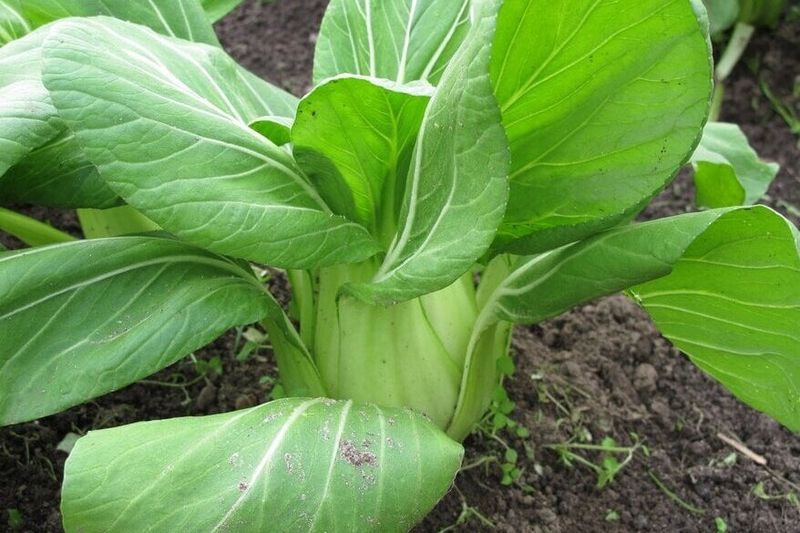
Pak choi, also spelled bok choy, is one of those vegetables that rewards impatient gardeners. From seed to harvest, it can be ready to eat in as few as 30 to 45 days, making it one of the fastest cool-season crops you can grow in North Carolina.
Both the crunchy white stalks and the tender dark green leaves are fully edible, giving you more usable food per plant than many other greens.
Timing is everything with pak choi in NC. Spring planting should happen early enough that plants mature before summer heat arrives in full force.
Sow seeds or transplant seedlings four to six weeks before your last frost date for a spring crop. For fall harvests, count backward 45 days from your first expected frost date to determine when to plant.
The Piedmont typically sees first frost around mid-October, which makes late August to early September the sweet spot for fall sowing.
Pak choi bolts quickly when exposed to high temperatures, so avoid planting during the peak summer months of June, July, and August in most parts of the state.
Consistent moisture is important throughout the growing period since dry conditions stress the plant and speed up bolting.
Space plants about six inches apart for baby pak choi or twelve inches for full-sized heads. Watch for cabbage loopers and aphids, two pests that commonly target pak choi in NC gardens, and address them promptly with appropriate organic controls.
9. Yardlong Beans For Extended Summer Harvests
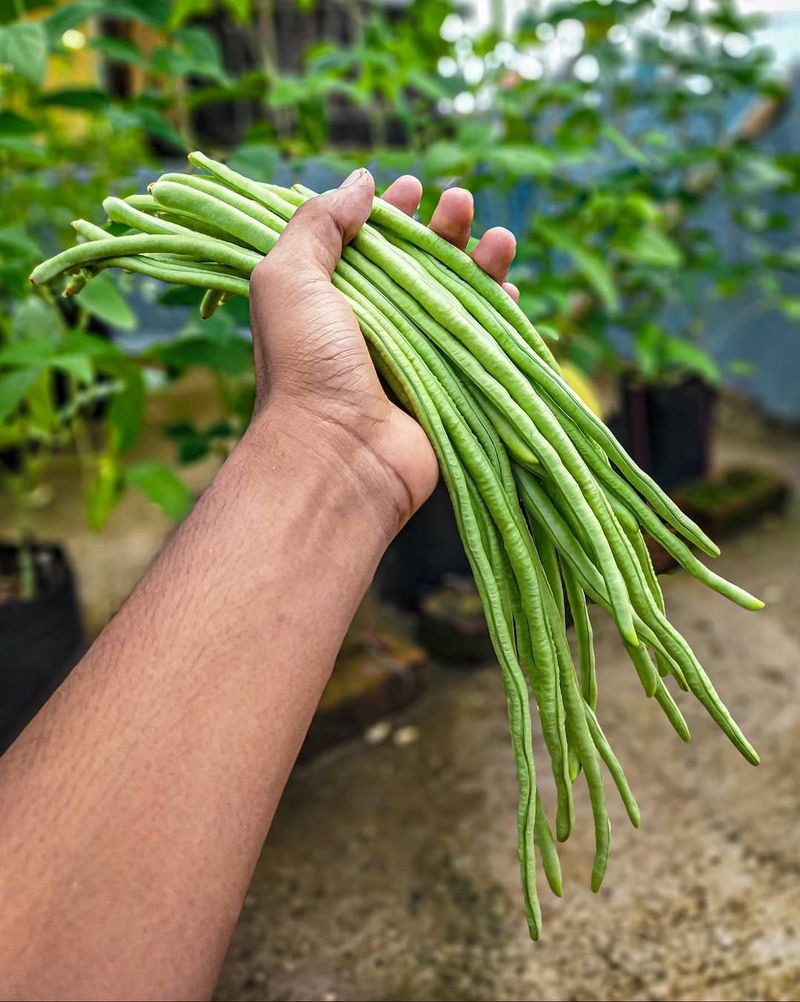
Yardlong beans, sometimes called asparagus beans or Chinese long beans, are exactly what they sound like: beans with pods that can stretch up to 18 inches or more in length.
They are a staple crop in Southeast Asian cooking, and North Carolina gardeners with a love for stir-fries, curries, and fresh summer side dishes are discovering just how well these beans grow in the state’s warm climate.
Unlike common snap beans that can struggle in intense heat, yardlong beans actually prefer it. They are a warm-season crop that thrives in temperatures between 70 and 95 degrees Fahrenheit, which means a North Carolina summer is practically tailor-made for them.
Plant seeds directly in the garden after the last frost date when soil is warm, at least 65 degrees Fahrenheit. Give plants a tall, sturdy trellis since vines can easily climb eight to ten feet by midsummer.
Yardlong beans begin producing pods roughly 60 to 80 days after planting, and the harvest window stretches well into late summer and early fall with consistent picking.
Harvest pods when they are pencil-thin and around 12 to 18 inches long, before seeds inside begin to bulge.
Overgrown pods become tough and stringy, so frequent harvesting every few days keeps quality high and plants productive. The plants also fix nitrogen in the soil, which is a bonus for overall garden health.
Pair them with corn or sunflowers as natural climbing supports for a creative and productive garden combination.
10. Shishito Pepper – Mild, Productive, And Heat Tolerant
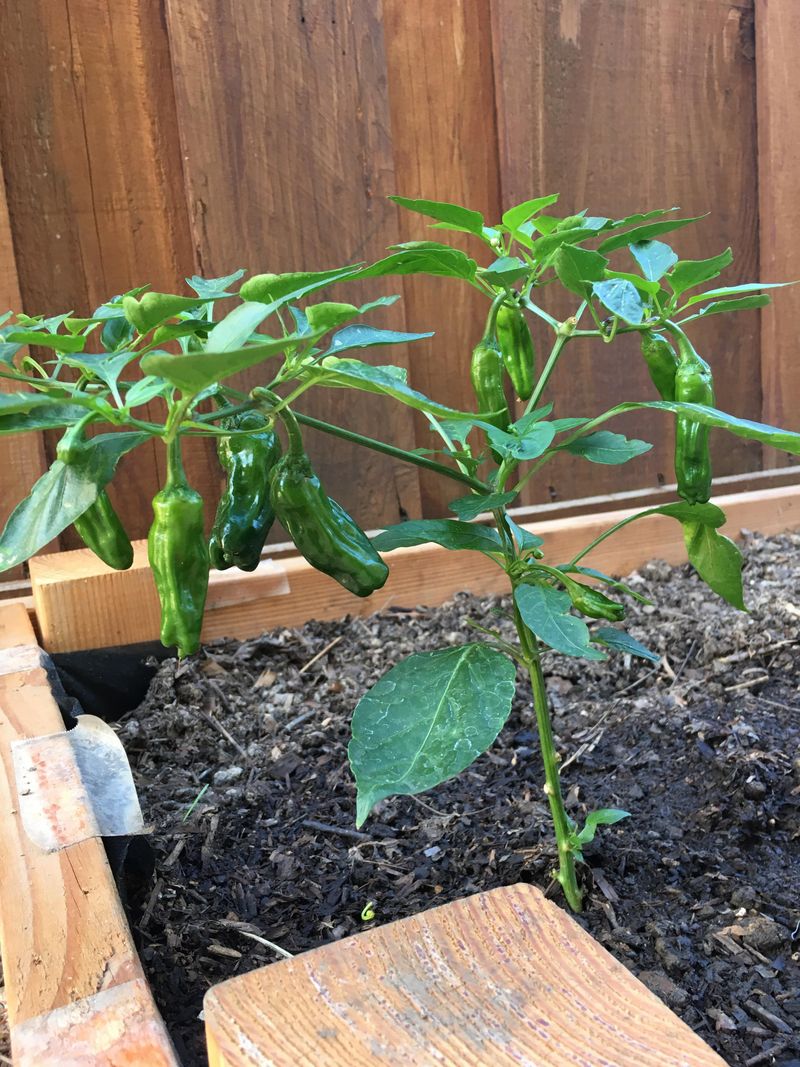
Shishito peppers have gone from trendy restaurant appetizer to must-grow backyard crop faster than almost any other vegetable in recent years.
These small, thin-walled peppers are mostly mild, though every so often one sneaks in a surprising kick, which makes snacking on them a playful experience.
Blister them in a hot skillet with olive oil and sea salt, and you have a side dish that impresses every single time.
North Carolina’s warm growing season suits shishito peppers very well. Start seeds indoors eight to ten weeks before your last frost date, then transplant outside once nighttime temperatures stay reliably above 55 degrees Fahrenheit and soil has warmed up.
Like all peppers, shishitos need full sun and well-drained soil to perform their best. Raised beds or containers work especially well because they warm up faster in spring and give roots the drainage they prefer.
One of the biggest advantages of growing shishito peppers is how productive each plant becomes once the season gets rolling. A single plant can produce dozens to hundreds of peppers across the summer.
Harvest fruits when they are two to four inches long and still green for the classic shishito experience, though leaving some on the plant allows them to ripen to red, which brings a slightly sweeter flavor.
Water consistently and fertilize every few weeks with a balanced vegetable fertilizer to keep plants strong and producing well through the entire growing season in NC.