New York Botanical Garden Proves Shade Gardens Can Be Colorful
Garden designers sometimes claim shade means no color, but The New York Botanical Garden proves that idea wrong, showing how thoughtful plant choices can turn shady spots into vibrant, eye‑catching displays.
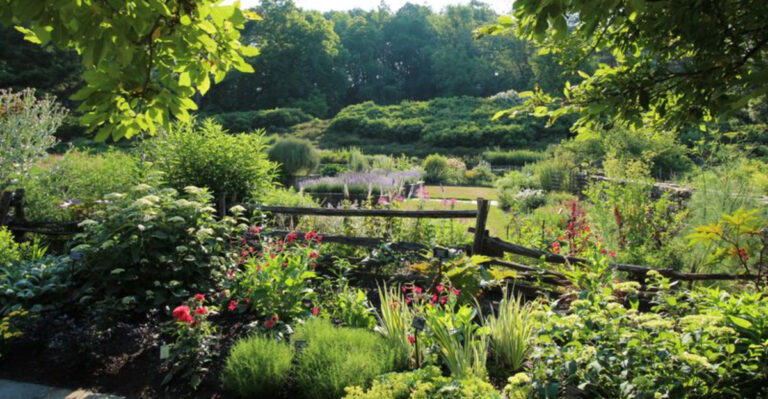
Many areas inside the Garden abound with shade‑loving plants that deliver rich hues through flowers and foliage alike — from hostas and astilbes to other blooms that brighten dim corners with texture and splash.
Even under tree canopies, carefully planned plantings bring contrast and interest that defy the notion that shade gardens must sit in neutral tones.
By combining species that thrive with less sun and arranging them for depth and seasonal interest, the Garden highlights how muted light doesn’t mean muted impact.
Whether exploring woodland trails or shaded beds dotted with bold foliage and delicate blossoms, visitors see firsthand that shade can be just as colorful and engaging as full sun gardens when designers play their cards right.
1. Rethinking Shade: Why Low-Light Gardens Don’t Have To Be Dull

Traditional gardening wisdom suggests that shady areas produce lackluster results.
Many homeowners avoid planting anything beyond basic groundcover in these spots.
The truth is that shade gardens can rival sunny borders when you select appropriate plants and plan thoughtfully.
NYBG challenges old assumptions by creating shade displays that feature bold colors and interesting combinations.
Their gardens prove that limited sunlight does not mean limited beauty.
Shade comes in different forms, from light dappled shade under trees to deep shade against north-facing walls.
Each type supports different plants with unique characteristics.
Understanding your specific shade conditions helps you choose plants that will thrive rather than struggle.
Gardeners who embrace shade as an opportunity rather than a problem discover a whole new world of plant options.
Shade gardens often require less watering than sunny spots because moisture evaporates more slowly.
They also tend to need less weeding since fewer weed seeds germinate without direct sunlight.
These practical benefits make shade gardening easier for busy families.
The New York Botanical Garden demonstrates that with proper plant selection and creative design, shady areas become garden highlights rather than forgotten corners.
Their approach inspires gardeners everywhere to rethink what shade can offer.
2. How The New York Botanical Garden Uses Color In Shaded Spaces

NYBG employs specific strategies to maximize color impact in areas with limited light.
They layer plants with different heights, textures, and bloom times to create visual interest throughout the growing season.
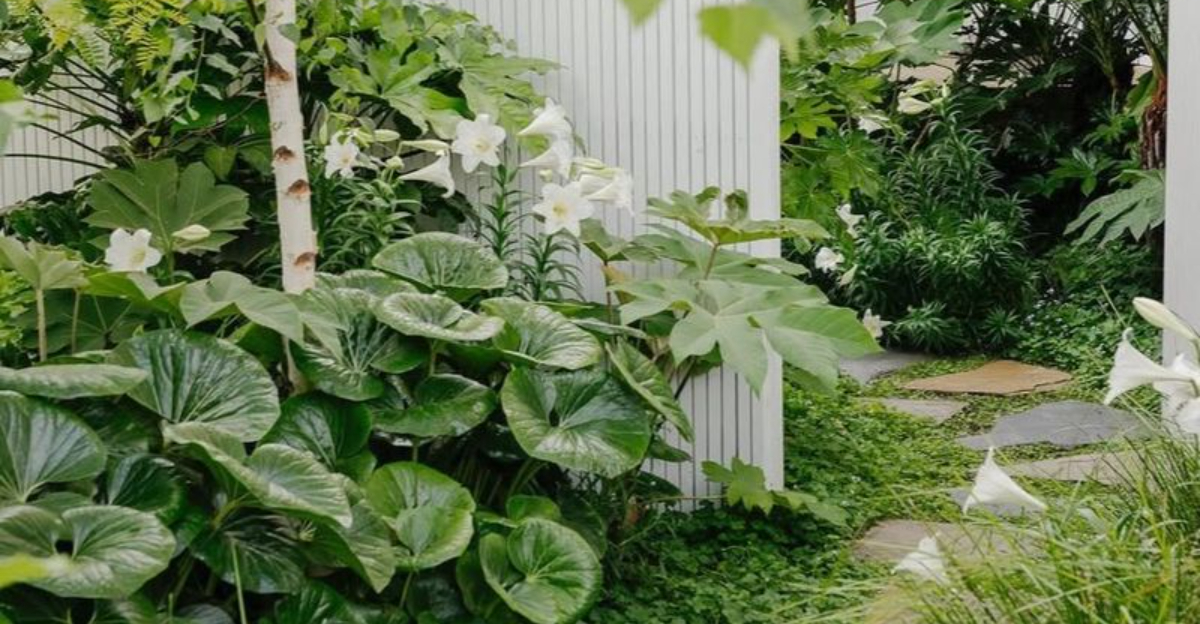
Bright white and light-colored flowers practically glow in shady conditions, drawing the eye and brightening dark corners.
Pink, purple, and blue blooms also show up beautifully against the green backdrop of shade-loving foliage.
The garden designers carefully position plants to take advantage of whatever light filters through the tree canopy.
They place lighter colors where they will catch morning sun or reflected light from nearby paths.
Darker colors go in spots where they can be viewed up close rather than from a distance.
This intentional placement makes every plant choice count.
NYBG also uses containers filled with colorful annuals to add movable pops of color.
These pots can be rotated or replaced as plants finish blooming, keeping the display fresh all summer.
Variegated foliage plants with cream, white, or yellow markings provide color even when nothing is blooming.
The combination of flowering plants and colorful leaves creates a layered effect that feels rich and full.
By studying how NYBG arranges their shade gardens, home gardeners can apply the same principles to their own yards.
3. Plants That Bring Color To Shade Without Full Sun

Certain plants have adapted to bloom beautifully even in low-light conditions.
Astilbe produces feathery flower plumes in shades of pink, red, white, and lavender during early to mid-summer.
These elegant perennials prefer moist soil and partial shade, making them perfect for areas under trees.
Coral bells, also called heuchera, offer colorful foliage in burgundy, purple, lime green, and bronze.
They also send up delicate flower spikes that hummingbirds love.
Bleeding hearts create romantic displays with their heart-shaped pink or white flowers dangling from arching stems.
These spring bloomers thrive in woodland conditions and naturalize over time.
Impatiens and begonias provide continuous color from late spring through frost.
Modern varieties come in nearly every color except true blue, giving gardeners endless options.
Hostas bloom with lavender or white flowers in summer, though most gardeners grow them primarily for their attractive leaves.
Ferns do not flower but contribute texture and movement that complements blooming plants.
The New York Botanical Garden combines all these plants and more to create diverse shade plantings.
They show that you can have color in shade from spring through fall by choosing plants with different bloom schedules.
Home gardeners can copy this approach by selecting at least three plants that bloom at different times.
4. Foliage, Texture, And Blooms: More Than Just Flowers

Flowers grab attention, but foliage provides the foundation for successful shade gardens.
Leaves come in countless shapes, sizes, and colors that create interest even when nothing is blooming.
Large hosta leaves contrast beautifully with fine-textured ferns and delicate groundcovers.
This variety in leaf size and shape makes gardens feel more dynamic and layered.
Variegated plants with striped, spotted, or edged leaves add brightness without requiring flowers.
Japanese forest grass features cascading chartreuse foliage that lights up dark areas.
Brunnera has heart-shaped leaves splashed with silver markings that shimmer in low light.
These foliage stars earn their place in the garden through year-round visual appeal.
Texture plays an equally important role in creating engaging shade gardens.
The New York Botanical Garden pairs plants with different leaf textures to create contrast and depth.
Smooth, glossy leaves next to rough, matte ones make each plant stand out more clearly.
Bold, architectural plants like rodgersia provide structure, while airy plants like goatsbeard soften edges.
By focusing on the complete plant rather than just its flowers, NYBG creates gardens that look interesting from spring through fall.
This approach works especially well in shade where bloom times may be shorter than in sunny gardens.
5. Design Techniques That Make Shade Gardens Visually Striking

Good design transforms a collection of plants into a cohesive, beautiful garden.
NYBG uses several key techniques that home gardeners can easily adapt.
They create depth by placing taller plants in back and shorter ones in front, just like arranging people for a group photo.
Repeating certain plants throughout the garden creates rhythm and unity.
You might see the same hosta variety used in multiple spots, which ties the whole design together.
This repetition prevents the garden from looking chaotic or random.
Curved edges and flowing lines make shade gardens feel more natural and inviting than straight rows.
Paths that curve out of sight create mystery and encourage exploration.
The botanical garden also uses focal points like decorative containers, sculptures, or specimen plants to draw the eye.
These features give visitors a place to rest their gaze and create memorable moments.
Lighting makes a huge difference in shady areas.
While this seems obvious, many gardeners overlook how strategic lighting can highlight special plants or create evening ambiance.
NYBG demonstrates that even simple solar lights along paths can transform a shade garden after dark.
Mulch choice matters too—dark mulch makes light-colored plants pop, while light mulch brightens the entire area.
These design choices work together to create shade gardens that feel intentional and polished rather than accidental.
6. Seasonal Color Strategies For Shady Landscapes

The New York Botanical Garden keeps shade areas interesting across all seasons through careful planning.
Spring arrives with early bulbs like snowdrops, crocuses, and daffodils that bloom before trees leaf out.
These cheerful flowers take advantage of the extra sunlight that reaches the ground before the tree canopy fills in.
As spring progresses, bleeding hearts, primroses, and Virginia bluebells provide waves of color.
Summer brings astilbes, hostas, and continuous-blooming annuals like impatiens and begonias.
This is when foliage plants really shine, offering color through their leaves rather than flowers.
Fall transforms shade gardens with the golden colors of ferns and the late blooms of toad lilies and Japanese anemones.
Some hostas develop beautiful yellow fall color before going dormant.
Winter might seem like a challenge, but evergreen plants like Christmas ferns and hellebores keep the garden from looking completely bare.
Hellebores even bloom in late winter, offering flowers when little else is active.
Bark, seed heads, and garden structure become important visual elements during cold months.
By planning for each season, NYBG ensures their shade gardens never look boring or abandoned.
Home gardeners can follow this model by choosing at least one plant for each season.
This approach guarantees something interesting happens in your shade garden all year long.
7. What Home Gardeners Can Learn From NYBG’s Shade Gardens

The lessons from NYBG translate beautifully to home gardens of any size.
Start by assessing your shade conditions—observe how much light your space receives and when it arrives.
Morning sun differs from afternoon sun, and this affects which plants will succeed.
Choose plants rated for your specific type of shade rather than trying to force sun-lovers into dark spots.
Working with your conditions rather than against them makes gardening much more enjoyable and successful.
Begin with reliable performers like hostas, astilbes, and ferns that forgive beginner mistakes.
As you gain confidence, experiment with more unusual shade plants to expand your collection.
Improve your soil by adding compost or other organic matter since many shade plants prefer rich, moisture-retentive soil.
This simple step dramatically improves plant health and reduces maintenance needs.
Group plants with similar water and soil requirements together to make care easier.
Take photos of your garden throughout the season to identify gaps in color or interest.
These pictures help you plan additions for next year.
Remember that gardens evolve over time—NYBG’s displays represent years of refinement and experimentation.
Your shade garden will improve each season as plants mature and you learn what works best in your specific conditions.
The most important lesson from NYBG is that shade represents opportunity rather than limitation for creative, colorful gardening.