New York Gardeners Urged To Avoid These Foods In Bird Feeders
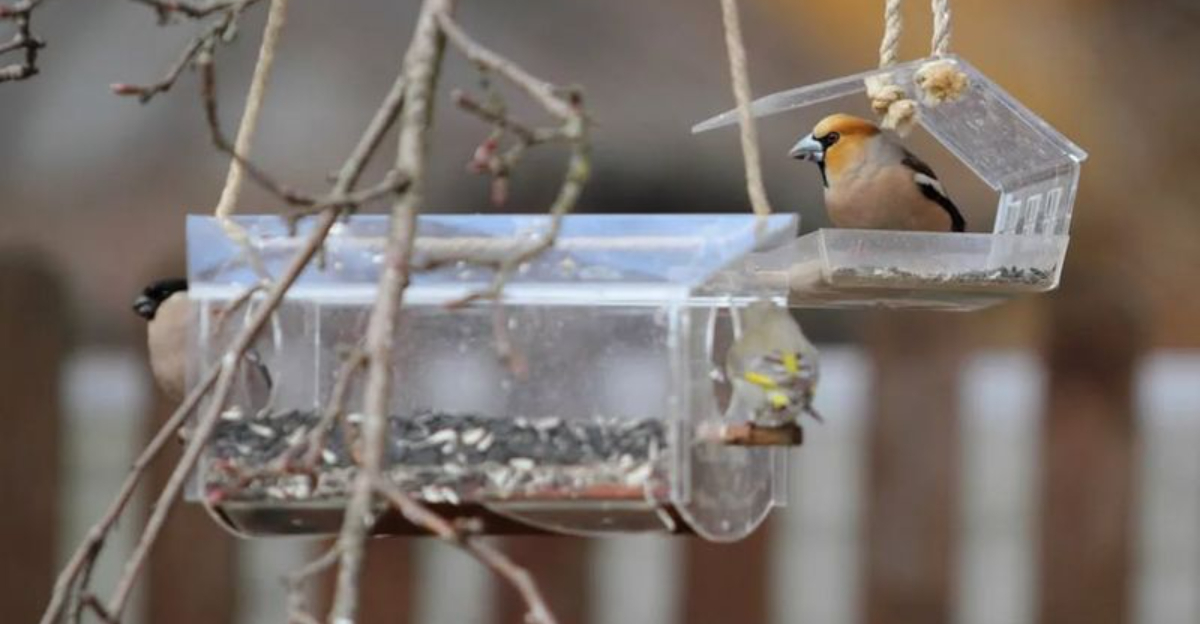
New York gardeners are being urged to rethink what goes into their bird feeders to keep feathered visitors happy and healthy.
Some seemingly harmless snacks can actually cause more harm than good, turning backyard birdwatching into a veterinary bill waiting to happen.
Learning which foods to skip helps ensure your feathered friends stick around for the right reasons and your garden stays a cheerful, wildlife-friendly spot.
1. Bread and Baked Goods
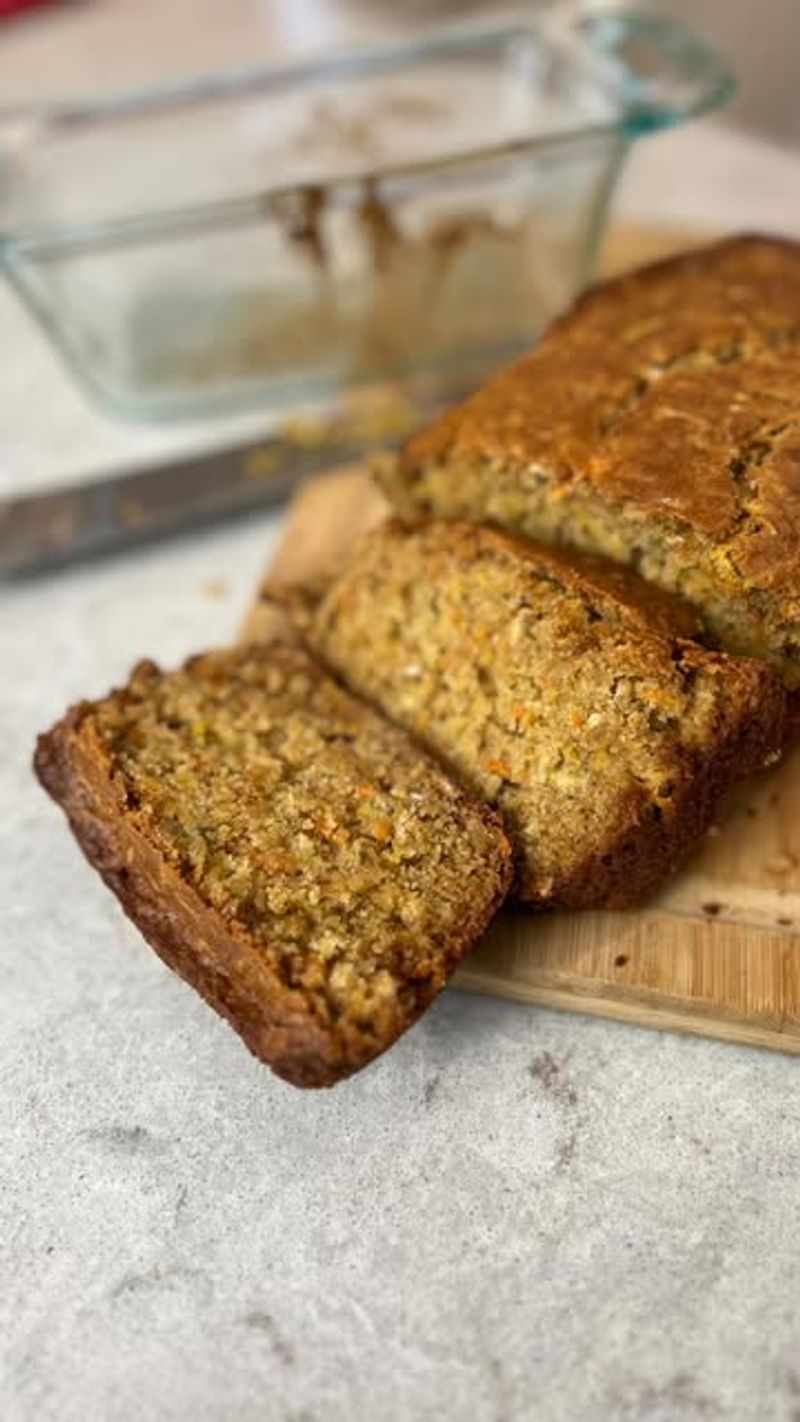
Bread might seem like an easy snack to toss out for birds, but it offers almost no nutritional value for their dietary needs.
Filling up on bread leaves birds feeling full without getting the proteins, fats, and vitamins they require for energy and survival.
In New York winters, this becomes especially dangerous because birds need high-calorie foods to maintain body heat during freezing temperatures.
Moldy bread poses even greater risks, as fungal spores can cause respiratory infections in small birds with delicate lung systems.
Leftover buns, bagels, and pastries also attract rodents, raccoons, and other unwanted visitors to your garden at night.
These pests can damage feeders, dig up plants, and create messes that frustrate neighbors and reduce your yard’s appeal.
Instead of bread, offer sunflower seeds, suet cakes, or nyjer seeds that provide genuine nourishment birds actually need to thrive.
Your local bird population will stay healthier, stronger, and better equipped to handle the challenges of each changing season throughout the year.
2. Salty Snacks and Chips
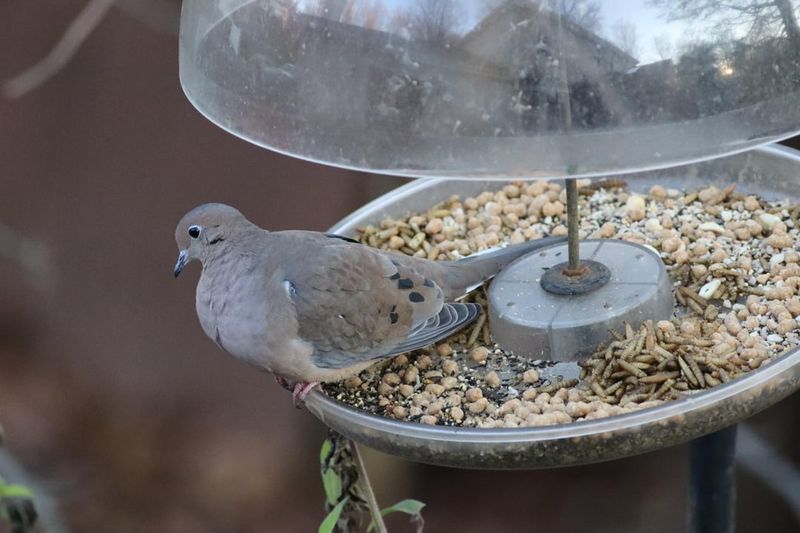
Potato chips, pretzels, and crackers contain dangerously high sodium levels that birds’ tiny bodies cannot process safely or efficiently.
Excessive salt intake causes severe dehydration in birds, forcing their kidneys to work overtime and potentially leading to organ failure.
Unlike humans, birds lack the ability to sweat, making it nearly impossible for them to regulate body temperature when dehydrated properly.
Across New York gardens, well-meaning people often share snack foods without realizing the hidden dangers lurking in every salty bite.
Symptoms of salt poisoning include weakness, tremors, and disorientation, which make birds vulnerable to predators like neighborhood cats and hawks.
Even small amounts of seasoned nuts, flavored popcorn, or cheese crackers can trigger these harmful effects in delicate avian systems.
Birds naturally seek out mineral-rich foods, but processed snacks provide the wrong kind of salts in overwhelming, unnatural concentrations.
Keep your feeders stocked with plain, unsalted options like raw peanuts, black oil sunflower seeds, or fresh fruit pieces instead.
3. Chocolate and Candy
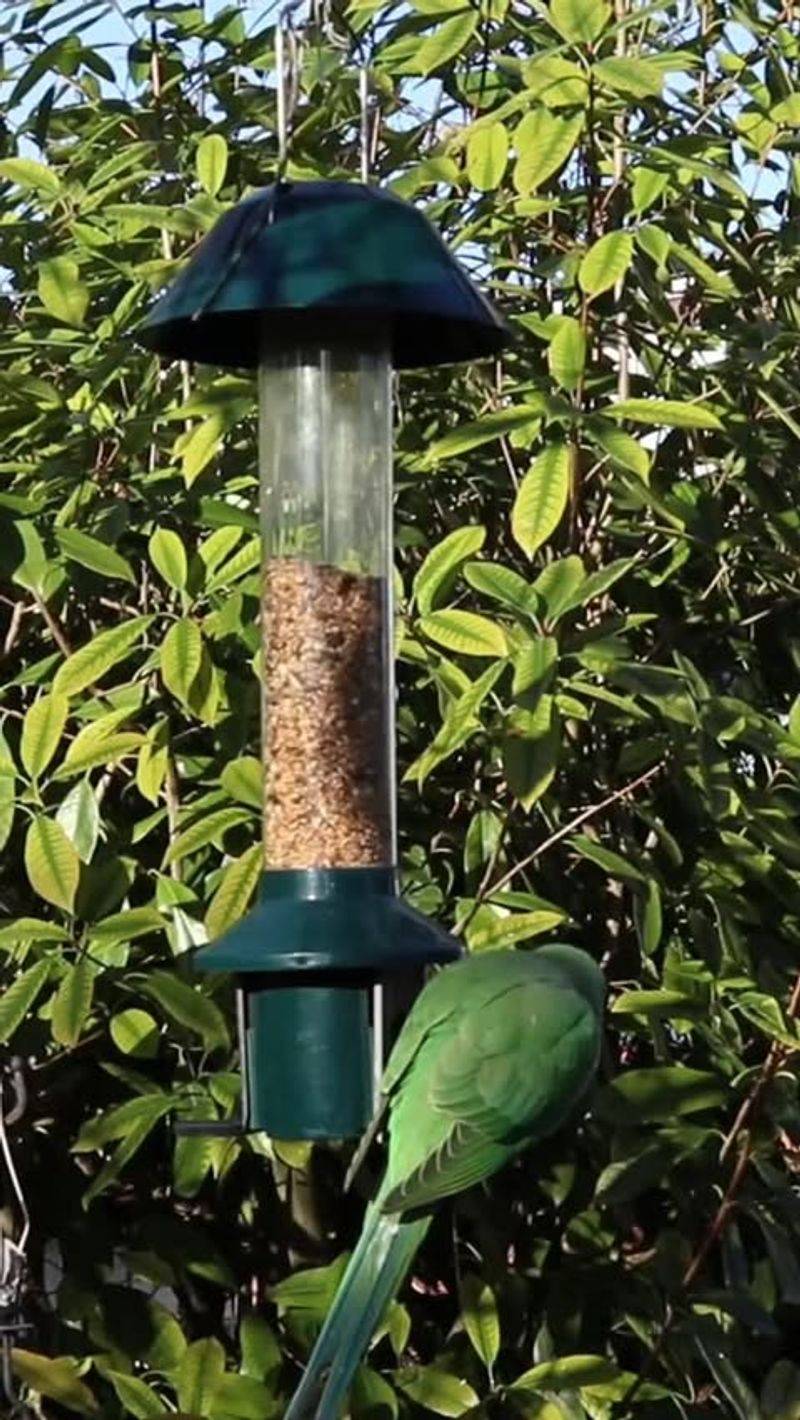
Chocolate contains theobromine, a compound that proves toxic to birds even in surprisingly small quantities that seem harmless to humans.
This chemical affects their cardiovascular and nervous systems, causing irregular heartbeats, seizures, and other frightening symptoms that escalate quickly.
Candy bars, cocoa powder, and chocolate chip cookies all carry this hidden danger for every bird species visiting your New York feeder.
Sugary candies without chocolate still create problems by promoting unhealthy weight gain and disrupting natural foraging behaviors essential for survival.
Birds that become dependent on easy sugar sources may neglect nutritious insects, seeds, and berries they would normally seek out.
Hard candies can also become choking hazards, while sticky caramels and taffy can gum up beaks and make eating properly impossible.
Artificial colors, flavors, and preservatives in processed sweets offer zero benefits and may introduce unknown chemicals into delicate bird digestive systems.
Stick to natural treats like dried mealworms, fresh berries, or quality birdseed blends that support genuine health and natural behaviors.
4. Spoiled or Moldy Food
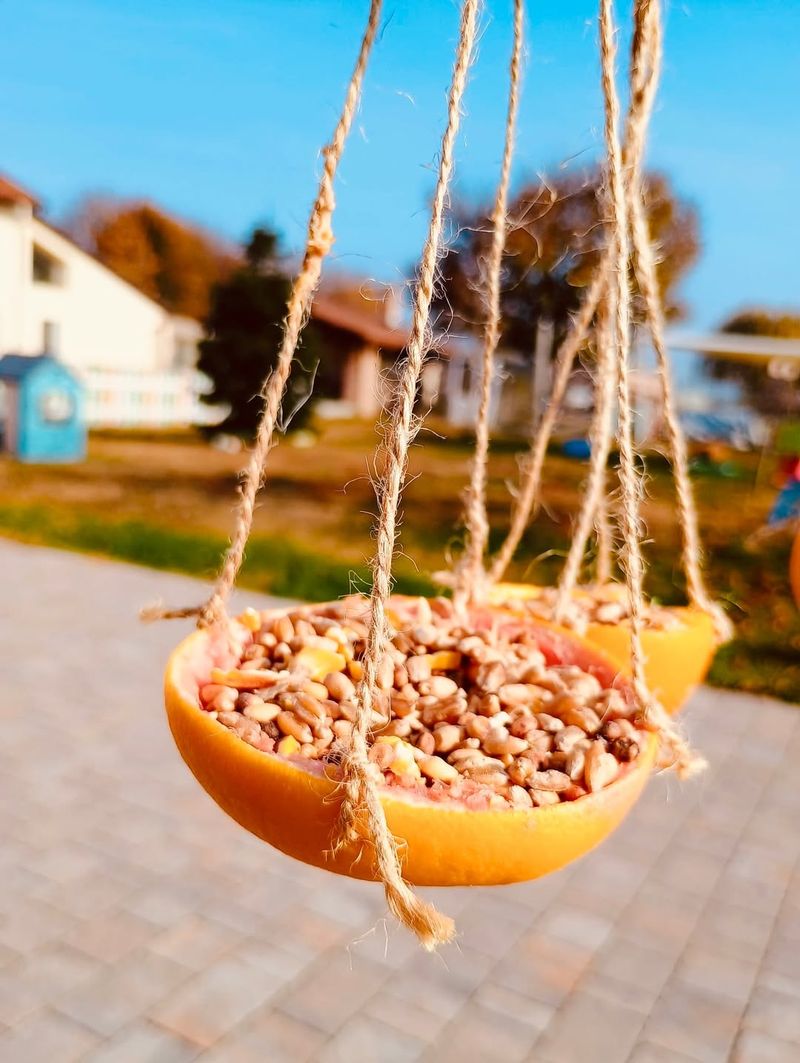
Moldy seeds and spoiled food harbor dangerous bacteria and fungi that can spread respiratory diseases rapidly among bird populations visiting feeders.
Aspergillosis, a fungal infection, attacks birds’ air sacs and lungs, making breathing difficult and reducing their ability to fly effectively.
New York’s humid summers create perfect conditions for mold growth inside feeders, especially when seeds get wet from rain or morning dew.
Contaminated food also attracts insects like maggots and beetles, which further degrade the feeding environment and discourage healthy birds from visiting.
Regular cleaning prevents these problems, but many gardeners forget to inspect feeders frequently enough to catch early signs of spoilage.
Birds may eat moldy food simply because they’re hungry, not because it’s safe or nutritious for their immediate needs.
Watch for clumped seeds, unusual odors, or visible white, green, or black fuzzy growth that indicates contamination has already begun.
Empty feeders weekly, scrub them with diluted bleach solution, rinse thoroughly, and allow complete drying before refilling with fresh seed.
5. Dry Rice and Beans
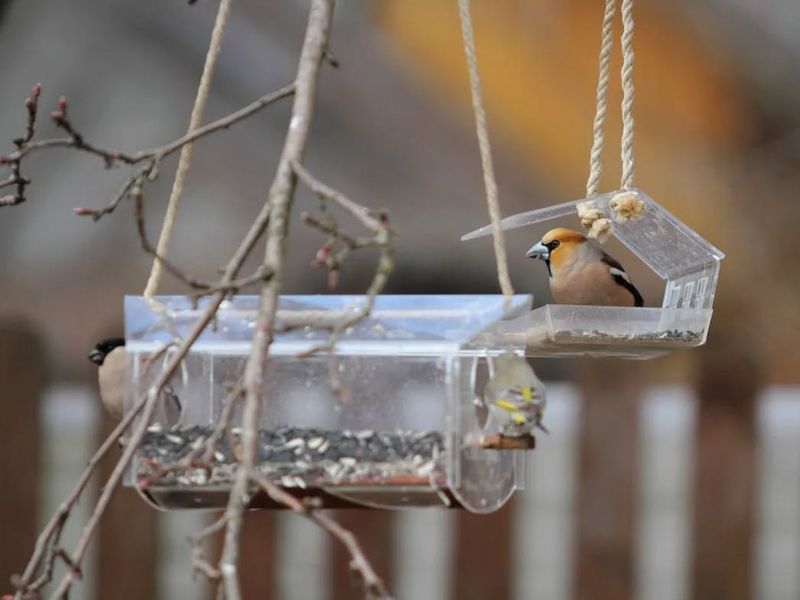
Uncooked rice and dried beans expand dramatically when exposed to moisture, which can cause serious digestive blockages in birds’ small stomachs.
While the old myth about rice making birds explode is false, raw grains still present real problems for their delicate systems.
Dried beans contain lectins, natural compounds that become toxic when eaten raw and can cause severe gastrointestinal distress in birds.
New York gardeners sometimes dump leftover pantry items into feeders thinking they’re helping, but this misguided kindness creates unnecessary health risks.
Cooked rice and beans are safer but still offer poor nutritional value compared to foods birds naturally eat in wild environments.
Hard, uncooked grains can also be difficult for smaller bird species to crack open, leading to frustration and wasted energy.
Pigeons and doves might manage raw grains better than songbirds, but even they benefit more from appropriate seeds and grains.
Choose bird-specific foods like millet, cracked corn, or hulled sunflower hearts that provide proper nutrition without potential digestive complications or risks.
6. Avocado and Guacamole
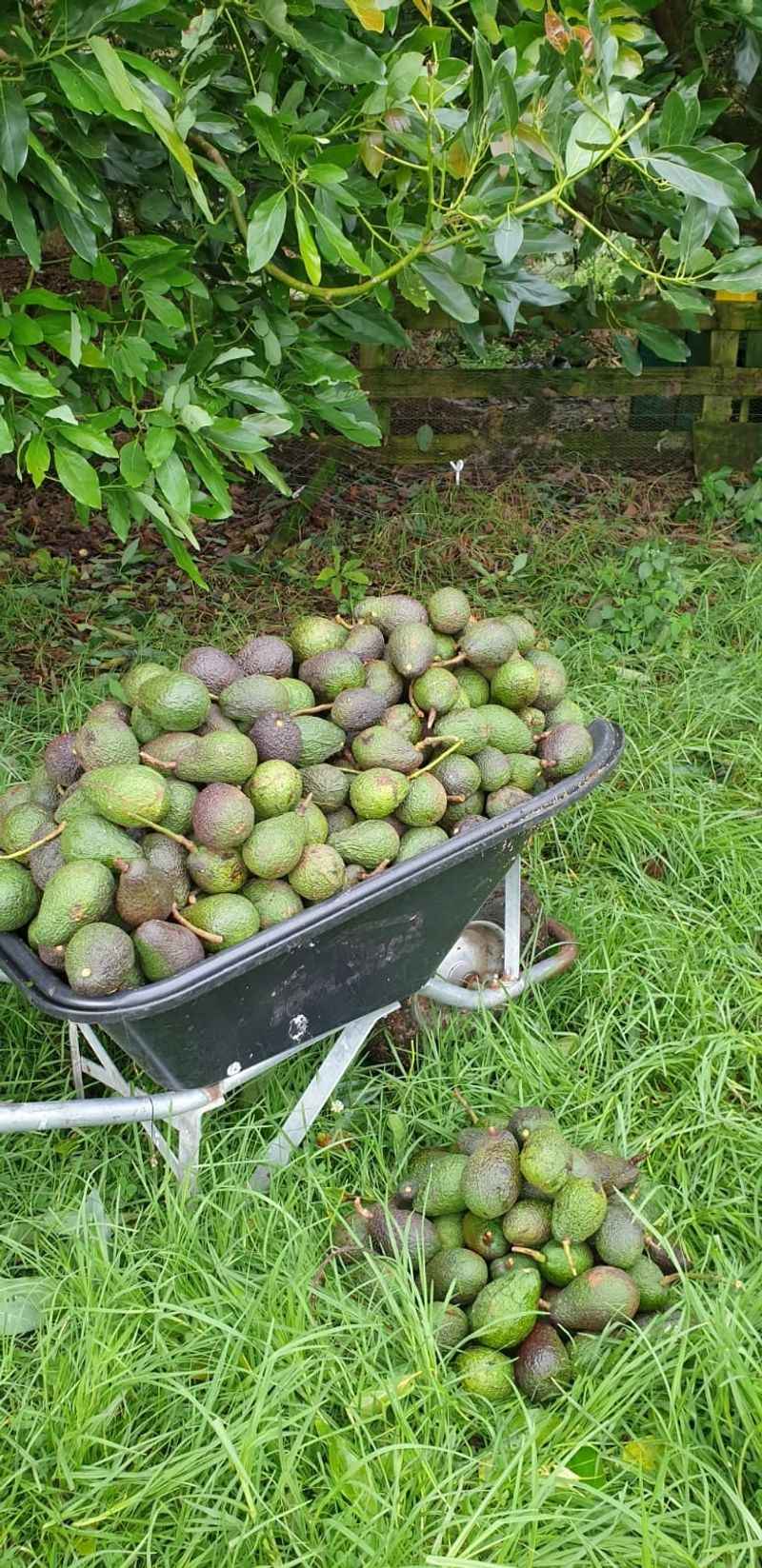
Avocados contain persin, a fungicidal toxin that proves extremely dangerous to birds even though humans can eat them without any problems.
The skin, pit, and flesh all carry this compound, which damages heart muscle tissue and causes respiratory distress in birds.
Symptoms can appear within hours of consumption, including weakness, difficulty breathing, and inability to perch properly on feeder edges or branches.
Guacamole and other avocado-based dips pose the same risks, plus they often contain garlic, onions, and salt that add additional dangers.
New York gardeners who enjoy outdoor meals might accidentally leave avocado scraps near feeders, creating unintended hazards for visiting birds.
Even small amounts can prove harmful to tiny species like chickadees, finches, and warblers that weigh less than an ounce.
Birds cannot detect this toxin by smell or taste, so they have no natural warning system to avoid dangerous foods.
Keep all avocado products away from outdoor spaces where birds feed, and educate family members about these hidden dangers too.
7. Onions and Garlic
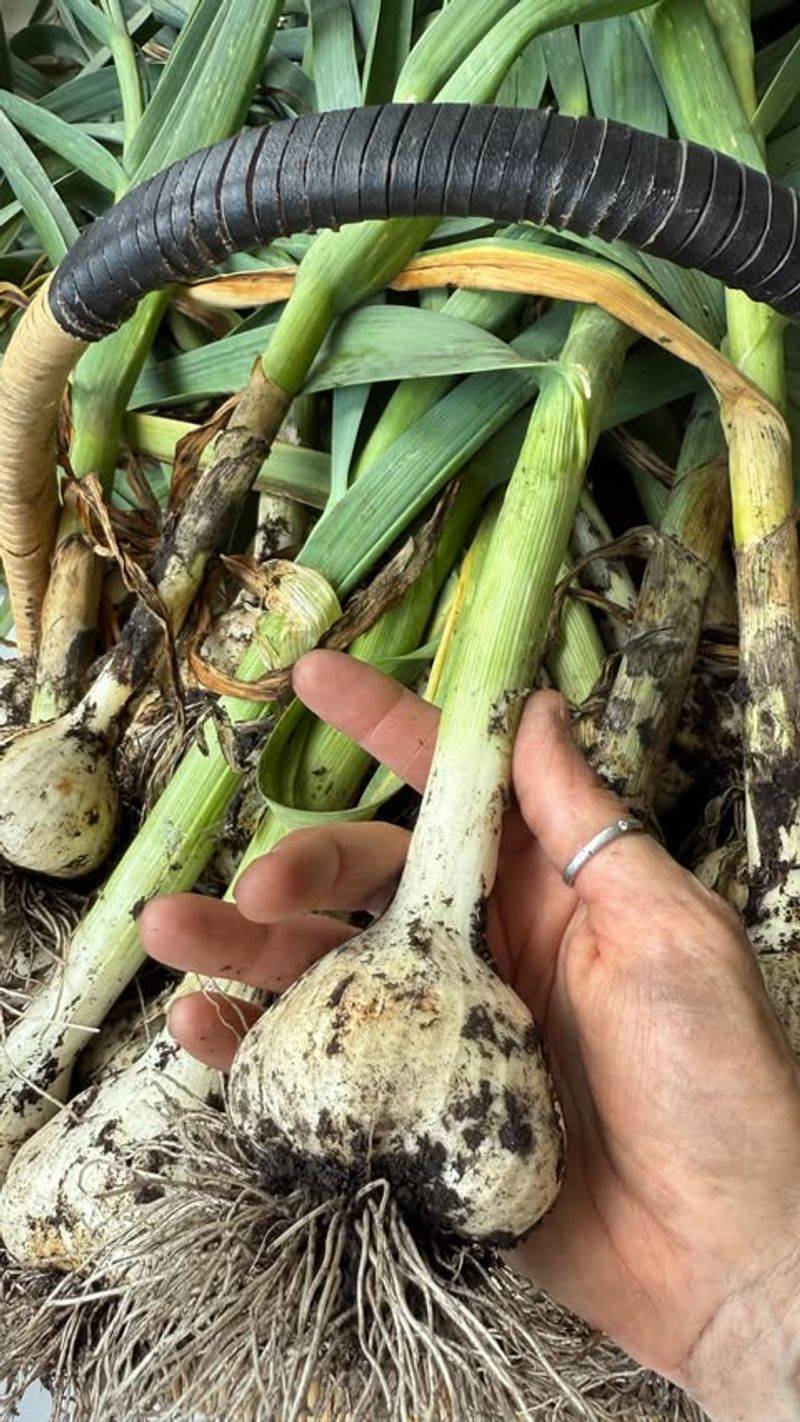
Onions and garlic contain sulfur compounds that damage red blood cells in birds, leading to a condition called hemolytic anemia.
This condition reduces oxygen-carrying capacity in their blood, causing weakness, lethargy, and pale membranes around beaks and eyes.
Both raw and cooked forms of these vegetables pose risks, as cooking doesn’t eliminate the harmful compounds that affect birds.
Many New York gardeners grow onions and garlic in vegetable patches near bird feeders, so keeping these areas separate becomes important.
Leftover kitchen scraps containing onion powder, garlic salt, or fresh pieces should never go into compost bins near feeding stations.
Birds that consume these foods may not show symptoms immediately, making it difficult to identify the source of their illness later.
Even small quantities can accumulate in their systems over time, gradually weakening their health without obvious external signs of trouble.
Stick to bird-safe vegetables like corn, peas, and chopped leafy greens if you want to offer fresh produce in feeders.
8. Dairy Products
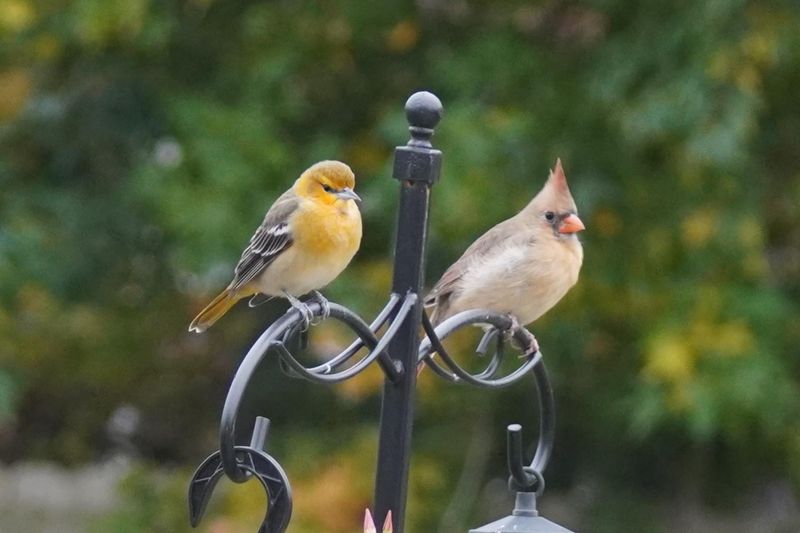
Birds lack the enzyme lactase needed to properly digest lactose, the sugar found in all milk-based products like cheese and yogurt.
Consuming dairy leads to uncomfortable digestive upset, including diarrhea that causes dehydration and weakness in birds of all sizes.
New York winters make dehydration especially dangerous because birds need every bit of energy to maintain body temperature during cold snaps.
Some people leave out milk-soaked bread or cheese scraps thinking they’re providing protein, but this actually causes more harm than good.
Diarrhea also soils feathers, reducing their insulating properties and making it harder for birds to stay warm and dry naturally.
Spoiled dairy products attract flies, maggots, and bacteria that contaminate feeders and spread diseases to multiple birds that visit daily.
Even small amounts of butter, cream, or ice cream can trigger these digestive problems in birds’ sensitive gastrointestinal systems.
Offer protein through mealworms, suet cakes, or peanut butter instead, which birds can digest easily and benefit from nutritionally.
9. Fruit Pits and Apple Seeds
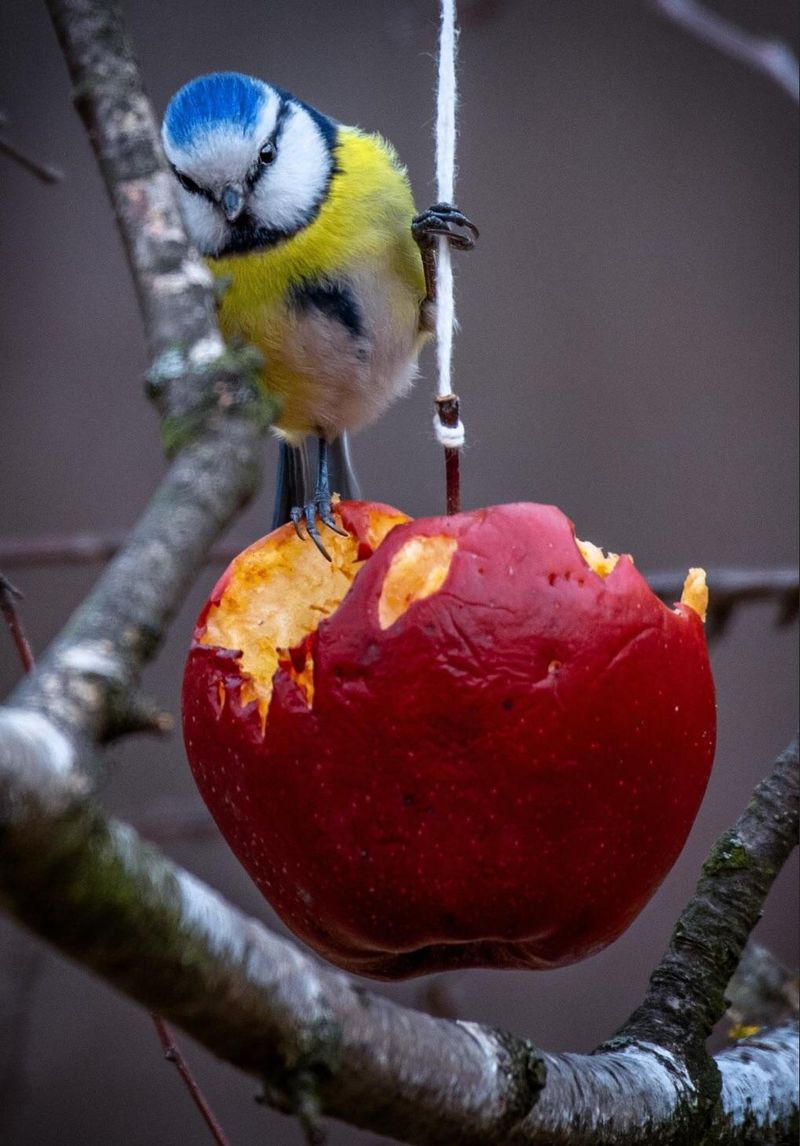
Fruit pits from cherries, peaches, plums, and apricots contain cyanogenic compounds that release toxic cyanide when crushed or digested by birds.
Apple seeds carry similar dangers, though birds would need to consume many seeds for severe poisoning to occur in most cases.
New York gardeners who compost fruit scraps near feeders should remove all pits and seeds before placing them in outdoor bins.
Larger birds with powerful beaks can crack pits open more easily, increasing their exposure to these dangerous compounds hidden inside.
Even if birds don’t crack pits, the hard material can cause choking or become lodged in their digestive tracts painfully.
Fresh fruit flesh is generally safe and nutritious, so simply remove seeds and pits before offering apples, pears, or stone fruits.
Berries like blueberries, strawberries, and raspberries have tiny seeds that pose no danger and provide excellent nutrition for many species.
Cut fruit into small pieces, inspect carefully for seeds, and place in clean feeders away from where pits might accidentally accumulate.