North Carolina Bluebirds Are Back And Here’s How To Attract Them To Your Yard
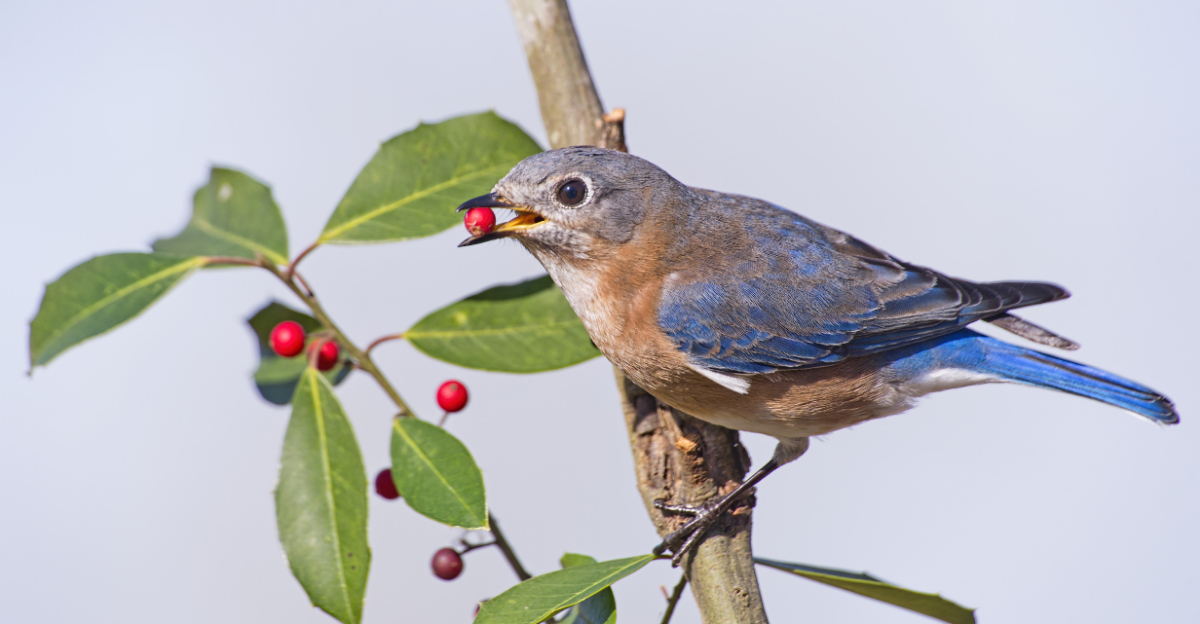
There’s a certain kind of morning in North Carolina when the light hits just right and you hear a soft, cheerful call nearby.
Bluebirds have a way of showing up quietly, often when you’re out tending the garden or just enjoying a slower start to the day.
It’s the kind of sight that makes you pause for a moment.
These birds return each season looking for open spaces, safe nesting spots, and a steady food source. With a few simple adjustments, your yard can become one of the places they choose to visit and stay.
Give them what they need, and your yard can quickly become part of their daily routine, with those flashes of blue becoming a familiar part of your mornings.
1. Set Up The Perfect Bluebird House In The Right Open Spot
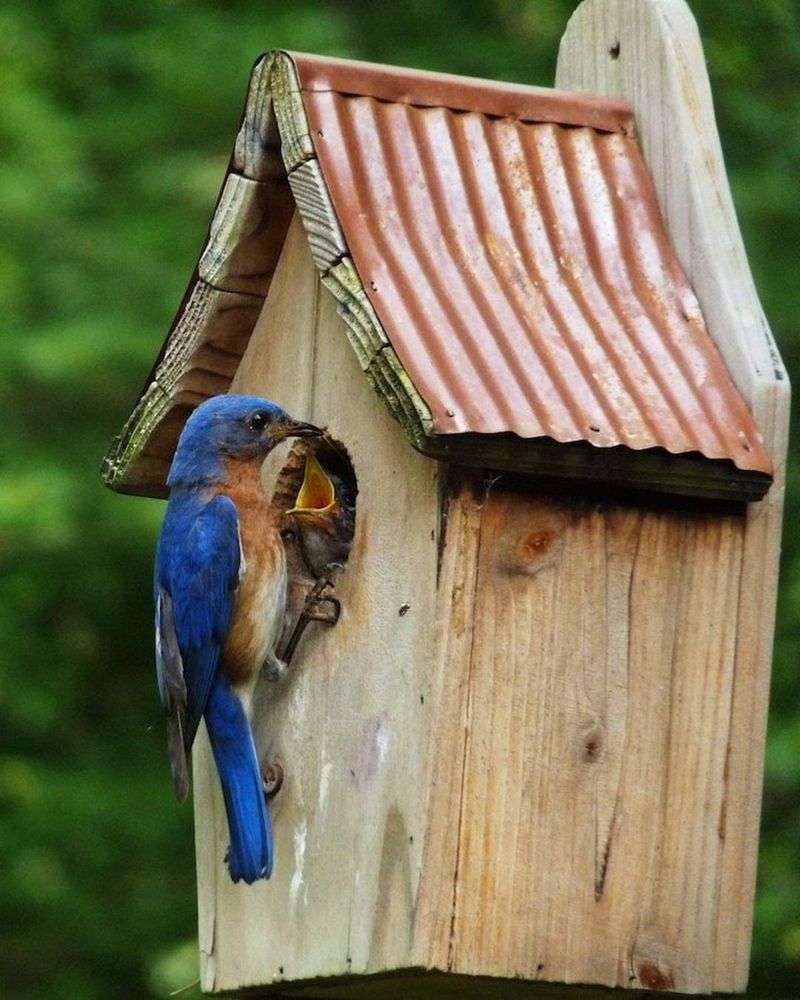
Putting up a nest box is one of the single most effective things you can do to attract bluebirds to your North Carolina yard. Bluebirds are cavity nesters, meaning they raise their young inside enclosed spaces like hollow trees or, better yet, a well-placed nest box.
Without enough natural cavities available, many pairs simply move on to find a better spot.
The entrance hole should measure exactly 1.5 inches in diameter. This size is perfect for Eastern Bluebirds and helps keep out larger birds like starlings.
The box itself should be mounted on a smooth metal pole about five to six feet off the ground, making it harder for predators to climb up and reach the nest.
Placement matters just as much as the box itself. Bluebirds strongly prefer open areas with short grass nearby, since that is where they hunt for insects.
Face the entrance hole toward the east or southeast if possible, which provides morning warmth and shields the nest from harsh afternoon sun. In North Carolina, try mounting boxes along fence lines at the edge of open fields, meadows, or large lawns.
Space multiple boxes at least 100 yards apart so pairs do not compete with each other for territory. Check the box every week or two during nesting season to monitor progress and remove old nesting material after each brood.
2. Offer Mealworms And Treats Bluebirds Actually Love
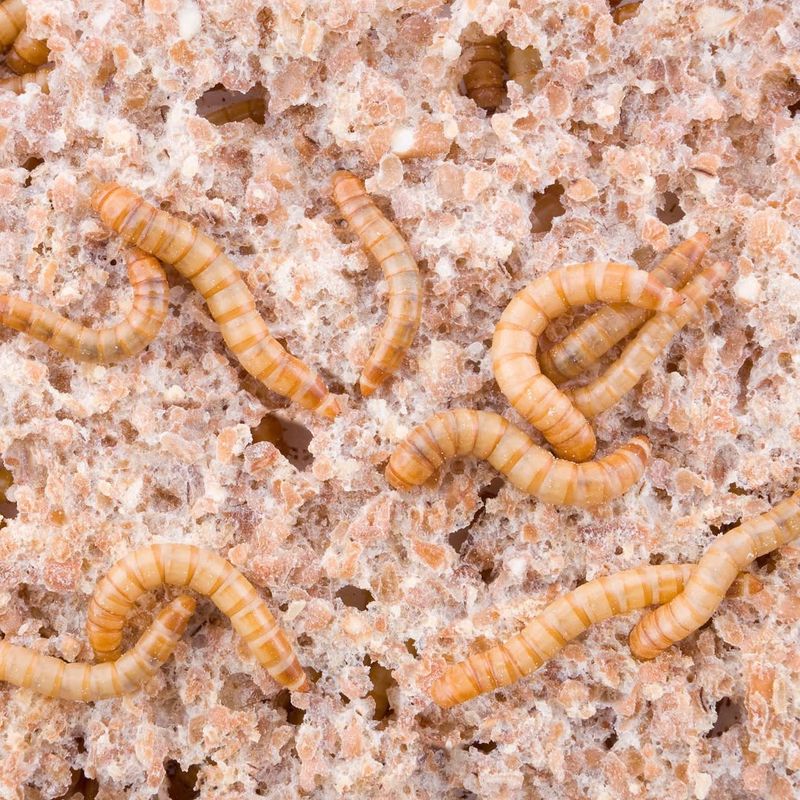
If there is one treat that reliably grabs a bluebird’s attention, it tends to be mealworms. Many backyard birders notice that live mealworms often attract Eastern Bluebirds more quickly than most other supplemental foods.
Bluebirds are primarily insect eaters, so mealworms resemble the kind of prey they naturally hunt in lawns and fields. That familiarity makes them especially appealing, particularly during breeding season.
You can find live mealworms at garden centres, wild bird stores, and online retailers. Dried mealworms can also work, although some bluebirds appear slower to accept them at first.
Start by placing a small handful in a shallow dish or a dedicated mealworm feeder near your nest box. Keep the feeder in an open, visible location so bluebirds can spot it easily from nearby perches.
Once a pair becomes comfortable feeding there, they may return regularly, especially while raising chicks when protein needs increase. In North Carolina, late winter and early spring can be demanding periods as natural insect populations fluctuate, so supplemental feeding during cold snaps or extended rain can provide additional support.
As with any feeder, cleanliness matters. Refresh mealworms daily and wash the dish frequently to reduce the risk of mould or bacteria buildup.
Offering mealworms thoughtfully can complement the natural food sources already present in your yard.
3. Plant Berry-Rich Natives That Keep Them Coming Back
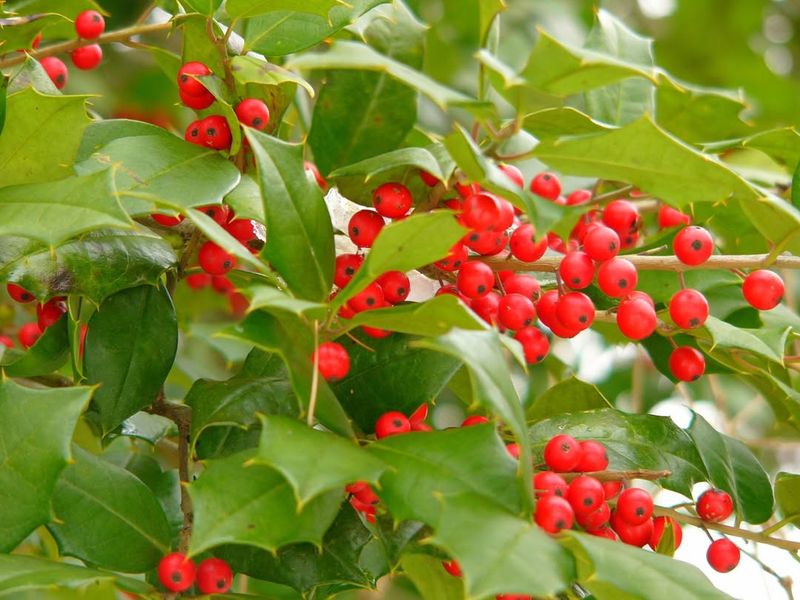
Beyond insects, bluebirds have a real sweet spot for berries, especially during the colder months when bugs are harder to find. Planting native berry-producing shrubs and trees in your North Carolina yard gives bluebirds a reliable food source they can count on through fall and winter.
Native plants are always the best choice because local birds already know and trust them.
American holly is one of the top picks for attracting bluebirds in the Carolinas. Its bright red berries persist through winter and provide critical nutrition when food is scarce.
Dogwood trees are another fantastic option, producing small red fruits that bluebirds absolutely adore. American beautyberry, with its vivid purple clusters, is a showstopper in the fall garden and a bluebird magnet at the same time.
Serviceberry, native viburnums, and Eastern red cedar are also excellent additions to any North Carolina yard designed with bluebirds in mind. Plant a variety of species that fruit at different times so you are offering something through every season.
Grouping plants together creates a more inviting habitat and gives bluebirds a sense of shelter and safety while they feed. Avoid non-native ornamental plants when possible, as they rarely provide the same nutritional value.
A yard full of well-chosen native plants does double duty by supporting not just bluebirds but a whole community of beneficial wildlife.
4. Add A Simple Water Source They’ll Use Every Day
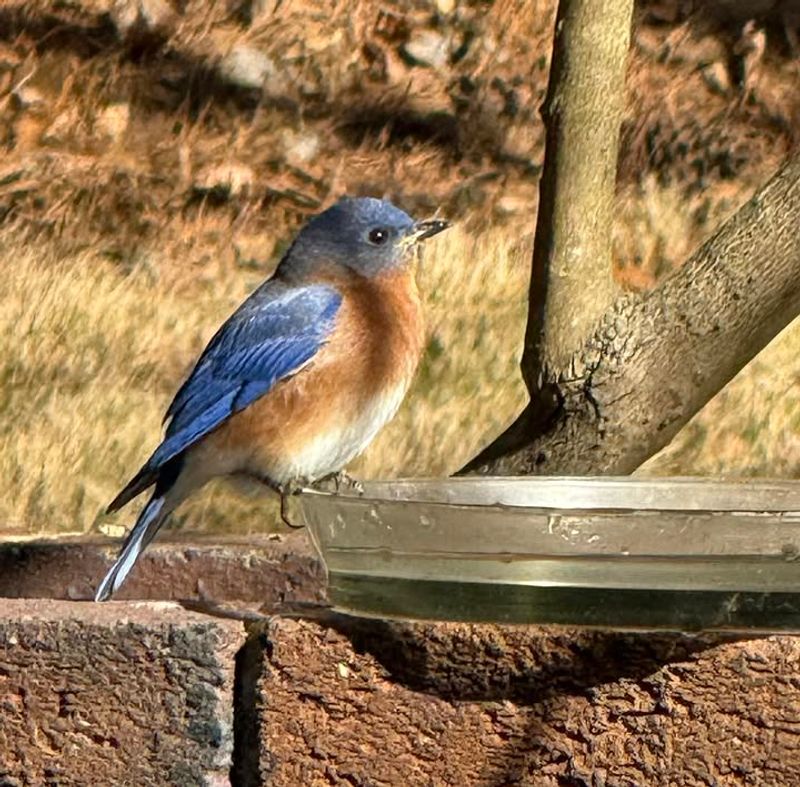
Fresh, clean water is one of the most overlooked tools for attracting bluebirds, yet it works like a charm. Bluebirds need water for drinking and bathing every single day, and if your yard provides it reliably, they will keep coming back.
A simple birdbath can make a surprisingly big difference in how many birds visit your North Carolina property.
The key is keeping the water shallow. Bluebirds prefer water that is no deeper than one to two inches, so they can wade in comfortably without feeling unsafe.
A wide, gently sloping birdbath works perfectly. Place a few flat stones inside to give smaller birds a stable footing while they drink or splash around.
Adding a dripper or a small solar-powered fountain takes your birdbath to the next level. Moving water creates sound and visual ripples that attract birds from a surprising distance.
Bluebirds, like most songbirds, are drawn to the sound of trickling water, especially during the heat of a North Carolina summer. Clean the birdbath every two to three days to prevent algae and keep the water fresh.
In winter, a heated birdbath or a simple birdbath heater will prevent the water from freezing and give your backyard bluebirds a warm-weather oasis even on the coldest days. Position the bath in an open area near low perches so birds feel safe approaching it.
5. Keep Your Yard Open With Perches For Easy Insect Hunting
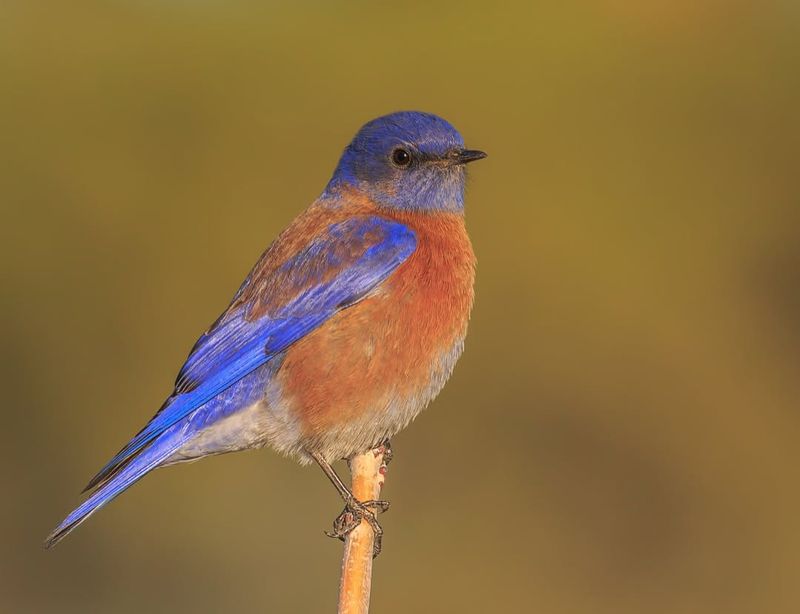
Spend a few minutes watching a bluebird hunt and their strategy becomes clear. Eastern Bluebirds are often described as drop hunters.
They perch at a moderate height, scan the ground carefully, then glide down to capture insects they have spotted below.
Because of this hunting style, open space and clear sightlines are especially helpful.
You can encourage this behaviour by adding simple perches throughout your yard. Wooden garden stakes, short shepherd’s hooks, fence posts, or even a sturdy branch secured upright can all serve as lookout points.
Place perches around four to five feet high and space them across open lawn areas to give bluebirds multiple vantage points. This setup supports their natural foraging pattern without requiring a large property.
Keeping grass relatively short can also improve visibility for insect hunting. Taller, dense turf may make it harder for birds to spot movement at ground level.
In North Carolina’s long warm season, maintaining a mix of short grass and scattered perches can create conditions that bluebirds find suitable for feeding.
Even a modest backyard can provide workable habitat. A few thoughtfully positioned perches and an open patch of lawn may be enough to encourage bluebirds to hunt there regularly, especially when combined with nearby nesting and water sources.
6. Skip Pesticides And Let Their Natural Food Thrive
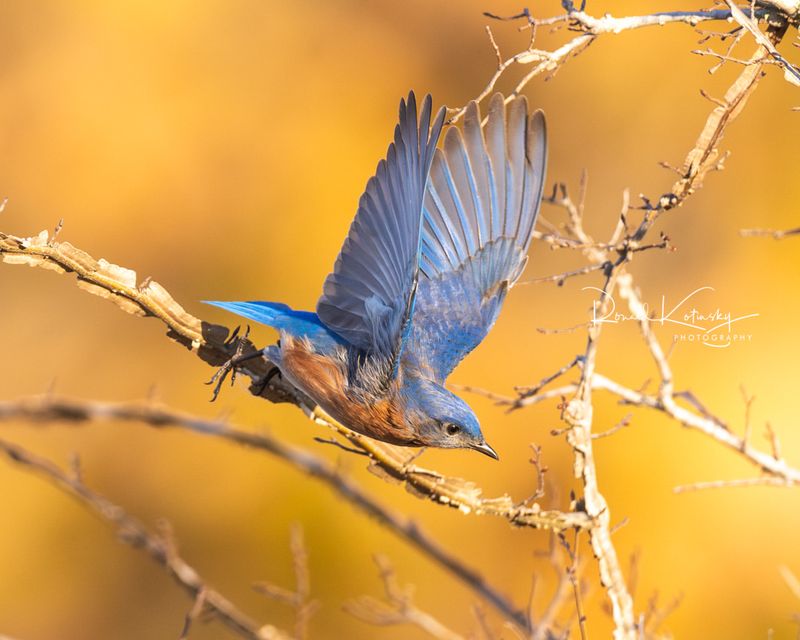
One of the quietest but most powerful changes you can make for bluebirds is simply putting down the pesticide bottle. Bluebirds eat enormous amounts of insects every day, especially during nesting season when they are feeding a growing brood of hungry chicks.
Grubs, beetles, grasshoppers, caterpillars, and crickets make up a huge part of their diet, and all of those creatures disappear fast when pesticides are applied to a yard.
Going organic does not mean your yard has to look wild or unkempt. You can still maintain a tidy, attractive lawn and garden without reaching for chemical sprays.
Natural lawn care practices like overseeding bare patches, aerating compacted soil, and using compost instead of synthetic fertilizer all help build a healthier yard that naturally supports more insect life.
Many North Carolina gardeners have discovered that once they stop using pesticides, their yards come alive in a whole new way. Fireflies return, butterflies show up more often, and bluebirds start appearing regularly to take advantage of the insect abundance.
Tolerating a few caterpillars on your plants or some grubs in your soil is a small price to pay for the reward of watching bluebirds hunt across your lawn every morning. Encouraging a balanced, chemical-free yard creates a thriving little ecosystem right outside your window, one that bluebirds will gladly call home season after season.
7. Make Your Yard Safer By Blocking Predators And Nest Raids
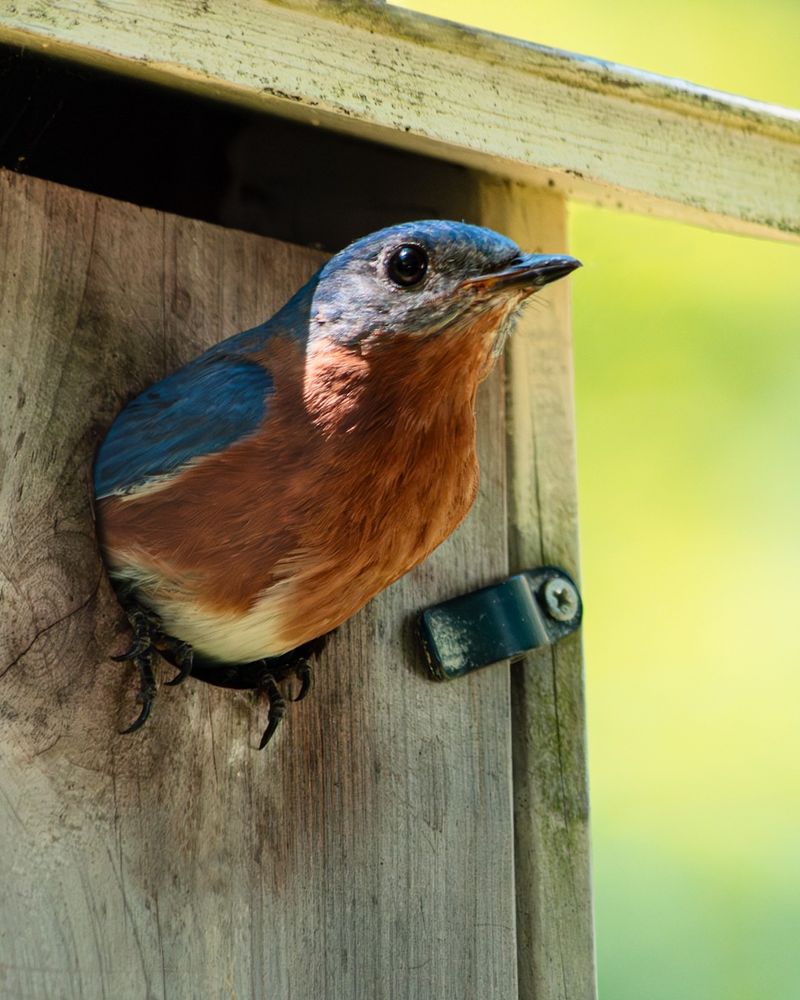
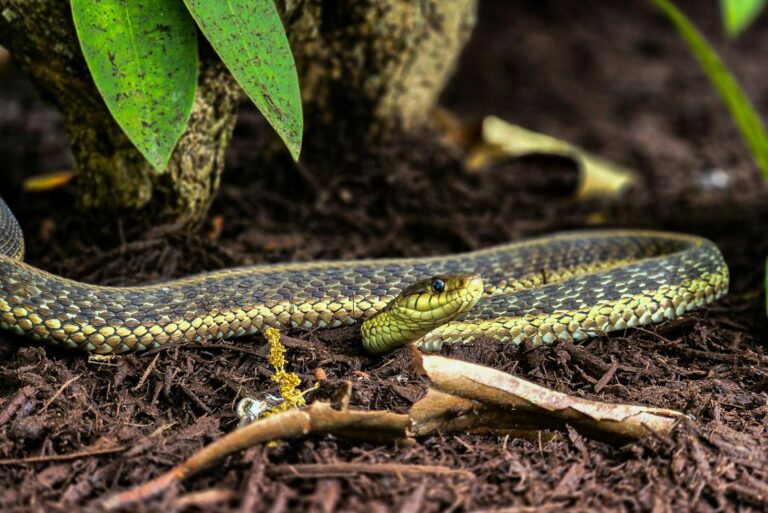
Setting up a nest box and providing food and water are meaningful steps, but protection plays an equally important role. Bluebird nests can face pressure from raccoons, snakes, cats, and squirrels, all of which are capable climbers.
Adding a predator guard significantly improves nest box safety. A smooth, cone-shaped metal baffle installed below the box on the mounting pole can reduce access for many climbing predators.
Mounting the box on a smooth metal pole instead of a wooden post further limits grip and makes climbing more difficult.
House sparrows present a different kind of challenge. As a non-native species, they may compete aggressively for nest boxes.
Monitoring boxes regularly allows you to remove house sparrow nesting material before it becomes established.
Placement also matters. Avoid positioning boxes close to buildings or dense shrubbery where sparrows commonly gather.
Keeping the surrounding area open and trimmed improves visibility for bluebirds and reduces concealment opportunities for predators.
While no setup eliminates risk entirely, combining proper pole mounting, baffles, and thoughtful placement creates safer conditions. When bluebirds experience fewer disturbances, they are more likely to continue using a nesting site across multiple seasons.