8 North Carolina Fruit Trees You Can Safely Prune In March And 4 You Should Leave Alone
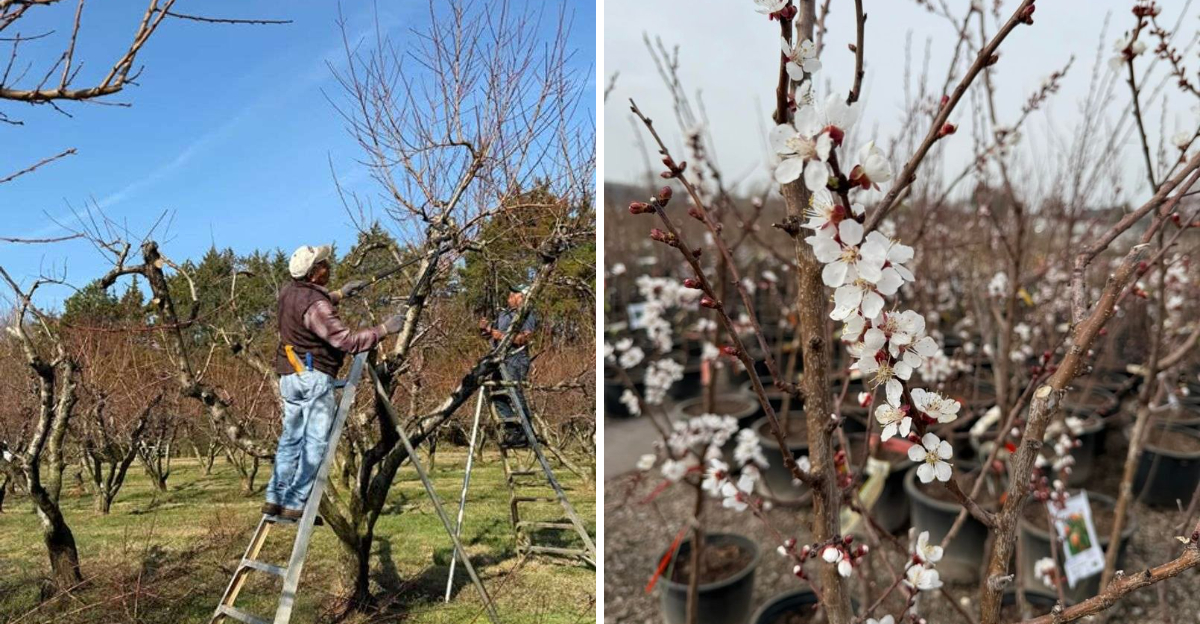
March is a turning point for fruit trees in North Carolina. Winter is fading, buds are beginning to swell, and trees across the state are preparing for a new growing season.
For gardeners, this short window is one of the most important times to make the right pruning decisions. Across the Coastal Plain, Piedmont, and Mountain regions, timing matters more than many people realize.
Some fruit trees benefit greatly from a careful trim in early spring, which helps shape the tree and encourage stronger fruit production.
Others are already preparing to bloom and should be left alone to avoid damaging the upcoming crop.
Knowing which trees need attention and which ones should stay untouched can make a huge difference in the harvest ahead.
With the right approach in March, North Carolina gardeners can set their fruit trees up for a far more productive season.
1. Apple Trees
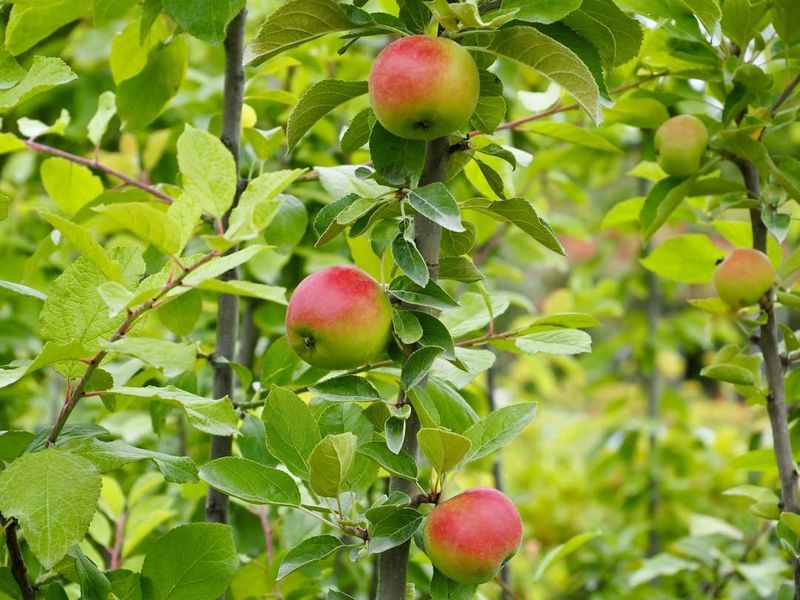
Few things feel more rewarding than biting into an apple you grew yourself, and proper March pruning is one of the biggest reasons those apples turn out so good.
Apple trees, known botanically as Malus domestica, respond really well to late winter pruning right before the buds begin to swell.
In North Carolina, that window often falls between late February and mid-March, making it one of the best times to get out there with your shears.
The main goal when pruning apple trees is to open up the canopy so sunlight and fresh air can reach every branch.
NC State Extension actually recommends training apple trees to a central leader form, which means keeping one strong central trunk with branches spreading outward.
Removing inward-growing shoots and water sprouts is a top priority because those branches steal energy without producing fruit.
Start by cutting out any branches that cross or rub against each other, then work your way through the canopy removing crowded growth.
Always use clean, sharp tools and cut just above an outward-facing bud. Avoid leaving stubs behind since those can rot and invite disease.
Skipping pruning paint is also smart because modern research shows it actually slows the healing process.
With the right cuts in March, your North Carolina apple tree will reward you with a healthier, more productive season ahead.
2. Pear Trees
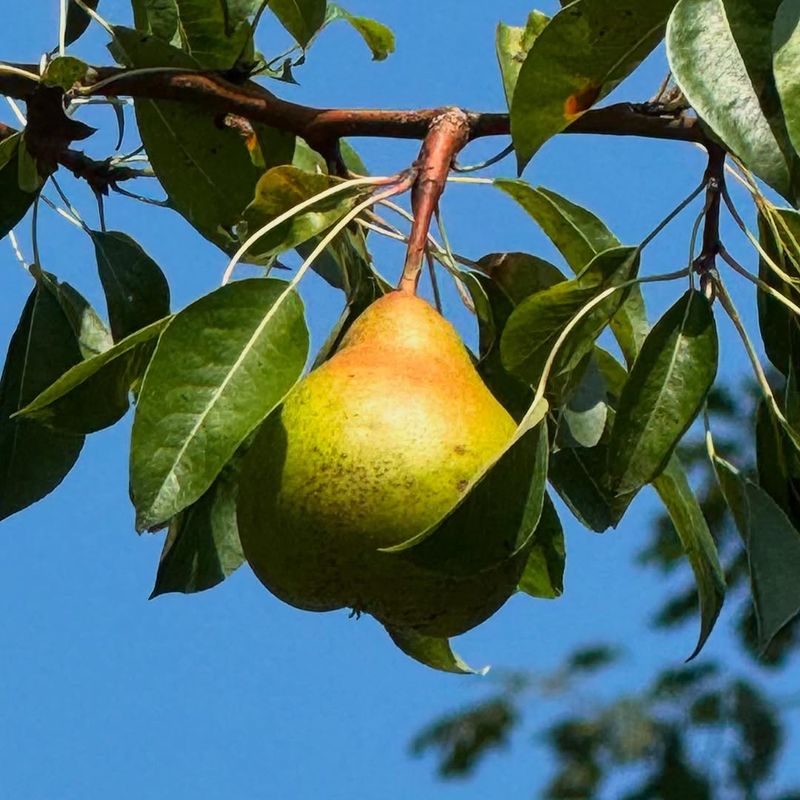
Pear trees have a quiet kind of strength about them, standing tall through winter and bursting into action the moment spring arrives.
Pyrus communis, the common pear, benefits enormously from a well-timed late winter pruning session in North Carolina.
Getting out there in early March, before new growth really kicks off, sets the tree up for a productive and structurally sound growing season.
One of the most important things to focus on with pear trees is building a strong central framework.
Just like apple trees, pears do best when trained to a central leader shape, which keeps the canopy open and manageable.
Removing branches that crowd the center allows sunlight to filter through evenly, improving fruit size and flavor across the whole tree.
Watch out for water sprouts, those fast-growing vertical shoots that seem to appear overnight.
They look vigorous but rarely produce fruit and tend to weaken the tree’s overall structure. Cut them out cleanly at the base. Also remove any branches that angle back toward the trunk or cross over other branches.
In North Carolina, pear trees are vulnerable to fire blight, a bacterial disease that spreads more easily in dense canopies.
Pruning in March, before bloom, helps reduce that risk by improving airflow. Sharp, sanitized tools make every cut cleaner and safer for your tree.
3. Plum Trees (European Varieties)
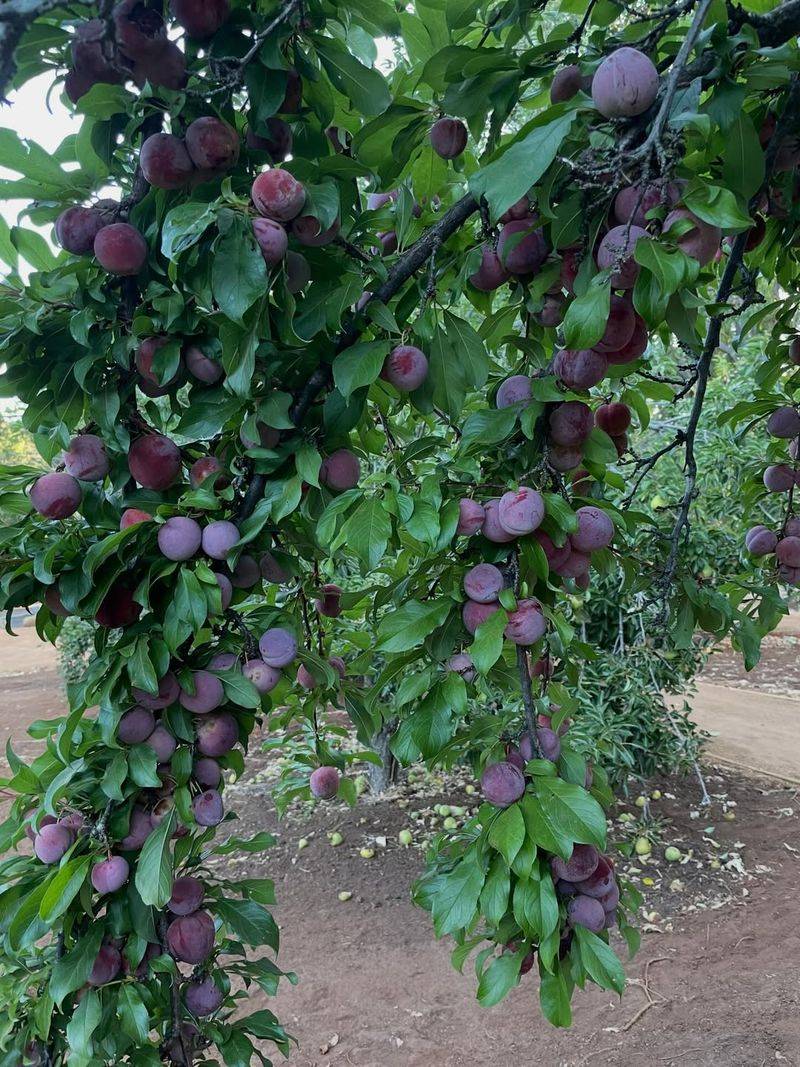
European plums are tougher than they look, and March pruning is one of the best gifts you can give them before the growing season begins.
Prunus domestica, the European plum, handles early spring pruning really well in North Carolina because the tree is still dormant but just starting to wake up.
That brief window gives you a chance to shape the tree and clear out problem branches without interrupting active growth.
Shaping is the main priority with European plums. These trees tend to produce a lot of upright growth, so redirecting the structure outward creates a more open and productive canopy.
Focus on removing branches that grow straight up or crowd the center of the tree. Keeping the interior open means better airflow, which matters a lot in North Carolina’s humid climate where fungal issues can sneak in fast.
Also look for branches that rub together or cross awkwardly, since those friction points can create wounds that invite disease.
Removing weak, spindly growth also helps the tree direct its energy toward fruit-producing wood instead.
European plum varieties tend to be more forgiving than Japanese types, so you have a bit more flexibility with how aggressively you prune. Still, aim to remove no more than about one-quarter of the canopy in a single session.
Clean cuts, sharp tools, and a clear plan make March pruning a satisfying and genuinely useful task for any North Carolina plum grower.
4. Peach Trees
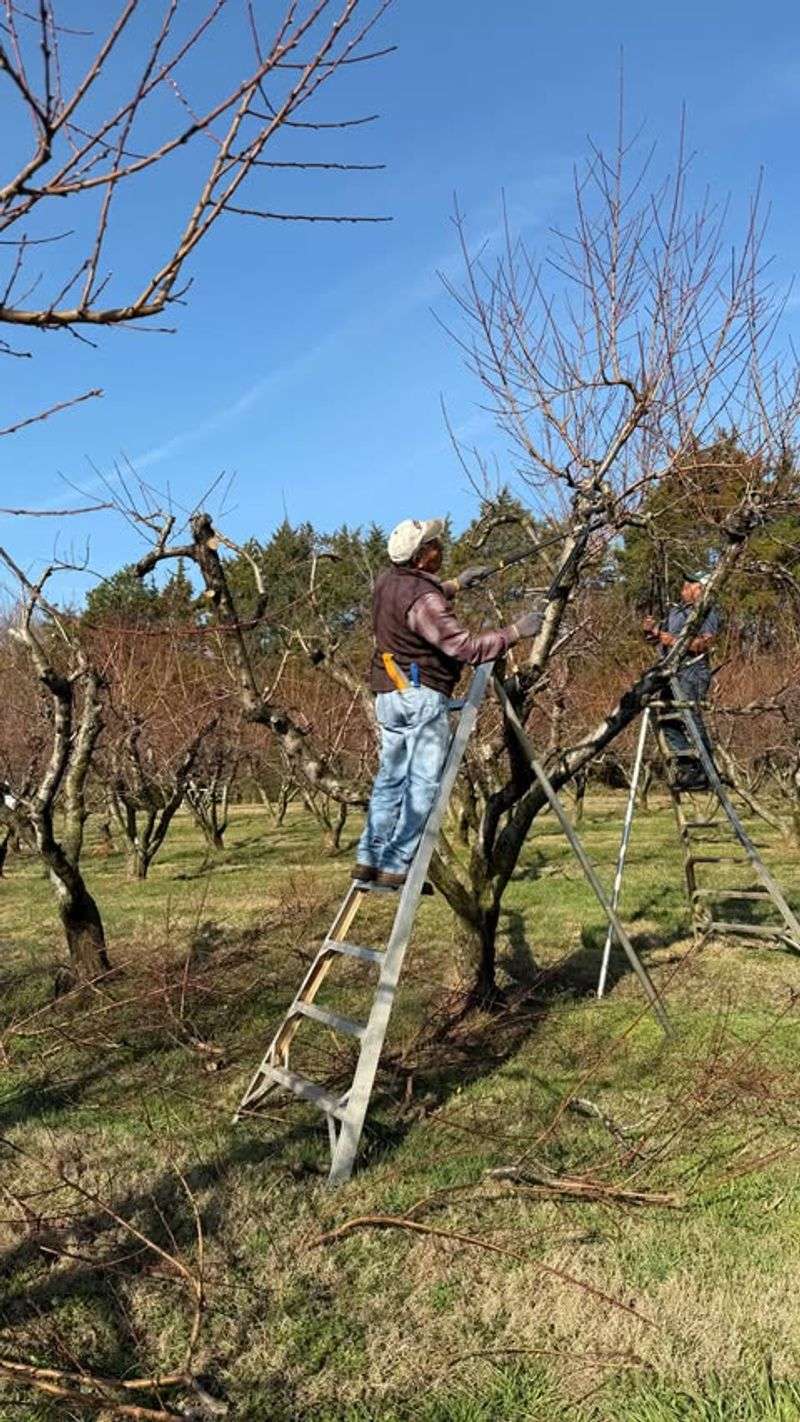
Peach trees are the crown jewel of many North Carolina backyards, and they absolutely thrive when pruned correctly in late winter.
Prunus persica is one of the most pruning-responsive fruit trees you can grow, meaning the time and effort you put in during March pays off directly in bigger, juicier fruit come summer.
North Carolina’s climate suits peaches beautifully, and the state has a long tradition of growing them, especially in the Piedmont and mountain regions.
The pruning style that works best for peaches is called the open-center or vase shape. Instead of one central leader, you train three or four main scaffold branches to spread outward and upward, leaving the center of the tree open.
That open center lets sunlight flood in and keeps air moving through the canopy, both of which reduce disease pressure and improve fruit quality significantly.
Prune in early March, aiming to finish before buds push too far. Remove any branches growing back toward the center, crossing branches, and weak or spindly wood.
Peach trees fruit on one-year-old wood, so keeping a good supply of last season’s growth is key.
Cutting back longer shoots by about half encourages branching and more fruit-bearing wood. Always sanitize your tools between cuts if you notice any signs of disease.
A well-pruned peach tree in North Carolina can produce fruit for many years when given this kind of consistent annual attention.
5. Nectarine Trees
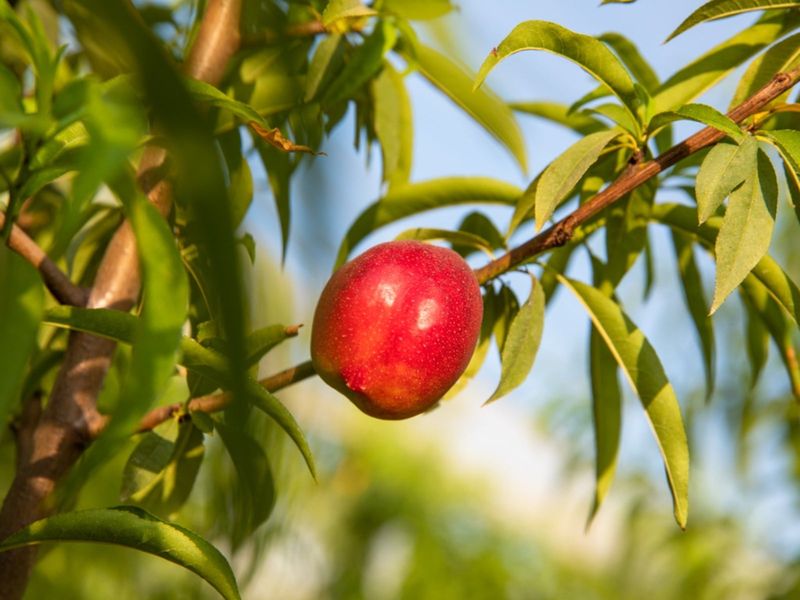
Nectarines are basically peaches without the fuzz, and when it comes to pruning, they follow almost exactly the same playbook.
Prunus persica var. nucipersica thrives in North Carolina’s warm climate and responds beautifully to a March pruning session before the buds break open.
If you already know how to prune peaches, you are most of the way there with nectarines too.
Like their peachy cousins, nectarines fruit on wood that grew the previous season, so the goal is always to encourage fresh, productive growth while keeping the canopy open and manageable.
The open-center vase shape works just as well here, letting sunlight reach into the middle of the tree where fruit development really happens.
Crowded branches block light and trap moisture, which creates the perfect conditions for fungal problems in North Carolina’s humid summers.
March is the sweet spot for nectarine pruning because the tree is still dormant but warming up fast.
You can clearly see the branch structure without leaves in the way, which makes smart pruning decisions much easier.
Remove any downward-growing branches, crossed limbs, and last year’s very thin, weak shoots. Cut back vigorous shoots by about half to stimulate branching.
Nectarines can be a bit more susceptible to some diseases than peaches, so keeping tools clean and cuts precise matters even more.
A little extra care in March goes a long way toward a full and flavorful nectarine harvest later in the year.
6. Cherry Trees
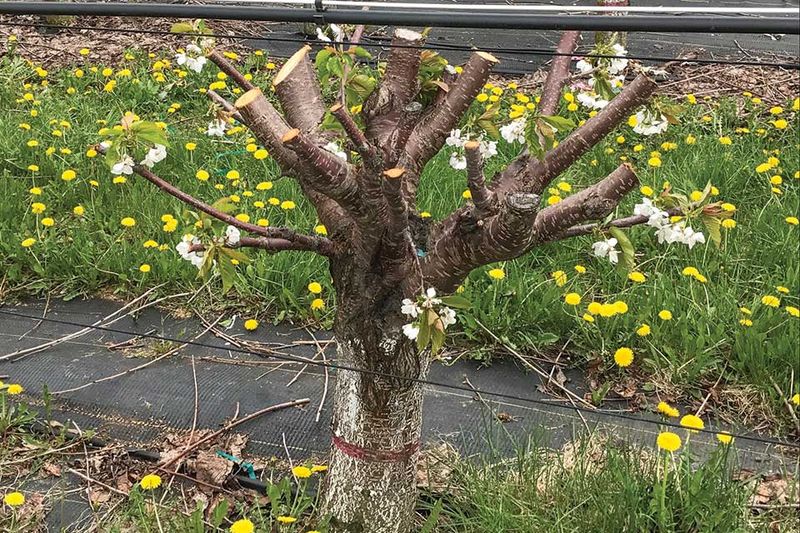
Sweet cherry trees bring a certain magic to any North Carolina yard, and a careful March pruning session helps keep that magic going year after year.
Prunus avium, the sweet cherry, can be pruned in early March to remove crossing branches, crowded limbs, and any wood that looks weak or damaged.
The key word here is careful, because cherries are more sensitive to heavy pruning than apples or pears.
Going too aggressive with the shears on a sweet cherry can actually reduce the number of blooms you get, which directly cuts into your fruit harvest.
The goal is a light, thoughtful trim that improves structure and airflow without stripping away too much productive wood.
Focus on removing branches that rub together, grow inward, or block light from reaching the center of the canopy.
Sweet cherries do best with a modified central leader or open-center shape, depending on the variety.
Removing no more than about one-fifth of the canopy in any single pruning session is a smart rule to follow.
In North Carolina, sweet cherries can be a bit finicky because of the warm, humid summers, so good airflow through the canopy is genuinely important for disease prevention.
Always use sharp, sanitized pruning tools and make clean cuts just above outward-facing buds.
Pruning in March, before buds fully open, gives cuts time to begin healing before the tree puts all its energy into spring growth and flowering.
7. Fig Trees
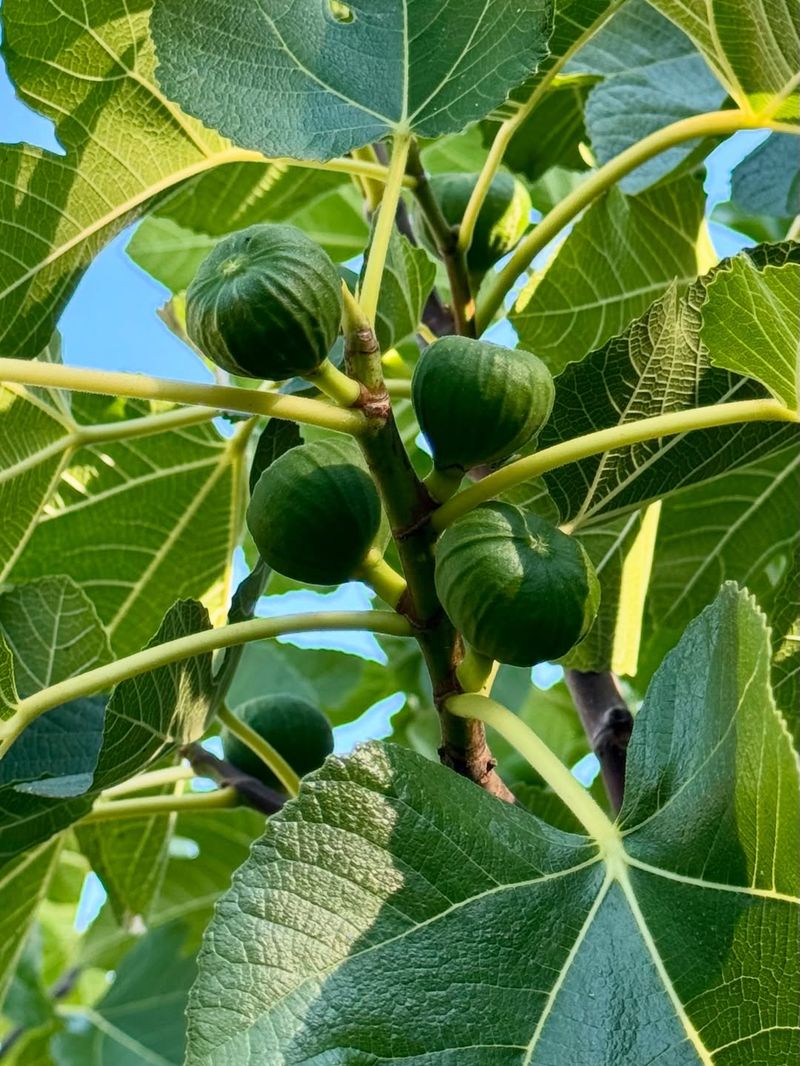
Fig trees have a laid-back personality that gardeners in North Carolina absolutely love, and late winter pruning fits right into their natural rhythm.
Ficus carica, the common fig, goes dormant in winter and wakes up reliably each spring with a burst of new growth.
Pruning in late February or early March, before that new growth emerges, gives you a clean canvas to work with and helps shape the tree for the season ahead.
One thing that makes figs a little different from stone fruits and pome fruits is that they are incredibly vigorous.
Left unpruned, a fig tree can quickly become a sprawling, hard-to-manage shrub. Cutting back the previous year’s growth by about one-third encourages the tree to put its energy into producing fruit rather than just getting bigger.
Remove any weak, thin branches and open up the interior to improve light and airflow. In North Carolina, figs can sometimes experience cold damage during harsh winters, especially in the Piedmont and mountain regions.
March pruning is actually a great time to assess any winter damage and remove affected wood.
Look for branches that feel hollow or show no signs of life when you scratch the bark lightly. Cutting back to healthy, green wood sets the tree up for a strong recovery.
Figs are forgiving and bounce back quickly, making them one of the most satisfying trees to prune and manage in a North Carolina garden.
8. Persimmon Trees
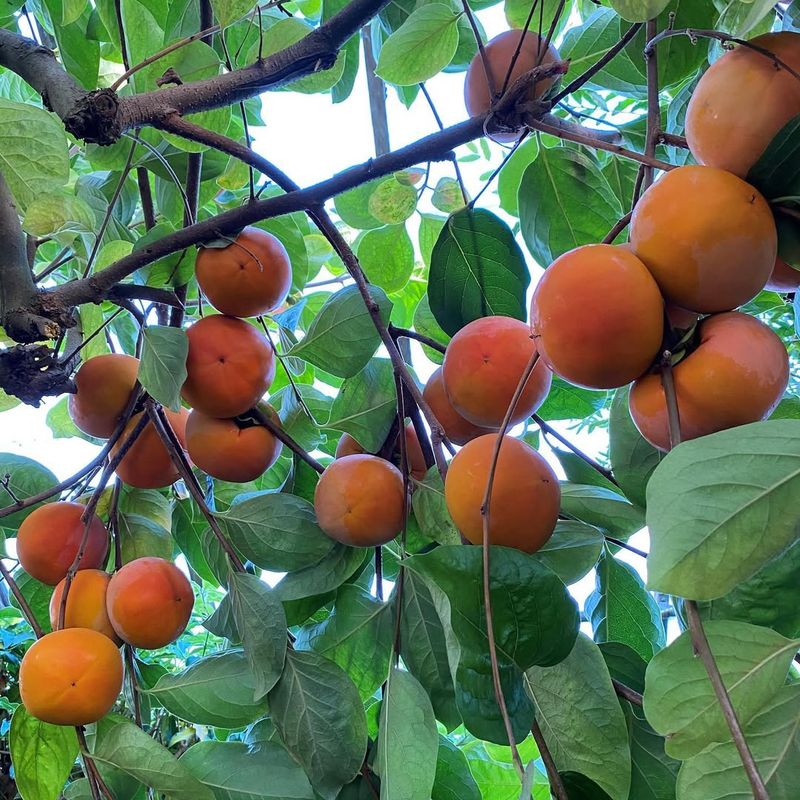
Persimmon trees are one of North Carolina’s unsung heroes, producing gorgeous orange fruit every fall with surprisingly little fuss.
Diospyros virginiana, the American persimmon, is a native species that grows naturally across the state and adapts well to a wide range of soil conditions.
March pruning, before the spring sap flow really kicks in, is the right time to tidy up the structure and remove any branches that could cause problems down the road.
Persimmons have a naturally attractive form, so heavy pruning is rarely needed or recommended.
The main jobs in March are removing damaged or crossing branches, thinning out any areas of the canopy that have become too dense, and cutting away any suckers growing from the base of the tree.
Keeping the structure clean and open helps the tree channel energy into fruit production rather than unnecessary vegetative growth.
One thing to keep in mind is that persimmons can sometimes be slow to show signs of life in spring, so do not panic if your tree still looks completely bare in March.
Scratch the bark lightly with your fingernail to check for green tissue underneath, which confirms the branch is healthy.
In North Carolina orchards, persimmons are valued for their reliability and low maintenance, making them a fantastic choice for beginner growers.
A simple, well-timed March pruning session keeps these trees productive and structurally sound for many seasons to come.
9. Apricot Trees
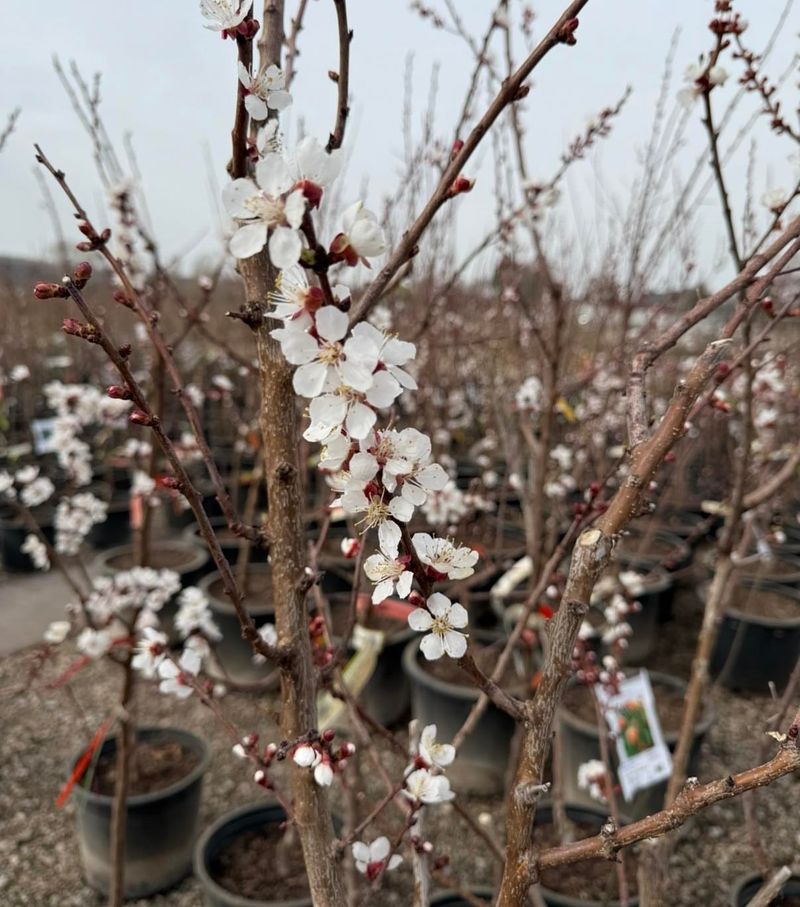
Apricot trees are the early risers of the fruit tree world, and in North Carolina, that eagerness to bloom is exactly why March pruning is a bad idea.
Prunus armeniaca bursts into flower earlier than almost any other fruit tree, often pushing out delicate white blossoms before the last frost has even passed.
Picking up the pruning shears in March almost guarantees you will accidentally cut away the very buds that would have become your fruit.
Removing flower buds before they open does not just cost you this year’s harvest, it can also stress the tree and disrupt its natural growth cycle.
Apricots in North Carolina already face a tough challenge because late frosts frequently coincide with their bloom period, reducing yields even in years when you do everything right.
Adding pruning stress on top of that is a combination worth avoiding entirely.
The best time to prune apricot trees in North Carolina is after harvest, typically in midsummer or late summer when the fruit has been picked and the tree is no longer under production stress.
Summer pruning also reduces the risk of certain fungal diseases that spread more easily through fresh cuts during wet spring weather.
Wait until the tree has finished fruiting, then shape it carefully, removing crossing branches and thinning crowded areas.
Your patience in skipping the March session will pay off with a fuller bloom and a better fruit set the following year.
10. Sweet Cherry Trees (Early Blooming Varieties)
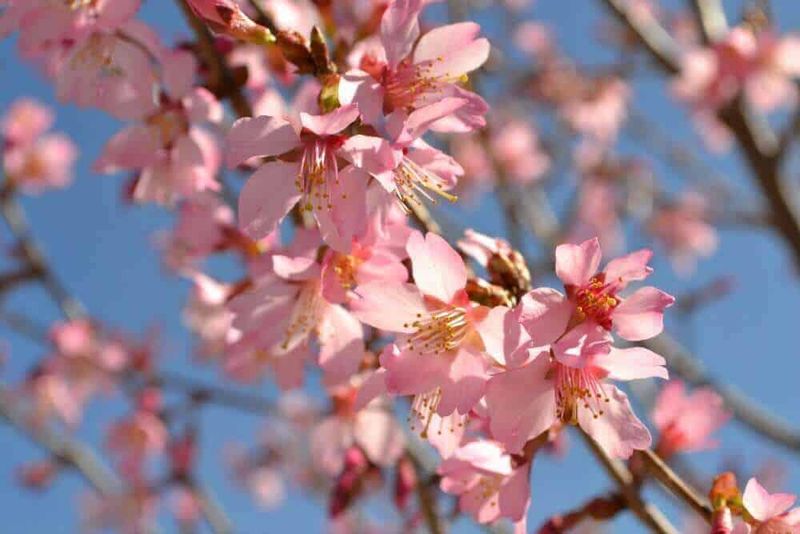
Early-blooming sweet cherry varieties are among the most breathtaking sights in a North Carolina spring garden, but that early beauty comes with a serious caution for pruners.
Unlike the standard sweet cherry varieties mentioned earlier, these early bloomers push out their flower buds well before temperatures have fully stabilized.
Pruning in March puts those delicate buds directly in the path of your shears, and losing them means losing your fruit crop for the entire season.
Cold sensitivity adds another layer of risk. Early-blooming cherries are already more vulnerable to late frost damage, and fresh pruning wounds during cold snaps can compound that stress significantly.
The combination of cold air and an open cut creates conditions where the tree struggles to heal properly, sometimes leading to dieback that affects multiple branches at once.
Waiting until after harvest to prune these varieties is the smartest move for North Carolina growers.
Once the fruit has been picked, typically in late spring or early summer depending on the variety, the tree is in a much better position to handle pruning stress.
At that point, focus on removing crossing branches, thinning dense areas, and shaping the canopy for next season.
Summer pruning also tends to result in less aggressive regrowth compared to late winter pruning, which is actually an advantage for keeping these trees at a manageable size. Holding off in March protects both the bloom and the harvest.
11. Aprium Or Plumcot Trees
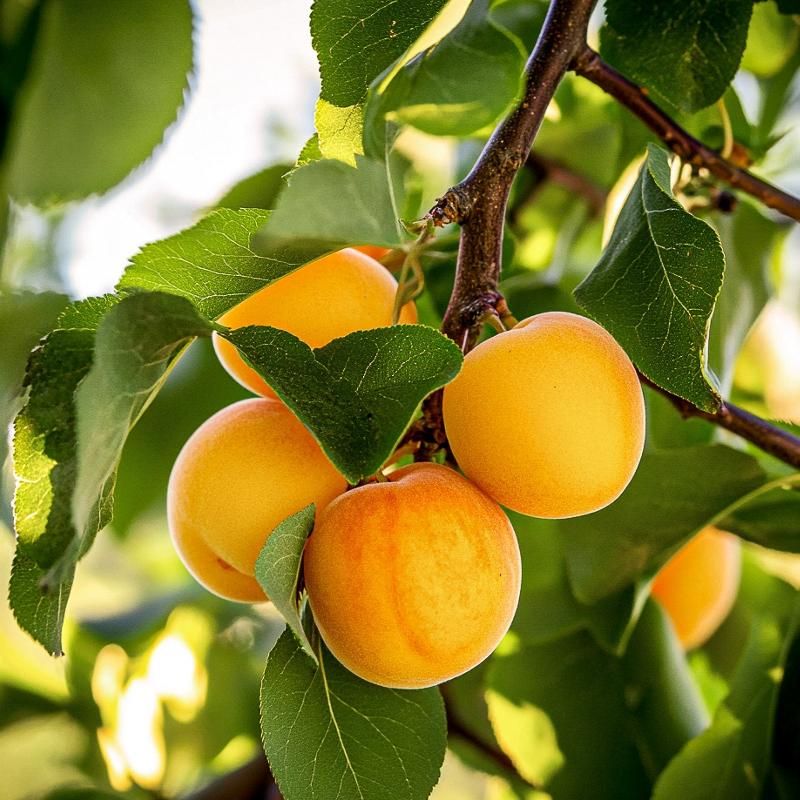
Apriums and plumcots are fascinating hybrid stone fruits that blend the best qualities of apricots and plums into one tree.
They have gained real popularity among adventurous North Carolina gardeners who want something a little different in their orchard.
But their hybrid nature also means they inherit the early-blooming tendencies of apricots, which makes March pruning genuinely risky for these trees.
Because these hybrids bloom so early in the season, the flower buds are already forming and often beginning to open by the time March arrives in North Carolina.
Pruning at this stage removes buds that would have developed into fruit, cutting your harvest short before the season even begins.
The early bloom window also overlaps with unpredictable late frosts across much of the state, so these trees are already working hard just to protect their flowers from the cold.
Waiting until after the tree has finished fruiting is the recommended approach for apriums and plumcots in North Carolina.
Late summer pruning, once the fruit has been harvested, allows the tree to recover without sacrificing next season’s flower buds.
At that point, focus on opening up the canopy, removing any crossing or rubbing branches, and cutting back overly long shoots to encourage a compact, productive structure.
These hybrid trees respond well to thoughtful pruning when the timing is right. Skipping March and being patient through the growing season leads to much better results overall.
12. Mulberry Trees
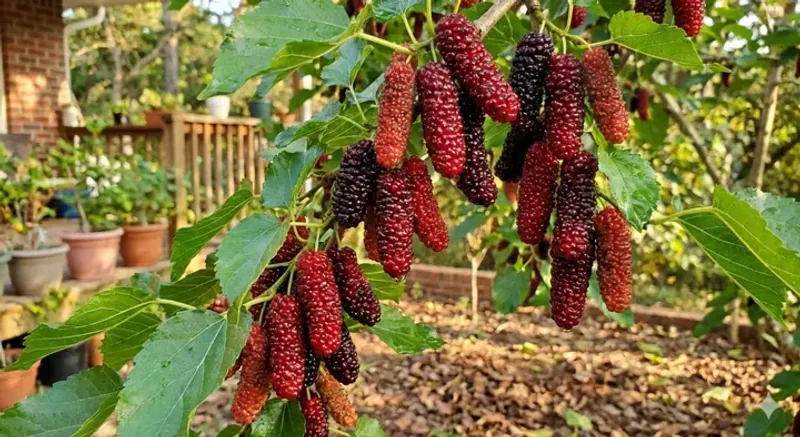
Mulberry trees grow with an enthusiasm that can feel almost unstoppable, and in North Carolina, they are among the first fruit trees to wake up and get moving each spring.
Morus spp., the mulberry genus, includes several species that thrive across the state, producing abundant berries that birds and people alike absolutely love.
That early, vigorous growth is exactly why pruning in March is something to skip with these trees. By the time March rolls around, mulberry trees in North Carolina are already building momentum toward their bloom and early fruit set.
Pruning at this stage disrupts that momentum and can reduce the number of berries the tree produces that season.
Mulberries also have a tendency to bleed sap heavily when pruned while the sap is actively rising, which stresses the tree and makes healing slower and more difficult.
Late spring or summer pruning, after the fruiting season wraps up, is the much better option for North Carolina mulberry growers.
At that point, the tree has already produced its fruit and is in a natural slowdown phase that makes it far more tolerant of pruning stress.
Focus on controlling the tree’s size, since mulberries can get very large if left unchecked, and removing any branches that cross or crowd the canopy.
Thinning out dense growth also improves air circulation, which reduces the chance of fungal problems during North Carolina’s warm and humid summer months.