Here Are 11 North Carolina Garden Edging Ideas To Instantly Upgrade Your Outdoor Space
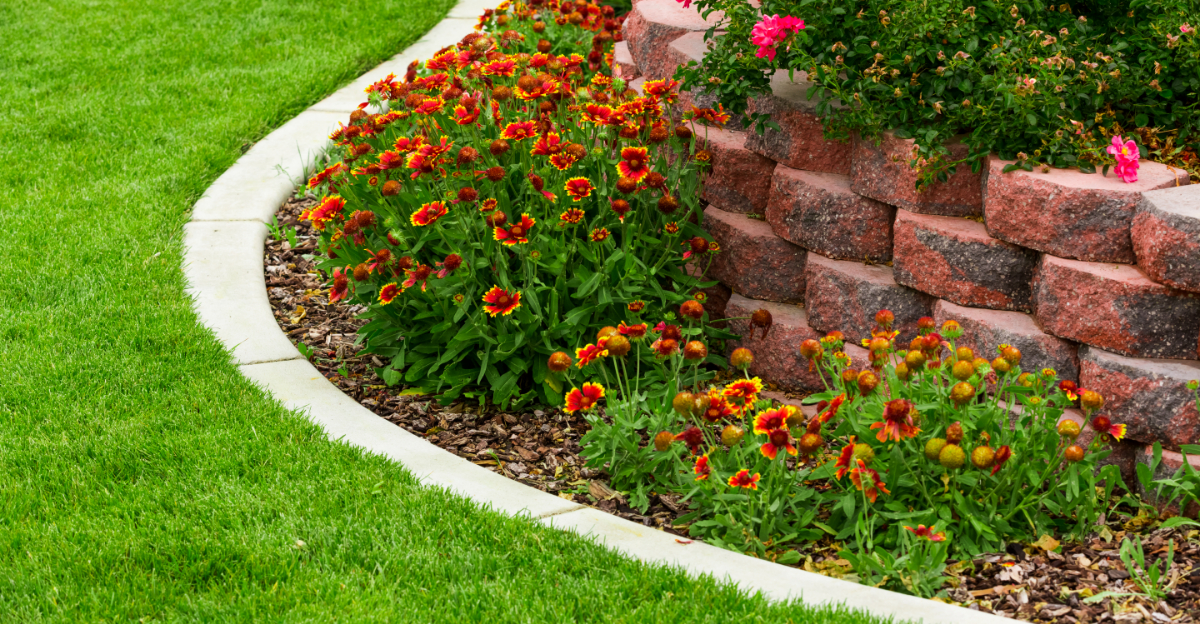
At some point, many homeowners look out at their yard and feel like something is missing. The plants may be healthy, the lawn may be green, and the beds may be full, but the space still feels a little unfinished.
Often, the difference between a yard that looks ordinary and one that feels polished comes down to one simple detail.
Garden edging is one of those quiet upgrades that can completely change the look of an outdoor space.
A clean border around planting beds helps define the garden, keeps mulch where it belongs, and creates a sense of structure that makes everything feel more intentional.
It’s a small change, but it can make the entire yard look more organized and easier to maintain.
Walk through a few neighborhoods in North Carolina and you’ll start noticing how different edging styles shape the character of each garden.
1. Brick Borders Add A Timeless Finish Around Garden Beds
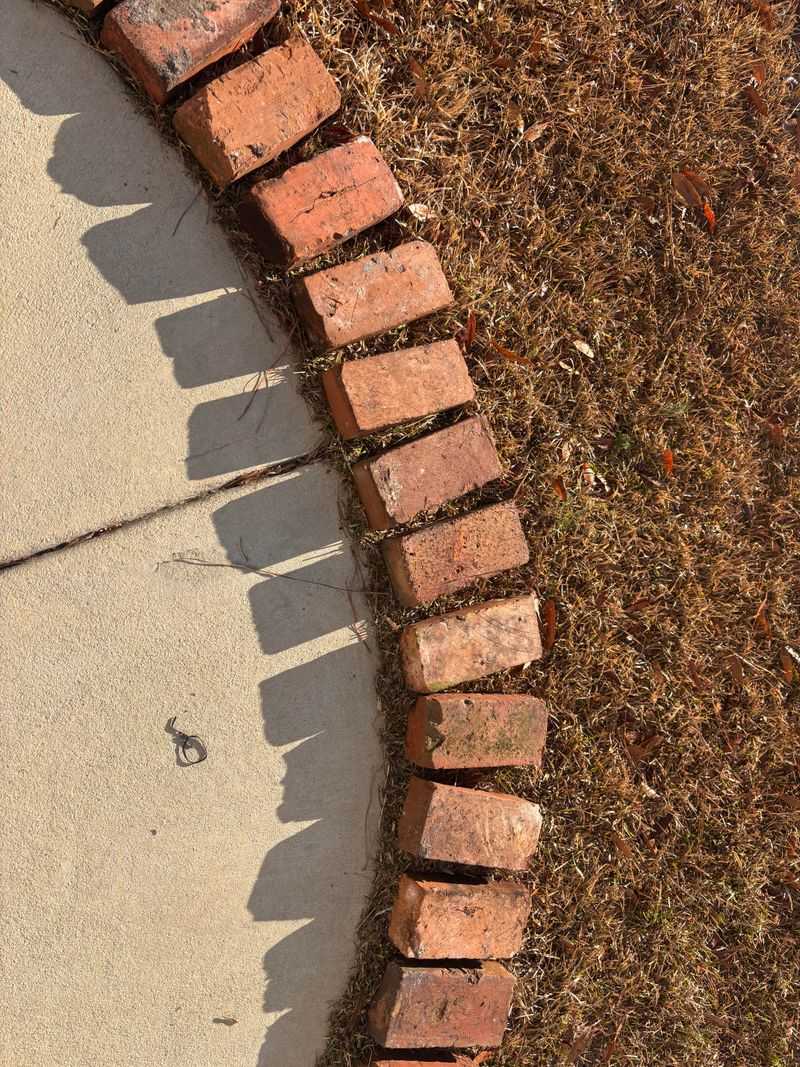
Few things say “timeless charm” quite like a well-laid brick border. Red clay bricks have been used in North Carolina gardens for generations, and it is easy to see why they remain so popular.
Their warm, earthy tone pairs beautifully with both traditional and modern landscapes.
You can arrange bricks in several patterns, including the classic soldier course, where bricks stand upright in a straight line, or the eye-catching herringbone layout. Each pattern gives your garden a different personality, so pick the one that matches your style.
Bricks are durable, but how well they handle North Carolina’s weather depends on the type of brick and how well the border is installed.
Installing brick borders is a manageable weekend project for most homeowners. You will need a flat shovel, some sand, and a rubber mallet to get started.
Dig a shallow trench along your garden bed, lay a thin base of sand, and press each brick firmly into place. Once set, they require very little upkeep.
An occasional rinse with a garden hose keeps them looking fresh. If a brick ever shifts, simply reset it with more sand underneath.
Brick borders add structure, curb appeal, and a classic North Carolina feel to any yard.
2. Natural Stone Edging Brings Texture And A North Carolina Feel
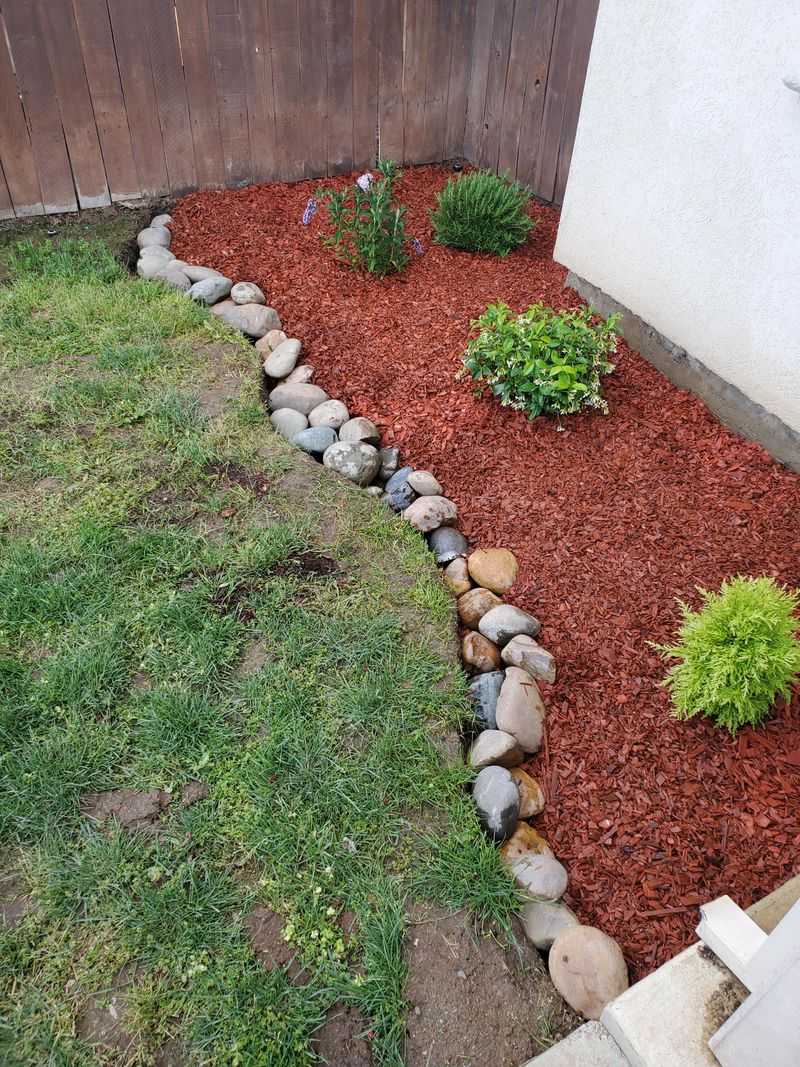
Walking through a North Carolina forest, you will notice how naturally stones settle into the landscape. That same organic beauty can be brought right into your backyard with natural stone edging.
Fieldstone, slate, and locally sourced river rocks all work wonderfully as garden borders.
One of the biggest advantages of natural stone is that no two pieces are exactly alike. That uniqueness gives your garden a one-of-a-kind look that manufactured materials simply cannot replicate.
Stones also blend seamlessly with native North Carolina plants like black-eyed Susans, coneflowers, and ornamental grasses.
Setting up natural stone edging does not require special tools or professional skills. Start by clearing the edge of your garden bed and digging a shallow trench.
Place your stones snugly together, pressing them firmly into the soil. Larger, flatter stones work best as anchors at corners or curves.
You can mix sizes for a more casual, cottage-garden feel, or choose uniform pieces for a cleaner look. Natural stone holds up exceptionally well in North Carolina’s climate, resisting both heavy summer rains and the occasional cold snap.
With minimal maintenance and maximum visual impact, natural stone edging is a smart, beautiful choice for any garden.
3. Steel Edging Creates Clean Lines For Modern Landscapes
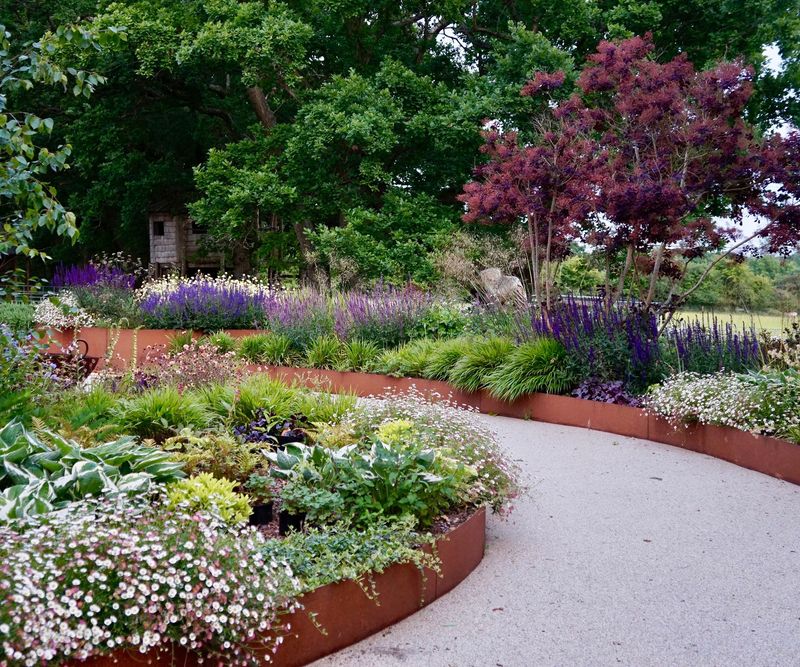
For a crisp, modern edge in any garden, steel edging has become increasingly popular with North Carolina homeowners who love a clean, architectural look. Corten steel, in particular, develops a rich rust-colored patina over time that actually protects the metal while adding serious visual character.
One of steel edging’s greatest strengths is its flexibility. It can bend smoothly around curves and corners, making it ideal for gardens with flowing, organic shapes.
Unlike plastic alternatives, steel does not warp or fade in North Carolina’s intense summer heat. It stays firmly in place through heavy rain and wind as well.
Installation is straightforward. Steel edging typically comes in long strips with stakes attached.
You push the stakes into the ground along your garden border, connecting sections as needed. The top edge sits just above soil level, creating a neat, defined line between your lawn and garden bed.
Pairing steel edging with dark mulch creates a striking contrast that makes your plants pop visually. Maintenance is nearly nonexistent since steel requires no painting, sealing, or replacing.
For homeowners in areas like Raleigh or Charlotte who want a contemporary garden feel, steel edging is a reliable, long-lasting upgrade worth every penny.
4. Aluminum Edging Keeps Beds Neat Without Looking Heavy
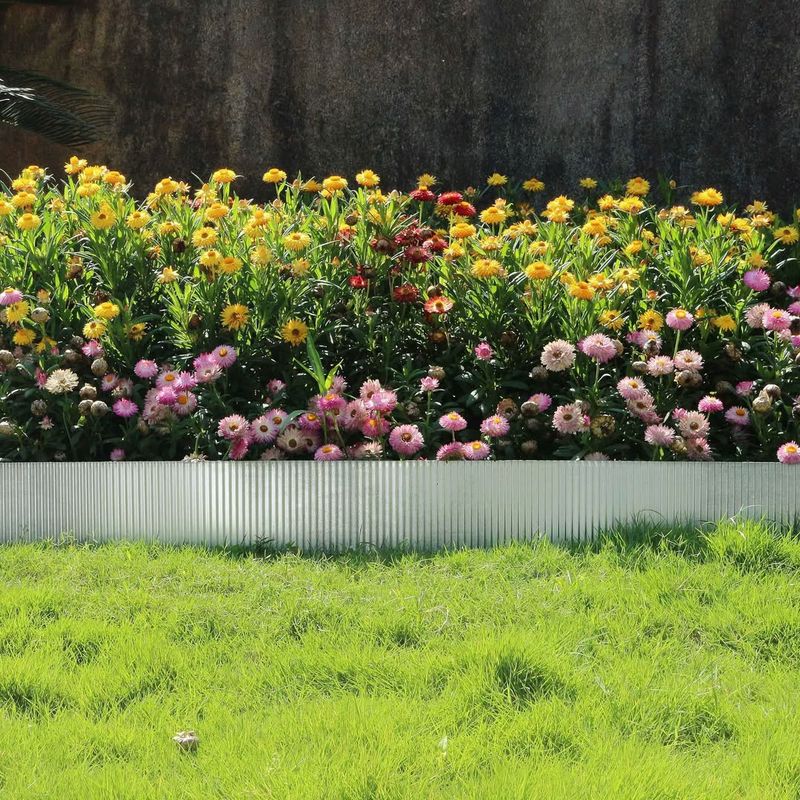
Though it might not get as much attention as stone or brick, aluminum edging is valued by gardeners for being practical and versatile. Lightweight yet surprisingly strong, aluminum edging is one of the most budget-friendly ways to define your garden beds with a polished, professional look.
Unlike steel, aluminum does not rust, which makes it an excellent choice for North Carolina’s rainy seasons and humid coastal areas. It bends easily around gentle curves and tight corners without cracking or splitting.
Most aluminum edging comes in a silver or black finish, both of which look sharp against green lawns and colorful flower beds.
You can install aluminum edging yourself in just a few hours. Flexible strips are secured with ground stakes, and connecting pieces snap together cleanly at joints.
The finished edge sits flush with the soil, creating a tidy border that keeps mulch and soil contained within your beds. Homeowners in areas like Durham and Greensboro have found aluminum edging especially useful along walkways and driveways where a neat appearance matters most.
Over time, aluminum holds its shape and color without any painting or special treatment. For a low-effort, high-reward garden upgrade, aluminum edging is genuinely hard to beat.
5. Concrete Paver Edging Gives Beds A Polished Custom Look
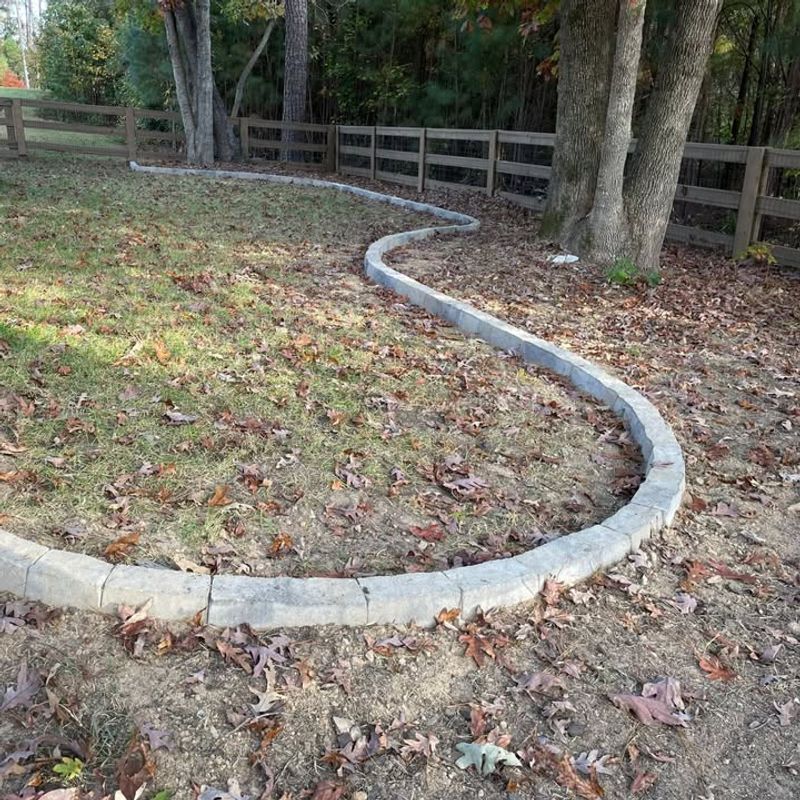
One of the most customizable edging options available, concrete pavers have been used creatively by North Carolina gardeners for years. They come in a wide range of shapes, sizes, and colors, from simple rectangular blocks to decorative scalloped pieces that add a cottage-style charm.
What makes concrete pavers especially appealing is their durability. They can handle years of foot traffic, lawnmower contact, and weather changes without breaking down.
North Carolina’s warm summers and occasional icy winters are no match for a properly installed paver border. They also stay firmly in place once set, so you will not be constantly resetting them after heavy rains.
Installing concrete paver edging is a great Saturday project. Dig a shallow trench along your garden bed, pour a thin layer of sand for leveling, then press each paver into position.
Check with a level as you go to keep everything even. Pavers can be arranged in a single row for a minimalist look or stacked slightly for added height and definition.
They pair especially well with mulched beds and ornamental shrubs. Whether your home is in the mountains near Boone or the suburbs of Charlotte, concrete paver edging delivers a clean, attractive border that stands the test of time.
6. River Rock Borders Add A Soft Natural Transition
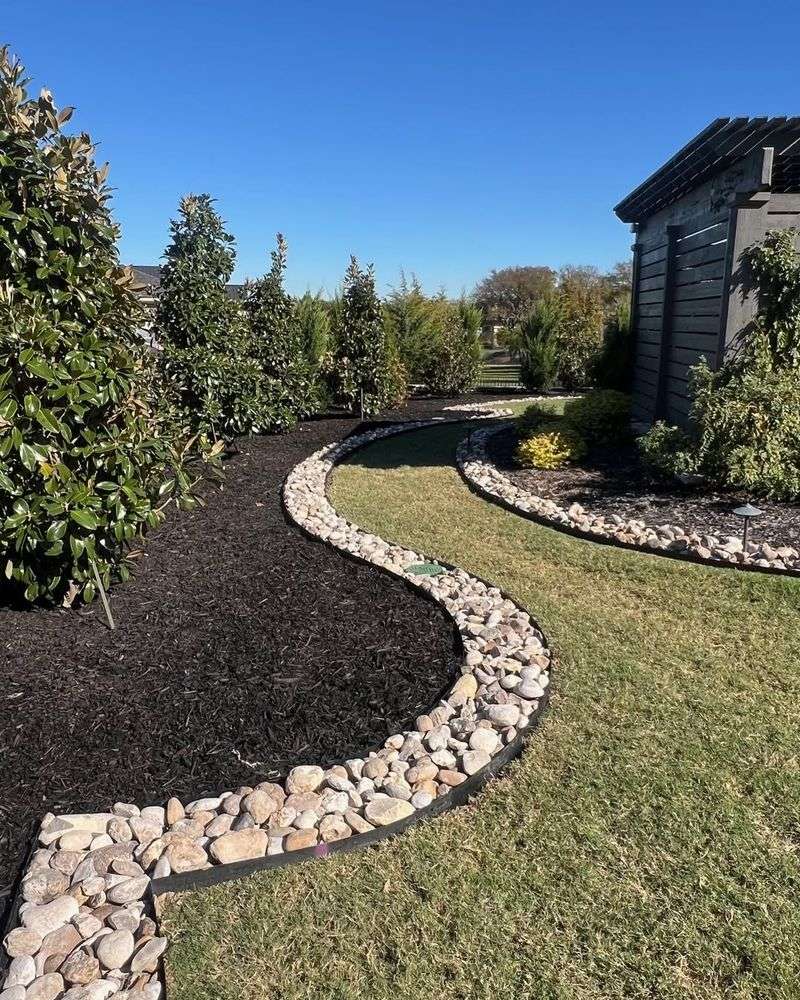
There is something wonderfully relaxing about the look of smooth river rocks lining a garden bed. Rounded by years of water movement, these stones carry a natural, polished beauty that fits perfectly into North Carolina’s diverse landscapes, from mountain streams to coastal lowlands.
River rock borders work especially well around water features, rain gardens, and native plant beds. Their rounded shape prevents soil erosion during heavy rains, which is a real bonus in areas of North Carolina that get significant rainfall.
They also discourage weeds from creeping into your garden beds, saving you hours of pulling and trimming throughout the growing season.
Creating a river rock border is one of the more relaxing DIY garden projects you can tackle. Simply clear the edge of your bed, dig a shallow channel, and arrange rocks of similar size along the border.
Mixing a few larger anchor stones with smaller fill pieces gives the border a natural, layered appearance. River rocks are widely available at garden centers and landscape supply stores across North Carolina.
They require almost no ongoing maintenance since they do not decompose, fade, or shift in the wind. Whether your garden style leans rustic, zen, or naturalistic, river rock borders bring a grounded, earthy elegance that feels right at home in the Tar Heel State.
7. Gravel Mowing Strips Help Separate Lawn From Planting Areas
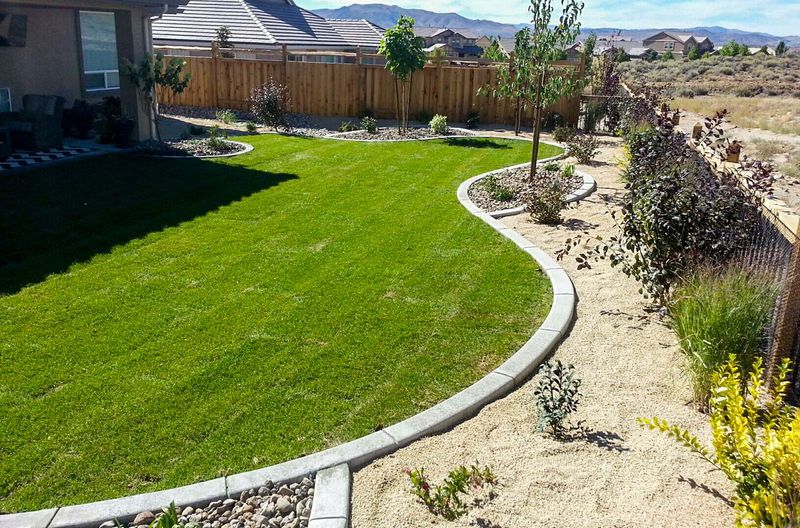
Cleverly solving two problems at once, gravel mowing strips have become a smart solution for many gardens. They create a clean visual border between your lawn and garden beds while also giving your lawnmower a flat, stable surface to roll along.
That means no more awkward trimming along garden edges every single week.
In North Carolina, where summer grass grows fast and thick, anything that reduces weekly yard maintenance is a genuine win. A gravel mowing strip is typically about a foot wide and sits level with the surrounding lawn.
When you mow, one wheel of the mower rides along the gravel strip, keeping your cut line perfectly straight without any extra effort.
Installation involves digging a shallow trench along your garden border, lining it with landscape fabric to suppress weeds, and filling it with your chosen gravel. Pea gravel and crushed granite are both popular choices in North Carolina due to their availability and attractive appearance.
The gravel layer also helps with drainage during heavy rains, directing water away from your garden beds. Over time, you may need to add a fresh layer of gravel as some settles or disperses, but that is a simple and inexpensive fix.
Gravel mowing strips are practical, affordable, and surprisingly stylish in any yard.
8. Log Edging Works Beautifully In Rustic Or Woodland Style Yards
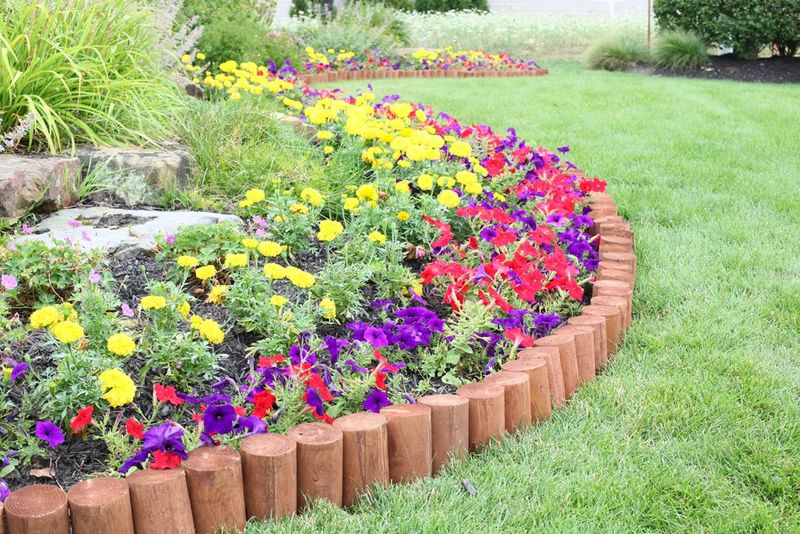
With a rugged, back-to-nature appeal, log edging fits perfectly into North Carolina’s forested landscapes. Whether you are working with fallen hardwood trees from your own property or purchasing pre-cut log rounds from a local supplier, this edging style brings an unmistakably organic warmth to any garden space.
Sections of logs can be placed upright in the ground like a small picket fence or laid horizontally end-to-end along a border. The upright style works especially well for raised garden beds, while horizontal logs suit flatter ground-level borders.
Cedar and black locust are two excellent choices for North Carolina because they naturally resist moisture and insects without any chemical treatment.
Log edging pairs beautifully with shade gardens, woodland-inspired plantings, and wildflower meadows. It looks especially striking beneath tall oaks and pines, where the rustic aesthetic feels completely at home.
Over time, logs will naturally weather and eventually break down, returning nutrients to the soil as they do. This slow decomposition is actually a benefit in naturalistic garden designs.
Replacing a section is as simple as swapping in a new log piece. For homeowners in the mountain regions around Asheville or the forested suburbs of Wake County, log edging offers a grounded, heartfelt connection to the natural beauty of North Carolina.
9. Wattle Edging Brings Handcrafted Charm To Informal Gardens
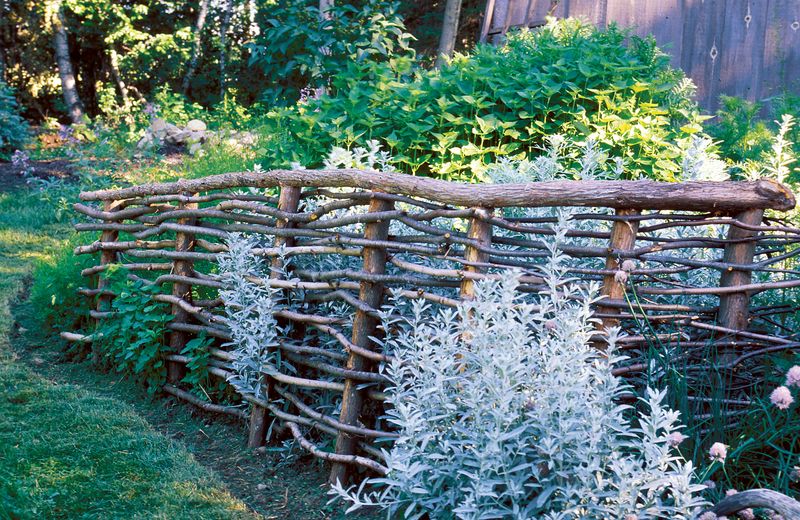
Wattle edging is an ancient technique that has made a stylish comeback in modern cottage and heritage gardens. Made by weaving thin, flexible branches between upright stakes, wattle creates a charming, handcrafted border that looks like it belongs in a storybook garden.
It is one of the most creative and personal edging options available to North Carolina gardeners.
Willow, dogwood, and young oak branches all work well for wattle weaving. Many of these materials are readily available in North Carolina’s woodlands and hedgerows, making this a wonderfully low-cost project.
The weaving process is surprisingly meditative, and the finished product reflects the unique personality of whoever made it. No two wattle borders look exactly the same.
Wattle edging works especially well in herb gardens, vegetable patches, and cottage-style flower beds. It pairs naturally with lavender, rosemary, and old-fashioned blooms like foxglove and hollyhock.
The edging typically lasts two to five years before needing replacement, which gives you a regular opportunity to refresh and redesign your borders. Because the materials are organic, old wattle can be composted rather than thrown away.
For North Carolina gardeners who love hands-on projects and a touch of old-world charm, wattle edging is a rewarding, beautiful, and entirely personal way to frame your outdoor space.
10. Stacked Wall Block Edging Helps On Sloped Garden Spaces
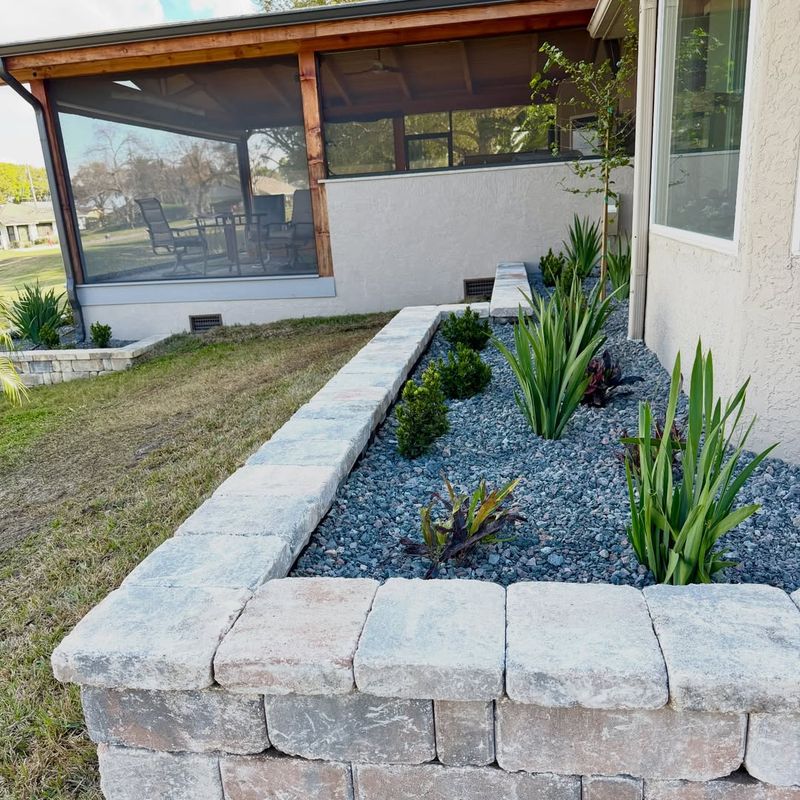
For gardeners looking to create raised beds with bold, defined edges, stacked wall blocks are the go-to choice in North Carolina. These interlocking concrete or stone blocks are designed to stack securely without mortar, making them an accessible DIY project for homeowners of all skill levels.
The raised height that stacked blocks provide does more than just look impressive. It improves drainage, warms the soil faster in spring, and makes planting and weeding much easier on your back and knees.
For older gardeners or those with mobility concerns, a raised bed with stacked block edging can genuinely transform the gardening experience.
Stacked wall blocks come in a wide range of colors and textures, from smooth modern finishes to rough-hewn stone looks. Many North Carolina garden centers carry regional styles that complement local architecture and landscape traditions.
Installation starts with a level base and builds up one row at a time, with each block slightly overlapping the joints below for added stability. Two or three rows of stacking is usually enough for a standard raised bed border.
Fill the interior with quality garden soil and compost, and you have a productive, attractive planting space ready for vegetables, herbs, or flowers. Stacked wall block edging is a practical upgrade that adds serious value to any North Carolina yard.
11. Mulched Berm Edges Shape Beds Without Formal Materials
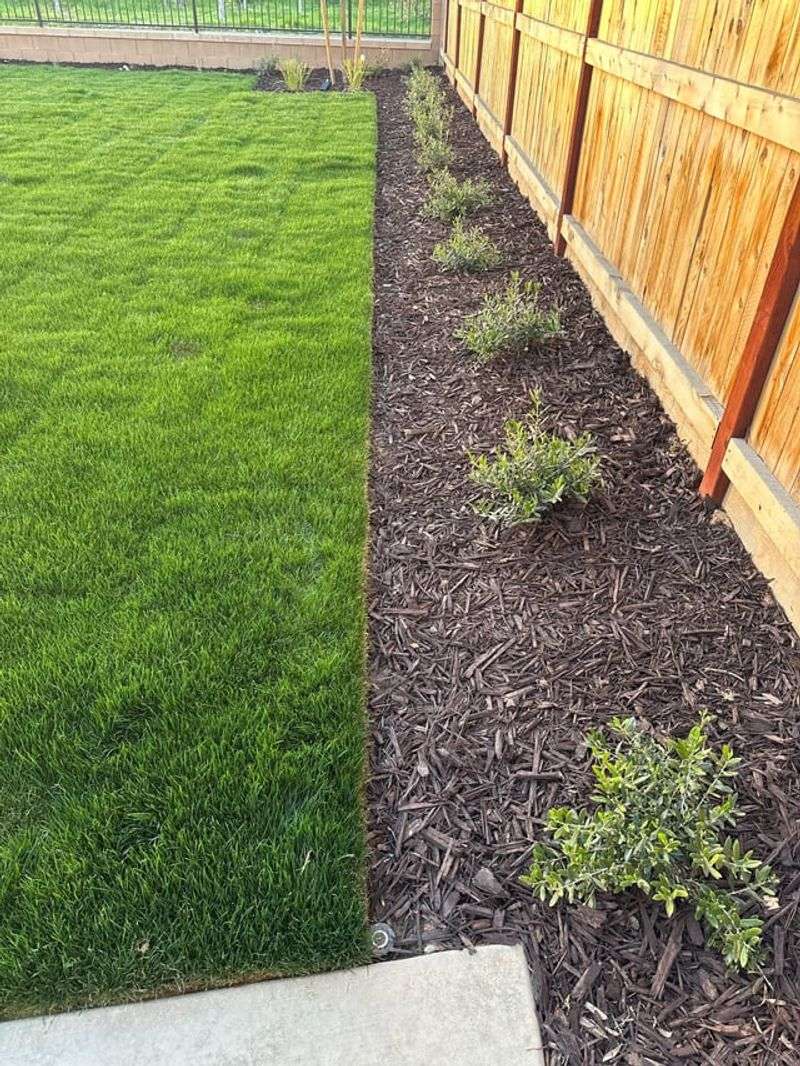
Berms are gently mounded garden beds that add elevation and visual interest to otherwise flat yards. When topped with a thick layer of mulch and edged cleanly along their base, they become one of the most striking landscape features a North Carolina yard can have.
The combination of height, texture, and color creates a layered garden effect that looks professionally designed.
Mulched berm edges work especially well for managing stormwater runoff, a common concern in many parts of North Carolina where heavy summer rains can wash away soil and plants. The raised mound slows water flow, while the mulch layer absorbs moisture and prevents erosion.
Native shrubs, ornamental grasses, and drought-tolerant perennials planted on the berm thrive beautifully in this setup.
Building a berm starts with mounding quality topsoil into a gently sloping shape, typically no more than 18 to 24 inches tall for a home garden. Once shaped, cover the entire surface with three to four inches of shredded hardwood mulch.
Define the lower edge with a clean spade cut or a flexible edging strip to keep the mulch contained. Refresh the mulch layer each spring to maintain color and depth.
In areas like the Triad or Triangle regions of North Carolina, mulched berm edges are a popular landscaping trend that adds dimension and polish to residential yards of all sizes.