North Carolina Gardeners Are Using This Water-Wise Hack To Cut Bills Fast
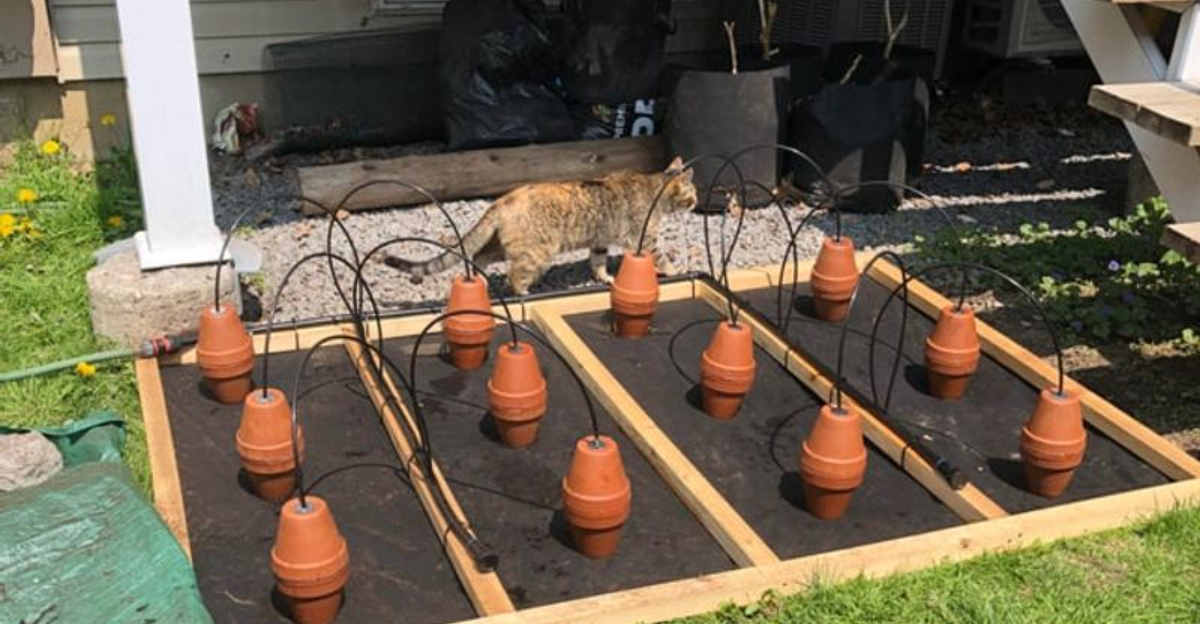
I keep laughing at how many North Carolina gardeners are acting like they unlocked a secret treasure the moment they started burying ollas in their yards because the excitement is honestly contagious.
Everyone I talk to swears these little clay pots are saving their plants and their wallets at the same time, and I love how something so simple is making such a big difference.
I tried one out of pure curiosity and now I understand why people can’t stop talking about slow, steady watering that doesn’t waste a single drop.
It feels good seeing a garden thrive without stressing over giant water bills anymore.
I’m starting to think North Carolina gardeners have been keeping ollas a secret for years because the way they talk about them feels almost too proud to be casual.
I love how something so small can make people feel like water-saving experts overnight.
The best part is hearing everyone brag about fuller blooms and lower bills like it’s a competition they’re all winning together.
1. Water Bills Drop Dramatically With Smart Irrigation
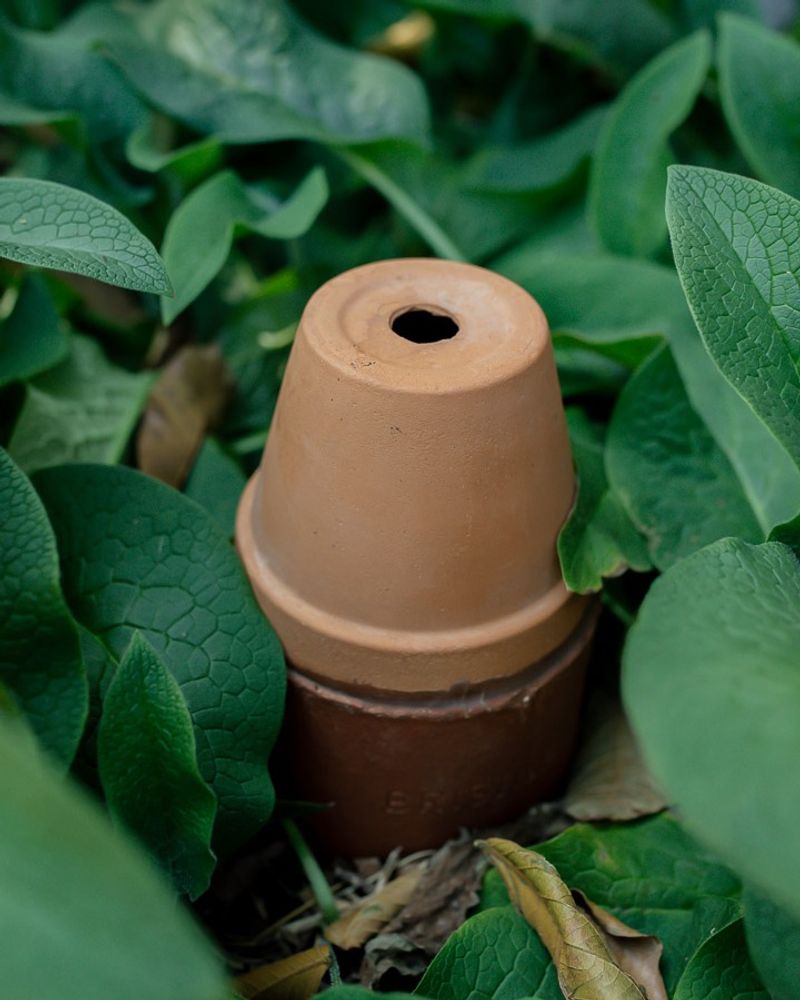
Monthly water expenses decrease when you switch to olla irrigation in your North Carolina garden because these clay pots release moisture slowly and efficiently.
Traditional sprinklers waste gallons through evaporation and runoff, but ollas deliver water directly to plant roots where it matters most.
Families across the state report saving thirty to fifty percent on their summer watering costs after installing just a few buried clay vessels.
The porous clay allows water to seep out gradually, so plants take only what they need without any excess.
You fill each olla once or twice a week instead of running hoses every day, which cuts down on both water usage and the time you spend watering.
Gardeners in Charlotte and Raleigh have noticed smaller utility bills within the first month of using these simple clay tools in their vegetable patches and flower beds all season long now.
2. Plants Stay Healthier Without Daily Watering Hassles

Root systems grow stronger when moisture arrives consistently through buried clay ollas rather than sporadic surface watering that creates stress.
Vegetables and flowers develop deeper roots as they reach toward the steady water source underground, making them more resilient during hot spells.
North Carolina summers can be brutal, but plants watered through ollas show fewer signs of wilting or heat damage compared to those watered conventionally.
The constant moisture level prevents the cycle of drought and flood that weakens plants and makes them vulnerable to pests and disease.
Tomatoes, peppers, and squash produce better yields when their roots access water steadily from clay pots buried beside them throughout the growing season.
Gardeners in Durham and Greensboro appreciate how their gardens stay lush even when they forget to water for several days during busy weeks.
3. Ancient Technology Meets Modern Gardening Needs
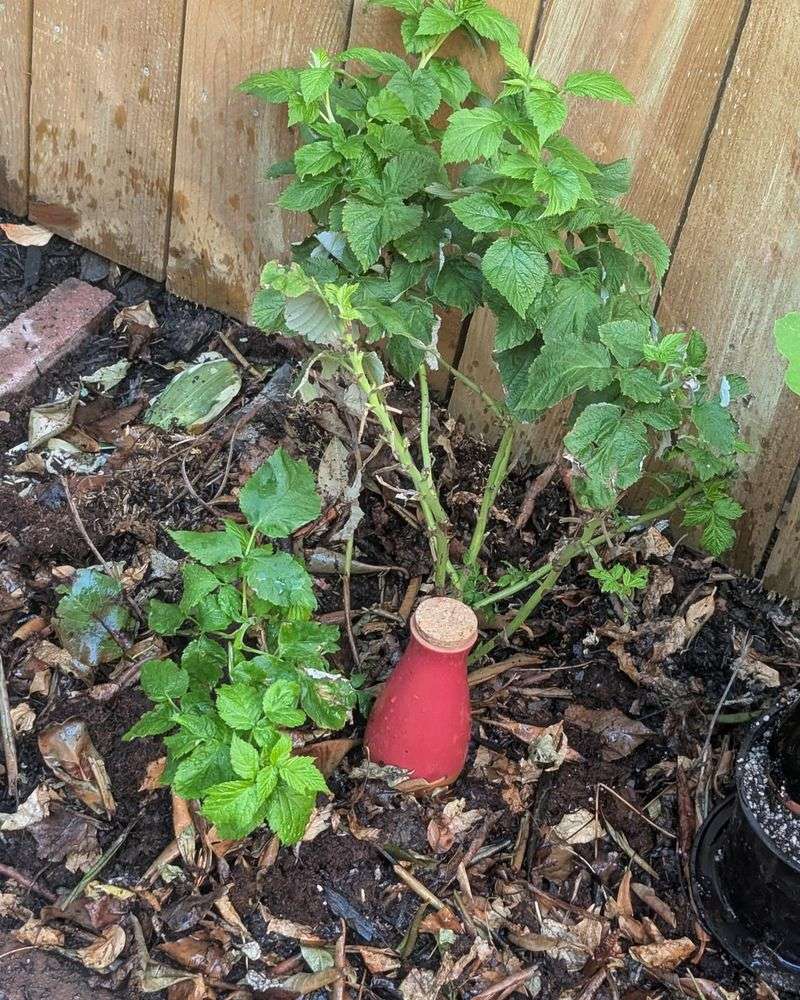
Farmers used clay ollas over four thousand years ago in regions where water was scarce, proving this method works reliably across generations.
The same principle that helped ancient civilizations grow food in deserts now helps North Carolina gardeners manage resources wisely in their backyards.
Modern versions come in various sizes to fit different garden layouts, from small pots for herb containers to large vessels for sprawling vegetable rows.
You can purchase ready-made ollas or craft your own using unglazed terracotta pots sealed together with waterproof adhesive for a budget-friendly option.
This time-tested approach requires no electricity, batteries, or complex timers—just simple clay and water working together naturally to nourish your plants.
Gardeners throughout the state enjoy connecting with historical farming practices while solving contemporary challenges like rising water costs and environmental concerns about waste.
4. Installation Takes Minutes With No Special Skills
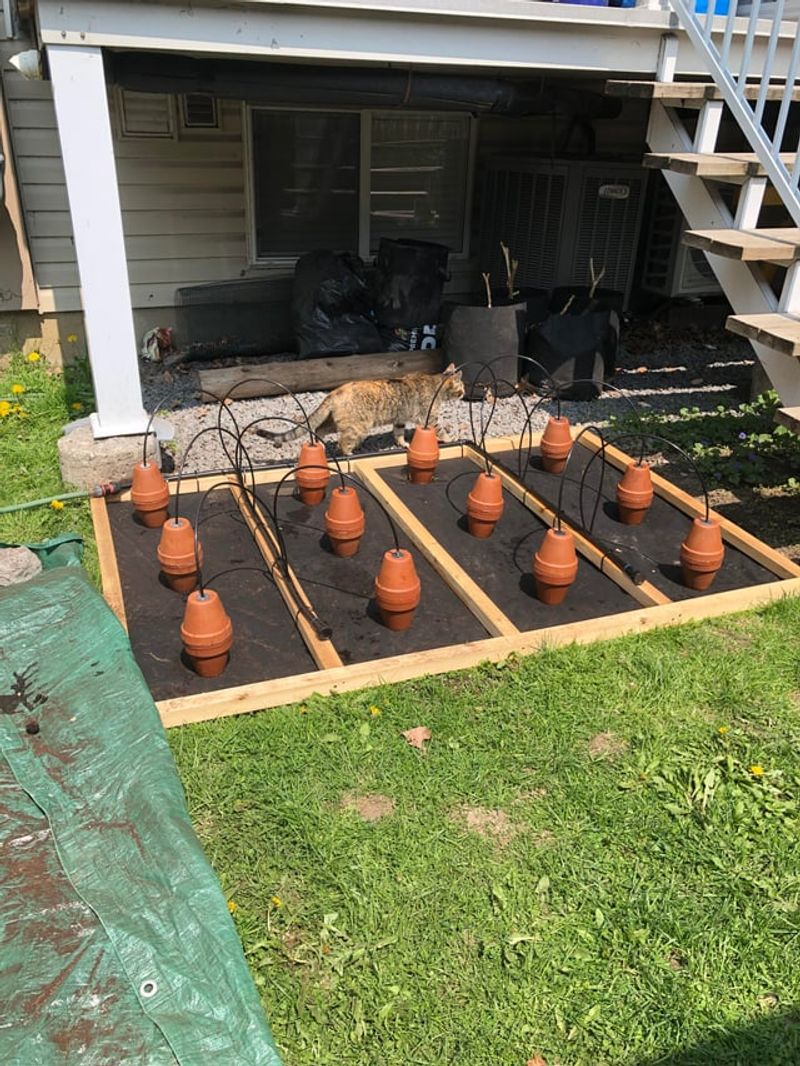
Setting up ollas requires only digging a hole deep enough to bury the pot with just the neck and lid showing above ground level.
Anyone can install these clay vessels regardless of gardening experience, making them perfect for beginners starting their first North Carolina vegetable patch.
You space ollas about eighteen inches apart for most plants, adjusting distance based on root spread and soil type in your specific garden area.
Fill the buried pot with water, replace the lid to prevent evaporation and keep debris out, then let the clay do its work automatically.
No plumbing, wiring, or technical knowledge is needed—just basic digging and positioning make this the easiest irrigation upgrade you can add to your garden.
Families in Asheville and Wilmington appreciate how quickly they can transform their watering routine without hiring professionals or purchasing expensive equipment for their outdoor spaces.
5. Weeds Struggle When Surface Soil Stays Drier
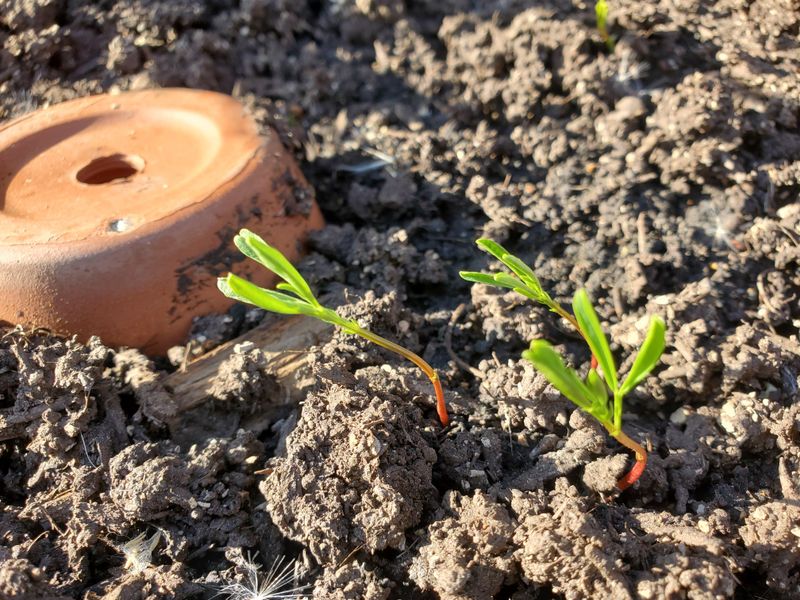
Unwanted plants need moisture at the soil surface to germinate and establish themselves, but ollas keep that top layer relatively dry.
Water goes deep into the ground where your vegetables and flowers can access it, while weed seeds on top remain dormant without enough moisture.
North Carolina gardeners spend less time pulling weeds and more time enjoying their harvests when they switch to subsurface irrigation through buried clay pots.
The difference becomes obvious within weeks as pathways between plants stay cleaner and require fewer hours of maintenance throughout the growing season.
Fewer weeds also means less competition for nutrients and space, allowing your desired plants to grow larger and produce more abundantly without interference.
Gardeners in Winston-Salem and Fayetteville love how their garden beds look tidier and need less constant attention since installing ollas between their rows of crops.
6. Vacation Time Becomes Stress-Free For Plant Lovers
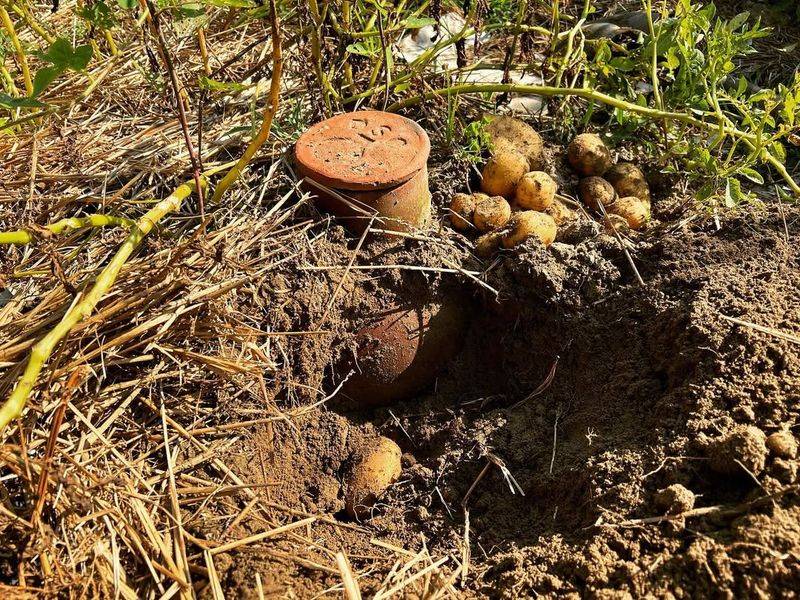
Going away for a week no longer means returning home to withered plants when ollas keep your garden hydrated in your absence.
Each clay vessel holds enough water to sustain nearby plants for several days, depending on size and weather conditions across North Carolina.
You simply fill all your ollas before leaving, and the slow-release system continues working automatically without any intervention or complicated timers.
Friends and neighbors no longer need to stop by daily to water your garden, which makes trips more relaxing for everyone involved.
The peace of mind knowing your tomatoes, beans, and flowers will survive while you enjoy the beach or mountains makes gardening less stressful overall.
Families from Cary and Chapel Hill can finally take summer vacations without worrying about losing their entire garden harvest to neglect or drought conditions.
7. Clay Naturally Filters And Protects Root Zones
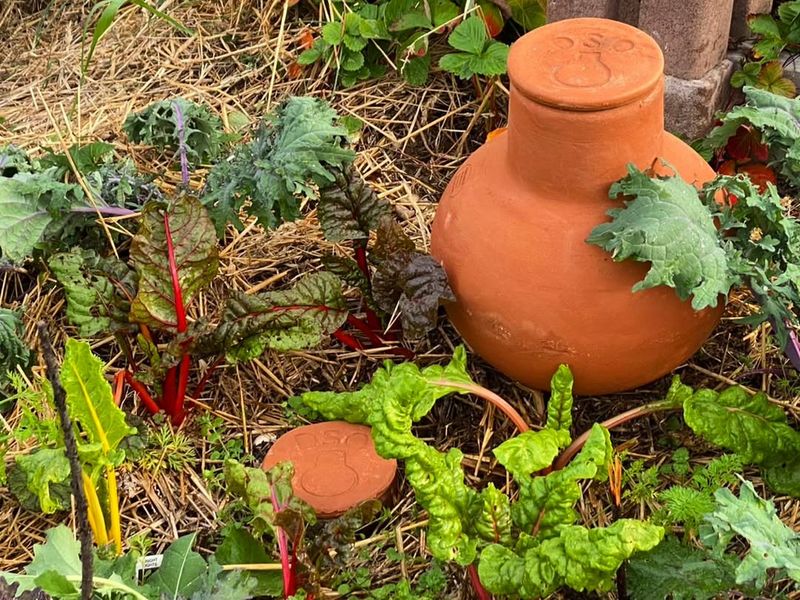
Unglazed terracotta acts as a natural barrier that prevents harmful substances from reaching delicate root systems while allowing pure water through.
The porous structure of clay filters out some impurities and regulates water flow based on soil moisture levels surrounding the buried olla.
Plants pull water through the clay walls only when they need it, creating a demand-based system that prevents overwatering and root rot.
North Carolina gardens benefit from this natural regulation because it adapts automatically to weather changes without requiring any adjustments from the gardener.
Clay ollas also maintain more stable soil temperatures around roots compared to surface watering that can heat up or cool down the ground rapidly.
Gardeners in Hickory and Gastonia notice their plants look more vibrant and resilient because roots stay protected in an ideal environment created by the clay vessels.
8. Environmental Impact Shrinks With Every Drop Saved

Conserving water through efficient irrigation helps protect North Carolina rivers, lakes, and aquifers that supply communities throughout the state.
Every gallon saved in your backyard adds up when thousands of gardeners make the switch to subsurface watering with buried clay ollas.
Reducing runoff means fewer pollutants wash into storm drains and waterways, keeping local ecosystems healthier for wildlife and future generations.
The carbon footprint of your garden shrinks because you use less municipal water that requires energy to treat, pump, and deliver to your home.
Clay ollas are made from natural materials that eventually break down without leaving harmful residues, unlike plastic irrigation components that persist for decades.
Environmentally conscious gardeners in Burlington and Concord feel good knowing their hobby contributes to conservation efforts rather than adding to regional water scarcity problems.
9. Long-Term Savings Outweigh Initial Investment Quickly
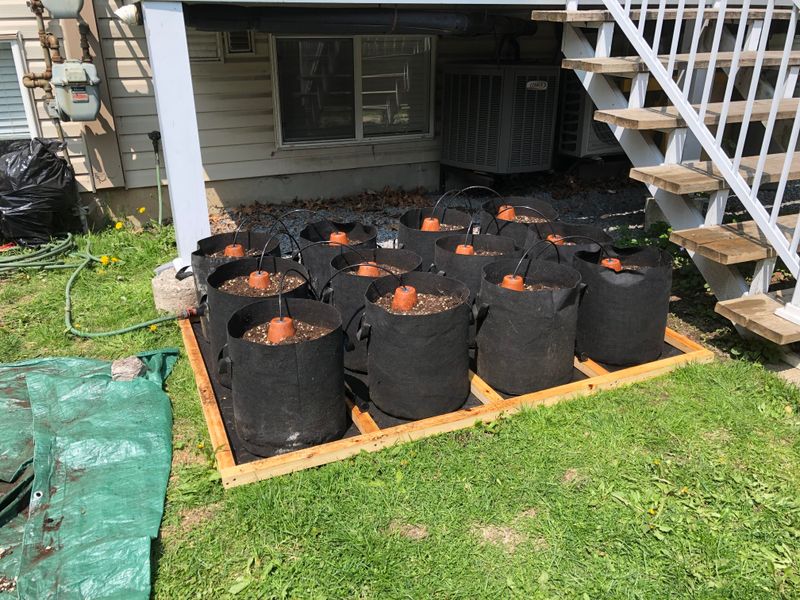
Clay ollas cost between ten and thirty dollars depending on size, but they last for years with proper care and minimal maintenance.
The money saved on reduced water bills typically covers the purchase price within one or two growing seasons for most North Carolina households.
Unlike drip irrigation systems that need replacement parts and repairs, ollas have no moving components that wear out or break over time.
You avoid ongoing expenses for batteries, timers, hoses, and sprinkler heads that conventional watering methods require for efficient operation.
The durability of quality terracotta means your investment continues paying dividends year after year without additional costs beyond occasional cleaning.
Budget-conscious gardeners in Greenville and Jacksonville appreciate how ollas provide professional-level irrigation results without the hefty price tag of automated systems or constant supply purchases.