North Carolina Gardeners, Here’s How And Why To Cut Back Smooth Hydrangea Before Spring
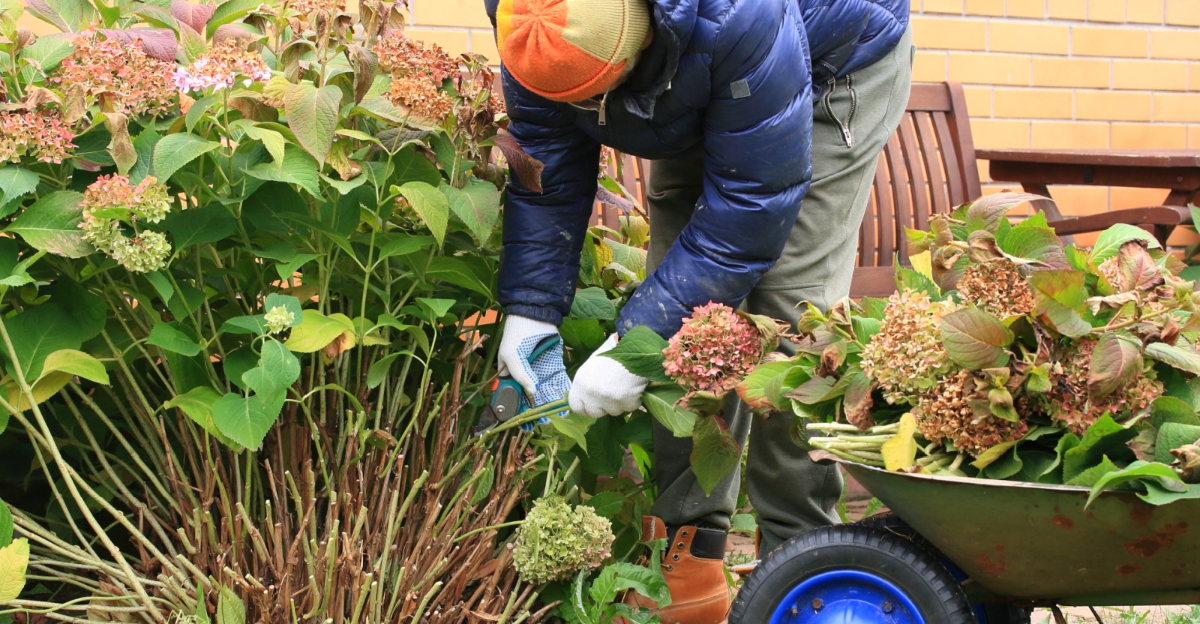
Tired of your North Carolina smooth hydrangeas flopping the moment a summer storm rolls through? You aren’t alone, but the solution isn’t more stakes – it’s a simple, strategic haircut.
These garden showstoppers are beloved for their massive white blooms, yet without the right care, they often end up looking like a tangled, scraggly mess.
If you’re ready to trade drooping stems for strong, upright shrubs that command attention, you’ve come to the right place.
Pruning your Hydrangea arborescens before spring is the key to unlocking their full, high-impact potential.
From the mountain foothills to the coast, this guide will show you how to master timing, choose the right tools, and care for the soil so your shrubs develop thick stems and bloom-heavy flower heads.
Follow these steps, and you can turn a floppy, frustrating plant into a striking centerpiece that earns compliments from every corner of your yard.
1. Understanding Smooth Hydrangea Growth And Bloom Cycle
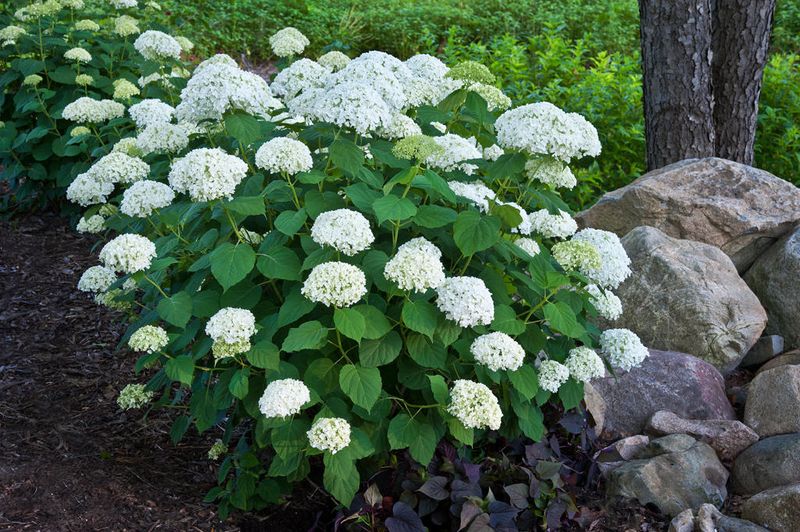
Hydrangeas can be confusing because different species bloom on different types of wood, but smooth hydrangea stands out as a reliable choice for North Carolina gardens.
Unlike bigleaf hydrangeas, smooth hydrangea blooms on new wood, meaning the flowers appear on fresh stems each year.
In spring, the shrub sends up vigorous shoots from its base and along existing stems, which will carry the large white flower heads that many gardeners love. Cultivars like ‘Annabelle’ produce flower clusters up to 12 inches wide, creating a dramatic summer display.
Because these blooms are so heavy, sturdy stems are essential to prevent flopping.
Pruning before new growth emerges encourages thicker, stronger stems capable of supporting these large flower heads.
The bloom cycle typically begins in early summer and can last into late summer or even early fall.
Understanding that smooth hydrangea flowers on new wood is critical, as it informs all pruning decisions.
Proper timing and technique promote a healthy, upright structure that allows sunlight and air to reach every stem, encouraging consistent flowering and robust growth throughout the season.
2. Why Early Spring Pruning Benefits Flower Production
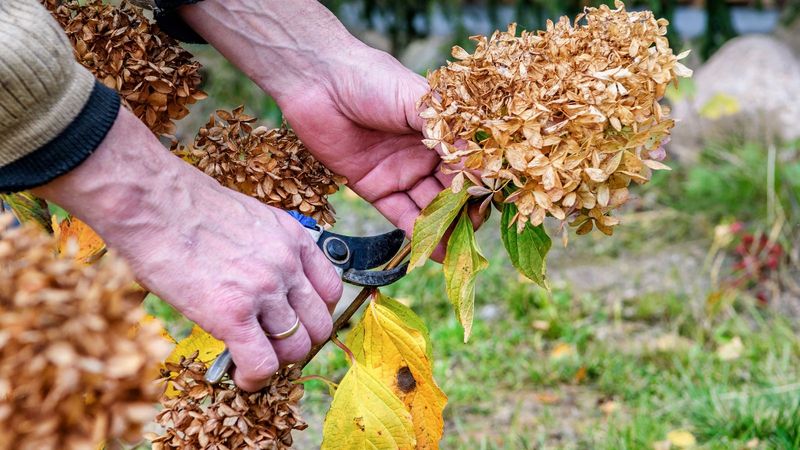
The moment green buds begin to appear is the ideal time to prune smooth hydrangea in North Carolina. Cutting back the shrub before these shoots develop directs the plant’s energy toward strong new stems instead of maintaining old, weak wood.
This energy shift results in more vigorous growth and larger, healthier blooms. Leaving older stems in place year after year can cause the plant to become thin, weak, and prone to flopping under the weight of heavy flowers.
Early spring pruning removes that risk, creating a clean framework of sturdy stems to support the upcoming season’s blooms.
Pruning at the correct time also helps the plant allocate its stored nutrients efficiently, giving each new shoot the resources it needs for rapid development.
Gardeners who follow this practice consistently notice fuller foliage, upright growth, and larger flower clusters.
By removing old top growth, you set the stage for both structural strength and aesthetic appeal, ensuring your smooth hydrangea produces the dramatic, eye-catching blooms it is known for, season after season.
Timing and consistency are key to maximizing both growth and flower production.
3. Tools You Need To Prune Smooth Hydrangea Safely
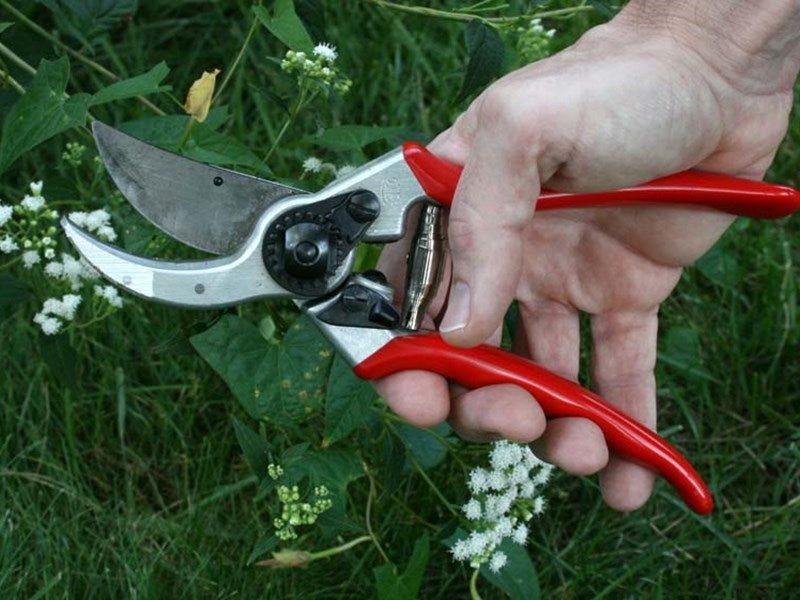
Having the right tools makes pruning smooth hydrangea easier and safer for both the gardener and the plant. Sharp, clean bypass pruning shears are ideal for most stems, producing a smooth cut that heals quickly and reduces the risk of disease.
For thicker or older woody stems, loppers provide extra leverage without straining your hands. Gloves protect against scratches while maintaining a secure grip during longer pruning sessions.
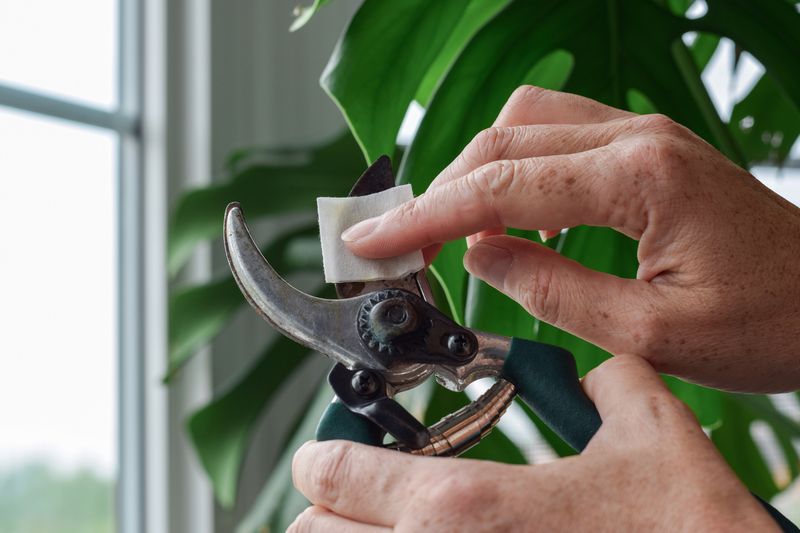
Cleaning tools before and after use is especially important in North Carolina’s humid climate, where fungal diseases can spread easily. A quick wipe with rubbing alcohol or a diluted bleach solution removes pathogens and minimizes infection risk.
Taking a few extra minutes to inspect your tools for rust or damage ensures every cut is precise and effective.
Having an organized setup with your shears, loppers, gloves, and cleaning supplies ready prevents interruptions and helps you prune efficiently.
Keeping a small bucket or tarp nearby simplifies cleanup, preventing old stems and debris from cluttering the garden bed. Organizing tools before beginning pruning allows for efficient work and ensures each cut is precise.
Using the correct equipment reduces stress on the plant, encourages rapid recovery, and improves overall plant health.
Investing in the right tools and maintaining them properly makes pruning a smooth, effective process.
4. Step-By-Step Guide To Cutting Back Smooth Hydrangea
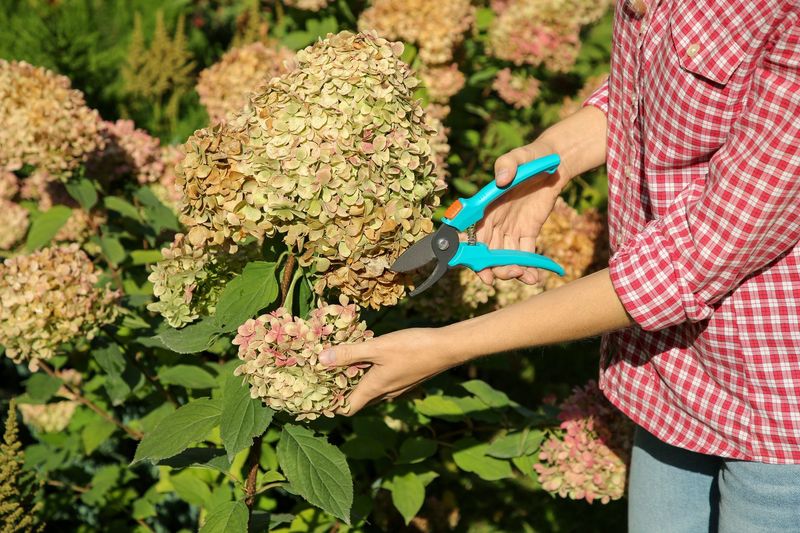
Pruning smooth hydrangea involves a few simple, methodical steps that produce strong, healthy growth. Start by walking around the shrub to identify damaged, dead, or crossing stems, removing them at the base or to a healthy branching point.
Next, trim the remaining stems to a height of 12 to 18 inches above the ground. This range removes older, weaker wood while leaving enough stem tissue to support vigorous new growth.
Make each cut just above a visible bud node to promote proper healing and robust development. Work from the outside of the shrub inward, opening up the center to improve air circulation.
Good airflow reduces the risk of fungal diseases in North Carolina’s humid summers. As you prune, take note of any stems that may require staking later in the season to prevent flopping under heavy blooms.
Keeping a consistent pruning pattern year after year helps the shrub maintain a balanced, symmetrical shape while encouraging more uniform flowering.
After cutting, step back to evaluate the shape, ensuring evenly spaced stems rising from a strong base.
The goal is a tidy, vase-like framework that supports the new shoots and large summer blooms. Following these steps carefully ensures consistent flowering and a long-lasting, attractive shrub throughout the growing season.
5. How Much To Trim For Healthy New Growth
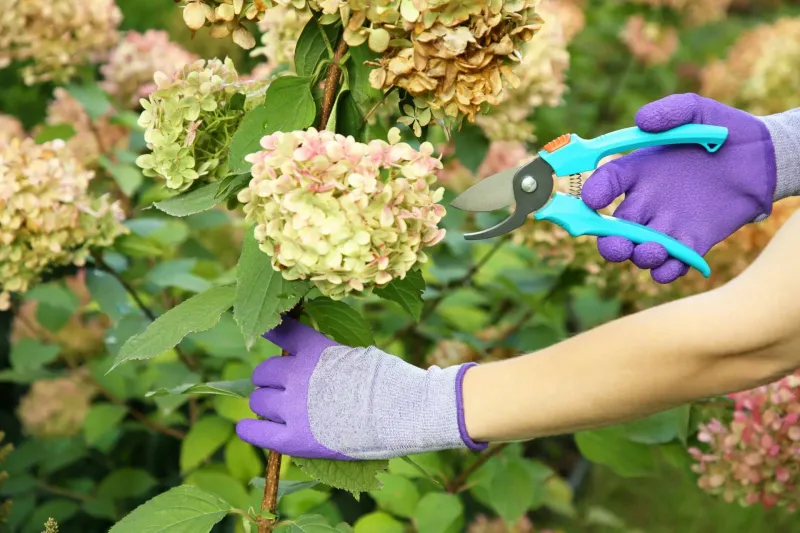
The amount to prune depends on the shrub’s age and vigor.
For established smooth hydrangeas in North Carolina, trimming stems to 12 to 18 inches above the ground removes most old growth while leaving a solid framework for new shoots.
Younger plants benefit from lighter pruning, removing roughly one-third of the previous season’s growth to encourage branching and root development. Cutting too little leaves weak stems, while cutting too aggressively can stress a young plant.
Some experienced gardeners occasionally trim mature shrubs almost to the ground, leaving just a few inches of stem, which encourages fewer but larger blooms.
The trade-off is that these large flower clusters may need occasional support to prevent flopping.
Gardeners can also pinch back emerging shoots lightly to promote a bushier shape in young plants.
Paying attention to site conditions, such as wind exposure or soil fertility, helps determine whether additional support or pruning adjustments are necessary.
Additionally, spacing between stems should be maintained to improve airflow, which reduces the risk of fungal issues during humid North Carolina summers.
Choosing the right trimming height based on plant age and site conditions maximizes stem strength, bloom size, and overall health.
Careful pruning ensures smooth hydrangea maintains its structural integrity while producing abundant, eye-catching flowers throughout the summer months.
6. Timing Pruning Around North Carolina Frost Dates
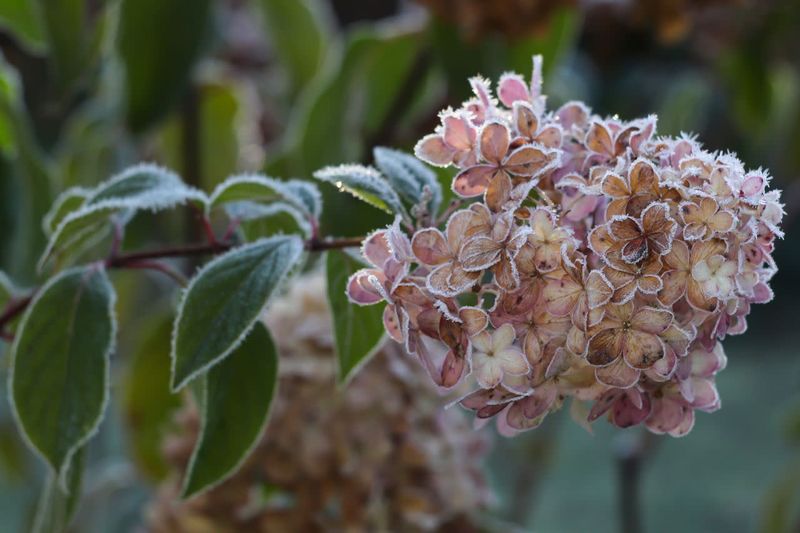
Pruning timing is critical because North Carolina’s hardiness zones range from 5b in the mountains to 8b along the southern coast. Frost dates vary widely, so gardeners must adjust pruning schedules accordingly.
In the mountains, late frosts can occur well into April, making mid- to late March safer for pruning.
In the Piedmont, last frost typically falls between mid-March and early April, while coastal areas may see frost-free conditions by late February.
The key is to prune while the shrub is dormant or just starting to produce buds, before significant new growth appears. Cutting too early during a warm winter period can stimulate shoots that later get damaged by frost.
Monitoring the extended weather forecast and choosing a stretch of days with overnight lows consistently above 28 degrees Fahrenheit reduces the risk of frost damage.
Gardeners should also consider local microclimates, such as shaded areas or slopes, which may experience frost differently than surrounding areas.
Using protective measures like light row covers or temporary mulch can help safeguard emerging buds during unexpected cold snaps.
Finally, observing how the plant responded in previous years can provide valuable guidance for determining the safest pruning window.
Matching pruning to your specific microclimate ensures smooth hydrangea emerges with strong, healthy growth for a robust flowering season.
7. Mulching And Soil Care After Pruning
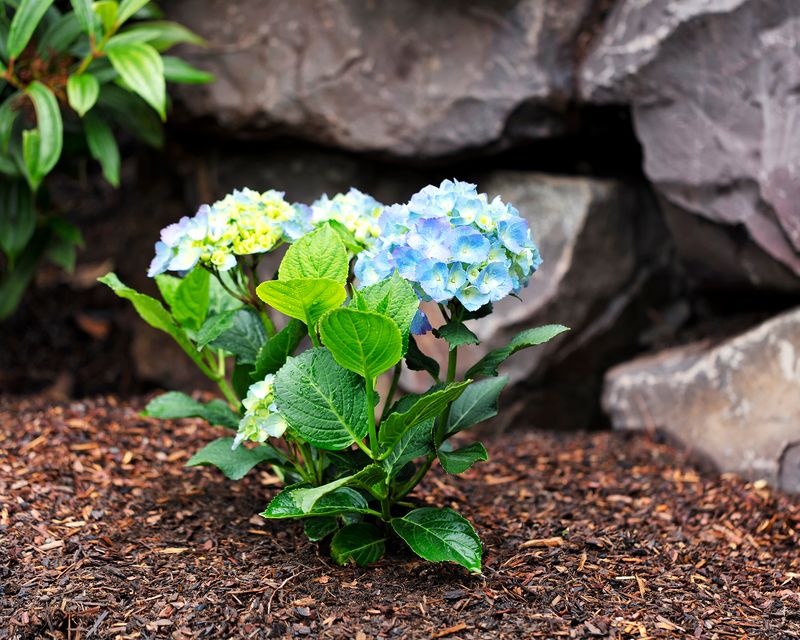
After pruning, proper soil care supports the vigorous new growth of smooth hydrangea.
Applying a 2- to 3-inch layer of organic mulch such as shredded leaves, pine bark, or wood chips helps retain moisture, moderate soil temperatures, and improve soil structure over time.
Keep mulch pulled back a few inches from the base to prevent rot and allow good air circulation at the crown. Smooth hydrangeas prefer well-drained soil with a slightly acidic pH of 5.5 to 6.5.
If your soil tends to be heavy clay, mixing in compost during mulching improves drainage and fertility. Adding a thin layer of mulch around newly planted shrubs helps young roots establish more quickly and reduces stress during hot or dry spells.
Avoid piling mulch against the stems, as this can trap moisture and invite pests or fungal problems.
Monitoring soil moisture with a simple finger test or moisture meter ensures plants receive consistent hydration without waterlogging the roots.
Lightly fertilizing in early spring once new shoots appear provides additional nutrients for healthy growth without overwhelming the plant. Maintaining consistent moisture and healthy soil encourages strong stems and robust blooms.
Careful mulching and soil preparation maximize the benefits of pruning, giving smooth hydrangea the foundation it needs to thrive throughout the North Carolina growing season.
8. Common Mistakes To Avoid When Pruning Smooth Hydrangea
Even experienced gardeners sometimes make mistakes when pruning smooth hydrangea. One common error is pruning too early in fall or winter, which can remove flower heads that provide winter interest and stimulate premature growth vulnerable to frost.
Using dull or dirty tools can crush stems, slow healing, and create entry points for fungal infections, which is a greater concern in North Carolina’s humid climate.
Another mistake is treating smooth hydrangea like bigleaf or oakleaf hydrangeas, which bloom on old wood and require different pruning techniques.
Identifying the species before pruning ensures proper timing and technique. Failing to remove weak, damaged, or crossing stems can also reduce airflow and increase disease risk.
Gardeners should also avoid cutting too close to the soil on young plants, as this can stunt growth or delay flowering. Overlooking the surrounding soil conditions, such as compacted or overly wet areas, can further stress the shrub after pruning.
Finally, leaving too much old wood in mature plants can result in flopping stems that fail to support large blooms effectively.
Observing these guidelines and avoiding common pitfalls sets smooth hydrangea up for strong new growth and abundant, showy blooms throughout the season.