North Carolina Homeowners Are Replacing These Popular Plants For A Reason
North Carolina gardens are going through a quiet transformation, and many homeowners are rethinking the plants they grow. Some once popular favorites are slowly disappearing from landscapes, replaced by smarter, more sustainable choices.
The reasons might surprise you. Certain plants spread too aggressively, struggle with disease, or demand constant care that modern gardeners no longer want to deal with.
At the same time, there is a growing focus on plants that work with nature instead of against it.
Homeowners are choosing varieties that thrive in local conditions, support pollinators and wildlife, and stay healthy with far less effort. The result is a yard that looks beautiful while also being easier to maintain.
If you are wondering which plants are falling out of favor and what gardeners are planting instead, you are about to discover the biggest landscape shifts happening across North Carolina right now.
1. Bradford Pear To Serviceberry (Amelanchier Canadensis)
Bradford pear trees were once the darling of suburban landscapes. Their showy white blooms and fast growth made them seem like the perfect choice.
But these trees hide serious problems beneath their attractive exterior. The biggest issue is structural weakness. Bradford pears grow quickly with weak branch angles that split easily during storms.
High winds and ice regularly tear these trees apart, creating hazards and expensive cleanup. Many homeowners have watched their mature trees break into pieces after a single weather event.
Beyond structural problems, Bradford pears spread aggressively into natural areas. Birds eat the small fruits and deposit seeds everywhere, creating dense thickets that crowd out native vegetation.
Several states now list this species as invasive, and North Carolina gardeners are taking notice.
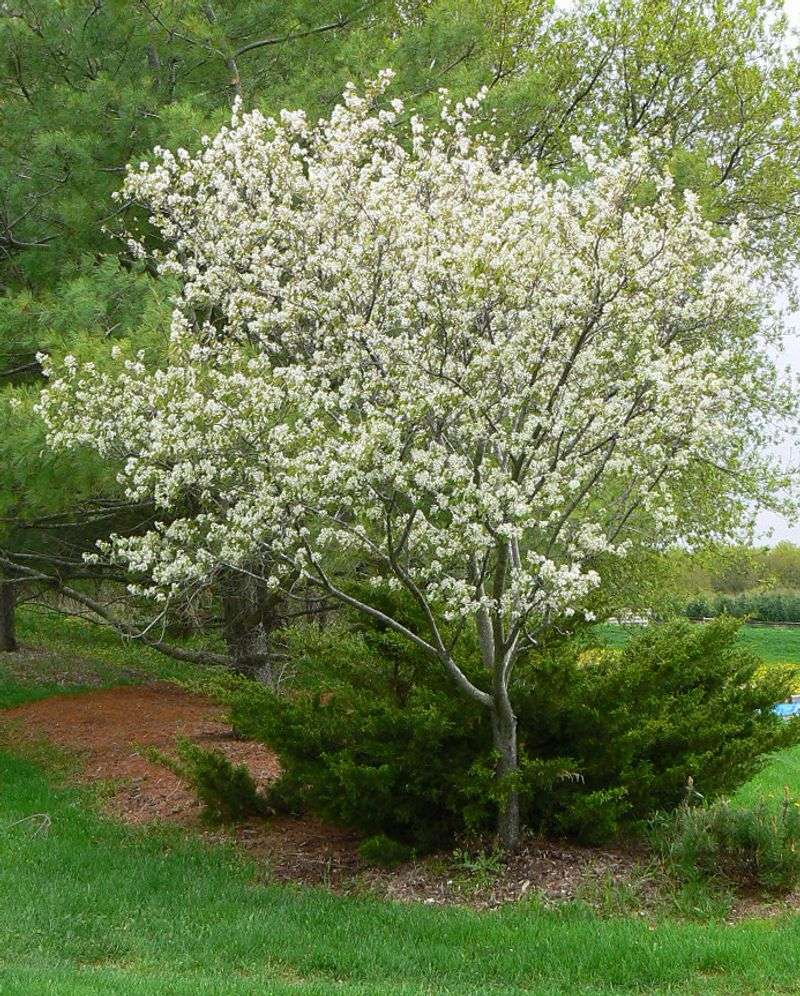
Serviceberry offers everything Bradford pear promised without the downsides. This native tree produces delicate white flowers in early spring, followed by edible berries that birds adore.
The fall foliage turns brilliant shades of orange and red. Serviceberry grows at a moderate pace with strong branch structure that withstands storms beautifully.
Wildlife benefits significantly from serviceberry plantings. Over 40 bird species enjoy the fruits, and the flowers support early-season pollinators.
The tree adapts to various soil conditions and handles both sun and partial shade. Homeowners appreciate its multi-season interest and reliable performance in North Carolina gardens.
2. Japanese Barberry To Inkberry Holly (Ilex Glabra)
Compact and colorful, Japanese barberry became a landscaping staple for foundation plantings and borders. Its thorny stems and burgundy foliage added texture to gardens. However, this plant creates problems that outweigh its ornamental appeal.
Japanese barberry spreads rapidly into forests and natural areas throughout the Southeast. Dense colonies form that alter soil chemistry and create habitat favorable to ticks.
Research shows that areas with barberry have significantly higher tick populations, raising concerns about Lyme disease transmission. The thorny thickets also make woodland management difficult.
Removing established barberry requires considerable effort. The roots spread widely, and each stem that touches ground can develop new roots.
Many North Carolina nature preserves spend significant resources controlling barberry invasions. Gardeners increasingly recognize that planting this shrub contributes to broader ecological problems.
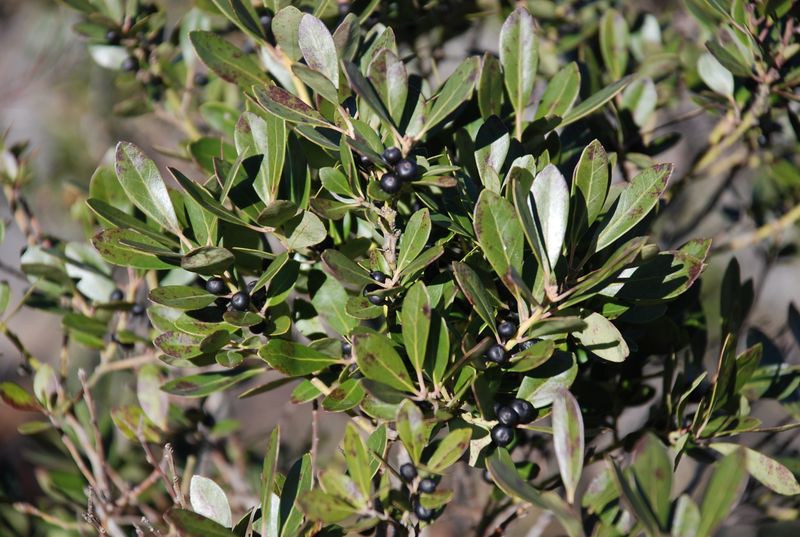
Inkberry holly provides similar landscape function without invasive tendencies. This native evergreen shrub forms neat, rounded shapes perfect for foundation plantings and hedges.
The glossy dark green foliage looks attractive year-round. Small white flowers in spring produce black berries that persist through winter, providing food for birds when other sources are scarce.
Inkberry tolerates wet soils better than many hollies, making it versatile for various garden situations. It handles shade well and adapts to different soil types.
The shrub responds beautifully to pruning, maintaining compact forms or growing into informal screens. North Carolina gardeners find inkberry reliable and low-maintenance.
3. English Ivy To Allegheny Spurge (Pachysandra Procumbens)
English ivy seemed like the perfect solution for bare ground under trees. Its evergreen leaves covered soil quickly, and the trailing vines created lush carpets.
Yet this groundcover often becomes an uncontrollable problem that damages landscapes and natural areas.
Once established, English ivy climbs trees and structures relentlessly. The vines damage bark and add weight that makes trees more vulnerable to wind damage.
Ivy-covered trees face increased risk of branch failure. The groundcover also spreads into natural areas, smothering native wildflowers and preventing tree seedlings from establishing.
Removing ivy requires persistent effort over multiple seasons. The vines root at every node, creating dense mats that exclude other plants.
Many homeowners regret planting ivy after watching it take over their yards. Birds spread the seeds, allowing ivy to appear in unexpected locations far from the original planting.
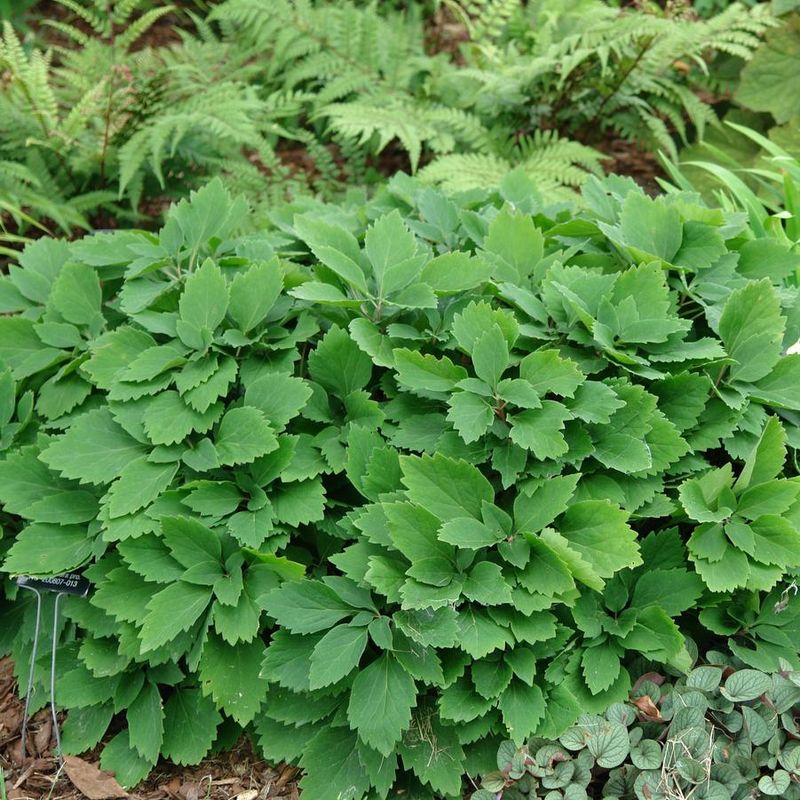
Allegheny spurge offers beautiful groundcover without aggressive behavior. This native plant produces attractive mottled foliage that adds interest to shady spots.
In early spring, fragrant white flower spikes emerge before the new leaves unfurl. The semi-evergreen foliage looks good most of the year in North Carolina gardens.
Unlike English ivy, Allegheny spurge spreads slowly and stays where you plant it. The plant tolerates deep shade and grows well under trees where grass struggles.
It handles dry shade once established, making it practical for difficult spots. The groundcover creates natural-looking carpets that complement woodland gardens beautifully.
4. Privet To Wax Myrtle (Morella Cerifera)
Privet hedges lined countless yards for decades. The shrubs grew quickly, tolerated shearing, and created dense screens.
Gardeners appreciated how easily privet filled spaces and provided privacy. But beneath this utility lies a plant that causes significant environmental harm.
Privet ranks among the most invasive shrubs in the Southeast. Birds consume the small fruits and spread seeds throughout forests and natural areas.
Dense privet thickets form that exclude native vegetation and reduce wildlife habitat quality. Many nature preserves battle privet invasions that threaten rare plant communities.
The shrub also produces flowers that trigger allergies in many people. The heavy, sweet scent during bloom time causes respiratory discomfort for sensitive individuals.
Additionally, privet requires frequent trimming to maintain hedge form, creating ongoing maintenance demands. North Carolina gardeners increasingly seek alternatives that perform better without ecological costs.
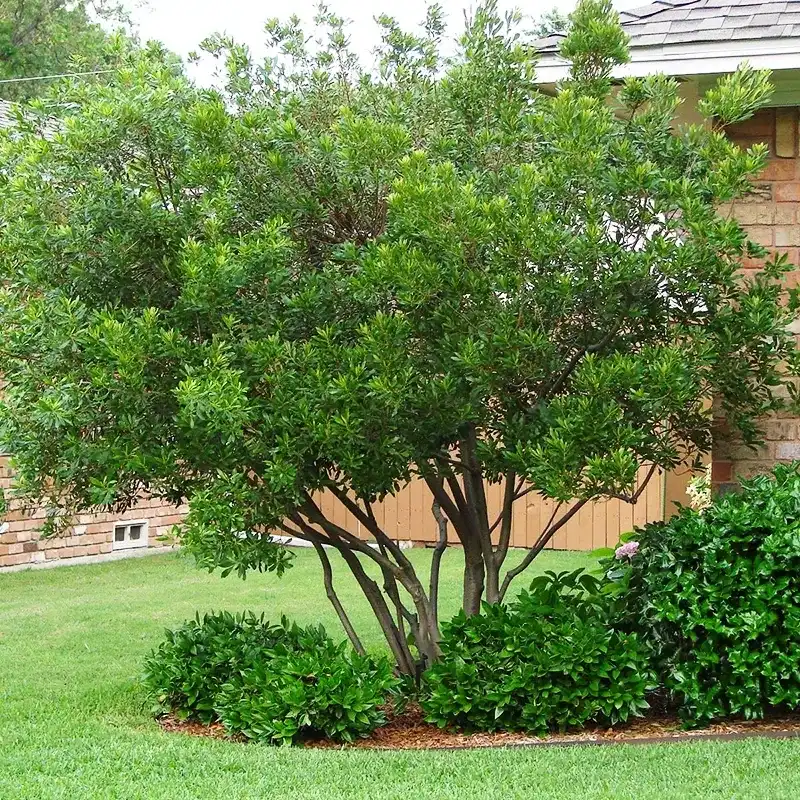
Wax myrtle brings native adaptability to landscape hedges and screens. This evergreen shrub grows naturally throughout North Carolina, tolerating coastal conditions and inland gardens equally well.
The aromatic foliage releases a pleasant scent when brushed. Wax myrtle adapts to various soil types and handles both wet and dry conditions.
Birds love wax myrtle berries, which provide important winter food. The shrub fixes nitrogen, improving soil quality naturally.
It grows at a moderate pace, reaching substantial size without constant pruning. Wax myrtle creates informal hedges that blend beautifully with natural landscapes while providing year-round screening.
5. Nandina (Heavenly Bamboo) To Native Sweetspire (Itea Virginica)
Nandina’s colorful foliage and bright red berries made it a landscaping favorite. The bamboo-like stems and changing leaf colors provided year-round interest.
Many gardens featured nandina in foundation plantings and mixed borders. However, concerns about this plant have prompted many homeowners to reconsider.
Some nandina varieties spread through bird-dispersed seeds, establishing in natural areas. More concerning, the berries contain compounds that can affect wildlife when consumed in large quantities.
While the plant offers ornamental value, questions about its ecological impact have led gardeners to explore native alternatives with similar features.
Nandina also requires specific conditions to display its best color. In too much shade, the foliage stays green rather than developing the burgundy and red tones people desire.
The plant can look leggy and unkempt without regular maintenance. North Carolina gardeners want shrubs that perform reliably with less intervention.
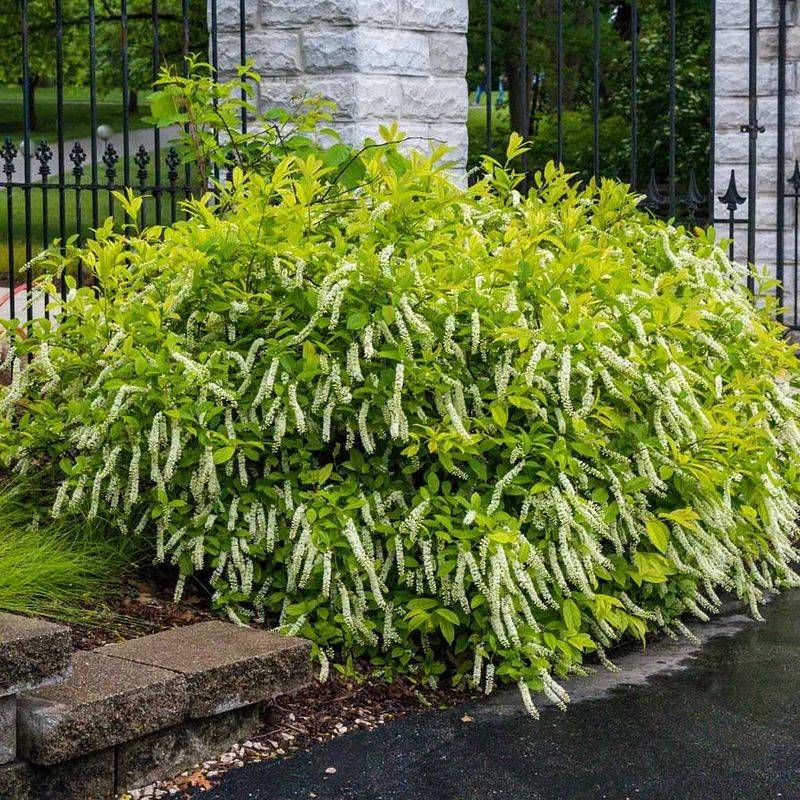
Virginia sweetspire delivers multi-season beauty with native adaptability. Fragrant white flower spikes droop gracefully in early summer, attracting butterflies and other pollinators.
The blooms last several weeks, creating stunning displays. In fall, the foliage turns brilliant shades of red, orange, and burgundy that rival any ornamental shrub.
Sweetspire handles both moist and dry soils once established. It grows well in sun or partial shade, adapting to various garden situations.
The shrub spreads slowly through suckers, creating natural colonies that look appropriate in informal landscapes. Birds and beneficial insects appreciate the native plant’s ecosystem support.
6. Leyland Cypress To Eastern Red Cedar (Juniperus Virginiana)
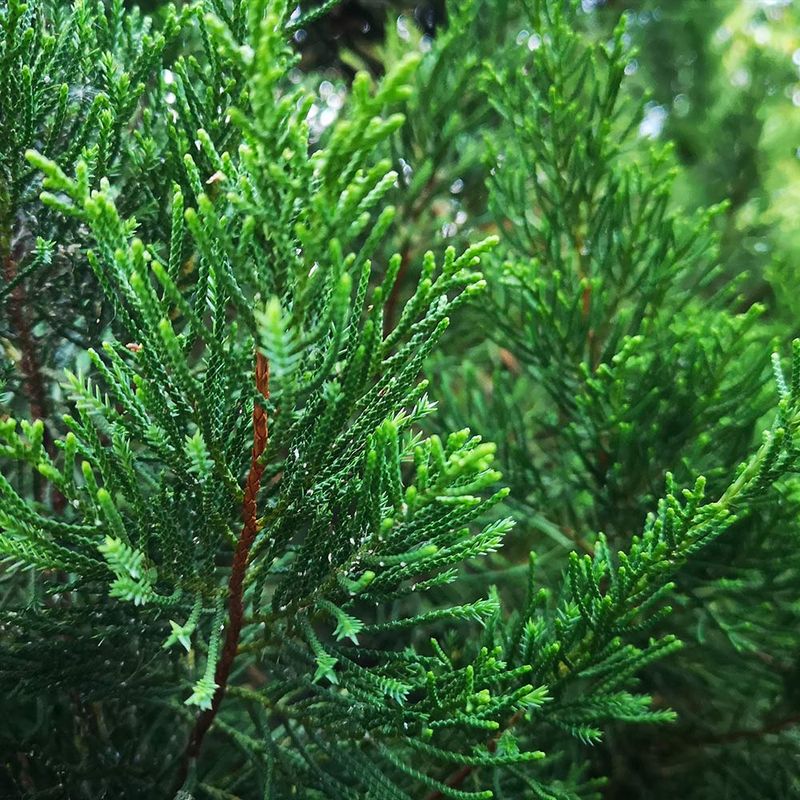
Fast-growing and densely branched, Leyland cypress became the go-to choice for privacy screens. The trees grew rapidly, creating tall hedges in just a few years.
Homeowners loved how quickly Leyland cypress provided screening and wind protection. Yet these trees often disappoint after a decade or less.
Leyland cypress suffers from multiple disease problems in humid climates. Canker diseases cause branches to brown and fade, creating unsightly gaps in hedges.
Root rot develops in poorly drained soils, causing entire trees to decline rapidly. Once disease strikes, affected trees rarely recover, leaving homeowners with brown screens instead of lush greenery.
The trees also grow too large for many residential settings. Mature specimens reach 60 feet tall with considerable width.
Keeping them trimmed to manageable size requires constant effort. Storm damage frequently occurs because the trees develop weak root systems relative to their size.
Many North Carolina homeowners have replaced entire Leyland cypress screens after disease or storm losses.
Eastern red cedar offers durable screening with native toughness. This evergreen grows throughout North Carolina naturally, proving its adaptation to regional climate and soils.
The blue-green foliage looks attractive year-round. Female trees produce small blue berries that provide important winter food for birds.
Red cedar tolerates drought, heat, and various soil conditions remarkably well. It resists diseases that plague Leyland cypress.
The tree grows at a moderate pace, developing strong root systems that anchor it securely. Red cedar requires minimal maintenance while providing reliable screening for decades.
7. Hybrid Tea Roses To Knock Out Shrub Roses
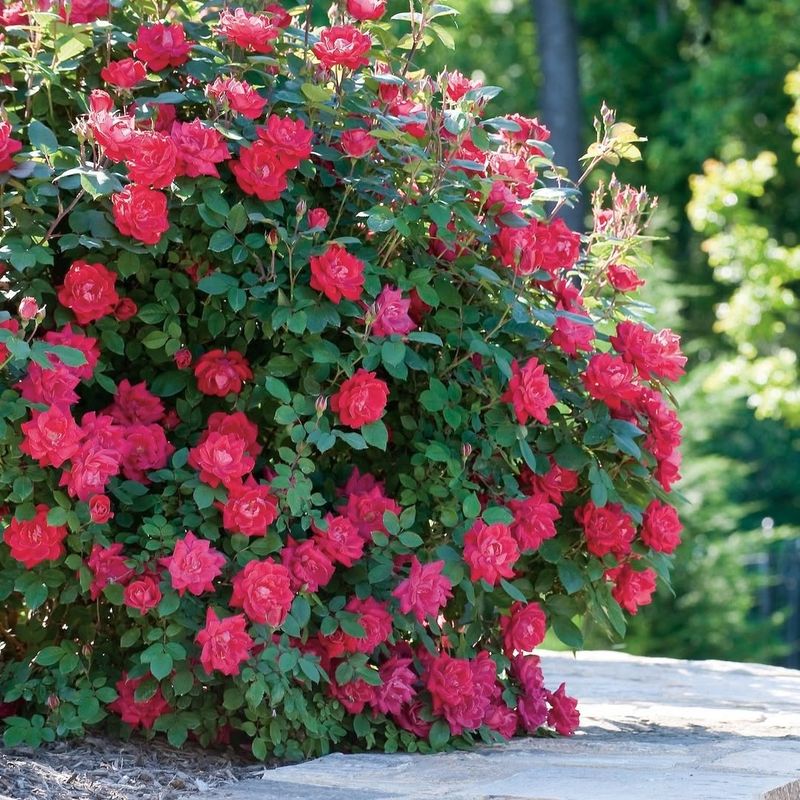
Classic hybrid tea roses produced stunning individual blooms on long stems. Their formal beauty and fragrance made them prized garden plants.
Rose enthusiasts spent hours caring for these temperamental beauties. But the intensive maintenance requirements discourage many modern gardeners.
Hybrid teas demand regular spraying to prevent black spot, powdery mildew, and insect damage. North Carolina’s humid summers create perfect conditions for rose diseases.
Without frequent fungicide applications, the plants quickly defoliate. They also require specific fertilizing schedules, careful pruning, and winter protection in colder areas.
Many hybrid teas bloom in flushes rather than continuously. The plants spend energy producing individual show blooms instead of covering themselves with flowers.
While each bloom may be spectacular, the overall garden impact often disappoints. Gardeners want roses that provide consistent color without constant intervention.
Modern shrub roses like Knock Out varieties revolutionize rose growing. These plants resist diseases naturally, maintaining healthy foliage through humid summers without spraying.
They bloom continuously from spring until frost, covering themselves with flowers. The shrubs require minimal pruning and tolerate various soil conditions.
Knock Out roses grow vigorously, quickly filling spaces with colorful blooms and attractive foliage. They handle heat and humidity better than traditional roses.
The plants self-clean, dropping spent blooms without deadheading. North Carolina gardeners appreciate getting abundant rose blooms without the time-consuming maintenance traditional varieties demand.
These tough shrubs perform reliably year after year with basic care.
8. Boxwood (Disease-Prone Areas) To Yaupon Holly (Ilex Vomitoria)
Boxwood hedges defined formal gardens for centuries. Their fine texture and ability to hold tight shapes made them essential for traditional landscapes.
Many historic gardens featured elaborate boxwood parterres and borders. These evergreen shrubs seemed irreplaceable until a devastating disease changed everything.
Boxwood blight appeared in North America in 2011 and spread rapidly. The fungal disease causes leaves to brown and drop, eventually destroying entire plants.
Infected boxwoods rarely recover, and the pathogen persists in soil for years. Once blight arrives in a garden, replanting boxwood becomes risky.
The disease spreads easily through water, tools, and infected plants. Even without blight, boxwoods face challenges in North Carolina. Summer heat stress causes bronzing, and various leaf spot diseases affect plants.
The shrubs require specific soil conditions and struggle in heavy clay or poorly drained areas. Many gardeners tire of nursing struggling boxwoods through difficult summers.
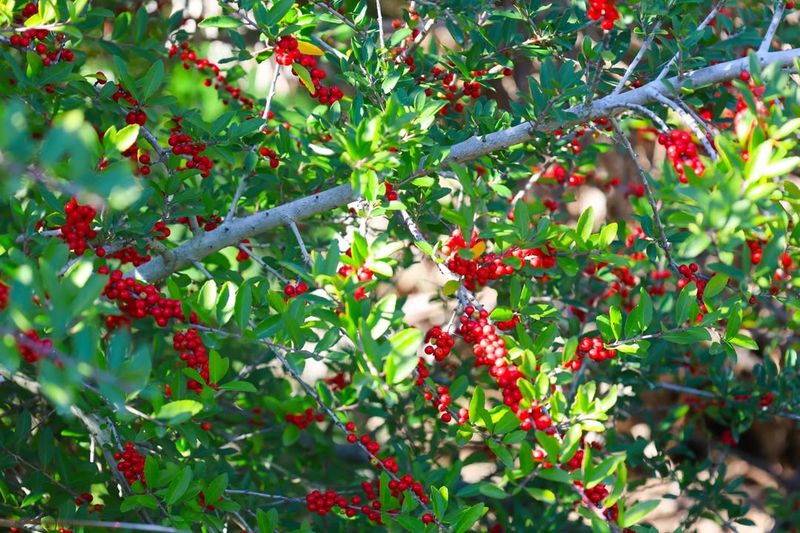
Yaupon holly provides similar landscape function with native resilience. This evergreen shrub features small, glossy leaves that create fine texture similar to boxwood.
It responds beautifully to shearing, maintaining formal shapes or growing naturally. The dense branching creates excellent hedges and foundation plantings.
Native throughout the Southeast, yaupon tolerates heat, drought, and various soil types remarkably well. It resists diseases and pests that trouble boxwood.
Female plants produce abundant red berries that birds relish. Yaupon adapts to coastal and inland gardens equally well, thriving where boxwood struggles. The shrub offers reliable performance without disease concerns.
9. Chinese Wisteria To American Wisteria (Wisteria Frutescens)
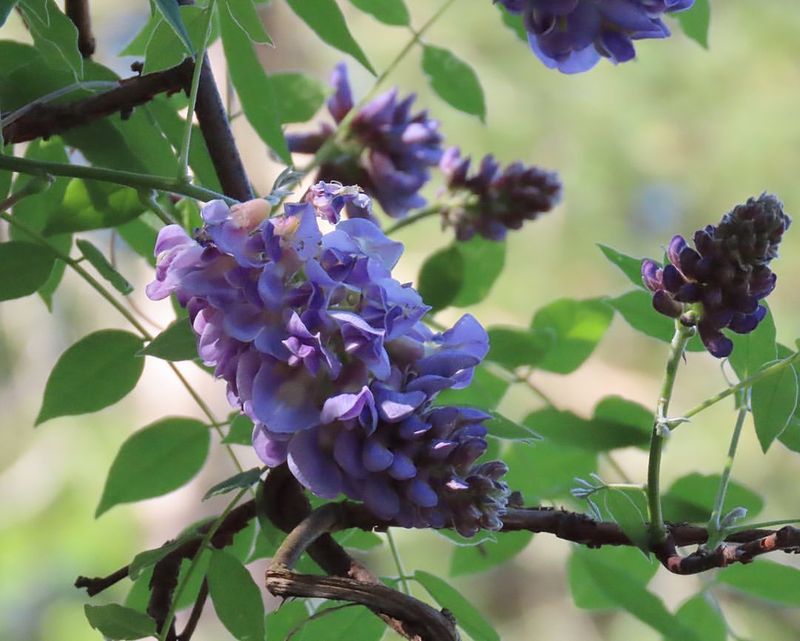
Cascading purple blooms made Chinese wisteria a romantic addition to arbors and pergolas. The fragrant flower clusters created breathtaking spring displays.
Gardeners planted these vigorous vines to cover structures quickly. But Chinese wisteria’s aggressive nature often creates more problems than beauty.
This vine grows with incredible vigor, sending runners in all directions. It climbs into trees, weighing down branches and blocking sunlight.
The twining stems strangle small trees and damage structures. Chinese wisteria spreads through underground runners and seeds, appearing far from the original planting.
Many homeowners battle wisteria invasions for years. The vine also takes many years to bloom when grown from seed. Grafted plants bloom sooner but grow even more aggressively.
Chinese wisteria requires constant pruning to keep it under control. Without regular attention, it quickly overwhelms arbors, fences, and nearby plants.
The maintenance demands and invasive tendencies make this vine problematic. American wisteria offers beautiful blooms without aggressive behavior. This native vine produces fragrant purple flower clusters in late spring.
The blooms appear after leaves emerge, creating a different but equally lovely effect. American wisteria blooms more reliably from a young age than its Asian cousin.
The native vine grows vigorously but remains more manageable. It rarely spreads into natural areas or becomes invasive.
American wisteria tolerates North Carolina’s climate perfectly, handling heat and humidity without stress.
The vine covers arbors and pergolas beautifully while staying within bounds. Gardeners enjoy fragrant blooms without the constant battle to control aggressive growth.
10. Exotic Butterfly Bush To Native Buttonbush (Cephalanthus Occidentalis)
Butterfly bush became synonymous with pollinator gardening. The long flower spikes attracted butterflies in impressive numbers.
Garden centers promoted these shrubs as essential for wildlife gardens. However, the relationship between butterfly bush and conservation is more complicated than it appears.
Many butterfly bush varieties spread readily from seed. The shrubs appear along roadsides, in natural areas, and near waterways.
While butterflies visit the flowers for nectar, the plants provide no food for caterpillars. Native butterflies need native host plants to complete their life cycles. Butterfly bush offers a snack but not a home.
Some regions now discourage planting butterfly bush because of invasive tendencies. Sterile cultivars exist but cost more and aren’t always available.
The shrubs also freeze back in cold winters, requiring spring cleanup. North Carolina gardeners increasingly seek native alternatives that support pollinators throughout their life cycles.
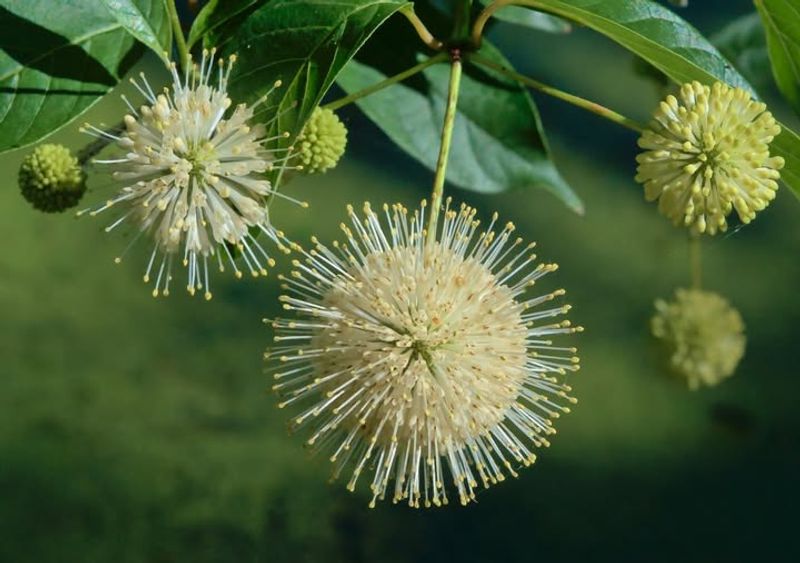
Buttonbush delivers exceptional pollinator value with native adaptability. The unique spherical white flowers bloom in summer when many other shrubs finish flowering.
Butterflies, bees, and hummingbirds visit the blooms enthusiastically. The long blooming period provides nectar when pollinators need it most.
This native shrub thrives in wet soils where many plants struggle. It grows naturally along pond edges, stream banks, and in moist gardens.
Buttonbush tolerates seasonal flooding and handles regular moisture beautifully. The plant also adapts to average garden conditions once established.
Its unique flowers and wildlife value make buttonbush an excellent choice for North Carolina landscapes seeking true pollinator support.