North Carolina Homeowners Should Think Twice Before Chasing Possums Out Of The Yard
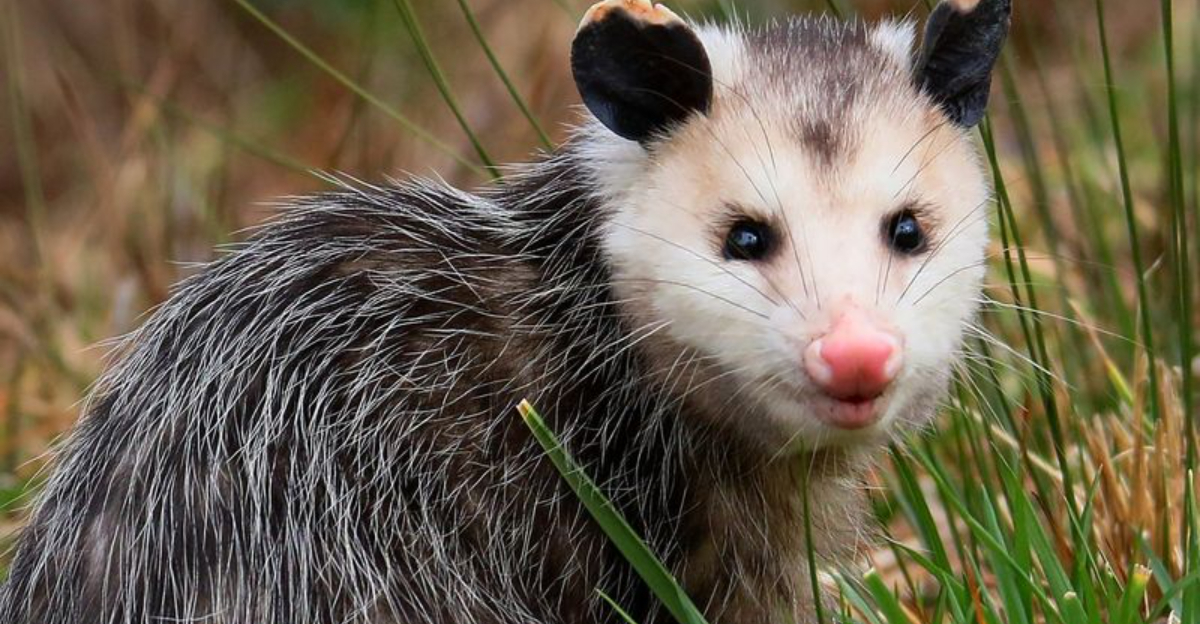
I still remember the first time a possum wandered through my North Carolina yard. At first, I thought it was just a nuisance, but I quickly realized that these nighttime visitors play an important role in the local ecosystem.
Many homeowners don’t realize that forcing them out can upset the balance of their garden and may even conflict with local wildlife guidelines.
Possums help control insects, clean up fallen fruit, and generally keep the yard healthy in ways that are easy to overlook. Understanding how to coexist safely allows homeowners to protect their pets and garden while still respecting wildlife.
Simple measures like securing compost and supervising small animals can make a big difference without creating conflict.
Thinking twice before acting could turn an unexpected visitor into a helpful contributor and keep your yard both safe and thriving.
Nature’s Tick Terminators
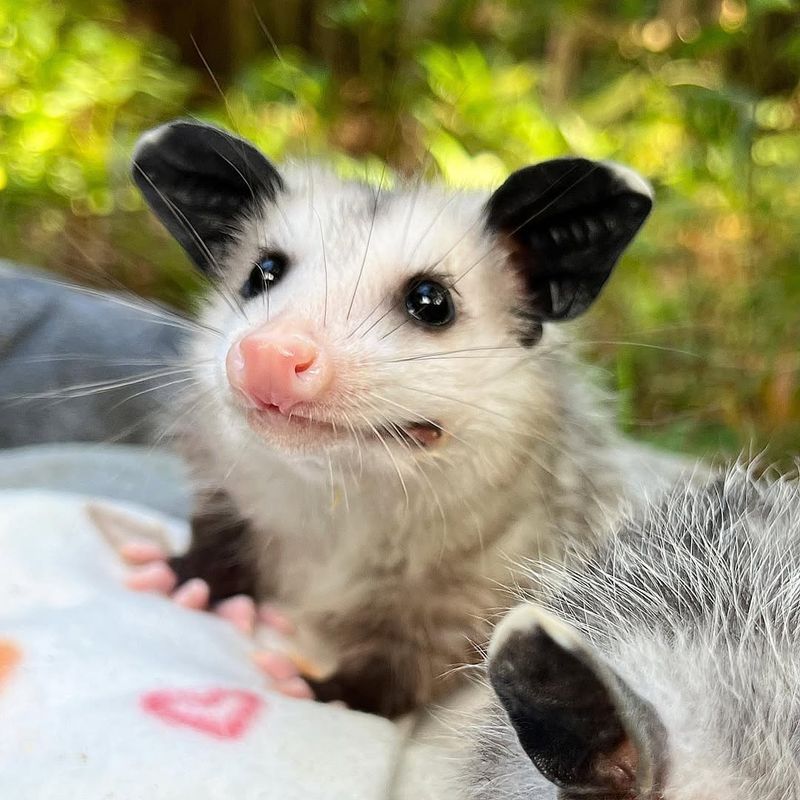
Possums are extraordinary allies in controlling tick populations across North Carolina, where Lyme disease, Rocky Mountain spotted fever, and other tick-borne illnesses are on the rise.
A single possum can consume up to 5,000 ticks per year, systematically reducing the risk of disease for your family, pets, and livestock.
Unlike other wildlife, possums meticulously groom themselves, eating nearly every tick they encounter, even while crawling through brush or your garden at night.
This thorough cleaning habit means that tick infestations around homes are naturally minimized without any chemical intervention.
Homeowners often underestimate their value because possums are nocturnal and quiet, yet their impact is immense, they act as living pest control units operating while humans sleep. Additionally, possums feed on ticks that carry pathogens harmful not just to humans, but also to dogs, cats, and horses.
By leaving possums undisturbed, you encourage a natural, self-sustaining pest control system in your yard.
Combining possum-friendly habitats with other tick prevention measures, such as deer fencing and clearing brush, can dramatically reduce tick encounters.
Recognizing the possum’s ecological role transforms a misunderstood marsupial into a crucial backyard ally, demonstrating that sometimes the creatures we fear most are actually protecting us from serious health threats.
Snake Control Specialists
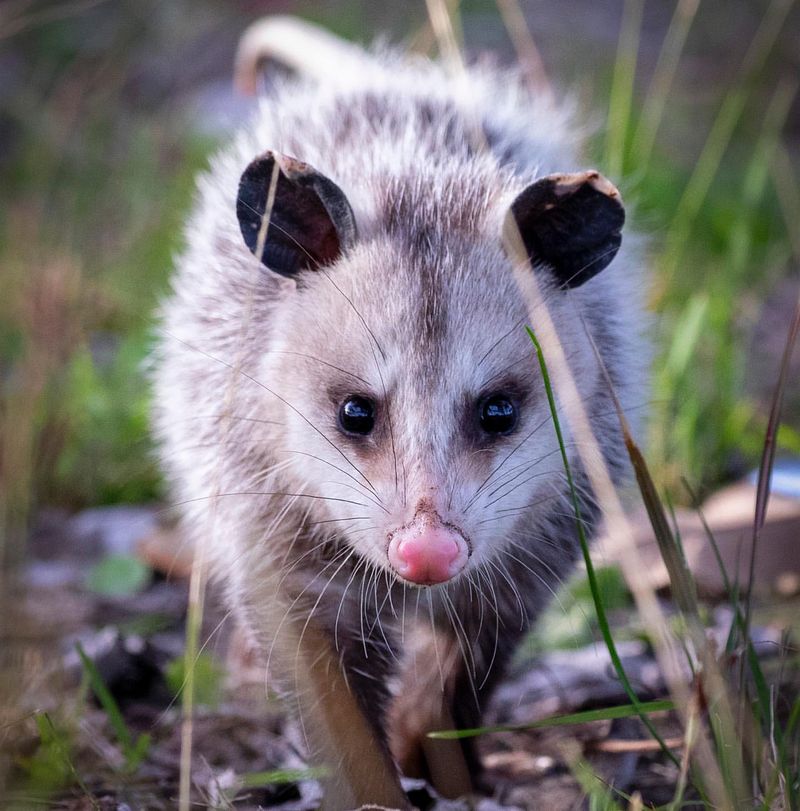
Possums are among North Carolina’s most effective natural predators of snakes, including venomous species such as copperheads and cottonmouths that commonly inhabit yards, forests, and wetlands.
Unlike many mammals, possums possess partial immunity to snake venom, allowing them to hunt and consume dangerous snakes without harm. This makes them a unique and invaluable asset for homeowners who live near snake-prone areas.
Observations show that possums actively seek out snakes during nightly foraging excursions, reducing the number of venomous reptiles that might otherwise threaten children, pets, or curious wildlife enthusiasts.
Their presence creates a natural deterrent effect: snakes are less likely to settle in areas regularly patrolled by these nocturnal marsupials.
Importantly, possums accomplish this without damaging plants or disturbing landscaping, offering a free, eco-friendly snake management service.
Encouraging possums to inhabit your property, by leaving brush piles intact, providing natural shelter, or avoiding harmful chemicals, can significantly enhance safety in your yard. Instead of using traps, poisons, or aggressive removal methods, homeowners can rely on possums as persistent, low-maintenance allies.
By understanding and supporting their role in local ecosystems, North Carolinians benefit from both safer outdoor spaces and the preservation of an important native species that contributes to maintaining balanced wildlife populations.
Garden Guardians
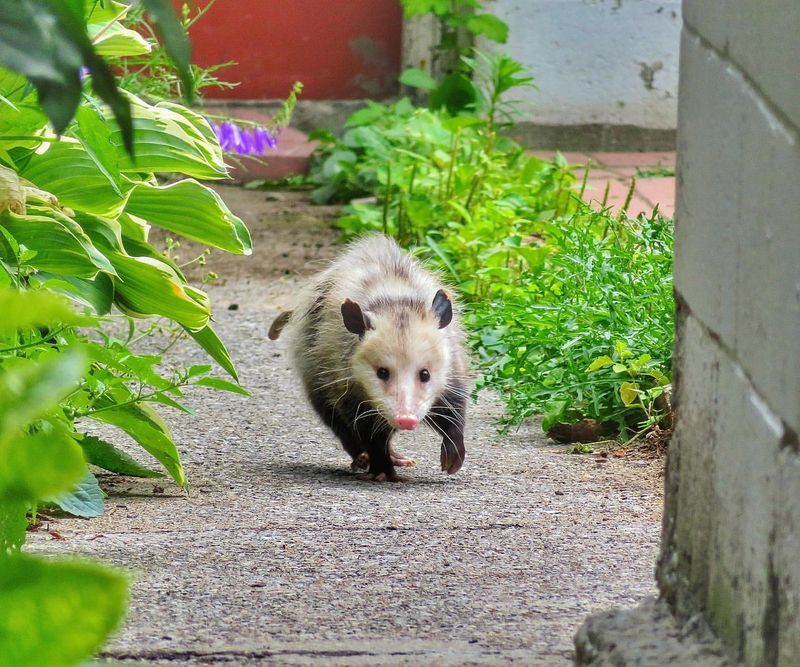
Possums are misunderstood garden allies in North Carolina, often mistaken for destructive pests when, in reality, they provide essential pest control.
These nocturnal marsupials feed on slugs, snails, beetles, and other insects that can wreak havoc on vegetables, flowers, and ornamental plants.
Unlike raccoons that may raid gardens or deer that consume large quantities of foliage, possums focus primarily on the smaller invertebrates that cause the most damage.
Their foraging habits help reduce infestations of leaf-chewing insects, seed-eating bugs, and even harmful larvae, allowing plants to thrive without the need for chemical pesticides.
Possums also consume fallen fruit, preventing rotting material from attracting flies or disease. Their activities indirectly improve soil health by scattering organic matter and reducing fungal growth caused by decaying debris.
Encouraging possums in your garden is simple: leave natural ground cover, avoid rodenticide use, and provide safe shelter such as brush piles or hollow logs.
Over time, homeowners often notice healthier plants, fewer pest outbreaks, and reduced reliance on insecticides.
By recognizing possums as natural garden guardians rather than nuisances, North Carolinians can create balanced ecosystems that benefit both plants and wildlife while maintaining beautiful, productive gardens throughout the growing season.
Rabies-Resistant Residents
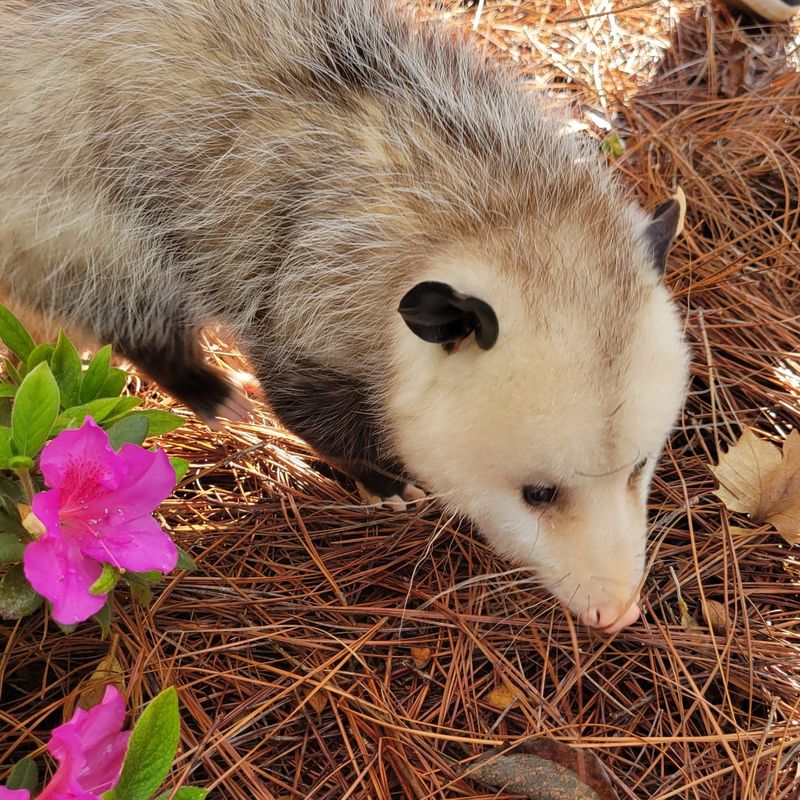
One of the most misunderstood traits of North Carolina’s possums is their resistance to rabies.
While raccoons, foxes, skunks, and bats frequently carry the disease, possums’ unusually low body temperature makes it nearly impossible for the rabies virus to survive in their system.
This biological advantage positions possums as exceptionally safe wildlife neighbors for homeowners and families. Many people fear any wild mammal with teeth and claws, but possums rarely pose a direct health threat.
They are generally non-aggressive, and their famous “playing possum” behavior reduces the likelihood of conflict with humans or pets. By contrast, animals that bite or aggressively defend themselves often require removal or vaccination protocols.
Possums’ natural immunity to rabies allows them to live peacefully in suburban or rural environments without endangering family members.
Encouraging these marsupials in your yard not only provides free pest control services, such as reducing ticks, mosquitoes, and insect populations, but also enhances local biodiversity safely.
Homeowners can support possums by leaving brush piles, hollow logs, or other shelter sites intact and avoiding the use of poisons or traps.
Understanding their rabies-resistant nature helps foster coexistence with these beneficial and largely harmless native creatures.
Cleanup Crew Champions
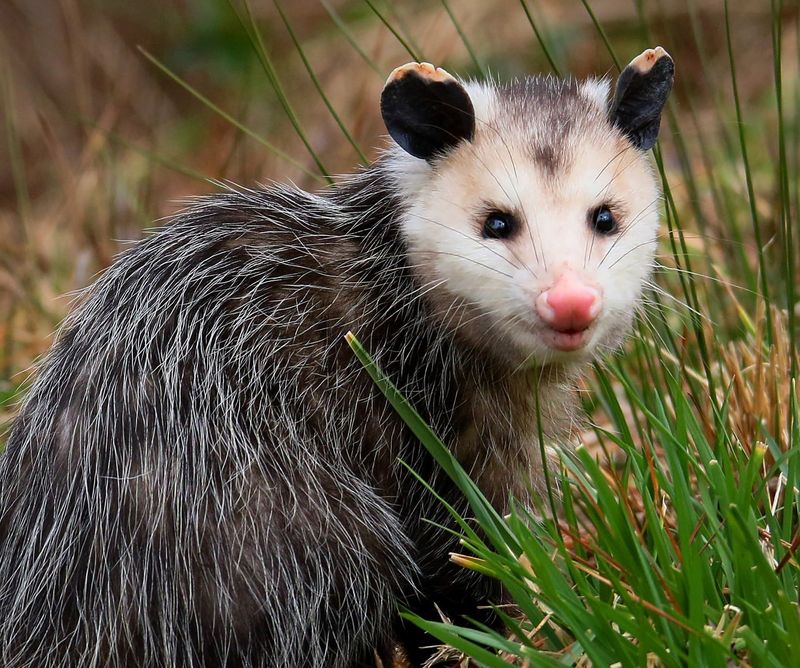
Possums are nature’s sanitation workers, silently cleaning up your North Carolina yard every night. They feed on fallen fruit, carrion, and other organic debris that might otherwise attract flies, rodents, or disease-causing bacteria.
Their digestive systems can handle materials that would rot rapidly in warm climates, reducing foul odors and limiting pathogen exposure for humans and pets.
Unlike raccoons, possums rarely overturn trash cans or dig extensive burrows; they are efficient, careful foragers that often leave landscaping intact.
By removing decaying matter, possums help maintain a healthier yard ecosystem and minimize conditions that promote fungal growth, mold, or mosquito breeding.
Their nightly scavenging also contributes to nutrient cycling, returning digested material to the soil as natural fertilizer.
Homeowners can support these cleanup crews by avoiding unnecessary yard cleanup in small areas, leaving leaf litter or fallen branches in select locations, and refraining from using toxic pesticides that could harm them.
Over time, properties with possum visitors tend to have fewer pest problems, healthier plants, and a cleaner, more balanced outdoor environment.
Recognizing possums as “cleanup champions” encourages coexistence and reduces unnecessary conflict while promoting ecological health across North Carolina neighborhoods.
Harmless Houseguests
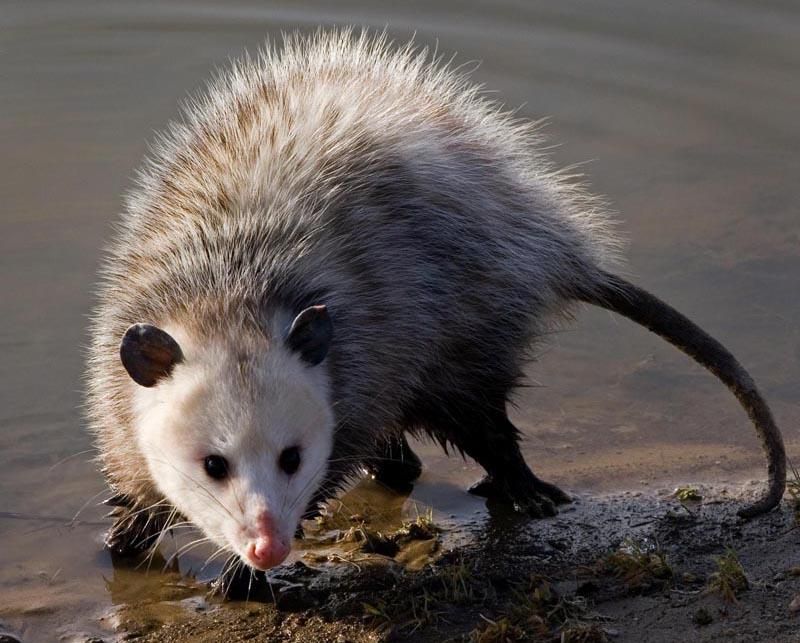
Despite their sharp teeth, long tails, and hissing defense mechanisms, possums are among the least harmful mammals that visit North Carolina yards. Their famous “playing possum” behavior, reduces conflicts with predators, pets, and humans.
Most encounters are brief, with possums moving along within a few days after visiting a property. Unlike raccoons or skunks, they do not dig extensive burrows, gnaw through structures, or destroy gardens.
Their presence often goes unnoticed, but their ecological contributions are significant, including tick control, pest reduction, and cleanup of fallen fruit and carrion. Because they are non-aggressive and largely solitary, they coexist peacefully with other wildlife and pets.
Homeowners can encourage safe visits by leaving natural cover, such as brush piles, logs, or hollow trees, and by avoiding traps, poisons, or other lethal control methods.
Educating families about the true nature of possums dispels myths, promotes appreciation, and fosters coexistence.
By treating possums as beneficial, harmless houseguests, North Carolinians gain a natural ally in managing pests while supporting the conservation of the state’s only native marsupial species.
Mosquito Munchers
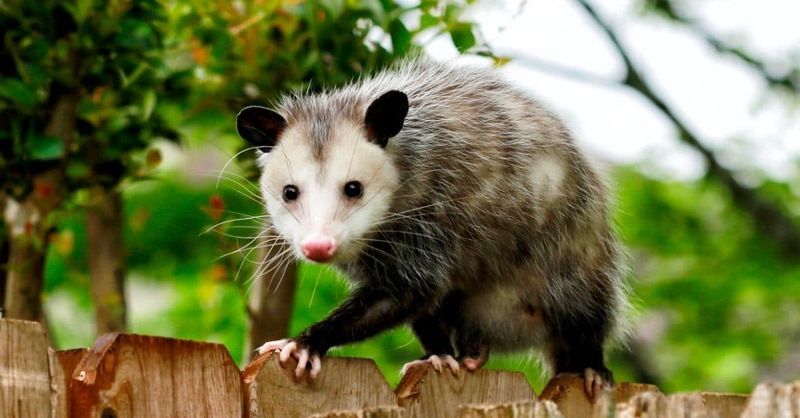
Summer evenings in North Carolina often bring swarms of mosquitoes, making outdoor time uncomfortable and increasing the risk of mosquito-borne diseases such as West Nile virus, Eastern equine encephalitis, and Zika.
Possums provide a surprising natural defense against these pests. Each night, they forage extensively, consuming large numbers of mosquitoes along with other flying insects and larvae.
Their nocturnal feeding habits align perfectly with mosquito activity, helping reduce local populations without the use of chemical sprays.
Possums also feed on other invertebrates that breed in standing water, indirectly decreasing mosquito reproduction rates.
Encouraging possums to visit your yard is simple: leave brush piles, logs, or hollow spaces for shelter, avoid using pesticides, and allow areas of leaf litter to remain undisturbed.
Over time, homeowners often notice fewer mosquitoes, fewer insect-borne diseases affecting pets, and a reduction in other pest populations.
While possums are not a complete substitute for other mosquito control strategies, they provide an important, free, and environmentally friendly service that complements natural yard management.
Recognizing these marsupials as mosquito munchers helps shift perception from nuisance to ally, allowing residents to coexist with wildlife while protecting themselves and their families.
Native Wildlife Worth Protecting
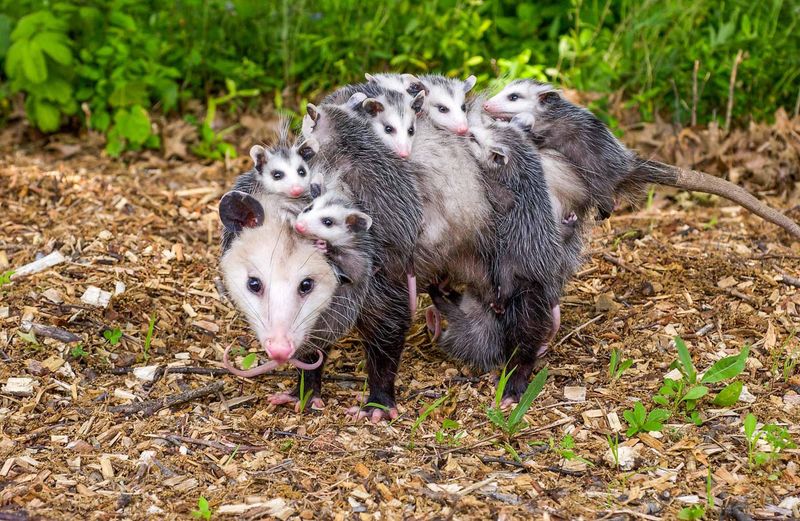
Possums are North Carolina’s only native marsupial, and they play a vital role in maintaining ecological balance.
Having evolved alongside other species for thousands of years, possums help control pests such as ticks, mosquitoes, snails, and insects, contributing to the health of local gardens and ecosystems.
Beyond pest control, they scavenge carrion and fallen fruit, improving soil nutrient cycling and reducing the spread of disease. Unfortunately, possums face numerous threats from habitat loss, road mortality, human misunderstanding, and illegal trapping or poisoning.
Despite their important ecological roles, many residents perceive them as nuisances, leading to unnecessary removal or eradication.
Protecting possums not only preserves biodiversity but also ensures that other species they interact with, such as songbirds, amphibians, and small mammals, continue to thrive.
Homeowners can support possums by providing shelter in natural areas, leaving leaf litter or fallen logs undisturbed, and refraining from using poisons or lethal traps. Educating communities about their ecological contributions fosters appreciation and coexistence.
By embracing possums as part of North Carolina’s native wildlife, residents safeguard an essential component of local ecosystems while enjoying the many benefits these often-overlooked creatures provide.