North Carolina Native Plants That Grow Strong In Late Winter
Late winter surprises a lot of gardeners. Green shoots appear when most yards still look quiet. Brave plants push through cool soil and short days without much help.
Native species know the rhythm of the season and they take advantage of it. Early growth means early color. Early growth also supports pollinators that wake up hungry.
Gardeners across California already rely on native plants for easy care and steady performance. The same smart approach works in North Carolina where late winter weather can shift fast. Local plants handle temperature swings better.
Local plants need less water and less fuss. Strong roots mean stronger gardens. Low effort brings high reward.
Want plants that show up early and keep going strong as spring approaches? Keep reading to discover North Carolina native plants that thrive in late winter and bring new energy to your landscape before most gardens even get started.
1. Eastern Red Cedar (Juniperus virginiana)
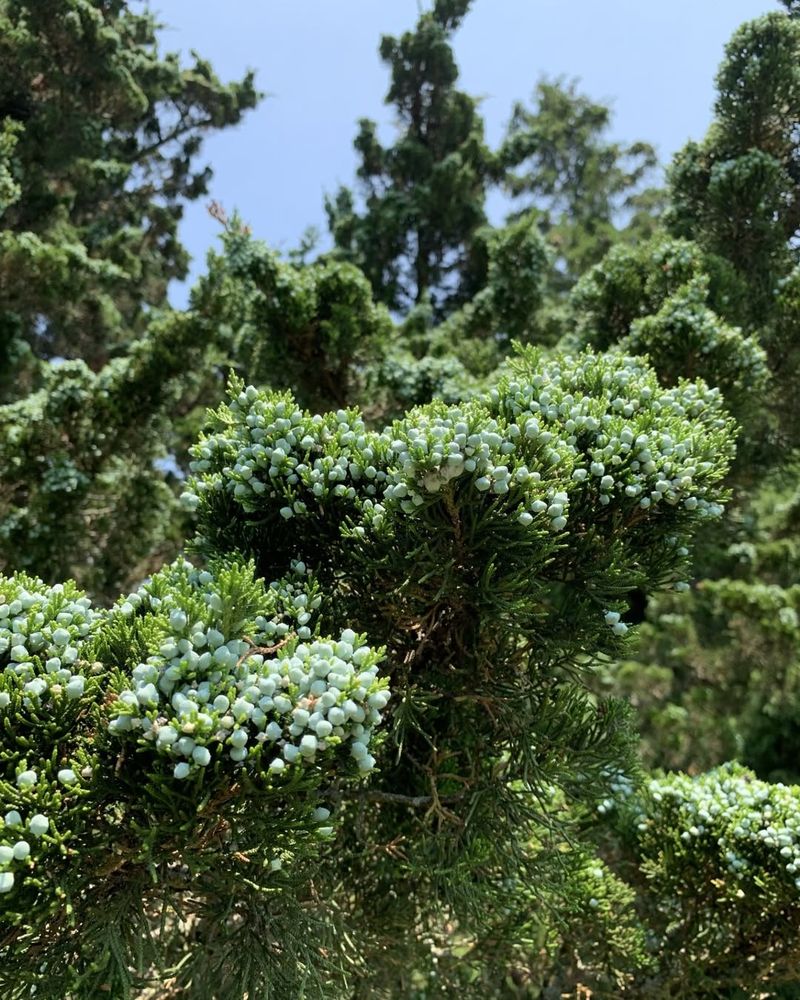
Rugged and reliable, the Eastern red cedar stands tall when winter winds blow across North Carolina.
This evergreen conifer maintains its rich green needles throughout the coldest months. Its dense foliage creates natural windbreaks that protect your property from harsh weather.
Growth continues slowly even during late winter dormancy in deciduous trees. The tree’s root system remains active beneath the soil surface. This ongoing development strengthens the plant for vigorous spring growth ahead.
Wildlife finds shelter within its thick branches during cold snaps. Birds nest in its protective canopy while mammals browse its foliage. The aromatic wood naturally repels insects, making it both practical and beautiful.
Drought tolerance makes this cedar incredibly low-maintenance once established. It adapts to various soil types across North Carolina’s diverse regions. From coastal plains to mountain foothills, this native thrives without fussy care.
Privacy hedges benefit from its year-round screening ability. Plant multiple trees in rows for effective visual barriers. The natural pyramidal shape requires minimal pruning to maintain attractive form throughout winter months.
2. American Holly (Ilex opaca)
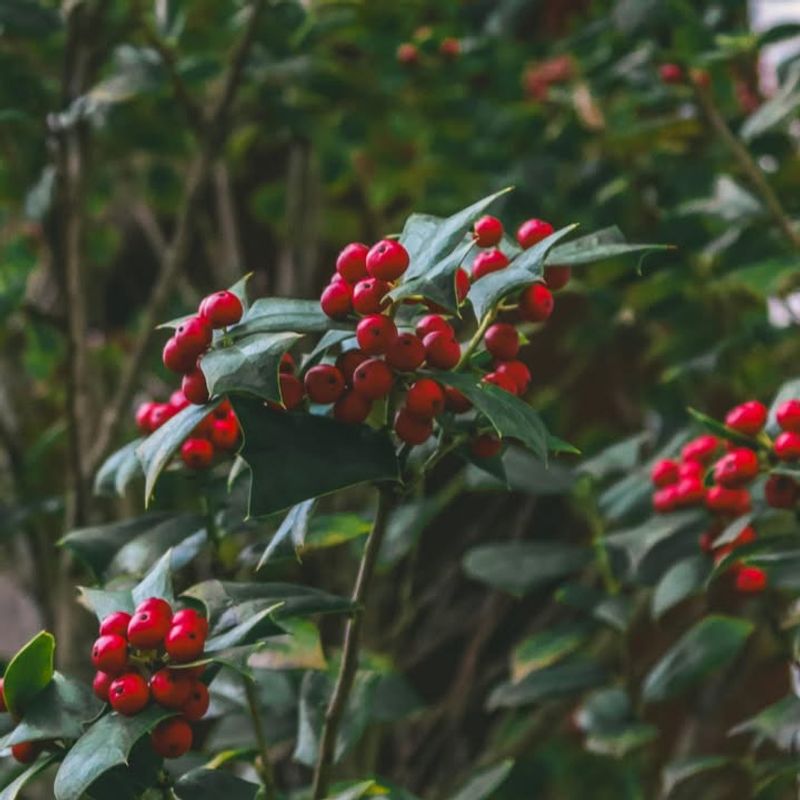
Glossy leaves catch winter sunlight like emerald mirrors in your garden. American holly provides structural elegance when surrounding plants look skeletal and bare. Its evergreen nature brings life to landscapes that otherwise appear dormant.
Female trees produce brilliant red berries that persist through late winter. These colorful fruits attract songbirds seeking nutrition during scarce months. Male pollinator trees nearby ensure abundant berry production for wildlife enjoyment.
The thick, leathery leaves withstand freezing temperatures without browning or dropping. Growth slows but never stops during North Carolina’s mild winters. Root development continues underground, preparing the tree for spring expansion.
Acidic soil conditions suit this native perfectly across most Carolina regions. Partial shade to full sun locations both support healthy growth. Established trees require minimal watering even during dry winter periods.
Formal gardens benefit from holly’s refined appearance and manageable size. Pruning shapes the tree into hedges or topiaries with relative ease. The spiny leaves deter browsing animals while creating natural property boundaries that last year-round.
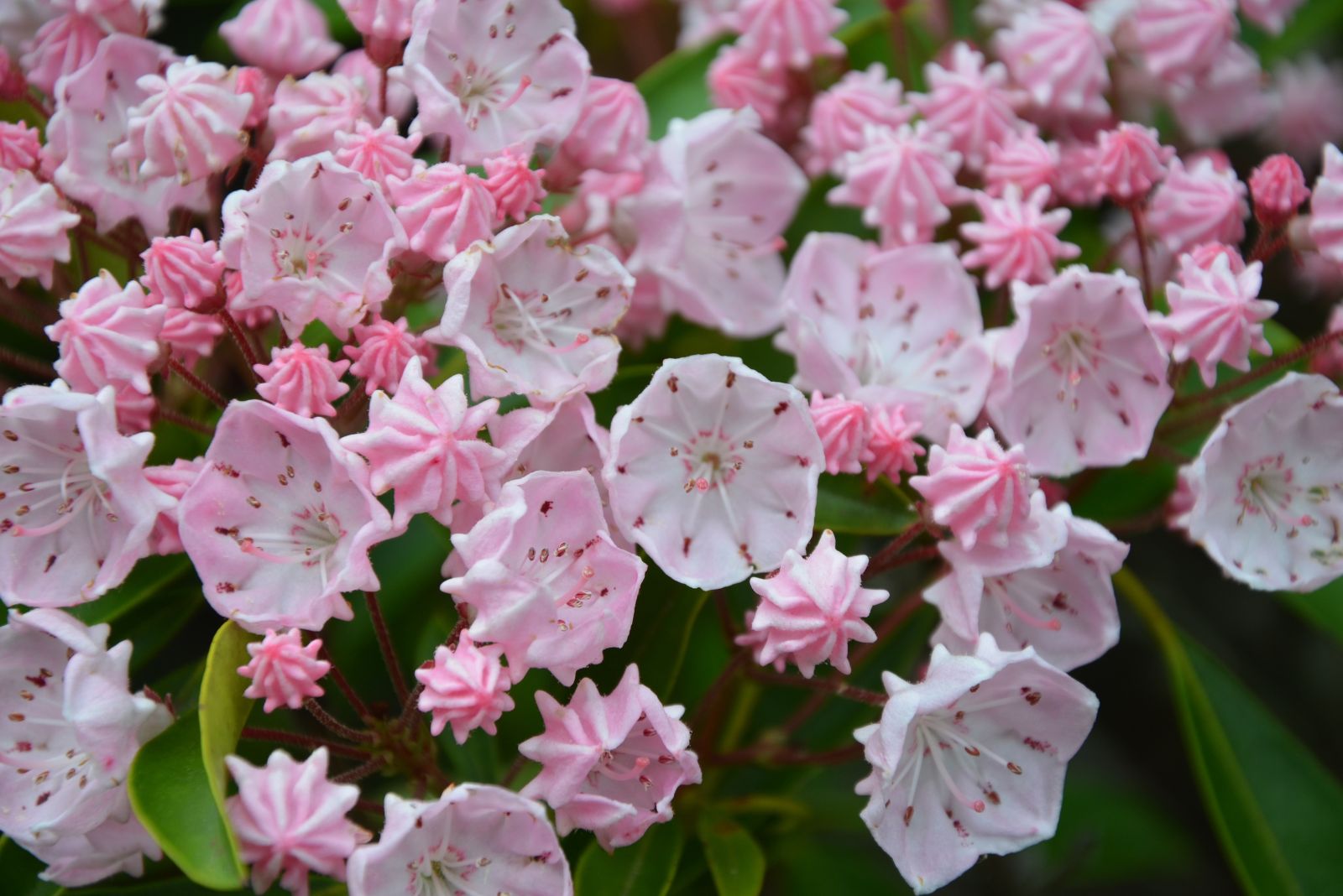
3. Mountain Laurel (Kalmia latifolia)
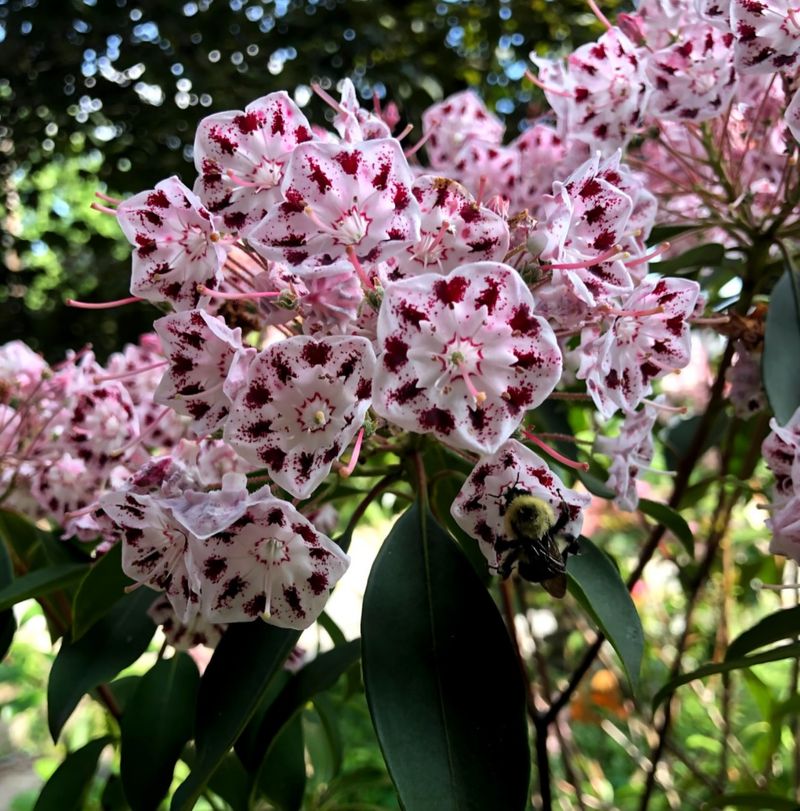
Twisted branches and glossy foliage create visual interest throughout winter months. Mountain laurel maintains its dense, evergreen leaves when other shrubs look sparse. The leathery texture protects against cold damage and moisture loss.
Vegetative growth continues slowly beneath the surface during late winter. Buds form along branches, preparing for spectacular spring blooms ahead. Energy reserves build within the plant’s root system throughout cooler months.
Wildlife seeks shelter within the shrub’s thick branching structure. Small mammals tunnel beneath its protective canopy during harsh weather. Birds perch among the sturdy branches, finding refuge from winter predators.
Well-drained, acidic soil provides ideal growing conditions across North Carolina. Partial shade locations mimic the plant’s natural woodland habitat. Established specimens tolerate drought better than most evergreen alternatives.
Landscape designers appreciate the year-round screening this native offers. Mass plantings create impressive visual barriers along property lines.
The compact growth habit fits smaller yards while still providing substantial presence during barren winter months when gardens need structure most.
4. Boxwood (Buxus sempervirens, native varieties)
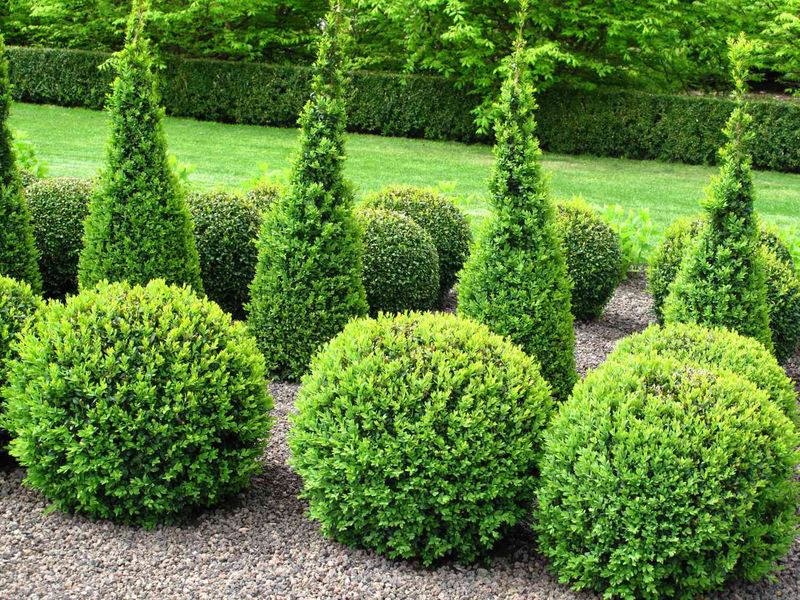
Compact and refined, native boxwood varieties bring formality to winter landscapes. The tight branching pattern creates solid walls of green foliage. Small leaves pack densely along stems, forming impenetrable visual screens.
Cold tolerance exceeds many ornamental shrubs available to Carolina gardeners. Foliage remains vibrant green even during occasional snowfall or frost. Growth slows but cellular activity continues throughout late winter dormancy.
Formal gardens rely on boxwood’s ability to hold crisp shapes. Hedges maintain their pruned form without sagging or opening gaps. Topiary specimens preserve artistic forms created during warmer growing seasons.
Versatility allows use in containers, borders, or foundation plantings equally well. Root systems adapt to various soil conditions across different regions. Established plants require minimal supplemental watering during typical North Carolina winters.
Pruning flexibility lets you shape these shrubs to specific design needs. Late winter trimming prepares plants for spring growth without sacrificing structure.
The slow growth rate means less maintenance compared to faster-growing alternatives that demand frequent attention year-round.
5. Wintergreen (Gaultheria procumbens)
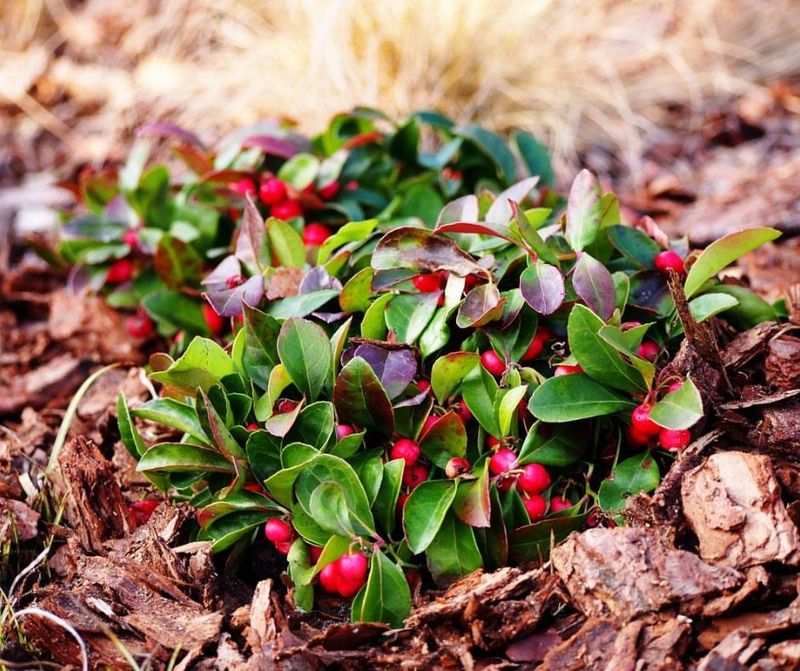
Aromatic leaves release a minty fragrance when brushed against or crushed underfoot. This low-growing groundcover spreads steadily across shaded garden areas. Glossy green foliage hugs the ground, creating living carpets beneath taller plants.
Bright red berries appear in late autumn and persist through winter. These colorful fruits provide visual interest against the green leaf backdrop. Wildlife nibbles the berries while the foliage shelters ground-dwelling creatures.
Cold weather actually enhances the leaf color to deeper green shades. Some foliage develops burgundy tints during the coldest weeks of winter. The plant remains fully evergreen regardless of temperature fluctuations.
Acidic woodland conditions mirror this native’s preferred growing environment perfectly. Shade to partial shade locations support the healthiest growth patterns. Mulch mimics natural forest floor conditions that wintergreen loves.
Erosion control benefits from the dense mat this groundcover forms. Slopes stabilize as the spreading roots bind soil particles together. The maintenance-free nature makes it ideal for naturalized areas where regular care proves challenging throughout winter months.
6. American Hollyleaf Cherry (Prunus caroliniana)
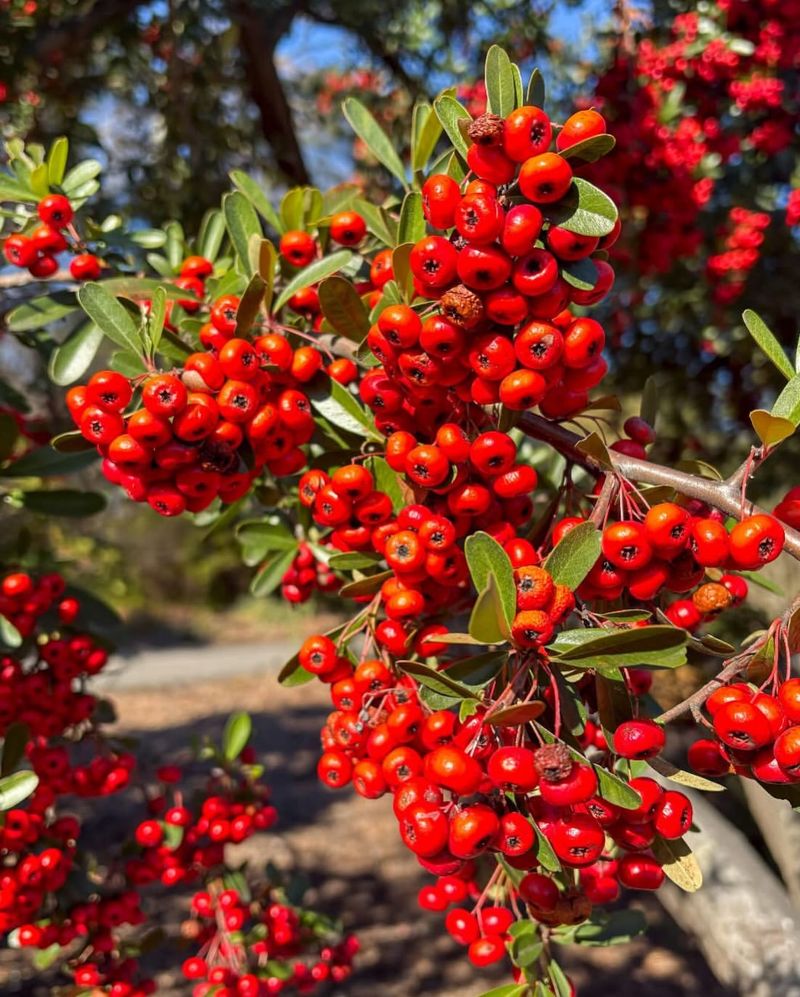
Lustrous leaves shimmer in winter sunlight, adding brightness to dull landscapes. This versatile evergreen functions as either a small tree or large shrub. Dense branching provides year-round screening for privacy or windbreak purposes.
Growth continues at a moderate pace even during cooler months. The plant’s energy focuses on root expansion and structural development. Established specimens show remarkable resilience against winter weather fluctuations.
Small white flowers appear in early spring, but winter foliage remains attractive. The glossy leaves resist damage from ice and occasional snow. Minimal leaf drop occurs, keeping the ground beneath relatively clean.
Adaptability to various soil types makes this native incredibly versatile. Coastal regions to piedmont areas all support healthy growth patterns. Drought tolerance increases once the root system establishes fully.
Formal hedges benefit from the plant’s ability to accept regular pruning. Natural form works equally well in informal landscape designs.
The sturdy winter structure provides visual anchors when perennial gardens retreat into dormancy, making this cherry an essential component for year-round garden interest.
7. Inkberry (Ilex glabra)
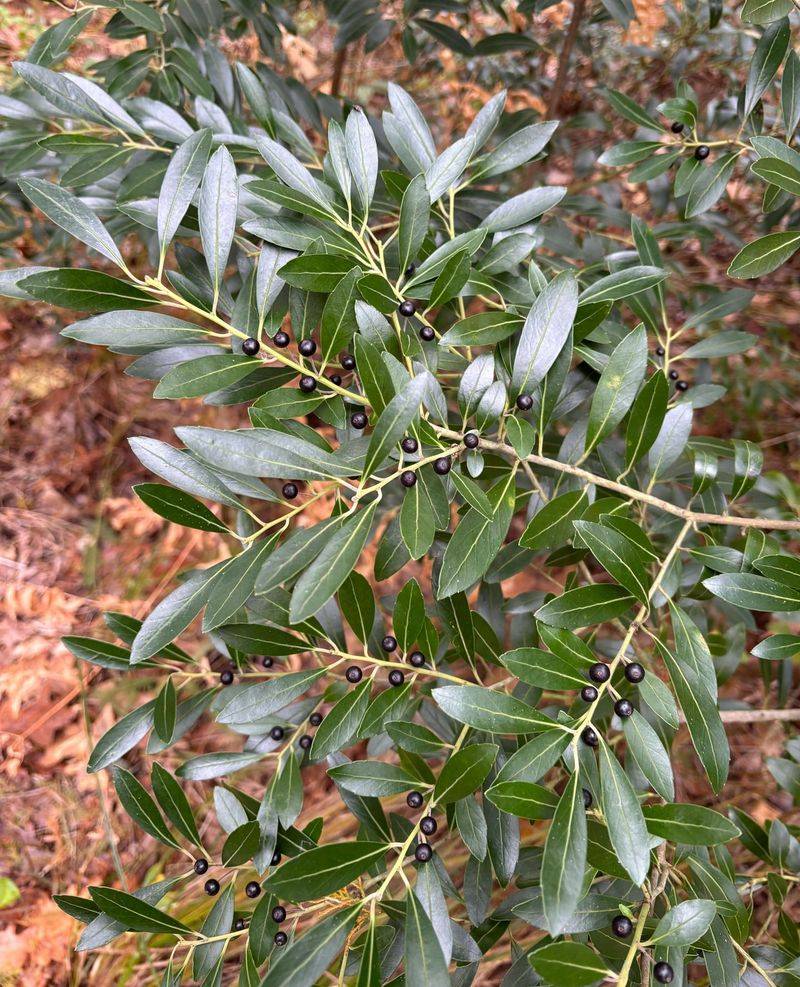
Sleek and understated, inkberry offers refined beauty without demanding attention. The small, glossy leaves create a fine-textured appearance in winter landscapes. Dense branching forms naturally rounded shapes that require minimal pruning effort.
Native wetland origins give this holly exceptional moisture tolerance. It adapts equally well to drier garden conditions once established. Root systems remain active throughout winter, anchoring the plant securely.
Black berries appear on female plants, though they blend subtly with foliage. Birds discover these nutritious fruits during late winter foraging trips. The evergreen leaves provide nesting sites and shelter simultaneously.
Low-maintenance qualities make inkberry perfect for busy gardeners seeking year-round interest. Pest problems rarely develop, even during stressful winter conditions. The plant thrives with benign neglect once properly situated.
Foundation plantings benefit from inkberry’s compact, manageable size and consistent appearance.
Mass plantings create effective borders along pathways or property lines. The fine texture contrasts beautifully with coarser evergreens, adding depth and dimension to winter gardens when visual variety becomes especially important.
8. Leatherleaf Mahonia (Mahonia bealei, native cultivars)
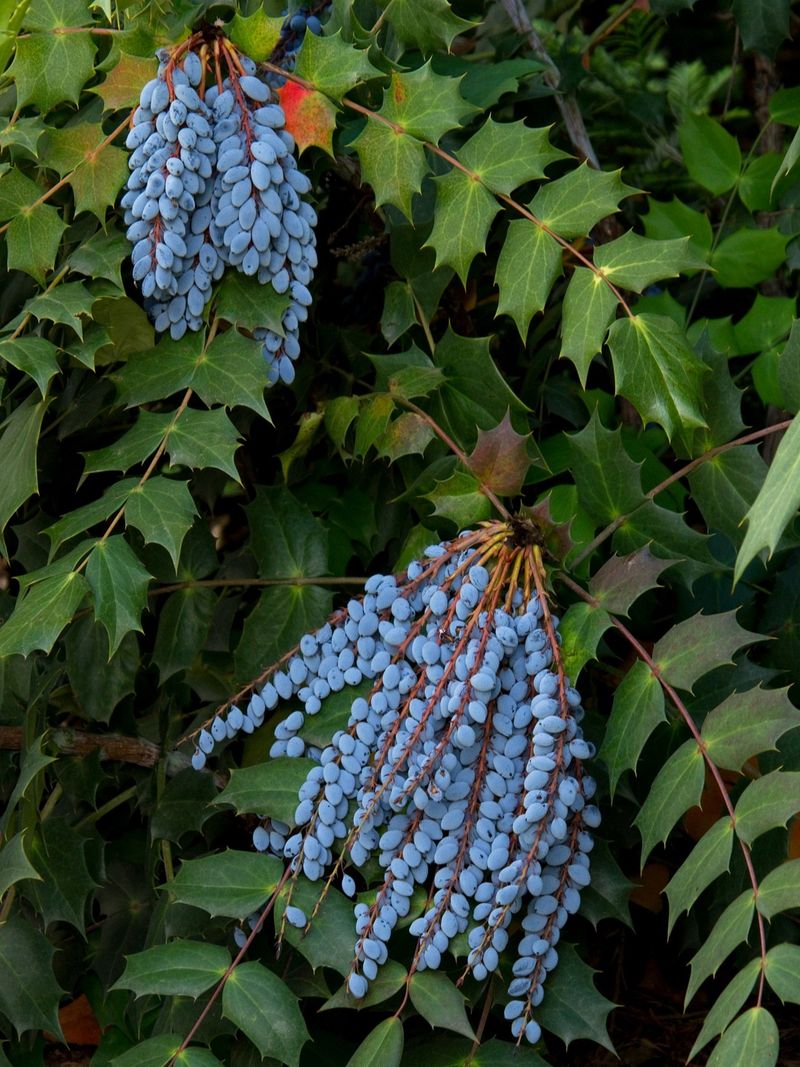
Bold and architectural, leatherleaf mahonia commands attention in winter gardens. The large compound leaves create dramatic focal points among smaller plants. Spiny leaflets deter browsing animals while adding textural interest to landscapes.
Yellow flower clusters emerge in late winter, providing early nectar sources. These fragrant blooms attract the first pollinators of the season. The evergreen foliage frames the flowers beautifully against winter’s neutral backdrop.
Cold tolerance surprises many gardeners unfamiliar with this tough native. Leaves may develop purple tints during the coldest weeks of winter. The plant maintains its structural integrity regardless of temperature drops.
Shade tolerance makes mahonia valuable for difficult woodland garden areas. Dry shade conditions that challenge most plants suit this native well. Established specimens require virtually no supplemental care during winter months.
Specimen plantings showcase the plant’s unique form and texture effectively. Groupings create impressive displays near entryways or patios where winter interest matters most.
The upright growth habit adds vertical dimension to gardens that otherwise appear flat and horizontal during dormant seasons.
9. Virginia Pine (Pinus virginiana)
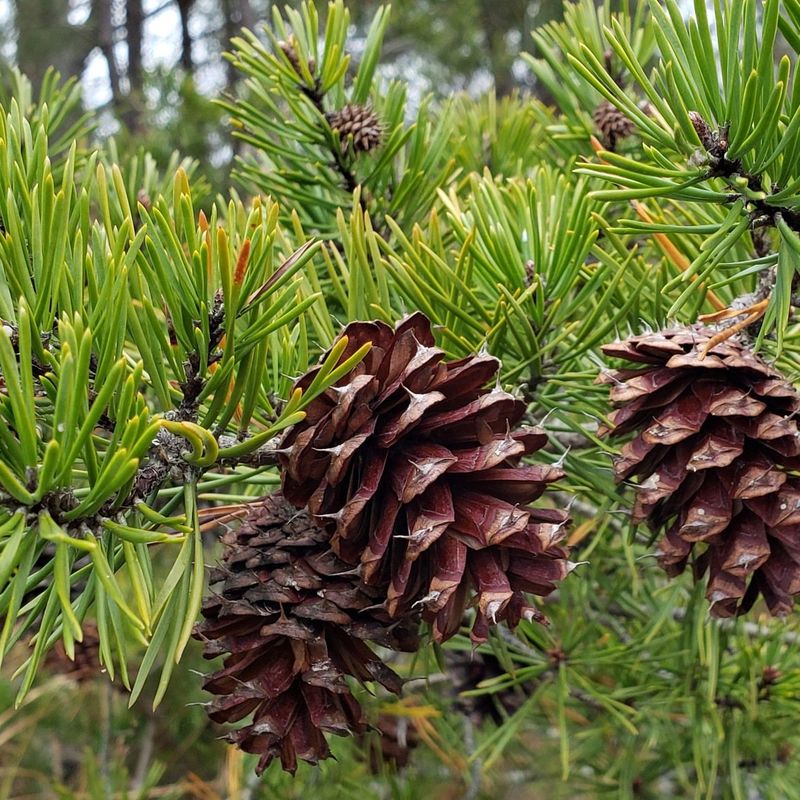
Rugged character defines this often-overlooked native pine species across North Carolina. Twisted branches create interesting silhouettes against winter skies and clouds. The short needles maintain their green color throughout the coldest months.
Growth continues slowly during late winter as temperatures begin moderating. Root development proceeds underground even when air temperatures remain cold. This ongoing activity prepares the tree for vigorous spring expansion.
Wildlife values Virginia pine for both shelter and food sources. Birds nest within the protective branches throughout winter and beyond. Small mammals consume the seeds from mature cones that persist.
Adaptability to poor soils makes this pine valuable for challenging sites. Clay, sand, or rocky conditions all support reasonable growth rates. Established trees withstand drought better than many ornamental alternatives.
Naturalized landscapes benefit from the informal appearance Virginia pine provides naturally. The irregular crown adds visual interest without appearing messy or unkempt.
Fast initial growth establishes screening quickly, while the evergreen nature ensures year-round privacy and structure when gardens need reliable performers most during winter’s challenging conditions.
10. Sweetbox (Sarcococca hookeriana var. humilis)
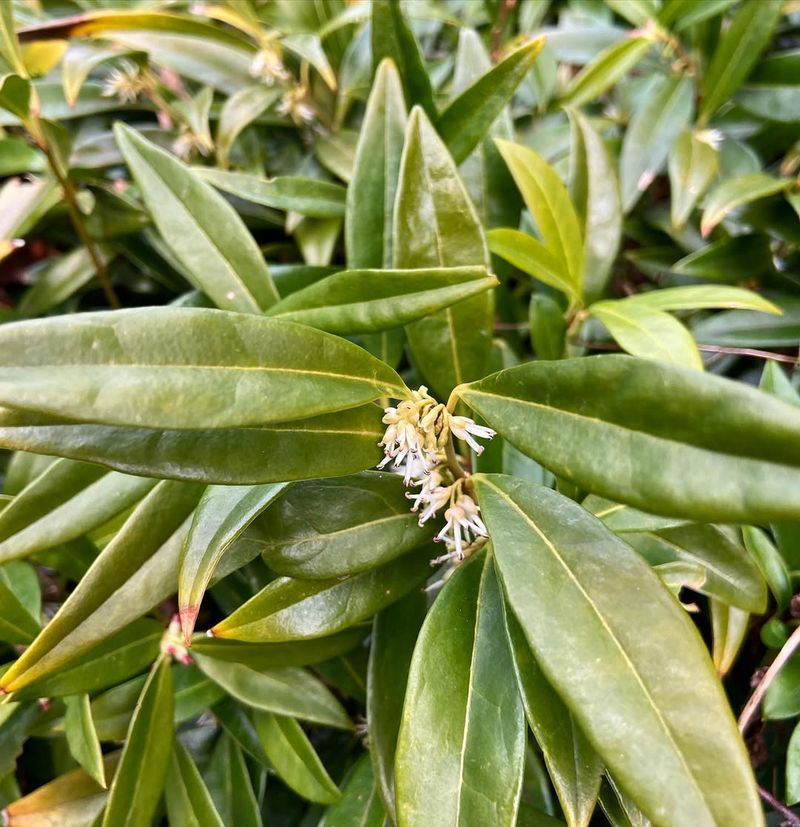
Fragrant winter blooms surprise visitors to gardens featuring this underutilized groundcover. Tiny white flowers release sweet perfume during late winter weeks. The glossy evergreen foliage provides year-round coverage beneath taller plants.
Shade tolerance exceeds most groundcover alternatives available to Carolina gardeners today. Deep shade conditions that frustrate other plants suit sweetbox perfectly. The spreading growth habit fills bare spots under trees and shrubs.
Cold hardiness ensures reliable performance even during occasional hard freezes. Foliage remains pristine green without browning or damage from frost. Growth continues slowly throughout winter, expanding the plant’s coverage area.
Low-maintenance requirements make sweetbox ideal for naturalized woodland gardens and landscapes. Established plants require no supplemental watering during typical winters here. Pest problems rarely develop, even in less-than-ideal growing conditions.
Dense mat formation suppresses weeds effectively throughout the growing season and beyond. The fine texture complements coarser perennials and shrubs beautifully in mixed borders.
Erosion control benefits from the spreading roots that bind soil particles together, making this groundcover both beautiful and functional during winter months.