North Carolina Perennials You Should Never Prune Before Spring
There’s something comforting about stepping into your garden in early spring and seeing familiar perennials waking up from winter.
Maybe it’s the smell of damp soil or the sight of buds peeking through the frost – little reminders of years spent tending the same beds, sharing stories with neighbors, or sipping coffee while checking the plants.
These moments feel like part of a steady rhythm, one that has quietly shaped your routines over time.
Not every plant should be trimmed when the calendar says it’s time. Many North Carolina perennials hold their buds on last season’s growth, and cutting too early can remove flowers before they have a chance to bloom.
For gardeners who rely on these plants for color, texture, and seasonal cheer, timing makes all the difference.
Learn which perennials to leave alone until spring and how that small bit of patience can turn your flower beds into a vibrant display, full of blooms that reward every careful season of care.
1. Salvia Species Standing Tall With Vibrant Blooms
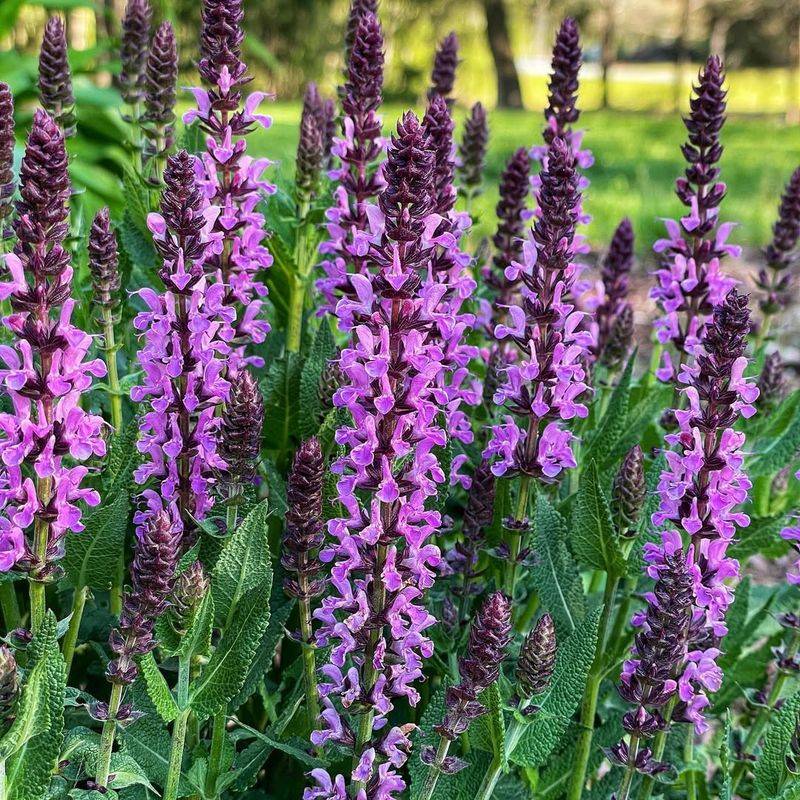
Walk through any thriving North Carolina garden in late summer, and the striking spikes of Salvia almost always catch your eye. These plants provide more than just vibrant color – they play a vital role in supporting pollinators and creating winter habitat.
Leaving Salvia standing through the colder months helps maintain both ecological balance and plant health. Cutting it back in fall can reduce the stems that overwinter, so it is generally recommended to wait until early spring for a light trim.
The dried stems and seed heads left after blooms fade serve as shelter for overwintering insects, including native bees that nest in hollow or pithy stems.
Salvia species are well-suited to North Carolina’s climate, thriving through humid summers and the cooler winter months. Their woody base stores energy that fuels vigorous growth when spring arrives.
Removing stems too early can expose the base to frost, reducing the plant’s ability to regrow fully. Even careful gardeners who prune lightly in fall can risk cutting away stems that protect the crown or support overwintering insects.
Waiting until spring allows you to trim dead or damaged stems without interfering with the plant’s natural recovery cycle.
Beyond the ecological advantages, leaving Salvia standing through winter adds visual interest when most other perennials have gone dormant. Upright stems catch frost in the morning light, adding structure and texture to the garden.
Birds such as finches and sparrows forage on the seed heads during lean months, while beneficial insects find refuge within the plant’s structure.
When new growth emerges from the base in spring, a light trim is sufficient to remove dead wood and encourage compact, healthy regrowth. This patient approach often results in fuller, more floriferous plants that reward gardeners with vibrant blooms all season.
Soil quality, watering, and sun exposure continue to influence plant health, but timing your pruning correctly ensures Salvia remains a reliable and ecologically valuable perennial in North Carolina gardens year after year.
2. Lantana Species Brightening Gardens With Colorful Flair
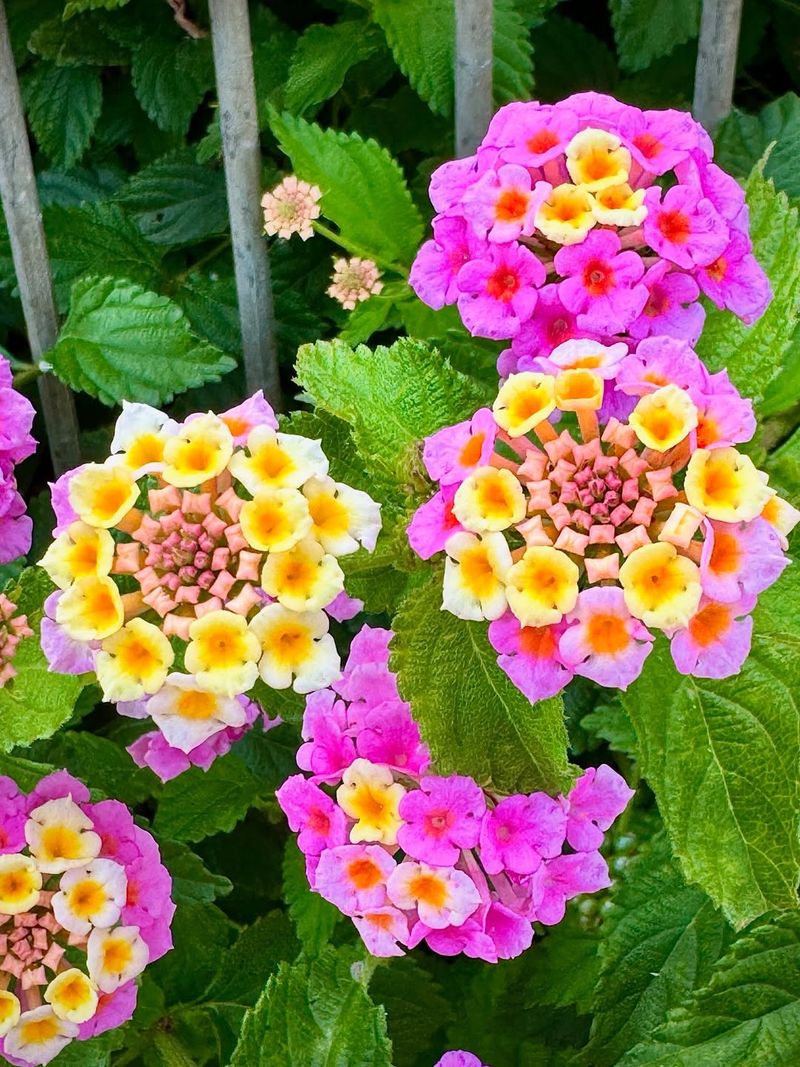
In North Carolina gardens, vibrant blooms can last for a long period, but flowering depends on temperature, sunlight, and proper care, and plants may not bloom continuously until the first frost. Lantana camara has become a garden favorite not just for its vibrant clusters of tiny blooms but also for its remarkable toughness in the heat and humidity that define the state’s warmer months.
What many gardeners do not realize, though, is that this plant earns its keep long after the last flower fades.
When Lantana finishes blooming, it produces small dark berries that birds absolutely love. Mockingbirds, cedar waxwings, and American robins are among the species commonly spotted feasting on Lantana berries throughout the fall and winter in North Carolina.
Pruning the plant in fall removes this food source right when birds need it most, which is a loss for both your garden’s wildlife and the broader local ecosystem.
The dense branching structure of Lantana also provides shelter for small insects seeking refuge from cold temperatures. Beneficial insects, including certain native bee species, use the plant’s tangled stems as a protected resting spot during chilly North Carolina nights.
Leaving the plant intact through winter supports this natural cycle in ways that even the best bird feeder cannot replicate.
Did you know that Lantana is actually native to tropical regions of the Americas and was brought to North Carolina gardens for its heat tolerance and stunning colors? Its adaptability has made it a staple in landscapes from the Outer Banks to the Blue Ridge foothills.
Come spring, you can prune Lantana back hard without worry, as it regrows vigorously from established roots. Waiting until you see fresh green shoots emerging is the best signal that it is safe to cut.
North Carolina gardeners who skip the fall pruning consistently enjoy more robust plants, richer wildlife activity, and a garden that continues to offer beauty and ecological value well into the quiet winter months.
3. Coneflowers Reaching Up For Sunshine And Bees
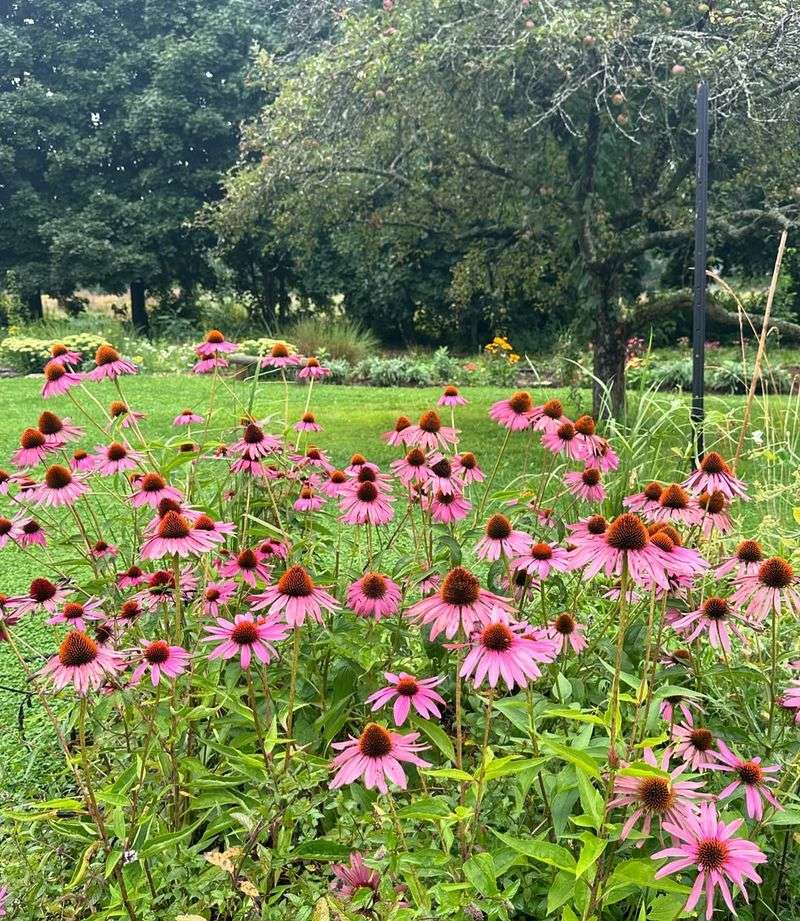
Certain perennials provide interest and ecological value long after their summer blooms have faded. Among these, the dried stems and seed heads of summer flowers offer both visual texture and critical resources for wildlife during the winter months.
Leaving these upright structures in place through the cold season helps maintain habitat for birds and beneficial insects while protecting the plant’s crown from temperature fluctuations and frost. Cutting back stems too early can remove these important resources, reducing food availability for finches, sparrows, and other seed-eating species and eliminating shelter for small overwintering insects.
Coneflowers, with their characteristic daisy-like blooms and prominent central cones, are especially well-suited to North Carolina’s climate, tolerating humid summers and cold winters. Their upright seed heads not only feed wildlife but also create layers of structure and texture when most other perennials are dormant, adding visual interest to the garden throughout winter.
The standing stems help insulate the crown and reduce stress on the root system, which can improve the plant’s overall resilience.
When spring arrives and new growth begins at the base of the plant, gardeners can safely prune away last year’s stems. A light trim to remove damaged tissue encourages compact, healthy growth and prepares the plant for another season of vibrant flowers.
Popular varieties such as ‘Magnus,’ ‘Cheyenne Spirit,’ and ‘White Swan’ thrive when allowed to remain standing through winter, providing extended pollinator support, summer blooms, and natural winter interest.
By waiting until spring to prune, gardeners protect wildlife habitat, maintain winter aesthetics, and support the plant’s long-term health. Patience with pruning often results in sturdier, more productive plants that reward gardeners with abundant blooms and a landscape that continues to sustain local birds and insects year-round.
Following this timing ensures coneflowers fulfill their full ecological and ornamental potential while remaining one of North Carolina’s most reliable and rewarding perennials.
4. Lavender Filling Air With Soothing Scents
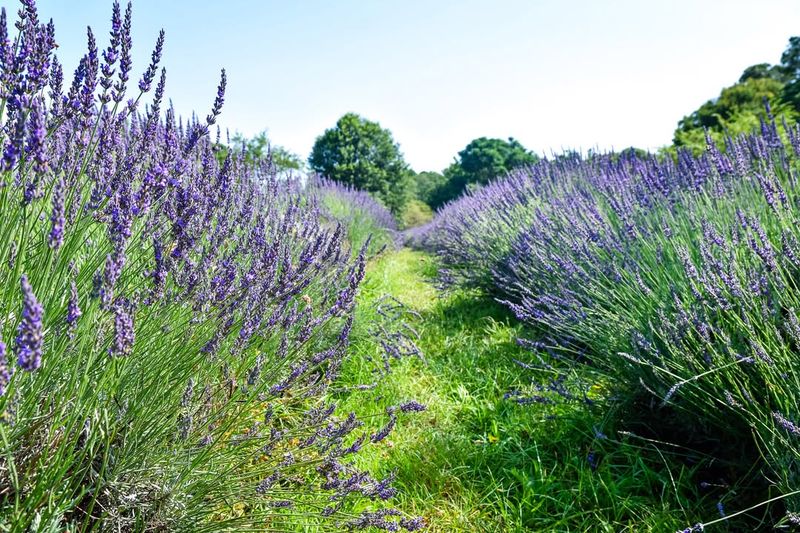
Cooler months in North Carolina don’t mean the garden has to lose all its charm. Some perennials continue to play a vital role through fall and winter, providing both structure and wildlife habitat.
Among these, a fragrant, silver-green perennial adds texture, scent, and late-season interest while quietly protecting itself from frost. Its stems and remaining flower stalks act as natural insulation, sheltering the plant’s crown from fluctuating temperatures and giving beneficial insects a place to overwinter.
By allowing these stems to remain standing until spring, gardeners preserve both the plant’s health and its ecological contributions, setting the stage for vigorous growth when warmer weather returns.
Lavender continues to support pollinators well beyond the summer months. Bees and butterflies often visit the remaining flower stalks into fall, particularly in warmer coastal and Piedmont areas, taking advantage of late blooms.
Even dried stems offer subtle shelter for small insects during colder nights, making the plant a critical part of the winter ecosystem. Preserving this natural structure through winter not only supports wildlife but also maintains the aesthetic interest of the garden when many other perennials have gone dormant.
The ideal time for pruning is early spring, just as fresh silver-green shoots emerge from the base. At that point, a light trim of about one-third into green wood is sufficient to remove any dead or damaged stems while encouraging compact, healthy growth.
Avoid cutting into bare woody stems, as they rarely regenerate. Choosing heat-tolerant varieties, such as Phenomenal or Provence, increases the likelihood that lavender will thrive in North Carolina’s humid summers over many years.
By respecting the plant’s natural winter form and waiting until spring for pruning, gardeners can enjoy robust, long-lived lavender that fills the landscape with fragrance and rich purple color. Following this careful timing ensures a stronger, more floriferous plant and reinforces the principle behind the title: some North Carolina perennials are best left unpruned until spring, supporting both plant health and the broader garden ecosystem year-round.
5. Russian Sage Waving Gracefully In Gentle Breezes
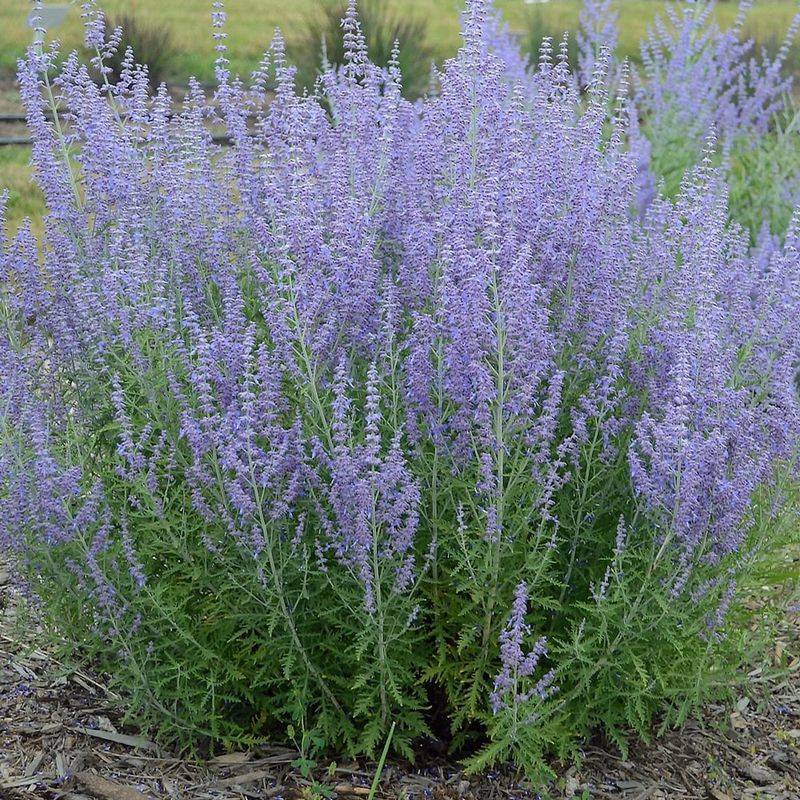
In North Carolina gardens, certain perennials provide late-season color and ecological benefits long after most other plants have gone dormant. Among these, the airy flower spikes and silvery stems of some hardy perennials continue to catch the eye while supporting wildlife through the colder months.
Allowing stems to remain standing throughout winter preserves both the plant’s structure and habitat for birds and beneficial insects, making spring pruning the ideal time to maintain vigor and shape. Cutting back too early in the fall can remove these protective stems, exposing the crown to frost and cold winds and reducing shelter for overwintering insects.
The remaining flower spikes also serve as a critical food source for migrating and overwintering birds. Finches, sparrows, and other small songbirds use the seeds for sustenance, while the hollow or pithy stems provide resting and overwintering spaces for insects.
Preserving this structure through winter ensures that your garden continues to support wildlife while adding texture and visual interest during months when most other perennials have faded. Even the dried stems help trap fallen leaves around the base, creating a natural insulation layer that reduces stress on the root system.
Once early spring arrives and new growth begins emerging at the base, a light pruning of stems down to about six inches encourages compact, healthy regrowth. Removing only damaged wood at this time maintains plant shape and promotes robust flowering.
Russian Sage performs best in full sun with well-drained soils, making it well-suited for borders, rock gardens, and dry slopes throughout the Piedmont and Sandhills regions. Following spring-only pruning guidelines helps preserve both the plant’s aesthetic appeal and ecological value, though final results can vary depending on soil, sun exposure, and microclimate.
By waiting until spring, gardeners protect the winter stems that shelter insects and feed birds, maintain structural interest, and support long-term plant health. This careful timing ensures vibrant summer blooms, a strong, shapely perennial, and a garden that continues to sustain local wildlife through every season.
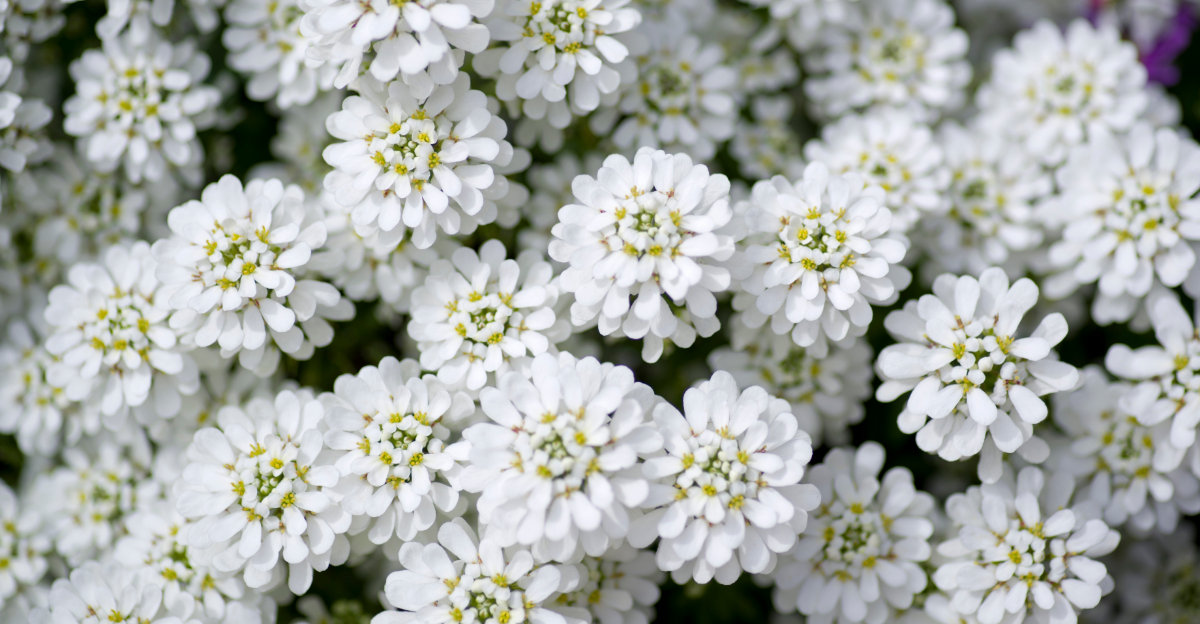
6. Candytuft Showing Off Sweet White Flowers
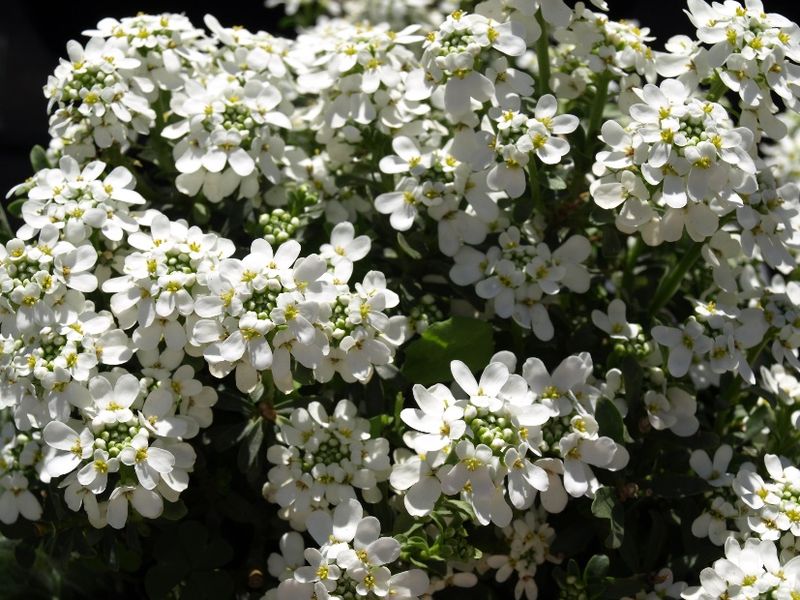
As winter winds down in North Carolina, the garden begins to hint at the coming season, and some perennials quietly prepare to make their early impact. One semi-evergreen subshrub produces dense clusters of white flowers that brighten borders, rock gardens, and slopes, while its slightly woody foliage provides winter structure.
These upright stems protect the crown from frost and fluctuating temperatures, support early pollinators, and add visual interest when most other perennials have gone dormant. Removing stems or foliage too early in the fall reduces this natural protection, leaving the plant less resilient and potentially affecting spring performance.
Waiting until spring to prune preserves winter defenses while preparing the plant for vigorous growth.
The ideal time for pruning is late April to early May, after the blooms have faded. A light shearing of about one-third of the stems encourages compact, bushy growth and sets the plant up for another strong flowering season.
Fall pruning, by contrast, can stimulate tender new shoots that are highly vulnerable to cold, compromising overall plant health and delaying early blooms. By leaving stems standing through winter, gardeners help maintain insulation for the crown and support beneficial insects and early-season pollinators such as bees and butterflies, which rely on early blooms for nectar.
Beyond ecological benefits, standing stems enhance winter landscape texture and structure, keeping gardens visually appealing during the off-season. When spring arrives, the plant is primed for a full, vibrant display, rewarding gardeners for patience and proper timing.
Popular varieties thrive when allowed to remain standing through winter and lightly pruned after flowering, balancing aesthetic appeal with plant health.
By aligning pruning practices with the plant’s seasonal growth cycles, North Carolina gardeners can enjoy resilient, floriferous perennials that perform year after year. Timing pruning carefully ensures abundant blooms, supports wildlife, and maintains winter structure, demonstrating that patience with seasonal care brings both beauty and ecological benefit to the garden.