6 North Carolina Plants You Can Safely Prune This March And 4 You Should Leave Alone
March is when North Carolina gardens begin to shift from winter rest to active growth. Warmer afternoons, longer daylight, and swelling buds signal that plants are preparing for the new season.
For many gardeners across the state, this is the moment when the yard starts coming back to life. Across the Coastal Plain, Piedmont, and Mountain regions, March also creates an important window for pruning.
Some plants benefit greatly from a careful trim right now, which encourages stronger growth and fuller blooms later in the season. Others are already forming flower buds and should be left alone to protect their upcoming display.
Knowing the difference can completely change how your garden performs. With the right pruning decisions in March, North Carolina gardeners can encourage healthier plants, bigger blooms, and a landscape that stands out throughout the growing season.
1. Smooth Hydrangea
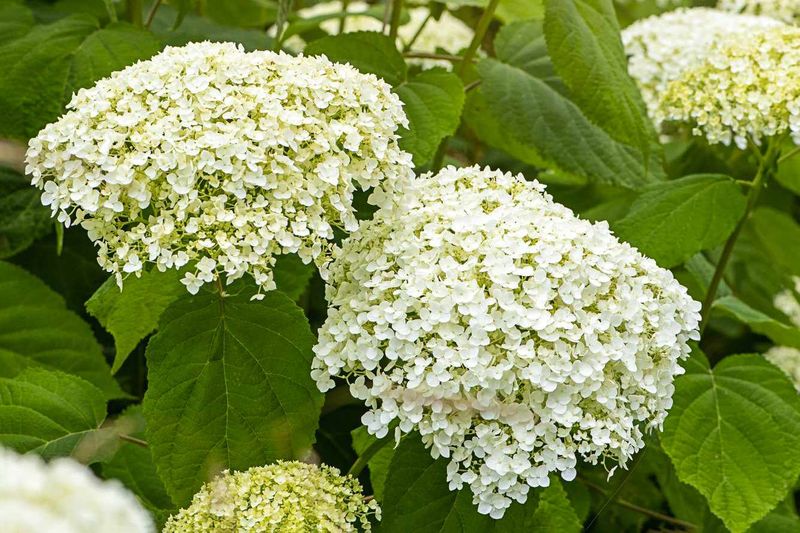
Few garden shrubs reward a good March pruning quite like the smooth hydrangea. Known botanically as Hydrangea arborescens, this North Carolina favorite blooms on new wood, which means the flowers you see each summer grow from stems that started fresh in spring.
Cutting it back in late winter or early March is not just safe, it is actually the best thing you can do for it.
When you prune, focus on removing weak, thin, or overcrowded stems. Cut them down to about 12 inches from the ground to encourage strong, bushy regrowth.
Gardeners across North Carolina love this shrub because it consistently produces those big, round, white flower clusters that look stunning from June through August.
Sharp, clean pruning shears make a real difference here. Dull blades can crush stems and invite disease, so always sanitize your tools before you start.
If your smooth hydrangea has gotten leggy or floppy over the years, a hard cutback in early March will completely refresh it. You will be amazed at how vigorously it bounces back, filling out with lush green foliage and producing more blooms than ever before.
2. Crape Myrtle
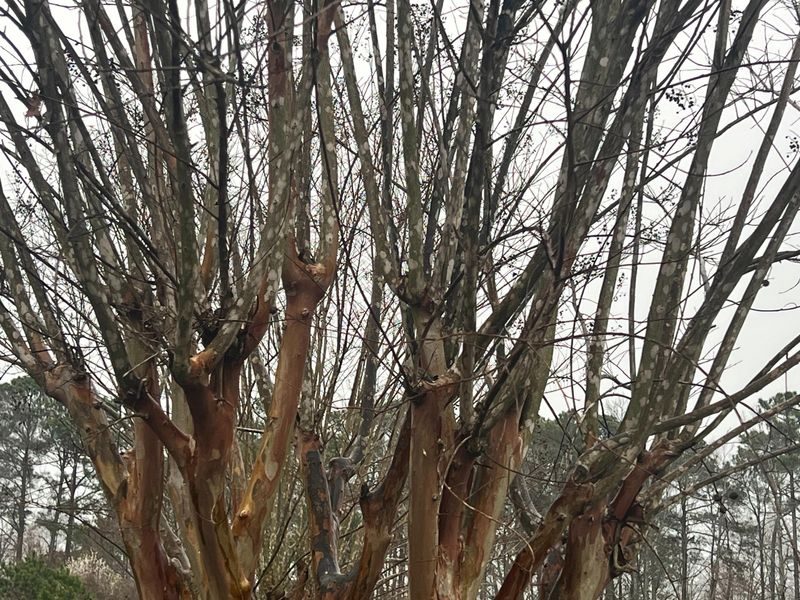
Crape myrtles are practically the official tree of the American South, and North Carolina gardeners absolutely love them. Lagerstroemia indica puts on a jaw-dropping summer show with vibrant blooms in pink, red, white, and purple.
March is the ideal time to prune them before new growth begins pushing out from the branches.
The most important rule to remember is to avoid what horticulturists call crape murder, which means never topping or severely cutting the main branches.
Instead, remove any crossing branches, thin out crowded growth from the interior, and trim away any small twiggy shoots at the base.
This approach keeps the natural, graceful shape that makes crape myrtles so beautiful in Carolina landscapes.
You can also remove any remaining seed heads left over from last year at this point. Light, thoughtful pruning in early March encourages the plant to put its energy into producing strong new shoots, which will carry the summer flowers.
Crape myrtles are tough plants, but they truly shine when you treat them with a little care and respect during this important window. Your neighbors will definitely notice the difference come July.
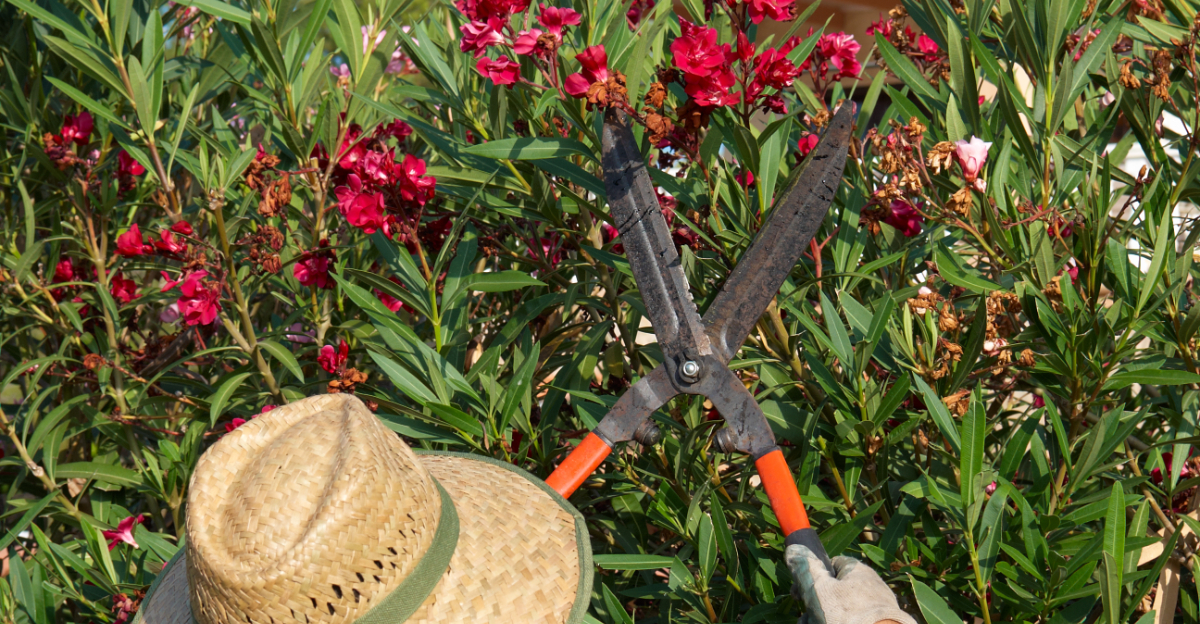
3. Oleander
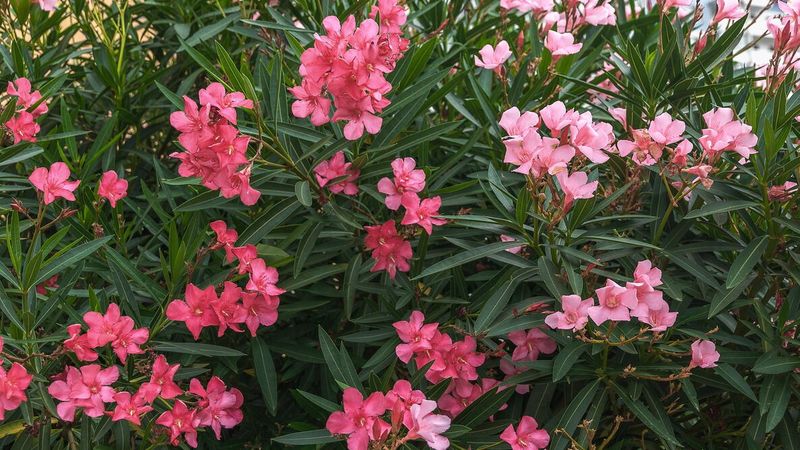
Oleander is a bold, beautiful shrub that thrives in the warmer regions of North Carolina, especially along the coast and in the Piedmont.
Nerium oleander is tough, drought-tolerant, and produces stunning clusters of flowers in shades of red, pink, white, and yellow. March is a smart time to give it some attention before the growing season kicks into full gear.
Winter in North Carolina can leave oleander with some frost-nipped or damaged branch tips, particularly after a cold snap. Early March is the perfect moment to cut away that winter damage cleanly, using sharp bypass pruners.
Removing the damaged sections encourages the plant to redirect its energy into producing healthy new shoots from below the cut.
You can also use this pruning session to shape the overall form of your oleander, especially if it grew unevenly last year. Cutting back overly long stems by about one-third helps maintain a full, compact shape.
One important note for North Carolina gardeners: oleander is toxic if ingested, so always wear gloves and wash your hands thoroughly after handling it.
With a little March attention, your oleander will reward you with months of gorgeous, vibrant color all through summer.
4. Bottlebrush
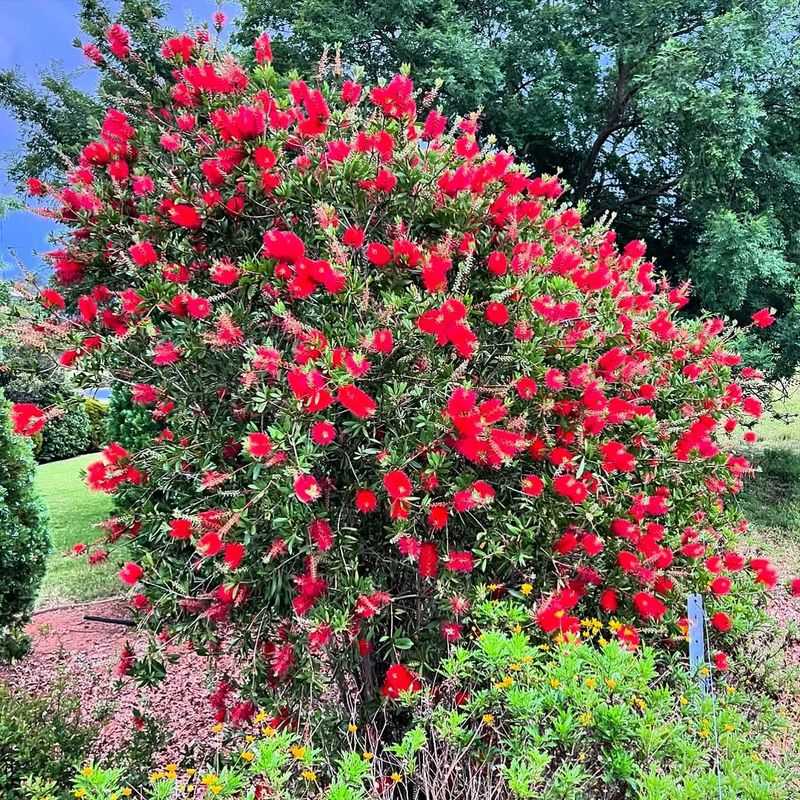
If you have ever seen a bottlebrush plant in full bloom, you understand why so many North Carolina gardeners are obsessed with it.
Callistemon species produce those incredible, cylindrical red flower spikes that look exactly like the brushes used to clean bottles, which is where the fun name comes from. Pruning in early March sets the stage for an even better summer show.
The main goal during March pruning is to remove last year’s spent flower spikes. These old spikes sit just behind where new growth will emerge, and cutting them back encourages the plant to produce fresh, vigorous shoots that will carry the next round of blooms.
A light trim of any overly long or wayward branches also helps keep the plant looking tidy and well-shaped.
Bottlebrush plants grow best in full sun and well-drained soil, both of which North Carolina has in abundance. They are also reasonably drought-tolerant once established, making them a low-maintenance gem for busy gardeners.
Avoid cutting back into old, thick woody stems, as bottlebrush does not always regenerate well from heavy pruning. Keep it light, keep it clean, and this incredible plant will absolutely dazzle your garden with color from late spring straight through summer.
5. Hibiscus (Hardy Varieties)
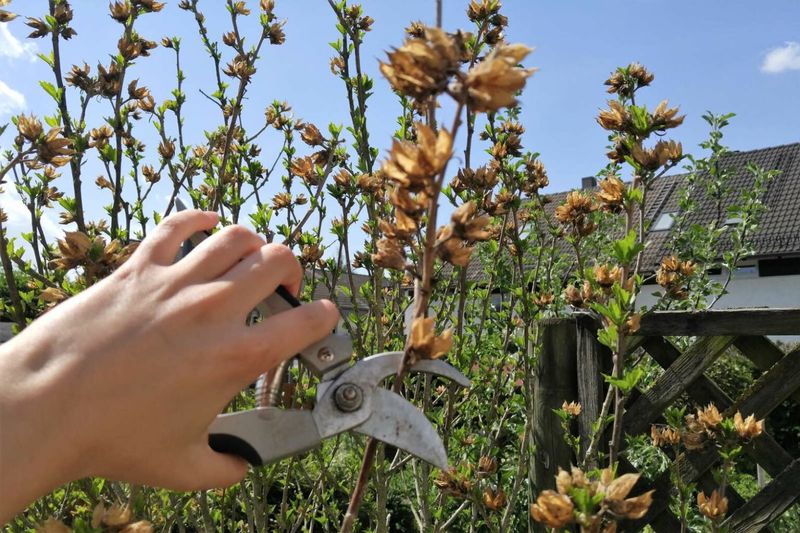
Hardy hibiscus is one of those plants that looks completely finished by late fall, with nothing but dry, brown stems standing above the ground. But do not be fooled by that bare appearance, because something exciting is happening underground.
By March in North Carolina, the roots are already gearing up to send out fresh new growth, making this the ideal moment to cut back all those old stems.
Remove last year’s stems down to just a few inches above the soil line. This clears the way for the vigorous new shoots to push up without fighting through a tangle of old wood.
Hardy hibiscus varieties like Hibiscus moscheutos are incredibly vigorous growers and can reach three to five feet tall within a single season when given a clean start in early spring.
One quirky thing about hardy hibiscus is that it tends to emerge later than most perennials, sometimes not showing green until late April or even May. So do not panic if your plant looks slow to respond after pruning.
North Carolina’s warming spring temperatures will eventually coax it out of dormancy. Once it gets going, the growth is fast and the flowers are absolutely spectacular, often reaching dinner-plate size by midsummer.
6. Bougainvillea (Mature Plants)
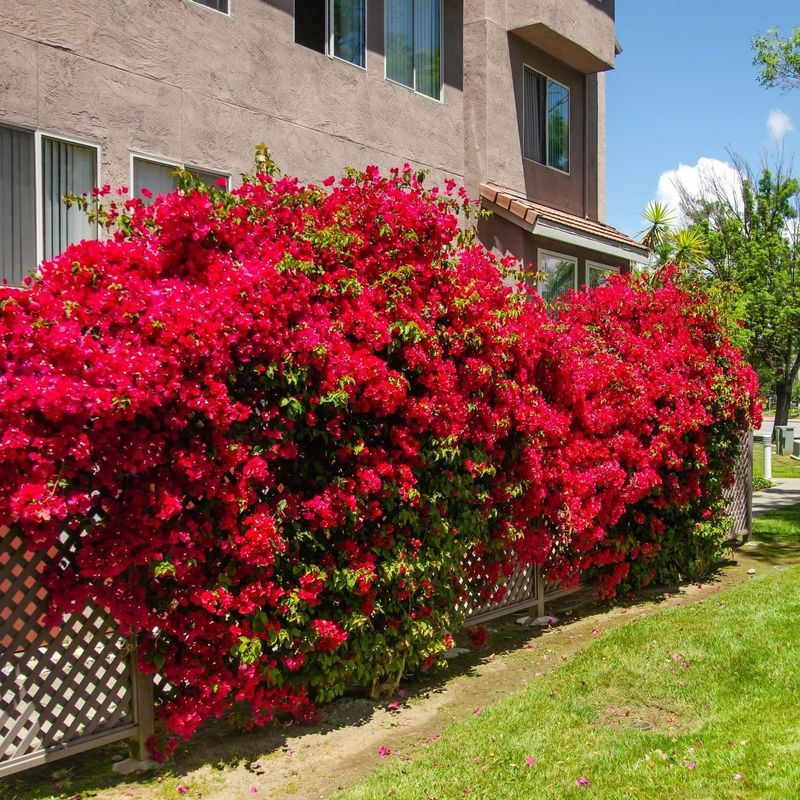
Bougainvillea is one of the most dramatic plants you can grow in North Carolina, and mature specimens can truly take your breath away when they are covered in those vivid, papery bracts.
March is actually a great time to reign in a mature bougainvillea before it gets ahead of you for the season. A well-timed pruning now means more flowering shoots and a tidier, more manageable plant all summer long.
For mature plants, focus on trimming back the longest stems by about one-third to one-half their length. This encourages branching lower on the plant, which creates more flowering tips.
You can also remove any stems that are rubbing against each other or growing in an unwanted direction. Bougainvillea blooms on new growth, so the more branching you encourage in March, the more flowers you will see later in the season.
North Carolina gardeners in the southern Piedmont and coastal plain tend to have the best luck with bougainvillea outdoors, as it prefers warmer winters. Always wear thick gloves when pruning, because the thorns are sharp and can cause a real sting.
Keep the pruning balanced and avoid stripping the plant of too much foliage at once. Treat it right in March, and it will put on a show that stops traffic all summer.
7. Azaleas
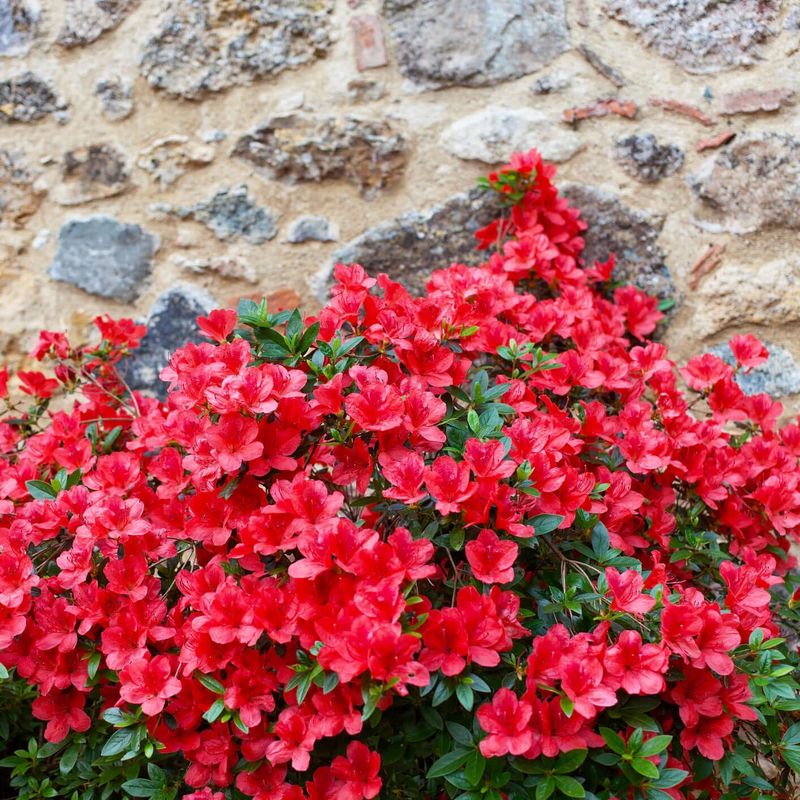
Azaleas are basically the crown jewel of spring gardens across North Carolina, and anyone who has driven through Wilmington or Chapel Hill in April knows exactly what that means. Streets lined with azaleas in full bloom are one of the most beautiful sights in the state.
But here is the thing: if you prune your azaleas in March, you will cut off all those gorgeous flower buds before they ever get a chance to open.
Most azalea varieties in North Carolina bloom on old wood, which means the flower buds actually formed on last year’s growth during the late summer and fall.
Those buds spent the entire winter waiting patiently on the stems, ready to burst open as soon as temperatures warm up.
Cutting the stems in March removes those buds entirely, leaving you with a green shrub and no flowers for the whole season.
The best time to prune your azaleas is within about four to six weeks after they finish blooming, typically in late April or May in most parts of North Carolina.
That window gives the plant enough time to set new growth and form next year’s flower buds before summer ends. Patience pays off here in a big way, so put down those pruners and enjoy the show first.
8. Camellias
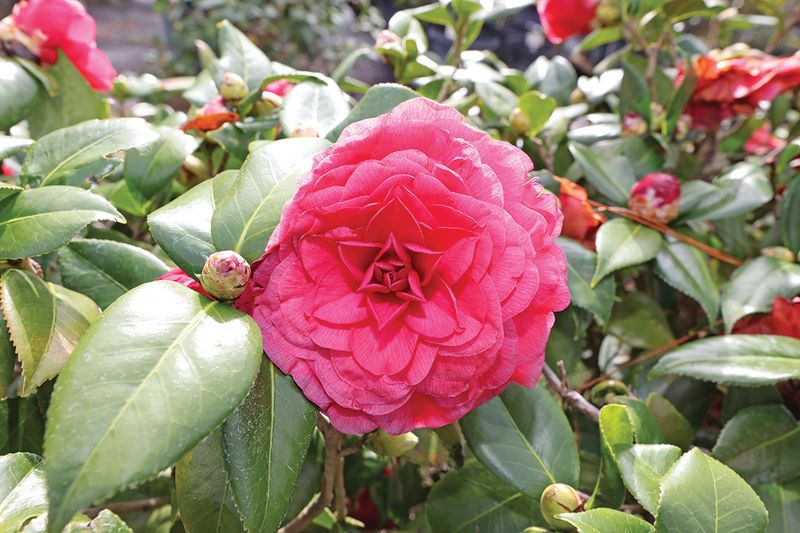
Camellias hold a special place in the hearts of North Carolina gardeners, and for very good reason.
These elegant shrubs produce some of the most stunning blooms of the entire gardening year, often flowering from fall all the way through early spring depending on the variety.
Because of that bloom timing, pruning in March is one of the worst things you can do to a camellia.
Like azaleas, camellias bloom on old wood. That means the flower buds you see opening right now or in the coming weeks formed on last year’s stems.
Cutting those stems in March eliminates blooms that have been developing for months. It feels like a real setback, especially when you see how beautiful those flowers can be up close.
Waiting until after your camellia finishes blooming is the golden rule for North Carolina gardeners. Once the flowers fade, usually by late March or April for most varieties, you can safely shape the plant, remove any crossing branches, and tidy up the overall silhouette.
Light pruning right after bloom encourages healthy new growth through spring and summer, which will carry next season’s flowers. A little patience now means a truly breathtaking display when your camellia blooms again next year.
9. Bigleaf Hydrangea
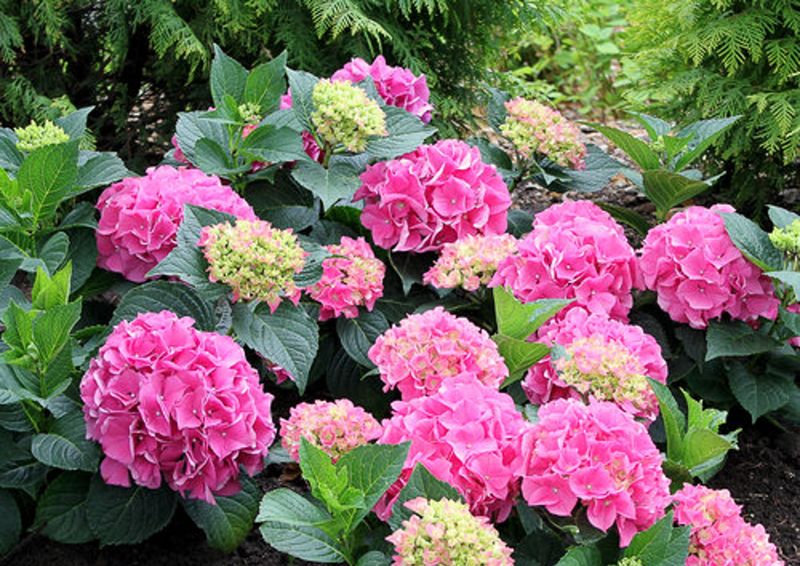
Bigleaf hydrangeas are hands-down one of the most popular shrubs in North Carolina gardens, and those big, round mophead blooms in blue, pink, and purple are genuinely unforgettable. But this is the one hydrangea where March pruning can really set you back.
Unlike the smooth hydrangea mentioned earlier, Hydrangea macrophylla blooms on old wood, which completely changes how and when you should approach pruning.
The flower buds on bigleaf hydrangea form on the previous season’s stems during late summer and fall. Those buds survive the winter right on the plant, tucked along the stems, waiting for warm spring temperatures to trigger their growth.
When you cut those stems in March, every single one of those waiting buds disappears, and your hydrangea spends the whole season looking green and leafy but producing no flowers at all.
North Carolina gardeners sometimes make this mistake after a hard winter, assuming the stems are damaged and need removing. Unless a stem is truly dried out and hollow all the way through, leave it alone until after flowering.
The best time to prune bigleaf hydrangea is right after the blooms fade in summer. A sharp pair of clean pruners and a little timing knowledge will keep your hydrangea blooming beautifully year after year.
10. Gardenias
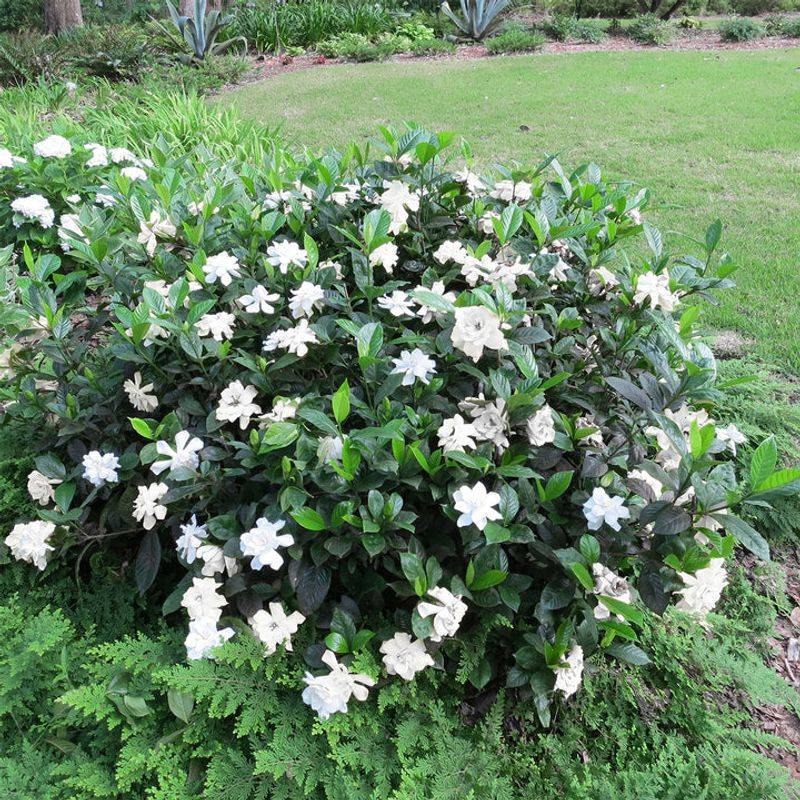
The smell of a gardenia in full bloom is one of those sensory experiences that people in North Carolina genuinely look forward to every single year. That rich, creamy fragrance drifting through a warm summer evening is almost magical.
But getting that incredible display requires a little restraint in March, because gardenias are another classic old-wood bloomer that you absolutely should not prune right now.
Gardenias set their flower buds on last year’s wood during the previous growing season. By the time March rolls around, those buds are already sitting on the stems, getting ready to open as temperatures climb.
Pruning in March removes those buds cleanly, and you end up waiting a full extra year before your gardenia blooms again. That is a long time to wait for something so beautiful and fragrant.
The right time to prune gardenias in North Carolina is right after flowering wraps up, which usually happens sometime in June or July depending on your location and the specific variety.
At that point, light shaping and the removal of any leggy or crossing stems is perfectly fine and actually beneficial.
Keep your gardenia well-watered and feed it with an acid-forming fertilizer in spring to support strong growth. Hold off on pruning now, and the payoff will be absolutely worth it.