North Carolina Residents Are Reporting Deer Destroying Winter Gardens
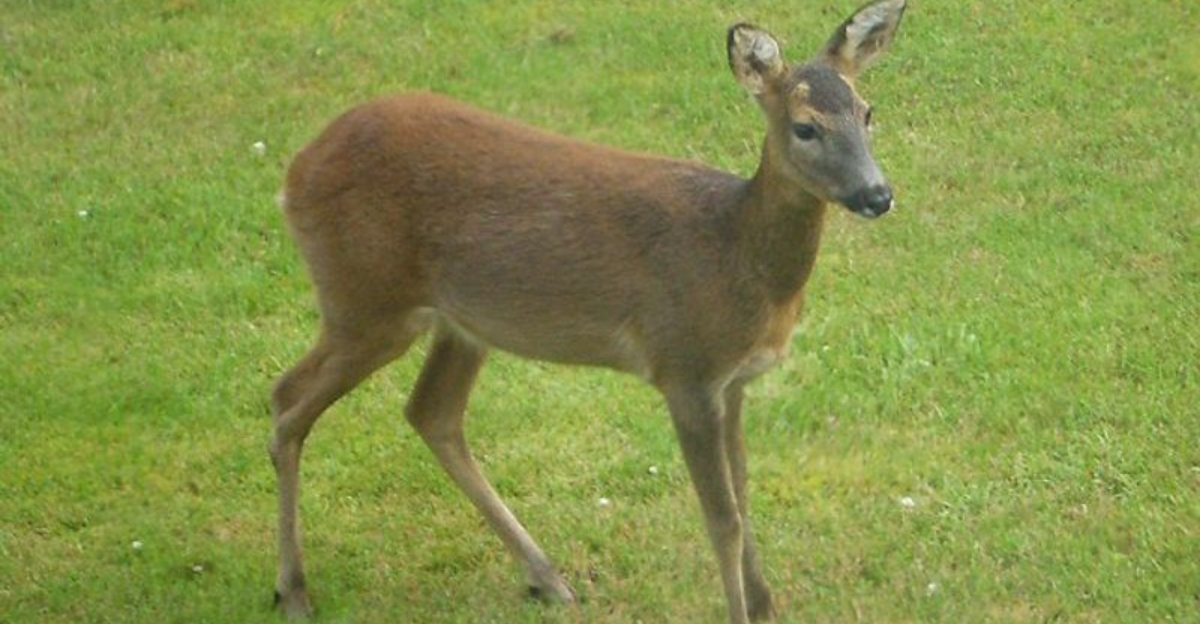
Across North Carolina, winter gardens are taking a serious hit — and frustrated homeowners say deer are to blame.
As natural food sources grow scarce during the colder months, deer are venturing deeper into neighborhoods, stripping shrubs, chewing through winter vegetables, and trampling carefully tended beds.
Many residents are finding the damage overnight, with entire sections of plants eaten down to stems.
Wildlife experts say this surge in garden destruction isn’t random; it’s tied to seasonal behavior, shrinking habitat, and an increased reliance on suburban landscapes for easy meals.
Here’s what’s driving the problem and what gardeners can do to protect their winter plantings.
Why Deer Target Winter Gardens More Than Summer Ones
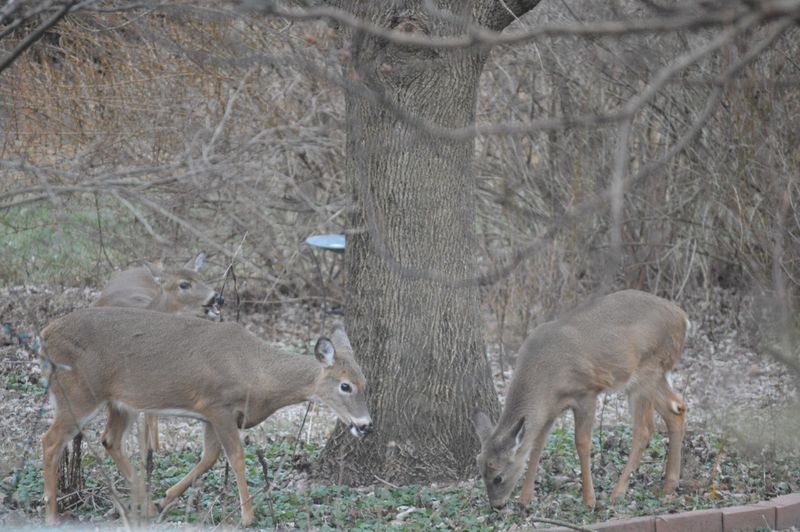
Natural food sources become scarce when cold weather arrives, pushing deer to search for alternative meals.
Winter gardens offer tender greens like kale, cabbage, and lettuce that remain available when wild vegetation has withered away.
Deer have excellent memories and will return repeatedly to locations where they found food before.
North Carolina’s mild winter climate allows many vegetables to grow throughout the colder months, creating an attractive buffet for hungry wildlife.
Deer can smell fresh vegetation from quite a distance, making your garden an easy target.
Unlike summer when forests provide abundant browse, winter forces deer to venture closer to residential areas.
They become bolder during this season because survival instincts override their natural caution around humans.
Understanding this seasonal shift helps explain why your garden faces more pressure now than during warmer months.
Recognizing these patterns allows you to plan better protection strategies for your crops.
The Most Vulnerable Winter Crops In Your Garden
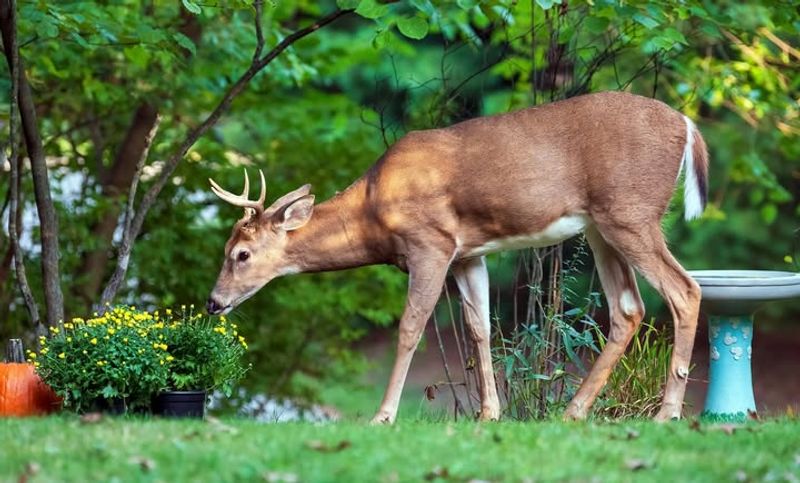
Leafy greens top the list of deer favorites, especially kale, which they find irresistible due to its tender texture and nutritional value.
Lettuce varieties disappear quickly when deer discover them, often getting consumed entirely in a single nighttime visit.
Broccoli and Brussels sprouts also attract significant attention because deer enjoy both the leaves and developing heads.
Cabbage plants suffer heavy browsing, with deer stripping outer leaves and sometimes destroying entire plants.
Peas and beans planted for winter harvest rarely survive deer encounters without protection.
Root vegetables like carrots and beets aren’t safe either, as deer will dig up young plants to reach the tasty greens above ground.
Swiss chard and collard greens vanish overnight in many North Carolina gardens.
Surprisingly, deer will even sample herbs like parsley and cilantro when other options run low.
Knowing which crops face the highest risk helps you prioritize protection efforts and possibly choose less appealing alternatives for unprotected areas.
Peak Feeding Times When Deer Visit Gardens
Deer activity increases dramatically during twilight hours, with dawn and dusk representing their primary feeding periods.
Most garden damage occurs between sunset and sunrise when deer feel safer from predators and human activity.
North Carolina gardeners often discover the destruction only after the sun comes up and the culprits have long since disappeared.
Moonlit nights see particularly bold deer behavior, as the extra visibility allows them to navigate residential areas more confidently.
Overcast nights don’t deter them much either, since their excellent night vision and sense of smell guide them effectively.
During especially cold snaps, deer may feed at any hour to maintain their energy levels and body temperature.
Weekend mornings often reveal fresh damage because quieter neighborhoods on Friday and Saturday nights embolden deer to venture closer.
Security cameras have caught deer returning to the same gardens night after night, establishing regular feeding routes through neighborhoods.
Timing your deterrent strategies around these peak hours increases their effectiveness considerably.
Physical Barriers That Actually Work
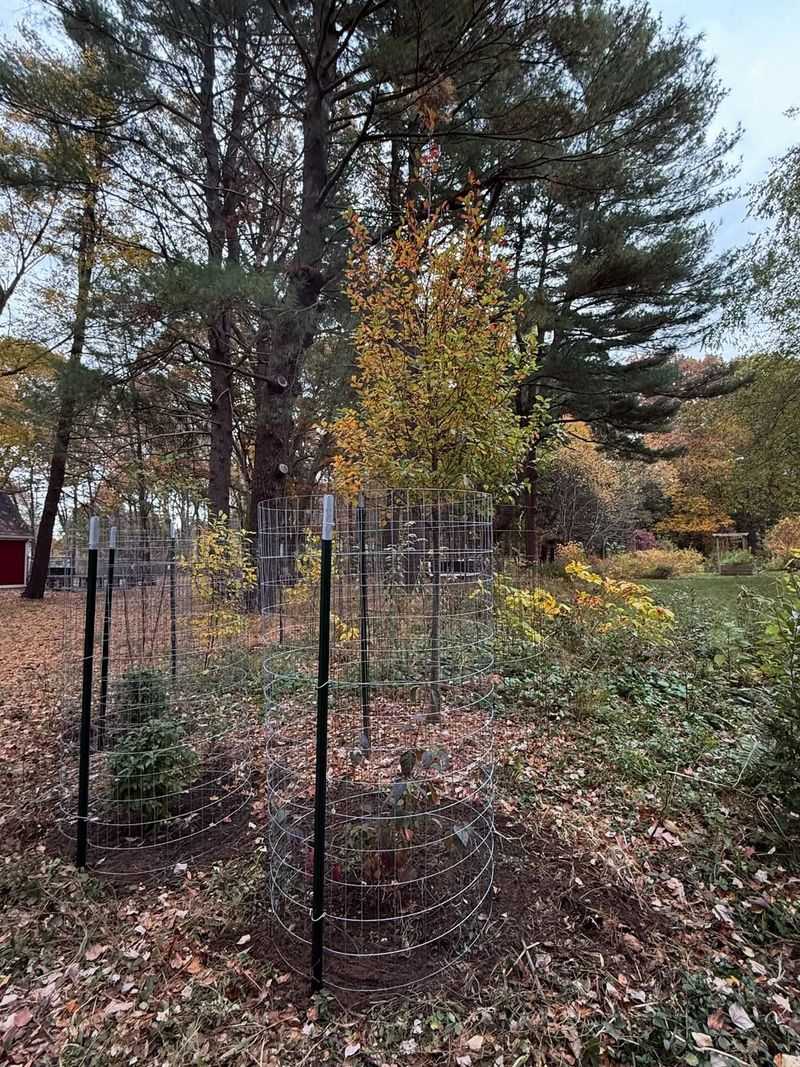
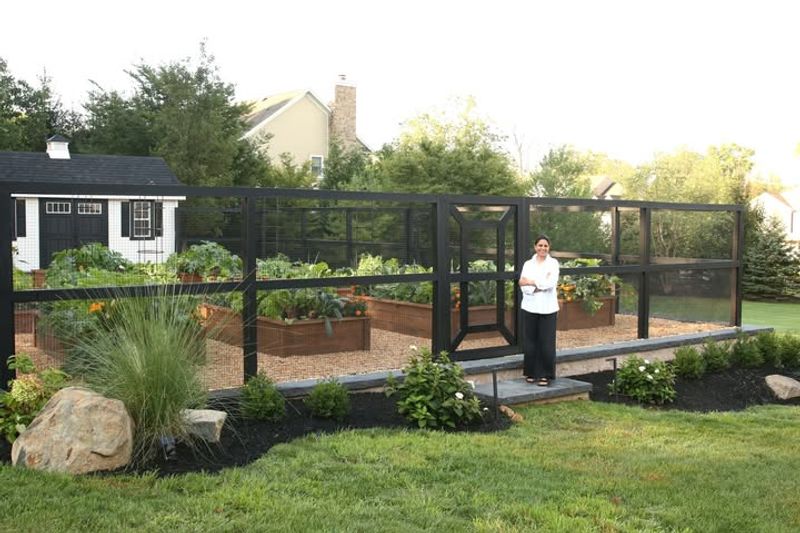
Fencing remains the most reliable long-term solution, but it must reach at least eight feet high to prevent deer from jumping over.
Many North Carolina gardeners underestimate deer jumping ability and install shorter fences that prove ineffective.
Electric fencing works well when properly installed, delivering a memorable but harmless shock that teaches deer to avoid your property.
Double-fence systems confuse deer depth perception, using two shorter fences spaced several feet apart instead of one tall barrier.
Netting draped over garden beds protects crops directly while being easier to install than perimeter fencing.
Chicken wire and hardware cloth create effective cages around individual plants or small garden sections.
Row covers supported by hoops shield winter greens while also providing frost protection as a bonus benefit.
Solid fences work better than see-through ones because deer hesitate to jump when they cannot see the landing area.
Regular inspection and maintenance of barriers ensures no gaps develop that deer could exploit to access your vegetables.
Scent Deterrents And Their Effectiveness
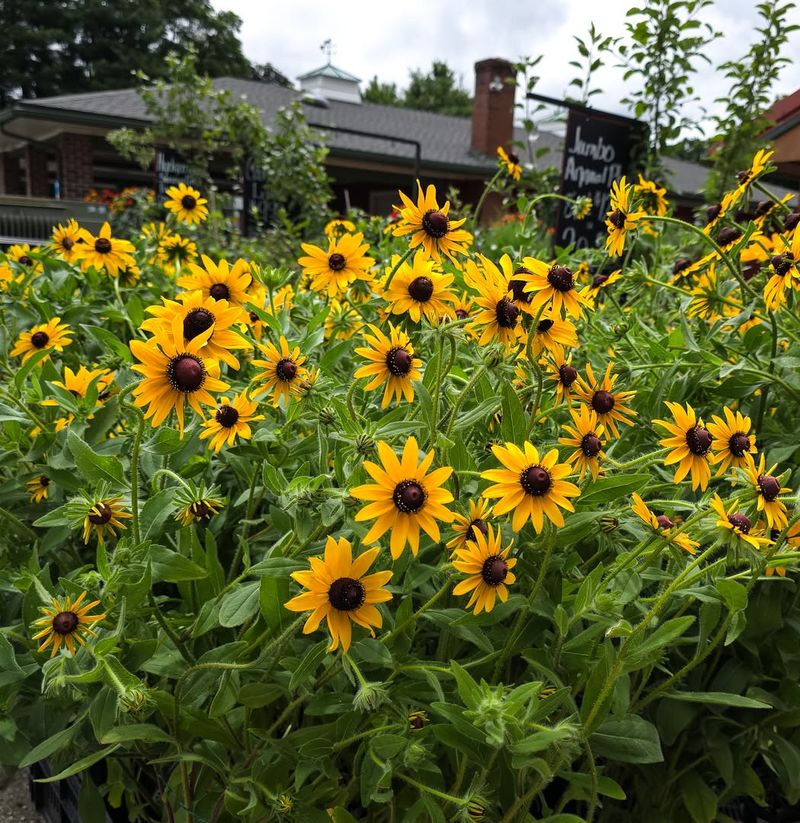
Strong odors can discourage deer temporarily, though their effectiveness varies and requires frequent reapplication.
Commercial deer repellents containing predator urine or putrescent egg solids create smells that trigger deer’s natural caution.
Bars of strongly scented soap hung around garden perimeters provide a budget-friendly option that many North Carolina gardeners swear by.
Human hair collected from barbershops and scattered around plants sometimes works because deer associate human scent with danger.
Garlic and hot pepper sprays applied directly to plants make them taste unpleasant without harming the vegetables.
Rain washes away most scent deterrents, requiring reapplication after every storm that passes through your area.
Deer eventually become accustomed to certain smells, especially if hunger outweighs their caution.
Rotating between different scent types prevents deer from becoming desensitized to any single deterrent method.
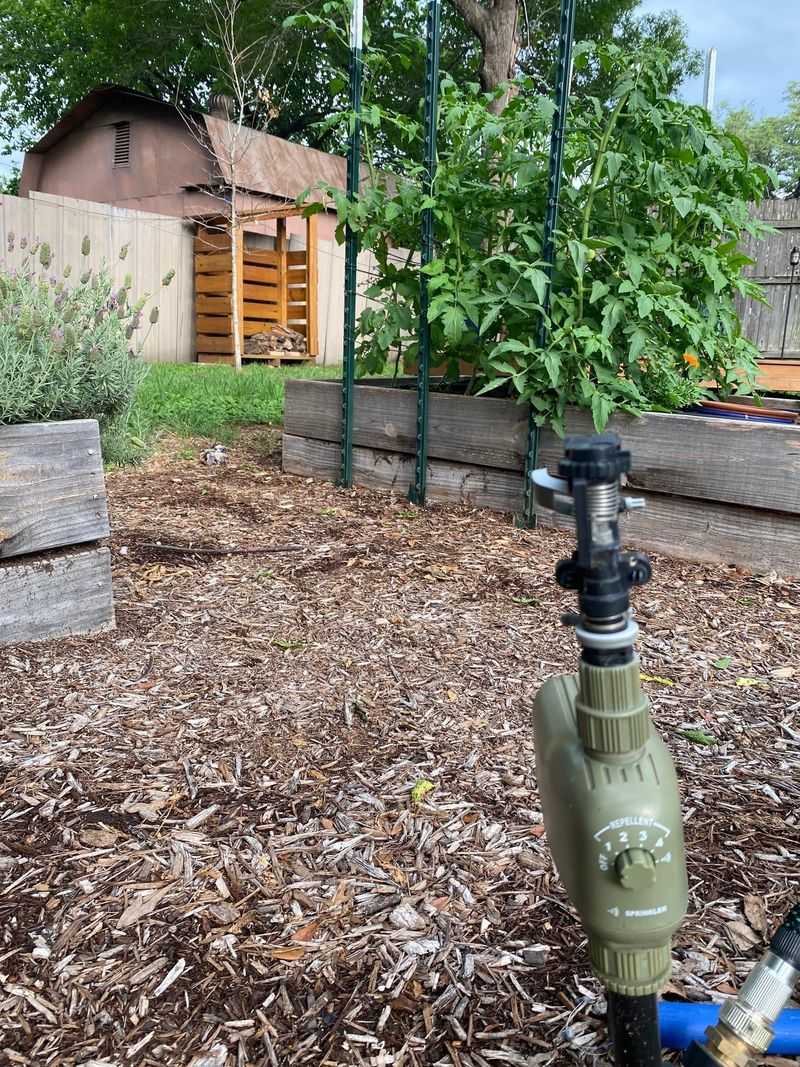
Motion-activated sprinklers combine scent with surprise, as the sudden water spray and noise create a more memorable negative experience that deer learn to avoid.
Motion-Activated Devices And Technology Solutions
Technology offers innovative ways to protect gardens without constant human intervention or permanent barriers.
Motion-activated sprinklers detect approaching deer and blast them with water, creating a startling experience that conditions them to avoid your property.
These devices work day and night, providing protection during peak deer activity hours when you’re likely asleep.
Ultrasonic devices emit high-frequency sounds that supposedly bother deer, though results vary widely among different products and individual animals.
Solar-powered lights with irregular flashing patterns can make deer nervous, as the unpredictable illumination suggests human presence.
Trail cameras help you document deer activity patterns, showing exactly when and where they enter your North Carolina garden.
Some newer systems send smartphone alerts when motion is detected, allowing real-time monitoring from anywhere.
Combining multiple technological solutions increases overall effectiveness compared to relying on any single device.
Regular adjustment of device placement and settings prevents deer from learning predictable patterns and finding ways around your defenses.
Planting Strategies That Reduce Deer Damage
Strategic plant selection and garden design can significantly reduce how much deer damage you experience each winter.
Surrounding vulnerable crops with deer-resistant plants creates a natural barrier that makes reaching the tasty vegetables more difficult.
Herbs like rosemary, thyme, and sage have strong scents that deer typically avoid, making them excellent border plants.
Onions and garlic planted around garden edges may deter browsing because deer dislike their pungent aroma and flavor.
Interplanting vegetables with less appealing companions confuses deer and makes selective feeding harder.
Raised beds positioned close to your house receive less deer pressure because they avoid areas with frequent human activity and noise.
North Carolina gardeners have found success growing the most vulnerable crops nearest to patios and frequently used doorways.
Sacrificial plantings placed away from your main garden can lure deer to less important areas while protecting priority crops.
Dense, thorny shrubs like holly or barberry create uncomfortable pathways that deer prefer to avoid when easier routes exist elsewhere.
Understanding Local Deer Population Trends
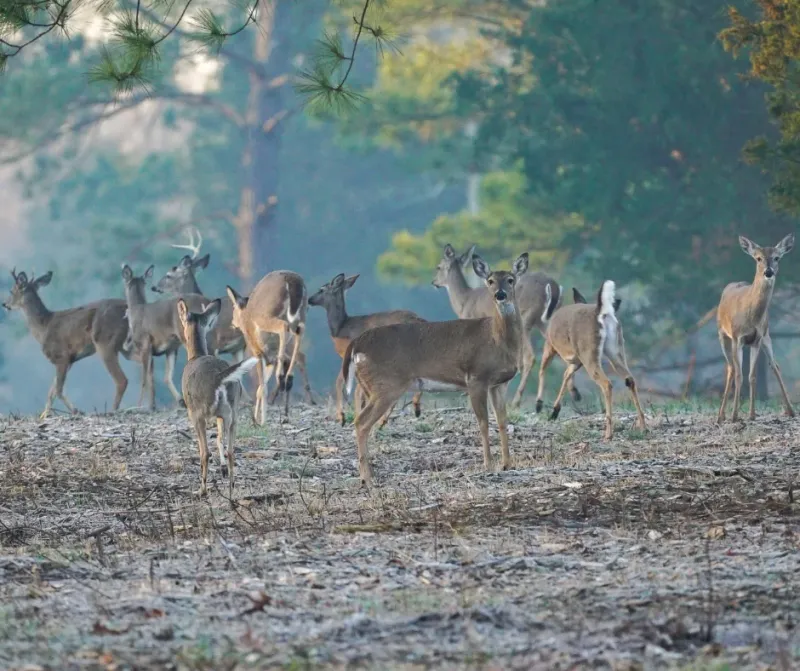
North Carolina’s deer population has grown substantially over recent decades, increasing pressure on residential gardens statewide.
Suburban development has created ideal deer habitat by providing forest edges, landscaping, and reduced hunting pressure compared to rural areas.
White-tailed deer adapt remarkably well to living near humans, learning to exploit resources like gardens while avoiding threats.
Mild winters in many parts of the state allow higher fawn survival rates, contributing to population growth over time.
Local wildlife management agencies track deer numbers, but enforcement of hunting regulations in residential areas remains challenging.
Some North Carolina communities have seen deer populations double or triple over the past twenty years as natural predators remain scarce.
Neighborhoods with abundant vegetation and limited fencing become deer magnets, with animals establishing regular travel routes between bedding and feeding areas.
Understanding that you’re dealing with a growing wildlife population helps set realistic expectations about garden protection needs.
Community-wide efforts often prove more effective than individual actions when deer populations reach high densities in residential areas.
Legal Considerations For Dealing With Garden Deer
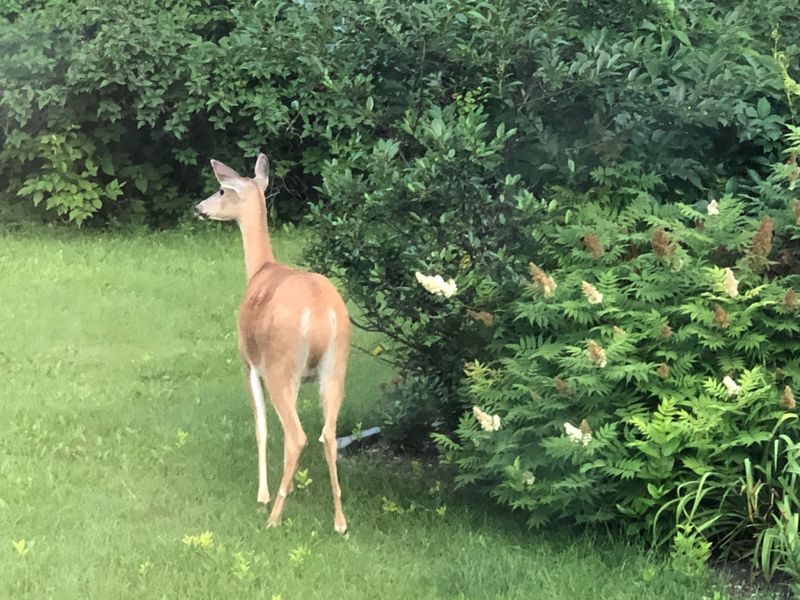
North Carolina law protects deer as game animals, limiting what homeowners can legally do to address garden damage problems.
Harming or trapping deer without proper permits violates state wildlife regulations and can result in significant fines.
Hunting within city limits is typically prohibited, even on private property where deer are causing damage.
Depredation permits exist for severe situations, but obtaining one requires documentation of damage and approval from wildlife officials.
Most non-lethal deterrent methods remain legal, including fencing, repellents, and scare devices that don’t physically harm animals.
Feeding deer intentionally is illegal in many North Carolina municipalities because it concentrates populations and increases human-wildlife conflicts.
Your homeowners association may have additional rules about fence heights and types that affect your deer management options.
Consulting with your local wildlife resources commission office before taking action ensures you stay within legal boundaries.
Neighbors may have different tolerance levels for deer, so community discussions can help develop coordinated, legal approaches that benefit everyone in your area.
Building A Comprehensive Deer Management Plan
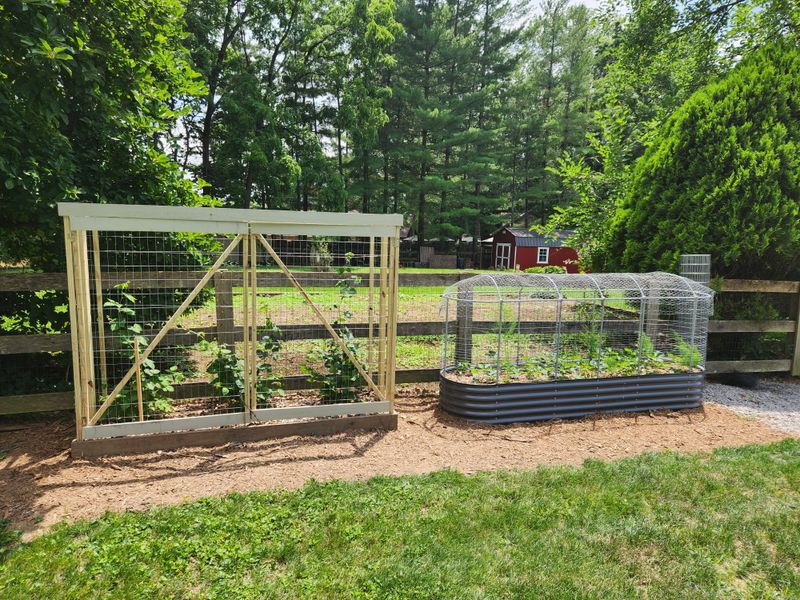
Successful deer management requires combining multiple strategies rather than relying on any single solution to protect your winter crops.
Start by assessing which crops suffer the most damage and prioritize protection for your highest-value plants first.
Document deer activity patterns using simple observations or trail cameras to understand when and where problems occur.
Implement physical barriers for your most important garden areas while using repellents and scare devices as supplementary protection.
Rotate deterrent methods regularly because deer quickly adapt to static defenses and learn to ignore them.
North Carolina’s diverse landscape means what works in the mountains may differ from effective strategies in the Piedmont or coastal regions.
Connect with local gardening groups to learn what techniques work best in your specific area.
Budget both time and money for ongoing deer management, as this challenge won’t disappear after a single season.
Evaluate your results each year and adjust strategies based on what worked and what failed to protect your garden adequately.