Northern Michigan Fruit Trees Bloom Later And It Could Change Your Harvest
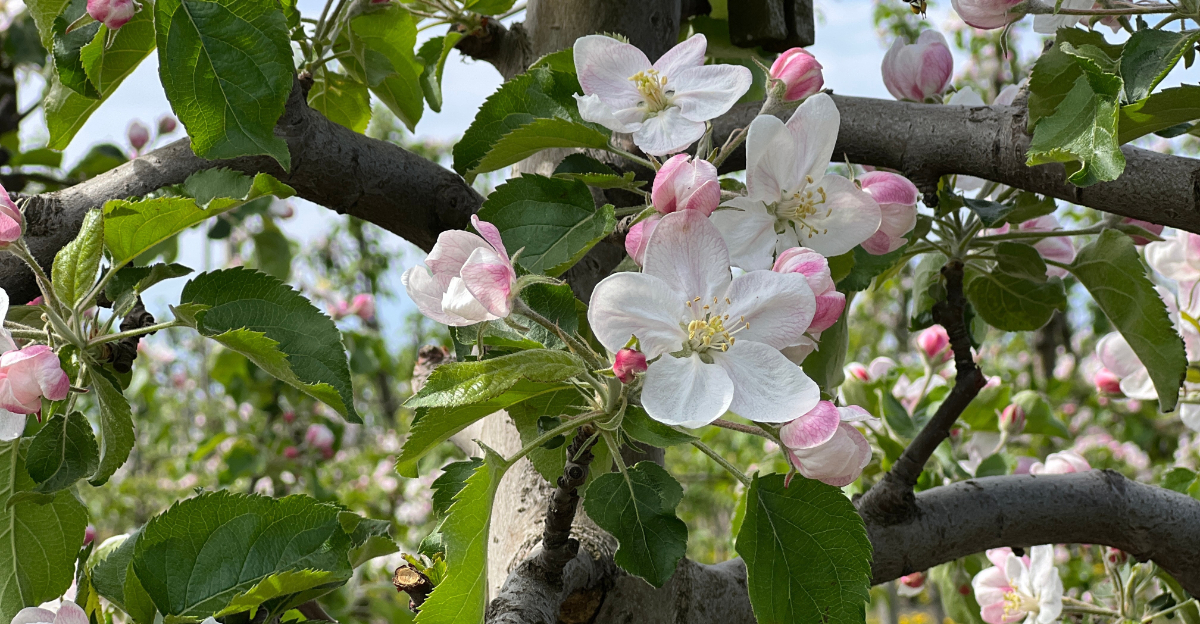
Drive through Northern Michigan in early spring and you may notice something surprising. While other parts of the state are already dotted with blossoms, many orchards here are still quietly waiting.
That delay is not a setback. It is one of the region’s greatest advantages. Cooler temperatures near the Great Lakes slow early bud development, causing many fruit trees to bloom later than their southern counterparts.
For growers and backyard gardeners, that timing can mean the difference between a full harvest and a season of disappointment.
Late blooming trees are far less likely to be caught by sudden spring cold snaps that damage delicate flowers. In a climate where frost can linger longer than expected, that built in buffer is invaluable.
Choosing varieties suited to Northern Michigan’s slower spring warm up allows you to plan smarter and protect your yields naturally. Understanding bloom timing transforms orchard strategy and sets the stage for more reliable, abundant fall harvests year after year.
1. Montmorency Tart Cherry Blooms Later In Northern Michigan
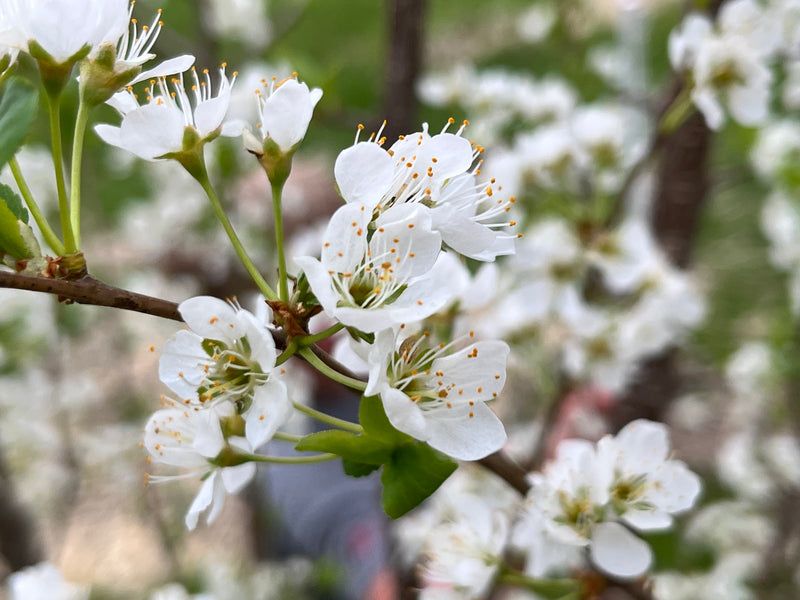
Walk through any Northern Michigan orchard in late May and you will likely spot rows of Montmorency tart cherry trees covered in delicate white blossoms.
Compared to cherry trees grown in southern Michigan, Montmorency trees in the north tend to bloom noticeably later, sometimes by a week or more. That difference in timing matters enormously to growers who worry about frost.
Northern Michigan sits in a unique climate zone where cool spring temperatures slow down the bloom process naturally. The region’s proximity to Lake Michigan moderates temperatures, but inland areas still experience cold snaps well into May.
A later bloom means the flowers open after the worst frost events have passed, protecting the crop before it even begins to form.
Montmorency is the most widely grown tart cherry in the United States, and Northern Michigan produces a huge share of the national supply. The harvest typically falls in July, running slightly later than in warmer growing regions.
Growers in the Traverse City area have relied on this variety for generations because its later bloom gives them a natural edge against unpredictable spring weather.
If you are planting cherries in Northern Michigan, Montmorency remains a reliable, time-tested choice that works with the local climate rather than against it.
2. Balaton Cherry Is Slightly Later Blooming And Cold Hardy
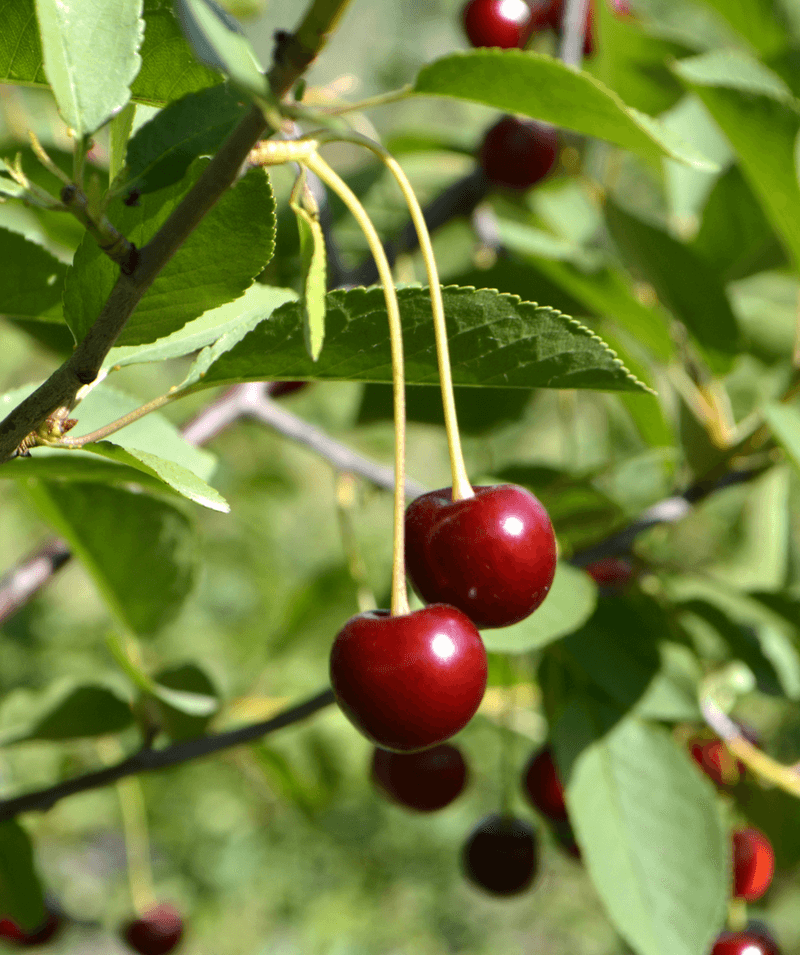
Introduced to the United States from Hungary in the 1980s, the Balaton cherry quickly earned a reputation as a cold-hardy performer with genuine staying power in northern growing regions.
Compared to many sweet cherry varieties, Balaton tends to bloom slightly later in spring, which gives it a meaningful advantage in places like Northern Michigan where late frosts remain a real concern through much of May.
Balaton cherries are often described as semi-sweet, landing somewhere between a tart Montmorency and a traditional sweet cherry. The fruit is a rich mahogany red when fully ripe, and the flavor is complex enough to work beautifully both fresh and processed.
Growers in Northern Michigan appreciate that Balaton holds up well to the region’s cold winters without suffering serious damage to its flower buds.
One practical benefit of pairing Balaton with Montmorency in an orchard is that their bloom times overlap enough for cross-pollination while still offering slightly different frost exposure windows.
Balaton also ripens about one to two weeks later than Montmorency, which naturally extends the harvest season.
For anyone managing a small orchard or even a backyard planting in Northern Michigan, adding a Balaton tree alongside a Montmorency is a smart strategy that spreads out both risk and reward across the growing season.
3. Honeycrisp Apples Bloom Mid To Late Season In Cooler Zones
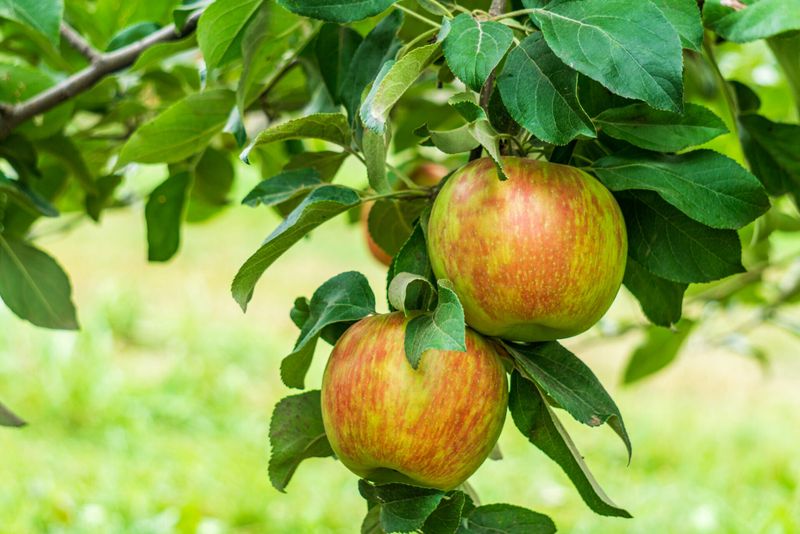
Few apple varieties have captured the attention of both growers and grocery shoppers quite like Honeycrisp.
Developed at the University of Minnesota and released in 1991, this variety was specifically bred to perform in cold northern climates, and Northern Michigan has proven to be an outstanding home for it.
One of its most useful traits for northern growers is its mid to late bloom timing, which reduces exposure to the damaging spring frosts that can ruin an entire crop overnight.
In Northern Michigan’s cooler growing zones, Honeycrisp bloom timing shifts even later compared to warmer apple-growing regions. That natural delay gives the flowers more time to open safely after the coldest nights have passed.
Orchards around the Old Mission Peninsula and Leelanau County have seen strong Honeycrisp production because the local climate aligns well with the variety’s natural rhythm.
Honeycrisp apples ripen in early to mid-fall, typically from late September into October in Northern Michigan. The fruit is prized for its signature crunch, balanced sweetness, and impressive storage life.
From a practical standpoint, the variety does require careful thinning and consistent pest management to produce its best fruit.
Still, for growers willing to put in the work, Honeycrisp offers both market appeal and solid cold-climate performance that few other apple varieties can match in this region.
4. Northern Spy Apple Is Known For Later Bloom Timing
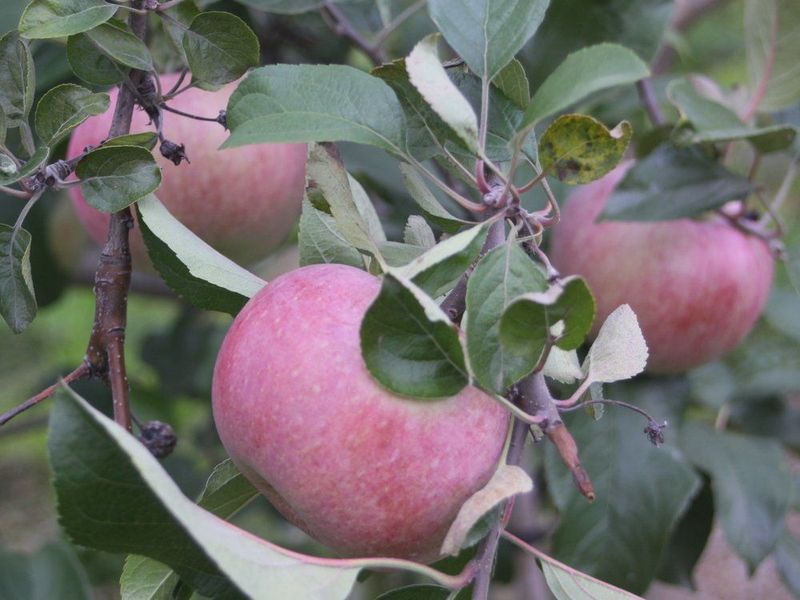
Few apple varieties carry as much history as the Northern Spy. Originating in New York in the early 1800s, it has been grown in American orchards for nearly two centuries and remains a respected choice among growers who value reliability over novelty.
One of its standout qualities is a naturally later bloom time, which has made it a practical option for Northern Michigan growers dealing with unpredictable spring weather.
Later bloom timing means Northern Spy flowers open after many of the season’s harshest frost events have already moved through. In Northern Michigan, where cold air can settle into low-lying orchard areas well into May, that timing advantage is genuinely significant.
Fewer frost-damaged blossoms translate directly into a more consistent fruit set and a more predictable harvest come fall.
Northern Spy apples ripen late in the season, often not reaching peak quality until October or even early November in Northern Michigan. The fruit is large, firm, and tart with a rich flavor that holds up exceptionally well in pies, cider, and long-term cold storage.
One thing growers should know upfront is that Northern Spy trees take longer to begin bearing fruit than many modern varieties, sometimes requiring up to a decade.
However, once established, these trees are long-lived and productive, making the wait very much worthwhile for patient orchard keepers in the region.
5. Liberty Apple Blooms Mid To Late Season And Handles Cold Well
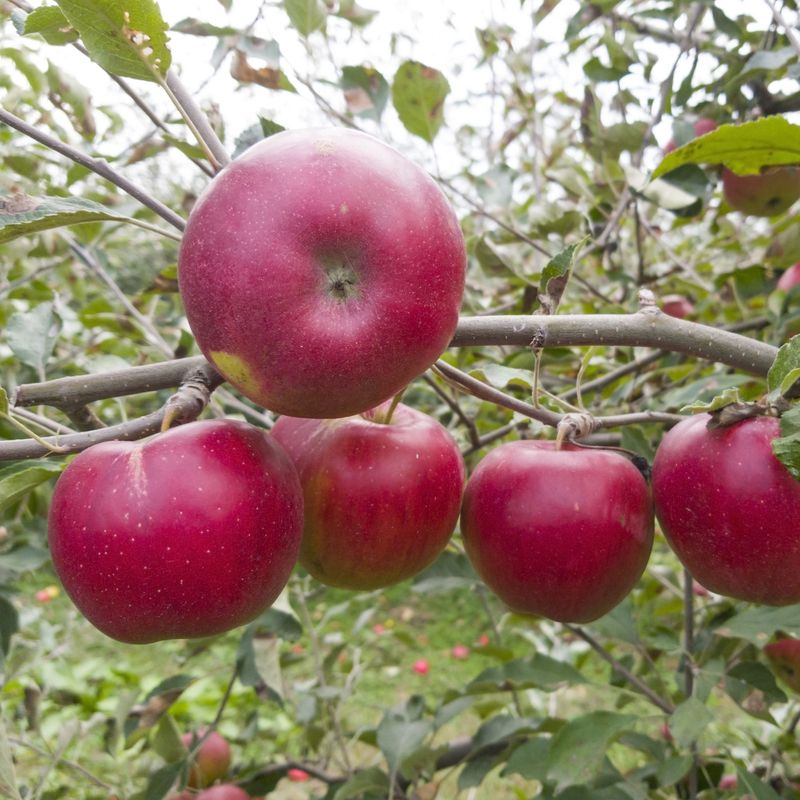
Released by the Cornell University breeding program in 1978, Liberty apple was designed from the start to resist disease and handle cold climates with confidence.
It succeeds on both counts, and Northern Michigan growers have embraced it as a dependable workhorse variety that earns its place in the orchard year after year.
Its mid to late bloom timing is one of the features that makes it particularly well-suited to the unpredictable springs common across Northern Michigan.
Liberty blooms after earlier apple varieties like Zestar and Pristine have already flowered, which means its blossoms spend less time exposed to the frost events that tend to cluster in the earlier part of spring.
For Northern Michigan orchards sitting at higher elevations or in areas prone to cold air drainage, that timing cushion can be the difference between a full crop and a disappointing season.
The apples themselves are medium-sized, bright red, and carry a pleasant sweet-tart flavor that works well both fresh and in baked goods.
Liberty is also notably resistant to apple scab, fire blight, and several other common diseases, which reduces the need for heavy spray programs.
That combination of disease resistance, cold hardiness, and later bloom timing makes Liberty apple a genuinely smart investment for any Northern Michigan grower looking to simplify orchard management while maintaining strong, consistent yields through the harvest season.
6. European Plums Often Bloom Later Than Japanese Plums
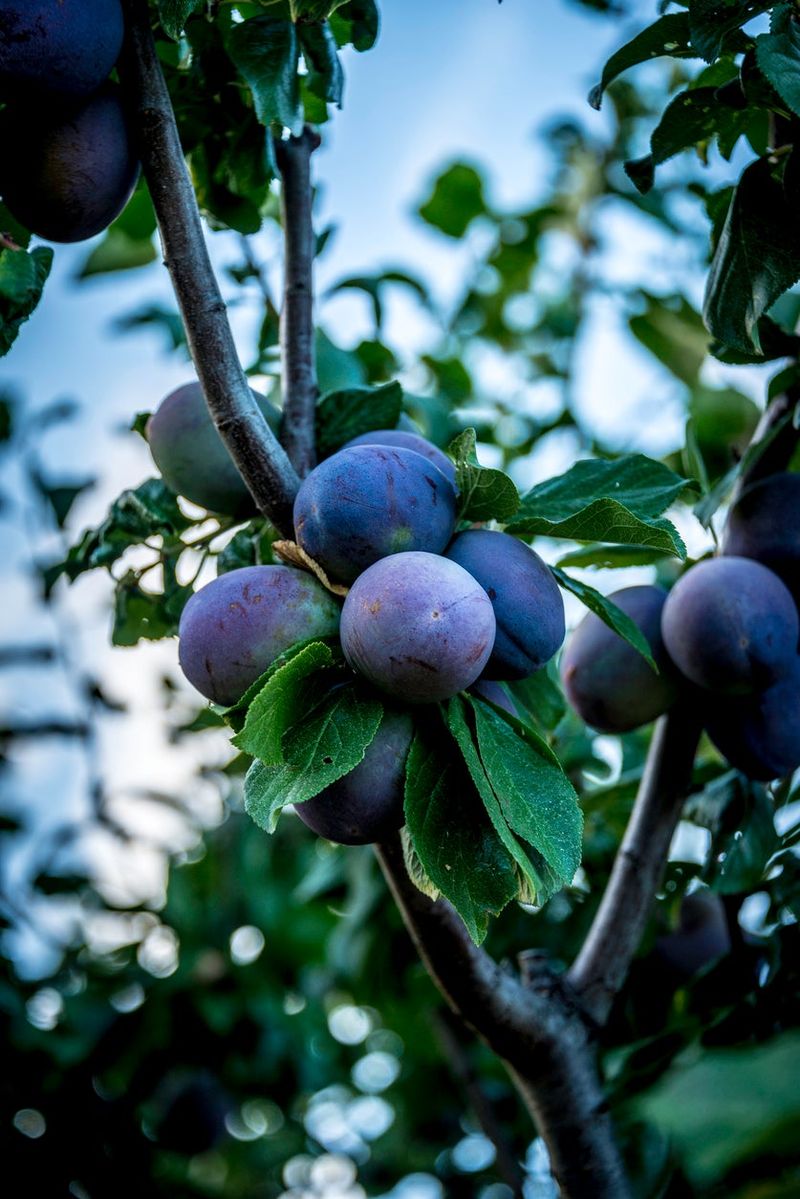
Not all plums are created equal when it comes to surviving a Northern Michigan spring. Japanese plum varieties, while producing large and flavorful fruit, bloom quite early in the season, which puts their blossoms squarely in the path of late spring frosts.
European plums take a different approach entirely, blooming later and offering a much safer fit for the frost patterns common across Northern Michigan’s growing regions.
European varieties like Stanley, President, and Italian Prune plum have been grown successfully in Northern Michigan for decades.
Their later bloom windows allow the flowers to open after temperatures have stabilized enough to reduce frost risk significantly.
That natural timing advantage means European plums can produce more reliable crops in northern orchards compared to their Japanese counterparts, which often struggle after a late cold snap damages or destroys their early blossoms.
European plums also tend to be self-fertile, meaning you only need one tree to get fruit, which is a genuine convenience for backyard growers with limited space.
The fruit ripens in late summer and early fall, producing a harvest that overlaps nicely with apple season across Northern Michigan.
Whether you want fresh plums, prunes, or homemade jam, European varieties give you both the cold hardiness and the later bloom timing needed to succeed in this region without constantly worrying about a single cold night ruining everything you worked for all season long.
7. Pear Trees Typically Bloom Later Than Peaches
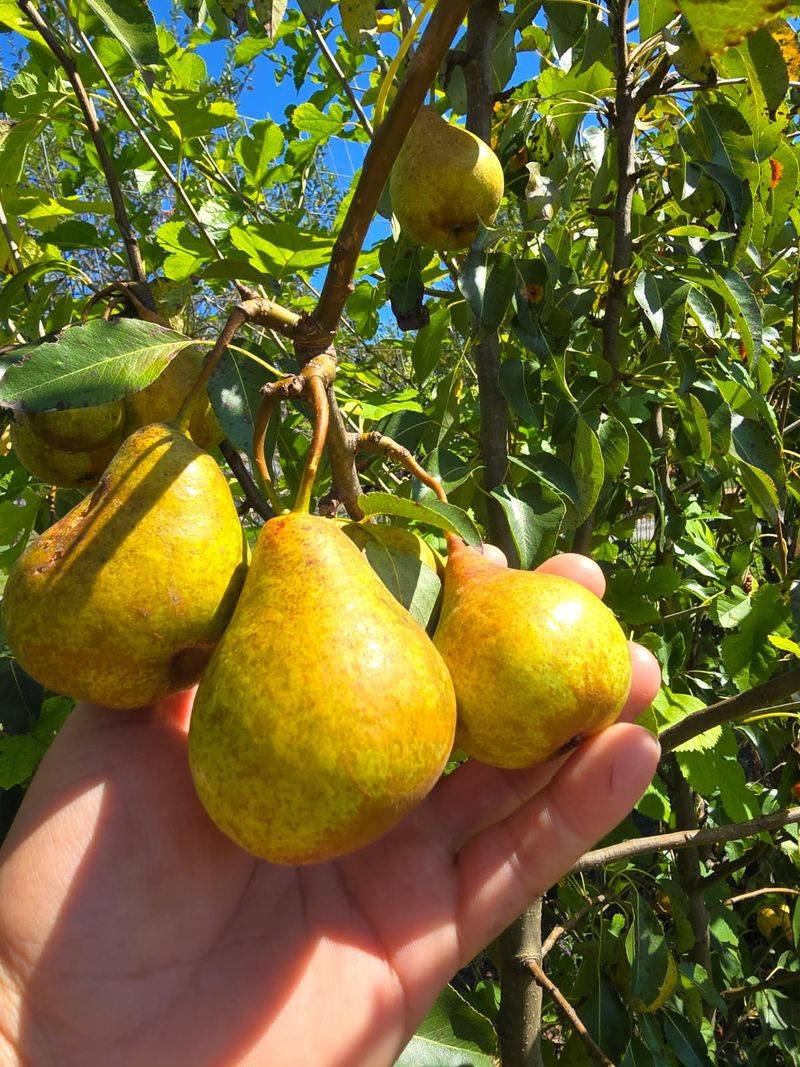
Peach trees are notoriously early bloomers, and that eagerness to flower makes them one of the riskiest fruit trees to grow in Northern Michigan.
Pear trees, by contrast, naturally push their bloom window later into spring, giving them a meaningful built-in advantage in a region where frost can show up well into May.
That difference in bloom timing is one of the main reasons pears tend to be a more dependable crop for northern growers.
Bartlett, Bosc, and Harrow Sweet are among the pear varieties that perform reasonably well in Northern Michigan when planted in sheltered locations with good air drainage.
Their later bloom timing means flowers open closer to the point when temperatures have become more consistently warm and stable.
Fewer frost events during bloom translates into better pollination, stronger fruit set, and a more predictable harvest come late summer and early fall.
Pear trees also tend to be quite long-lived once established, often bearing fruit productively for many decades.
They prefer well-drained soil and a sunny location, and they benefit from being planted near a compatible pollinator variety to maximize fruit production.
For Northern Michigan gardeners who have tried and struggled with peaches, switching to pears can feel like a revelation.
The trees are tough, the fruit is delicious, and the later bloom timing lines up far better with the realities of spring weather across the northern part of the state.
8. American Hybrid Hazelnuts Leaf And Bloom Later In Cool Springs
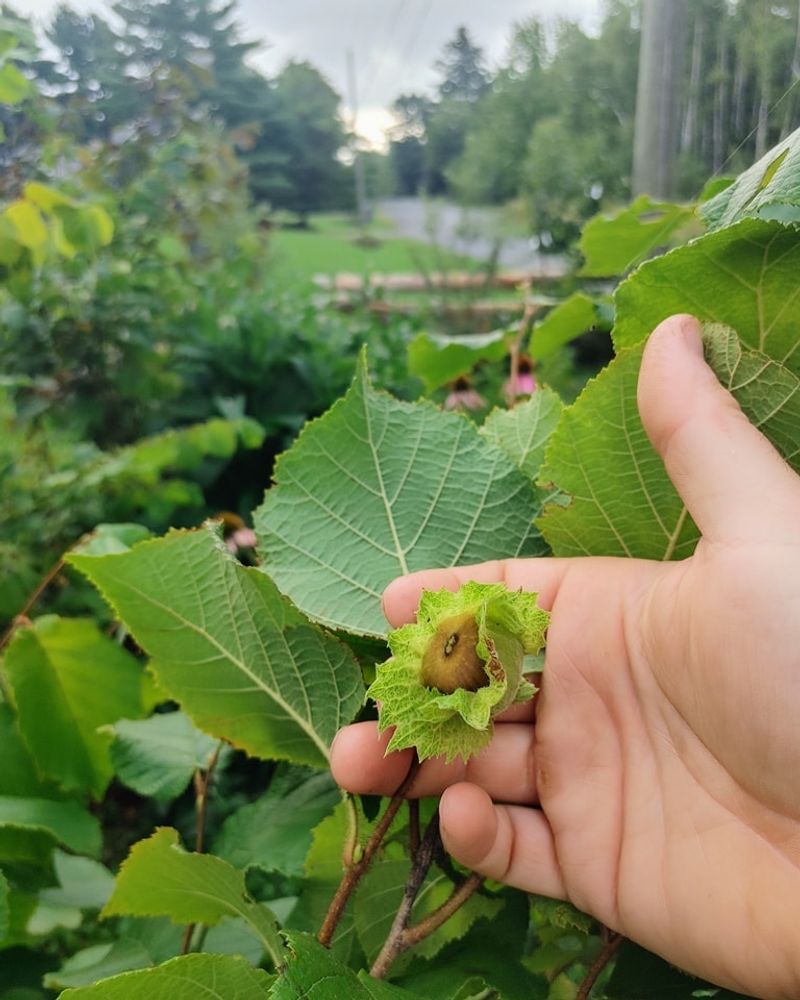
Hazelnuts might not be the first thing that comes to mind when you think about Northern Michigan fruit trees, but American hybrid hazelnuts are gaining serious attention from growers across the region.
One of their most practical traits is how they respond to cool spring temperatures, leafing out and blooming noticeably later than hazelnuts grown in warmer southern areas.
That delayed development offers real protection against the frost events that can damage early-season plantings.
American hybrid hazelnuts are crosses between the native American hazelnut and the European hazelnut, and the resulting plants tend to be cold-hardy, disease-resistant, and well-adapted to northern growing conditions.
The catkins, which are the male flower clusters, actually release pollen quite early, but the tiny female flowers that eventually become nuts emerge later in the season.
In Northern Michigan’s cool springs, this process slows down enough that the critical female flowers are less likely to encounter a damaging frost.
Hazelnut plants also serve multiple purposes in a northern landscape. They can act as windbreaks, provide wildlife habitat, and produce a nutritious nut crop that is increasingly popular with specialty food buyers and home growers alike.
Yields typically improve significantly after the first few years as the plants mature and fill in.
For Northern Michigan growers looking to diversify beyond traditional tree fruits, American hybrid hazelnuts offer a surprisingly rewarding and frost-tolerant option worth serious consideration this planting season.
9. Serviceberry Blooms Later In Northern Inland Areas
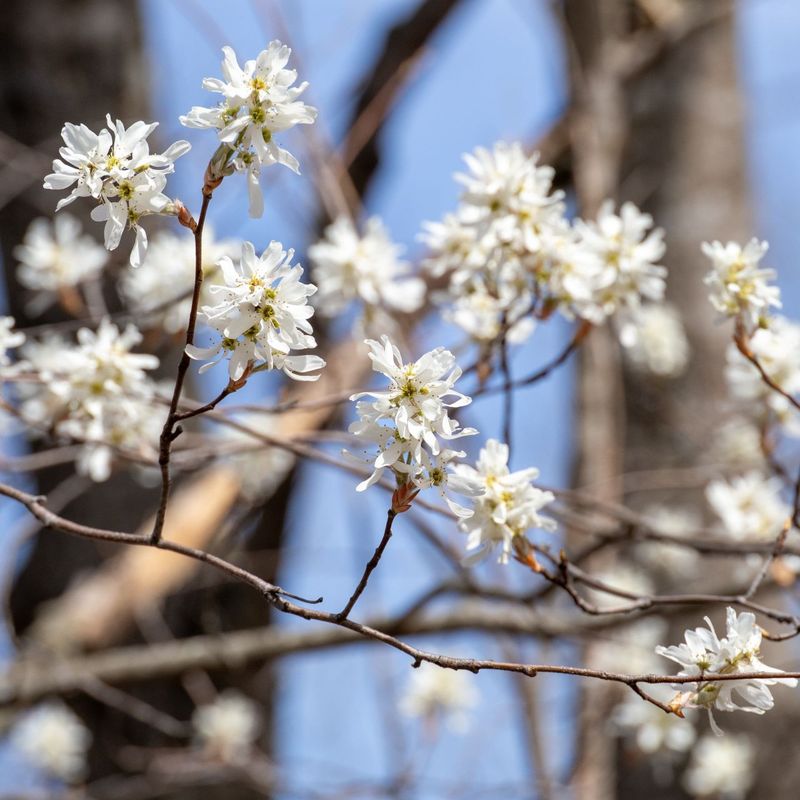
Serviceberry, also called Juneberry or Amelanchier, is one of the most underappreciated native fruiting plants in Northern Michigan.
Along the Lake Michigan shoreline and in more southern parts of the state, serviceberry blooms quite early in spring, often earning it the nickname “the tree that blooms when the trout start running.”
In northern inland areas of Michigan, however, bloom timing shifts noticeably later, which turns out to be a significant ecological and horticultural advantage.
The cooler temperatures found inland across Northern Michigan slow down the plant’s development in spring, pushing the bloom window back by a week or more compared to coastal or southern locations.
That delay reduces the chance of frost catching the blossoms at their most vulnerable point, which helps ensure a better fruit set and a more consistent crop of the small, blueberry-like berries that ripen in early summer.
Serviceberry is remarkably adaptable, growing naturally at woodland edges, along stream banks, and in open fields across Northern Michigan. The fruit is sweet and mild, popular with birds but also wonderful for jams, pies, and fresh eating.
Wildlife value aside, serviceberry is a beautiful ornamental tree with striking fall color and attractive bark.
For homeowners and small-scale growers in Northern Michigan looking to add a low-maintenance native fruiting plant that fits naturally into the landscape, serviceberry is an excellent and often overlooked starting point.
10. Late Blooming Apple Varieties Reduce Frost Risk In Northern Orchards
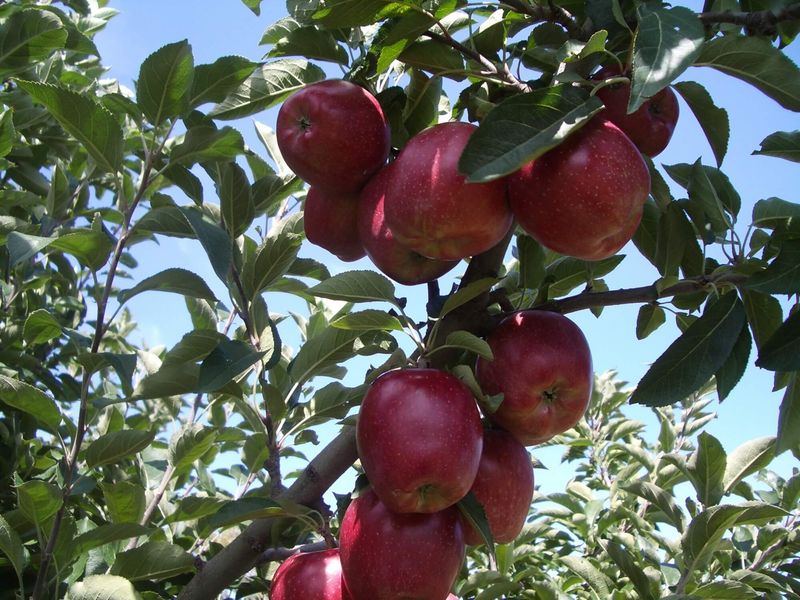
Choosing the right apple variety for a Northern Michigan orchard is not just about flavor or market appeal.
Bloom timing is one of the most critical factors a grower can consider, and late-blooming varieties consistently outperform early bloomers when spring frosts arrive unexpectedly.
Varieties like Gold Rush, Enterprise, and Goldrush consistently push their bloom windows into late May across Northern Michigan, giving them a natural buffer against the cold nights that can linger well past the traditional last frost date.
Orchard managers across Northern Michigan have long recognized that matching bloom timing to local frost patterns is one of the smartest risk management strategies available.
When apple blossoms open too early, a single night below 28 degrees Fahrenheit can destroy the entire crop for that season.
Late-blooming varieties sidestep that risk by waiting until temperatures have warmed enough to make frost events far less frequent and severe.
Beyond frost protection, late-blooming apple varieties also tend to ripen later in fall, which can be a market advantage for growers selling at farm stands and farmers markets that run deep into October and November.
Consumers actively seek out fresh-picked apples late in the season, and varieties that ripen in October command strong interest across Northern Michigan.
Planting a thoughtful mix of mid and late-blooming cultivars allows growers to spread both risk and harvest across a longer season, building resilience into the orchard from the very first planting decision.