9 Nostalgic Plants That Are Trending Again In Vermont
Gardening in Vermont has always been full of charm, but lately something old is feeling new again.
Plants that once filled the gardens of grandparents and great grandparents are making a strong comeback.
These nostalgic favorites are showing up in backyards, cottage gardens, and even modern landscapes across the state.
People are drawn to their familiar look, soft colors, and the warm memories they bring with them.
In a world that moves fast, these classic plants offer a sense of comfort and connection.
They remind us of simpler times when gardens were grown with patience and care.
Vermont gardeners are rediscovering how hardy, beautiful, and easy these old fashioned plants can be.
Many of them are well suited to the local climate and return year after year with very little effort.
Choosing nostalgic plants is not just about looks, it is about bringing stories and tradition back into the garden.
When you plant them, you are adding more than flowers, you are adding history to your outdoor space.
1. Bleeding Heart
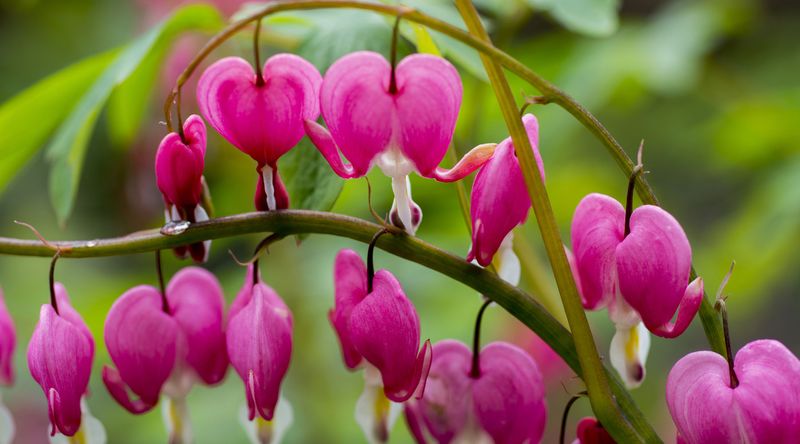
Grandmothers across Vermont have always treasured this woodland charmer for its romantic heart-shaped flowers that dangle like tiny lockets.
The plant earned its memorable name from the distinctive pink and white blooms that truly resemble hearts with a droplet hanging below.
Vermont gardeners are rediscovering this shade-loving perennial because it thrives in the dappled light beneath mature trees where many plants struggle.
Bleeding heart grows best in the cool, moist conditions that Vermont naturally provides during spring and early summer.
The fernlike foliage creates an attractive backdrop even after the flowers fade, though the plant often goes dormant during hot July and August weather.
This natural rest period actually makes it perfect for Vermont gardens, where it conserves energy for the following season.
Many Vermont nurseries report increased demand for bleeding heart as homeowners create woodland gardens and shade borders.
The plant requires minimal care once established, asking only for consistent moisture and protection from harsh afternoon sun.
Old-fashioned pink varieties remain most popular, though white cultivars are gaining appreciation for their elegant simplicity.
This perennial divides easily, allowing Vermont gardeners to share starts with neighbors just as previous generations did.
The plant can live for decades in the right spot, becoming a cherished family heirloom that marks the arrival of spring year after year.
2. Hollyhock
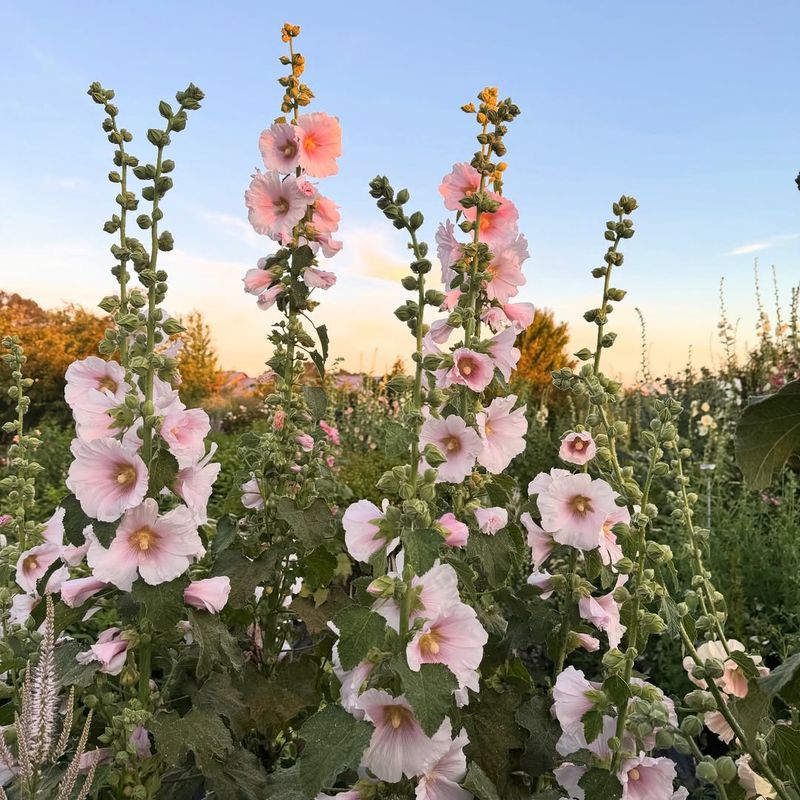
Few plants evoke cottage garden nostalgia quite like hollyhocks towering against a Vermont barn or farmhouse wall.
These stately beauties can reach six to eight feet tall, creating dramatic vertical accents that rural Vermonters have appreciated for generations.
Their large, crepe-paper-like blooms open progressively up the stalk throughout summer, providing weeks of continuous color.
Hollyhocks prefer sunny spots with good drainage, making them ideal for the south-facing sides of buildings where they also benefit from reflected warmth.
Vermont’s climate suits them particularly well because they appreciate cool nights and moderate summer temperatures.
The plants self-seed readily, popping up in gravel driveways and along fence lines just as they did in historical Vermont homesteads.
Traditional varieties come in shades of pink, red, white, yellow, and deep maroon, with single or double flowers.
Many Vermont gardeners specifically seek out heirloom strains that their families grew decades ago, valuing the connection to local history.
The plants do best when treated as biennials, producing foliage the first year and flowers the second.
Rust disease can affect hollyhocks in humid conditions, but Vermont’s generally drier climate compared to coastal regions reduces this problem.
Planting them where air circulates freely and removing affected leaves promptly keeps plants healthy and blooming beautifully throughout the summer months.
3. Peony
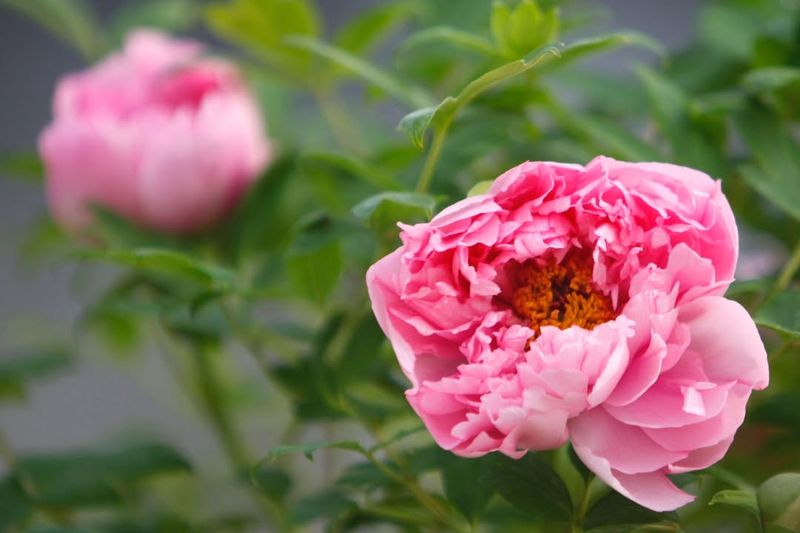
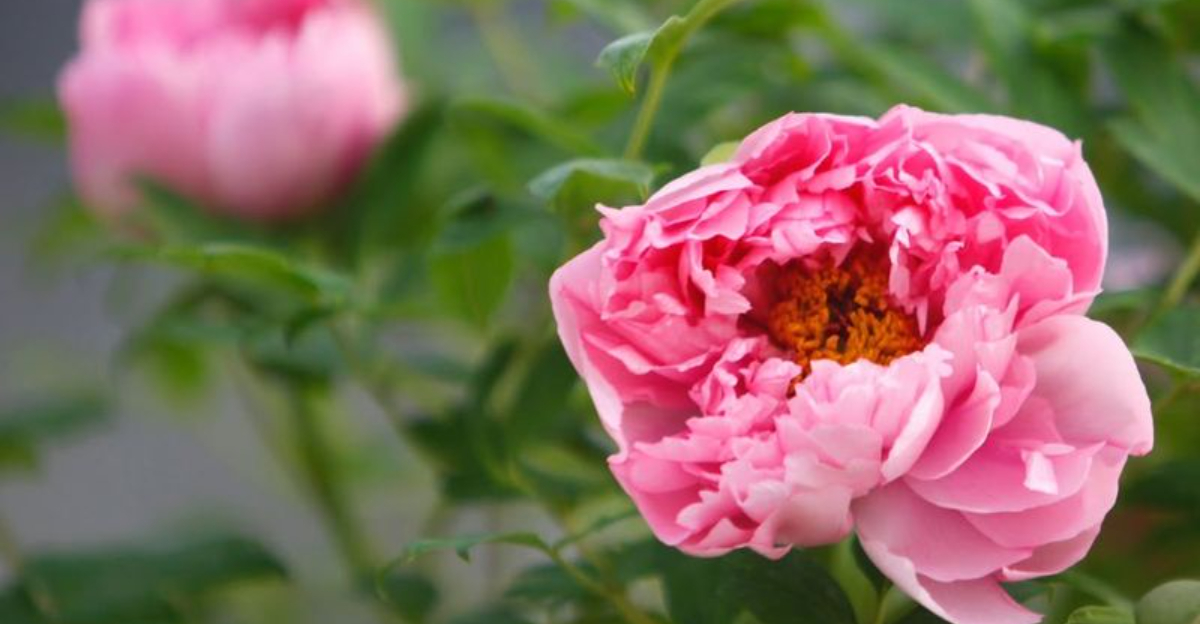
Nothing says Memorial Day in Vermont quite like armloads of fragrant peonies gracing kitchen tables and cemetery plots.
These long-lived perennials have marked important occasions for Vermont families since the 1800s, with some plants still blooming at abandoned homesteads throughout the state.
Their spectacular flowers and incredible longevity make them worthy investments that can outlive the gardeners who plant them.
Peonies thrive in Vermont’s cold winters, which provide the necessary chilling period for proper bud development.
The plants prefer full sun and well-drained soil, rewarding patient gardeners with increasingly impressive displays as they mature over the years.
Established peonies can produce fifty or more blooms annually, creating breathtaking shows in late May and early June.
Vermont gardeners appreciate peonies for their reliability and minimal maintenance requirements once properly planted.
The key is setting the roots at the correct depth, with buds no more than two inches below soil level.
Too-deep planting is the most common reason for bloom failure, something experienced Vermont gardeners have learned through generations of trial and error.
Popular varieties in Vermont include fragrant pink Sarah Bernhardt, pure white Festiva Maxima, and deep red Karl Rosenfield.
Many families treasure specific cultivars passed down through divisions, creating living links to ancestors who tended the same plants decades earlier in Vermont soil.
4. Lily Of The Valley
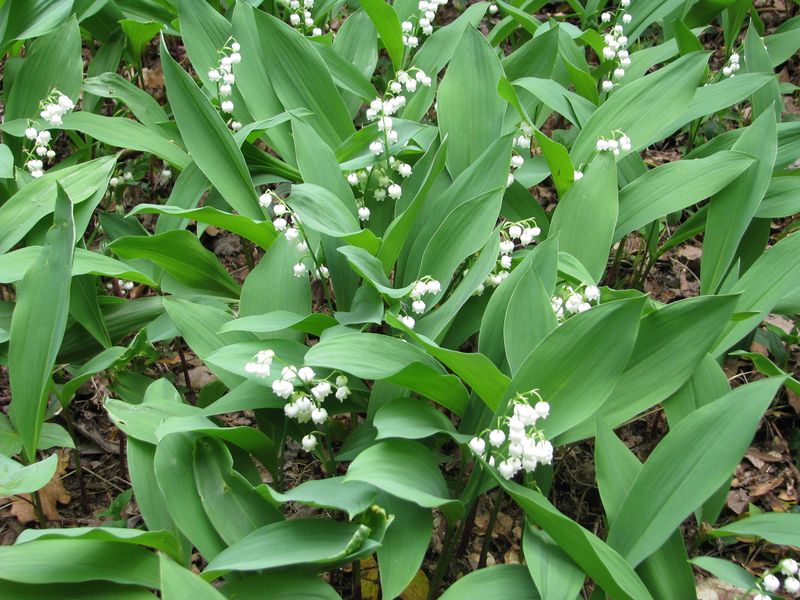
Tucked beneath trees and along shaded pathways, lily of the valley spreads its carpet of green leaves and delicate white bells throughout Vermont’s older neighborhoods.
This ground cover has naturalized around countless Vermont homes, persisting long after other plantings have vanished.
The intensely sweet fragrance of its tiny flowers in May makes discovering a patch feel like finding hidden treasure.
Lily of the valley thrives in the challenging dry shade beneath mature maples and oaks where grass refuses to grow.
Vermont gardeners value this tough little plant for its ability to colonize difficult areas while remaining well-behaved in most garden settings.
The glossy foliage stays attractive throughout the growing season, providing reliable greenery in spots where few other plants succeed.
Historically, Vermont brides carried lily of the valley in their wedding bouquets, and the tradition continues today.
The plant’s association with happiness and return of good fortune made it especially meaningful to generations who faced Vermont’s harsh winters.
Small red berries follow the flowers but are toxic if eaten, something Vermont parents have taught their children for generations.
Established patches spread slowly through underground rhizomes, eventually creating dense mats that suppress weeds naturally.
Vermont gardeners often dig and share divisions with friends, continuing the tradition of passing along this nostalgic plant that connects communities across the state.
5. Lilac
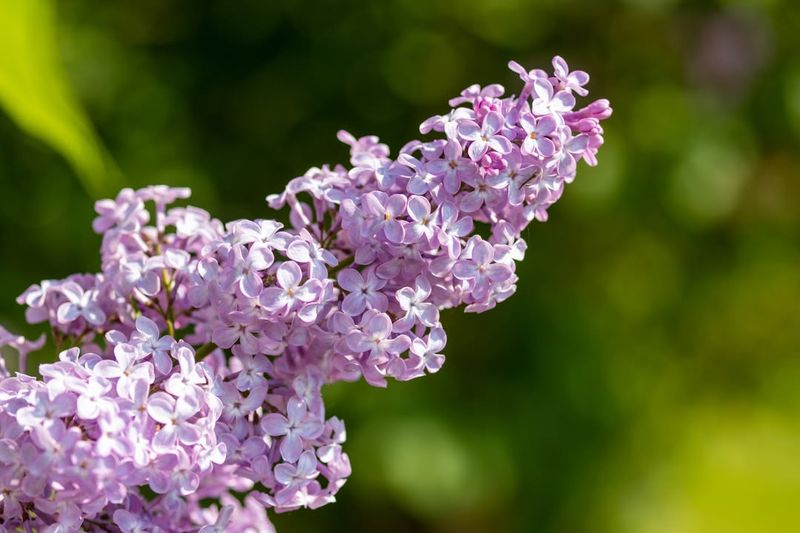
When lilacs bloom across Vermont in mid-May, their perfume announces spring’s true arrival more convincingly than any calendar date.
These beloved shrubs line old stone walls, frame farmhouse doorways, and mark property boundaries throughout the state.
Vermont’s official state flower since 1955, lilacs represent the enduring connection between residents and their landscape.
Common purple lilacs prove remarkably tough, surviving neglect at abandoned homesteads for decades.
They tolerate Vermont’s cold winters effortlessly and actually require winter chilling to bloom properly.
The shrubs prefer neutral to slightly alkaline soil, which Vermont’s limestone-rich areas naturally provide in many regions.
Old-fashioned varieties bloom reliably without fancy care, asking only for occasional pruning to remove dry wood and maintain shape.
Vermont gardeners often inherit mature lilacs when purchasing older homes, finding these living heirlooms among the property’s most valuable features.
The shrubs can live over a century, connecting current residents to everyone who enjoyed their fragrance before.
French hybrid lilacs offer expanded color ranges including white, pink, magenta, and deep purple, with single or double flowers.
However, many Vermont gardeners remain loyal to the classic purple varieties their grandparents grew.
The flowers make wonderful cut bouquets, filling Vermont homes with their distinctive scent during the brief but glorious bloom period that typically lasts about two weeks.
6. Black-Eyed Susan
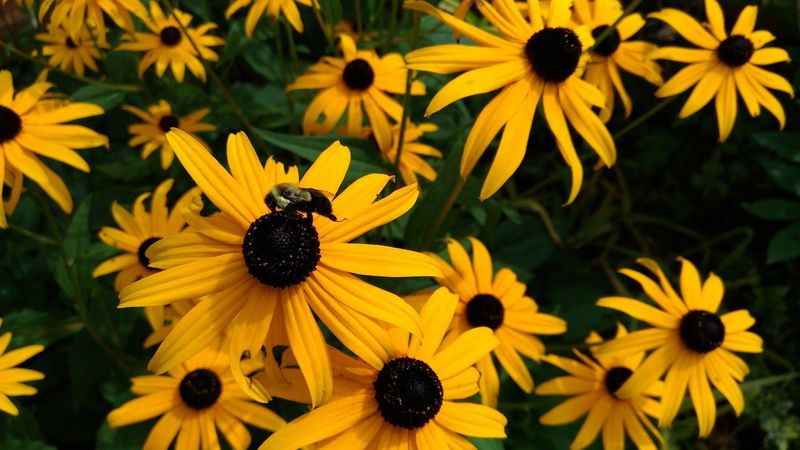
Cheerful black-eyed Susans brighten Vermont roadsides and meadows with golden petals surrounding dark centers from July through September.
These native wildflowers have naturalized throughout the state, thriving in sunny spots with average soil.
Vermont gardeners increasingly incorporate them into cultivated beds, appreciating their carefree nature and pollinator appeal.
The plants tolerate Vermont’s variable weather remarkably well, handling both drought and occasional flooding without complaint.
They reseed generously, creating expanding drifts that look increasingly natural over time.
This self-sowing habit appeals to Vermont gardeners seeking low-maintenance landscapes that support local wildlife while maintaining traditional aesthetics.
Black-eyed Susans attract butterflies, bees, and beneficial insects throughout their long bloom period.
The flowers also provide late-season nectar when many other plants have finished blooming, making them especially valuable for pollinators preparing for winter.
Vermont’s native goldfinches feast on the seedheads in fall, adding wildlife interest that extends beyond the flowering season.
These tough perennials handle Vermont’s clay soils better than many garden plants, though they appreciate decent drainage.
They combine beautifully with other nostalgic favorites like purple coneflowers and daylilies in cottage-style borders.
Many Vermont gardeners remember black-eyed Susans from childhood wildflower bouquets, making their current garden popularity feel like welcoming old friends home.
7. Daylily
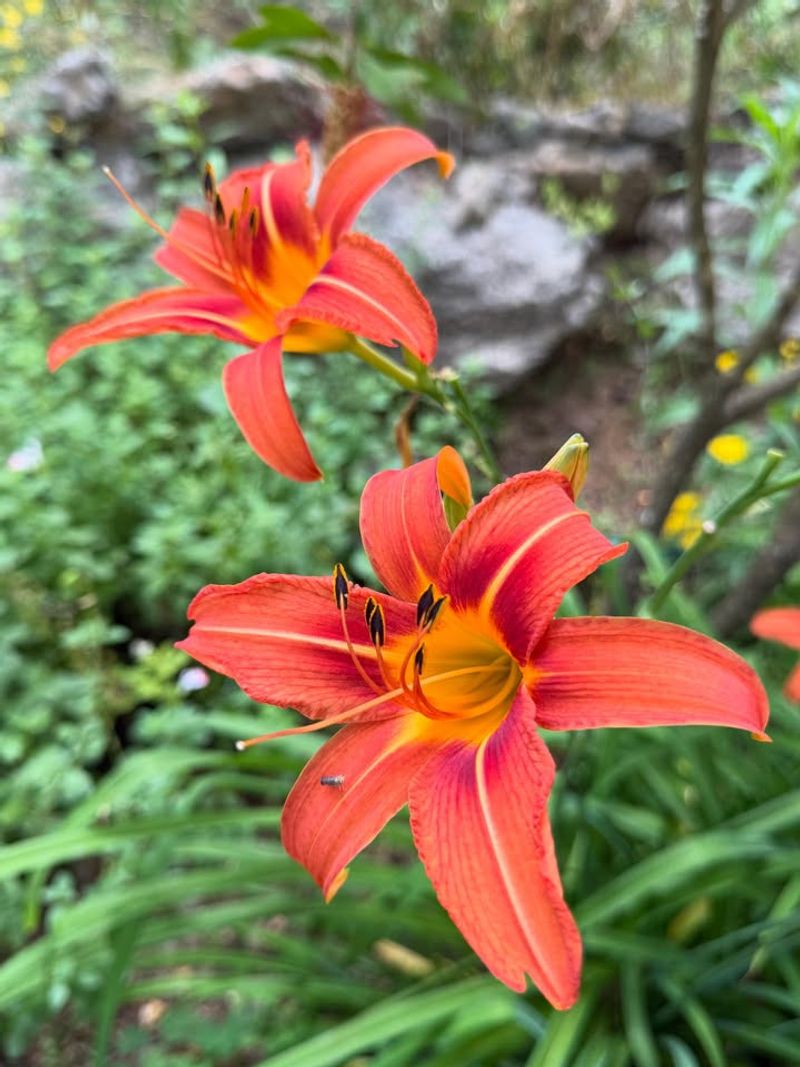
Daylilies edge Vermont driveways and farmsteads with their fountain-like foliage and trumpet-shaped blooms that open fresh each morning.
These indestructible perennials have earned their place in Vermont gardens through sheer reliability, blooming faithfully despite neglect, poor soil, and challenging conditions.
Orange varieties still mark old cellar holes and abandoned homesteads throughout Vermont’s countryside.
Each flower lasts just one day, but established clumps produce so many buds that the display continues for weeks.
Vermont’s cool nights help blooms last longer than in hotter climates, sometimes remaining attractive into evening.
The plants multiply steadily, forming substantial clumps that can be divided and shared with neighbors in true Vermont tradition.
Modern daylily breeding has produced thousands of varieties in nearly every color except true blue, but many Vermont gardeners prefer the classic orange and yellow types their grandmothers grew.
These old-fashioned varieties prove especially tough, tolerating roadside salt spray, competition from tree roots, and Vermont’s temperature extremes.
They ask nothing in return except occasional division when clumps become too crowded.
Daylilies handle Vermont’s clay soils admirably and actually bloom better with some neglect than with excessive fertilization.
They provide reliable color during the critical mid-summer period when spring bloomers have faded and fall flowers haven’t yet started, filling Vermont gardens with cheerful color throughout July and August.
8. Hosta
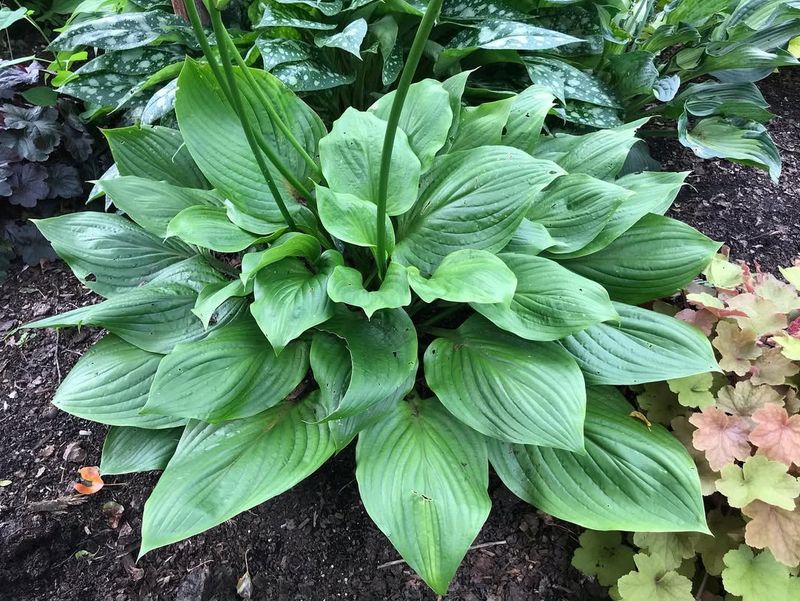
Hostas have become shade garden staples throughout Vermont, but their current popularity represents a rediscovery of plants that graced Victorian-era gardens across the state.
These foliage plants solve the persistent problem of what to grow under Vermont’s mature maples and oaks where grass struggles.
Their bold leaves create lush, tropical-looking effects in decidedly non-tropical Vermont gardens.
Varieties range from miniatures suitable for containers to giants with leaves larger than dinner plates.
Blue-green, chartreuse, gold, and variegated types offer tremendous variety for creating interesting shade combinations.
Vermont gardeners particularly appreciate hostas because they emerge late enough to avoid late-spring frosts that damage earlier perennials.
The plants thrive in Vermont’s naturally moist, humus-rich woodland soils, asking only for consistent moisture during dry spells.
Lavender or white flower spikes appear in mid to late summer, adding vertical interest above the foliage mounds.
While primarily grown for leaves, the flowers attract hummingbirds and bees, contributing to Vermont gardens’ ecological value.
Hostas do face challenges from slugs in wet Vermont springs, but proper plant spacing to improve air circulation helps reduce problems.
Deer browse hostas enthusiastically, making them less suitable for rural Vermont properties without protective fencing.
However, in protected village gardens and suburban settings, hostas provide reliable beauty from spring emergence through fall frost, when their leaves turn attractive golden yellow before winter dormancy.
9. Sweet Pea
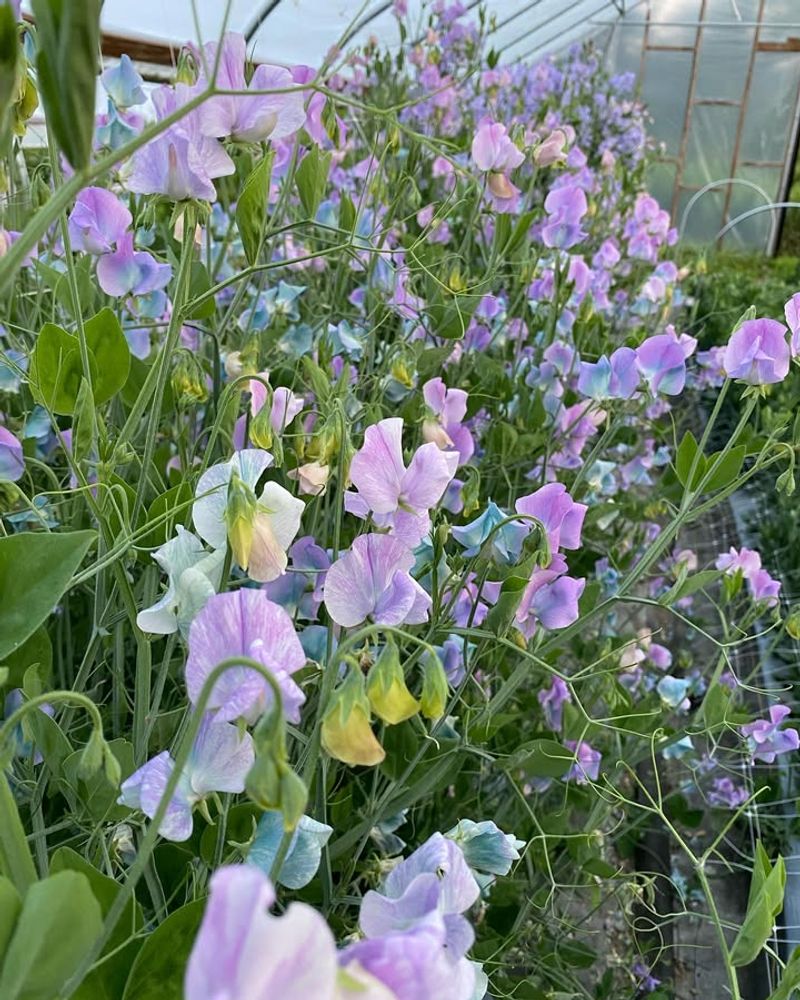
Sweet peas climbing Vermont garden trellises represent old-fashioned elegance that modern gardeners are enthusiastically reviving.
These fragrant annuals produce delicate, butterfly-like flowers in soft pastels throughout early summer.
Vermont’s cool spring temperatures suit them perfectly, allowing extended bloom periods that gardeners in hotter regions cannot achieve.
Historical Vermont gardens always included sweet peas for cutting, with armloads of fragrant stems brought indoors weekly.
The flowers last well in water and perfume entire rooms with their distinctive scent.
Modern varieties offer improved disease resistance and heat tolerance, but many Vermont gardeners seek out heirloom strains specifically for their superior fragrance.
Sweet peas prefer cool roots and cool air, making Vermont’s climate ideal for extended production.
Planting seeds in early April, as soon as soil can be worked, gives plants time to establish before summer heat.
They climb enthusiastically, requiring sturdy supports like bamboo teepees, wire fencing, or traditional pea brush cut from Vermont woodlands.
Regular harvesting encourages continuous blooming, so cutting flowers for bouquets actually improves garden performance.
The plants naturally slow production during hot July weather, but Vermont’s moderate summer temperatures often allow them to continue blooming into August.
Many Vermont gardeners remember their grandmothers growing sweet peas and feel genuine joy at continuing this fragrant, beautiful tradition in their own gardens.