10 Of The Best Scented Flowers For A Garden That Smells Like Heaven In South Carolina
South Carolina gardens can become magical places when you fill them with flowers that release wonderful fragrances into the warm Southern air.
Choosing the right scented blooms transforms your outdoor space into a sensory paradise that delights everyone who visits or walks by.
Fragrant flowers attract butterflies and hummingbirds while creating an inviting atmosphere perfect for relaxing on lazy summer evenings or spring mornings.
These ten heavenly scented flowers thrive beautifully in South Carolina’s climate and will make your garden smell absolutely amazing all season long.
1. Gardenias
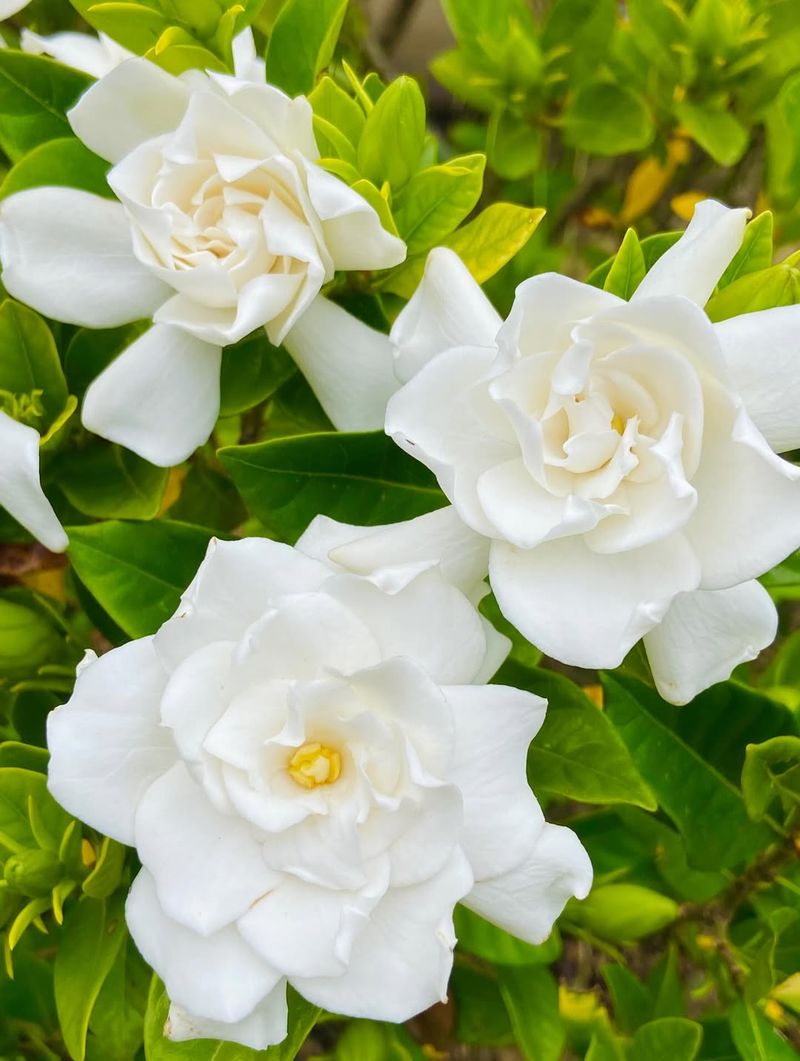
Gardenias produce creamy white blooms that fill South Carolina gardens with one of the most intoxicating fragrances you’ll ever experience outdoors.
Their glossy evergreen leaves stay beautiful year-round, making them attractive even when flowers aren’t blooming on the branches during cooler months.
These Southern classics prefer acidic soil and partial shade, thriving particularly well in the humid climate that South Carolina naturally provides perfectly.
Blooming from late spring through early summer, gardenias create an unforgettable perfume that drifts across yards and through open windows beautifully.
Many gardeners plant them near patios, walkways, or bedroom windows where their sweet scent can be enjoyed most often throughout the day.
Regular watering and occasional fertilizing with acid-loving plant food keeps gardenias healthy, vigorous, and producing those stunning fragrant flowers season after season.
Their elegant appearance combined with heavenly fragrance makes gardenias absolute must-haves for any South Carolina garden seeking that paradise-like sensory experience.
2. Confederate Jasmine
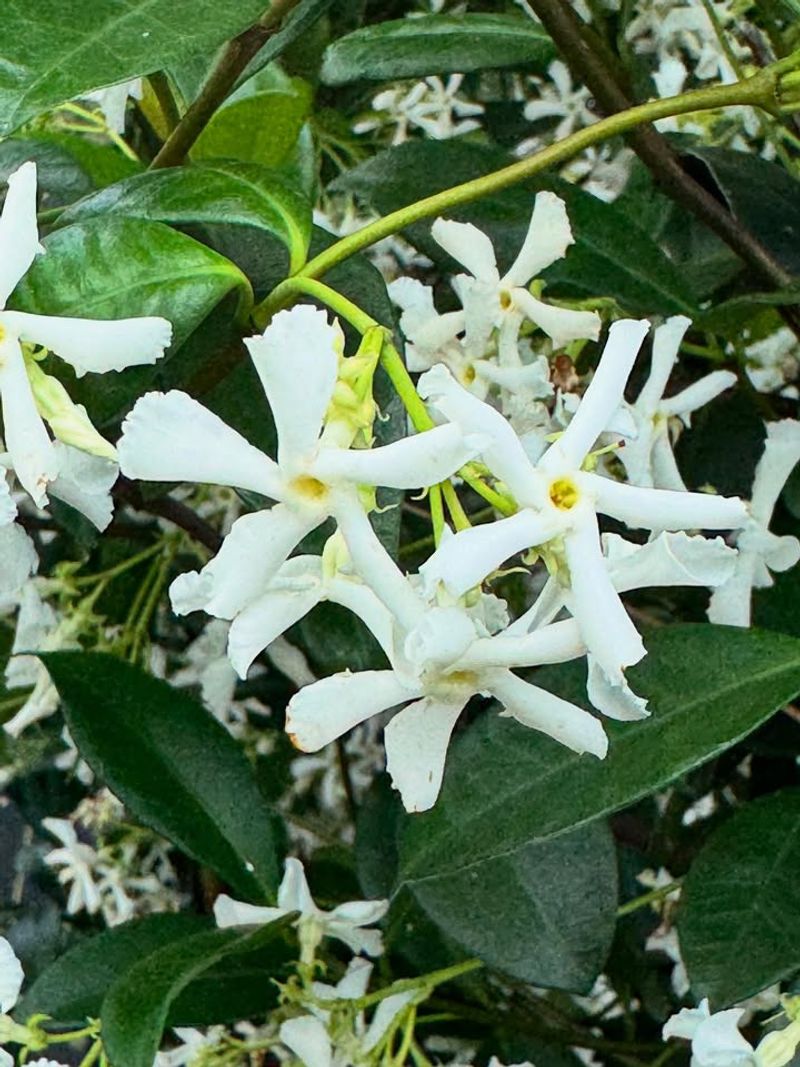
Confederate jasmine vines climb fences, arbors, and walls while releasing waves of sweet fragrance that reminds many people of vanilla or honey.
This evergreen climber isn’t actually true jasmine but produces small white star-shaped flowers that blanket the plant in spectacular fashion each spring.
South Carolina’s warm temperatures suit this vigorous grower perfectly, allowing it to cover large areas quickly and create living walls of greenery.
Once established, confederate jasmine requires minimal maintenance yet rewards gardeners with abundant blooms and that incredible scent that perfumes entire neighborhoods.
Planting it near outdoor seating areas or along property lines creates natural privacy screens that smell absolutely wonderful during peak blooming season.
The flowers appear in April and May, transforming ordinary spaces into fragrant retreats that feel like secret gardens straight from fairy tales.
Butterflies and bees adore these blossoms, adding movement and life to your garden while the sweet perfume creates an atmosphere of pure relaxation.
3. Tea Olive
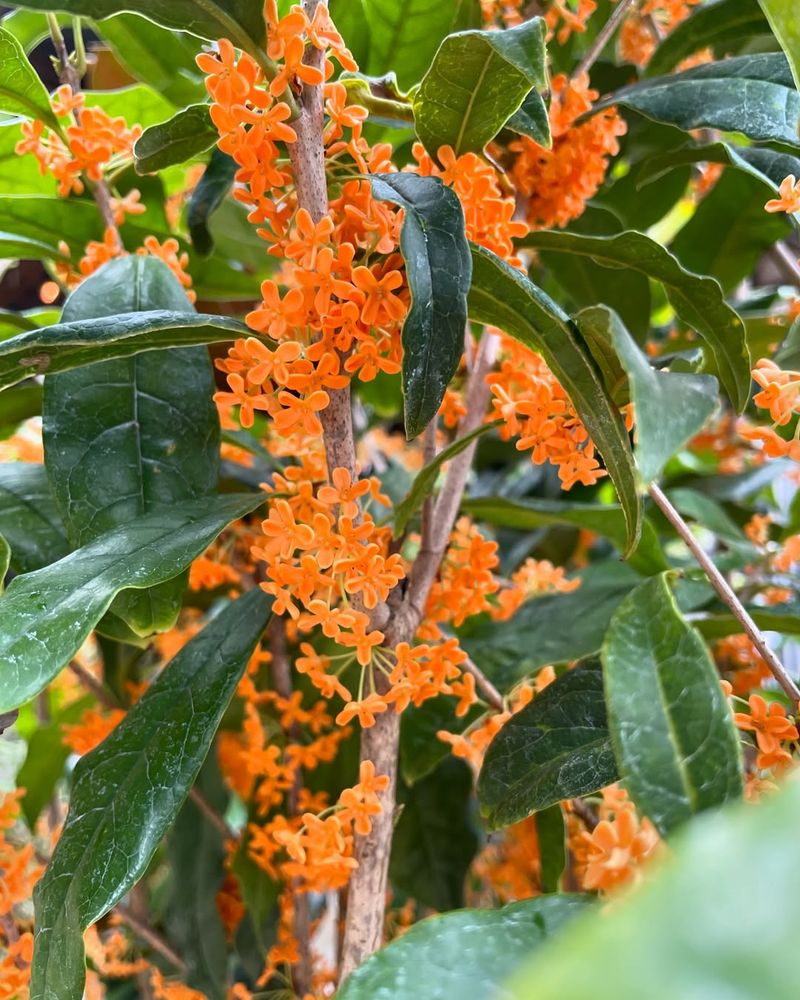
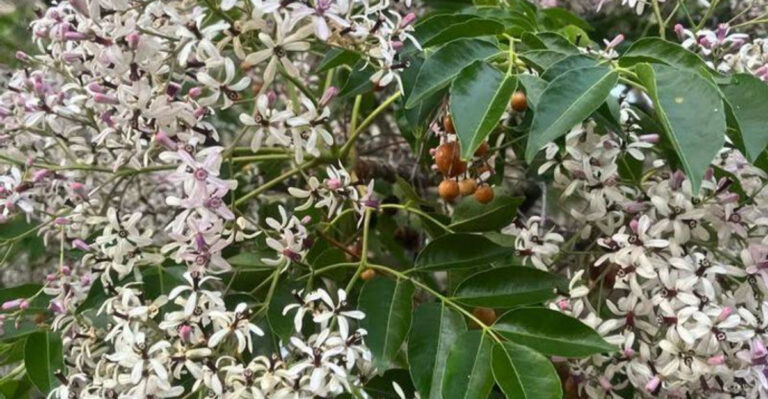
Tea olive shrubs surprise gardeners with tiny flowers that produce an incredibly powerful apricot-like fragrance that can perfume entire properties when blooming.
These unassuming cream-colored or orange blossoms hide among the leaves yet announce their presence with a scent so strong it’s almost unbelievable.
Blooming primarily in fall and sometimes again in spring, tea olives provide fragrance when many other plants have finished their flowering cycles.
South Carolina’s climate allows these evergreen shrubs to thrive as foundation plantings, hedges, or specimen plants that look attractive throughout every season.
Their tough nature means they tolerate various soil types and require little special care once roots establish firmly in the ground below.
Many longtime Southern gardeners consider tea olive essential for creating that classic fragrant garden atmosphere reminiscent of grandmother’s carefully tended yards.
Planting them near entrances ensures guests experience the delightful scent immediately upon arrival, creating memorable first impressions that last for years.
4. Roses
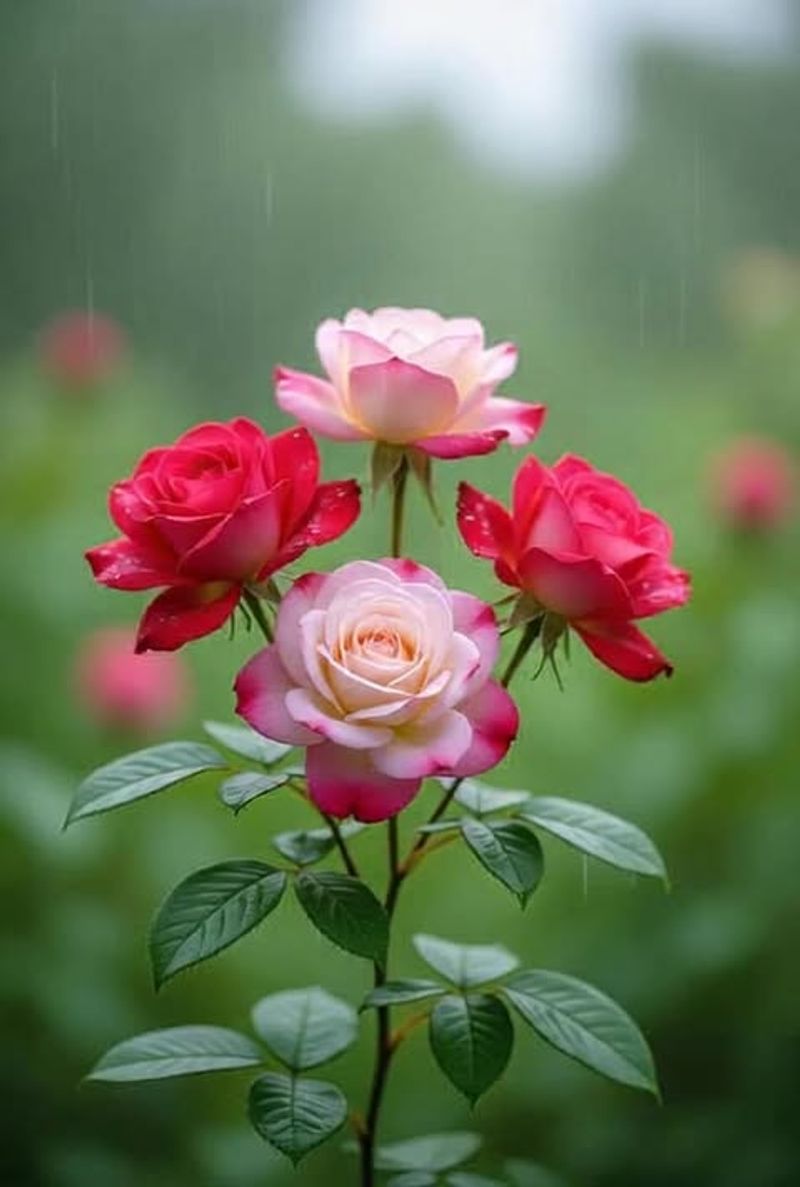
Certain rose varieties bred specifically for fragrance produce blooms with classic perfume that has captivated humans for thousands of years across cultures.
South Carolina gardeners should select disease-resistant types that handle humidity well, such as David Austin roses or old garden rose varieties proven reliable.
Fragrant roses come in countless colors from pure white to deep crimson, allowing you to match your garden’s color scheme perfectly.
Proper placement in sunny spots with good air circulation helps prevent fungal problems that sometimes plague roses in humid Southern climates unfortunately.
Regular deadheading encourages continuous blooming throughout the growing season, ensuring your garden stays filled with both beautiful flowers and wonderful fragrance constantly.
Many fragrant varieties bloom repeatedly from spring through fall, providing months of sensory pleasure that makes the maintenance efforts worthwhile for gardeners.
Combining different fragrant rose types creates layers of scent that change throughout the day as temperatures rise and fall naturally outdoors.
5. Southern Magnolia
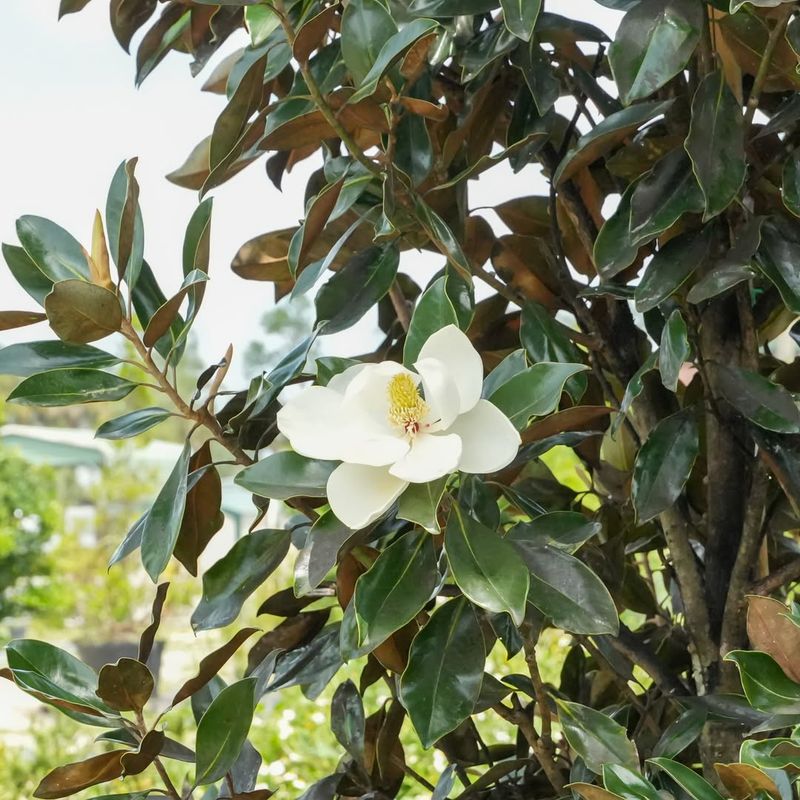
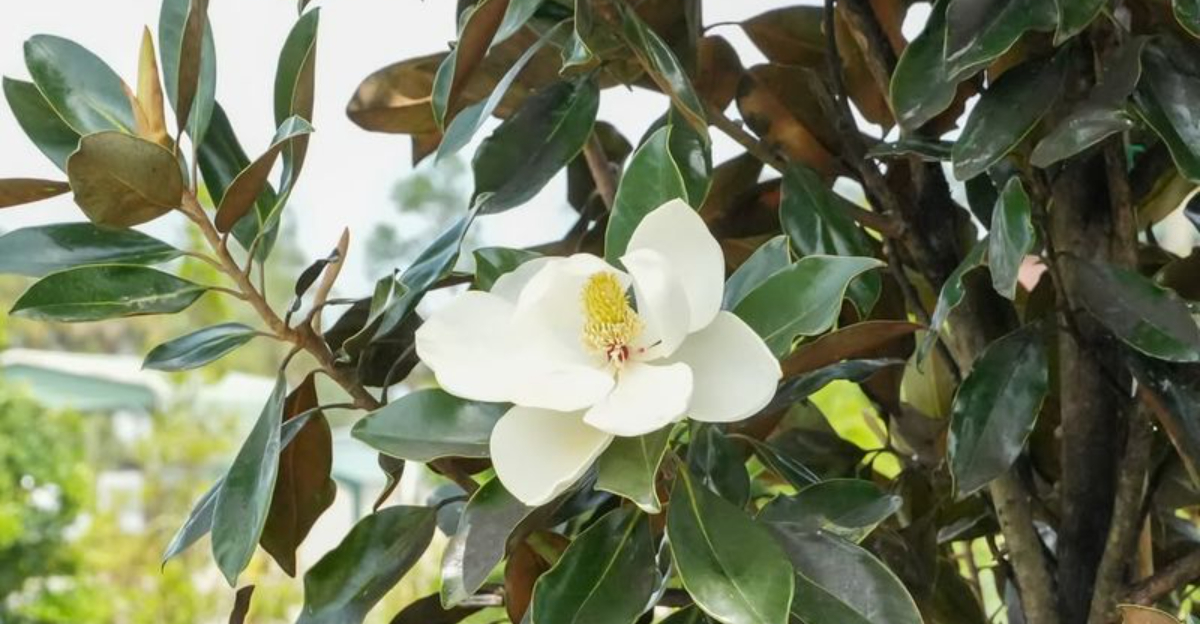
Southern magnolia trees produce enormous white flowers that release a sweet lemony fragrance powerful enough to perfume entire yards when blooming heavily.
These magnificent evergreen trees serve as South Carolina icons, their glossy leaves and stunning blooms representing classic Southern elegance and garden tradition.
Blooming from late spring into summer, magnolia flowers can measure up to twelve inches across, creating dramatic focal points wherever they appear.
The trees grow quite large over time, eventually providing valuable shade while their lower branches remain accessible for enjoying flowers up close.
Magnolia leaves have beautiful rusty-brown undersides that add year-round visual interest even when the spectacular flowers aren’t currently blooming on branches.
Though slow-growing initially, established magnolias become family heirlooms that grandchildren will enjoy decades after original planting by previous generations of gardeners.
Their fragrance combines sweet and citrus notes that create an uplifting atmosphere perfect for outdoor gatherings or quiet moments of personal reflection.
6. Honeysuckle

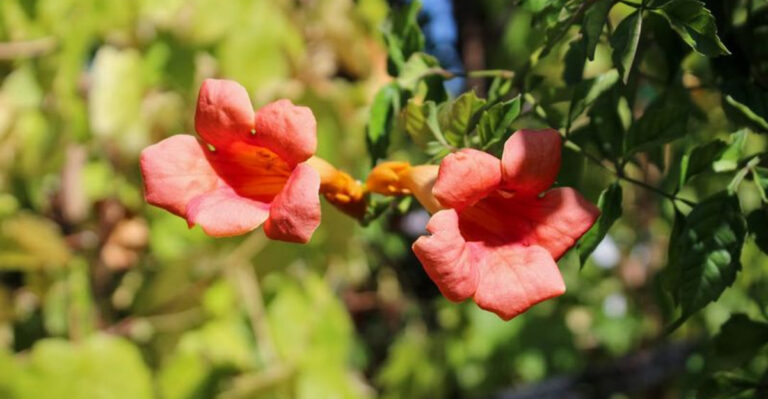
Honeysuckle vines produce tubular flowers that release sweet nectar-scented perfume especially strong during evening hours when moths come visiting for pollination.
Native coral honeysuckle varieties work best in South Carolina gardens, avoiding the aggressive spreading problems associated with invasive Japanese honeysuckle unfortunately.
Hummingbirds absolutely adore honeysuckle blooms, creating entertaining wildlife viewing opportunities while the plants provide that wonderful fragrance gardeners love so much.
These vigorous climbers quickly cover fences, mailboxes, or arbors, transforming plain structures into colorful fragrant features that enhance overall landscape appeal significantly.
Blooming from spring through fall in South Carolina’s long growing season, honeysuckle provides months of enjoyment rather than brief flowering periods.
The flowers come in shades of coral, yellow, or white depending on variety, allowing creative color combinations in mixed garden plantings.
Children love pulling individual flowers to taste the tiny drop of sweet nectar inside, creating wonderful memories associated with garden time together.
7. Nicotiana (Flowering Tobacco)
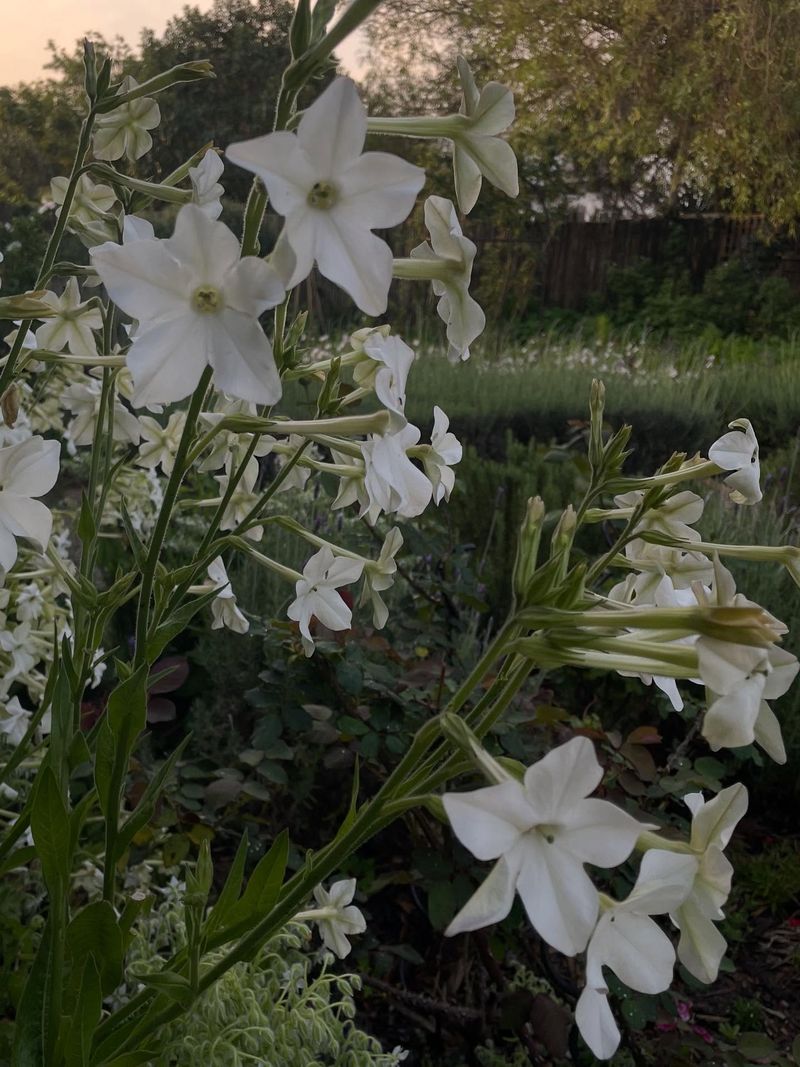
Nicotiana plants produce tubular flowers that release their strongest fragrance after sunset, perfuming evening gardens with sweet jasmine-like scent incredibly pleasant.
These old-fashioned annuals grow easily from seed and self-sow in South Carolina gardens, returning year after year without requiring replanting efforts constantly.
Available in white, pink, red, and lime green, nicotiana flowers add vertical interest to borders while attracting sphinx moths during twilight hours.
South Carolina’s warm nights allow gardeners to enjoy outdoor spaces after dark when nicotiana fragrance reaches peak intensity and creates magical atmospheres.
Plants tolerate partial shade better than many flowering annuals, making them useful for brightening and scenting areas under trees or beside structures.
Their tall stems sway gently in breezes, releasing wafts of perfume that drift across patios and through screened porches where families gather together.
Combining nicotiana with other night-fragrant flowers creates sensory gardens specifically designed for evening enjoyment when temperatures become more comfortable for outdoor relaxation.
8. Banana Shrub
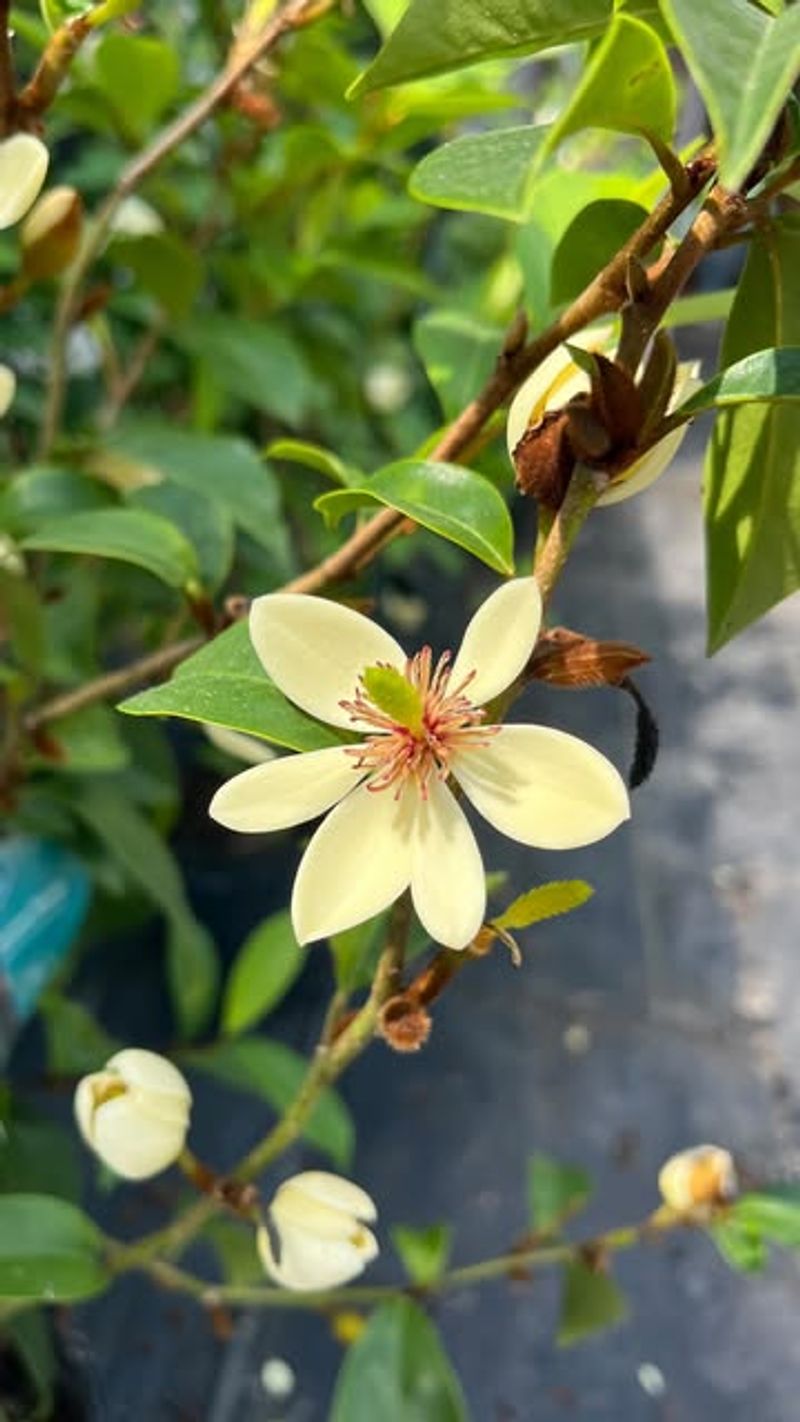
Banana shrub produces small cream-colored flowers edged in maroon that smell remarkably like ripe bananas mixed with magnolia fragrance during spring blooming.
This evergreen shrub grows slowly into a dense rounded form perfect for foundation plantings or creating fragrant hedges along property boundaries effectively.
South Carolina’s climate suits banana shrub perfectly, allowing it to thrive with minimal care once established in well-drained soil with proper conditions.
The unusual fruity fragrance delights children and adults alike, creating conversation pieces that guests always remember from visits to your garden space.
Blooming occurs in April and May when temperatures warm enough to encourage flower production and allow the distinctive scent to volatilize properly.
Deer typically avoid banana shrub, making it valuable in areas where wildlife browsing creates challenges for maintaining attractive landscape plantings successfully year-round.
Combining banana shrub with other spring bloomers creates fragrance layers that change as different plants reach peak flowering at slightly different times.
9. Sweet Autumn Clematis
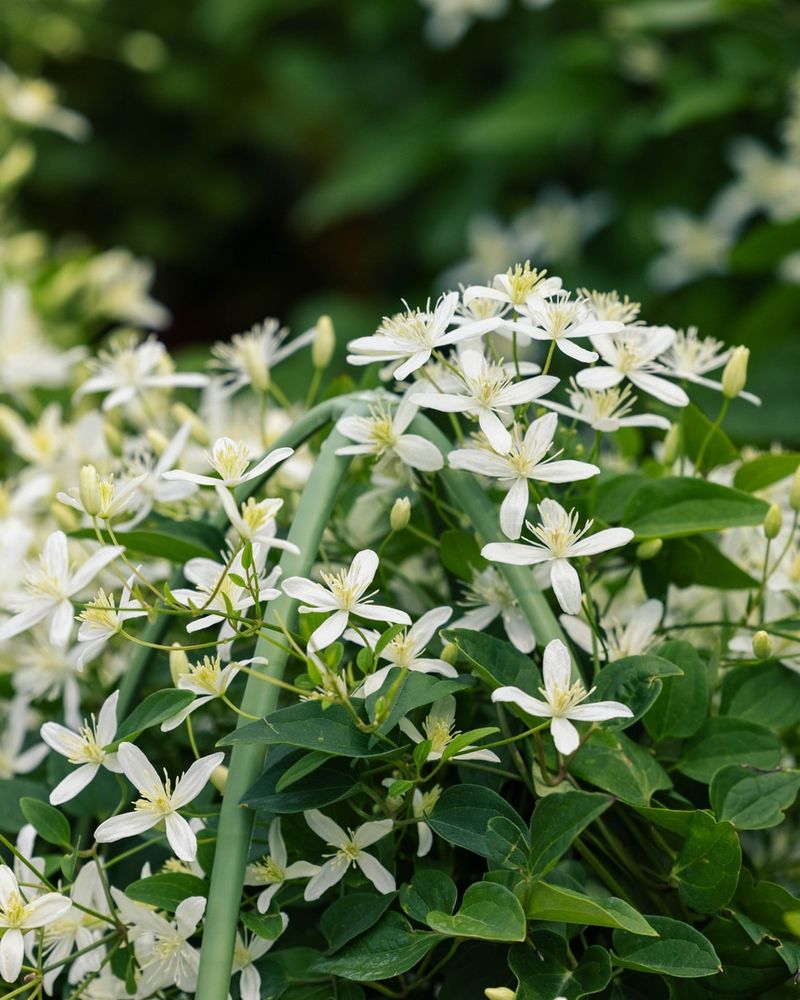
Sweet autumn clematis vines explode with masses of small white star-shaped flowers that blanket the plant and release vanilla-almond fragrance in fall.
This vigorous climber provides late-season interest when many other garden plants have finished blooming and begun preparing for winter dormancy ahead.
South Carolina’s extended growing season allows sweet autumn clematis to bloom prolifically from late summer through October, creating spectacular displays that surprise visitors.
The fragrance intensifies on warm autumn afternoons, filling gardens with sweet perfume that rivals any spring-blooming plant in intensity and pleasantness.
Butterflies and bees flock to these nectar-rich flowers, providing important late-season food sources before cold weather arrives and limits insect activity significantly.
After flowering, fluffy seed heads create additional ornamental interest that lasts well into winter months, adding texture to dormant garden landscapes beautifully.
This clematis grows aggressively, so plant it where vigorous growth won’t overwhelm nearby plants or require constant pruning to maintain boundaries.
10. Four O’Clocks

Four o’clock flowers open late afternoon as their name suggests, releasing sweet perfume that intensifies throughout evening hours in South Carolina gardens.
These old-fashioned annuals come in vibrant colors including pink, yellow, magenta, and white, sometimes with multiple colors striped on single blooms amazingly.
Tuberous roots survive mild South Carolina winters, allowing four o’clocks to return as perennials rather than requiring annual replanting in spring months.
Their evening blooming habit makes them perfect companions for nicotiana and other night-fragrant flowers in gardens designed for after-dark enjoyment and relaxation.
Children find four o’clocks fascinating because they can watch flowers actually opening as afternoon transitions into evening during warm summer months outside.
Plants self-sow readily in South Carolina, creating larger colonies each year that fill bare spots with colorful fragrant blooms throughout growing seasons.
The sweet fragrance attracts sphinx moths and other nighttime pollinators, creating opportunities to observe fascinating wildlife behaviors during pleasant evening garden visits.