8 Off-Season Layout Changes That Help North Carolina Gardens Thrive In Spring
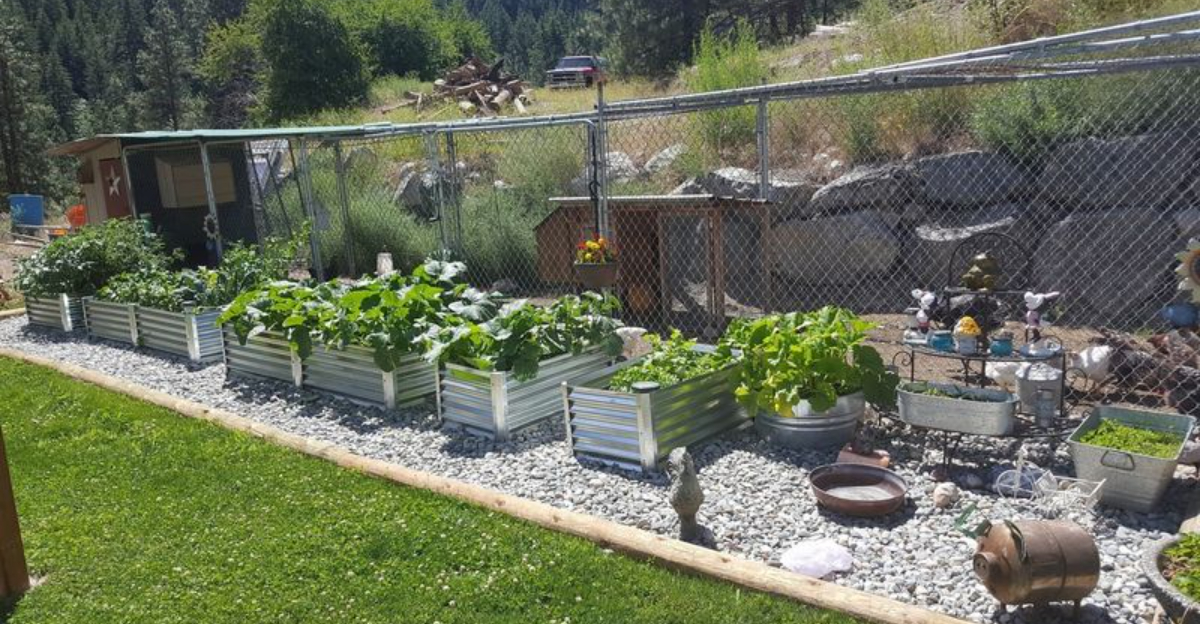
The off season is when North Carolina gardens quietly set the stage for how well they perform once spring growth kicks in.
Small layout changes made while beds look empty often solve drainage, spacing, and sun issues before they turn into warm weather problems.
Taking time to adjust paths, planting zones, and bed edges now helps gardens wake up stronger, healthier, and easier to manage later on.
1. Redesign Your Garden Beds for Better Drainage
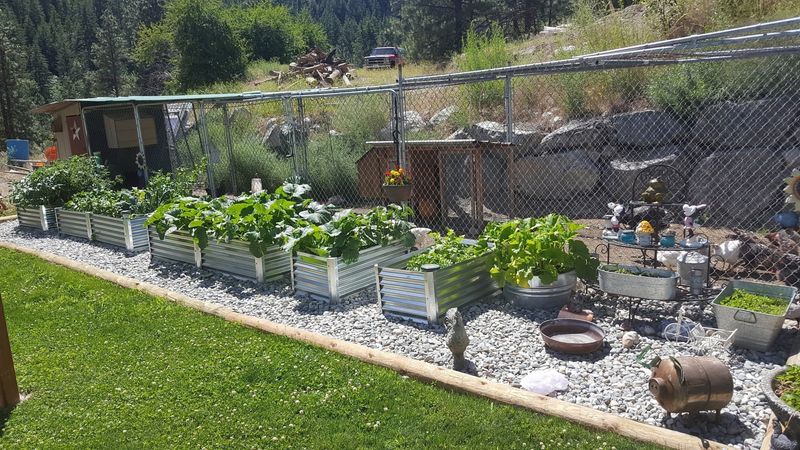
Poor drainage ruins more gardens in North Carolina than almost any other problem gardeners face each year during the rainy spring months ahead.
Redesigning your beds now allows water to flow away from plant roots instead of pooling around them and causing rot or fungal issues.
Raised beds work exceptionally well across the state because they lift soil above ground level and encourage excess moisture to drain naturally downward.
Adding a slight slope to flat beds helps direct water toward designated drainage areas rather than letting it sit in low spots.
Incorporating gravel or sand into heavy clay soil improves texture and allows roots to breathe better when spring rains arrive in force.
Amending soil structure during winter gives you time to test and adjust before planting season begins in earnest across North Carolina gardens.
Proper drainage prevents root diseases and keeps beneficial microorganisms thriving in healthy, well-aerated soil that supports vigorous spring growth throughout the season.
Planning these changes now means your plants will establish faster and stronger when you finally transplant seedlings into their permanent garden homes.
2. Relocate Plants to Match Sunlight Requirements
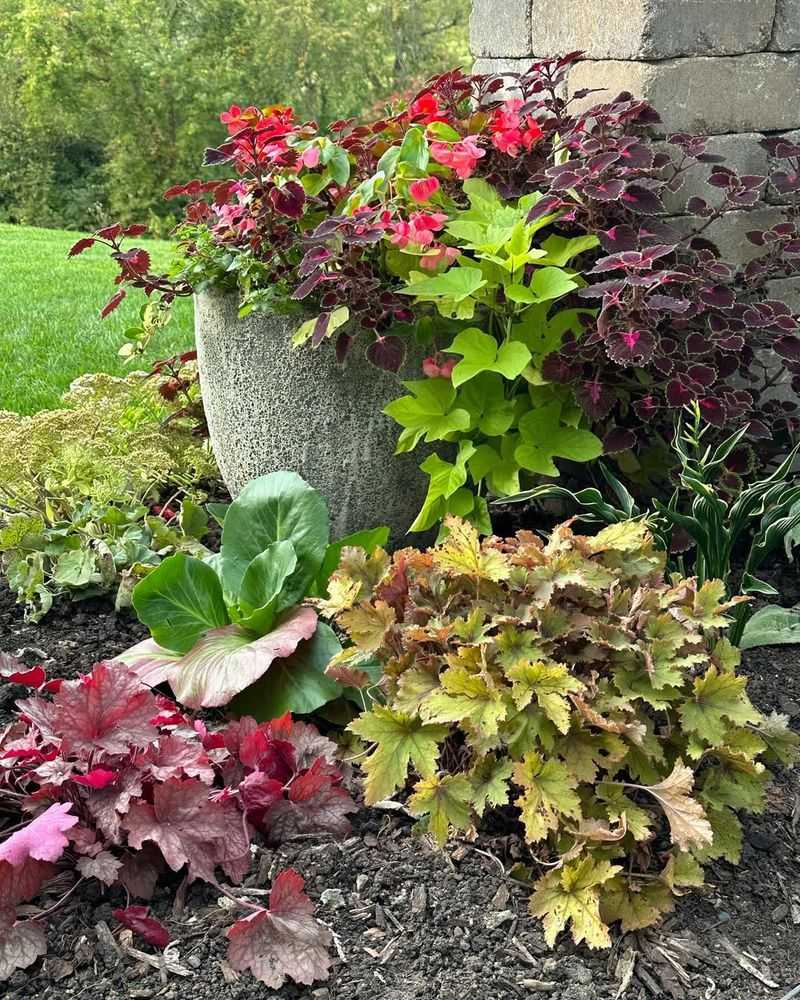
Observing how sunlight shifts through your North Carolina yard during winter reveals patterns you might miss during the busy growing season each year.
Many gardeners discover that their sun-loving tomatoes actually sit in afternoon shade while shade plants bake under intense midday Carolina sunshine.
Winter offers the perfect time to map out light patterns and plan relocations before roots establish deeply in the wrong locations.
Full-sun vegetables need at least six hours of direct light daily, while shade perennials prefer filtered light or morning sun only.
Moving perennials while they are dormant reduces transplant shock and gives them months to settle before they need to produce flowers.
Mark current plant locations with stakes and note which areas receive morning versus afternoon sun throughout the day in your yard.
This information helps you create microclimates where each plant gets exactly the light it needs to flourish come springtime across North Carolina.
Proper placement based on accurate sunlight assessment means healthier foliage, more abundant blooms, and better vegetable yields throughout the entire growing season.
3. Create Dedicated Composting Zones Near Garden Areas
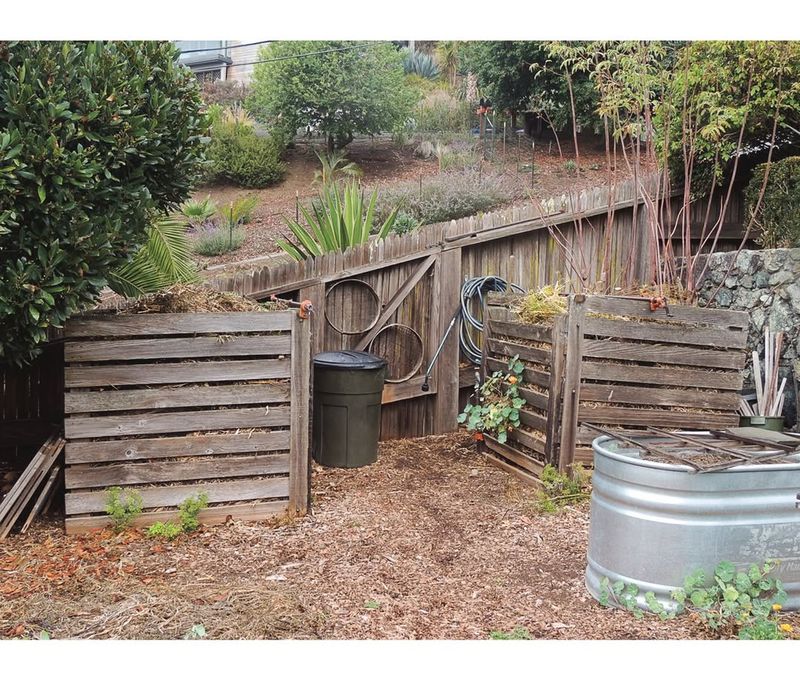
Establishing a composting area close to your garden beds saves countless trips across the yard and makes soil amendment much easier year-round.
North Carolina gardeners benefit from quick access to finished compost when spring planting begins and fresh materials need somewhere to decompose naturally.
Winter construction allows you to build sturdy bins or designate open pile areas without disturbing actively growing plants in surrounding garden spaces.
Positioning compost zones downwind from outdoor living areas prevents odors from reaching patios where families gather during pleasant spring and summer evenings.
Three-bin systems work beautifully because they allow one section to cook while another receives fresh materials and a third holds finished compost.
Adding a small paved area or gravel pad underneath prevents muddy messes and makes turning piles easier during wet Carolina weather patterns.
Convenient composting encourages regular use, which means richer soil amendments that feed beneficial organisms and improve garden structure throughout the growing season.
Planning this layout change now gives you months to accumulate organic matter before spring planting demands hit their peak across the state.
4. Install Permanent Pathways Between Growing Spaces
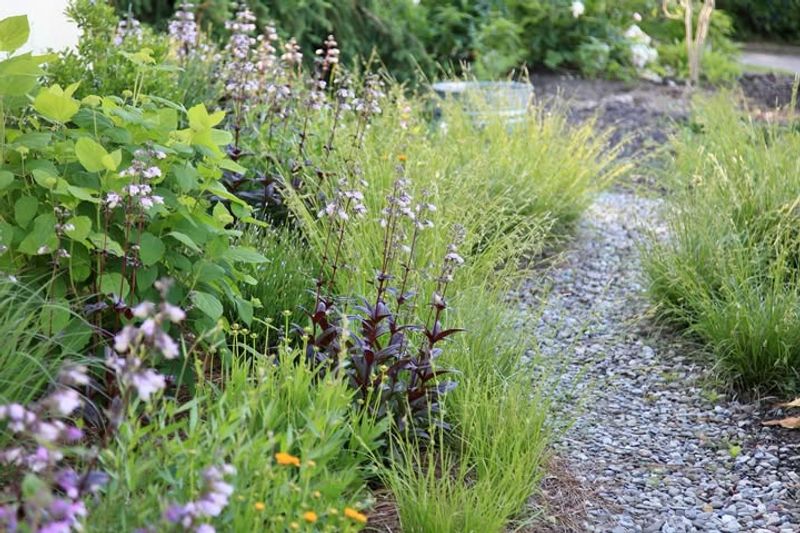
Walking directly on garden soil compacts it over time, squeezing out air pockets that roots and beneficial organisms desperately need for survival.
Permanent pathways made from mulch, gravel, or stepping stones protect soil structure while giving you easy access to every corner of your space.
Winter installation means pathways settle and stabilize before spring rains turn bare earth into slippery, muddy messes throughout North Carolina gardens statewide.
Wide paths accommodate wheelbarrows and garden carts, making it easier to transport compost, mulch, and harvested vegetables without damaging nearby plant stems.
Defining clear walking areas also helps visiting friends and family members know where to step without accidentally crushing delicate seedlings or flowers.
Mulched paths suppress weed growth between beds and add organic matter to the soil as they slowly decompose over months and years.
Gravel or stone pathways offer a more permanent solution that requires less frequent maintenance but still provides excellent drainage during heavy rainstorms.
Establishing these routes now creates a professional-looking garden layout that functions beautifully and reduces maintenance headaches throughout the entire upcoming growing season.
5. Expand Growing Space by Removing Lawn Areas
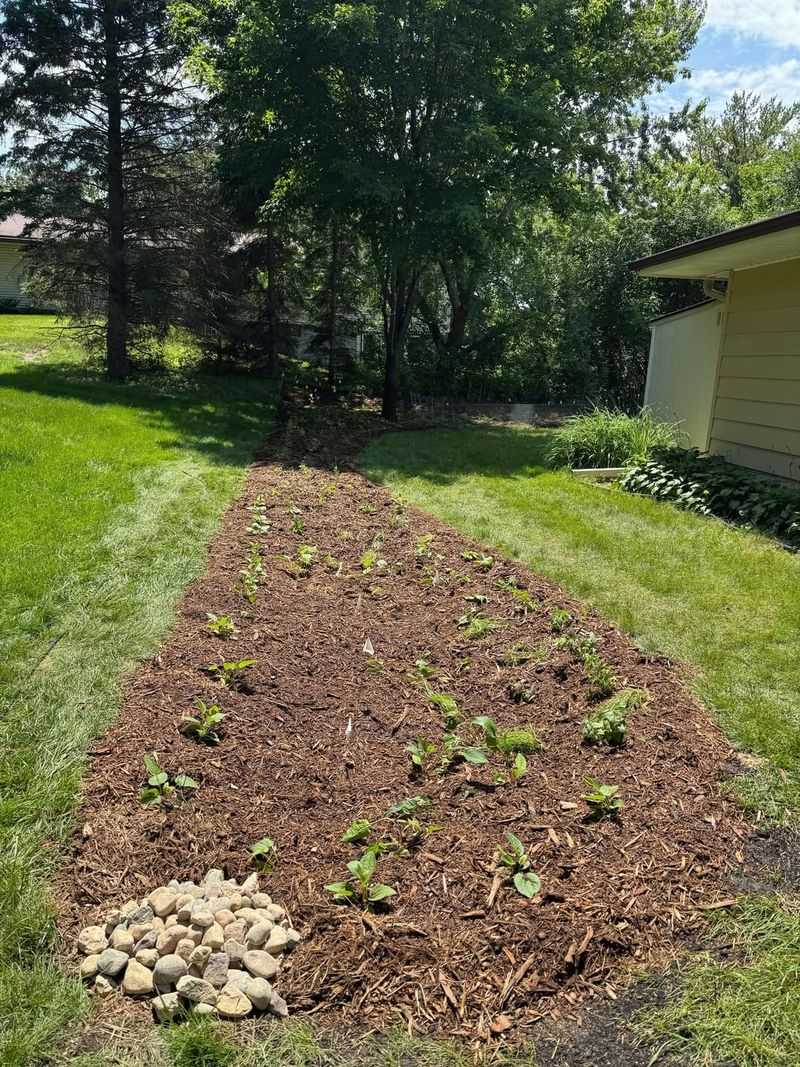
Grass lawns require constant mowing, watering, and fertilizing but produce nothing edible or particularly beneficial for local wildlife and pollinators in return.
Converting underused lawn sections into productive garden beds increases your growing space and reduces maintenance chores throughout the year in North Carolina.
Winter offers ideal conditions for smothering grass with cardboard and mulch layers that decompose into rich planting areas by springtime across the state.
This sheet-mulching technique eliminates grass without back-breaking digging and adds organic matter that improves soil quality as materials break down naturally over time.
Removing turf near existing beds creates contiguous growing areas that are easier to water, mulch, and tend than scattered plots separated by grass.
Larger garden spaces allow crop rotation, which prevents soil depletion and reduces pest problems that plague gardens where the same plants grow repeatedly.
Native wildflower meadows or pollinator gardens make excellent lawn replacements that support beneficial insects while requiring far less maintenance than traditional turf grass.
Planning these expansions during the off-season gives you months to prepare soil before spring planting deadlines arrive in North Carolina gardens statewide.
6. Build Vertical Growing Structures for Climbing Plants
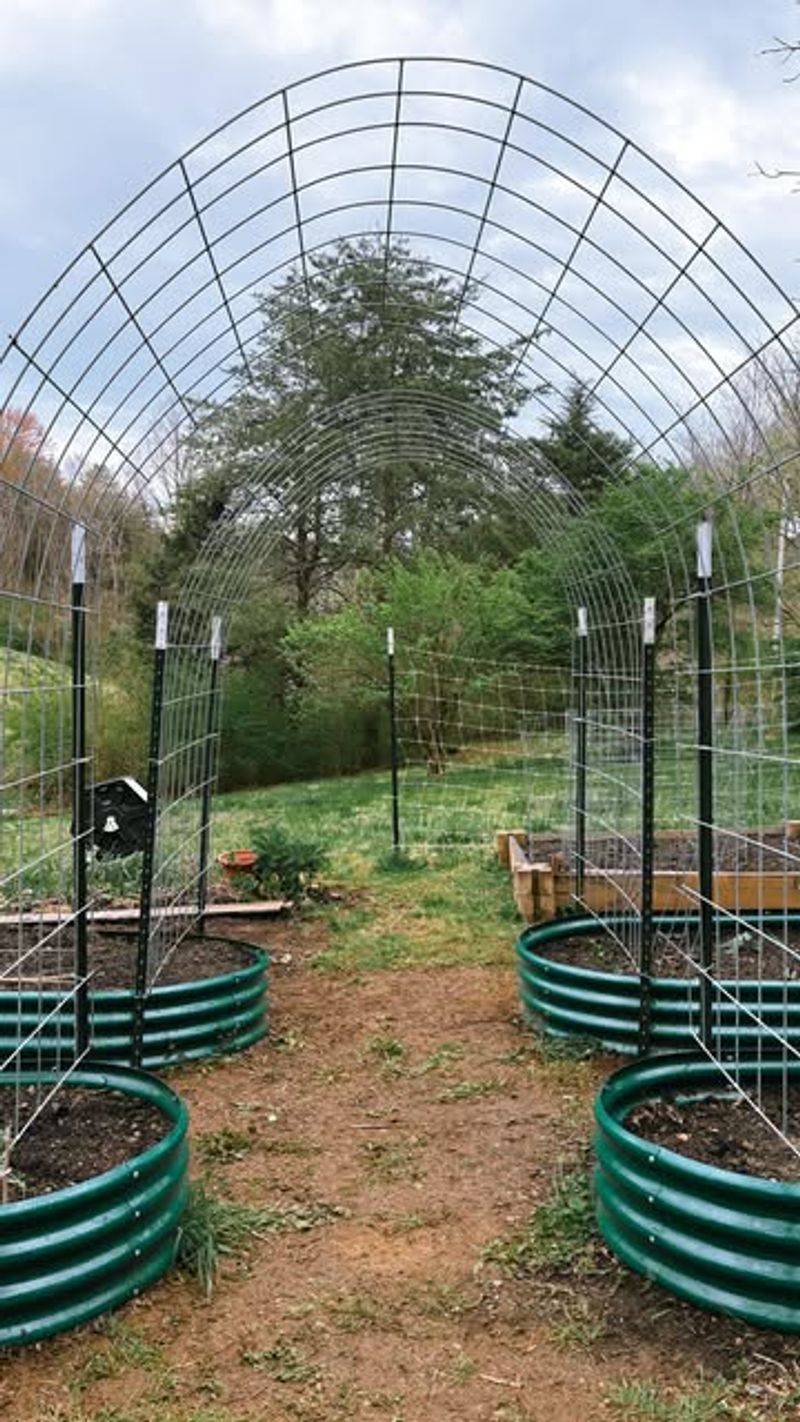
Vertical gardening maximizes space by training plants upward instead of letting them sprawl across valuable ground that could hold additional crops or flowers.
Installing trellises, arbors, and support structures during winter gives them time to settle and stabilize before heavy vines load them down each spring.
Climbing vegetables like beans, peas, and cucumbers produce more heavily when their leaves receive better air circulation and sunlight exposure from above.
North Carolina gardeners also benefit from easier harvesting since dangling vegetables hang at eye level rather than hiding under dense foliage on the ground.
Vertical structures add visual interest and height variation to flat garden spaces, creating more dynamic and attractive landscapes throughout the growing season ahead.
Building these supports now allows you to treat wood with weather-resistant finishes and let everything cure properly before plants start climbing in earnest.
Sturdy construction prevents mid-season collapses that damage plants and waste all the effort invested in growing healthy vines loaded with ripening produce.
Strategic placement near garden edges or along fences maximizes growing area without casting excessive shade over sun-loving plants growing in adjacent beds below.
7. Reorganize Tool Storage for Efficient Garden Access
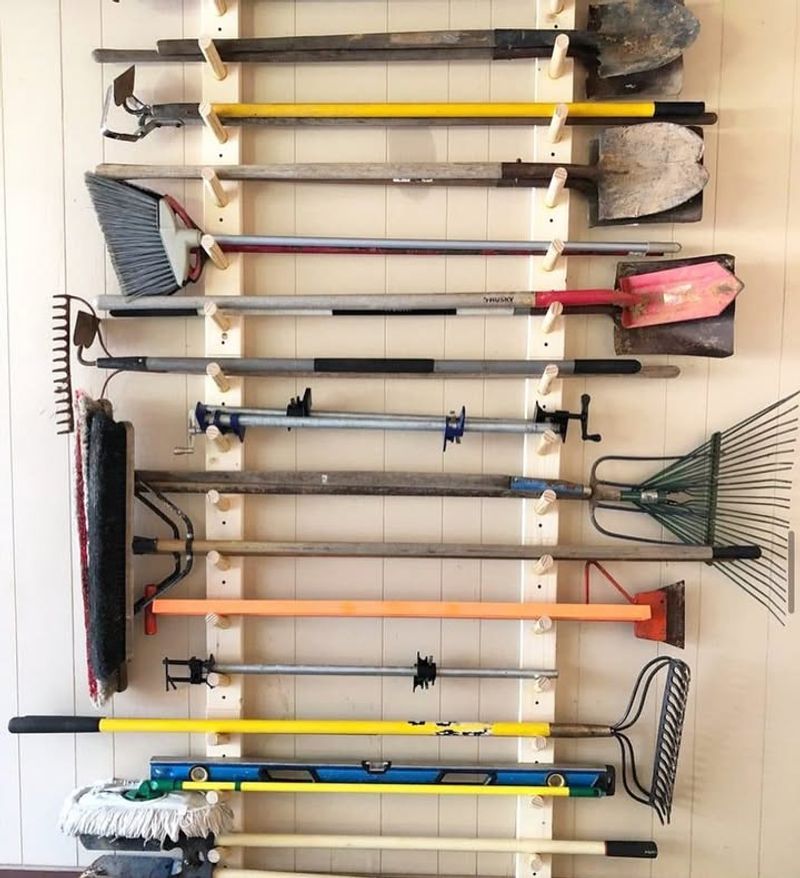
Hunting for misplaced tools wastes precious gardening time and causes frustration when you are eager to work outside during perfect spring weather conditions.
Creating organized storage during winter means everything has a designated spot where you can find it instantly when planting season arrives in earnest.
Wall-mounted racks keep shovels, rakes, and hoes off the floor where they trip people and develop rust from sitting in damp conditions.
Clear storage bins protect seeds, fertilizers, and pest controls from moisture while letting you see contents without opening every container in your shed.
Positioning frequently used tools near the door saves steps and makes quick garden tasks even easier throughout the busy growing months across North Carolina.
Winter cleaning also reveals broken tools that need repair or replacement before you desperately need them during critical planting or harvesting windows ahead.
Labeling shelves and hooks might seem excessive, but it helps family members return borrowed tools to proper locations instead of leaving them scattered.
Efficient organization transforms chaotic sheds into functional workspaces that support productive gardening rather than hindering it with clutter and confusion throughout the entire season.
8. Establish Separate Zones for Different Plant Types
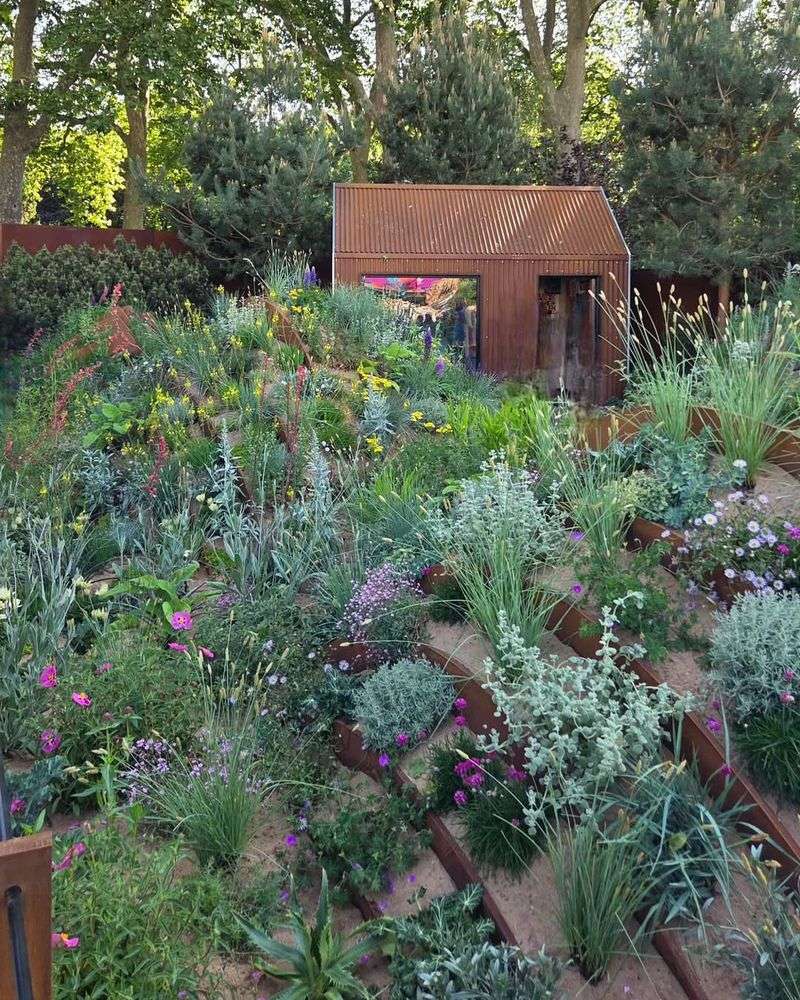
Grouping plants with similar water, nutrient, and care requirements makes garden maintenance far more efficient throughout the entire growing season in North Carolina.
Vegetable beds need frequent watering and fertilizing, while native perennials thrive with minimal intervention once established in appropriate locations across the state.
Creating distinct zones during winter allows you to prepare each area according to specific plant needs before spring planting begins in earnest.
Herb gardens benefit from placement near kitchen doors where cooks can quickly snip fresh basil or rosemary without trekking across muddy yards.
Separating annual flowers from perennial borders reduces accidental disturbance when you replant seasonal displays each spring and fall throughout the year ahead.
North Carolina gardeners often designate experimental zones where they test new varieties without risking proven favorites in established beds nearby in the landscape.
Zoning also helps with crop rotation planning since you can shift entire vegetable families to new areas rather than moving individual plants piecemeal.
Thoughtful organization during the off-season creates a logical layout that simplifies decision-making and reduces mistakes when spring planting deadlines loom large and time pressure mounts.