Ohio April Tips For Boxwood Care
Boxwoods have a way of anchoring a landscape, whether they are shaped into neat borders or left to grow with a softer look.
By April in Ohio, these shrubs are starting to wake up after winter, and that early spring window matters more than it might seem at first glance.
Some plants come through winter looking perfectly fine, while others show subtle signs of stress that are easy to overlook. A little discoloration here, a few thinning spots there, and it is tempting to ignore it and hope for the best.
April is the time when small actions can help boxwoods recover, fill out, and stay healthy through the rest of the growing season.
Paying attention now can prevent larger issues later, especially as temperatures rise and new growth begins to take off.
1. Check For Winter Burn Before You Start Cutting
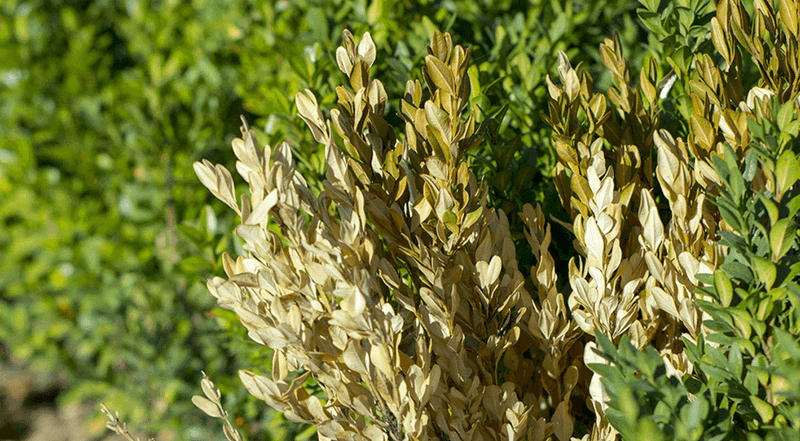
Walking up to your boxwoods after an Ohio winter can be a bit of a mixed bag. Some years the shrubs look perfectly green, and other years you will notice patches of orange, tan, or brown foliage clinging to the outer branches.
That discoloration is called winter burn, and it happens when cold winds and bright winter sun pull moisture out of the leaves faster than the roots can replace it.
Before you grab your pruners and start cutting, take a slow walk around each shrub and really look at what you are dealing with. Scratch a small section of a discolored stem with your fingernail.
If you see green underneath, the stem is still alive and the plant is on its way to recovering on its own. Brown all the way through means that section will need to come off.
In Ohio, late winter weather swings can be brutal, especially in central and northern parts of the state where wind exposure is higher. Give your plants a little extra time in early April before making any final decisions about what to remove.
New growth often pushes through damaged-looking areas once soil temperatures rise. Patience here can save you from cutting off branches that would have bounced back beautifully.
Doing a proper assessment first means you will not accidentally over-prune healthy wood, which keeps your shrubs fuller and more attractive going into the growing season.
2. Prune Boxwood In Spring After New Growth Emerges

Timing your pruning correctly can make a real difference in how your boxwoods look and perform for the rest of the year. In Ohio, the sweet spot for pruning is right after that first flush of new growth appears in spring, usually mid to late April depending on where you live in the state.
Waiting for new growth tells you the plant is actively moving energy upward, which means cuts will heal faster and cleaner.
Sharp, clean tools are non-negotiable here. Dull blades tear rather than cut, leaving ragged wounds that are slower to close and more likely to invite disease.
Wipe your pruner blades with rubbing alcohol between plants to avoid spreading any pathogens from shrub to shrub. Focus your cuts on thinning out the interior of the plant rather than just shearing the outside surface.
Removing about ten percent of the outer branches lets light and air reach the center of the shrub, which is where a lot of problems start when things get too dense. Avoid cutting back into old, thick wood unless absolutely necessary, because boxwoods are slow to regenerate from heavy cuts.
Gardeners in Ohio who take a lighter, more targeted approach each spring tend to end up with shrubs that stay fuller and more vigorous over time. Think of spring pruning as a tune-up rather than a major overhaul, and your boxwoods will reward you with lush, healthy growth through summer.
3. Scout For Boxwood Leafminer Blistering On Older Leaves
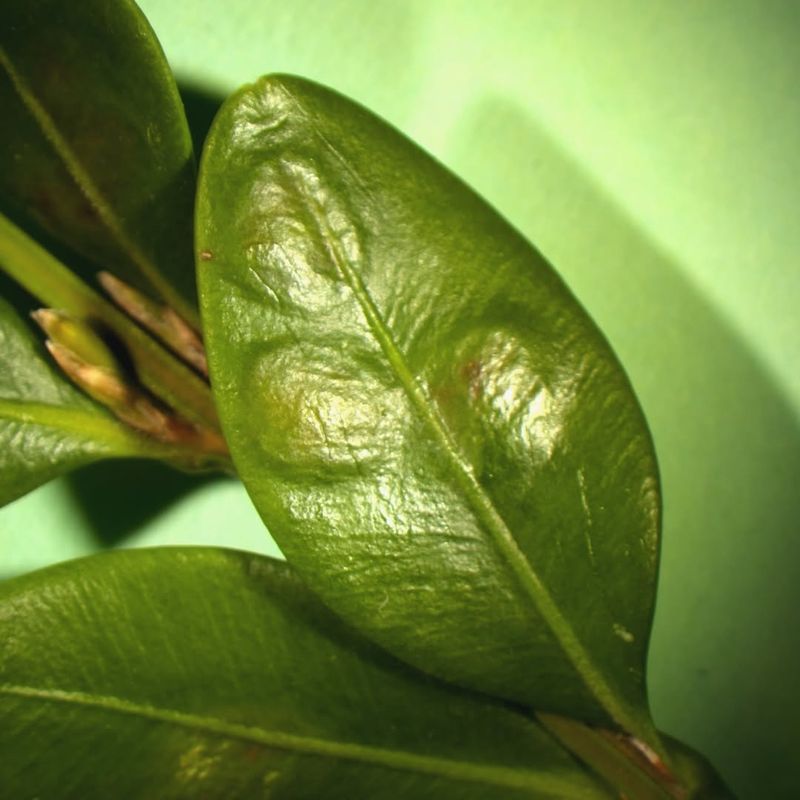
Boxwood leafminer is one of the most common and frustrating pests you will run into as an Ohio gardener. The adult flies are tiny orange insects that emerge in spring and lay their eggs inside boxwood leaves.
Once the larvae hatch, they feed inside the leaf tissue, creating puffy, blistered patches on the older foliage that are hard to miss once you know what to look for.
April is actually the ideal time to scout for leafminer damage because the larvae are still active inside the leaves before adult flies emerge. Hold a leaf up to the light and you may even see the tiny worm-shaped larvae moving around inside the blister.
Heavily infested leaves will look puckered, yellowed, or just generally unhealthy compared to the fresh green growth coming in around them.
Catching leafminer activity early gives you more options. Removing and bagging heavily infested stems before adults fly and lay new eggs can meaningfully reduce the next generation of damage.
In Ohio, adult leafminer flies typically emerge around the same time forsythia blooms fade, so use that as your timing cue. Systemic insecticides applied as a soil drench in early spring can also be effective, but always follow label directions carefully.
Keeping your shrubs well-pruned and properly spaced helps too, since leafminers tend to be worse on dense, shaded plants where air circulation is poor. Staying on top of scouting now saves a lot of headaches later in the season.
4. Remove Damaged Or Cankered Stems To Help Plants Recover
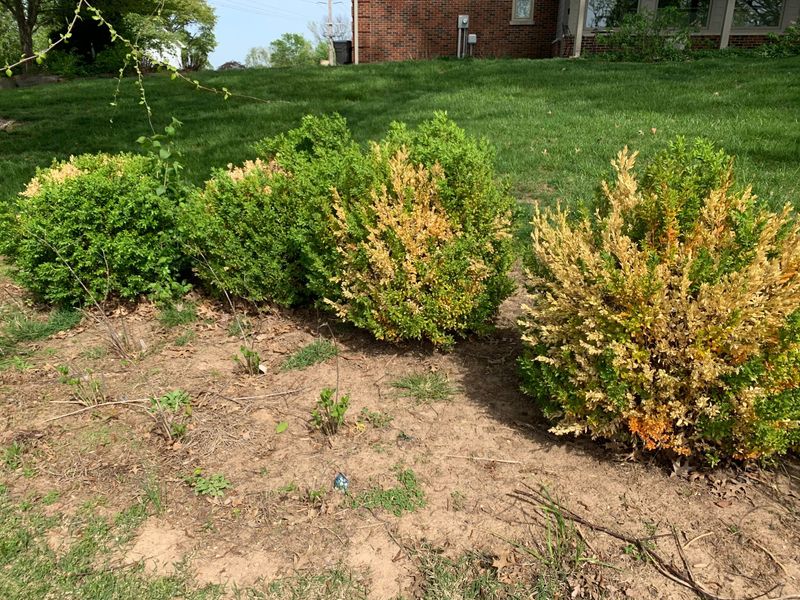
Spotting a cankered or declining stem on your boxwood is not a reason to panic, but it is absolutely a reason to act. Cankers often show up as areas where the bark looks sunken, discolored, or cracked, and the wood underneath may appear dark or dry instead of the creamy white you expect from healthy tissue.
These areas can spread if left alone, especially once warm, wet spring weather arrives in Ohio.
Grab your sharpest pair of bypass pruners and make your cuts a few inches below any visibly affected tissue, cutting back until you see clean, healthy wood. After each cut, wipe your blades with a disinfecting solution to avoid moving fungal spores from one stem to the next.
Place the removed material directly into a bag rather than leaving it on the ground near the plant.
Do not skip this step thinking the plant will sort itself out. Damaged or infected stems drain energy and can become entry points for additional issues.
Ohio’s spring weather, with its mix of rain, humidity, and temperature swings, creates ideal conditions for fungal problems to spread. Once you have removed the affected stems, give the plant some breathing room by making sure nearby plants or structures are not crowding it.
Good airflow is one of the most underrated tools for keeping boxwoods healthy. A little careful cleanup now can make a noticeable difference in how well your shrub rebounds through the season.
5. Keep Mulch Light And Pulled Back From The Base

Mulch is one of those things that seems simple but is surprisingly easy to get wrong. A two to three inch layer of organic mulch spread around your boxwoods does a lot of good work, including holding in soil moisture, keeping weeds down, and buffering soil temperature during Ohio’s unpredictable April weather.
However, piling mulch up against the base of the stems creates a warm, moist environment that encourages rot and invites pests.
Always pull your mulch back at least two to three inches from the main stem of the plant. You want to see a clear gap between where the mulch ends and where the bark begins.
This simple habit protects the crown of the plant, which is one of its most vulnerable spots. Voles and other small rodents also love to tunnel through thick mulch, and they can chew on boxwood stems at ground level when given the cover to do so.
Shredded bark, wood chips, or pine needles all work well around boxwoods in Ohio. Avoid using dyed mulches or anything that breaks down very slowly, since you want material that will gradually improve your soil as it decomposes.
Refresh your mulch layer in April rather than piling new material on top of old, compacted layers. Raking out old mulch first gives you a chance to check the soil surface for signs of disease, pests, or drainage problems before you add fresh material.
Getting your mulch right early in the season sets a healthy foundation for the months ahead.
6. Watch Closely For Box Tree Moth Feeding This Spring
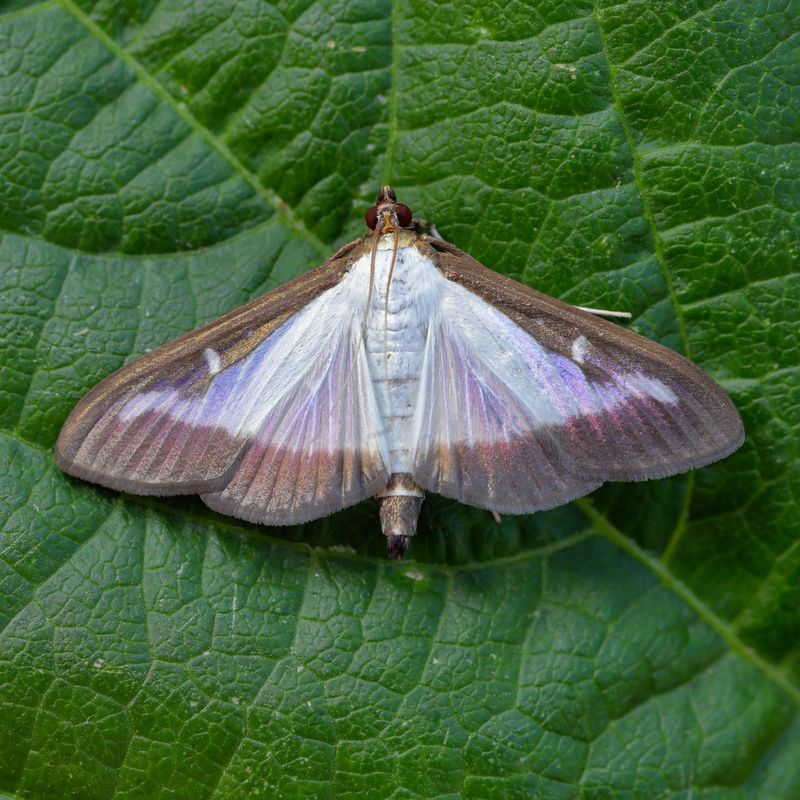
Box tree moth is a pest that Ohio gardeners should be aware of, especially as it continues to spread into parts of the Midwest and nearby regions. Originally from Asia, this invasive moth has been spreading across the eastern United States and parts of the Midwest, and its caterpillars can strip a boxwood shrub of its foliage surprisingly fast.
The Ohio Department of Agriculture has been tracking its spread, and it has been confirmed in parts of the Midwest, with ongoing monitoring in Ohio.
The caterpillars are greenish-yellow with black and white markings, and they feed on boxwood leaves while spinning a fine, silky webbing around the stems. April is when overwintered caterpillars become active again and start feeding as temperatures warm up.
Check the interior of your shrubs carefully, pulling apart dense sections of foliage to look for webbing, frass, or the caterpillars themselves hiding inside.
Early detection is everything with box tree moth. Small infestations caught quickly can sometimes be managed by hand-picking caterpillars and removing webbed areas, though this takes patience and a sharp eye.
Bacillus thuringiensis, commonly called Bt, is a naturally occurring soil bacterium that is effective against young caterpillars and is safe for pollinators and other beneficial insects. If you suspect box tree moth activity on your Ohio property, reporting it to the Ohio Department of Agriculture helps officials track the pest’s movement.
Staying informed about this particular threat and checking your shrubs regularly throughout spring gives you the best chance of protecting your boxwoods before serious feeding damage takes hold.
7. Skip Deep Shearing And Focus On Selective Cleanup First
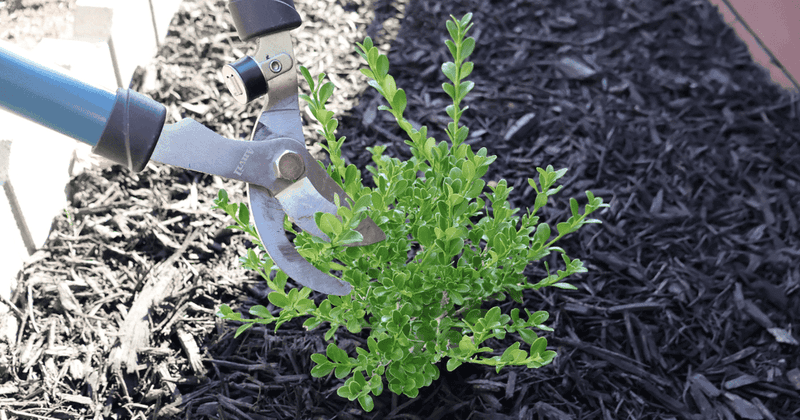
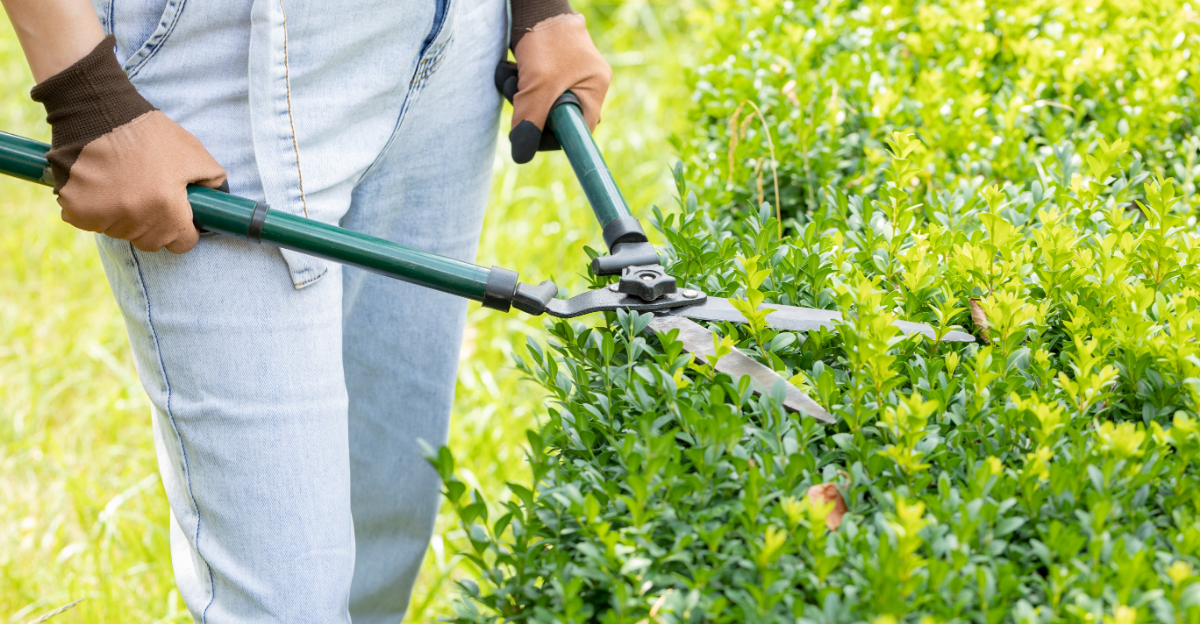
Reaching for the electric hedge shears first thing in spring feels satisfying, but it is usually not the best move for your boxwoods. Heavy shearing all at once creates a dense outer shell of growth that blocks sunlight and airflow from reaching the interior of the plant.
Over time, this creates a bare, unproductive area inside the shrub where new growth struggles to form, weakening the plant from the inside out.
A much smarter approach for Ohio boxwoods in April is selective cleanup. Go through each shrub with a pair of hand pruners and remove specific problem stems, crossing branches, and anything that looks weak, damaged, or out of place.
This kind of targeted work improves the structure of the plant without triggering the wave of dense regrowth that shearing causes.
Think of it like editing a rough draft. You are looking for what does not belong and taking it out carefully, rather than running a lawnmower over the whole thing.
Once you have done your selective cleanup and new growth has had a few weeks to fill in, you can do light shaping if your shrubs are part of a formal hedge design. But even then, a light touch goes a long way.
Ohio gardeners who resist the urge to over-shear in spring consistently end up with boxwoods that look better, stay healthier, and require less corrective work as the season goes on. Patience and precision beat speed every time when it comes to spring boxwood care.