Ohio Fruit Tree Care Mistakes To Avoid In April
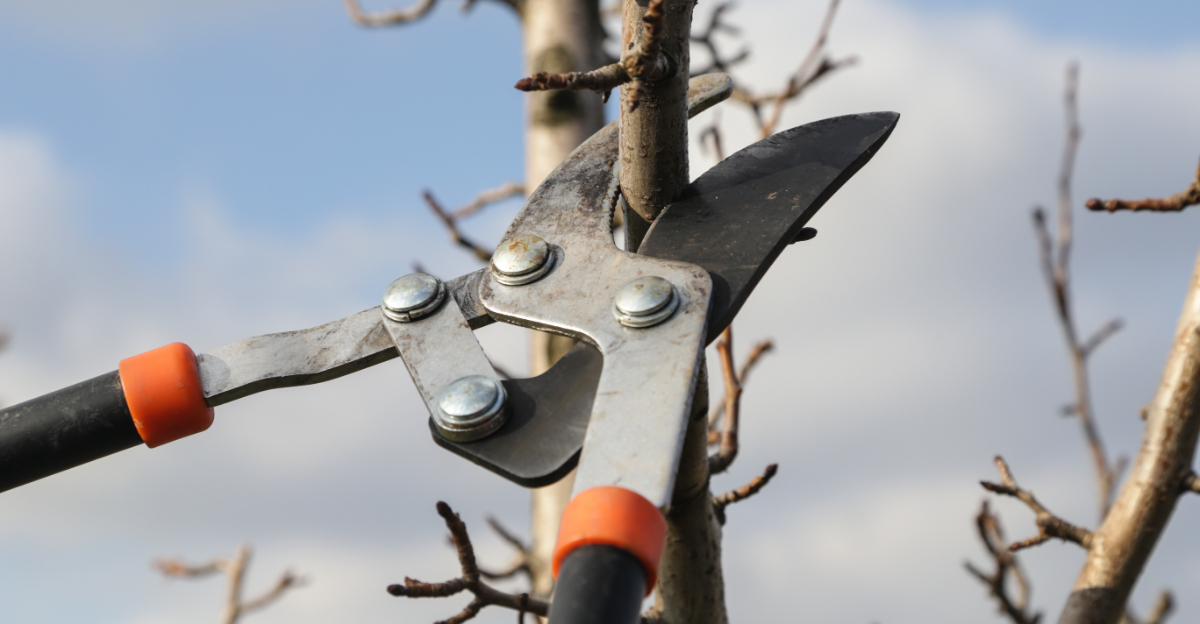
There is something about April in Ohio that makes you want to do everything at once. The trees are waking up, buds are forming, and after a long winter, it finally feels like the season has started.
That burst of energy can be a good thing, but it can also lead to a few missteps that are easy to overlook.
Fruit trees, in particular, are at a sensitive stage right now. What you do in these early weeks can shape how they grow, bloom, and produce later on.
A quick pruning cut in the wrong place or a well-meaning fertilizer application at the wrong time can quietly set things back.
A lot of these mistakes do not look like mistakes at first, which is exactly why they catch so many gardeners off guard each spring.
1. Pruning Spring-Blooming Fruit Trees Too Late
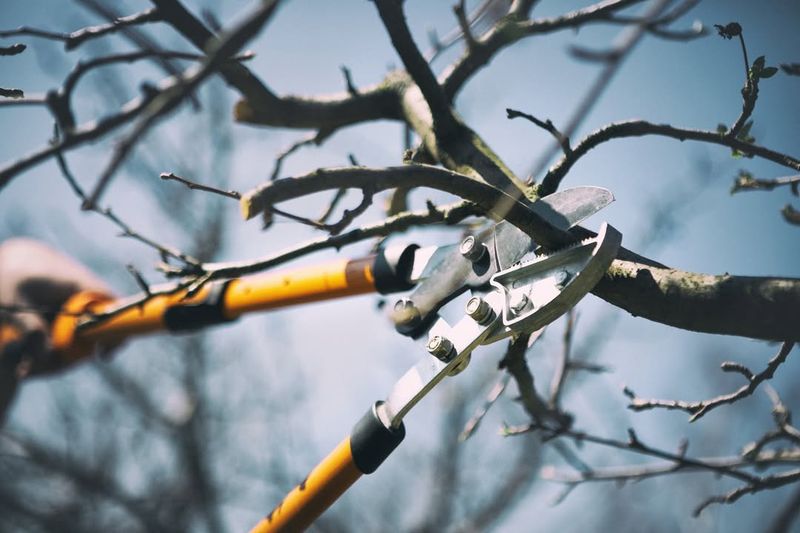
Timing is everything when it comes to pruning fruit trees in Ohio, and April is often the worst time to grab your pruning shears for spring-blooming varieties. Once blossoms have already opened on trees like peaches, cherries, and plums, cutting back branches removes the very buds that were set to become fruit.
You end up working against yourself without even realizing it.
Fruit tree experts consistently recommend pruning these trees in late winter, ideally between late February and mid-March in Ohio, before the buds begin to swell. Pruning during that window allows the tree to heal cleanly before the growing season kicks into high gear.
When you wait until April, you also increase the chance of exposing fresh cuts to fungal diseases that thrive in Ohio’s wet spring air.
If you missed the ideal pruning window this year, hold off and make a note to prune earlier next season. A few small, damaged, or crossing branches can be removed carefully without doing much harm.
However, major structural pruning should wait until next late winter. Protecting those blossoms now means protecting your harvest later.
Ohio orchardists with years of experience will tell you that patience with the pruning schedule pays off in a big way come summer and fall.
2. Overpruning Young Fruit Trees
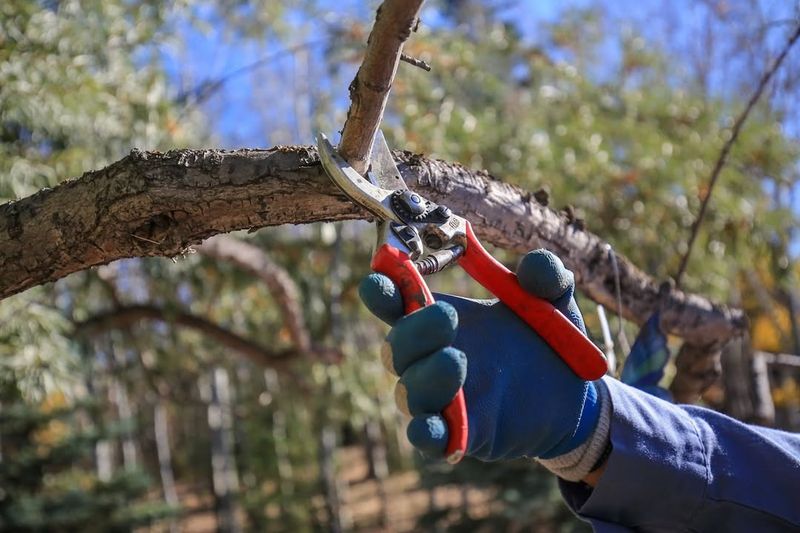
Young fruit trees are full of energy and potential, but they are also more fragile than mature trees when it comes to heavy pruning. Removing too much of a young tree’s growth in April can seriously slow down its development, leaving it struggling to build the strong branch structure it needs for years of fruit production.
Many Ohio gardeners make the mistake of treating young trees the same way they would a fully grown one.
A good rule of thumb is to remove no more than 25 percent of a young tree’s canopy in a single pruning session. For trees that are only one to three years old, even lighter pruning is better.
The goal during these early years is to establish a solid framework of main scaffold branches, not to shape the tree aggressively. Cutting too much forces the tree to spend its energy recovering rather than growing roots and producing fruit.
In Ohio, where spring weather can shift quickly from warm to frosty, overpruned young trees are also more vulnerable to cold snaps. Less foliage means less ability to photosynthesize and recover from stress.
Focus on removing only crossing branches, damaged wood, or anything rubbing against the main trunk. Give your young Ohio fruit trees the gentle start they deserve, and they will reward you with years of strong, healthy growth.
3. Applying Fertilizer Too Early
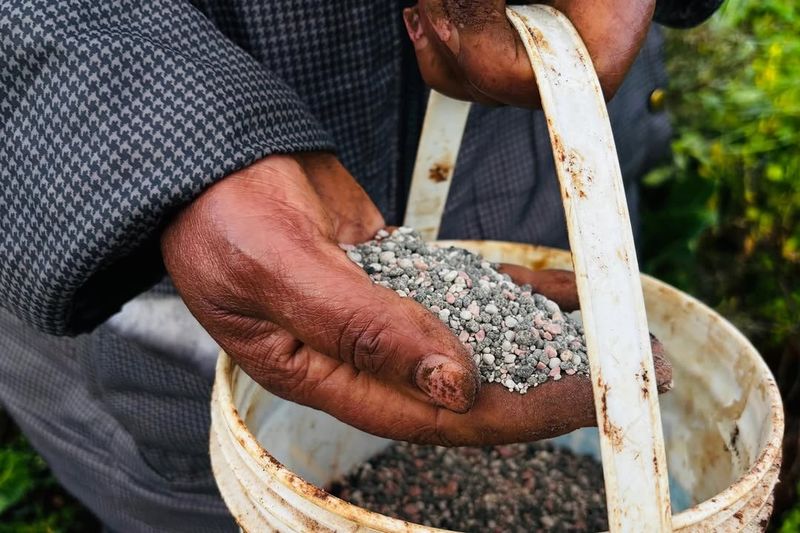
Reaching for the fertilizer bag the moment April arrives feels productive, but applying it too early in Ohio can actually cause more harm than good. Fruit trees need fertilizer when the soil is warm enough to support nutrient uptake, and in many parts of Ohio, early April soil temperatures are still too cool for roots to absorb nitrogen efficiently.
Fertilizer applied to cold, wet soil often leaches away before the tree can use any of it.
Worse, pushing a burst of nitrogen into a tree before it is ready can trigger a rush of soft, leafy new growth that is extremely vulnerable to late frost damage. Ohio is well known for surprise frosts in April, especially in the northern and central parts of the state.
That tender new growth encouraged by early fertilizing can get burned back overnight, stressing the tree right when it needs all its energy for blooming and fruit set.
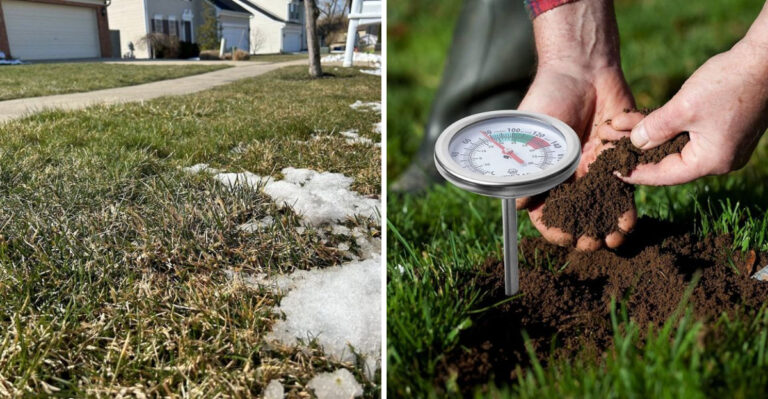
A smarter approach is to wait until you see consistent bud break and the soil has warmed to at least 55 degrees Fahrenheit. A simple soil thermometer takes the guesswork out of the decision.
For most Ohio locations, mid-to-late April or even early May is the right time to fertilize. Using a balanced, slow-release fertilizer at that point gives trees a steady, manageable nutrient boost without the risks that come with jumping the gun.
4. Spraying Pesticides During Bloom
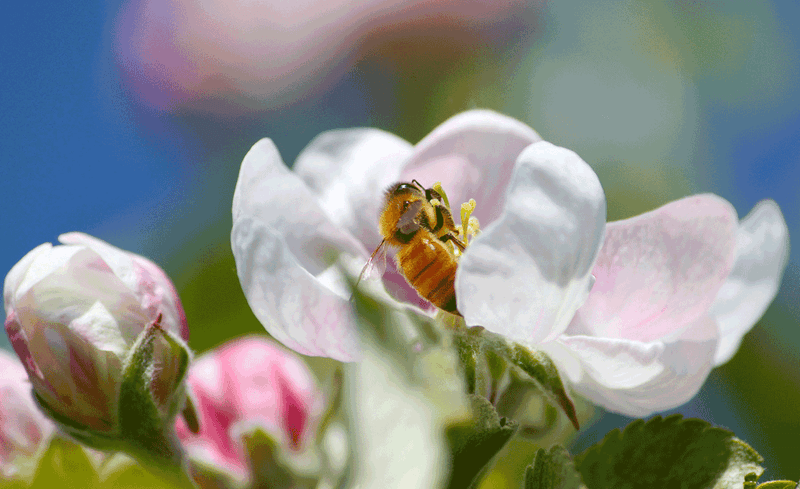
Spraying pesticides on fruit trees while they are in full bloom is one of the most damaging mistakes an Ohio grower can make, and it happens more often than you might think. The problem is not just about the trees themselves.
Bees and other pollinators are actively visiting those open flowers, and pesticide exposure during bloom can seriously reduce pollinator populations in your garden or orchard. Without pollinators, fruit simply does not set.
Ohio fruit trees like apples, pears, and cherries depend heavily on bees to transfer pollen from flower to flower. Even pesticides labeled as relatively safe can be harmful to bees when applied directly to open blossoms.
Many Ohio State University Extension resources specifically warn growers to avoid all insecticide applications during the bloom period. If you spray now, you risk losing both your pollinators and your fruit crop in one move.
If pest pressure is high and you feel you must spray, choose early morning or late evening when bees are least active, and opt for the least toxic option available. Fungicide applications for diseases like fire blight or brown rot may be necessary during bloom, but even those should be timed carefully.
The best strategy is to scout your trees regularly before bloom begins and address pest issues during the pink bud stage, before those flowers fully open across your Ohio property.
5. Neglecting Mulch Around The Base
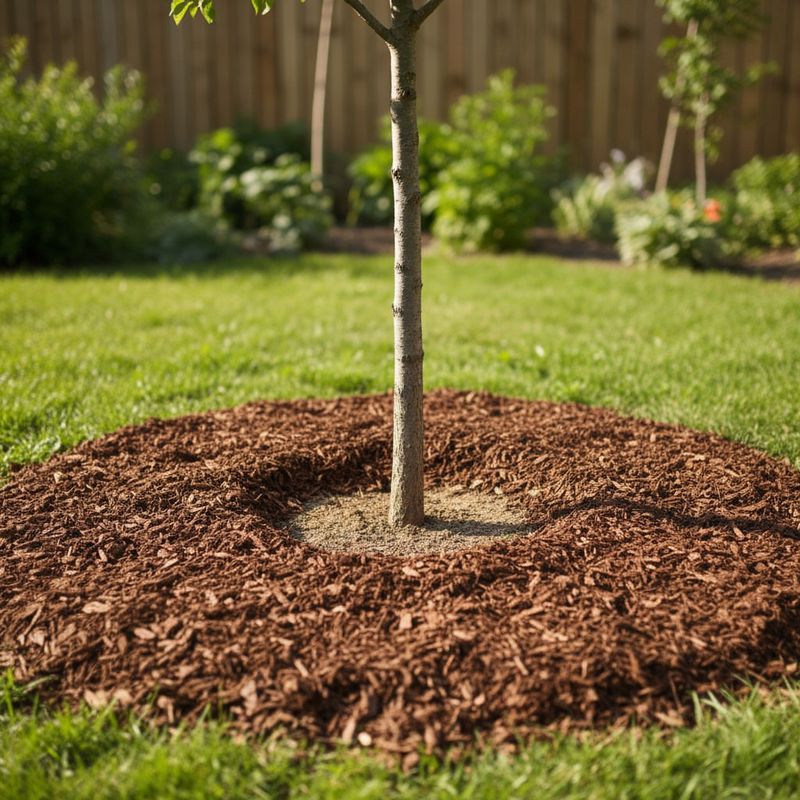
A good layer of organic mulch around the base of your trees does a surprising amount of work. It holds moisture in the soil during dry spells, moderates soil temperature during Ohio’s unpredictable spring swings, and slowly breaks down to feed the soil with organic matter over time.
Without mulch, the soil around your fruit trees is exposed to rapid moisture loss every time the sun comes out. Ohio springs can alternate between rainy weeks and surprisingly dry stretches, and bare soil dries out fast.
Roots that are stressed from inconsistent moisture have a harder time supporting strong bloom and fruit development. Mulch acts like a buffer, smoothing out those fluctuations so your trees stay more comfortable.
Apply a two-to-four inch layer of wood chips, straw, or shredded bark in a ring extending about two to three feet out from the trunk. One important detail: keep the mulch a few inches away from the actual trunk to prevent rot and discourage pests from nesting right at the base.
Piling mulch directly against the bark, sometimes called a mulch volcano, is a common mistake seen all over Ohio yards. Done correctly, mulching in April sets your fruit trees up for a healthier, more productive growing season from the very start.
6. Watering Too Frequently In Cool Soil
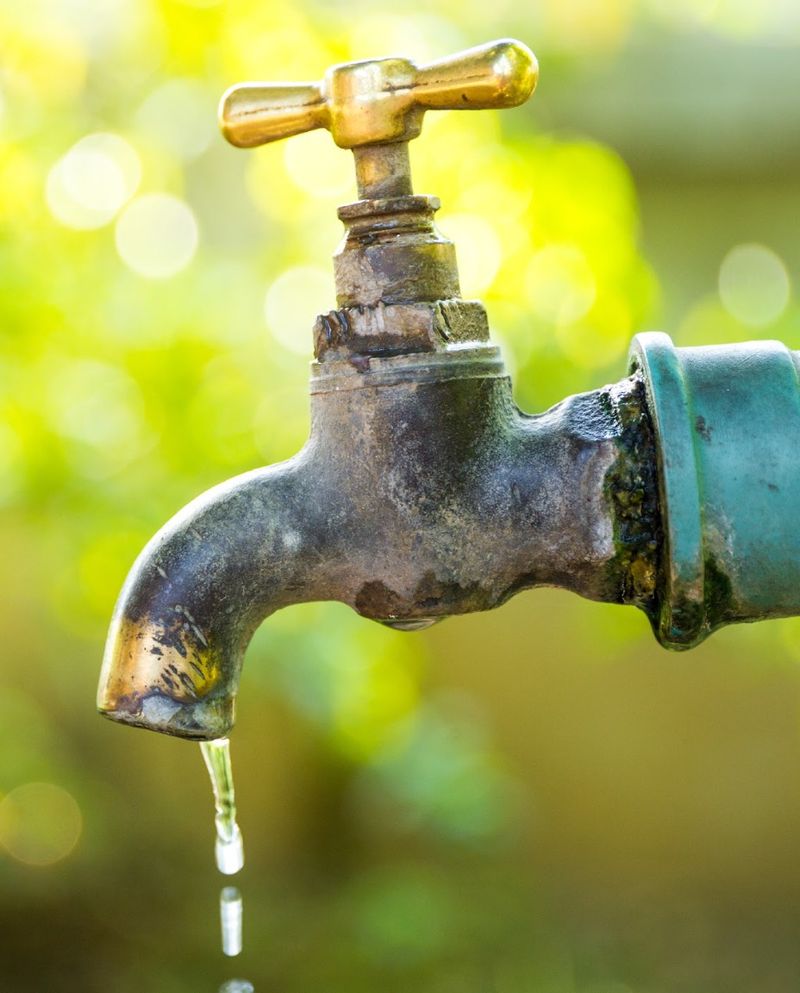
April in Ohio brings plenty of natural rainfall in most years, which means your fruit trees probably do not need as much supplemental watering as you might think. Overwatering during cool spring months is a surprisingly common mistake, and it creates problems that are harder to fix than underwatering.
When soil stays consistently wet and cold, tree roots have trouble breathing, which can lead to root stress and slow, weak growth just when your trees should be waking up with energy.
Cool, waterlogged soil also creates ideal conditions for root rot and other fungal issues. Ohio’s clay-heavy soils in many regions hold moisture longer than sandy soils, making overwatering even more of a risk.
Before you reach for the hose, stick your finger two inches into the soil near the tree. If it still feels moist, hold off on watering.
Fruit trees in April generally need water only when the top two inches of soil have dried out.
A drip irrigation system or soaker hose set on a timer is a great investment for Ohio fruit growers because it delivers water slowly and only as needed. Hand watering with a regular hose makes it easy to apply too much too fast.
Pay attention to the weather forecast each week, factor in any rainfall, and adjust accordingly. Getting the watering balance right in April builds a strong foundation for healthy fruit development throughout the entire Ohio growing season.
7. Failing To Monitor For Early Season Pests
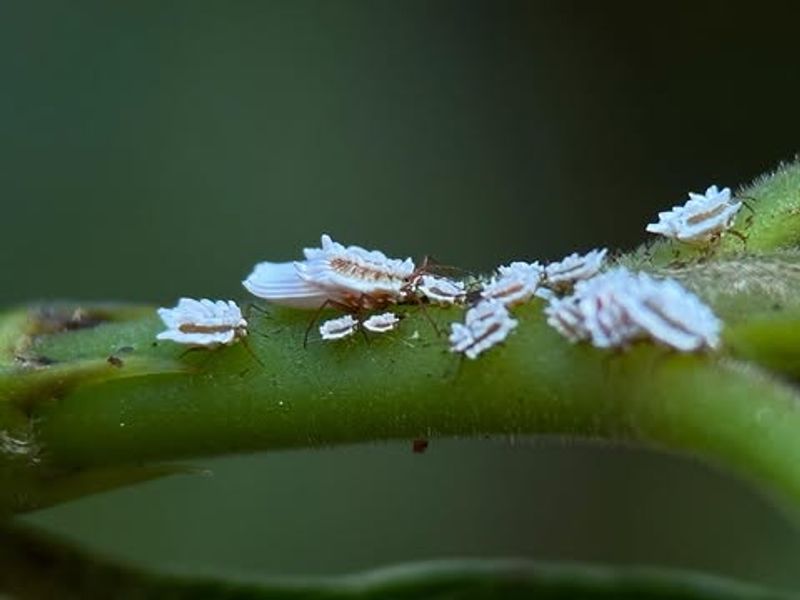
Out of sight, out of mind is a dangerous attitude to take with fruit tree pests in April. Many of the most damaging insects in Ohio, including aphids, scale insects, and codling moth larvae, begin their activity early in the season when growers are still focused on other spring tasks.
Missing those first signs of trouble means pest populations can grow quickly before you even notice something is wrong.
Early April is actually one of the best times to scout for pests because populations are small and much easier to manage. Walk through your Ohio orchard or backyard fruit planting once a week and look closely at new buds, undersides of leaves, and the bark near branch joints.
Sticky traps hung in trees can help you monitor for flying insects like apple maggot flies and oriental fruit moths, giving you a heads-up before damage becomes visible.
Catching an infestation early also means you have more treatment options available. A targeted spray of insecticidal soap or horticultural oil applied at the right time in April can knock back pest populations without the need for stronger chemicals later in the season.
Ohio State University Extension publishes a fruit tree pest management calendar that is incredibly useful for timing your scouting and treatments. Using that resource along with weekly inspections keeps your Ohio fruit trees protected right from the start of the growing season.