Ohio Gardeners Should Know The Difference Between Pruning Shears And Hand Pruners
Every Ohio garden thrives on sharp choices, and tools set the tone.
A clean cut can mean vigor, while a rough snip invites trouble.
Many yards rely on two small stars: pruning shears and hand pruners.
They look alike at first glance, yet each serves a distinct role.
Mix them up and plants pay the price.
One handles thicker wood with muscle and reach.
The other excels at quick, precise trims close to the stem.
Know which tool fits the task and work flows like clockwork.
Shrubs shape up, roses respond, and trees heal fast.
In a state with fickle weather and busy seasons, efficiency matters.
Time stays scarce, hands tire fast, and mistakes linger.
Master this simple distinction and confidence grows.
Plants reward care, neighbors notice results, and the garden tells a tidy story from spring through frost.
Pride follows skill, and effort finds purpose there.
Blade Design Sets Them Apart
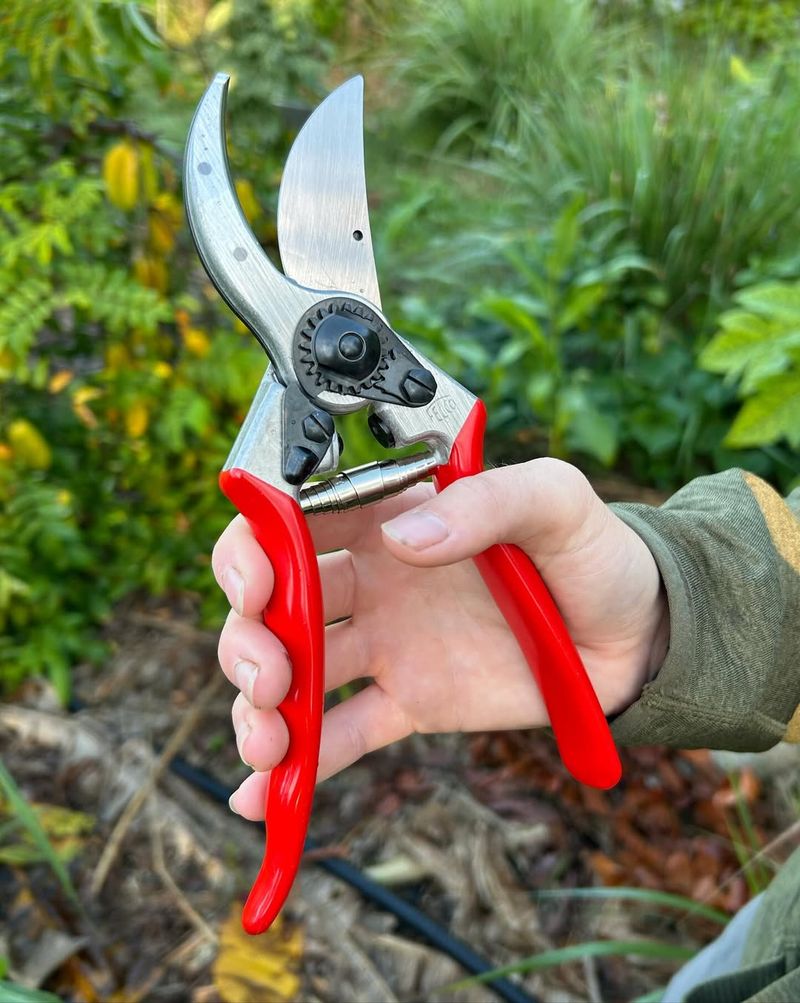
Pruning shears feature long, straight blades designed for cutting through multiple stems at once.
The blades work like heavy-duty scissors, making them perfect for shaping hedges and trimming bushes across Ohio yards.
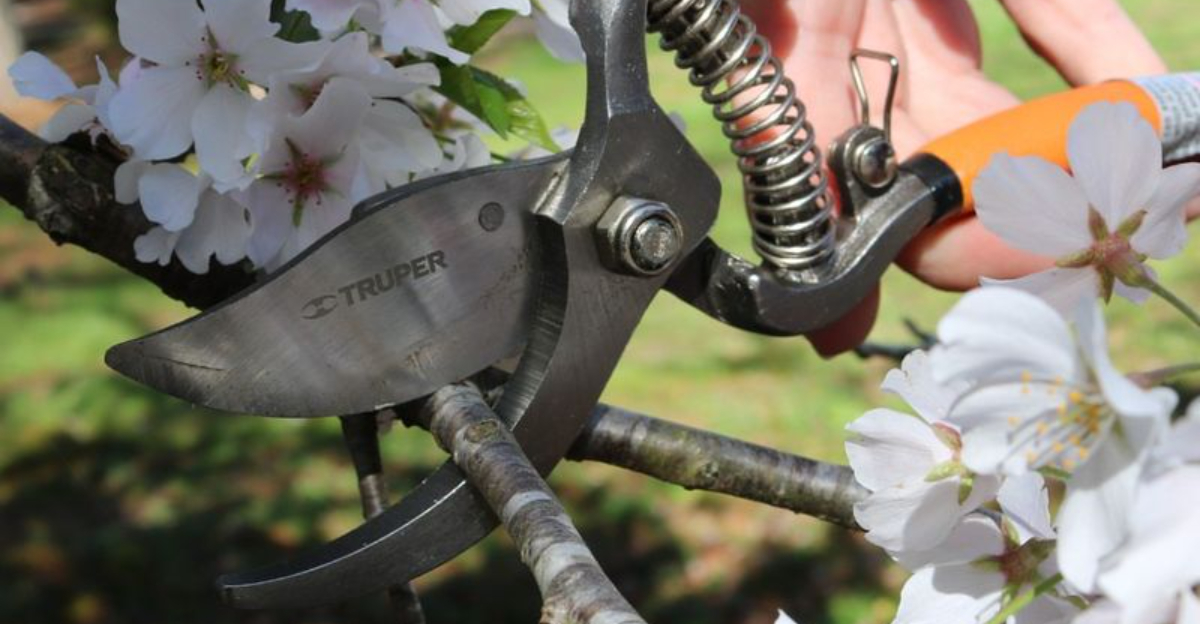
Hand pruners, on the other hand, have shorter, curved blades that provide precision control.
These compact blades create clean cuts on individual branches without damaging surrounding growth.
Ohio gardeners working with roses or fruit trees appreciate how hand pruners let them target specific stems.
The curved design helps grip branches securely, preventing slippage during cuts.
Shears require two-handed operation for most tasks, while pruners fit comfortably in one hand.
This fundamental design difference affects everything from cutting capacity to user comfort.
Understanding blade structure helps you choose the right tool for each gardening project.
Many Ohio garden centers carry both types, so examining them side-by-side reveals these important distinctions.
Your plants benefit when you match the blade design to the cutting task at hand.
Proper tool selection based on blade type leads to healthier plants and less frustration.
Cutting Capacity Varies Significantly
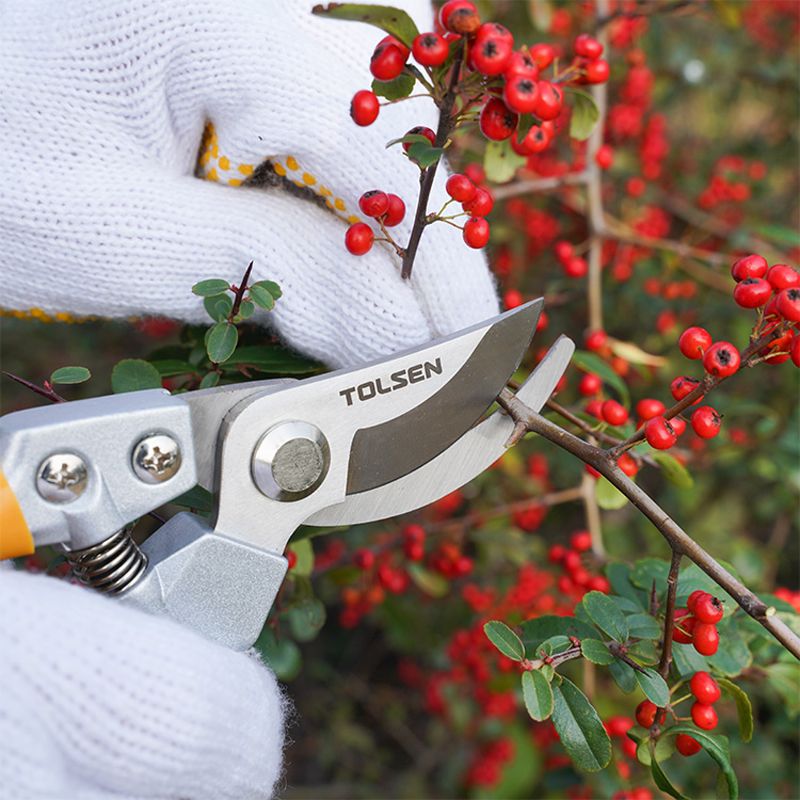
Hand pruners typically handle branches up to three-quarters of an inch thick with ease.
This makes them ideal for trimming roses, perennials, and young woody plants common in Ohio gardens.
Attempting to cut thicker branches with hand pruners can damage both the tool and your wrist.
Pruning shears, with their longer handles and stronger construction, tackle branches up to one and a half inches thick.
Ohio gardeners managing mature shrubs and small trees rely on shears for this extra cutting power.
The extended handles provide leverage that multiplies your cutting force considerably.
Forcing the wrong tool beyond its capacity creates ragged cuts that invite disease and pests.
Knowing your tool’s limitations protects both your equipment investment and plant health.
Branch diameter should guide your tool selection every time you head outside.
Many experienced Ohio gardeners keep both tools handy, switching based on branch thickness.
This approach ensures clean cuts regardless of what you’re trimming.
Matching cutting capacity to branch size produces professional-looking results in your landscape.
Handle Length Affects Leverage And Reach
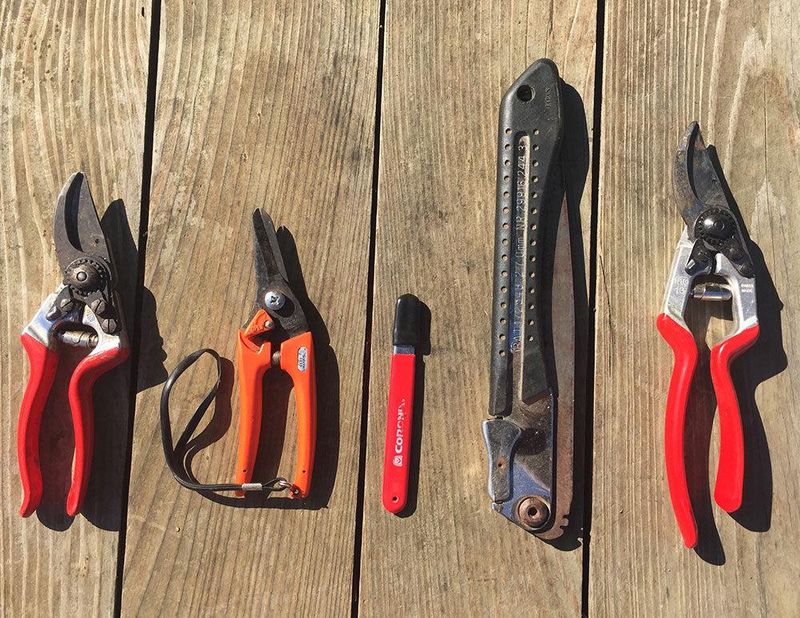
Hand pruners feature compact handles, usually six to eight inches long, designed for one-handed operation.
This shorter length provides excellent control for detailed work on individual stems and flowers.
Ohio gardeners appreciate this precision when deadheading perennials or harvesting vegetables.
Pruning shears boast handles ranging from sixteen to thirty inches, requiring two hands for safe operation.
The extended length creates mechanical advantage, making tough cuts feel surprisingly easy.
Longer handles also help you reach into dense shrubs without straining your back or arms.
When trimming tall hedges or bushes in Ohio landscapes, this extra reach proves invaluable.
However, the size makes shears awkward for close-up work on small plants.
Handle length directly influences how tired your hands and arms feel after extended use.
Choosing the right handle length for each task reduces fatigue and increases efficiency.
Your physical comfort matters just as much as getting clean cuts.
Consider what you’ll be trimming most often when deciding which tool deserves a spot in your Ohio garden shed.
Weight Distribution Changes How Tools Feel
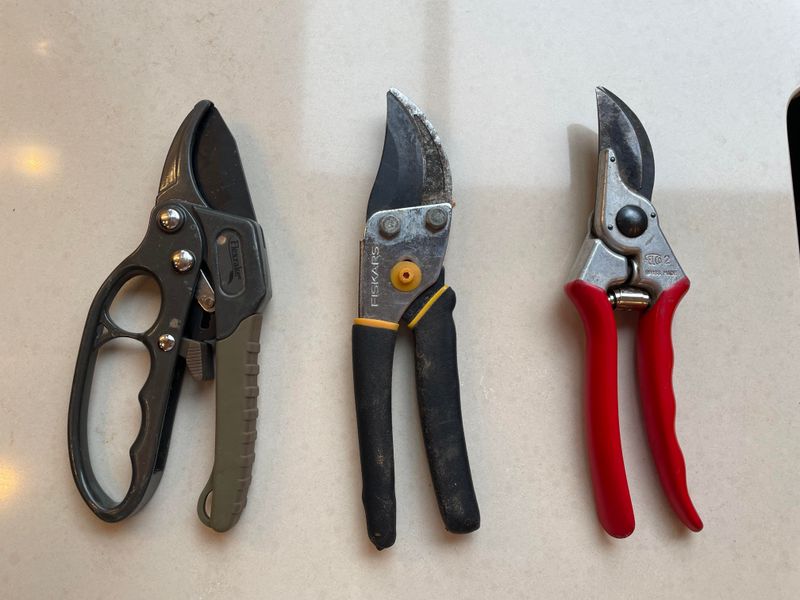
Hand pruners weigh between six and twelve ounces, making them light enough for extended one-handed use.
This lightweight design reduces hand fatigue during lengthy trimming sessions in Ohio gardens.
You can work for hours without feeling like your arm might fall off.
Pruning shears typically weigh between one and three pounds, with weight spread along their longer frame.
The added mass provides momentum that helps power through thicker branches.
However, holding shears overhead for hedge trimming can quickly tire your shoulders and arms.
Ohio gardeners with large properties often take breaks when using heavier shears extensively.
Weight balance matters too—well-designed tools feel lighter than their actual weight suggests.
Quality shears distribute weight evenly between handles and blades for comfortable use.
Cheap tools often feel awkward and unbalanced, making every cut more difficult.
Testing tool weight before purchasing helps you avoid buyer’s remorse later.
Your gardening enjoyment increases when tools feel natural and comfortable in your hands throughout the growing season.
Precision Versus Power Defines Their Purpose
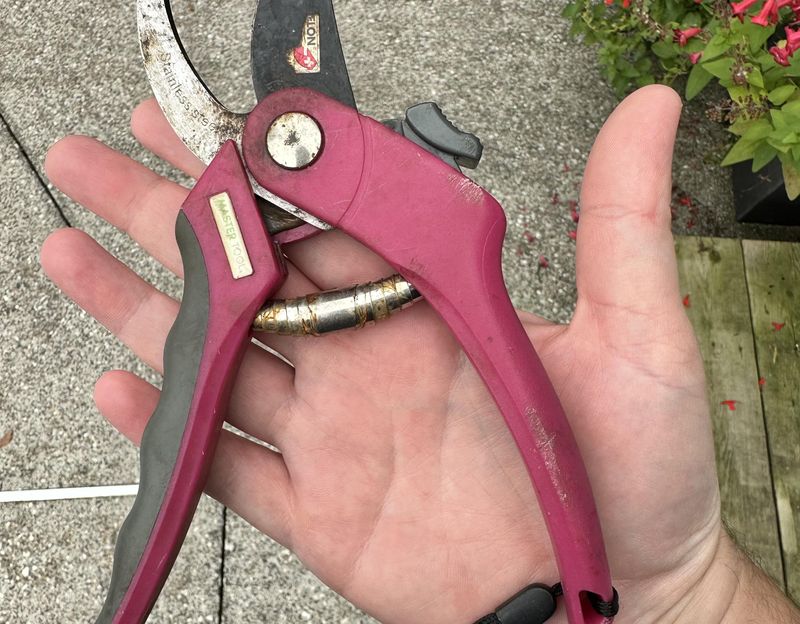
Hand pruners excel at precision work, allowing Ohio gardeners to make surgical cuts on specific stems.
This accuracy matters when removing diseased branches without harming healthy growth nearby.
The compact size lets you navigate tight spaces between stems and leaves effortlessly.
Pruning shears prioritize power over precision, designed for shaping and bulk trimming tasks.
You sacrifice some accuracy for the ability to cut through tougher material quickly.
When maintaining hedges or trimming multiple branches at once, this power proves essential.
Ohio gardeners working with formal hedges or large shrubs depend on shears for efficiency.
However, using shears on delicate plants often results in unintended damage to nearby stems.
Think of hand pruners as your surgical scalpel and shears as your heavy-duty saw.
Each tool serves its purpose perfectly when used for appropriate tasks.
Trying to force precision work with shears or power cutting with pruners leads to poor results.
Understanding this fundamental difference helps you work smarter, not harder, throughout the gardening season.
Maintenance Requirements Differ Between Tools
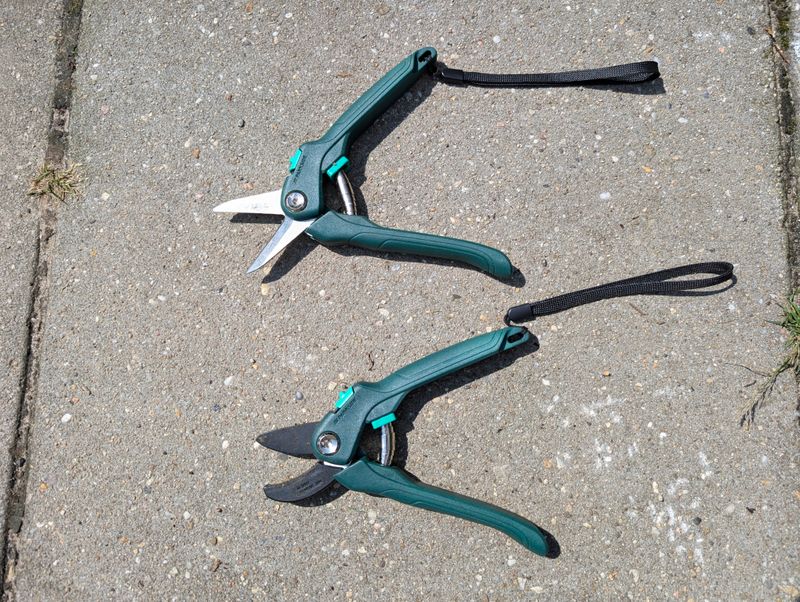
Hand pruners need regular cleaning and sharpening to maintain their precision cutting edge.
Ohio gardeners should wipe blades clean after each use to prevent sap buildup and rust formation.
The smaller blade size makes sharpening easier and quicker with basic tools.
Most hand pruners feature replaceable springs and blades, extending their useful life considerably.
Pruning shears require more intensive maintenance due to their larger size and pivot points.
The longer blades take more time to sharpen properly, and some gardeners prefer professional sharpening services.
Ohio’s humid summers can cause rust on shears stored improperly in damp sheds or garages.
Applying light oil to pivot points keeps shears operating smoothly season after season.
Bolt tension adjustment on shears affects cutting performance and requires periodic checking.
Neglecting maintenance on either tool leads to ragged cuts that stress plants unnecessarily.
Setting aside time for tool care pays dividends in performance and longevity.
Well-maintained tools make gardening more enjoyable and produce better results across your Ohio landscape.
Price Points Reflect Construction And Capability
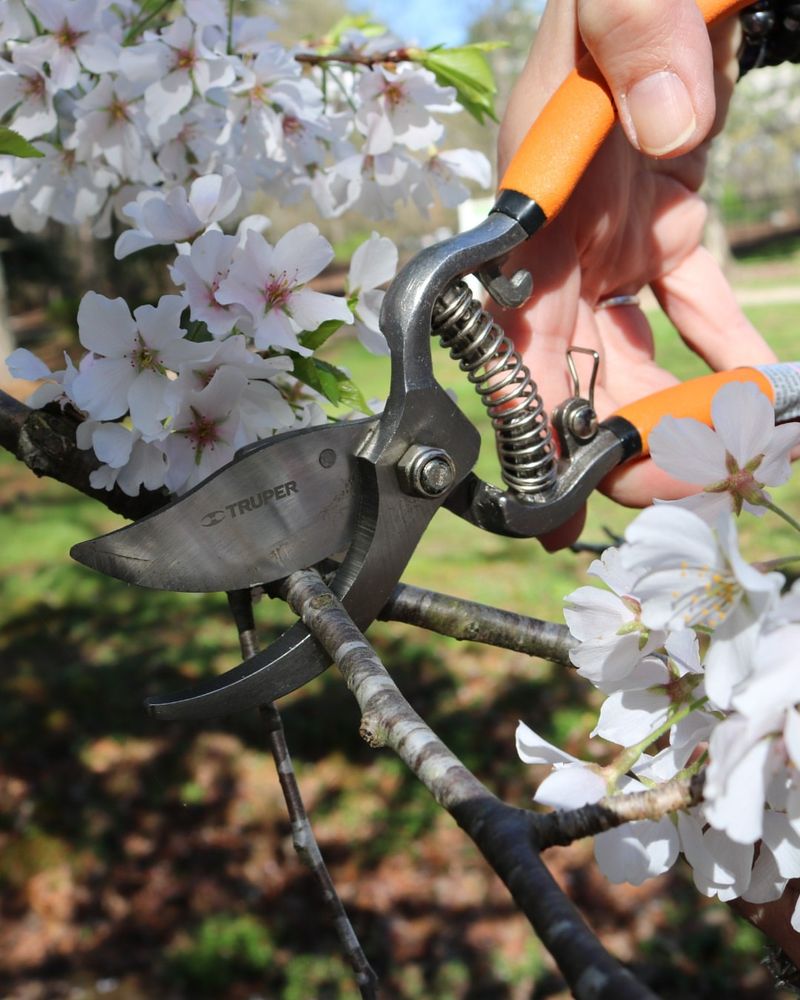
Quality hand pruners typically cost between fifteen and forty dollars at Ohio garden centers.
This affordable price point makes them accessible for beginning gardeners just starting out.
Even budget-friendly models provide years of reliable service with proper care and maintenance.
Premium hand pruners with ergonomic grips and replaceable parts can reach seventy dollars or more.
Pruning shears generally cost between thirty and eighty dollars for decent quality.
The higher price reflects more materials, complex construction, and greater cutting capacity.
Professional-grade shears used by Ohio landscaping companies can exceed one hundred fifty dollars.
These premium tools offer superior balance, durability, and comfort during extended use.
Investing in quality tools saves money long-term by avoiding frequent replacements.
Cheap tools often break quickly or perform poorly, creating frustration and wasted effort.
Consider how often you’ll use each tool when deciding how much to spend.
Many Ohio gardeners find that buying one excellent tool beats owning several mediocre ones that disappoint.
Ideal Uses In Ohio Gardens Vary By Season
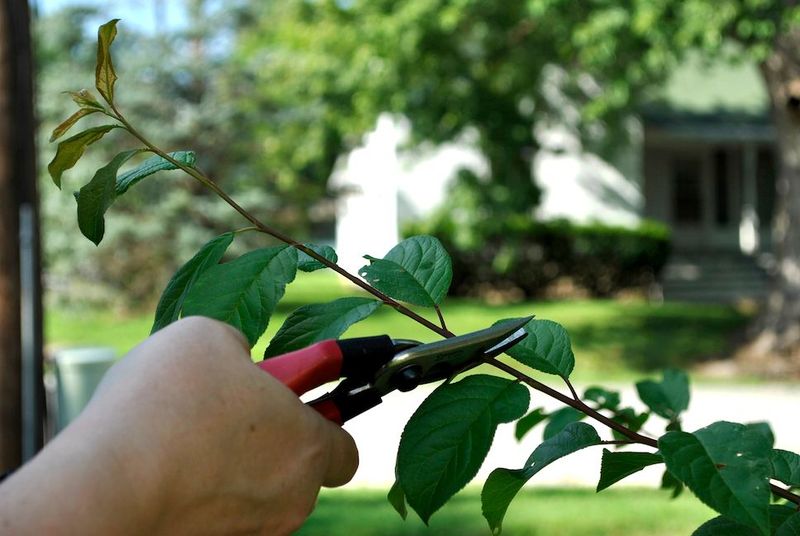
Spring brings perfect conditions for hand pruner use as Ohio gardeners shape roses and prune fruit trees.
The precision these tools offer helps remove winter damage without harming emerging growth.
Deadheading spring bulbs and trimming perennials becomes quick work with sharp hand pruners.
Summer maintenance tasks often require pruning shears for keeping hedges neat and controlling shrub size.
Ohio’s vigorous summer growth means frequent trimming to maintain landscape appearance.
Shears handle the volume of cutting needed when plants grow rapidly in warm weather.
Fall cleanup involves both tools—pruners for cutting back perennials and shears for shaping evergreens.
Preparing your Ohio garden for winter means removing excess growth that could harbor pests.
Winter offers ideal timing for major pruning projects on dormant trees and shrubs.
Both tools see action during this season depending on branch size and plant type.
Understanding seasonal applications helps you anticipate which tool you’ll need most often.
Keeping both tools accessible throughout the year ensures you’re ready for any gardening task that arises.