Ohio Gardeners Should Wait To Plant These Vegetables Because It’s Too Early

It’s easy to get excited watching the first warm days of spring in Ohio. You might be pulling out your tools, dreaming of seedlings and the smell of fresh earth.
But sometimes patience pays off more than rushing into the garden.
Certain vegetables won’t thrive if planted before the soil warms enough or the last frost has passed. Planting too early can mean struggling sprouts or lost seeds, even if your heart is ready for spring.
Timing matters as much as effort, especially when you want a healthy, productive garden.
Hold off just a little longer and prepare your beds properly. Knowing which crops need a warmer start will help you jump into planting with confidence as soon as the conditions are just right.
1. Tomatoes Ready For Sunny Adventures

Ask any Ohio gardener what they are most excited to grow, and tomatoes will almost always top the list. These beloved fruits are warm-season plants that simply cannot handle cold temperatures or frost.
Planting them too early in Ohio is one of the most common gardening mistakes beginners make.
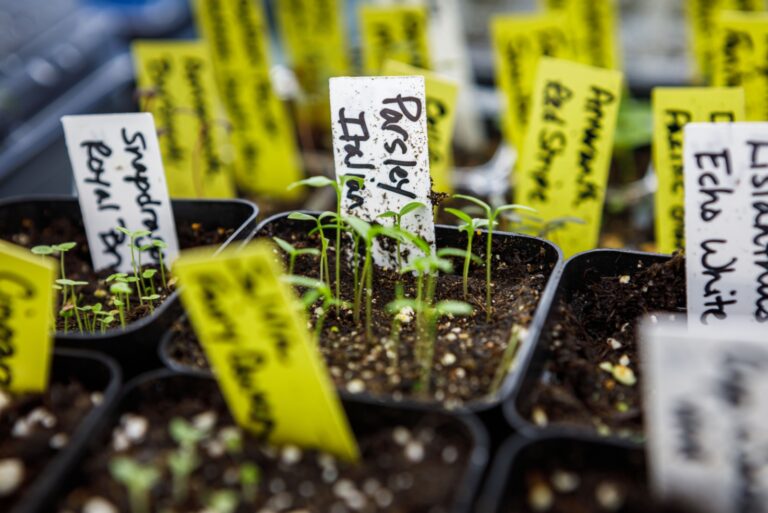
Tomatoes should be started indoors from seed about six to eight weeks before the last frost date in your area. In most parts of Ohio, that means starting seeds indoors around late March to early April.
Seedlings should not go outside until nighttime temperatures stay reliably above 50 degrees Fahrenheit.
The recommended outdoor planting window for tomatoes across Ohio runs from May into early June. Cities like Cleveland have last frost dates as late as May 20, so patience is especially important for northern Ohio gardeners.
Rushing the process can stunt plant growth and reduce your overall harvest.
Once transplanted outdoors, tomatoes love full sun and well-drained soil. Give each plant plenty of space, and consider using a cage or stake right away to support growth.
With the right timing and a little care, Ohio gardeners can enjoy an abundant tomato harvest from mid-summer through early fall, making all that waiting completely worth it.
2. Peppers With A Little Kick Of Fun
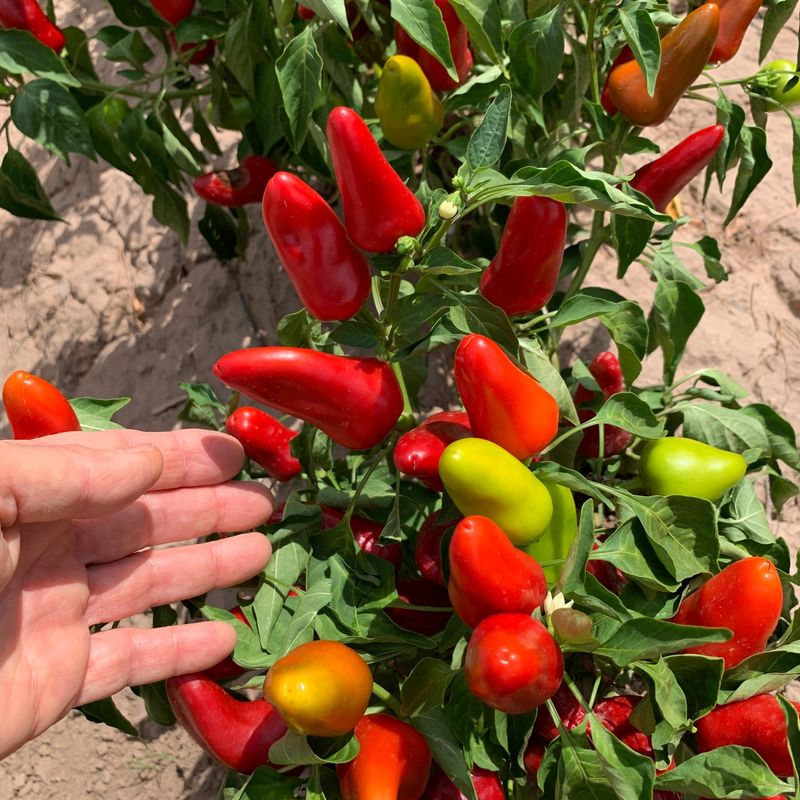
Although they look deceptively simple to grow, these vegetables can be quite demanding when it comes to temperature. Peppers need consistent warmth to thrive and produce a successful harvest.
Both sweet bell peppers and hot varieties need consistently warm conditions to thrive, and Ohio’s unpredictable spring weather can be a real challenge for them.
For best results in Ohio, pepper seeds should be started indoors eight to ten weeks before the last frost date. That usually means getting seeds going in late February or early March.
Peppers germinate best in warm soil, ideally around 70 degrees Fahrenheit, though germination can occur at slightly lower temperatures with slower results.
Transplanting outdoors should wait until after the last frost has passed and nighttime temperatures are staying above 55 degrees Fahrenheit. Across most of Ohio, this means holding off until mid to late May at the earliest.
Northern Ohio gardeners near Cleveland should be especially cautious and wait until the final weeks of May.
One fun fact about peppers is that they actually produce more fruit when they experience a little mild stress from heat. Planting them in a spot with full sun and rich, well-draining soil will set them up for success.
With the right timing, Ohio gardeners can enjoy a colorful, flavorful pepper harvest that runs well into September and even October in warmer years.
3. Cucumbers That Love A Cool Start
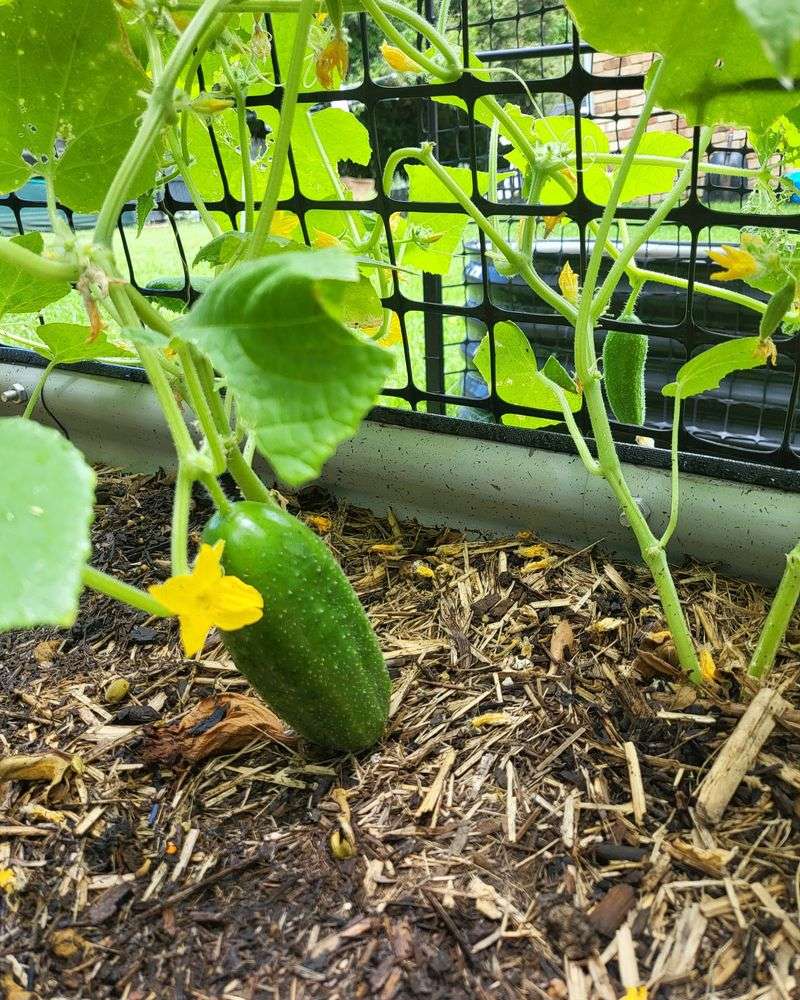
Few vegetables scream summer quite like a crisp, cool cucumber. Whether you enjoy them sliced in salads, pickled in jars, or eaten straight from the vine, cucumbers are a garden favorite across Ohio.
Planting cucumbers at the right time greatly improves success, though careful attention and proper care can still yield a good harvest even if timing is slightly early or late.
Cucumbers are frost-sensitive and need soil temperatures that stay consistently above 60 degrees Fahrenheit before seeds are sown directly outdoors. Planting in cold or wet soil can cause seeds to rot before they even sprout.
In Ohio, the ideal window for direct sowing cucumbers runs from mid-May through early June.
Unlike tomatoes and peppers, cucumbers grow so fast that starting them indoors is usually unnecessary. They can go directly into the garden once conditions are right and will catch up quickly.
Raised garden beds can be a great option for Ohio gardeners because the soil warms up faster than in-ground beds.
Cucumbers are also thirsty plants that need regular, consistent watering throughout the growing season. Mulching around the base of each plant helps retain moisture and keeps the soil temperature steady.
Planting on a trellis is a smart space-saving trick that also improves air circulation and reduces disease pressure. With proper timing and care, Ohio gardeners can expect cucumbers to be ready for harvest in as little as 50 to 70 days after planting.
4. Squash Dreaming Of Warm Sunshine
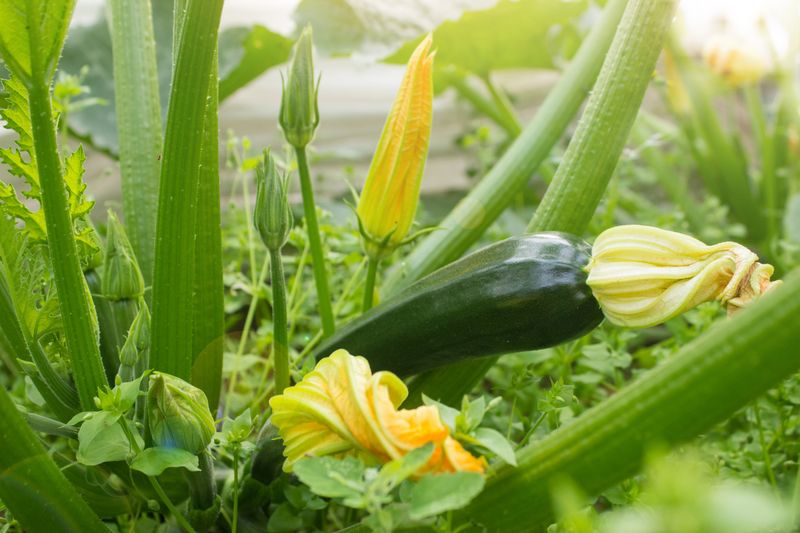
Planting a seed that quickly produces enormous leaves, cheerful yellow flowers, and more zucchini than you know what to do with can feel almost magical. In the garden, squash shows this fast, vigorous growth only when the timing is just right.
Both summer squash and winter squash varieties need warm soil to get started. In Ohio, squash seeds should be directly sown outdoors after the last frost date, once soil temperatures have reached at least 60 degrees Fahrenheit.
Planting too early in cold, damp Ohio soil leads to slow germination and weak plants that are more likely to struggle with disease.
The best planting window for squash across Ohio is generally from mid-May through June. Starting seeds indoors two to three weeks before transplanting can give you a slight head start, but squash dislikes having its roots disturbed, so handle seedlings carefully if you go that route.
Biodegradable peat pots work well for this purpose.
Did you know that squash plants are pollinated by bees? Planting flowers nearby can attract pollinators and dramatically increase your yield.
Squash also benefits from consistent watering at the base of the plant rather than overhead, which helps prevent powdery mildew. With the right timing and a little attention, Ohio gardeners can harvest squash all summer long and into the fall months.
5. Corn Dancing In The Summer Breeze
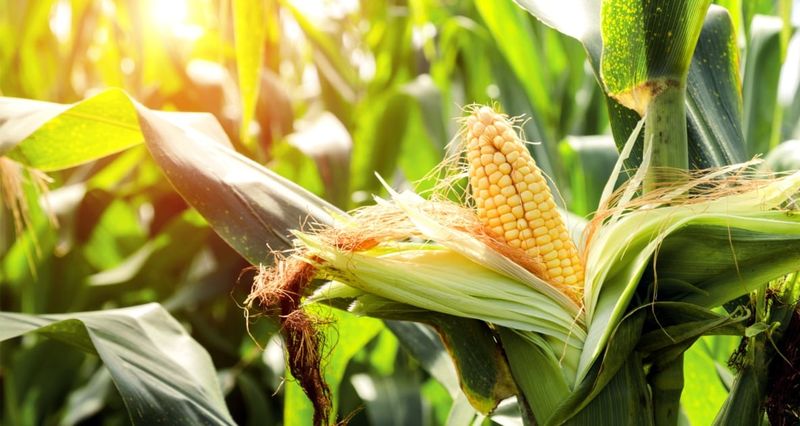
Sweet corn is as Ohio as a summer afternoon at a county fair, and there is nothing quite like picking an ear straight from your own garden. Growing corn successfully, though, requires getting the planting timing just right, because this crop is very sensitive to cold and frost.
Corn seeds need soil temperatures of at least 60 degrees Fahrenheit to germinate properly. Planting in cold Ohio soil leads to poor germination rates and uneven stands that never fully recover.
Across most of Ohio, this means waiting until at least mid-May before getting corn seeds in the ground.
One unique thing about corn is that it relies on wind for pollination rather than bees or other insects. Planting in blocks of at least four rows rather than a single long row significantly improves pollination and results in fuller, better-filled ears of corn.
Ohio gardeners with smaller yards can still grow corn successfully by planning their block layout carefully.
Corn is also a heavy feeder that benefits from soil enriched with compost or a nitrogen-rich fertilizer before planting. Keeping the soil consistently moist during the critical tasseling and silking stages is important for a good harvest.
Most sweet corn varieties are ready to pick about 60 to 100 days after planting, so Ohio gardeners who wait until May can still enjoy fresh ears by mid to late summer without any trouble.
6. Beans With Big Ambitions
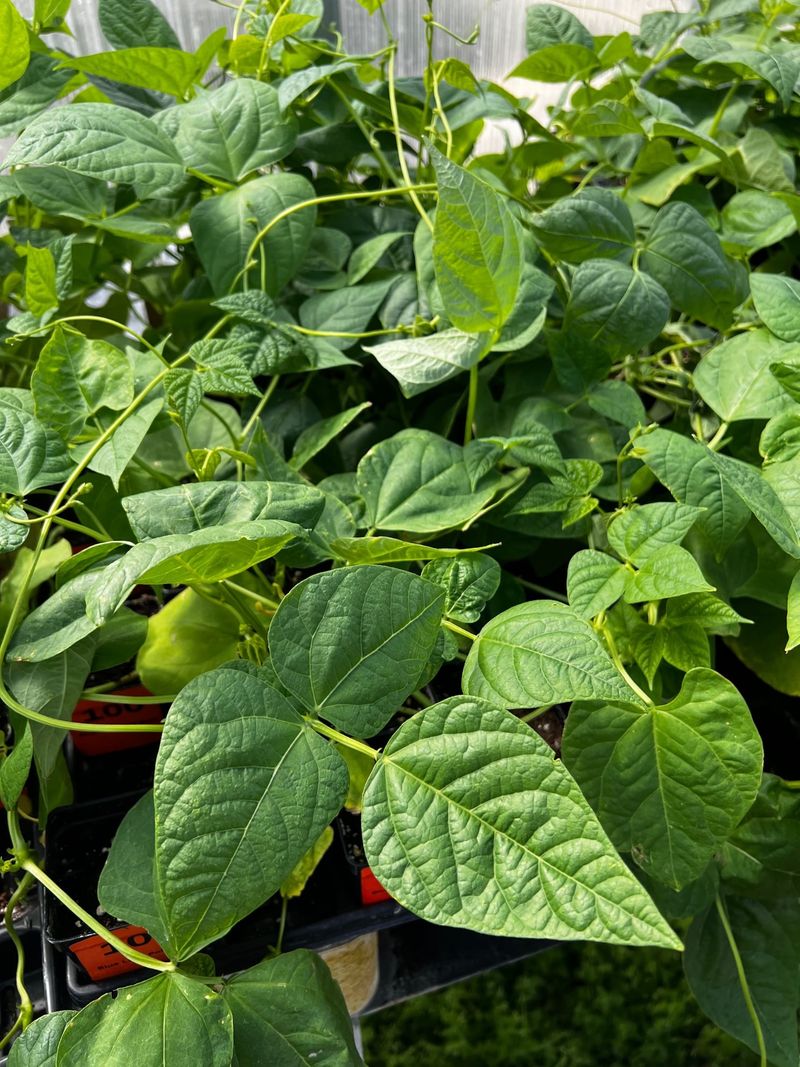
One of the most satisfying vegetables to grow, these plants reward gardeners with quick, abundant harvests. Snap beans, pole beans, and bush beans are all popular in Ohio, but they share one important requirement – they cannot tolerate frost at all.
Bean seeds should be sown directly into the garden after the last frost date has passed and soil temperatures have reached at least 60 degrees Fahrenheit. In Ohio, this typically means waiting until mid to late May.
Planting earlier might seem tempting after a warm week, but a sudden cold snap can easily set your crop back by weeks.
One smart strategy Ohio gardeners use is succession planting, which means sowing a new round of bean seeds every two weeks from late May through early July. This approach keeps fresh beans coming throughout the entire summer rather than producing one big crop all at once.
It is an easy way to stretch your harvest season without much extra effort.
Beans are also one of the few vegetables that actually improve the soil as they grow. Like other legumes, they fix nitrogen from the air into the soil, which benefits whatever you plant in that spot next season.
Bush beans are great for smaller Ohio gardens since they do not need staking, while pole beans are ideal for vertical growing spaces.
7. Eggplant Waiting To Shine Purple
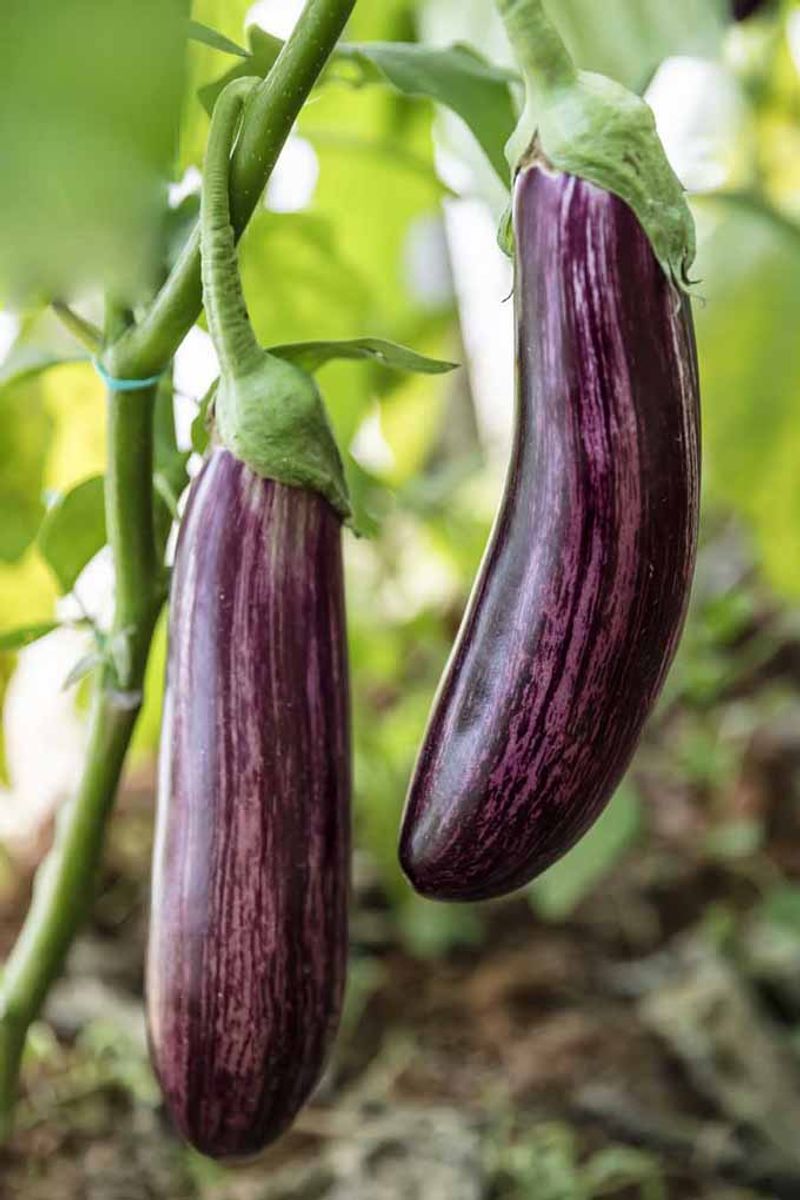
One of the most heat-loving vegetables, this stunning purple crop can be tricky to grow in Ohio’s unpredictable climate. To thrive and produce a worthwhile harvest, eggplant needs consistently warm temperatures that give it the boost it requires.
Starting eggplant seeds indoors is a must for Ohio gardeners. Seeds should be started eight to ten weeks before the last frost date, placing them somewhere warm where soil temperatures stay around 80 to 90 degrees Fahrenheit for best germination.
Under a grow light is ideal, as eggplant seedlings need plenty of bright light to stay strong and upright.
Transplanting outdoors should not happen until nighttime temperatures are consistently above 55 degrees Fahrenheit and all frost risk has passed. For most of Ohio, this means waiting until late May or even early June, especially in northern regions.
Planting too early in cold soil can slow growth and reduce fruit production, though careful management and warming techniques may still help them recover.
Eggplant loves full sun and benefits from black plastic mulch, which warms the soil and gives these heat-hungry plants the extra boost they need in Ohio’s shorter growing season. Watering consistently and feeding with a balanced fertilizer every few weeks will encourage steady fruit production.
With the right setup and patience, Ohio gardeners can harvest beautiful, glossy eggplants from midsummer through early fall.
8. Melons And Their Sweet Secrets

Growing your own melons in Ohio feels like a genuine summer achievement. Whether you are aiming for sweet cantaloupes or juicy watermelons, these fruits require a long, warm growing season and plenty of patience before they are ready to enjoy right off the vine.
Melons need soil temperatures of at least 65 to 70 degrees Fahrenheit before seeds are sown outdoors. In Ohio, that means holding off until late May or even early June in most areas.
Northern Ohio gardeners should consider starting melon seeds indoors two to three weeks before transplanting to make the most of the shorter growing season available in that part of the state.
Space is another important factor when growing melons in Ohio. Vines can spread six feet or more in every direction, so give each plant plenty of room to roam.
Compact or bush varieties are available for gardeners with smaller plots, and they tend to produce well even in Ohio’s relatively short warm season. Growing on a trellis with fabric slings to support the fruit is a clever option for vertical gardens.
Melons also need consistent moisture early in the season but benefit from slightly drier conditions as fruit matures, which intensifies sweetness. Adding compost-rich soil before planting gives them a great nutritional head start.
Ohio gardeners who time their melon planting correctly and tend them through the summer can look forward to slicing into a perfectly ripe, homegrown melon on a warm August afternoon.
9. Pumpkins Ready For Fall Magic
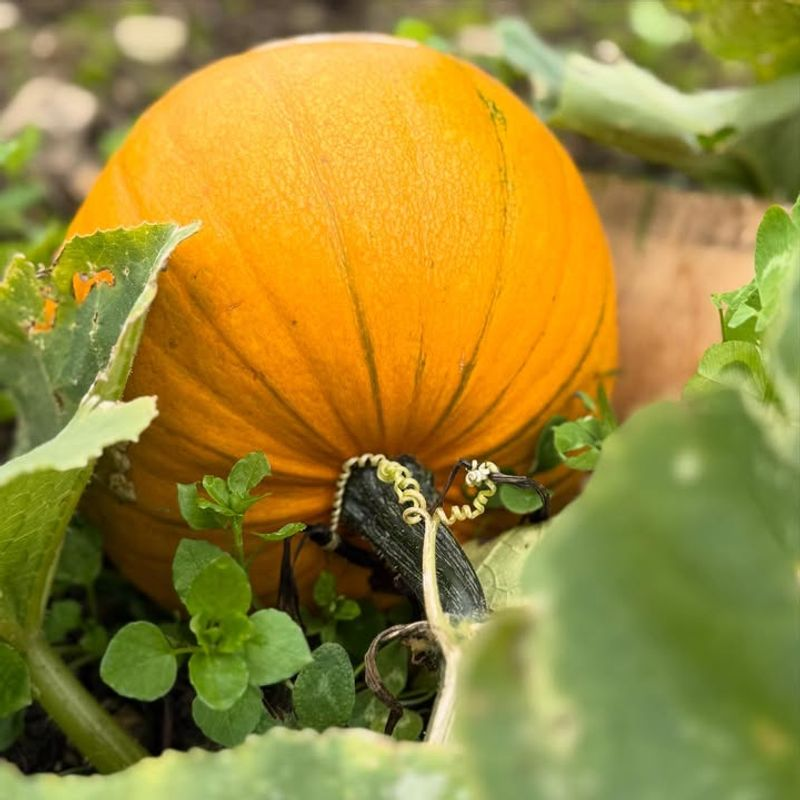
In Ohio, fall wouldn’t feel complete without a patch of these vibrant gourds. Growing pumpkins for Halloween decorations, holiday pies, or simply for the joy of seeing something so large take shape in your own backyard is a rewarding experience for gardeners of all skill levels.
Even though pumpkins are associated with fall, they are a warm-season crop that needs to be planted at the right time in summer to be ready by October. Seeds should be sown outdoors after the last frost date, once soil temperatures have reached at least 65 degrees Fahrenheit.
In Ohio, this means planting from late May through mid-June, depending on your location.
Timing your pumpkin planting correctly in Ohio requires a little math. Most pumpkin varieties take 75 to 100 days to mature, so counting backward from your desired harvest date helps you figure out exactly when to plant.
Gardeners in northern Ohio near Cleveland should plant a bit earlier in that window to account for the shorter warm season in that region.
Pumpkins are heavy feeders and sprawling growers, so give them rich soil and plenty of space. Each vine can stretch ten feet or more across your garden.
Watering at the base of the plant and keeping the leaves dry helps prevent common fungal issues. With smart timing and good care, Ohio gardeners can look forward to a beautiful pumpkin harvest just in time for fall festivities.