Ohio Gardeners, This Is How And When You Should Prune Your Clematis
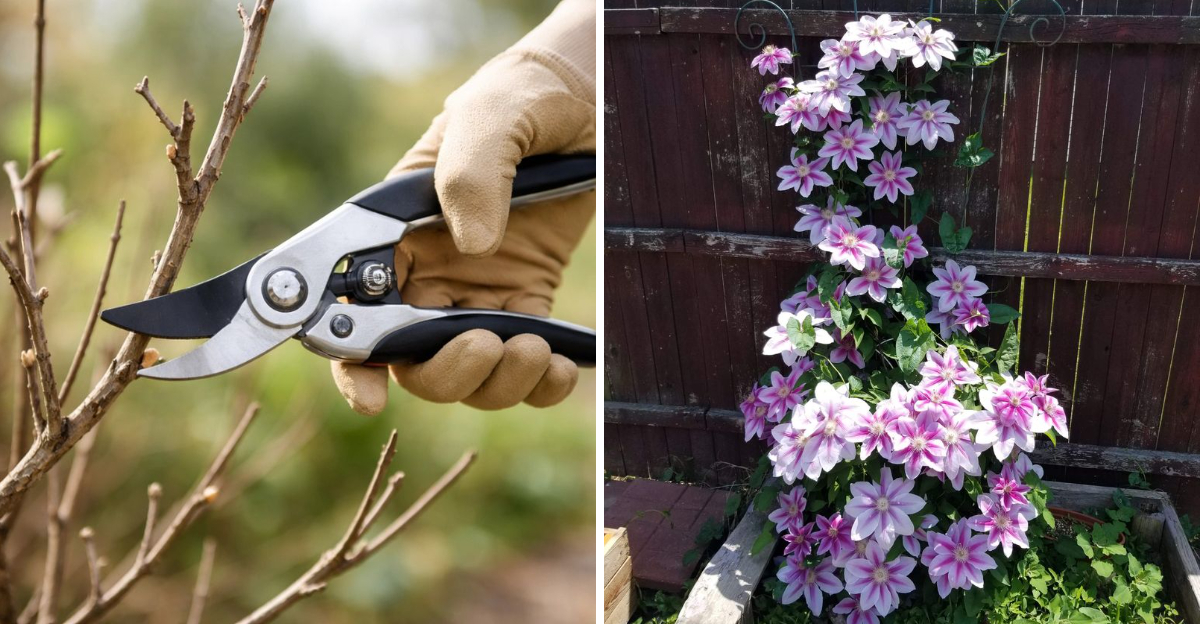
Clematis can be one of the most spectacular vines in an Ohio garden, but pruning mistakes often steal an entire season of blooms. One wrong cut at the wrong time and those climbing stems will grow leaves without a single flower in sight.
Many gardeners hesitate, unsure which variety they have or when to reach for the pruners. Ohio’s cold winters and unpredictable spring temperatures add another layer of confusion.
The key lies in understanding how clematis types respond to seasonal changes and where flower buds actually form. Some bloom on old wood, others on new growth, and timing determines everything.
Prune too early or too late and you risk cutting off months of color. Get it right and your vine rewards you with fuller growth and stronger flowering.
Mastering when and how to prune makes all the difference in Ohio gardens.
1. Know Your Clematis Type Before You Touch The Pruners
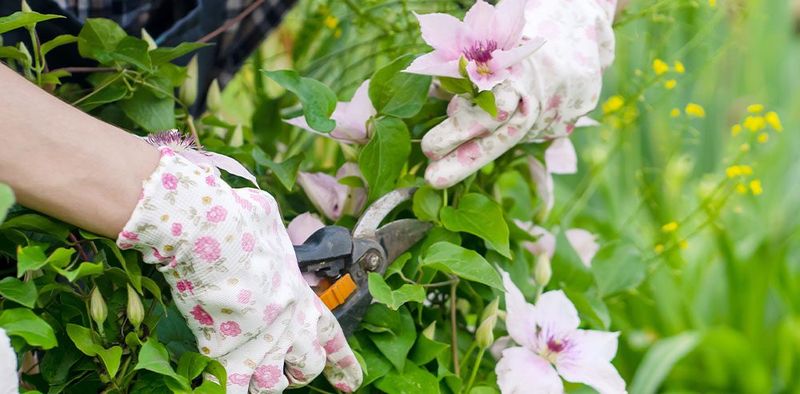
Understanding which pruning group your clematis belongs to makes all the difference between a vine covered in flowers and one that barely blooms. Horticulturists divide clematis into three main groups based on when they bloom and where their flower buds form.
Group 1 varieties bloom early in spring on wood that grew the previous year. Group 2 types produce flowers twice, once on old wood in late spring and again on new growth in summer.
Group 3 clematis bloom later in the season exclusively on new wood that grows in the current year.
Ohio gardeners need to identify their clematis type before making any cuts because our fluctuating spring temperatures can stress plants that are pruned incorrectly. A Group 1 clematis pruned in late winter will have no flowers that year since you removed all the buds.
Similarly, leaving a Group 3 variety unpruned creates a tangled mess of withered stems with blooms only at the very top where new growth emerges.
Check the plant tag when you purchase your clematis or take a photo of the flowers and consult Ohio State University Extension resources for identification help. Once you know your group, pruning becomes a simple annual task rather than a confusing gamble.
2. Early Spring Bloomers Follow A Very Different Rule
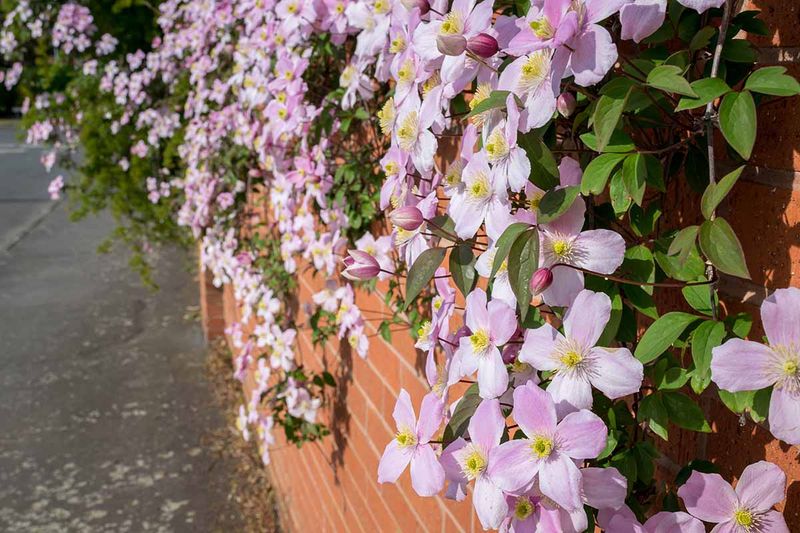
Group 1 clematis varieties like Clematis montana and Clematis alpina burst into bloom in April or early May across Ohio, often before many other perennials have even broken dormancy. Their flowers form on stems that grew during the previous summer, which means those buds spend the entire winter waiting to open.
Pruning these varieties in late winter or early spring removes all the flower buds you were hoping to enjoy.
The correct time to prune Group 1 clematis is immediately after flowering finishes, usually in late May or early June in most Ohio locations. This gives the plant the entire growing season to produce new stems that will carry next spring’s flowers.
Light pruning is all these varieties need, mostly to remove withered or damaged wood and to shape the vine if it has outgrown its space.
Many Ohio gardeners skip pruning Group 1 clematis entirely for several years, and the plants do just fine. These are the most forgiving varieties when it comes to pruning mistakes.
If you accidentally cut one back hard in March, the vine will survive and produce new growth, but you will sacrifice that year’s entire flower display. Mark your calendar right after the blooms fade so you remember the proper timing for next year.
3. Summer Blooming Clematis Need A Stronger Cut
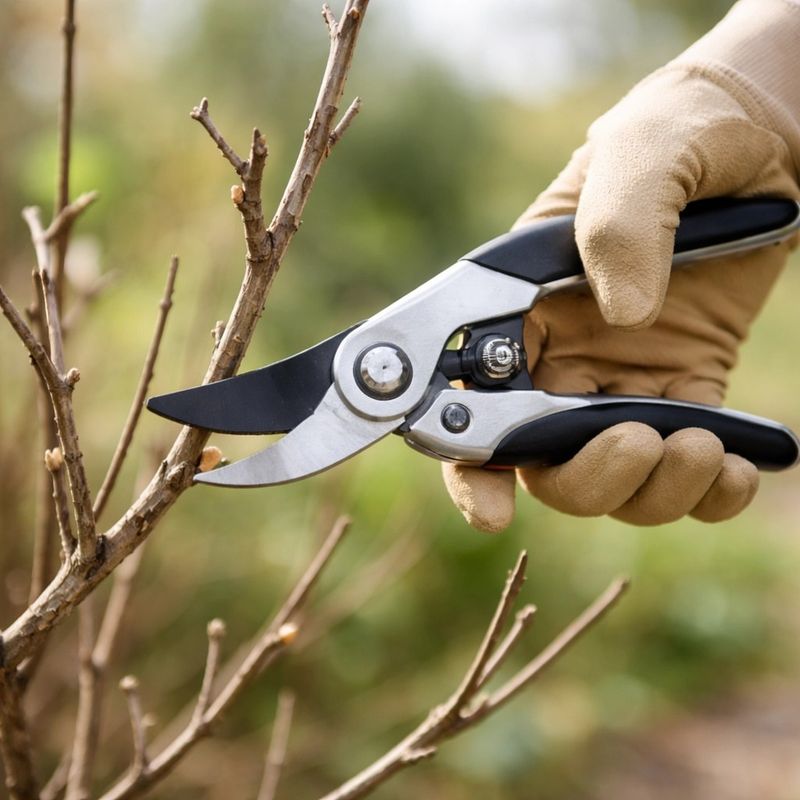
Group 3 clematis varieties produce flowers on brand new growth that emerges in spring, which makes them ideal candidates for hard pruning. Popular choices like Clematis ‘Jackmanii’ and Clematis viticella bloom from July through September in Ohio gardens, providing color long after Group 1 varieties have finished.
Because these plants bloom on current-season wood, you can cut them back dramatically without losing any flowers.
Late winter is the perfect pruning window for Group 3 clematis in Ohio, typically late February through mid-March depending on your specific location. You want to prune before the plant breaks dormancy but after the harshest winter weather has passed.
Cut each stem back to about 12 to 18 inches above ground level, just above a pair of strong buds. This severe pruning encourages vigorous new growth that will carry abundant flowers.
Some gardeners worry that cutting back so hard will harm the plant, but Group 3 clematis respond beautifully to this treatment. The hard pruning also prevents the common problem of bare, woody stems at the bottom with all the flowers clustered at the top.
By starting fresh each spring, you maintain a fuller, more attractive vine. Ohio’s variable spring weather means new growth might emerge slowly, but once temperatures stabilize, these clematis grow quickly and bloom reliably.
4. Some Varieties Barely Need Pruning At All
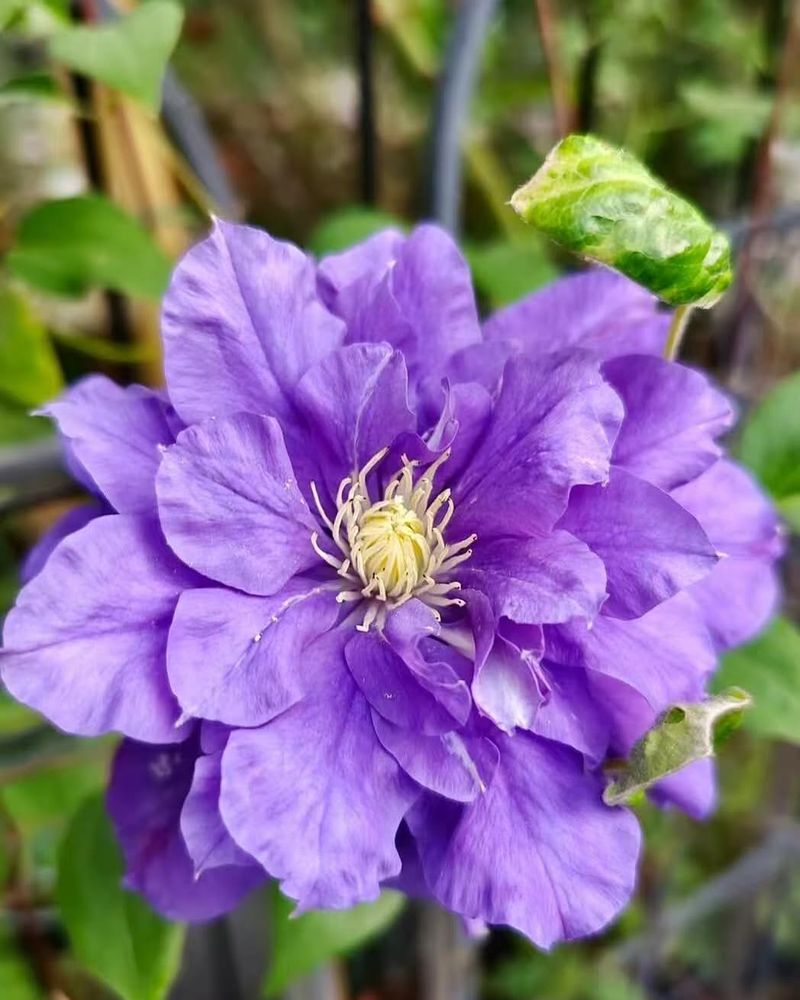
Group 2 clematis occupy the middle ground between early and late bloomers, producing flowers first on old wood in late spring and then again on new growth in late summer. Varieties like Clematis ‘Nelly Moser’ and Clematis ‘Henryi’ are popular in Ohio gardens because they provide two distinct bloom periods.
These double bloomers require the lightest pruning approach of all three groups.
Light shaping in late winter or early spring is all Group 2 clematis need in most situations. Remove any withered or damaged stems and trim back to just above a pair of strong buds if you need to control size.
Avoid cutting back more than one-third of the plant because heavy pruning eliminates the old wood that produces the first flush of flowers. Ohio gardeners often prune Group 2 varieties in early March, just as buds begin to swell but before leaves emerge.
After the first bloom period ends in June, you can deadhead spent flowers to encourage the second round of blooms on new growth. Some gardeners lightly trim a few stems after the first flowering to promote even more new growth, but this is optional.
Group 2 clematis are remarkably adaptable and will bloom reasonably well even if you forget to prune them for a year or two, making them excellent choices for busy gardeners.
5. Late Winter Is Prime Time For Many Ohio Gardens
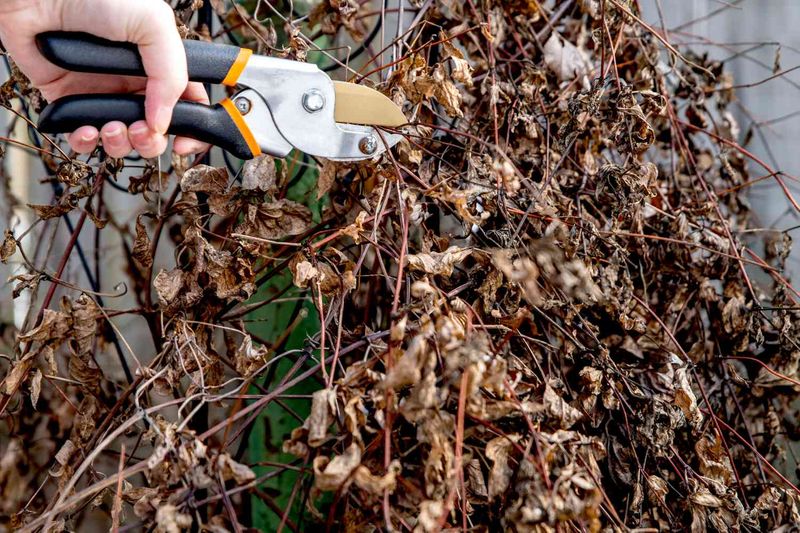
Timing your clematis pruning correctly in Ohio means paying attention to both the calendar and the weather patterns in your specific area. Late winter, typically mid-February through mid-March, works well for Group 2 and Group 3 varieties across most of the state.
You want to prune while the plant is still dormant but after the risk of extreme cold has mostly passed.
Northern Ohio gardeners near Lake Erie might wait until early March, while those in southern counties can often prune in late February. Watch for swelling buds as your signal that dormancy is ending and pruning time is approaching.
If you prune too early and a severe cold snap follows, tender new growth that emerges might suffer frost damage. Waiting until late winter reduces this risk while still giving you time to complete the task before vigorous spring growth begins.
Group 1 clematis follow a different schedule since they bloom on old wood, requiring pruning immediately after flowering in late spring instead. Keeping a simple garden journal noting which clematis you have and when you pruned them helps you remember the correct timing year after year.
Ohio State University Extension recommends pruning on a mild day when temperatures are above freezing, which makes the task more pleasant and reduces stress on both you and the plant.
6. Why Pruning At The Wrong Time Costs You Blooms
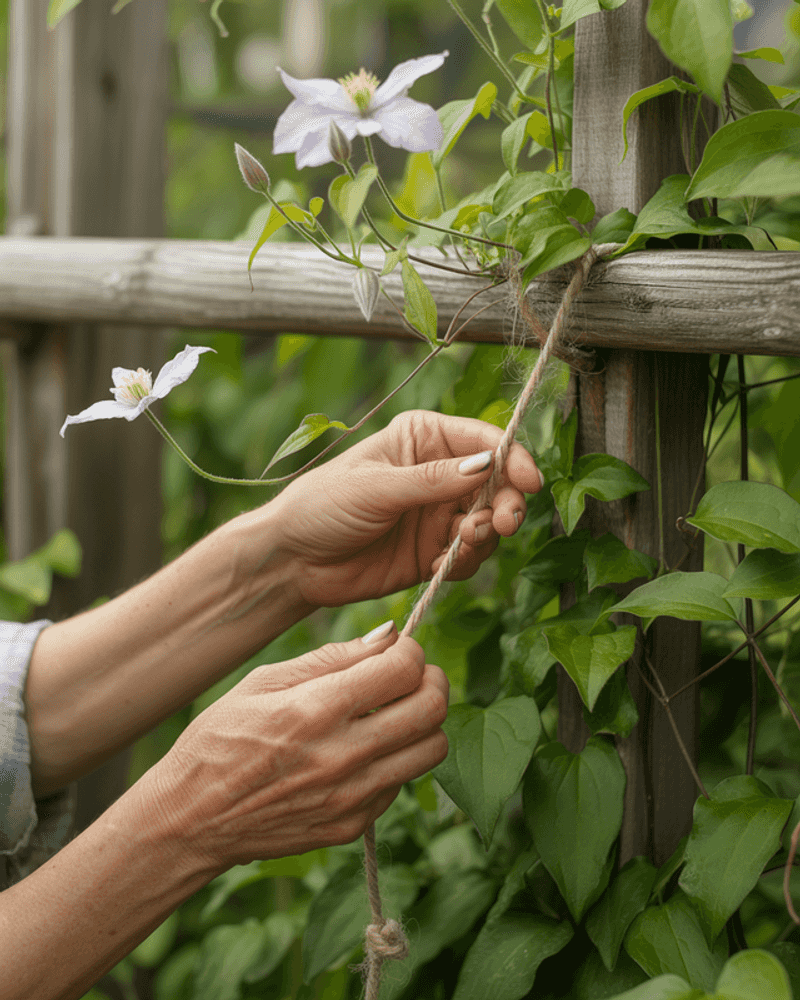
Mistiming your clematis pruning can result in a full season without flowers, which is frustrating after waiting all winter for spring color. The consequences depend entirely on which group your clematis belongs to and when you made the cuts.
Pruning a Group 1 clematis in late winter removes all the flower buds that formed on old wood, leaving you with healthy green growth but zero blooms that year.
Group 3 varieties suffer the opposite problem if left unpruned or pruned too late in spring. Without hard pruning in late winter, these clematis develop into tangled masses of old woody stems with flowers appearing only at the very top of the vine where new growth emerges.
Late spring pruning forces the plant to restart its growth cycle when it should be blooming, which delays or reduces flowering significantly.
Group 2 clematis lose their early bloom period if pruned too hard in late winter, though they will still produce flowers on new growth later in summer. Ohio gardeners who prune all their clematis the same way often wonder why some vines bloom beautifully while others produce nothing.
Understanding bloom timing and where buds form prevents these disappointing outcomes. If you make a pruning mistake, the plant will usually recover and bloom normally the following year, so mistakes are not permanent.
7. The Simple 1 2 3 Method For Stress Free Pruning
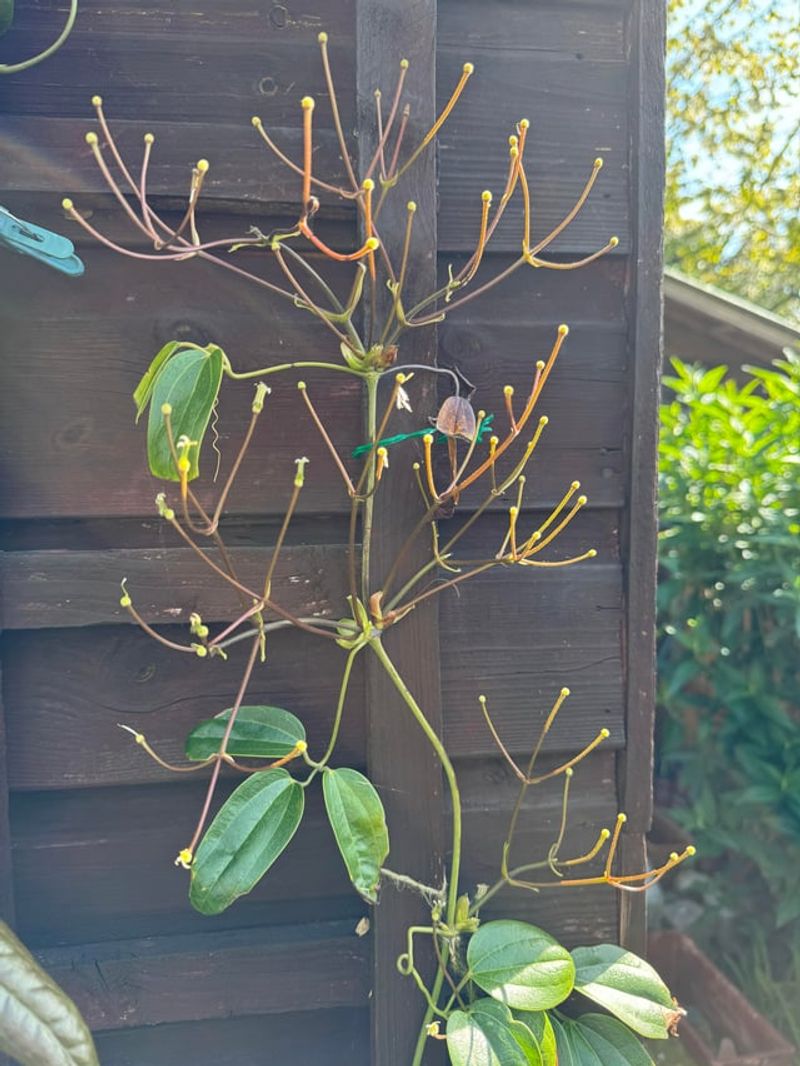
Following a straightforward pruning process removes the guesswork and helps Ohio gardeners approach clematis care with confidence. Start by identifying your clematis group, which determines everything else about your pruning strategy.
If you are uncertain, observe when the plant blooms for one full season before pruning, or follow the cautious approach outlined in the next section.
Step one involves removing any withered, damaged, or diseased stems regardless of which group your clematis belongs to. Cut these stems back to healthy wood or all the way to the base if necessary.
Step two depends on your group: Group 1 requires only light shaping after flowering, Group 2 needs light pruning in late winter with deadheading after the first bloom, and Group 3 gets cut back hard to 12-18 inches in late winter.
Step three is maintaining your tools and making clean cuts. Sharp bypass pruners make clean cuts that heal quickly, while dull blades crush stems and invite problems.
Cut just above a pair of healthy buds at a slight angle so water runs off rather than pooling on the cut surface. Ohio gardeners should also clean pruners between plants to avoid spreading diseases.
This simple three-step method works for clematis of any age or size, making annual pruning a quick task rather than an overwhelming project.
8. What To Do If You Have No Idea Which Type You Planted
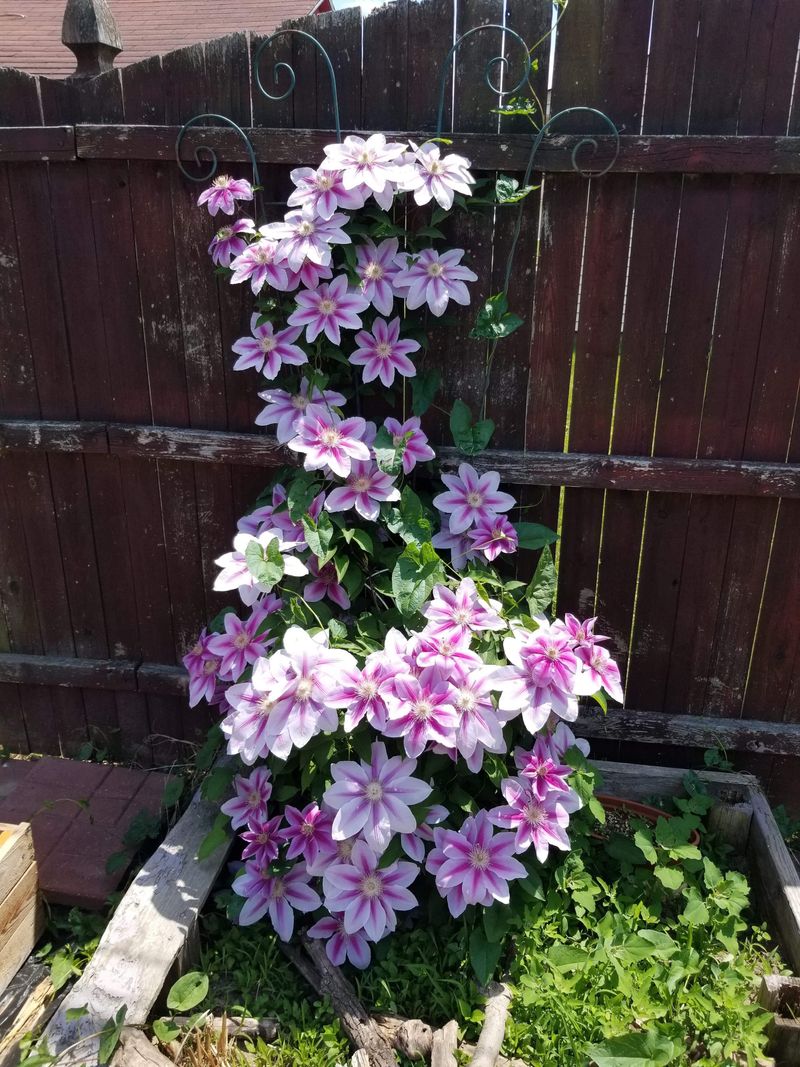
Many Ohio gardeners inherit clematis vines from previous homeowners or lose plant tags over time, leaving them uncertain about which pruning group they are dealing with. Rather than guessing and potentially removing a year’s worth of flowers, take a patient approach that lets the plant show you what it needs.
Observe the vine through one complete growing season, noting carefully when flowers appear and on which type of growth.
If blooms appear in April or early May before much new growth emerges, you have a Group 1 clematis that blooms on old wood. Flowers arriving in June through July likely indicate a Group 2 variety, especially if you notice blooms on both older stems and new growth.
Late summer blooms from July onward suggest a Group 3 clematis that flowers on current-season wood.
While observing, limit yourself to removing only declined or obviously damaged stems in late winter. This cautious approach means you will not accidentally prune away flower buds while you figure out what you have.
After one season of observation, you will know exactly when your clematis blooms and can prune accordingly the following year. Ohio gardeners can also photograph the flowers and consult with local extension offices or experienced gardeners at local plant societies for identification help.
Most clematis are forgiving plants that recover well even from pruning mistakes.