7 Ohio Indoor Orchid Care Tips For Beautiful Blooms This February
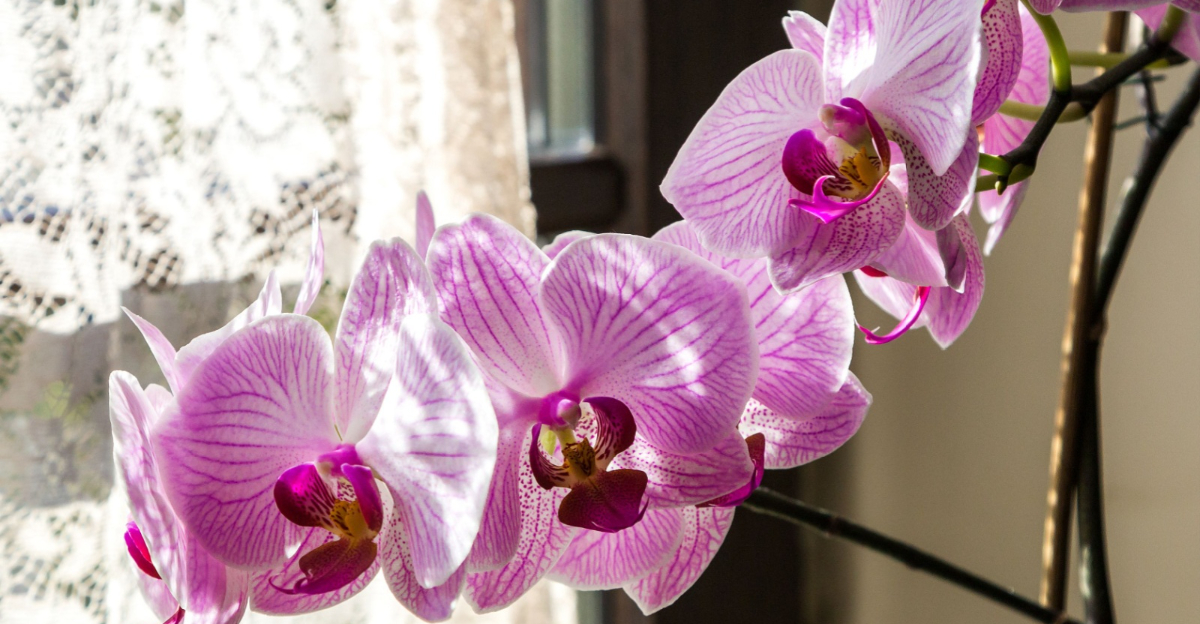
Ohio winters may be gray and frozen, but your living room does not have to be. February is prime time for orchids to show off, yet this is also when most indoor plants quietly struggle behind the scenes.
One cold draft, one heavy watering, or one dark corner can be enough to stop a bloom before it even starts. The good news is orchids are not as fussy as they look.
With the right care tweaks, they can explode with color while snow is still on the ground outside. Think brighter windows, smarter watering, warmer roots, and humidity that actually helps instead of hurts.
If your orchid has been sitting there doing nothing, or teasing you with buds that never open, this is the moment to step in and give it what it needs to shine.
1. Blast Orchids With Bright Winter Light
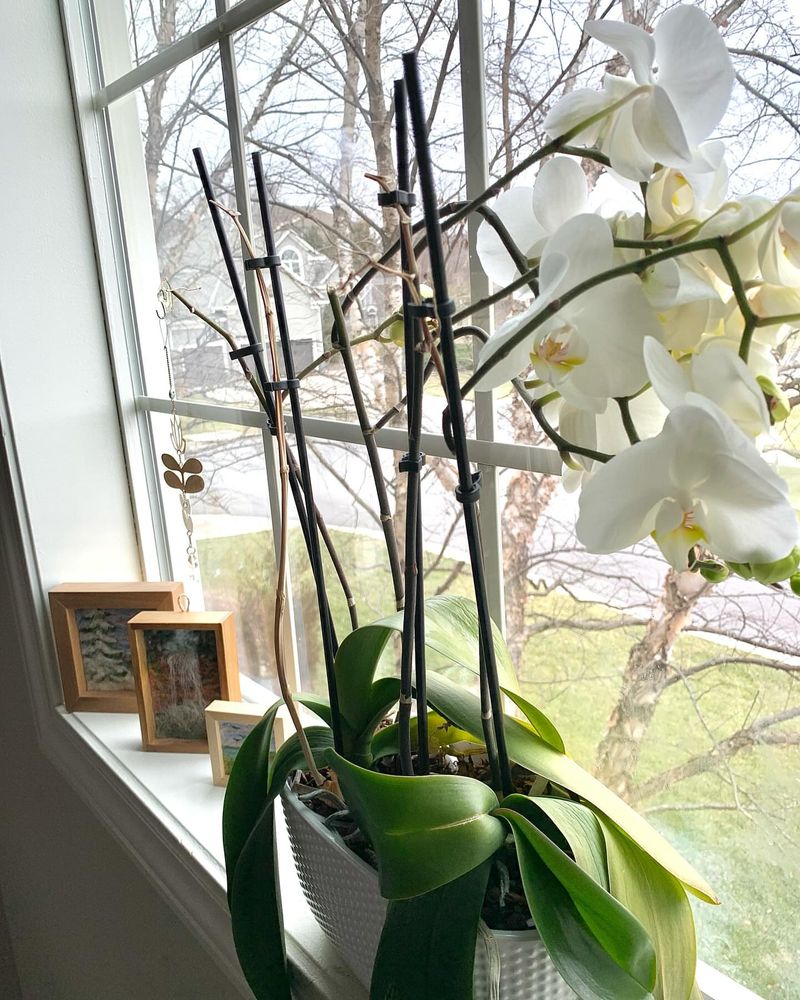
Winter sunlight in Ohio becomes precious during February when cloudy days outnumber sunny ones by a wide margin. Your orchids desperately need every ray of light they can absorb because shorter days mean less energy for producing those gorgeous blooms everyone loves.
Moving plants closer to south-facing windows gives them the best chance at soaking up maximum brightness without risking sunburn from intense summer rays.
East-facing windows work beautifully too since gentle morning light warms orchid leaves gradually without shocking delicate tissue. Avoid placing blooms more than three feet from any window because light intensity drops dramatically with distance, leaving plants struggling in dimness.
Sheer curtains help diffuse any harsh afternoon sun while still allowing plenty of illumination to reach hungry leaves.
Supplemental grow lights become game-changers for Ohio homes with limited natural light during February’s gloomy stretches. Position LED or fluorescent bulbs about twelve inches above orchid foliage and run them for twelve to fourteen hours daily.
Rotate pots every few days so all sides receive equal exposure, preventing lopsided growth that looks awkward and unbalanced.
Clean windows regularly because accumulated grime blocks surprising amounts of light that orchids need for photosynthesis and flower production. Watch for signs like dark green leaves indicating insufficient brightness, while yellowish foliage suggests too much direct exposure.
2. Block Cold Drafts From Tender Blooms
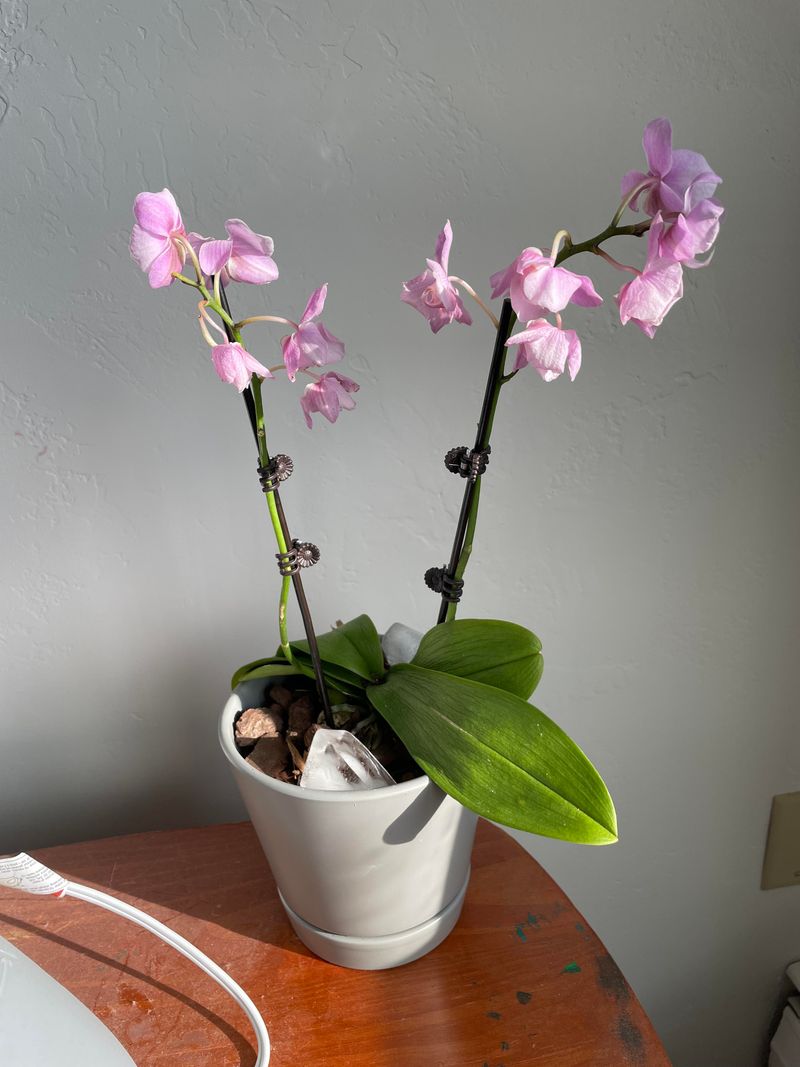
Cold air sneaking through window frames and door gaps can devastate orchid blooms faster than most Ohio gardeners realize during February freezes. Temperatures below fifty-five degrees cause buds to drop prematurely and flowers to wilt within hours, wasting months of careful nurturing.
Feeling for drafts with your hand near windows helps identify problem spots that need immediate weatherproofing before damage occurs.
Weather stripping costs just a few dollars but protects expensive orchids from temperature swings that stress plants and halt blooming cycles completely. Pay special attention to older Ohio homes where settling foundations create gaps around window frames and exterior doors.
Even small cracks let icy air pour in during windy February nights when temperatures plummet below freezing.
Moving orchids away from windows after sunset prevents exposure to radiating cold from glass panes that chill nearby plants. Placing a sheer curtain between the window and your orchid creates an insulating barrier without blocking daytime light.
Never position blooms directly above heating vents or radiators because blasts of hot, dry air cause as much harm as cold drafts.
Hallways and entryways pose hidden dangers since opening doors invites frigid gusts that sweep across nearby surfaces. Relocate orchids to interior rooms during particularly brutal cold snaps common in Ohio’s unpredictable February weather patterns.
3. Water Smart To Prevent Root Rot
Overwatering destroys more orchids than any other mistake, especially during Ohio’s cold February when plant growth slows dramatically. Roots sitting in soggy medium suffocate quickly because they need air pockets to breathe and absorb nutrients properly.
Checking moisture levels before adding water prevents the mushy, brown roots that signal serious trouble brewing beneath the surface.
Stick your finger deep into the potting bark to feel for dampness rather than judging by surface appearance alone. Waiting until the medium feels almost dry ensures roots get necessary moisture without drowning in excess water.
Most orchids need watering just once weekly during winter compared to twice weekly during active growing seasons.
Using room-temperature water prevents shocking sensitive roots with icy liquid straight from Ohio’s cold tap water. Let water run through the pot completely, then dump any liquid pooling in decorative cache pots immediately.
Standing water creates perfect conditions for root rot fungi that spread rapidly through compromised tissue.
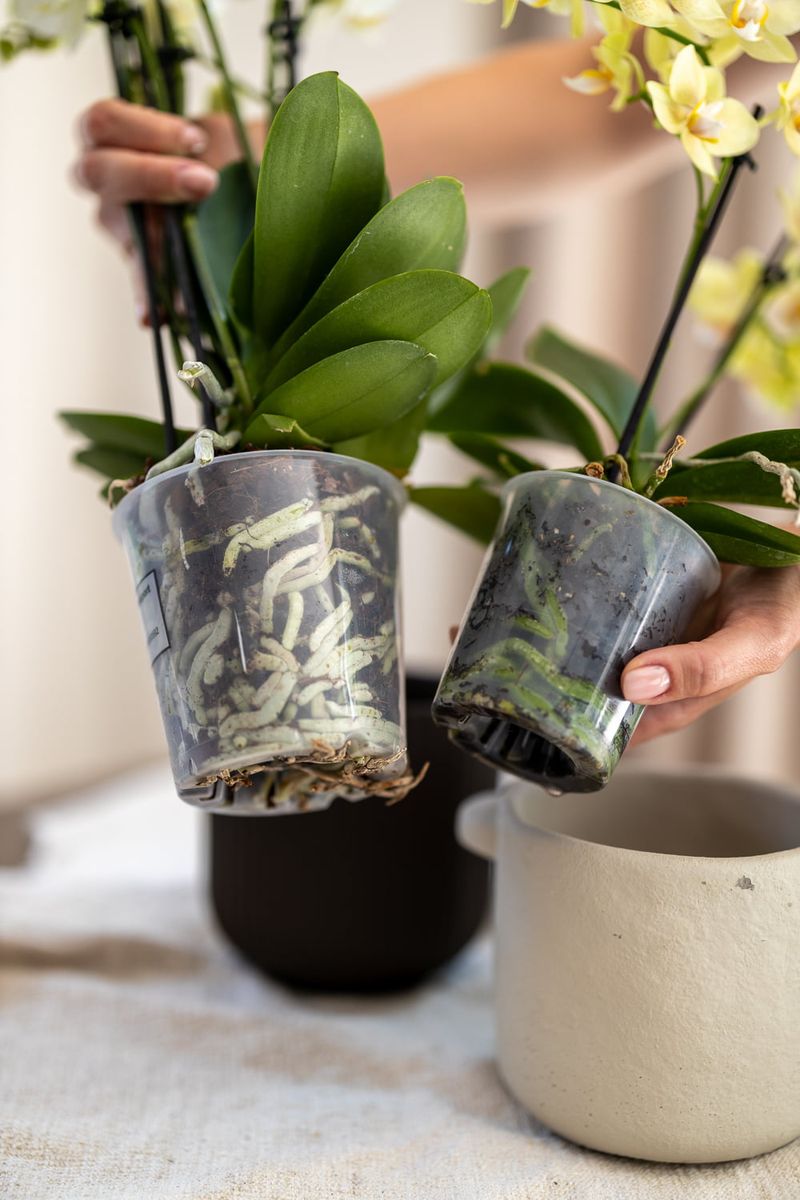
Clear pots let you monitor root health easily by checking for plump, silvery-green roots that indicate proper hydration levels. Shriveled roots mean you’re underwatering, while black, mushy ones show overwatering damage.
Morning watering gives excess moisture time to evaporate before cooler evening temperatures slow drying. Ice cube watering methods sound convenient but can shock tropical orchids adapted to warm, humid environments rather than frozen chunks.
4. Boost Humidity For Bigger Flowers
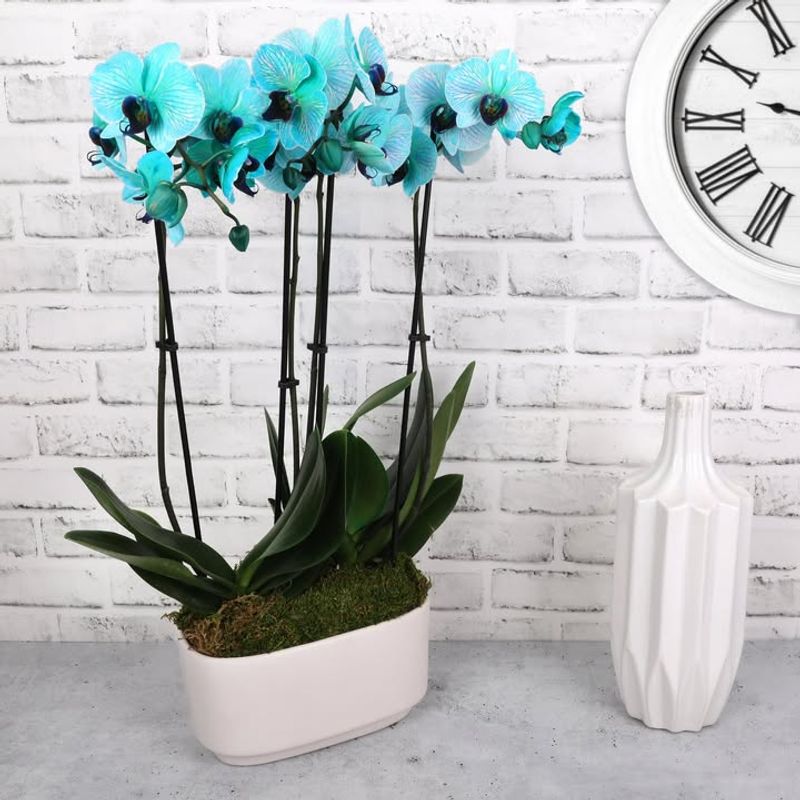
Ohio’s indoor air becomes desert-dry during February when furnaces blast constantly to combat freezing outdoor temperatures. Orchids evolved in tropical rainforests where humidity hovers around seventy percent, making our heated homes feel like arid wastelands.
Low moisture levels cause buds to shrivel and flowers to fade quickly, robbing you of the long-lasting blooms orchids are famous for producing.
Humidity trays offer simple, affordable solutions by placing pots on shallow dishes filled with pebbles and water. As water evaporates upward, it creates a moisture bubble around foliage without waterlogging roots.
Keep water levels below the pebble surface so pot bottoms never sit directly in liquid.
Grouping multiple orchids together creates a mini-ecosystem where plants share transpired moisture and benefit from collective humidity. Small room humidifiers work wonderfully for larger collections, maintaining ideal moisture levels throughout February’s driest weeks.
Position humidifiers near but not directly on orchids to avoid water spots on leaves and flowers.
Misting sounds helpful but actually provides minimal benefit since moisture evaporates within minutes in heated rooms. Bathrooms naturally offer higher humidity, making them excellent temporary homes for struggling orchids if they receive adequate light.
Monitor humidity with an inexpensive hygrometer, aiming for fifty to sixty percent for optimal orchid health. Brown leaf tips and accordion-pleated leaves signal air that’s far too dry for these moisture-loving beauties.
5. Pause Heavy Feeding During Winter
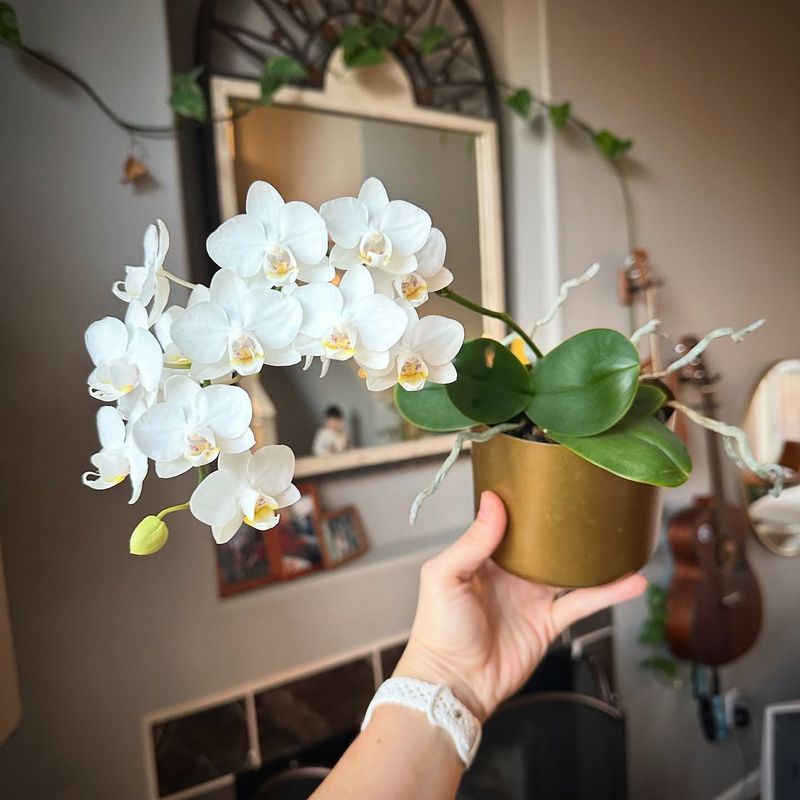
Orchids enter semi-dormancy during Ohio’s cold February, dramatically slowing their growth and nutrient uptake compared to spring and summer months. Continuing heavy fertilization during this rest period overwhelms roots and causes salt buildup that burns delicate tissue.
Cutting back feeding frequency gives plants the break they need while preventing fertilizer damage that weakens overall health.
Diluting fertilizer to quarter-strength and applying monthly rather than weekly matches reduced nutrient demands perfectly. Specialized orchid formulas work best because they contain balanced ratios designed for these unique plants rather than generic houseplant foods.
Flush pots thoroughly with plain water between feedings to wash away accumulated salts that appear as white crusty deposits.
Actively blooming orchids benefit from very light feeding since producing flowers requires some energy and nutrients. Once blooms fade completely, stop fertilizing altogether until new growth emerges signaling the end of dormancy.
Overfed orchids develop lush green foliage but produce fewer flowers, defeating the entire purpose of growing these spectacular plants.
Organic fertilizers release nutrients slowly, reducing the risk of burning roots compared to synthetic chemical formulas. Always apply fertilizer to damp medium rather than bone-dry bark to prevent root damage.
Ohio’s hard water contains minerals that can interfere with nutrient absorption, making occasional flushing even more important. Watch for yellowing lower leaves indicating nitrogen deficiency or dark green foliage suggesting excessive feeding.
6. Stake Flower Spikes Before They Snap
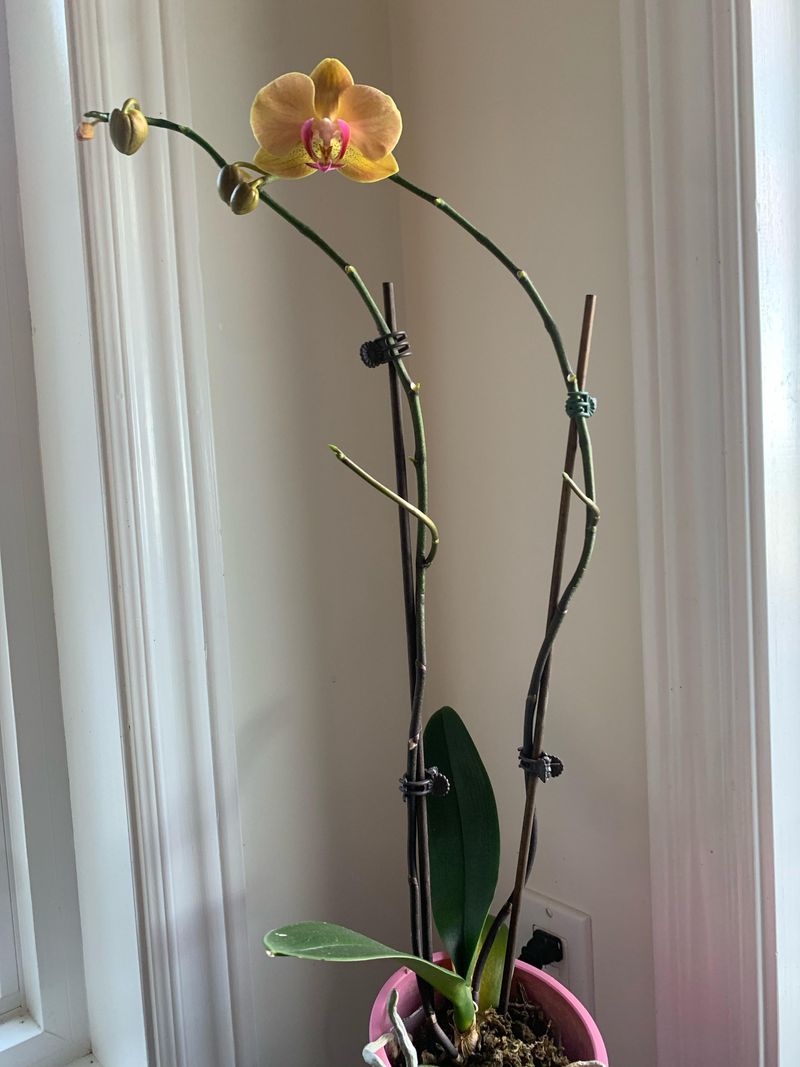
Flower spikes grow rapidly once they emerge, often reaching twelve to eighteen inches before buds even begin opening. Without proper support, these top-heavy stems bend awkwardly or snap completely under the weight of multiple blooms.
Staking early in spike development trains stems to grow upright and graceful rather than flopping sideways across furniture.
Bamboo stakes or specialized orchid clips work perfectly for guiding spikes into elegant arching shapes that showcase flowers beautifully. Insert stakes carefully into the potting medium near the spike base, angling away from roots to avoid damage.
Secure the spike loosely with clips or soft ties at several points, allowing some natural movement while preventing breakage.
Starting when spikes reach about six inches tall gives you control over final positioning before stems harden and become difficult to redirect. Ohio homes often have curious pets or active children who accidentally bump plants, making sturdy staking essential protection.
Position clips just below node points where buds emerge rather than directly on swelling buds themselves.
As flowers open, adjust ties if needed to distribute weight evenly and prevent strain on any single point. Remove stakes only after all blooms fade and you cut the spike, since even withering flowers add weight.
Multiple spikes may need individual stakes to support each stem properly. Green stakes blend naturally with foliage while decorative options add extra visual interest to your blooming display throughout February.
7. Lock In Stable Temps For Longer Blooms
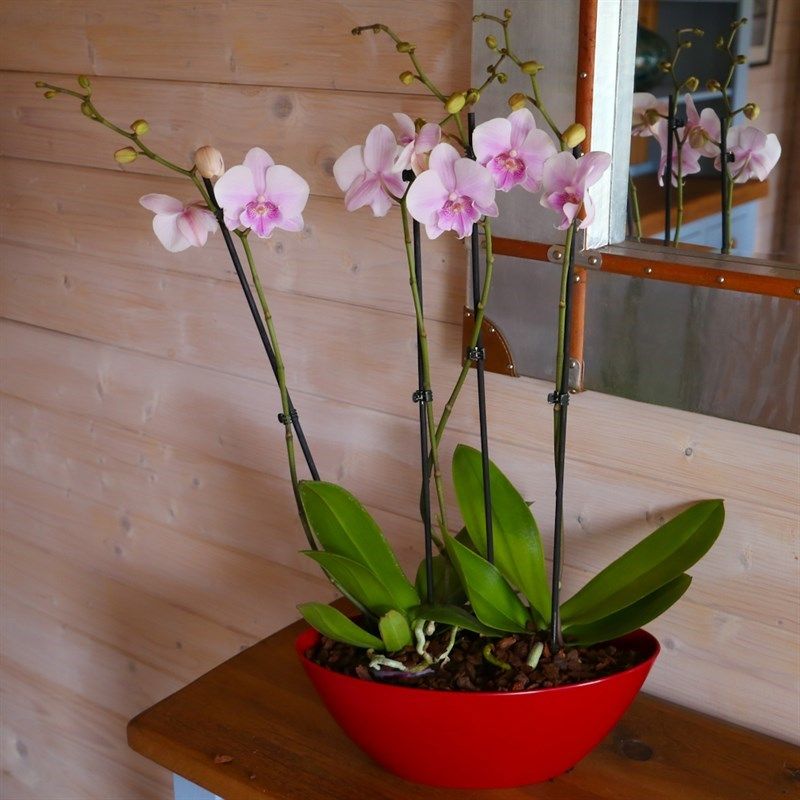
Temperature consistency matters more than exact degrees when coaxing orchids to bloom longer during Ohio’s unpredictable February weather. Wild swings between day and night temperatures stress plants and cause buds to blast before opening fully.
Maintaining steady conditions between sixty-five and seventy-five degrees creates the stable environment orchids need for producing flowers that last weeks rather than days.
Avoid placing orchids near heating vents, fireplaces, or drafty exterior doors where temperatures fluctuate dramatically throughout the day. Interior rooms away from outside walls maintain more consistent warmth compared to perimeter spaces.
Nighttime temperatures can drop slightly to around sixty degrees, mimicking natural conditions that actually encourage better blooming.
Using a simple thermometer helps monitor conditions accurately rather than guessing based on personal comfort levels. Ohio’s February brings occasional warm spells that tempt us to crack windows, but sudden temperature drops harm orchids quickly.
Space heaters provide supplemental warmth in chilly rooms but should never blow directly on plants.
Extreme cold damages flowers within hours, turning petals translucent and causing them to collapse completely. Conversely, temperatures above eighty degrees shorten bloom life significantly and may halt spike development entirely.
Basements often stay too cold for orchids during winter despite seeming like protected spaces. Consistent temperatures help flowers develop richer colors and firmer textures that resist wilting.
Monitor conditions daily during February when Ohio weather shifts rapidly between freezing and mild.