11 Ohio Native Plants To Add To Your Garden This April
Ever notice how some plants seem to settle in instantly, while others struggle no matter how much effort you put in? In Ohio, that difference often comes down to one simple factor.
Native plants already know how to handle the state’s heavy soils, shifting spring weather, humid summers, and cold winters. April is the perfect moment to take advantage of that built-in resilience.
As the soil warms and spring rains return, native plants establish quickly and start building strong root systems before summer arrives. They do more than just survive.
They support pollinators, improve soil over time, and bring a natural rhythm to your garden that feels right for the region. Add the right natives now, and your garden starts to feel easier to manage and far more alive.
It is one of the simplest ways to create lasting beauty without constant upkeep.
1. Eastern Red Columbine Feeds Early Pollinators
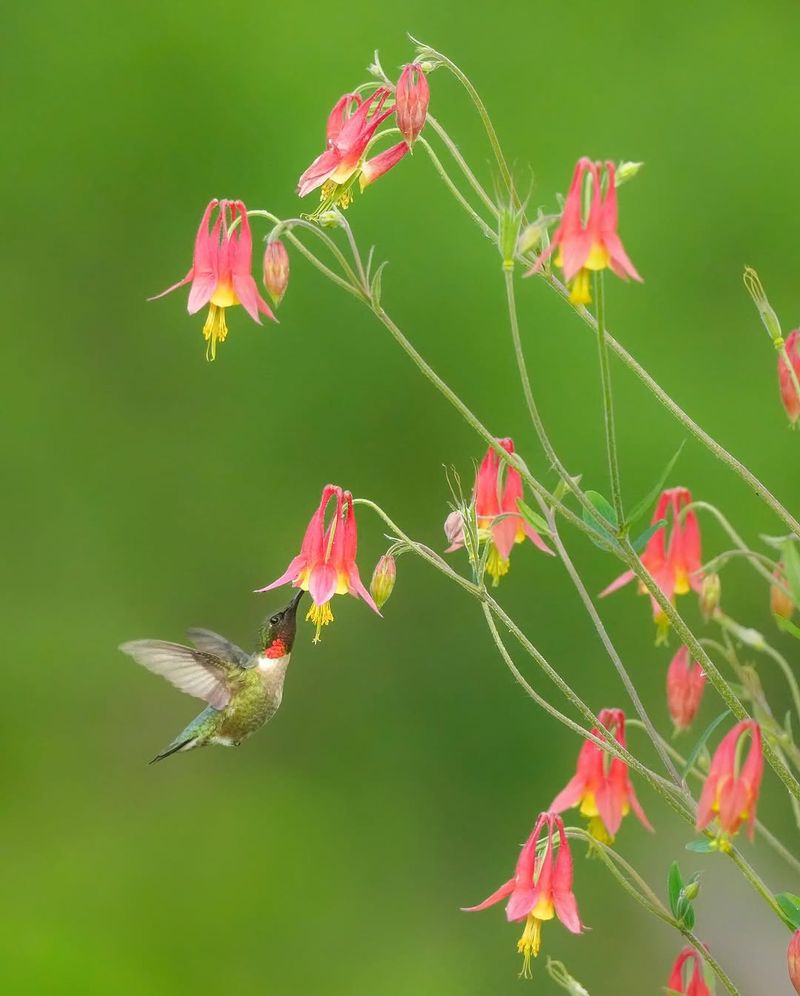
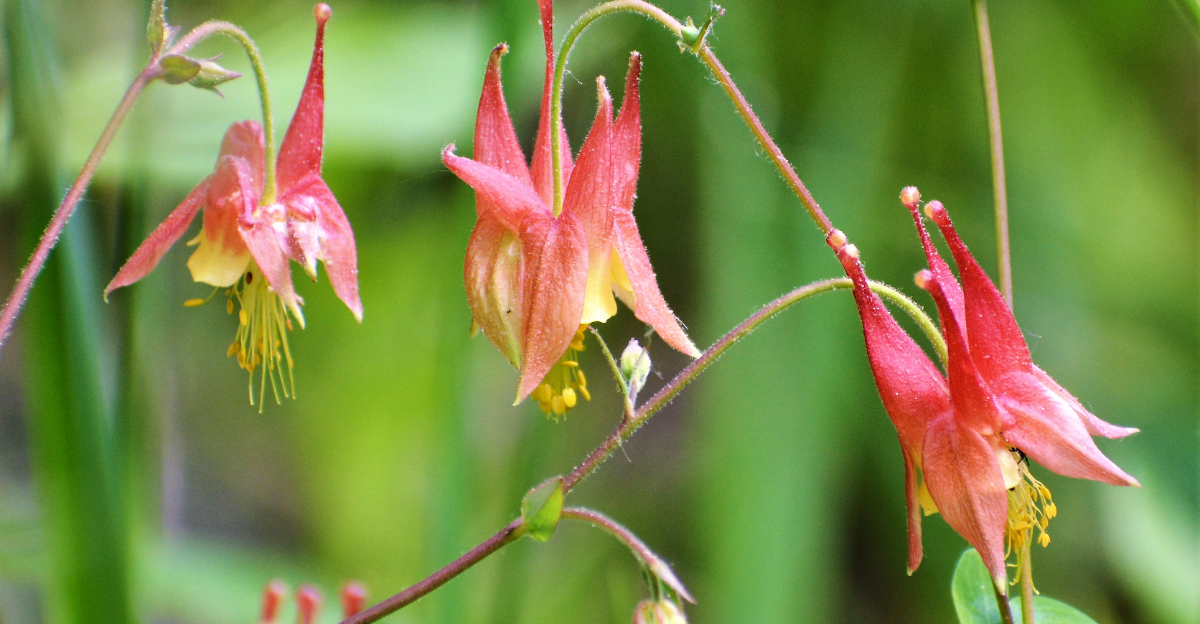
Few sights in an Ohio spring garden are as charming as a hummingbird hovering over the nodding red and yellow blooms of Eastern Red Columbine. This native wildflower, known scientifically as Aquilegia canadensis, typically starts blooming in late April and carries color well into June, making it one of the earliest reliable nectar sources for both ruby-throated hummingbirds and long-tongued native bees.
Eastern Red Columbine thrives in partial to full shade, which makes it a wonderful fit for the wooded backyards and north-facing garden beds so common across Ohio. It handles average to rocky, well-drained soil and actually prefers conditions that are not overly rich or wet.
In northern Ohio, where spring arrives a week or two later, plants may bloom closer to mid-May.
When planting in April, choose a spot with dappled light and good drainage. Space plants about 12 inches apart and water them in well.
Once established, columbine is relatively low-maintenance and will often self-seed gently around the garden. Avoid heavy mulching right at the base, as this can cause crown rot.
Letting a few seedheads mature in summer helps new plants establish naturally over time.
2. Wild Geranium Thrives In Shady Ohio Gardens
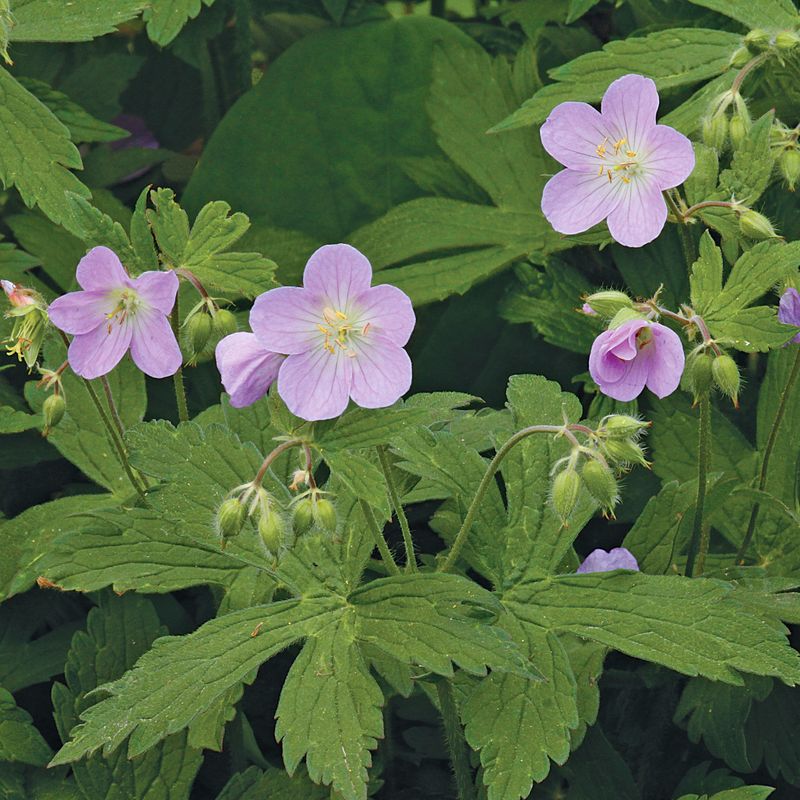
Walk through almost any Ohio woodland in late April or May and you are likely to spot the soft lavender-pink blooms of Wild Geranium peeking out from beneath the tree canopy. Geranium maculatum is a true Ohio native that has been growing in the state’s forests and shaded hillsides for centuries, and it brings that same easy reliability to home gardens.
Wild Geranium blooms from late April through early June and grows well in partial to full shade. It prefers rich, moist, well-drained soils with plenty of organic matter, which describes a lot of Ohio’s woodland garden beds.
The plant forms tidy clumps about 18 inches tall and wide, and its deeply lobed leaves stay attractive well into summer even after blooming ends.
April is a great time to plant container-grown Wild Geranium because the cool, moist conditions help roots settle in before summer heat arrives. Place it under deciduous trees or along shaded fence lines where it can naturalize over time.
In southern Ohio, where soils tend to be heavier clay, mixing in some compost before planting helps drainage. Bumblebees and mining bees are frequent visitors to the blooms, adding pollinator activity to shaded spots that often get overlooked.
3. Virginia Bluebells Create A Brief Spring Show
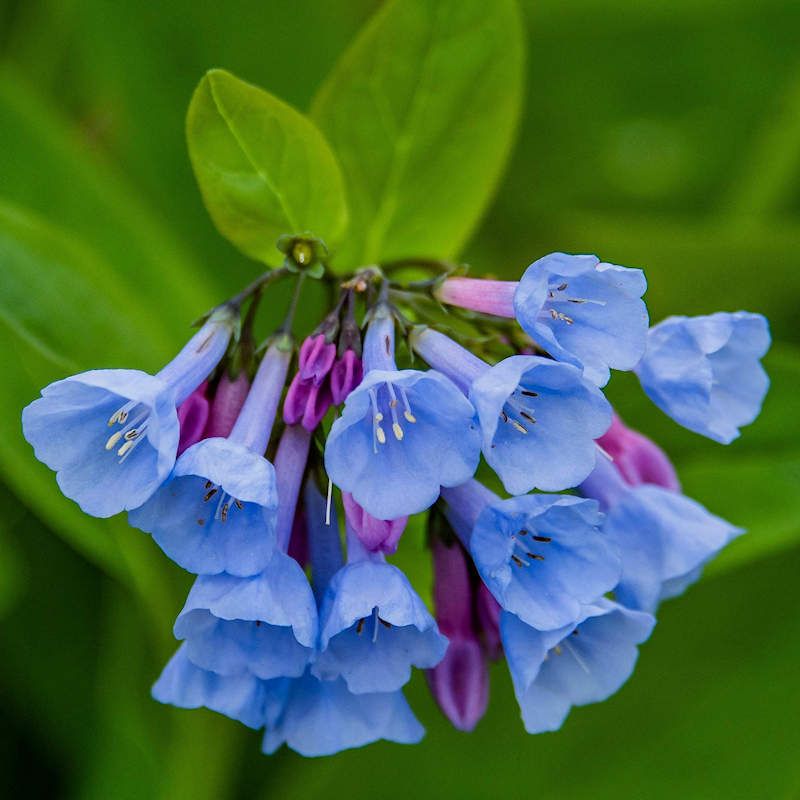
There is something almost magical about Virginia Bluebells. For just a few weeks in April and early May, this spring ephemeral transforms Ohio’s moist woodland edges and floodplain gardens into drifts of sky-blue color.
Mertensia virginica is one of the most beloved native wildflowers in the state, and planting it this April means you could enjoy those iconic blue blooms as soon as next spring.
Virginia Bluebells prefer rich, consistently moist soil and do best in partial shade. They are especially at home along stream banks, in low-lying garden areas, or under large deciduous trees where moisture collects.
In Ohio, they are often found naturally growing along the banks of the Scioto and Hocking Rivers, but they adapt well to garden conditions that mimic that moisture-rich environment.
The ephemeral nature of this plant means the foliage will yellow and fade by early summer, so plan to pair it with hostas, ferns, or other shade plants that can fill in the space as bluebells go dormant. Plant dormant roots or potted transplants in April at a depth of about two inches.
Northern Ohio gardeners may want to add extra organic matter to help retain moisture in sandier soils. Bumblebees and early butterflies rely on the blooms for nectar.
4. Foamflower Brightens Woodland Beds With Ease
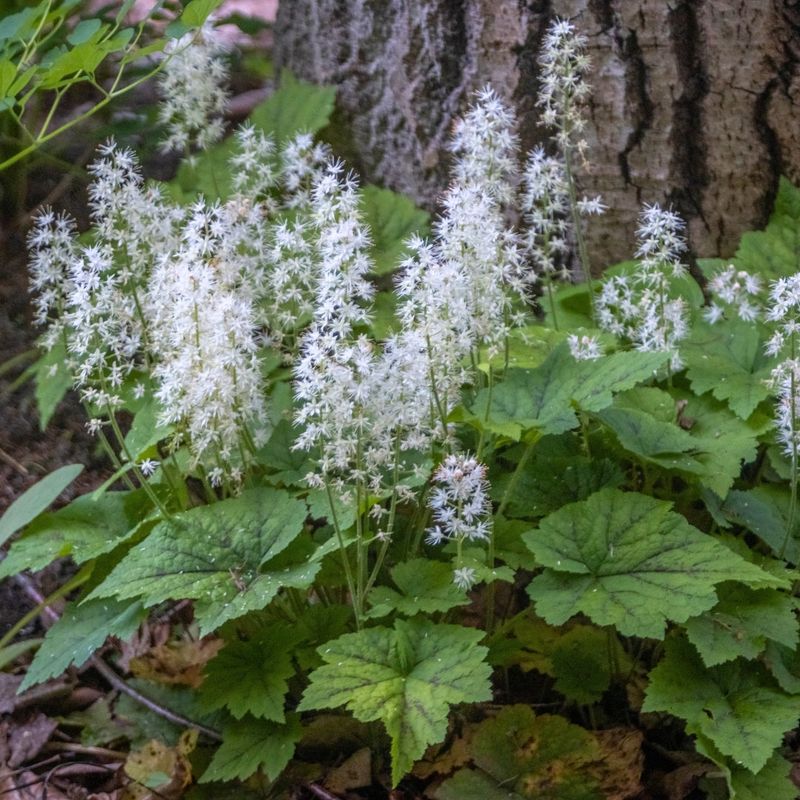
If you have a shady corner of your Ohio garden that feels a little flat in spring, Foamflower might be exactly what it needs. Tiarella cordifolia produces airy spikes of white to pale pink blossoms in April and May that look almost like tiny clouds floating above the foliage.
The name fits perfectly once you see those frothy blooms in person.
Foamflower is a low-growing woodland native that spreads gradually by runners, making it a practical and attractive groundcover for shaded beds. It handles Ohio’s clay-heavy soils well when amended with compost or leaf mold, and it thrives in partial to full shade.
The heart-shaped leaves with dark purplish markings stay ornamental well beyond the bloom period, giving the garden structure through summer and into fall.
April planting works especially well because the cool, moist conditions in Ohio at this time of year closely match the plant’s natural habitat preferences. Space transplants about 12 to 18 inches apart to allow for spreading.
In northern Ohio, where springs can be wetter and cooler, Foamflower tends to establish very quickly. Native bees are drawn to the blooms for early-season pollen.
Keep the soil consistently moist in the first season and avoid planting in spots that dry out completely in summer heat.
5. Golden Alexanders Support Early Season Pollinators
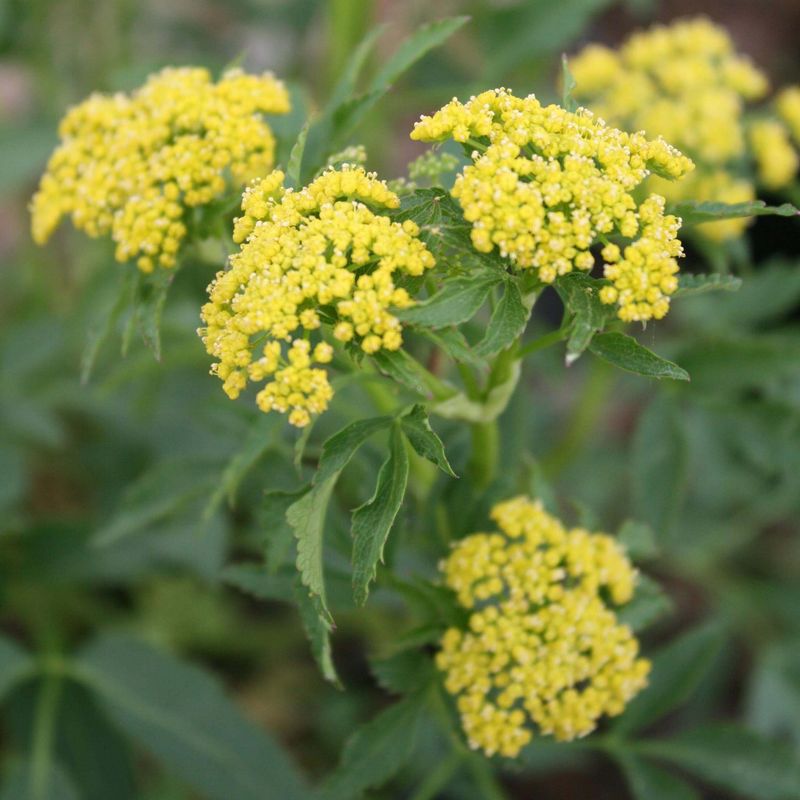
Bright yellow clusters of Golden Alexanders are one of the first bold splashes of color to appear in Ohio’s native plant gardens each spring. Zizia aurea typically begins blooming in late April and continues through May or early June, offering a critical food source for pollinators at a time when not much else is in flower.
Native bees, especially specialist sweat bees, are particularly fond of the blooms.
Golden Alexanders grow well in full sun to partial shade and adapt to a wide range of Ohio soils, including heavier clay types. They reach about two to three feet tall and form attractive clumps that fill in nicely over a few seasons.
The dark green compound leaves also serve as a host plant for black swallowtail butterfly caterpillars, which adds another layer of ecological value to this already hardworking native.
April is an ideal time to plant container-grown Golden Alexanders because the plant has time to root in before summer heat sets in. Water regularly through the first growing season, especially during dry spells.
In southern Ohio, where springs warm faster, plants may bloom slightly earlier than in the northern part of the state. Grouping three or more plants together creates a more impactful display and attracts greater pollinator activity to your garden.
6. Wild Lupine Adds Structure And Native Value
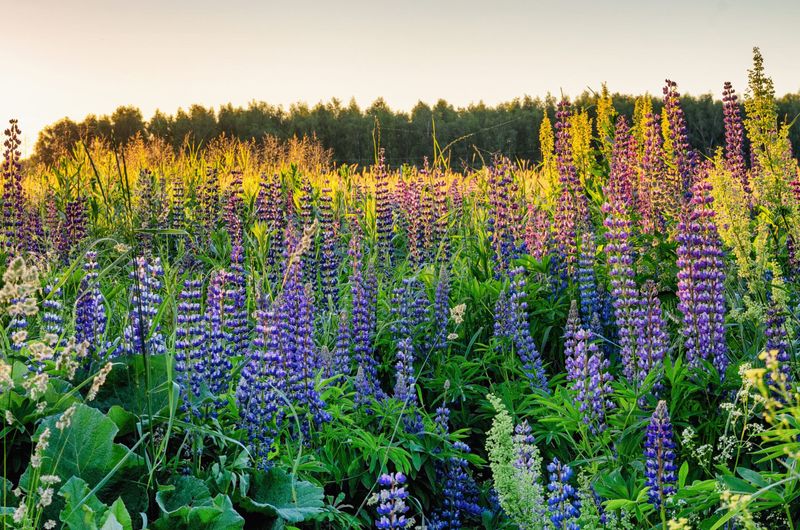
Wild Lupine has a striking, architectural quality that sets it apart from most other Ohio native wildflowers. The tall spikes of blue-purple blooms rise dramatically above the palmate leaves, creating a bold vertical element in the garden from late April through June.
Beyond looks, Lupinus perennis is the sole host plant for the federally endangered Karner blue butterfly, giving it serious ecological importance.
One thing to know before planting Wild Lupine is that it has specific soil needs. Unlike many other Ohio natives, it strongly prefers sandy, well-drained, low-fertility soil.
Heavy clay soils, which are common across much of central and northern Ohio, are not a good fit unless significantly amended with coarse sand and grit. It does best in full sun and actually struggles in overly rich garden beds.
Sandy-soiled regions of northwestern Ohio and the Oak Openings region near Toledo are among the best natural habitats for Wild Lupine in the state. If your soil conditions are right, April planting gives roots time to establish before summer.
Avoid overwatering once plants are in the ground. Wild Lupine also fixes nitrogen in the soil through root nodules, which can benefit neighboring plants over time.
Native bumblebees are important pollinators of its blooms.
7. Prairie Phlox Brings Low Growing Spring Color
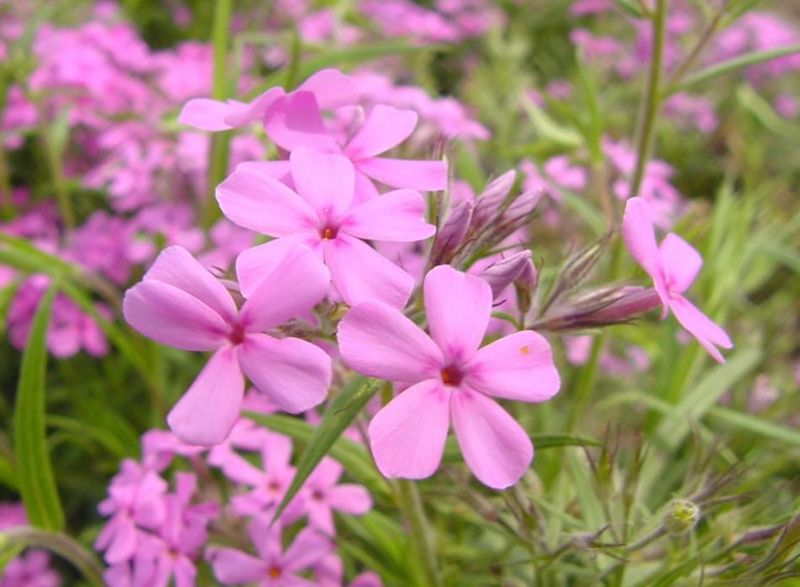
Not all phlox are created equal, and Prairie Phlox earns its place in Ohio native gardens through its toughness and cheerful spring color. Phlox pilosa is a low-growing species that typically reaches 12 to 18 inches tall and spreads gradually to form soft, colorful mats of pink to lavender blooms starting in late April.
The fragrance is light and pleasant, and butterflies absolutely love it.
Prairie Phlox thrives in full sun and prefers dry to medium, well-drained soils. It is far more tolerant of dry conditions than its woodland cousin, Wild Blue Phlox, making it a better fit for open garden beds, sunny borders, and prairie-style plantings.
Ohio’s open meadow and savanna habitats are where this plant naturally occurs, so gardens that mimic those sunny, somewhat lean conditions get the best results.
Plant container-grown Prairie Phlox in April in a location that receives at least six hours of direct sun per day. Good air circulation around the plants helps reduce the risk of powdery mildew later in the season.
Spacing plants 12 to 15 inches apart allows for natural spreading without crowding. In southern Ohio, bloom time can start a week or two earlier than in the northern part of the state.
After blooming, cut back lightly to encourage fresh foliage growth through summer.
8. Purple Coneflower Blooms Strong Through Summer Heat
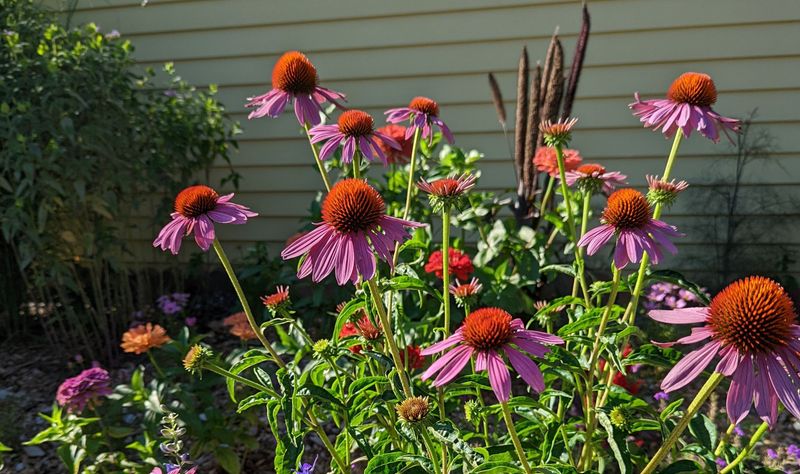
Ask almost any Ohio gardener to name their favorite native perennial and Purple Coneflower comes up again and again. Echinacea purpurea is a summer bloomer, opening its rosy-purple flowers from late June through August or even September, but April is exactly the right time to get transplants into the ground so they can settle in and deliver a strong first-year bloom season.
Purple Coneflower handles Ohio’s summer heat and humidity better than most plants. It grows in full sun and tolerates a range of soil types, including average and clay-heavy soils, as long as drainage is decent.
Once established, it is notably drought tolerant, which makes it a reliable performer even during dry Ohio summers. Bees, butterflies, and goldfinches are all regular visitors throughout the season.
When planting in April, choose a sunny spot and work some compost into heavy clay soils to improve drainage. Space plants 18 to 24 inches apart to allow for good air circulation, which helps prevent fungal issues in Ohio’s humid summers.
Resist the urge to deadhead spent blooms in fall, because the seed heads provide food for birds like American goldfinches well into winter. Echinacea also naturalizes well over time, slowly spreading into fuller clumps that require very little attention after the first growing season.
9. Black Eyed Susan Handles Tough Garden Conditions
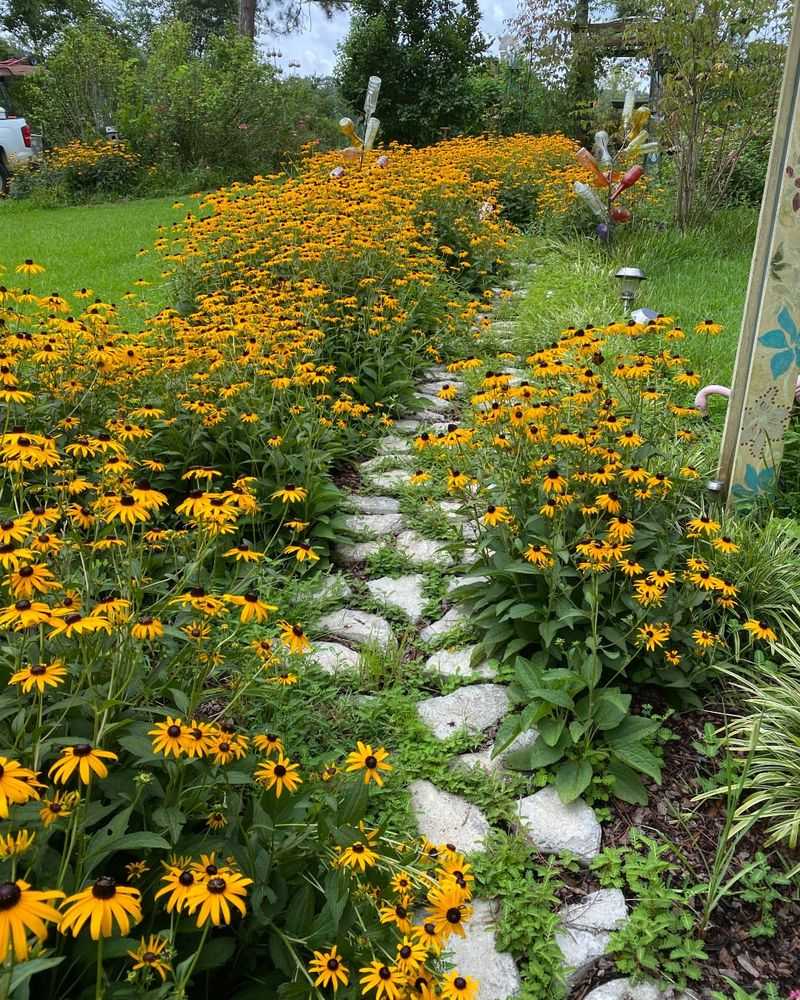
Rudbeckia hirta is one of those plants that makes new native gardeners feel like pros. Black-Eyed Susan is adaptable, cheerful, and unfussy in a way that is genuinely hard to find in the plant world.
The golden-yellow flowers with their dark chocolate centers bloom from June through September, and they look equally good in formal borders, meadow gardens, and casual backyard plantings across Ohio.
What makes Black-Eyed Susan particularly valuable for Ohio gardens is its ability to handle a wide range of soil conditions. Average to clay soils, dry to moderately moist conditions, and full sun to light shade are all within its comfort zone.
It is a short-lived perennial that self-seeds readily, meaning once you plant it, it tends to keep coming back year after year without much effort on your part.
April planting gives Black-Eyed Susan plenty of time to establish before its long bloom season kicks off. Space transplants about 18 inches apart in a sunny location, and water them in well.
In northern Ohio, where springs are cooler and wetter, plants establish especially quickly. Native bees and butterflies visit the blooms heavily, and the seed heads that form in fall are a valuable food source for songbirds.
Leaving the spent stems standing through winter also provides habitat for beneficial insects.
10. Butterfly Weed Attracts Monarchs And Loves Dry Soil
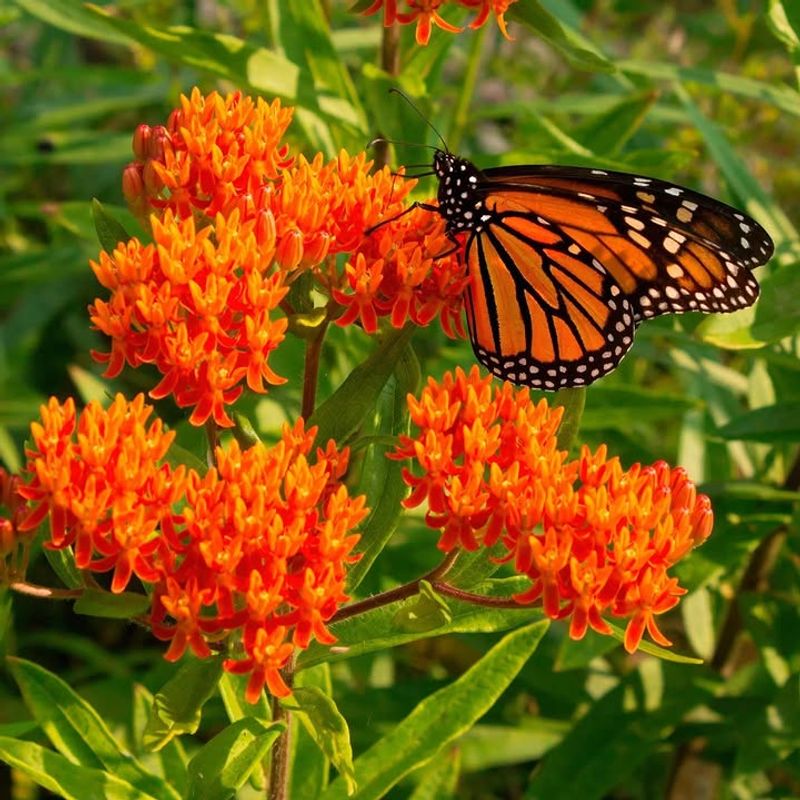
Bright orange flower clusters and a monarch butterfly landing on them is one of the most iconic images of an Ohio native garden in summer. Butterfly Weed, or Asclepias tuberosa, is the showiest of Ohio’s native milkweeds, and it plays a critical role as both a nectar source and a host plant for monarch butterfly caterpillars.
Planting it this April means supporting one of North America’s most recognized pollinators.
Unlike many milkweeds, Butterfly Weed prefers dry, well-drained soil and full sun. It does not do well in soggy or heavy clay conditions unless those soils are significantly improved with drainage amendments.
The deep taproot that develops over time is what gives this plant its drought tolerance, but it also means Butterfly Weed does not transplant well once established, so choosing the right spot from the start matters.
April is the best window to get container-grown plants into the ground before the taproot gets too deep to disturb comfortably. Choose a sunny, dry spot and avoid overwatering after planting.
Butterfly Weed is one of the last perennials to emerge in spring, so do not be alarmed if you do not see growth until late April or even May. In southern Ohio, emergence tends to come a bit earlier than in the northern counties.
Bees, wasps, and many butterfly species also visit the blooms heavily throughout summer.
11. Little Bluestem Adds Texture And Year Round Interest
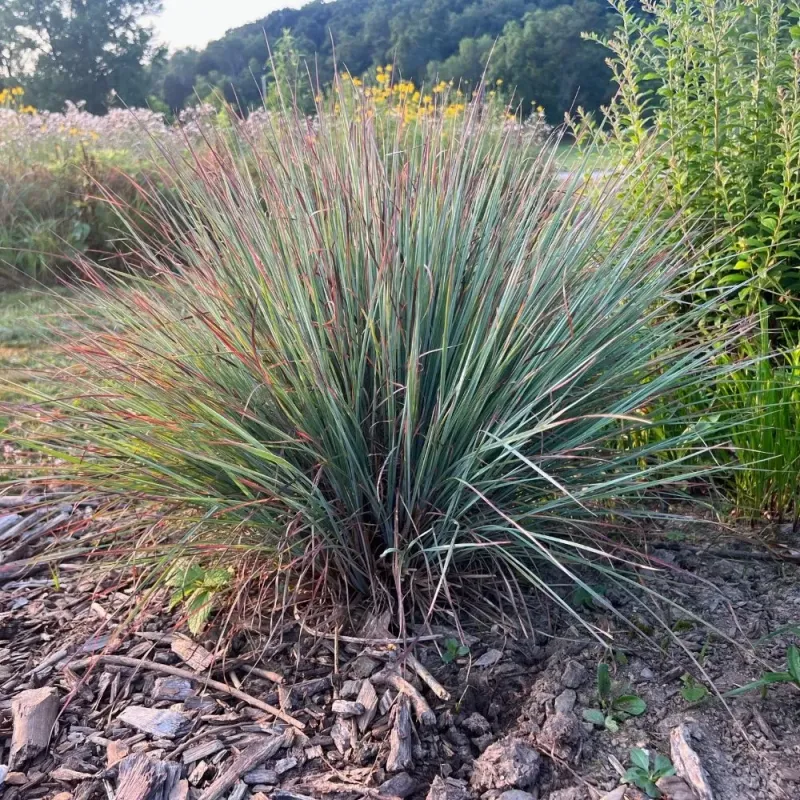
Most gardeners think of grasses as background plants, but Little Bluestem earns a starring role in Ohio native gardens through every season of the year. Schizachyrium scoparium starts the growing season as a tidy blue-green clump, transitions to coppery-red in fall, and holds its feathery seed heads through winter, offering structure and texture long after most other plants have faded.
Little Bluestem is a warm-season native grass, which means it stays dormant through Ohio’s cool spring months and begins active growth in late May or June. Planting in April works well because the roots have time to establish during the cool, moist weeks before summer heat arrives.
It thrives in full sun and tolerates poor, dry, or clay soils once established, making it one of the more forgiving native plants for challenging garden spots.
Space plants 18 to 24 inches apart in a sunny location with decent drainage. Avoid planting in low-lying spots where water pools after Ohio’s spring rains.
Cut clumps back to about four inches in late winter or early March before new growth begins. In northern Ohio, cut-back timing may shift a week or two later depending on how long winter lingers.
The fluffy seed heads that form in fall attract sparrows and other seed-eating birds, extending the ecological value of this grass well into the colder months.