Ohio Native Plants To Establish Before Summer Heat Hits
April in Ohio can feel like a small window that makes a big difference in the garden. One week the soil is just waking up, and before long, summer heat is already on the horizon.
This in-between moment is when native plants have the best chance to settle in. Soil temperatures are rising, moisture is still dependable, and conditions are much easier on young roots.
Getting plants in the ground now gives them time to spread and anchor before drier weather sets in.
Many Ohio gardeners notice that plants started in April tend to grow stronger and handle summer conditions with less stress.
1. Purple Coneflower Brings Lasting Summer Color
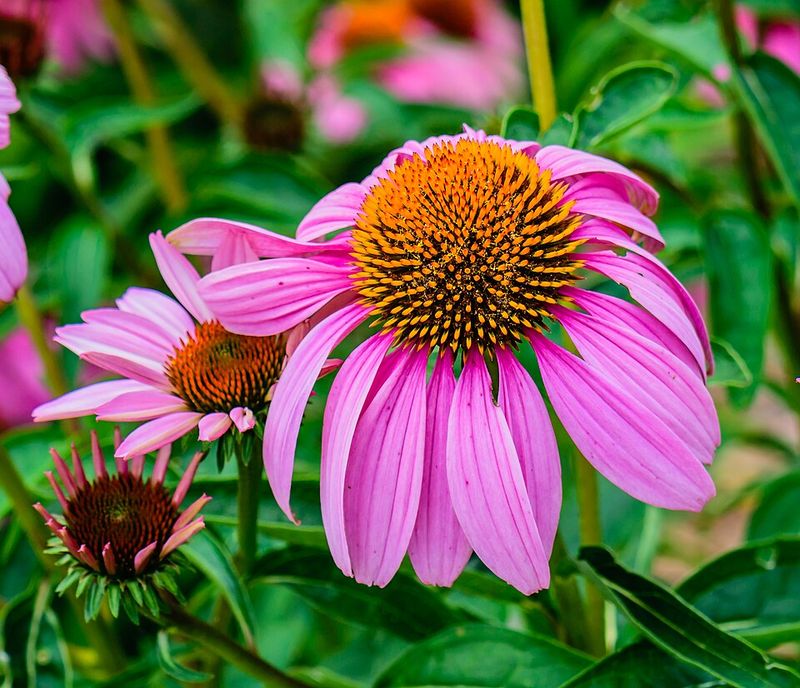
Few plants reward Ohio gardeners as consistently as Purple Coneflower, a tough native perennial that earns its keep from midsummer well into fall.
Known botanically as Echinacea purpurea, it produces striking blooms with rosy-purple petals surrounding a spiky, cone-shaped center that attracts bees, butterflies, and goldfinches in impressive numbers.
Planting in April gives the roots several weeks to anchor into Ohio soil before temperatures climb. Choose a spot with full sun and well-drained soil, spacing plants about 18 inches apart to encourage good air circulation.
Although coneflowers can handle poor soil reasonably well, adding a bit of compost at planting time tends to support stronger early growth.
Once established, Purple Coneflower handles Ohio’s summer dry spells with notable resilience.
The first season may produce modest blooms, but by year two, a well-established plant puts on a much more impressive show.
Leaving the seed heads standing through winter also provides food for birds and adds quiet structure to the garden during colder months.
For gardeners wanting reliable color with minimal fuss, this native is a genuinely rewarding choice.
2. Black Eyed Susan Adds Bright Seasonal Color
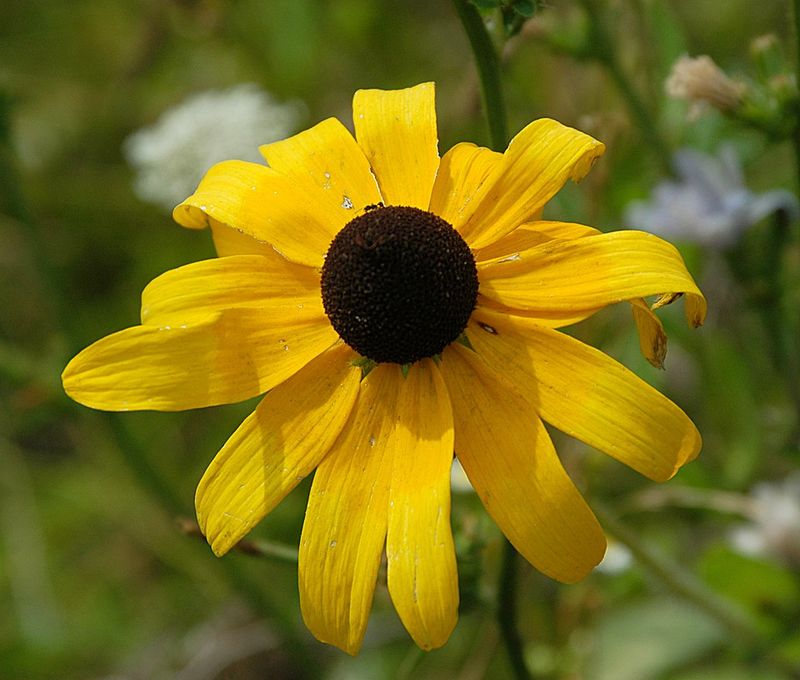
Bright golden petals surrounding a rich chocolate-brown center make Black-Eyed Susan one of the most cheerful sights in an Ohio summer garden.
Rudbeckia hirta is a tough, adaptable native that blooms generously from late spring through early fall, providing long-lasting color when many other plants start to fade.
Getting transplants or seeds into the ground in April takes advantage of Ohio’s spring moisture and cooler temperatures, giving roots a solid head start.
Black-Eyed Susan tolerates a range of soil types, from clay-heavy beds to sandy spots, and does best with at least six hours of direct sun each day.
Space plants roughly 12 to 18 inches apart to allow room for spreading.
One of the most practical things about this native is how quickly it settles in. Even in its first season, Black-Eyed Susan typically produces a generous flush of blooms, making it a satisfying choice for gardeners who want results without a long wait.
It also self-seeds modestly, filling in gaps over time without becoming aggressive.
Pollinators visit the flowers regularly, and the seed heads attract small birds well into autumn, extending the garden’s value beyond summer.
3. Wild Bergamot Attracts Pollinators With Soft Blooms
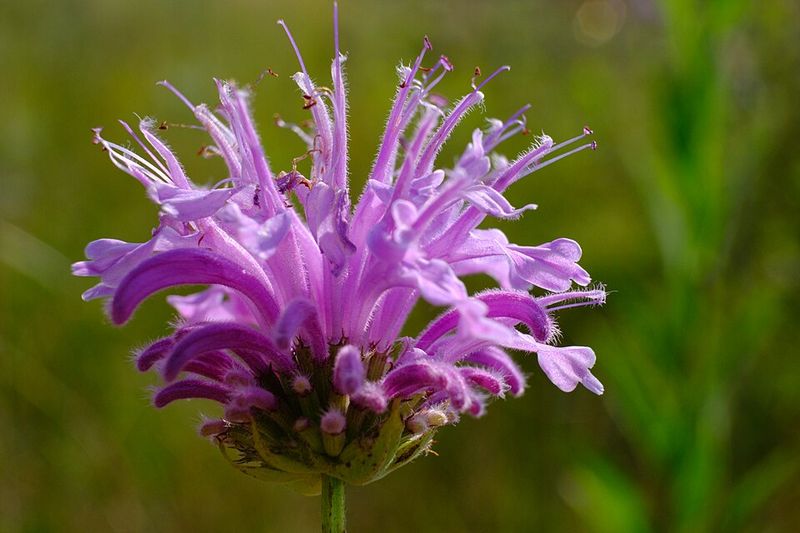
Walk past a patch of Wild Bergamot on a warm Ohio afternoon and the air carries a faint, pleasant herbal scent that feels almost like being near a kitchen garden.
Monarda fistulosa produces clusters of lavender-purple flowers on upright stems that can reach two to four feet tall, creating a loose, airy texture that looks relaxed and natural in any planting.
April planting gives Wild Bergamot time to develop a root system capable of handling Ohio’s unpredictable summer dry stretches. It prefers full sun to light shade and adapts well to average, well-drained soils.
Spacing plants about 18 to 24 inches apart helps maintain airflow, which reduces the chance of powdery mildew, a common issue when plants are crowded in humid conditions.
The pollinator activity around Wild Bergamot in bloom is genuinely impressive. Bumblebees, native bees, hummingbirds, and several butterfly species visit the flowers regularly throughout summer.
Beyond its ecological value, this plant is remarkably low-maintenance once established, rarely needing supplemental watering after its first season in Ohio soil.
Cutting stems back by about half in late spring can encourage bushier growth and more abundant flowering, giving the plant a tidier, fuller appearance through the season.
4. Butterfly Weed Supports Pollinators With Bold Color
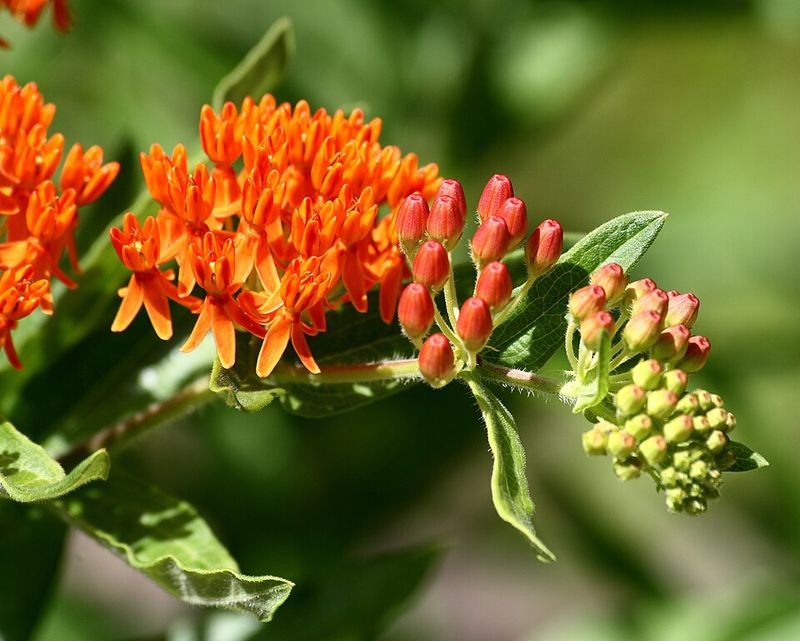
Brilliant orange flower clusters make Butterfly Weed one of the most visually striking native plants an Ohio gardener can choose, and the ecological value it delivers matches that bold appearance.
As a member of the milkweed family, Asclepias tuberosa serves as a host plant for monarch butterfly larvae, making it a meaningful addition to any pollinator-friendly garden.
One thing to keep in mind when planting in April is that Butterfly Weed emerges later than many perennials, so patience is helpful in the early weeks.
It develops a deep taproot, which means transplanting is best done when plants are young and actively growing.
Choose a spot with full sun and excellent drainage, as this native strongly dislikes wet or heavy clay soils. Spacing about 12 to 18 inches apart works well for most garden settings.
Once Butterfly Weed settles in, it becomes one of the most drought-tolerant plants in an Ohio garden. Summer heat and dry soil conditions that stress other plants rarely bother a well-established specimen.
The blooms attract monarchs, swallowtails, fritillaries, and numerous native bee species throughout the season. Leaving the distinctive seed pods to mature in fall also adds interesting late-season structure to the garden.
5. Swamp Milkweed Thrives In Moist Garden Areas
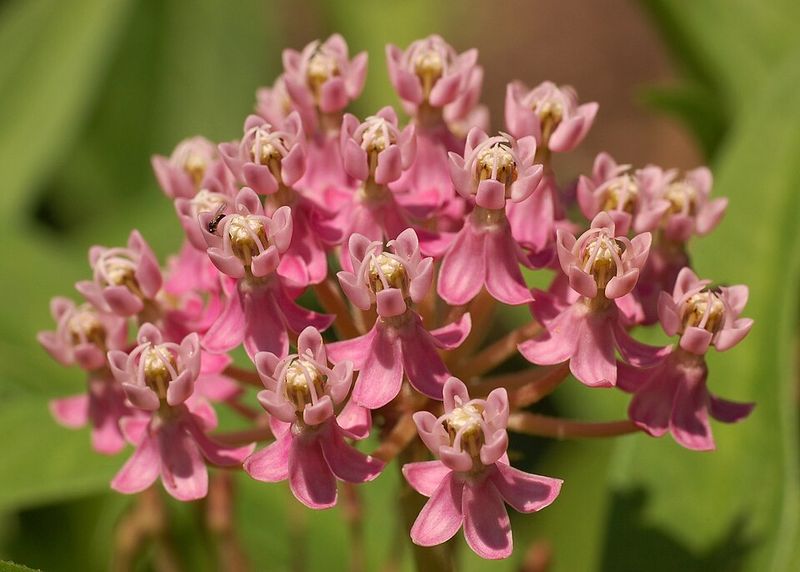
Not every Ohio garden has perfectly drained soil, and Swamp Milkweed is one native plant that genuinely welcomes the wetter spots others struggle in.
Asclepias incarnata produces clusters of soft pink to mauve flowers on upright stems reaching three to four feet tall, creating an elegant vertical element in rain gardens, low-lying beds, or areas near water features.
April planting works especially well for Swamp Milkweed because spring moisture in Ohio gives the roots exactly the conditions they prefer during the establishment phase.
Full sun produces the best flowering performance, though plants can tolerate partial shade with some reduction in bloom density.
Spacing plants about 18 inches apart allows room for the clumps to fill in over several seasons without overcrowding.
Like its relative Butterfly Weed, Swamp Milkweed serves as a host plant for monarch butterfly larvae and attracts a wide range of native pollinators when in bloom.
The flowers appear from midsummer into early fall, bridging a gap in the garden’s seasonal color calendar.
Established plants handle Ohio’s variable summer moisture levels well, tolerating both extended wet periods and brief dry stretches once roots are firmly anchored.
The slender seed pods that follow the flowers add graceful late-season interest.
6. Little Bluestem Adds Texture And Fall Interest
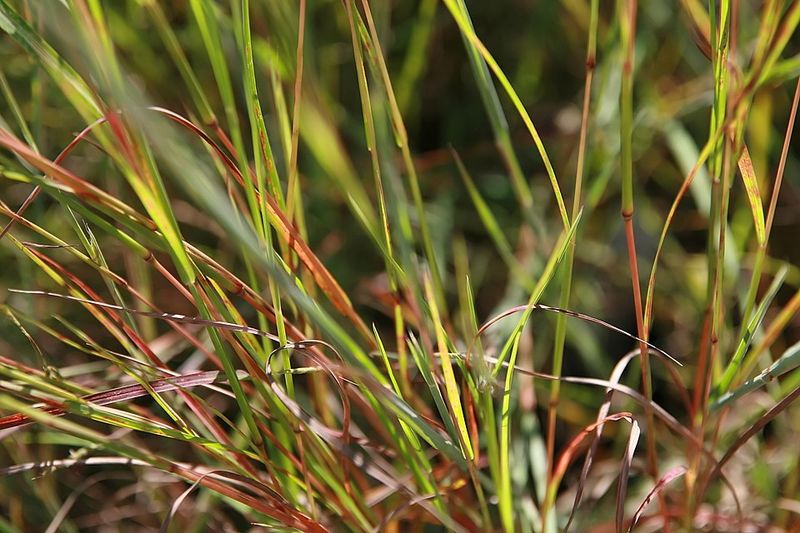
Most gardeners think of Little Bluestem as a fall plant, but getting it established in April is what makes that autumn display possible.
Schizachyrium scoparium starts the season with attractive blue-green foliage that brings subtle cool color to the garden through summer before transforming into warm copper, rust, and bronze tones as temperatures drop in Ohio.
This native grass thrives in full sun and well-drained to dry soils, making it a strong choice for slopes, rocky areas, or beds that tend to dry out during Ohio summers.
Spacing transplants about 18 to 24 inches apart gives each clump room to develop its characteristic upright, slightly arching form.
One of the most appealing things about Little Bluestem is how little maintenance it requires once established.
Early spring planting allows the root system to develop depth before summer heat arrives, which is what gives this grass its impressive drought tolerance in later months.
The fluffy white seed heads that appear in late summer attract small birds and catch the light beautifully on clear fall afternoons.
Leaving the clumps standing through winter provides wildlife habitat and adds genuine structure to the garden when most other plants have gone dormant for the season.
7. Switchgrass Builds Strong Roots And Movement
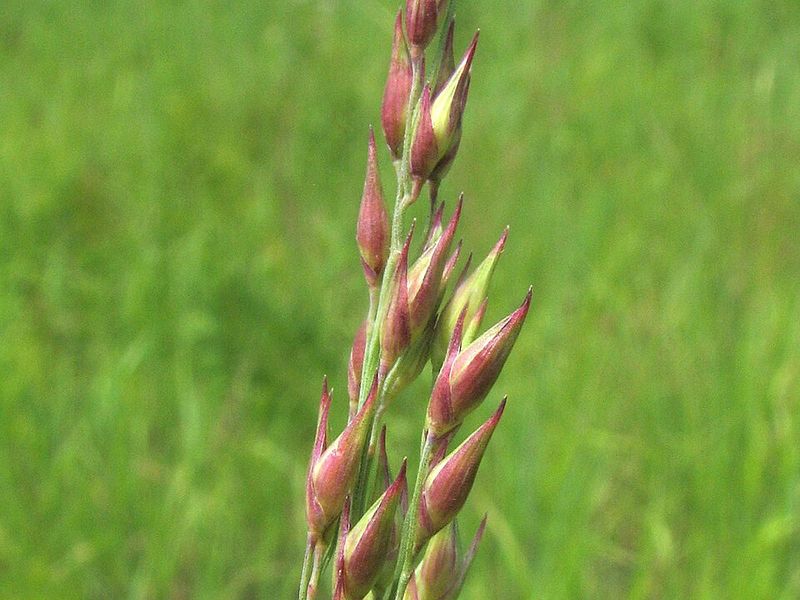
There is something almost meditative about watching a stand of Switchgrass move in an Ohio summer breeze, the fine-textured seed heads catching the light and swaying in loose, graceful waves.
Panicum virgatum is a native warm-season grass with deep, fibrous roots that can reach several feet into the soil, making it one of the most structurally stabilizing plants available for Ohio landscapes.
Planting in April gives Switchgrass time to push those roots down before the ground dries out in summer. It performs best in full sun and tolerates a wide range of soil conditions, from moist, low-lying spots to drier upland areas.
Spacing transplants about 24 to 36 inches apart allows each clump to develop its full, upright form without crowding neighboring plants.
By midsummer, established Switchgrass sends up tall, airy panicles of tiny flowers that mature into seed heads lasting well into winter.
Several cultivated varieties offer additional color interest, including selections with blue-gray foliage or reddish fall tones.
Birds feed on the seeds, and the dense clumps provide shelter for small wildlife through colder months.
For Ohio gardeners building a low-maintenance, four-season planting, Switchgrass is a foundational choice that delivers consistent value year after year.
8. Joe Pye Weed Brings Height And Late Interest
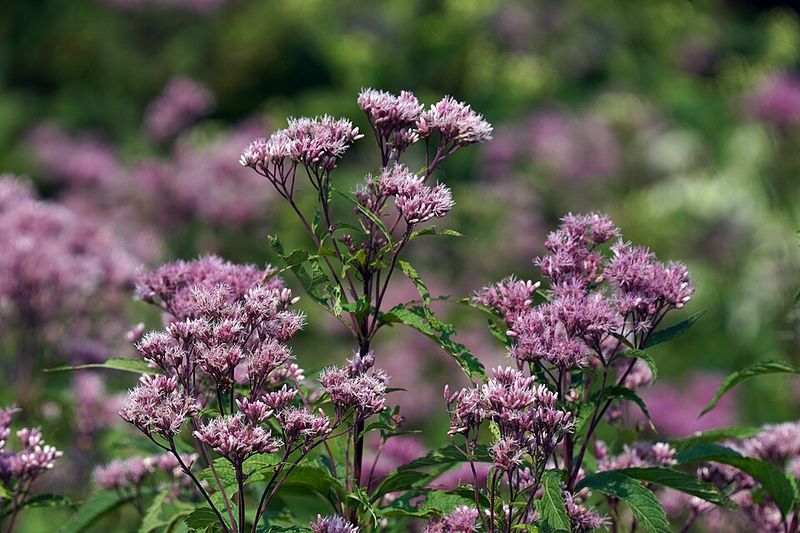
Towering confidently at the back of an Ohio garden border, Joe Pye Weed is the kind of plant that stops visitors mid-step.
Eutrochium purpureum can reach five to seven feet tall, producing large, domed clusters of dusty mauve-pink flowers in late summer when many gardens are starting to look tired and worn from the heat.
Getting Joe Pye Weed into the ground in April is a smart move because it needs that full spring and early summer growing period to build the height and root mass that supports its impressive late-season performance. It grows best in full sun to partial shade and prefers moist, moderately fertile soil.
Spacing plants about 24 to 36 inches apart prevents crowding and allows adequate airflow around the large foliage.
The blooms are magnets for monarch butterflies, swallowtails, and a broad range of native bees during the late summer migration and feeding season.
Established plants handle Ohio’s summer heat reasonably well, particularly in spots that retain some soil moisture.
Cutting stems back by one-third in late spring, a technique sometimes called the Chelsea chop, can produce a slightly shorter, sturdier plant that holds its form better in exposed garden spots with stronger winds.
9. Cardinal Flower Adds Striking Red Blooms
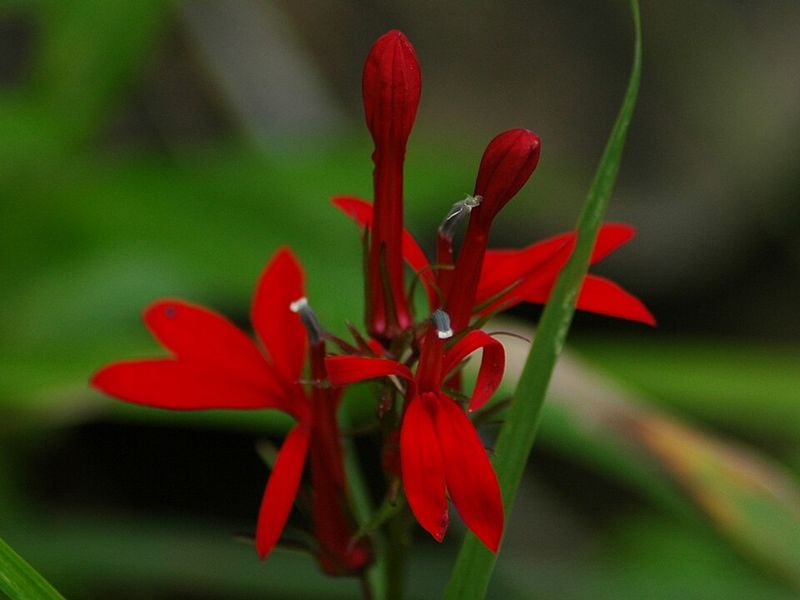
Scarlet-red flower spikes that practically glow against green summer foliage make Cardinal Flower one of the most visually dramatic natives an Ohio gardener can plant.
Lobelia cardinalis produces tall, upright stems lined with intensely colored tubular blooms that ruby-throated hummingbirds find nearly irresistible, often visiting repeatedly throughout the day when plants are in full flower.
April planting gives Cardinal Flower several weeks to settle in before Ohio’s summer heat arrives, which matters because this native prefers consistent moisture and can struggle if roots dry out during the establishment phase.
Choose a spot with full sun to partial shade and moist, organically rich soil.
Areas near rain gardens, pond edges, or low spots that retain moisture tend to suit this plant especially well.
Spacing plants about 12 inches apart allows room for the clumps to expand over time, and mulching around the base helps retain soil moisture through dry summer stretches.
Cardinal Flower typically blooms from midsummer into early fall, providing a vivid color anchor in the garden when the hummingbird migration through Ohio is at its peak.
Plants may self-seed lightly in favorable spots, gradually forming small colonies that strengthen the display in subsequent seasons without spreading aggressively.