11 Old Favorite Plants Making A Return In Virginia Gardens
Gardens across Virginia have a funny way of circling back to what once worked best, and lately it feels like familiar plants are quietly stepping back into the spotlight again.
Nostalgia and experience are pushing many Virginia gardeners back toward plants remembered from childhood yards and long-lived neighborhood gardens that always seemed to thrive.
These aren’t trendy impulse buys, but dependable favorites that earned their place through years of reliable growth and consistent performance in real Virginia landscapes.
Walking through local gardens now feels different, as if those classic shapes, textures, and blooms are reminding people why they were planted everywhere in the first place.
There’s comfort in growing plants that have already proven they can handle Virginia’s heat, humidity, clay soil, and unpredictable weather without constant attention.
Some of these old favorites were pushed aside for years, only to return stronger once gardeners realized how much work newer alternatives actually demanded.
What makes their comeback especially interesting is how naturally they fit into modern gardens, blending smoothly with updated layouts, mixed borders, and relaxed planting styles.
These plants don’t shout for attention, yet they quietly hold space, giving gardens a sense of balance that feels intentional rather than forced.
For many gardeners, bringing them back feels less like following a trend and more like trusting instincts that were right all along.
If your Virginia garden has been missing something familiar yet reliable, these returning favorites may explain why now feels like the right time to plant them again.
1. Bleeding Heart
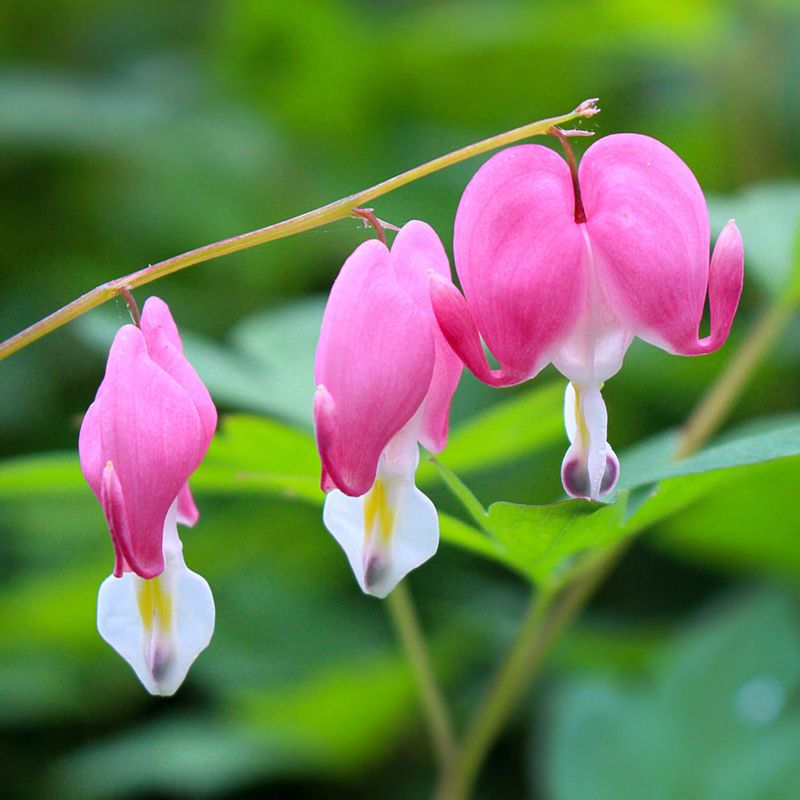
A truly romantic sight in spring gardens, these plants dangle unique heart-shaped flowers from arching stems, a display gardeners have cherished for generations across Virginia.
These shade-loving perennials bloom in spring with pink or white flowers that truly resemble tiny hearts with droplets hanging from their tips.
Gardeners appreciate how Bleeding Hearts thrive in the cooler temperatures and moist woodland conditions found throughout much of the state during early growing seasons.
The delicate foliage adds texture to shaded garden beds even after the blooms fade away, making this plant a long-season performer in landscapes.
Many Virginia homeowners plant Bleeding Hearts under trees or along north-facing walls where other flowering plants struggle to establish themselves successfully each year.
The plant goes dormant in summer heat, which means it won’t compete with later-blooming perennials for space or attention in your garden beds.
Heirloom varieties passed down through families are being shared again as neighbors rediscover the joy of growing these sentimental favorites in their yards.
Bleeding Hearts require minimal care once established, needing only consistent moisture and protection from harsh afternoon sun to flourish beautifully season after season.
2. Hollyhock
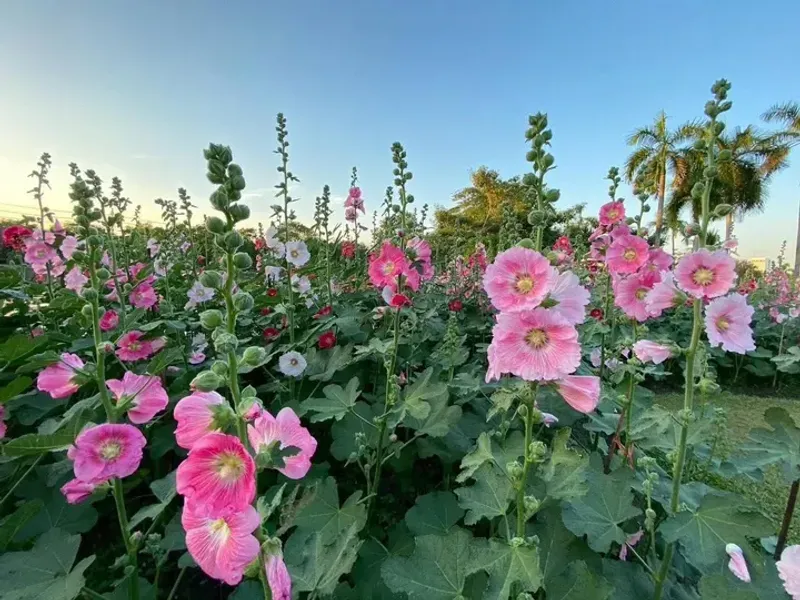
Towering above garden beds, tall spikes covered in large, ruffled blooms bring classic cottage garden charm to Virginia landscapes everywhere.
These biennial plants can reach six to eight feet tall, creating dramatic vertical interest against fences, walls, or the sides of old barns.
Single and double-flowered varieties come in colors ranging from deep burgundy to pale yellow, giving gardeners plenty of options for their planting schemes.
Hollyhocks self-seed readily, which means they’ll return year after year without much effort from the gardener who first plants them in place.
Virginia’s summer heat doesn’t bother these tough plants, which bloom from midsummer through early fall when many other perennials have finished flowering completely.
The large, showy flowers attract hummingbirds and butterflies, adding movement and life to gardens throughout the warm months of the growing season here.
Old-fashioned varieties are being sought out by gardeners who remember seeing them in their grandparents’ yards decades ago, creating connections across generations today.
Hollyhocks need full sun and well-drained soil to perform their best, but they tolerate poor soil conditions better than many modern hybrid flowers.
3. Peony
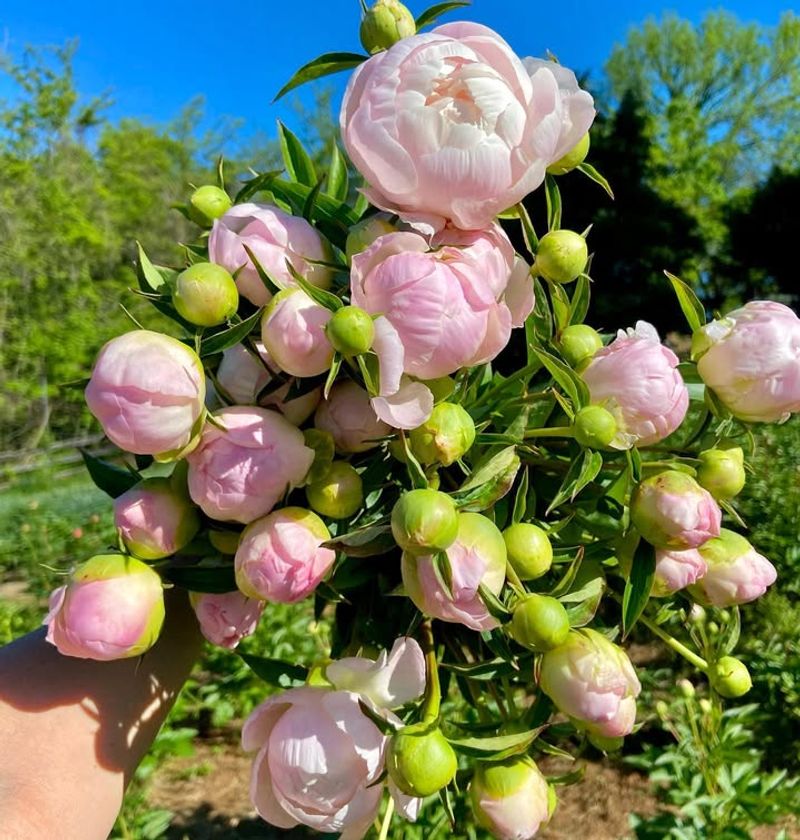
Massive, fragrant blooms have made these plants true garden treasures in Virginia for well over a century, with some outliving the gardeners who first planted them.
These long-lived perennials can thrive for fifty years or more in the same spot, becoming cherished family heirlooms passed through multiple generations.
The lush, full flowers come in shades of pink, white, red, and coral, often with enough petals to create blooms as large as softballs.
Peonies bloom in late spring across Virginia, providing a spectacular show that marks the transition from cool season to summer warmth each year.
Many gardeners value peonies not just for their beauty but also for their reliability, as established plants bloom faithfully year after year.
The glossy, deep green foliage remains attractive throughout summer, providing structure and texture to garden beds long after the flowers have faded away.
Virginia’s climate suits peonies perfectly, as they need winter chill to set buds and moderate spring temperatures to develop their impressive blooms properly.
Cutting gardens often feature rows of peonies because the flowers last well in vases, bringing their sweet fragrance indoors for everyone to enjoy.
4. Lilac
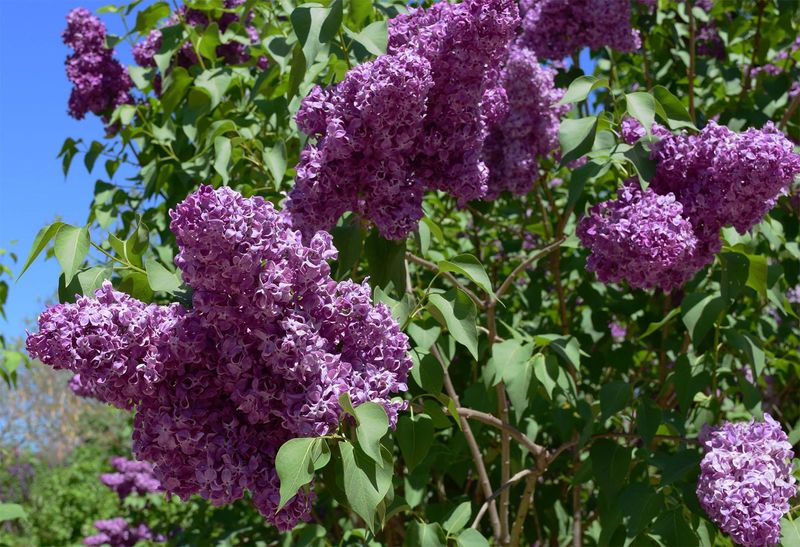
Each spring, neighborhoods across Virginia are filled with an unmistakable sweet fragrance that triggers memories of childhood and simpler times for many longtime residents here.
Deciduous shrubs produce cone-shaped clusters of small flowers in shades of purple, pink, white, and even pale yellow depending on the variety chosen.
Old lilac bushes can grow into substantial specimens over time, sometimes reaching heights of fifteen feet and living for many decades in place.
The blooming period lasts only a few weeks, but during that time, the fragrance can perfume entire yards and drift through open windows.
Virginia gardeners are rediscovering lilacs after years of favoring more modern shrubs that lack the nostalgic appeal and powerful scent of these classics.
Lilacs prefer cooler climates but grow successfully in much of Virginia, especially in areas with good air circulation and well-drained soil conditions.
Many people plant lilacs near windows, patios, or walkways where they can enjoy the fragrance up close during the brief but glorious blooming season.
Older varieties are being propagated from historic properties and shared among gardening enthusiasts who want to preserve these fragrant pieces of horticultural history.
5. Iris
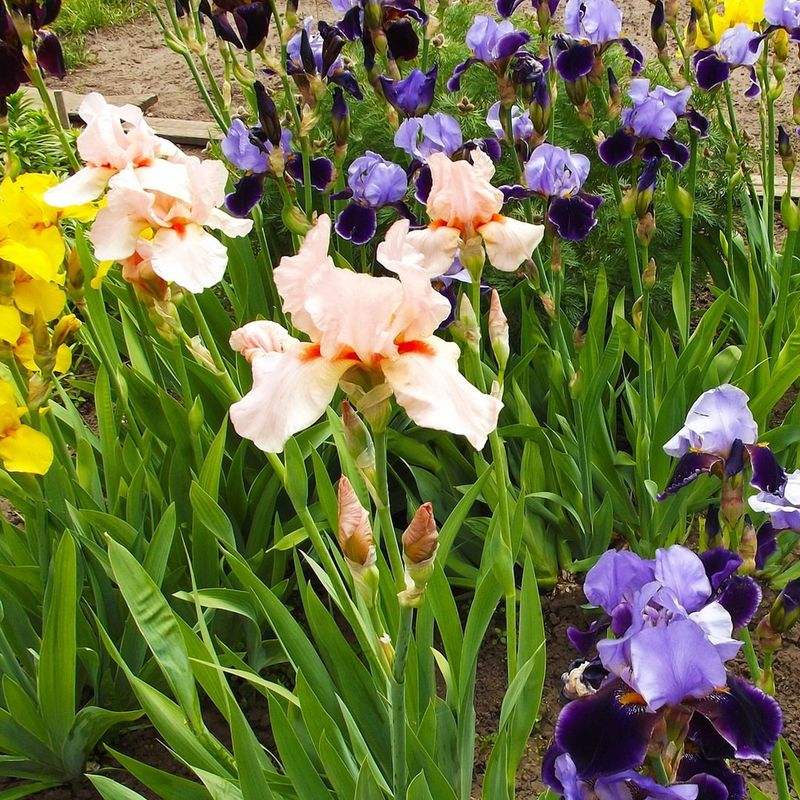
Graceful blooms with intricate patterns and softly ruffled petals have captivated Virginia gardeners since colonial times and continue their reign in gardens today.
Slowly spreading through thick rhizomes, these perennials form dependable clumps that can be divided and shared with friends, neighbors, and family members each season.
The tall flower stalks rise above sword-shaped leaves in late spring, displaying blooms in nearly every color imaginable, including bicolors and dramatic combinations.
Irises are incredibly tough once established, tolerating heat, drought, and neglect better than many modern perennials that require constant attention and perfect conditions.
Virginia’s diverse climate zones support many different iris varieties, from the tall bearded types to the smaller dwarf forms that bloom earlier.
The flowers last only a few days each, but because each stalk produces multiple buds, the blooming period extends for several weeks.
Historic iris varieties with names like ‘Immortality’ and ‘Honorabile’ are being rescued from old farmsteads and cemeteries across the state by dedicated preservationists.
Many gardeners plant irises along property lines or in rows for easy maintenance, creating stunning displays that require minimal water or fertilizer.
6. Black-Eyed Susan
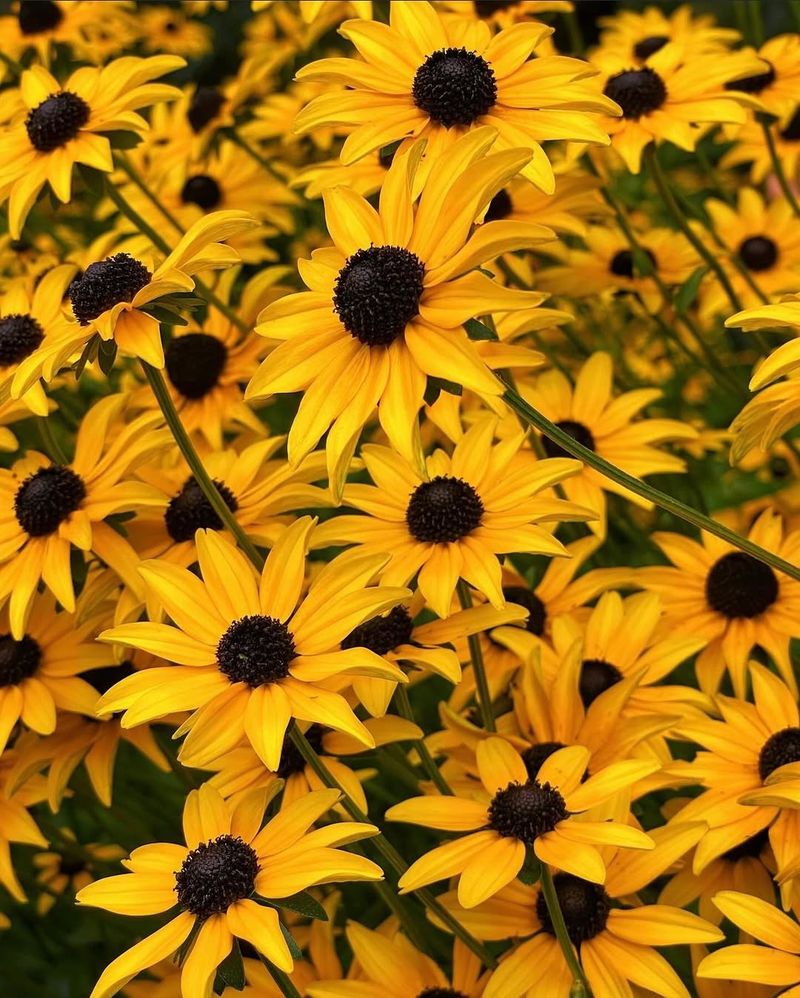
Cheerful golden-yellow petals with dark chocolate-brown centers brighten Virginia roadsides and gardens throughout the long summer season here.
Native wildflowers like this have become garden staples because they are virtually indestructible, thriving in poor soil, heat, and drought conditions that challenge other plants.
The daisy-like flowers bloom continuously from June through September across the state, providing reliable color when many spring bloomers have long since finished.
Black-Eyed Susans attract butterflies, bees, and goldfinches, which feast on the seed heads in fall, adding wildlife interest to gardens throughout the year.
Virginia gardeners appreciate how these plants naturalize easily, spreading to fill in gaps and create sweeping drifts of golden color with minimal effort.
The flowers make excellent cut flowers, lasting over a week in vases and bringing a bit of sunshine indoors during the hottest months.
Old farmsteads throughout Virginia often have patches of Black-Eyed Susans that have persisted for decades, even when the gardens around them have disappeared.
Modern gardeners are intentionally planting these natives again, recognizing their value for low-maintenance beauty and their importance to local pollinator populations across our region.
7. Daylily
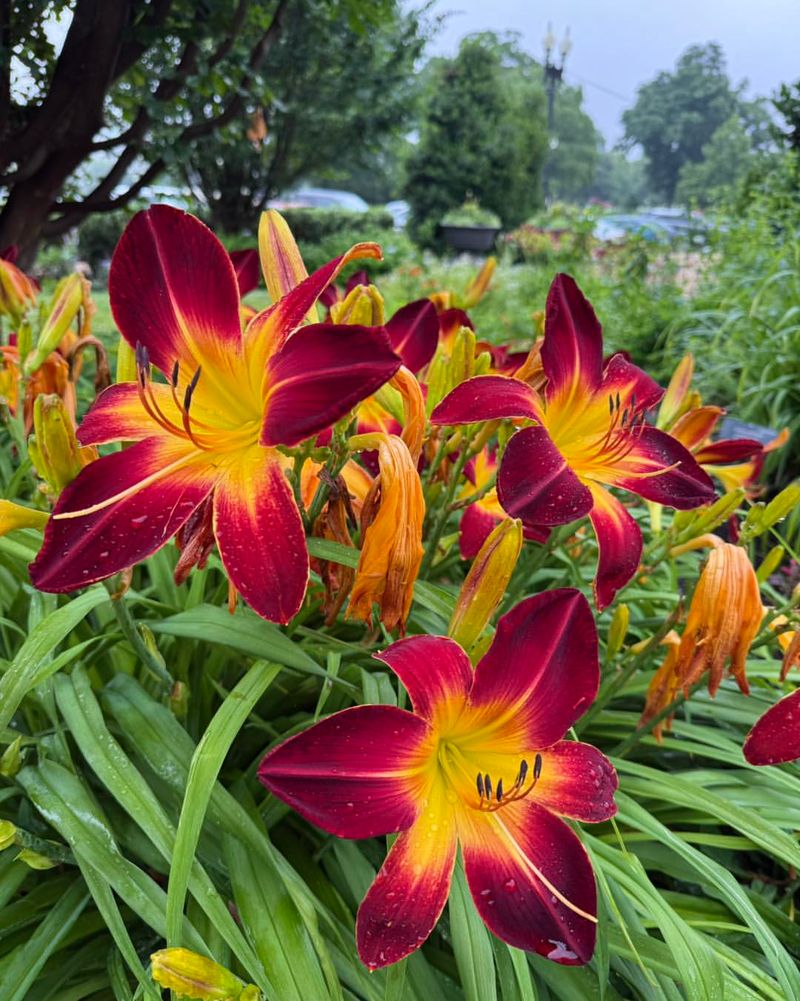
Lining old driveways and farmhouse foundations, clusters of dependable blooms quietly prove an incredible toughness and ability to survive generations of neglect without any special care.
Each flower lasts only one day, but established clumps produce so many buds that the blooming period extends for weeks or even months here.
The trumpet-shaped flowers come in virtually every color except true blue, with modern varieties offering ruffled edges, double petals, and bold patterns.
Virginia’s climate suits daylilies perfectly, as they tolerate both summer heat and winter cold while requiring almost no maintenance once they’re established.
Gardeners are rediscovering the tough old varieties like ‘Stella de Oro’ and ‘Happy Returns’ that bloom repeatedly throughout the growing season reliably.
The grass-like foliage remains attractive even when plants aren’t blooming, providing texture and structure to garden beds and landscape plantings year-round.
Many Virginia families have daylilies that have been growing in the same spot for fifty years or more, outlasting houses and owners alike.
These plants multiply over time, allowing gardeners to divide clumps and share starts with others, spreading beauty and connections throughout entire communities.
8. Rose of Sharon
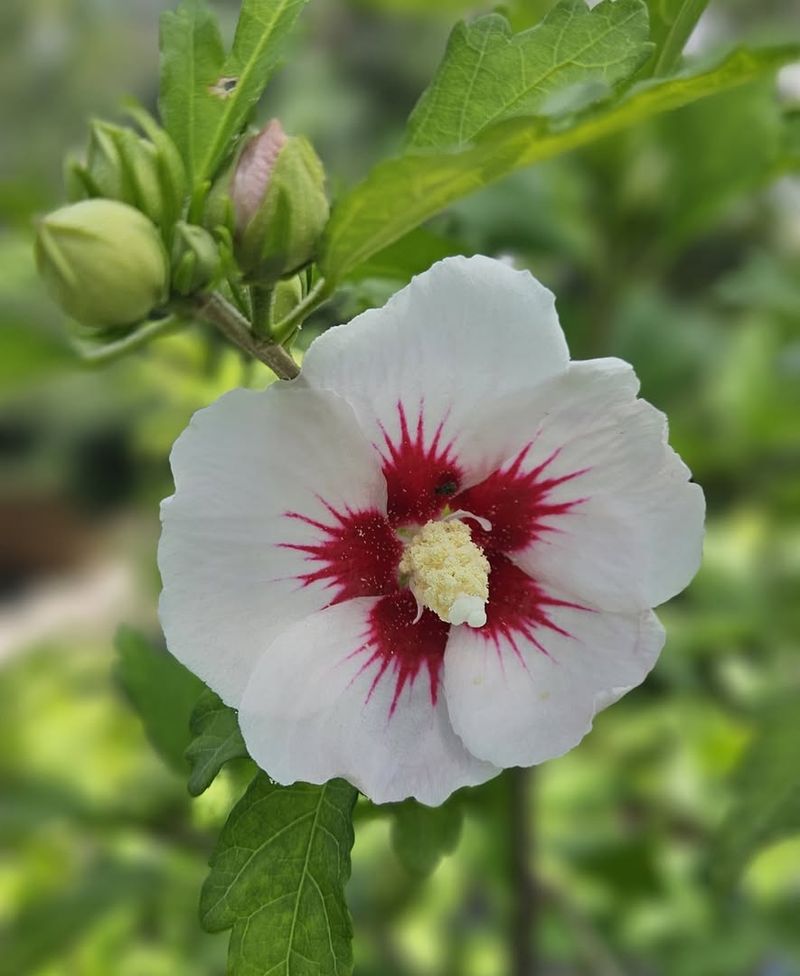
Blooming heavily from July through September, late-summer gardens across Virginia stay colorful even as many other flowering plants quietly fade away.
These deciduous shrubs produce hibiscus-like flowers in shades of white, pink, purple, and blue, often with contrasting dark centers that attract hummingbirds constantly.
The upright growth habit makes Rose of Sharon perfect for screening, hedges, or specimen plantings in yards throughout the state’s varied landscapes.
Old specimens can reach twelve feet tall and live for decades, becoming established features in gardens that change around them over time.
Virginia gardeners value Rose of Sharon for its ability to thrive in heat, humidity, and less-than-perfect soil without requiring constant watering or feeding.
The flowers open fresh each morning and last only one day, but plants produce so many buds that they appear constantly covered.
Historic varieties are being sought out by gardeners who want single-flowered forms that resemble the plants their ancestors grew many years ago.
Rose of Sharon self-seeds readily in Virginia, which some gardeners view as a benefit and others see as a challenge requiring occasional management efforts.
9. Forsythia
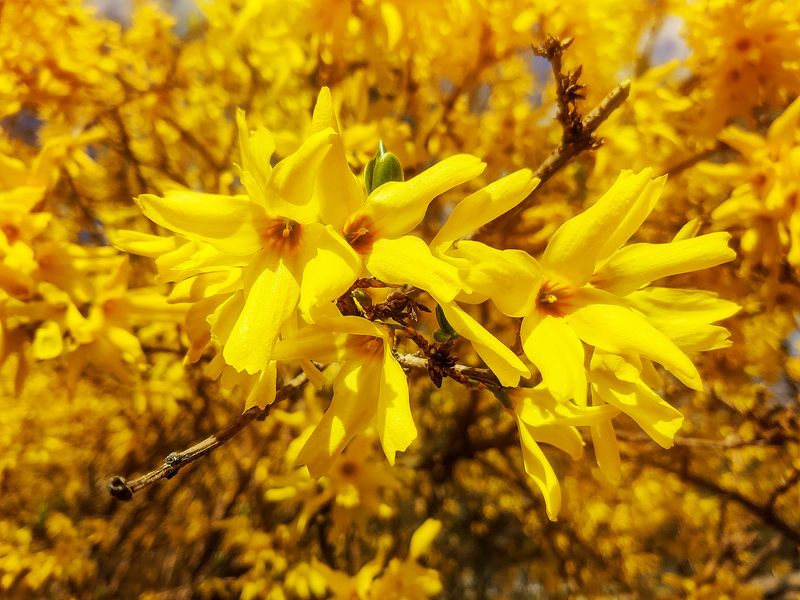
Brilliant golden-yellow flowers erupt along bare branches in early spring, announcing the end of winter throughout Virginia neighborhoods everywhere.
Fast-growing deciduous shrubs like this can reach heights of ten feet, making them useful for screening unsightly views or defining property lines.
The arching branches covered in bright yellow blooms create a spectacular display that lasts about two weeks, lifting spirits after long winters here.
Virginia’s climate provides the winter chill forsythia needs to set buds, ensuring reliable blooming year after year without any special treatment required.
Gardeners are replanting forsythia after years of neglecting these old-fashioned shrubs in favor of plants that bloom later in the growing season.
The branches can be cut in late winter and forced to bloom indoors, bringing a preview of spring inside weeks ahead of schedule.
Old forsythia hedges can be found throughout Virginia, sometimes marking property boundaries that have remained unchanged for fifty years or even longer.
These tough shrubs tolerate pruning, poor soil, and neglect, making them perfect for gardeners who want maximum impact with minimal ongoing maintenance efforts.
10. Columbine
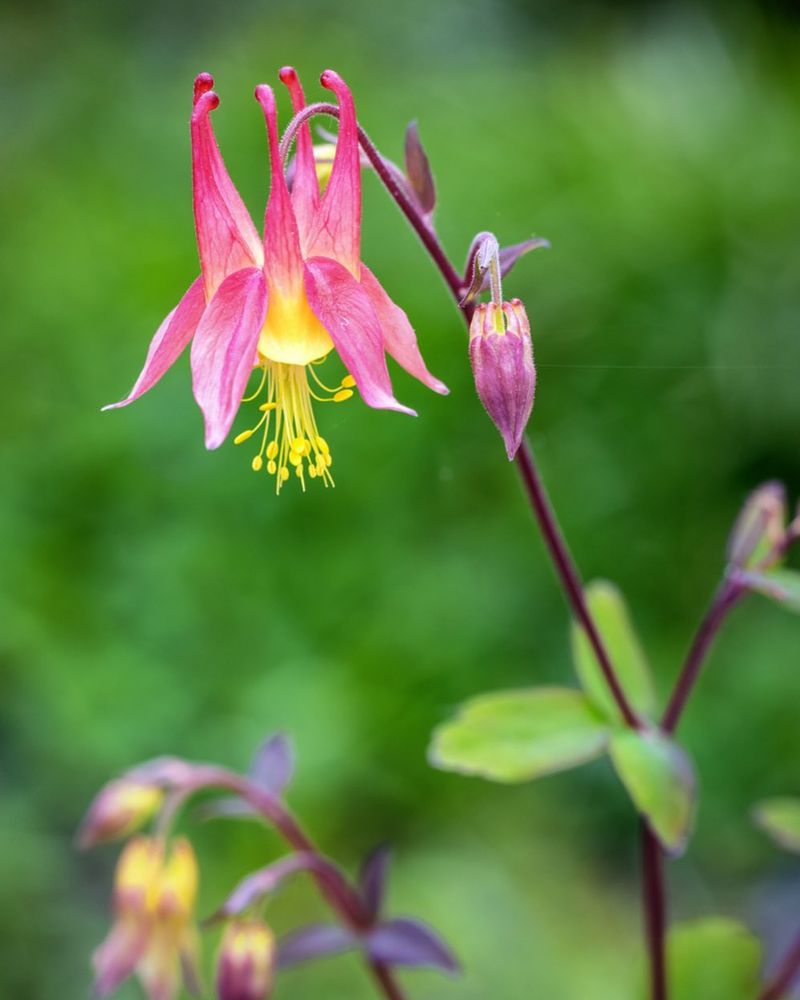
Delicate, spurred flowers seem to dance above lacy foliage each spring, bringing a soft woodland charm to shaded Virginia gardens year after year.
Short-lived perennials like this readily self-seed, allowing them to remain part of garden spaces for years even when individual plants last only a few seasons.
The unique flower shape, with backward-pointing spurs, makes columbines instantly recognizable and beloved by hummingbirds that visit them throughout the blooming period.
Native Virginia columbine features red and yellow flowers, while garden varieties offer blooms in pink, purple, white, and blue shades as well.
Gardeners in the state appreciate how columbines thrive in partial shade where many flowering plants struggle to perform well or bloom abundantly.
The plants prefer cooler temperatures and can look tired by midsummer, but they’ll return vigorously the following spring from self-sown seedlings nearby.
Historic gardens throughout Virginia often contain columbines that have naturalized over decades, creating drifts of nodding flowers in woodland settings and shade gardens.
These plants require little care beyond occasional watering during dry spells, making them ideal for low-maintenance landscapes that still offer seasonal color.
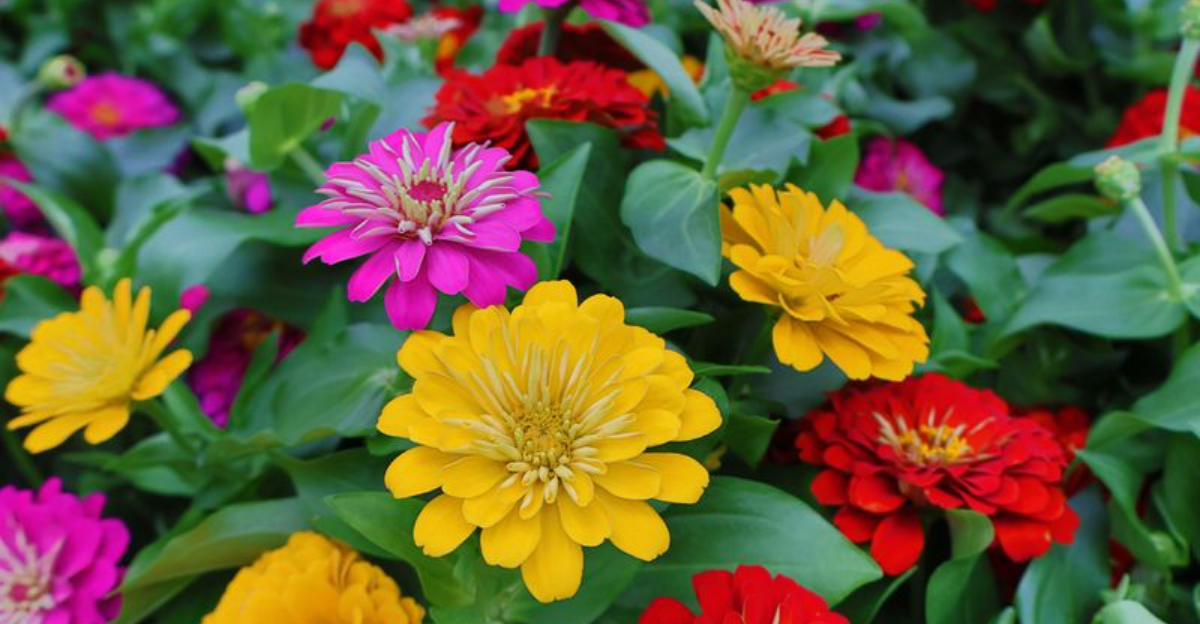
11. Zinnia
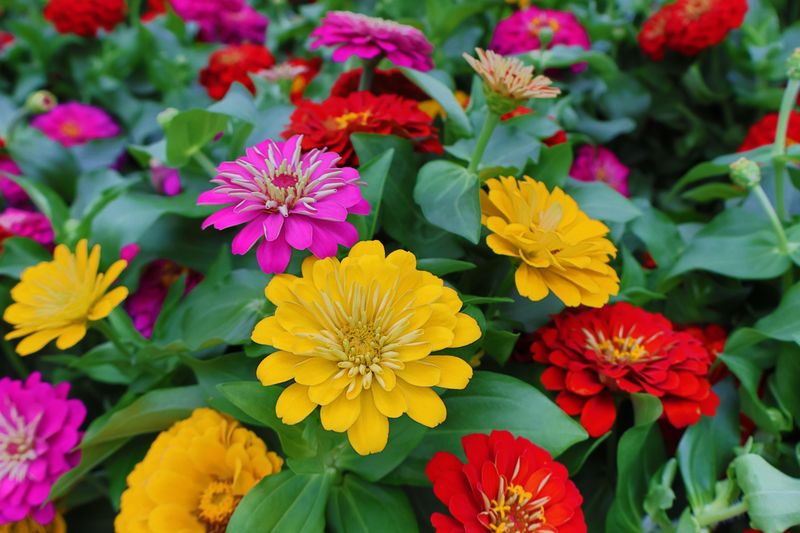
Bright, cheerful blooms have filled Virginia cutting gardens since great-grandparents first tucked seeds along the edges of vegetable patch borders long ago.
Fast-growing annual flowers like this sprout quickly from seed, blooming within weeks and continuing nonstop until fall frost arrives across the entire state.
The flowers come in nearly every color imaginable, from deep burgundy to bright orange, with forms ranging from small pompons to large dinner-plate sizes.
Virginia’s hot summers suit zinnias perfectly, as they thrive in heat that makes many other annual flowers look tired and stop blooming altogether.
Gardeners are rediscovering the joy of growing zinnias from seed, watching them sprout and bloom in just one season without any transplanting required.
The flowers last well when cut, making them perfect for bouquets that bring garden color indoors throughout the entire growing season here.
Heirloom zinnia varieties with names like ‘Benary’s Giant’ and ‘State Fair Mix’ are being grown again by gardeners seeking old-fashioned flower forms and colors.
Zinnias attract butterflies constantly, creating movement and life in gardens while providing abundant blooms for cutting without diminishing the outdoor display at all.