Old School Southern Gardening Tricks That Still Work In North Carolina
Step into an old North Carolina backyard and you might notice something interesting. No fancy gadgets, no complicated systems, just healthy plants and steady harvests year after year.
That is because many Southern gardeners have been using simple, time tested tricks long before social media trends showed up.
Things like smart mulching habits, natural pest control, and soil building routines that actually work with the local climate instead of fighting it.
These methods were shaped by hot summers, heavy rain, and stubborn clay soil, which makes them surprisingly useful today. Even better, most of them cost very little and fit easily into modern gardening routines.
When you mix old wisdom with today’s tools, the results can be impressive. If you are tired of overcomplicating your garden and want results that feel easy and reliable, these classic Southern tricks might be exactly what you need.
1. Companion Planting For Natural Pest Control
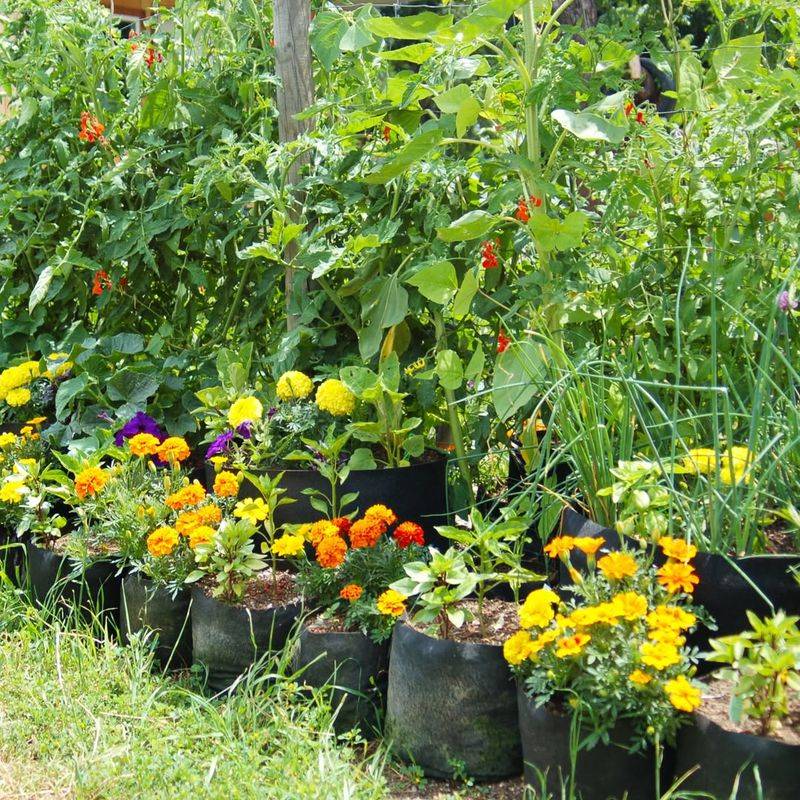
Grandma knew something special when she planted basil beside her tomatoes every spring. This wasn’t just about saving space or looking pretty in the garden. Pairing specific plants together creates natural partnerships that benefit both crops tremendously.
Tomatoes thrive when surrounded by basil, which repels harmful insects like aphids and hornworms.
Marigolds add bright color while their scent confuses pests searching for vulnerable vegetable plants. Onions planted near tomatoes discourage spider mites and other unwanted garden visitors naturally.
North Carolina’s warm, humid summers attract plenty of garden pests seeking tender plants.
Chemical sprays work but often harm beneficial insects that help gardens flourish. Companion planting offers a gentler approach that protects crops without harsh treatments.
The science behind this method involves plants releasing specific compounds through their roots and leaves.
These natural chemicals either repel pests or attract helpful predators that feast on troublesome insects. Your garden becomes a balanced ecosystem where plants protect each other.
Start small by trying classic combinations like tomatoes with basil or carrots with onions. Watch how these partnerships reduce pest problems while improving overall plant health.
This traditional wisdom saves money on pesticides while creating healthier, more productive gardens throughout the growing season.
2. Using Coffee Grounds As Fertilizer
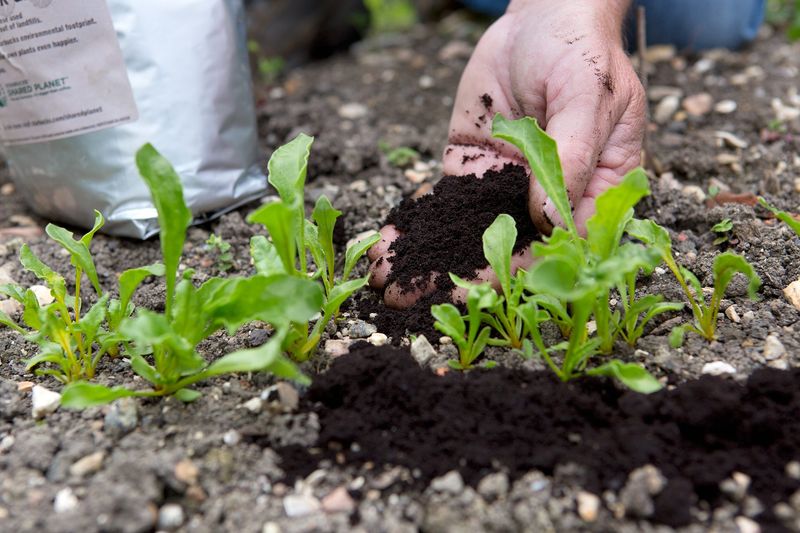
Your morning coffee ritual can fuel more than just your energy levels each day. Those leftover grounds sitting in your filter contain valuable nutrients that acid-loving plants absolutely adore.
Southern gardeners discovered this secret decades before recycling became trendy across the country.
Coffee grounds provide nitrogen, which helps plants develop lush, green foliage throughout the season.
They also contain potassium and magnesium, essential minerals that support healthy plant growth. The slightly acidic nature makes them perfect for azaleas, blueberries, and camellias common in Carolina landscapes.
Sprinkling a thin layer around plant bases improves soil structure over time significantly. The grounds help clay soil drain better while helping sandy soil retain moisture longer. Earthworms love coffee grounds and will work them deep into your garden beds naturally.
North Carolina’s red clay soil benefits tremendously from organic matter that breaks down gradually. Coffee grounds decompose slowly, releasing nutrients steadily rather than all at once like synthetic fertilizers.
This steady feeding keeps plants nourished without overwhelming them with excessive nutrients.
Collect grounds from your daily brew or ask local coffee shops for their leftovers. Many establishments gladly give away used grounds to gardeners who request them regularly. Apply a half-inch layer monthly during the growing season for best results in your garden.
3. Cornstalk Trellises For Pole Beans
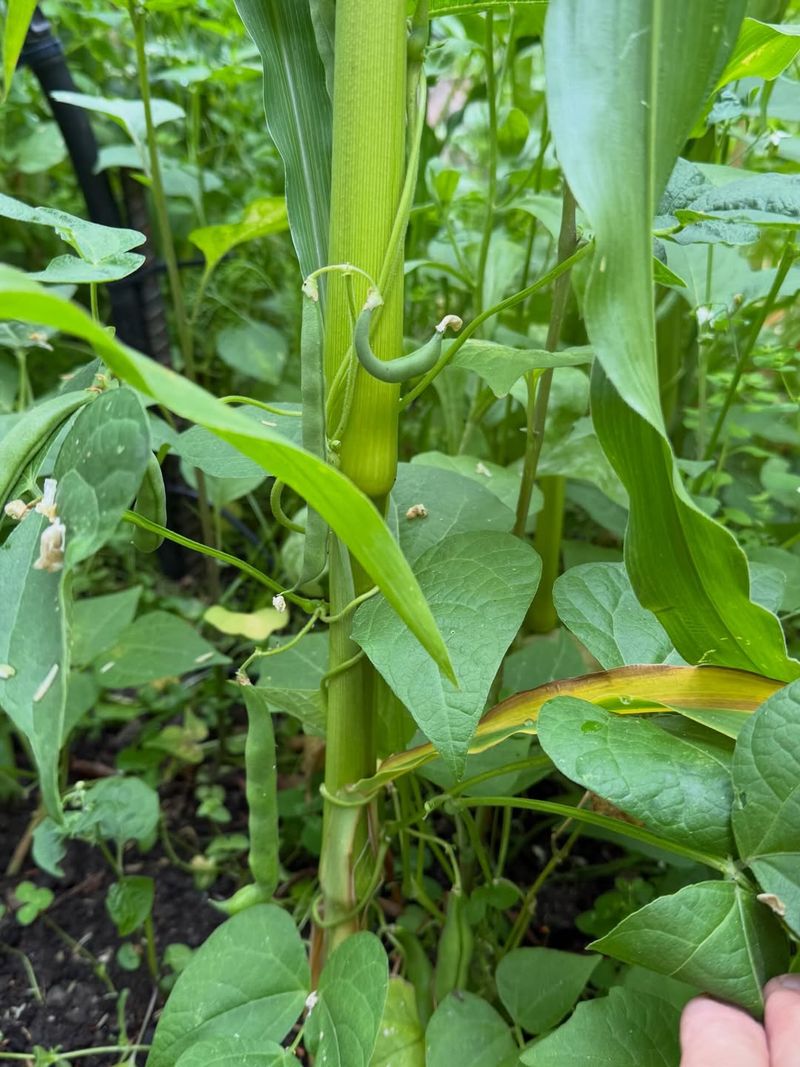
Resourceful Southern gardeners rarely wasted anything that could serve another purpose in their gardens. Dried cornstalks from the previous season became sturdy supports for climbing bean varieties each spring.
This clever recycling trick works wonderfully in modern North Carolina gardens where space often comes at a premium.
Pole beans need vertical support to climb and produce their best harvest throughout summer. Store-bought trellises cost money and require storage space during winter months when not needed.
Cornstalk trellises cost nothing and compost naturally after the growing season ends completely. The rough texture of dried cornstalks gives bean tendrils plenty of grip as they spiral upward.
These natural supports handle the weight of mature bean plants loaded with pods remarkably well. They blend beautifully into garden spaces, creating a rustic appearance that many gardeners find charming.
Building cornstalk trellises requires minimal effort and no special tools or carpentry skills whatsoever.
Simply tie three or four dried stalks together at the top, spreading the bottoms wide. Push the ends firmly into the soil, creating a sturdy teepee shape that beans climb eagerly.
This method works especially well in small urban gardens where maximizing vertical space matters greatly.
Beans growing upward rather than sprawling across the ground produce cleaner pods and suffer fewer diseases. Your harvest increases while your garden footprint stays compact and manageable.
4. Mulching With Pine Straw
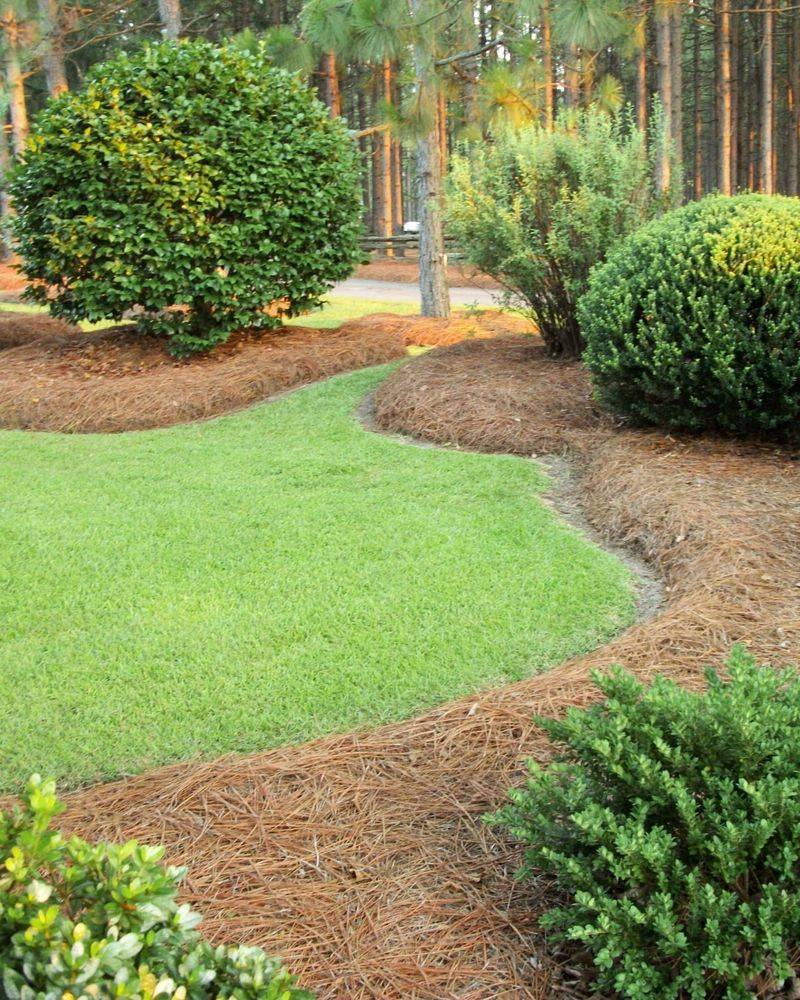
Walk through any established Southern neighborhood and you’ll notice pine straw covering countless garden beds.
This traditional mulching material remains popular because it delivers excellent results year after year reliably. North Carolina’s abundance of pine trees makes this resource readily available and often inexpensive.
Pine straw creates an attractive, uniform appearance that enhances landscape aesthetics while serving practical purposes.
The needles interlock naturally, forming a mat that stays in place during heavy rainstorms. Unlike wood chips, pine straw won’t wash away or float during North Carolina’s frequent downpours.
This mulch excels at retaining soil moisture during hot summer months when water conservation matters most.
A three-inch layer reduces evaporation significantly, keeping plant roots consistently moist between watering sessions. Less watering saves time, money, and this precious natural resource throughout the growing season.
Weeds struggle to penetrate properly applied pine straw, reducing the tedious task of constant weeding. The mulch allows water and air to reach the soil while blocking sunlight that weed seeds need.
Your garden stays tidier with far less maintenance effort required weekly. As pine straw breaks down slowly, it adds organic matter that improves soil structure gradually.
The slightly acidic decomposition benefits azaleas, rhododendrons, and other acid-loving plants common in Carolina gardens. Apply fresh layers annually to maintain depth and continue receiving these multiple benefits consistently.
5. Crop Rotation For Healthier Gardens
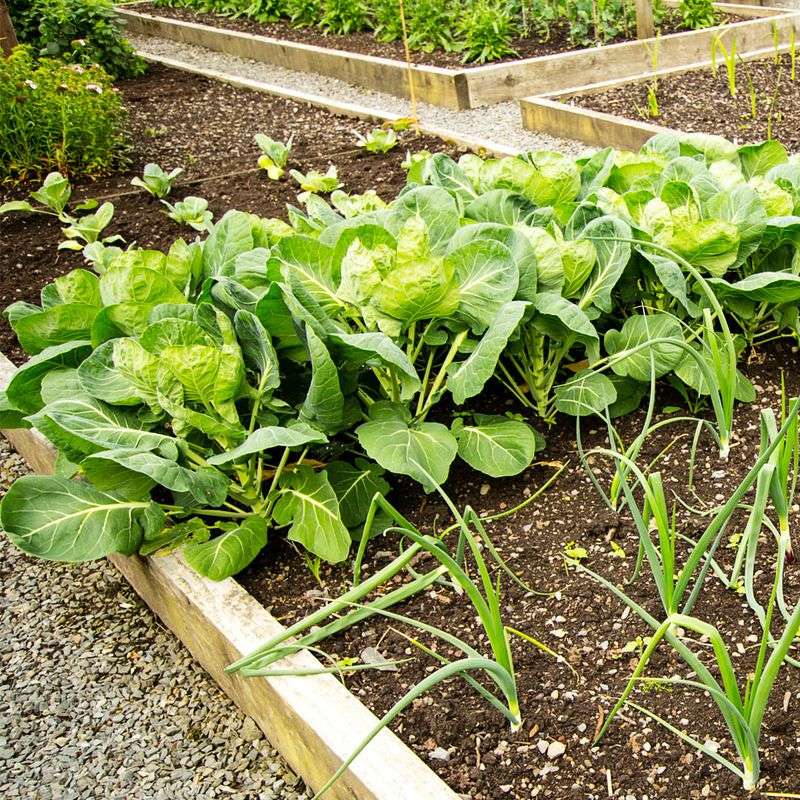
Smart farmers understood that planting the same crops in identical spots year after year eventually caused problems.
Soil becomes depleted of specific nutrients while pests and diseases build up to troublesome levels. Rotating crops to different garden areas each season prevents these issues from developing over time.
Different vegetable families use varying nutrients and attract distinct pest species to your garden. Tomatoes, peppers, and eggplants belong to one family with similar needs and vulnerability to certain diseases.
Moving them to fresh soil each year disrupts pest life cycles and balances nutrient demands.
A simple rotation plan divides your garden into three or four sections planted with different families. Rotate crops clockwise each season, ensuring each family returns to the same spot every third year.
This straightforward system requires minimal planning but delivers significant benefits to garden health and productivity.
North Carolina’s long growing season allows ambitious gardeners to plant spring, summer, and fall crops. Rotation becomes even more important when gardens produce multiple harvests throughout the year continuously.
The soil needs variety to maintain fertility and resist pest pressure season after season. Legumes like beans and peas actually improve soil by adding nitrogen through their root systems.
Following legumes with heavy feeders like tomatoes or corn takes advantage of this natural fertilization. Your garden becomes more productive while reducing the need for purchased fertilizers and soil amendments.
6. Planting The Three Sisters Garden
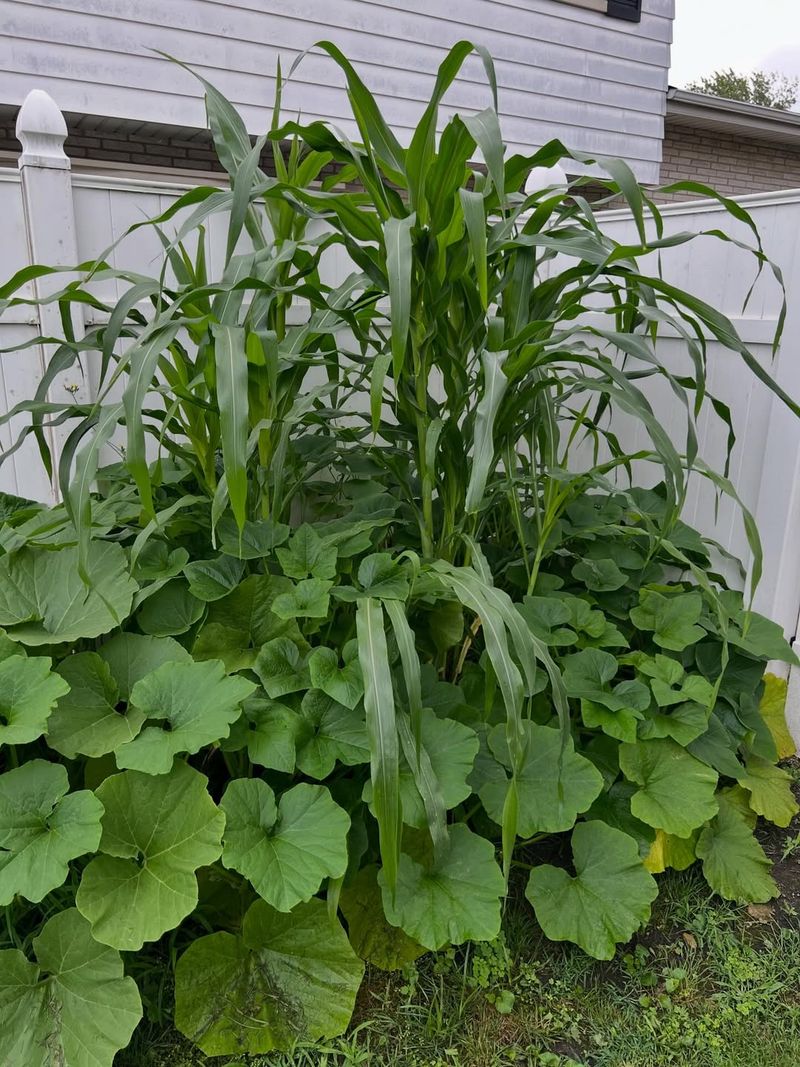
Native American farmers perfected this ingenious planting method centuries before European settlers arrived in America.
Corn, beans, and squash grow together in a mutually beneficial arrangement that maximizes space and productivity. Southern gardeners adopted this wisdom, and it continues working beautifully in North Carolina’s climate today.
Corn stalks provide natural supports for pole beans to climb without requiring separate trellises. The beans fix nitrogen from the air into the soil, feeding the corn and squash.
Squash leaves spread across the ground, shading soil to retain moisture and suppress weeds naturally. This companion planting arrangement creates a mini-ecosystem where each plant supports the others remarkably well.
The large squash leaves also deter raccoons and other animals from reaching the corn easily. Your garden becomes more productive while requiring less maintenance and fewer external inputs throughout the season.
Planting the Three Sisters requires specific timing to ensure all three crops succeed together. Plant corn first, allowing it to reach six inches before adding beans around each stalk.
Add squash seeds a week later, spacing them between the corn hills to avoid overcrowding. North Carolina’s warm soil temperatures from May through June create ideal conditions for this traditional planting.
All three crops thrive in the state’s hot summers with adequate moisture and full sun. Harvest fresh vegetables throughout summer and fall from this compact, efficient garden arrangement that honors centuries of agricultural wisdom.
7. Rainwater Collection For Garden Watering
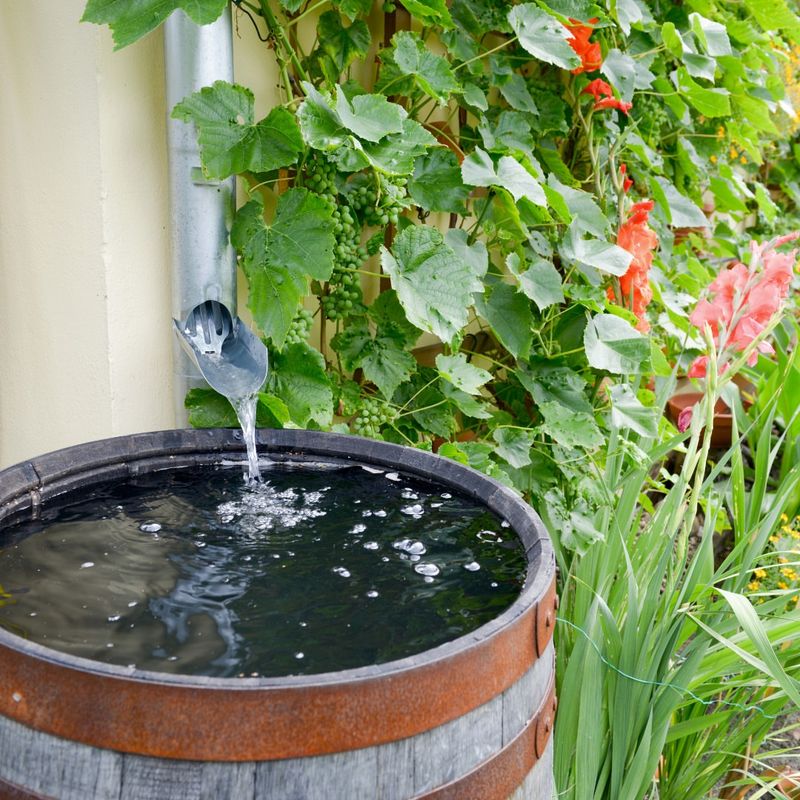
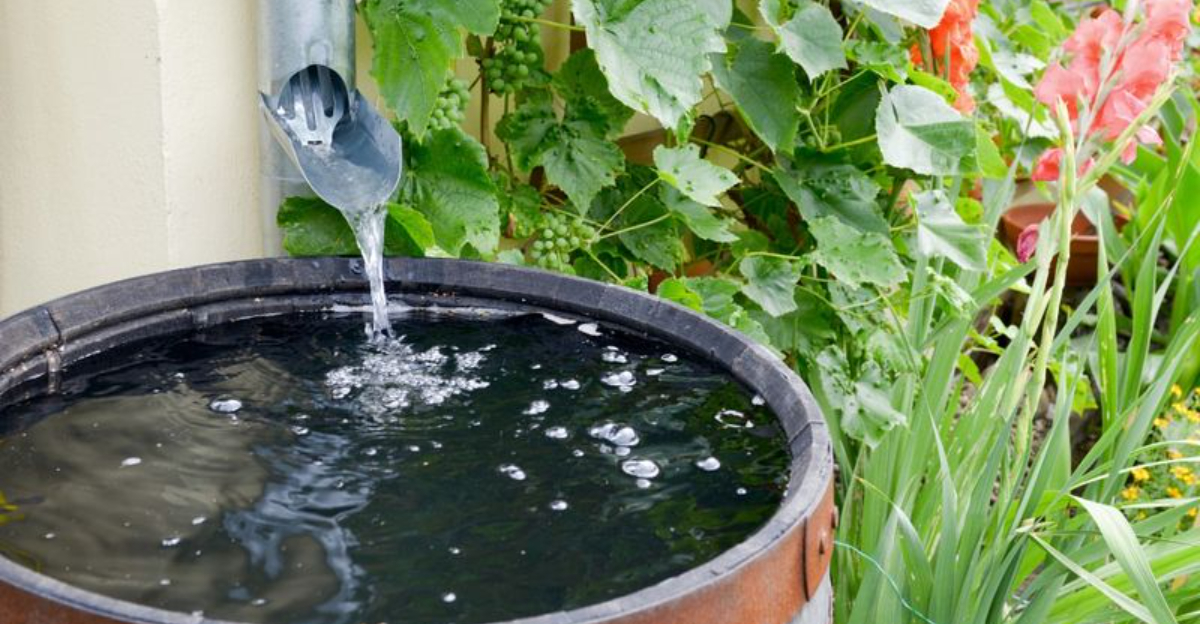
Southern grandparents often kept barrels positioned beneath roof gutters to catch precious rainfall for gardens.
Municipal water wasn’t always available or affordable, making rainwater collection a practical necessity rather than environmental statement. This old-school practice has regained popularity as water costs rise and conservation awareness grows statewide.
Rainwater contains no chlorine, fluoride, or other chemicals found in treated municipal water supplies.
Plants actually prefer this soft, naturally pure water that closely mimics what they’d receive naturally. Your garden responds with healthier growth and more vibrant foliage throughout the growing season.
North Carolina receives approximately 45 inches of rainfall annually, providing abundant water to collect and store.
A single inch of rain falling on a thousand-square-foot roof yields over 600 gallons. Even modest collection systems can harvest substantial water volumes during the rainy spring and fall months.
Modern rain barrels come with screens to keep mosquitoes out and spigots for easy access. Position barrels on stable platforms to create water pressure for filling watering cans or attaching hoses.
Multiple barrels connected together increase storage capacity for use during dry summer stretches between storms. Summer droughts often trigger watering restrictions that limit landscape irrigation to specific days and times.
Collected rainwater isn’t subject to these restrictions, allowing you to water gardens whenever plants need moisture. Your water bills decrease while your garden stays lush and productive regardless of weather patterns.
8. Eggshell Fertilizer And Pest Deterrent
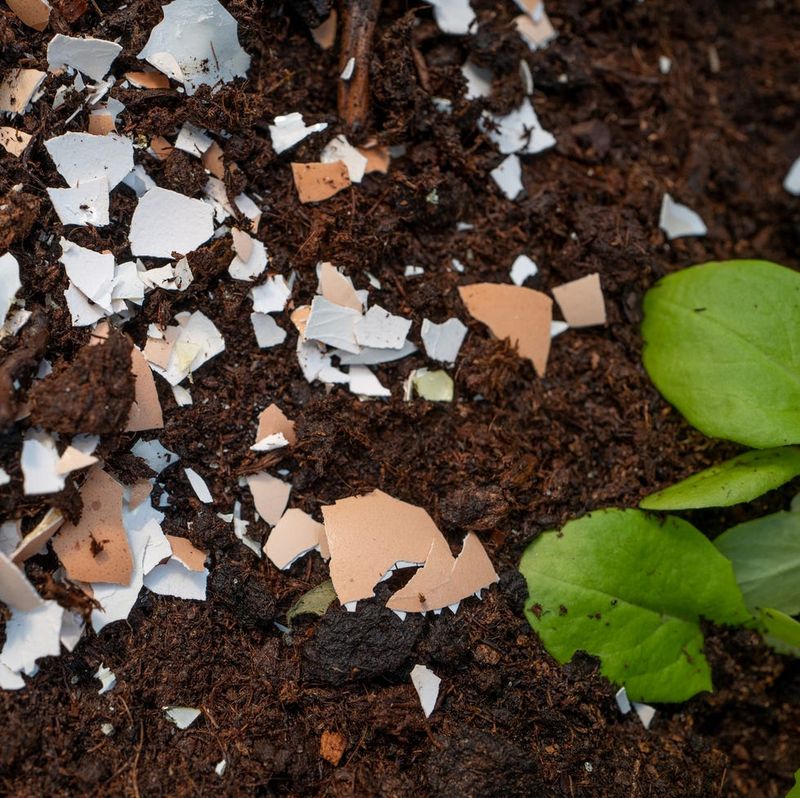
Throwing away eggshells wastes a valuable garden resource that Southern cooks recognized decades ago.
These calcium-rich shells benefit gardens in multiple ways when crushed and applied around plants. North Carolina’s humid climate attracts slugs and snails that damage tender seedlings, making this dual-purpose amendment especially valuable.
Calcium prevents blossom end rot in tomatoes, peppers, and squash, a common problem in Carolina gardens. Eggshells release calcium slowly as they break down, providing steady nutrition throughout the growing season.
Your plants develop stronger cell walls and produce healthier fruits without the black, sunken spots. Crushed shells create a rough barrier that soft-bodied pests like slugs and snails avoid crossing.
The sharp edges irritate their sensitive undersides, discouraging them from reaching your precious plants. This physical barrier works without toxic chemicals that could harm beneficial insects or contaminating your vegetables.
Collect and rinse eggshells throughout the week, allowing them to dry completely before crushing them. Use a food processor, rolling pin, or simply crush them by hand into small pieces.
Coarsely crushed shells work best for pest deterrence, while finely ground shells decompose faster for quicker nutrient release. Sprinkle crushed shells in a ring around individual plants or mix them into the soil before planting.
They work particularly well around tomatoes, peppers, and hostas that frequently suffer from calcium deficiency or slug damage. This free amendment improves soil while protecting plants from common garden pests naturally and effectively.