One Small Pruning Shift Is Boosting Blooms On Louisiana Crape Myrtles
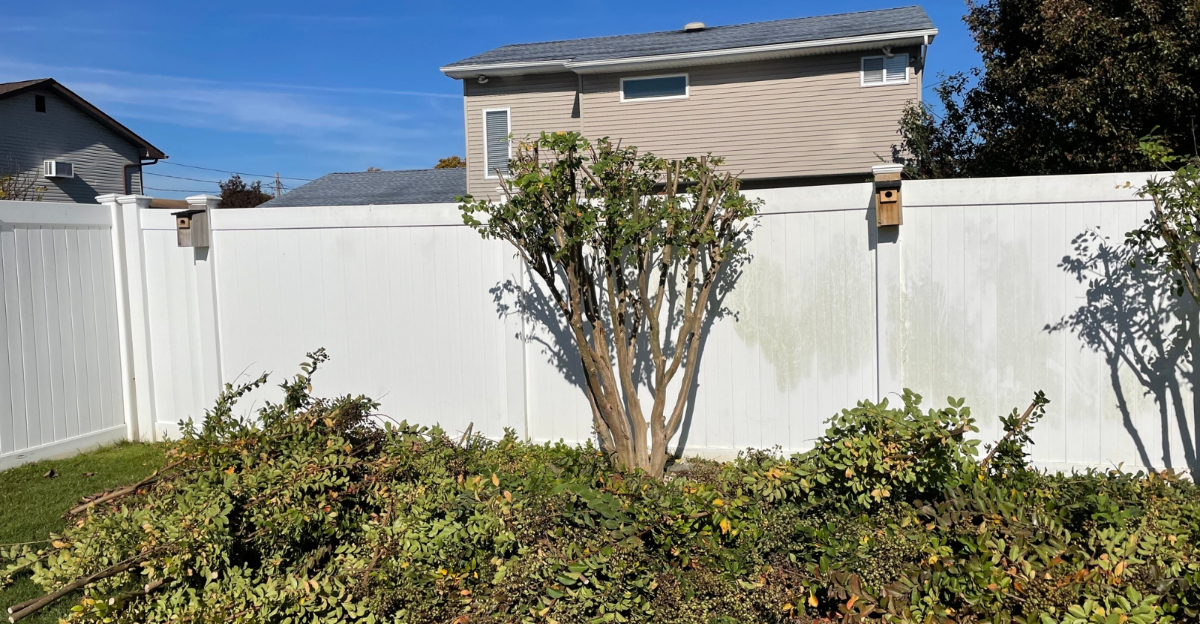
Louisiana crape myrtles don’t struggle to bloom, but many still fall short of their full potential without anyone realizing why.
The issue usually isn’t fertilizer, water, or the heat everyone blames first. It’s a quiet pruning habit that’s been repeated for years without much thought.
Most homeowners assume cutting more means stronger growth, especially after a mild winter or a long growing season.
In reality, one small shift changes how these trees respond once temperatures rise. It affects where energy goes before buds ever open.
That difference shows up fast when bloom time arrives across Louisiana neighborhoods.
Trees that once looked full but flower-light suddenly carry heavier clusters that last longer into summer.
The surprising part is how subtle the change feels when it’s done. Nothing dramatic happens right away, which is why it’s so often overlooked.
Once you see how crape myrtles react, the old approach starts to feel unnecessary.
This shift doesn’t fight Louisiana’s climate or work against natural growth. It works with how these trees already want to behave.
That’s why so many gardeners are noticing fuller color without adding a single extra step.
1. Skipping Heavy Winter Pruning Is Leading To More Blooms
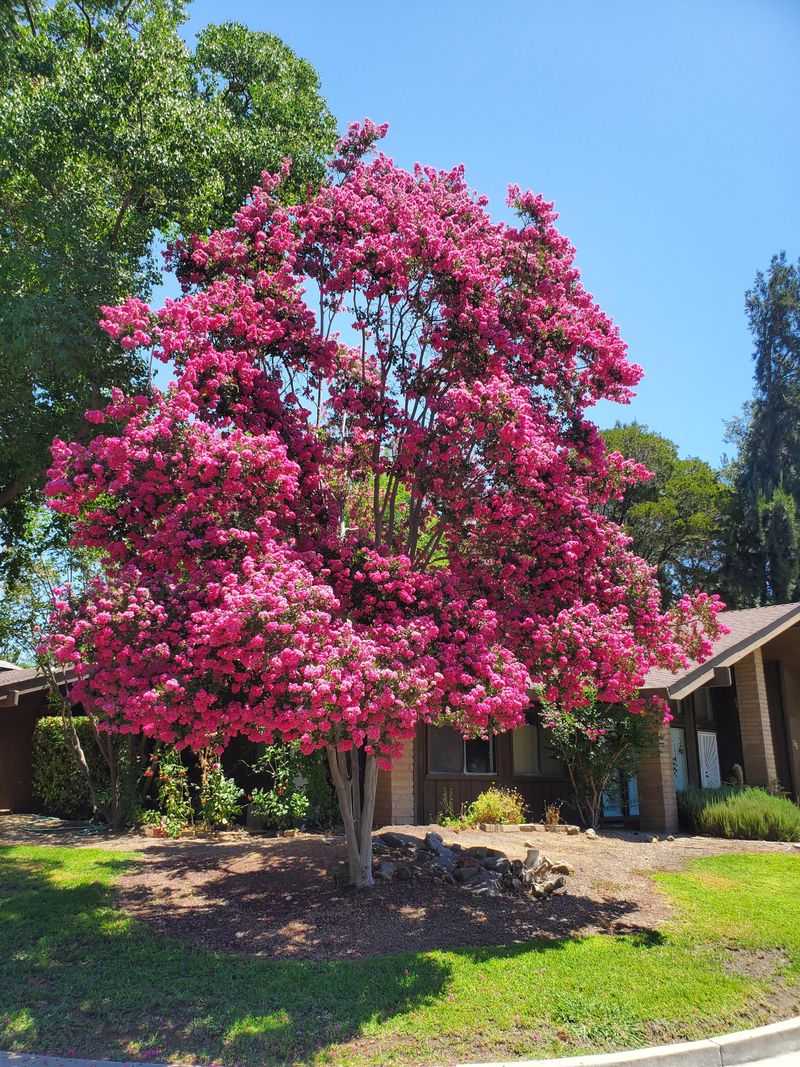
Many Louisiana gardeners are rethinking old habits when it comes to caring for their crape myrtles. Traditional methods often involved cutting back large sections of the tree every winter, a practice that seemed like the right thing to do.
However, recent observations show that leaving more of the tree intact actually produces better results.
Across neighborhoods in Baton Rouge and beyond, homeowners are noticing fuller blooms when they resist the urge to trim aggressively. Trees that retain more branches develop more spots for flowers to emerge.
This means a more colorful display by mid-summer.
Skipping heavy cuts doesn’t mean ignoring the tree entirely. Light shaping and the removal of crossing or damaged branches still matter.
The key difference is avoiding drastic reduction of healthy wood that robs the tree of its flowering potential.
Louisiana’s warm climate supports vigorous growth, so crape myrtles bounce back quickly even without severe pruning. Gardeners who make this small change often see noticeable improvements within a single growing season.
The trees look healthier, and the blooms are more abundant.
This shift is catching on in communities throughout the state. Neighbors share tips over fences, and local garden clubs are spreading the word.
The results speak for themselves, with gardens showcasing more vibrant color than ever before.
Local nurseries and extension offices are also reinforcing the message, helping gardeners understand how crape myrtles naturally grow and flower best.
As more Louisiana landscapes move away from harsh pruning, these trees are becoming stronger focal points instead of yearly recovery projects.
2. Why Cutting Too Much Wood Reduces Flower Production
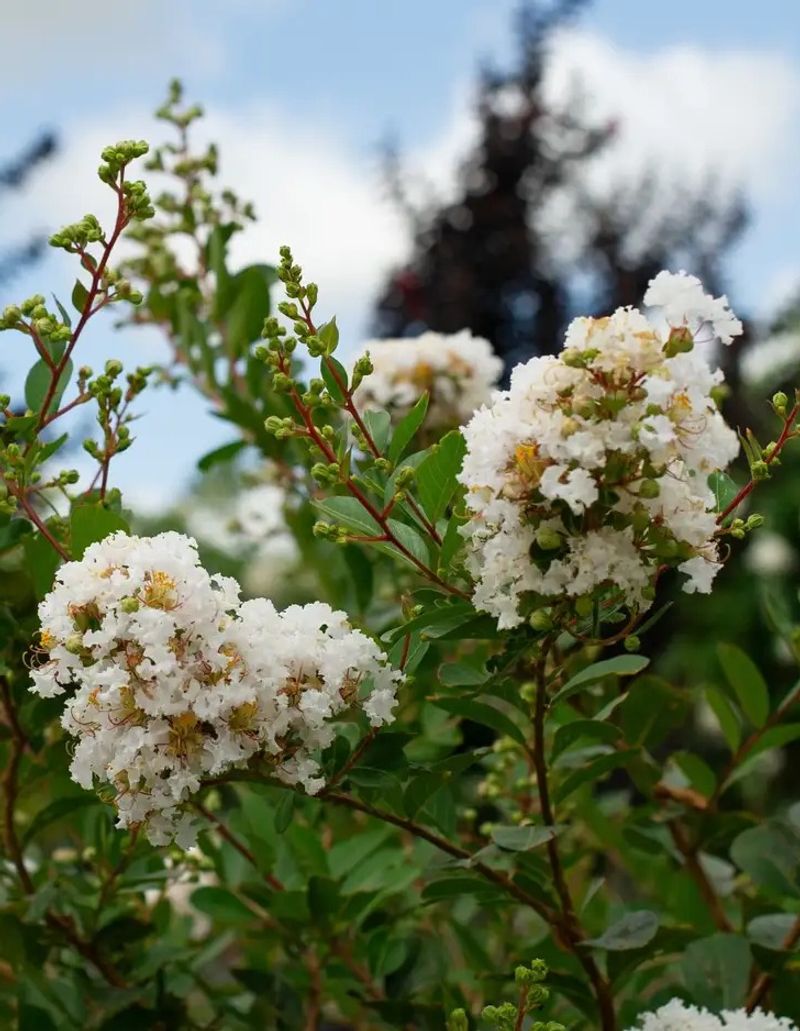
Understanding how crape myrtles produce blooms starts with knowing where flowers actually form. When gardeners cut away too much wood, they’re removing the very parts of the tree that would have supported the most flowers.
This practice, common in Louisiana for decades, often backfires.
Flowers develop on new growth that emerges from existing branches. If those branches are chopped back severely, the tree spends energy regrowing structure instead of focusing on blooms.
The result is fewer flowers and a longer wait for color to appear.
Heavy pruning also creates stress for the tree. In Louisiana’s heat, a stressed tree struggles to recover quickly.
Instead of channeling resources into producing vibrant blooms, the tree works overtime just to rebuild its canopy.
Gardeners in Shreveport and Lafayette have noticed this pattern. Trees that were cut back hard often bloom later and less impressively than those left mostly untouched.
The difference becomes especially clear when comparing trees side by side in the same yard.
Leaving more wood intact allows the tree to use its energy efficiently. With a strong framework already in place, the crape myrtle can focus on what it does best: producing stunning flowers that brighten Louisiana summers.
3. How Bloom Buds Form On New Growth
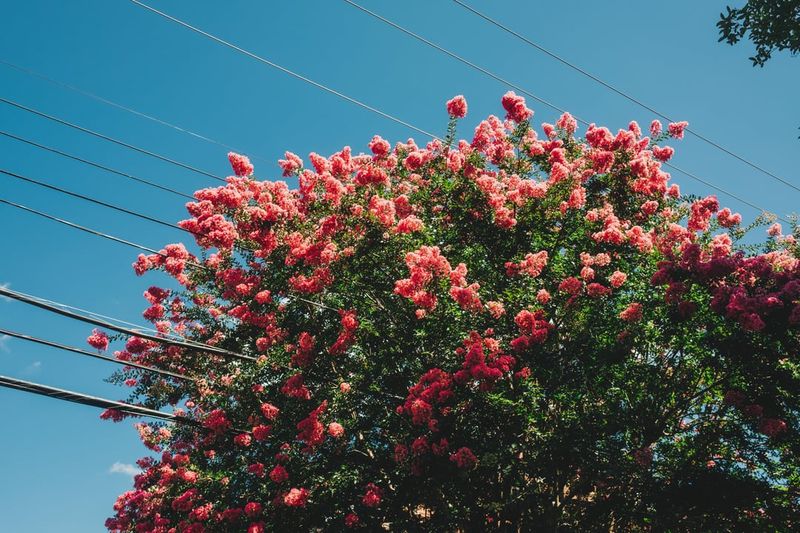
Crape myrtles have a fascinating way of preparing for their summer show. Bloom buds develop on the fresh shoots that emerge in spring, not on old wood from previous years.
This is a crucial detail that many Louisiana gardeners are just beginning to fully appreciate.
When winter ends and temperatures rise, the tree starts pushing out new growth from the tips of existing branches. These tender shoots are where the magic happens.
As they mature, they develop clusters of tiny buds that will eventually open into the colorful blooms everyone loves.
Cutting back too much in winter means fewer existing branch tips remain. Fewer tips lead to fewer new shoots, which in turn means fewer places for blooms to form.
The math is simple, but the impact on the garden is significant.
In areas like New Orleans and Lake Charles, gardeners are learning to leave more branch tips intact. This approach gives the tree a head start, with more locations ready to produce new growth when spring arrives.
The payoff is a fuller, more impressive bloom cycle.
The process unfolds naturally when the tree isn’t forced to rebuild from scratch. Louisiana’s favorable growing conditions support rapid development of these new shoots, making it easy for crape myrtles to thrive with just a little less interference.
This understanding is changing how gardeners approach winter care across the state.
By working with the tree’s natural growth rhythm instead of against it, crape myrtles reward that restraint with stronger structure and richer summer color.
4. What Happens When Pruning Is Delayed Slightly
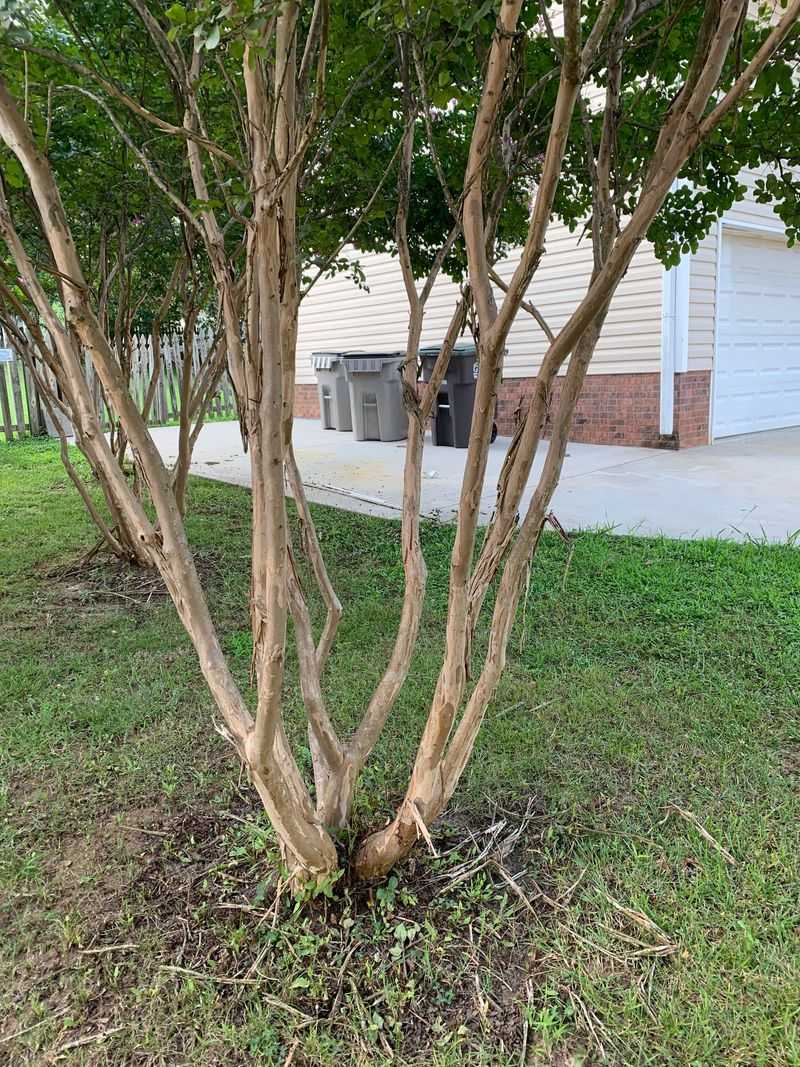
Timing plays a bigger role in crape myrtle care than many Louisiana gardeners realize. Instead of rushing to prune in the middle of winter, waiting a bit longer can make a surprising difference.
This small adjustment allows the tree to wake up naturally and begin its growth cycle without interruption.
When pruning happens too early, the tree may respond by pushing out new growth prematurely. If a late cold snap hits Louisiana, those tender shoots can suffer damage.
Delaying the pruning until late winter or early spring reduces this risk.
Waiting also gives gardeners a clearer picture of what actually needs to be removed. Weakened or non-productive growth becomes more obvious, and the tree’s natural shape is easier to assess.
This leads to smarter, more targeted cuts that preserve the tree’s flowering potential.
Gardeners in Monroe and Alexandria have found that a slightly later pruning schedule works beautifully. The trees seem to respond with stronger growth and more consistent blooms.
The delay doesn’t need to be dramatic—just a few weeks can make a noticeable difference.
This approach also aligns better with Louisiana’s unpredictable weather patterns. By waiting, gardeners avoid the pitfalls of early warm spells followed by sudden freezes, giving their crape myrtles the best chance to flourish.
5. Lighter Cuts Encourage Stronger Branch Structure
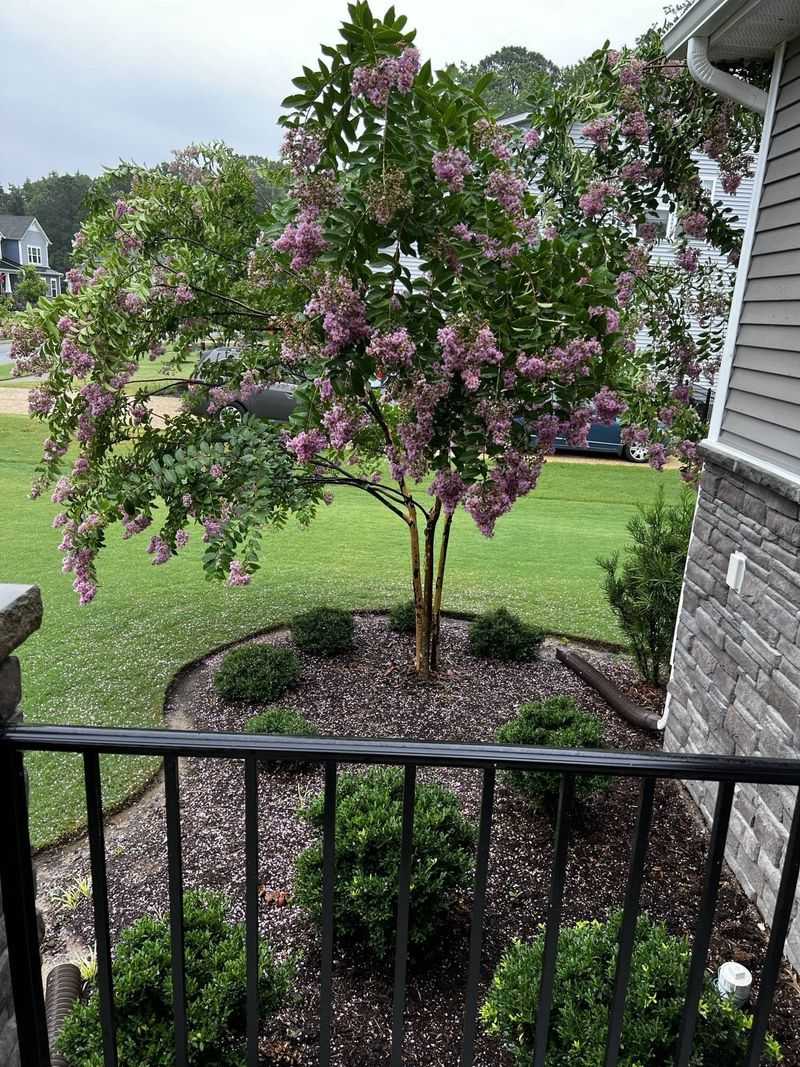
One of the unexpected benefits of less aggressive pruning is the improvement in overall tree structure. Crape myrtles develop stronger, more balanced branches when they’re not forced to regrow from stubby stubs every year.
This creates a more attractive tree that’s also better equipped to handle Louisiana’s weather.
Heavy pruning often leads to a cluster of weak shoots emerging from the same spot. These shoots grow quickly but lack the strength of branches that develop naturally over time.
They’re more prone to breaking in storms, which are common in Louisiana during the summer months.
Lighter pruning allows the tree to maintain its natural branching pattern. Each branch has room to grow without competing with a dozen others sprouting from the same cut.
The result is a tree with a more graceful shape and better structural integrity.
Gardeners in Metairie and Slidell are seeing this firsthand. Trees that receive gentle, selective pruning develop a strong framework that supports abundant blooms without the risk of branches snapping under the weight.
The trees look healthier and more mature.
This approach also reduces the need for future corrective pruning. A well-structured tree requires less maintenance over time, making it easier for Louisiana homeowners to enjoy their gardens without constant intervention.
Over time, this steady growth builds confidence in how the tree will respond each season.
Instead of reacting to problems caused by harsh cuts, gardeners can focus on simple upkeep and enjoy crape myrtles that age beautifully year after year.
6. Louisiana Heat Favors Less Aggressive Pruning
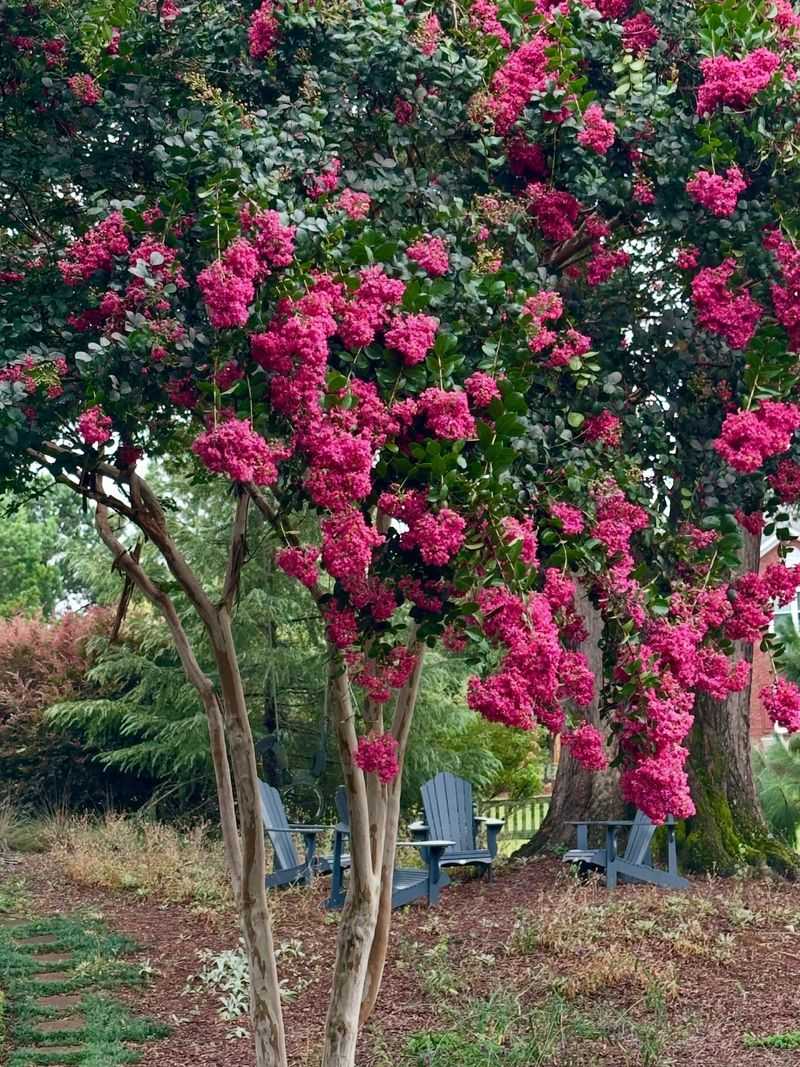
The intense summer heat in Louisiana creates unique growing conditions that actually favor a lighter touch when it comes to pruning crape myrtles. Trees with more foliage are better able to cope with high temperatures and strong sun.
A fuller canopy provides shade for the trunk and lower branches, reducing heat stress.
When crape myrtles are cut back heavily, they lose much of their protective leaf cover. The exposed wood can suffer from sunscald, especially in areas like Houma and Thibodaux where summer temperatures soar.
This damage weakens the tree and makes it more vulnerable to pests and disease.
A tree with a fuller canopy also retains moisture better. The leaves create a microclimate that helps keep the roots cooler and reduces water loss through evaporation.
This is particularly valuable during Louisiana’s dry spells, which can stress plants that are already struggling to recover from heavy pruning.
Gardeners who embrace lighter pruning methods often notice their crape myrtles look greener and healthier throughout the summer. The trees maintain their vigor even during the hottest weeks, continuing to produce blooms when others have slowed down.
This adaptation to Louisiana’s climate makes sense when you consider how crape myrtles thrive in their native environments. By working with the tree’s natural tendencies rather than against them, gardeners achieve better results with less effort.
7. Gardeners Are Seeing Fuller Canopies By Summer
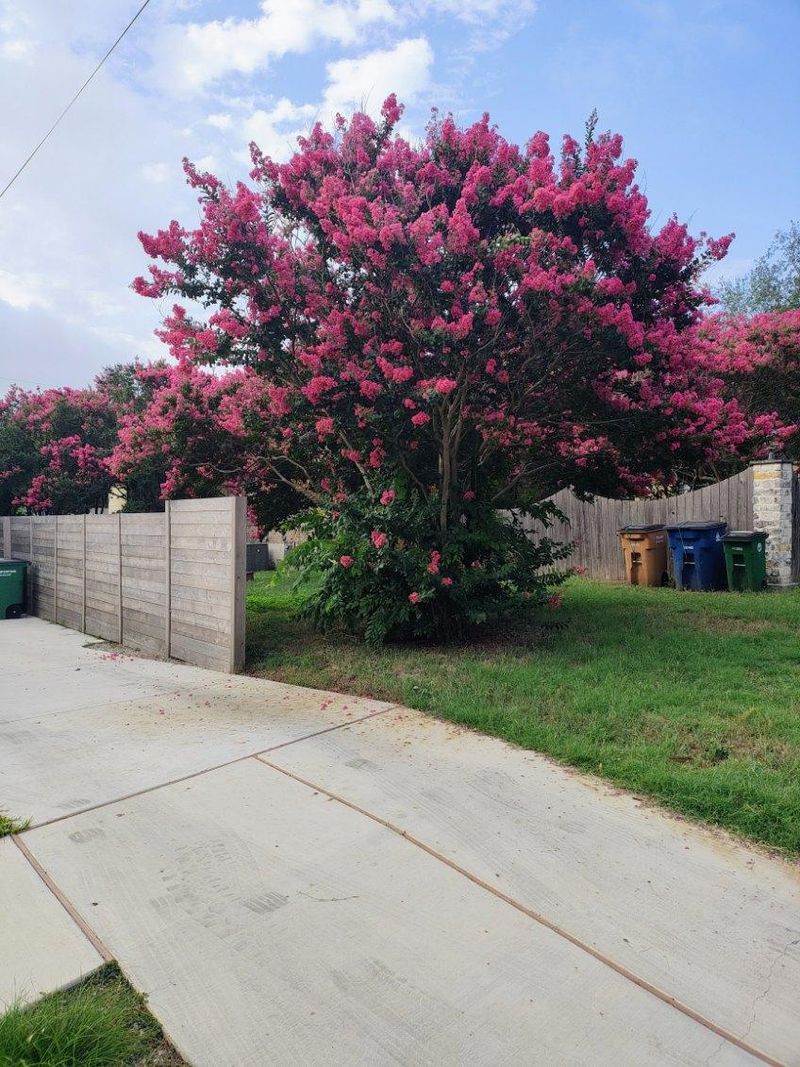
The visual impact of this pruning shift is hard to miss. By mid-summer, crape myrtles that were pruned lightly in winter have developed lush, full canopies that dominate the landscape.
These trees stand out in Louisiana neighborhoods, drawing compliments from passersby and inspiring others to reconsider their own pruning habits.
A fuller canopy means more shade, more flowers, and a more impressive presence in the garden. Trees that once looked sparse and awkward after heavy pruning now maintain a graceful, natural appearance year-round.
The difference is especially striking in areas like Kenner and Mandeville, where crape myrtles line streets and fill front yards.
These fuller trees also attract more wildlife. Birds find shelter in the dense branches, and butterflies flock to the abundant blooms.
This creates a livelier, more vibrant garden environment that benefits everyone who spends time outdoors.
Neighbors often compare notes, pointing out which trees look best and sharing what they did differently. The success stories spread quickly, and more gardeners are willing to experiment with lighter pruning techniques.
The visible results make it easy to see why this approach is gaining popularity.
Louisiana’s long growing season gives crape myrtles plenty of time to fill out. By summer, the trees are in their full glory, proving that sometimes less really is more when it comes to pruning.
8. Small Timing Changes Are Making A Visible Difference
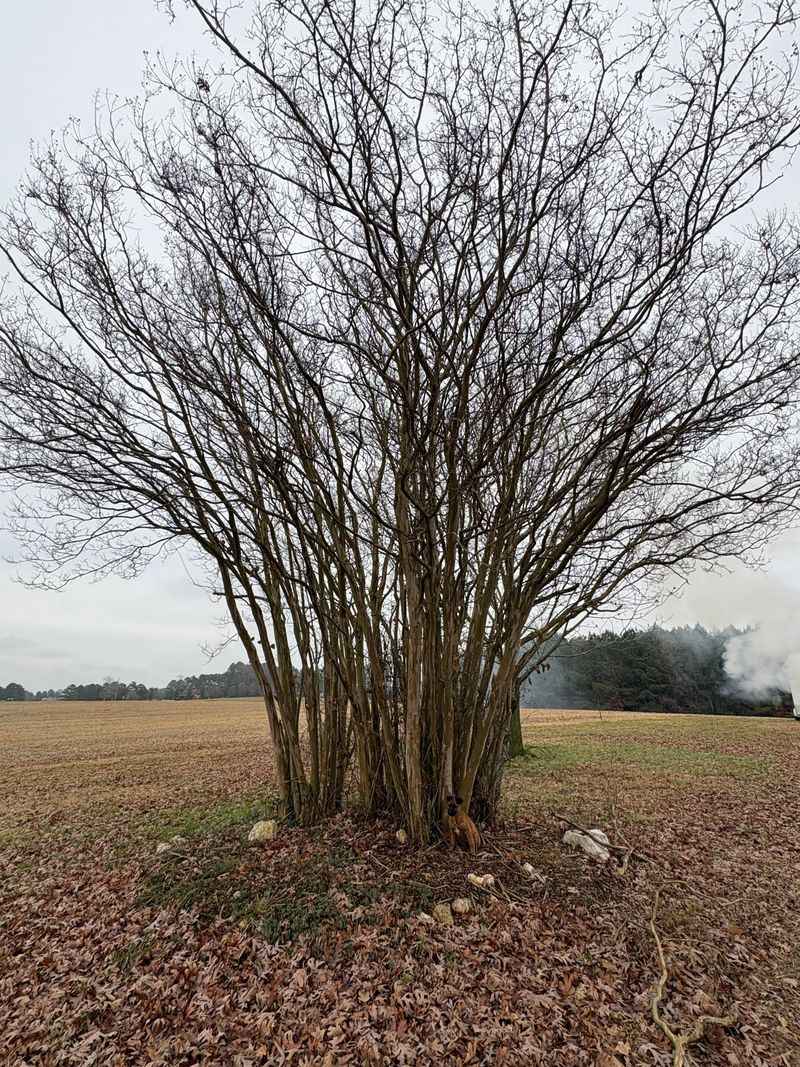
It’s remarkable how a few simple adjustments can transform the way crape myrtles perform in Louisiana gardens. Changing when and how much to prune might seem like a minor detail, but the results are anything but small.
Gardeners who make these tweaks are rewarded with healthier trees and more spectacular blooms.
The shift doesn’t require expensive tools or specialized knowledge. It’s about observing the tree’s natural rhythms and working with them instead of imposing a rigid schedule.
This mindset change is spreading through Louisiana communities, from Ruston to Natchitoches, as more people see the benefits firsthand.
Even gardeners who were skeptical at first are coming around. After seeing their neighbor’s crape myrtles bloom more abundantly, they’re willing to give lighter pruning a try.
The evidence is right there in the landscape, impossible to ignore.
This trend reflects a broader movement toward more sustainable, plant-friendly gardening practices. By respecting the tree’s natural growth patterns, gardeners create healthier landscapes that require less maintenance and look better over time.
It’s a win for both the plants and the people who care for them.
Louisiana’s crape myrtles are thriving under this new approach, proving that sometimes the smallest changes can have the biggest impact. The future looks bright—and colorful—for gardens across the state.
It’s a reminder that good gardening isn’t about doing more, but about doing what actually helps the plant succeed.
As this approach continues to spread, crape myrtles are becoming long-term landscape features rather than trees that need constant fixing each winter.