Orchid Care Tips That Matter Most In Arizona During Winter And Early Spring
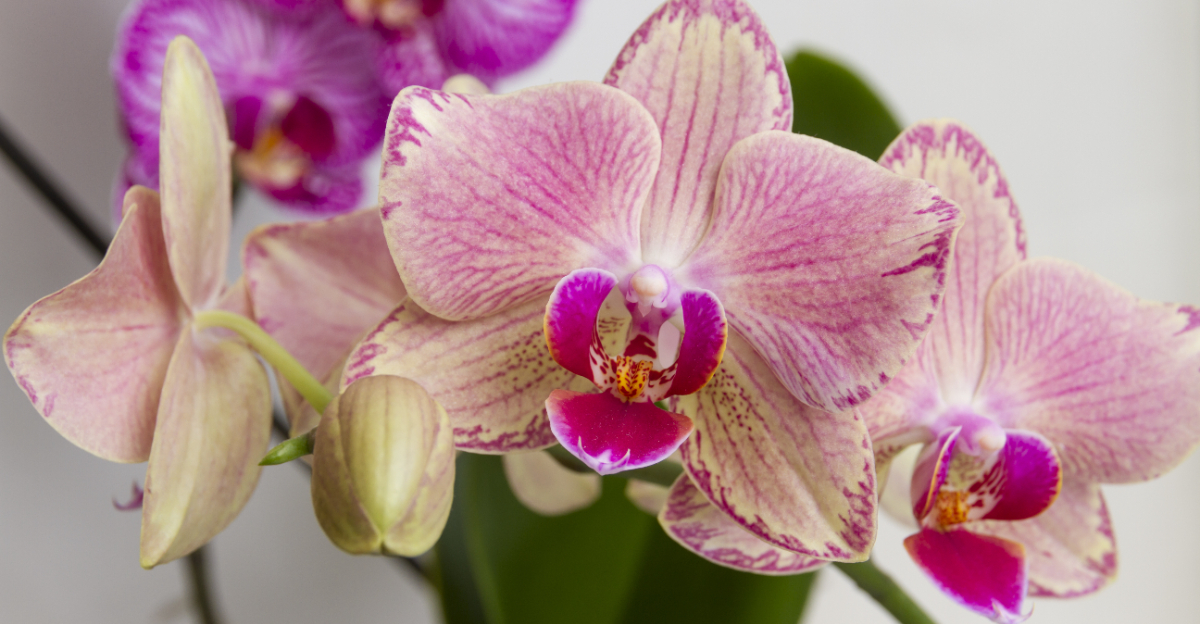
You can keep orchids alive all winter in Arizona and still feel like something isn’t right. Leaves stay green, roots look fine, yet blooms never show up or fade faster than expected.
Winter and early spring change how orchids behave here more than most people realize. Light angles shift, indoor air dries out, and temperature patterns flatten.
Those small changes affect blooming far more than fertilizer or fancy care routines. In Arizona, orchids react quickly to subtle signals, especially during this in-between season.
The care that matters most now isn’t complicated. It’s about paying attention to timing, placement, and restraint.
When orchids get what they need during winter and early spring, they respond with stronger growth, better balance, and blooms that actually last instead of feeling forced.
1. Protect Orchids From Cold Nights Near Windows
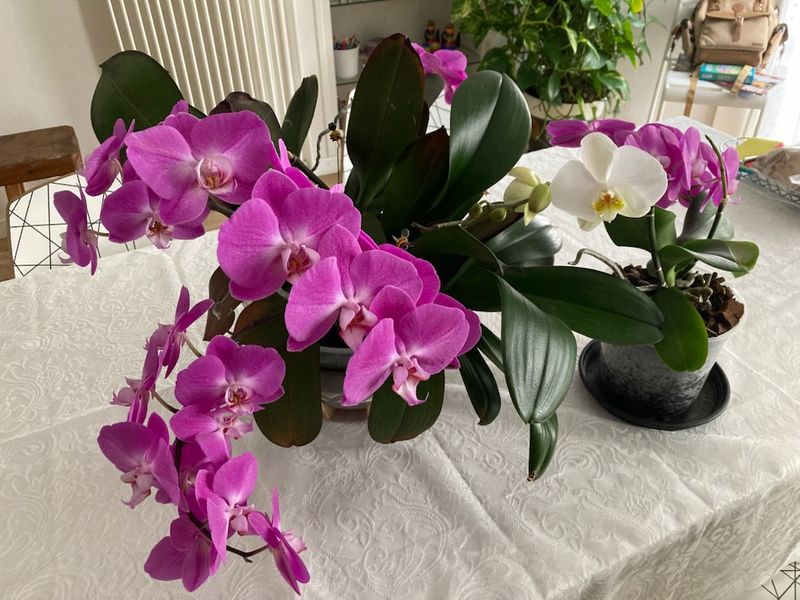
Windows become surprisingly cold spots during Arizona winter nights, even though daytime temperatures might feel comfortable. Glass panes lose heat rapidly after sunset, creating a zone of cold air that can shock orchid roots and leaves.
Many orchid owners in Phoenix, Tucson, and other Arizona cities place their plants on sunny windowsills without realizing nighttime temperatures near that glass can drop fifteen to twenty degrees below room temperature.
Moving your orchids just a few feet away from windows before evening protects them from this invisible cold zone. You can also draw curtains or blinds between the plants and windows to create an insulating barrier.
Single-pane windows pose the greatest risk, though even double-pane glass radiates cold during those crisp desert nights that Arizona experiences from December through February.
Phalaenopsis orchids especially dislike cold drafts and may drop buds or developing flowers when exposed to temperatures below 55 degrees. Cattleyas and dendrobiums show similar sensitivity.
Watch for signs like water-soaked spots on leaves or sudden bud drop, which often indicate cold damage has occurred.
Creating a nighttime routine where you shift plants inward or close window coverings takes just minutes but prevents weeks of recovery time. Some Arizona growers use small thermometers near their orchids to monitor actual temperatures rather than guessing.
This simple precaution helps your collection sail through winter nights without setbacks, keeping growth steady and flowers developing properly throughout the season.
2. Bright Light Matters More During Short Winter Days
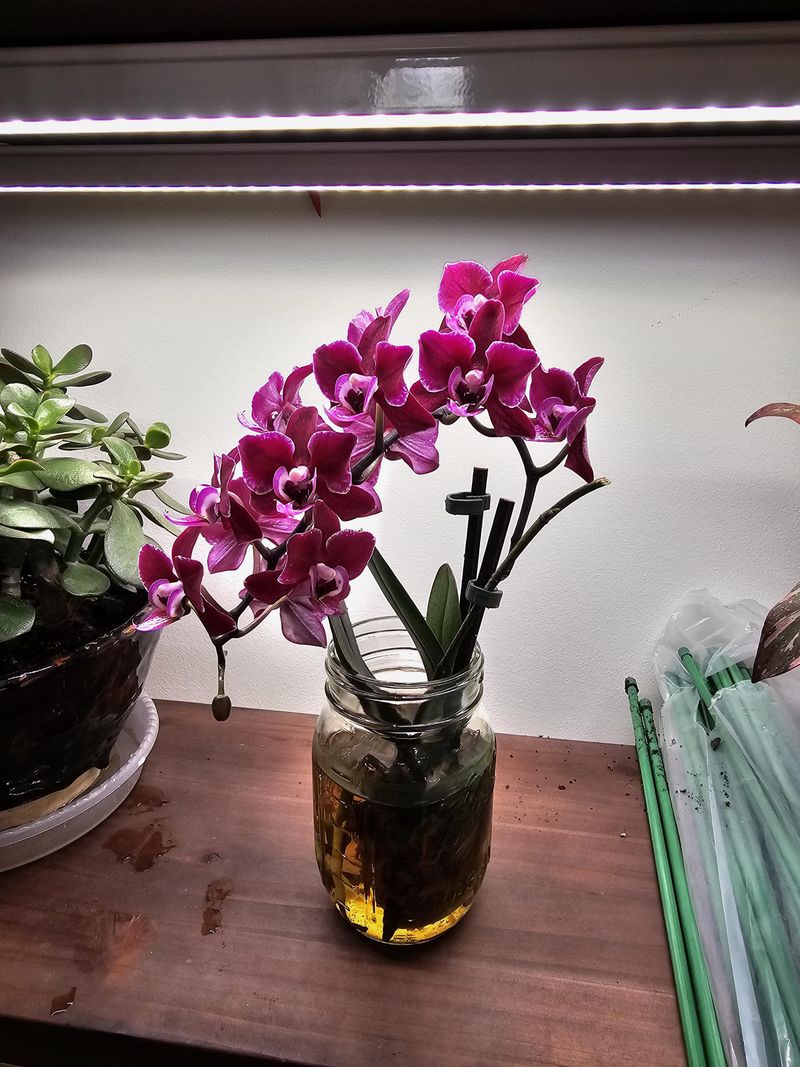
Arizona winters bring shorter daylight hours that affect orchid growth more than many people expect. Your plants receive fewer hours of light even though the sun still shines brightly across the desert landscape.
Orchids need adequate light to produce energy for maintaining leaves, roots, and developing flower spikes, making winter light management crucial for healthy plants.
South-facing and west-facing windows become your best friends during Arizona’s winter months. These exposures capture maximum available sunlight as the sun tracks lower across the southern sky.
East-facing windows work well too, providing gentler morning light that builds through midday. Moving orchids closer to windows during winter compensates for reduced daylight duration without causing the leaf burn that summer sun might create.
Watch your orchid leaves for clues about light levels. Dark green leaves often signal insufficient light, while yellowish or reddish tones indicate too much exposure.
Healthy orchids in proper winter light display medium green foliage with firm texture. Some varieties like cattleyas and dendrobiums tolerate brighter conditions than phalaenopsis, which prefer more filtered illumination.
Tucson and Phoenix residents can often skip supplemental grow lights during winter since Arizona sunshine remains strong even with shorter days. However, if your orchids sit in north-facing rooms or far from windows, adding artificial lighting helps maintain vigor.
Clean your windows regularly during winter months because dust accumulation blocks surprising amounts of light. This simple maintenance step maximizes natural illumination reaching your orchids throughout the season.
3. Water Less Often As Growth Naturally Slows
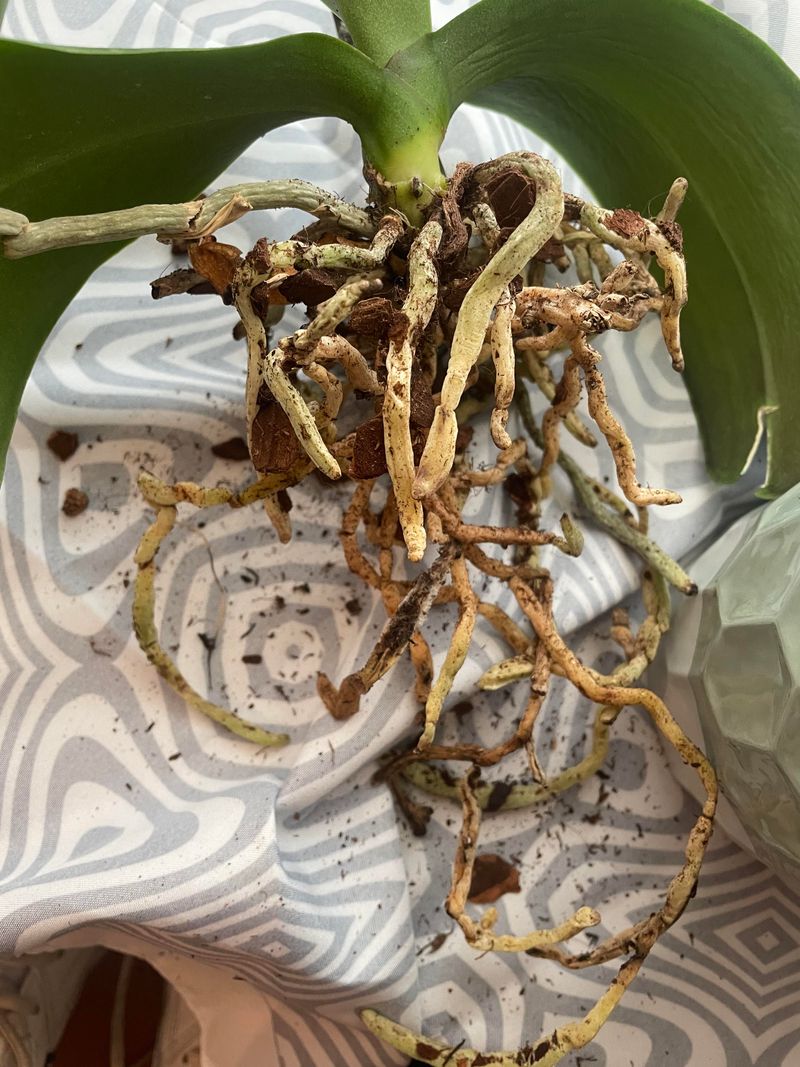
Cooler temperatures signal orchids to slow their growth rate, which means they consume less water during Arizona winters. Many orchid owners continue their summer watering schedule without adjusting for this seasonal change, leading to soggy roots and potential problems.
Roots sitting in persistently damp conditions struggle to breathe and may develop rot, especially when growth slows and plants draw less moisture from their pots.
Checking your potting medium before watering becomes more important during winter months. Stick your finger an inch deep into the bark or moss to feel actual moisture levels rather than watering by calendar schedule.
Most orchids in Arizona homes need water every seven to ten days during winter, compared to every four to six days during hot summer months. This extended interval allows roots to dry slightly between waterings, maintaining the balance orchids prefer.
Morning watering works best during cooler months because it gives excess moisture time to evaporate before nighttime temperatures drop. Pour water thoroughly until it runs from drainage holes, then ensure no water sits in saucers or cache pots.
Standing water contributes to root problems, especially when combined with slower winter growth rates.
Different orchid types show varying water needs even during winter. Phalaenopsis with thick leaves store more moisture and tolerate slightly drier conditions.
Oncidiums and dendrobiums with thinner foliage may need more frequent attention. Arizona’s dry indoor air during winter sometimes confuses growers into overwatering, but remember that roots need oxygen as much as moisture.
Adjusting your watering rhythm to match slower winter growth keeps roots healthy and plants thriving.
4. Dry Indoor Air Calls For Extra Humidity Support
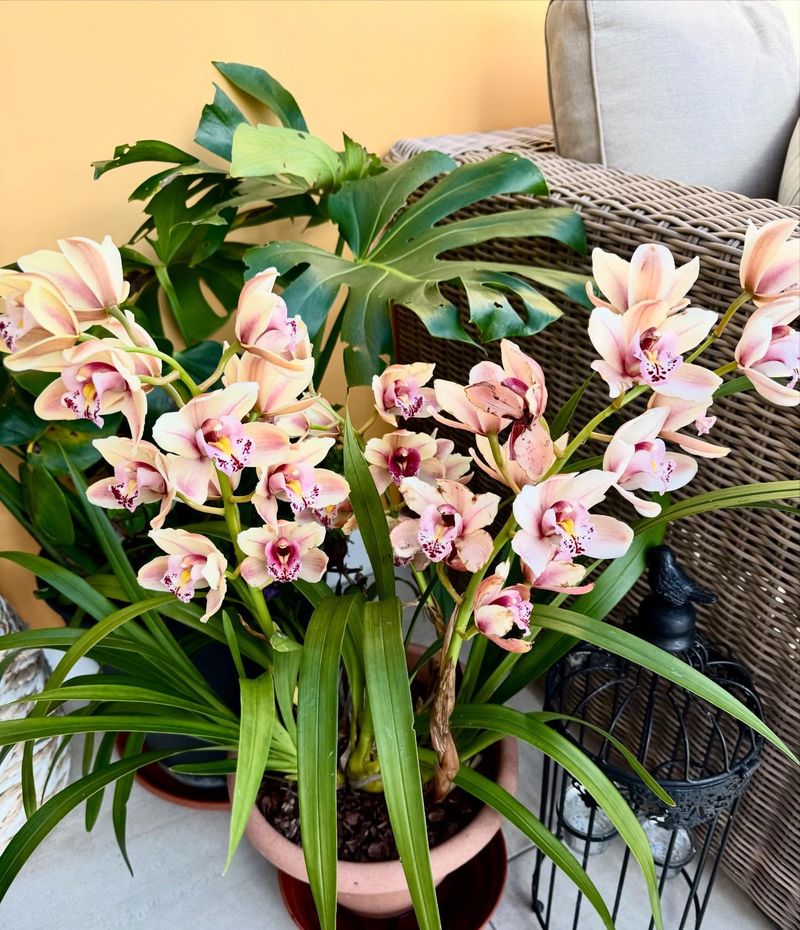
Heating systems in Arizona homes strip moisture from indoor air during winter, creating desert-dry conditions that stress orchids accustomed to humid environments. While outdoor humidity in Phoenix or Tucson might feel comfortable, indoor levels often plummet to twenty or thirty percent when heaters run.
Orchids prefer humidity between fifty and seventy percent, making this gap a significant challenge during cooler months.
Grouping orchids together creates a microclimate where plants share moisture released through their leaves. This simple arrangement raises humidity in the immediate area without requiring special equipment.
Placing orchids on trays filled with pebbles and water adds moisture to surrounding air as water evaporates upward. Keep pot bottoms above water level so roots stay dry while benefiting from rising humidity.
Bathrooms and kitchens naturally maintain higher humidity levels, making them excellent winter locations for orchids if light conditions suit their needs. Running a small humidifier near your orchid collection provides consistent moisture during dry winter months.
Some Arizona growers mist their orchids lightly in mornings, though this provides only temporary relief and should supplement rather than replace other humidity strategies.
Watch for signs of insufficient humidity like shriveled pseudobulbs, accordion-pleated leaves, or crispy leaf tips. These symptoms appear gradually as plants struggle with persistently dry air.
Increasing humidity often reverses early damage and prevents further stress. Avoid misting late in the day because moisture sitting on leaves overnight can encourage problems.
Maintaining adequate humidity throughout Arizona’s winter helps orchids maintain healthy growth and supports flower spike development for spectacular spring blooms.
5. Cool Nights Help Trigger Flower Spikes
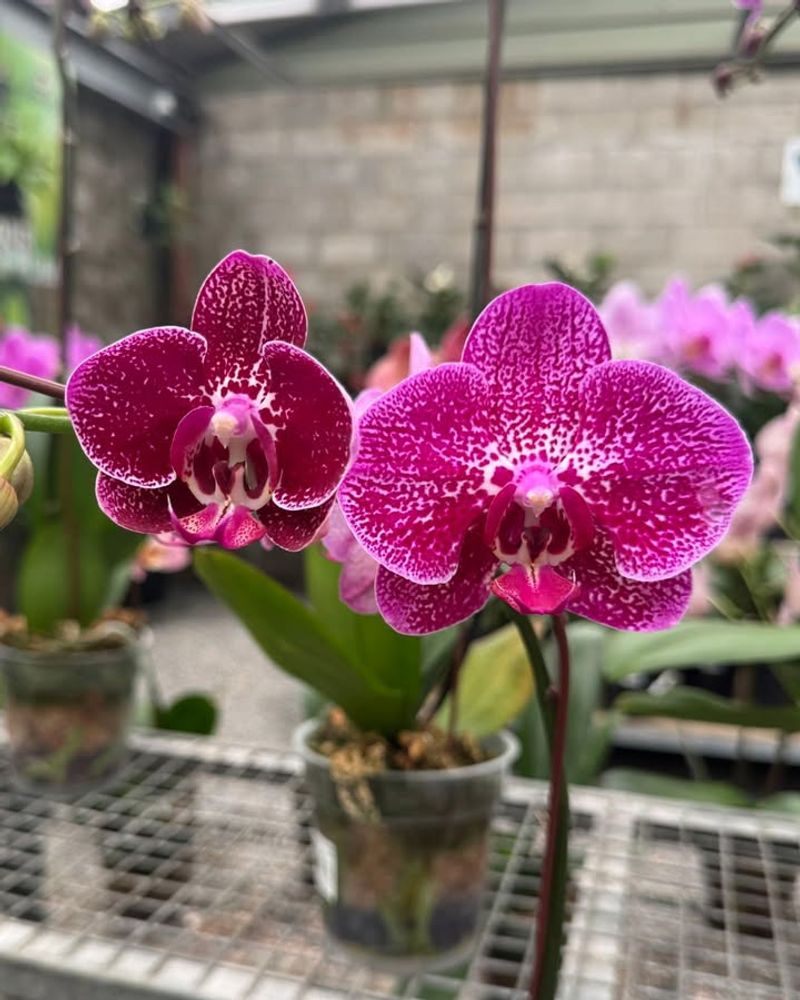
Cooler nighttime temperatures during Arizona winters actually benefit orchids by triggering their natural blooming cycle. Many orchid varieties need this temperature difference between day and night to initiate flower spike formation.
Phalaenopsis orchids particularly respond to nights in the low sixties, which commonly occur in Arizona homes during winter when heating systems cycle off overnight.
This temperature fluctuation mimics conditions orchids experience in their native habitats where cooler nights signal the approach of flowering season. Maintaining daytime temperatures around seventy to seventy-five degrees with nighttime drops to sixty or sixty-five degrees creates ideal conditions for spike development.
Arizona’s natural winter climate provides these conditions without special equipment, giving desert growers an advantage for encouraging blooms.
Avoid placing orchids near heating vents or fireplaces where constant warmth prevents the beneficial nighttime temperature drop. Consistent temperatures above seventy degrees throughout day and night may keep orchids in vegetative growth without triggering flowering.
Some orchid types like cattleyas and dendrobiums need even more pronounced temperature swings, benefiting from nights in the upper fifties when developing flower buds.
Once you spot a developing flower spike, maintain consistent care without drastic changes. The spike will continue growing over several weeks, eventually producing buds that open into flowers.
Tucson and Phoenix orchid enthusiasts often see the best spike development from January through March when natural temperature patterns align perfectly with orchid needs. This seasonal advantage makes winter an exciting time for Arizona orchid growers, as plants respond to cooler nights by preparing spectacular floral displays that brighten homes during early spring months.
6. Hold Off On Heavy Feeding Until Active Growth Returns
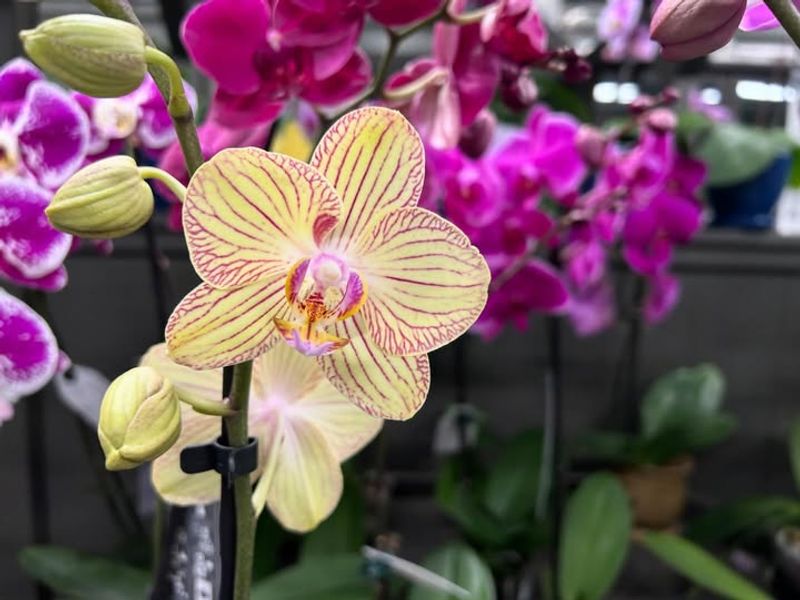
Fertilizer needs decrease dramatically during winter months when orchid growth naturally slows across Arizona. Plants in their resting phase cannot utilize heavy nutrients, and excess fertilizer salts accumulate in potting medium where they can damage sensitive roots.
Backing off your feeding schedule during cooler months protects roots while maintaining just enough nutrition for basic plant functions.
Reducing fertilizer concentration to quarter strength and applying it monthly rather than weekly matches the reduced metabolic rate orchids experience during winter. Some growers in Phoenix and Tucson stop fertilizing completely from December through February, resuming light feeding when they notice new root tips or leaf growth in early spring.
This conservative approach prevents fertilizer buildup while allowing plants to rest naturally.
Orchids showing active growth even during winter months can receive light feeding every two to three weeks. Watch for signs like emerging root tips with bright green growing points or new leaves unfurling from the center of the plant.
These indicators suggest the plant remains metabolically active and can benefit from diluted fertilizer. However, orchids without visible growth should receive minimal or no supplemental feeding.
Flushing pots with plain water every few weeks during winter helps remove any accumulated fertilizer salts from previous months. Pour water through the pot several times, allowing it to drain completely between flushes.
This practice refreshes the potting medium and prevents salt damage to roots. When spring arrives and temperatures warm, gradually increase fertilizer strength and frequency as new growth accelerates.
Matching your feeding schedule to natural growth cycles keeps Arizona orchids healthy without overwhelming them during their winter rest period.
7. Gradual Spring Light Changes Prevent Leaf Stress
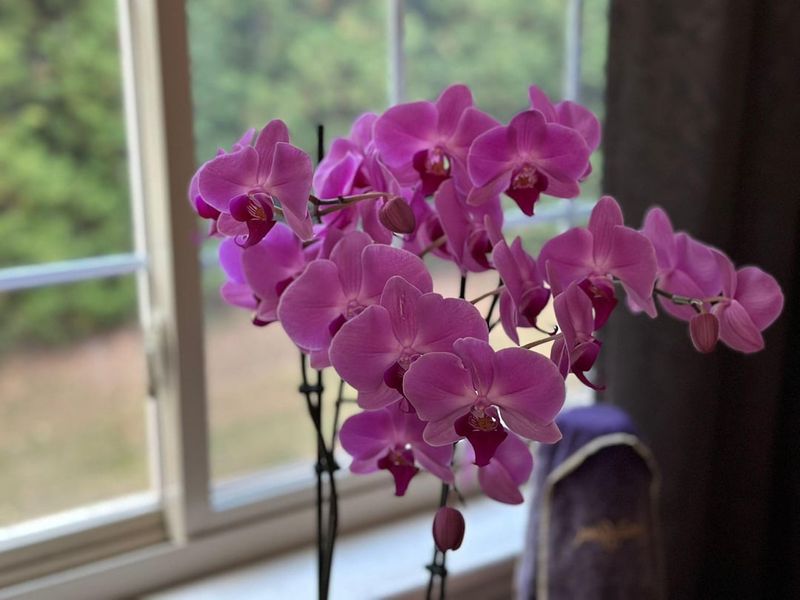
Arizona’s spring sun intensifies quickly as days lengthen from March into April, creating potential for leaf damage if orchids transition too abruptly to brighter conditions. Plants adjusted to winter light levels need gradual exposure increases to build tolerance for stronger spring and summer sun.
Rushing this transition often results in sunburned leaves showing bleached patches or brown spots that never fully recover.
Starting in late February, begin moving orchids slightly closer to windows or toward brighter exposures over several weeks. This incremental approach allows leaves to adapt by producing protective pigments and adjusting their internal structure.
Phalaenopsis orchids especially benefit from slow light increases since their broader leaves burn easily under intense exposure. Cattleyas and dendrobiums tolerate brighter conditions but still appreciate gradual transitions.
Sheer curtains or shade cloth help moderate spring light intensity during the adjustment period. These filters reduce harsh rays while still providing increased illumination as days grow longer.
Watch leaf color for feedback about light levels. Healthy adaptation shows slight yellowing toward medium green, while rapid color change or red-purple tones signal too much too fast.
Brown patches or bleached areas indicate sun damage has occurred.
Phoenix and Tucson residents know that Arizona spring sun grows surprisingly intense by April. Planning your light transitions during March allows orchids to adjust before peak intensity arrives.
Some growers shift their plants to east-facing windows for spring and summer, where morning sun provides ample light without afternoon intensity. Others maintain year-round positions but add filtering during bright months.
Matching light exposure to seasonal changes while allowing adaptation time keeps leaves healthy and prevents stress that can delay flowering or weaken overall plant vigor throughout the growing season ahead.