Oregon Gardeners Are Planting These 9 Flowers Along Fence Lines
Fence lines are often the most overlooked spots in an Oregon garden. They can look a little bare, a little dull, or simply fade into the background behind the rest of the landscape.
But with the right flowers, that plain stretch along a fence can quickly become one of the most eye-catching parts of your yard.
Many Oregon gardeners are starting to treat fence lines as prime planting space. These areas are perfect for adding height, color, and texture without taking up valuable room in the center of garden beds.
Some flowers soften the hard lines of wood or metal fencing, while others create a lush wall of blooms that feels almost like a living border.
The trick is choosing flowers that thrive in Oregon’s climate and can handle the light conditions that fence lines often bring. Pick the right varieties, and that once-forgotten strip of garden can turn into a vibrant backdrop all season long.
1. Coneflower (Echinacea purpurea)
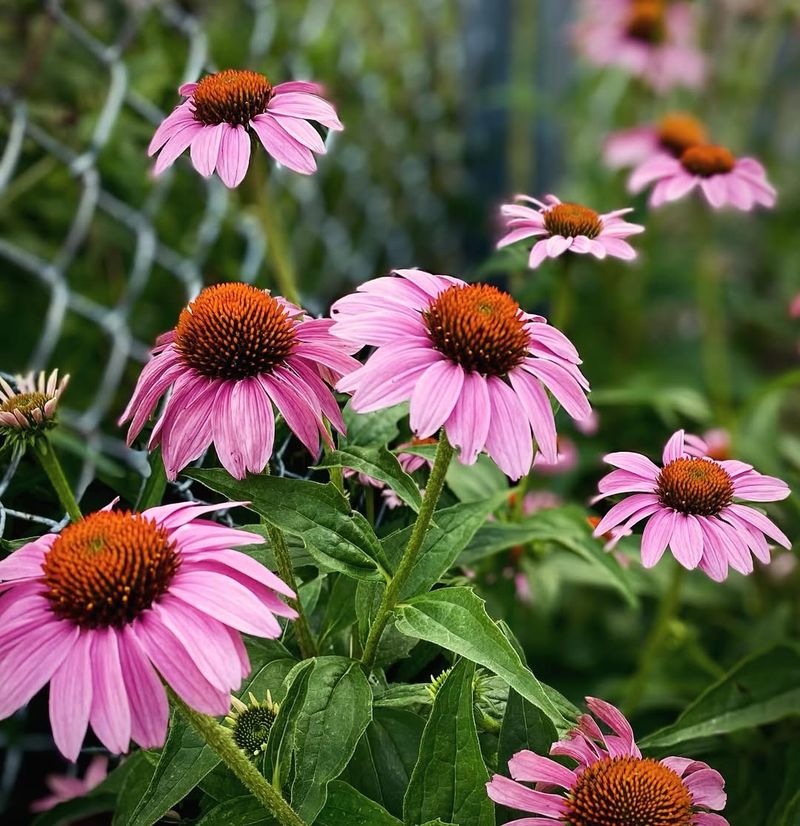
Few flowers earn their keep along an Oregon fence line quite like the coneflower. With its bold purple petals and spiky orange center, it stands out from late summer all the way into fall.
Bees, butterflies, and goldfinches absolutely love it.
Coneflowers are tough plants. They handle Oregon’s wet winters and dry summers without much fuss.
Once established, they rarely need extra watering, which makes them a favorite for low-maintenance gardeners across the Pacific Northwest.
Plant them in full sun for the best results. They grow between two and four feet tall, so they create a nice layered look along a fence without blocking light from shorter plants nearby.
One fun fact: Native Americans used coneflower roots for centuries as a natural remedy. Today, Echinacea supplements are sold in health stores everywhere.
Knowing your fence flowers have such a rich history makes them even more rewarding to grow.
Space plants about eighteen inches apart and water regularly during the first season. After that, they spread on their own and come back stronger every year.
Oregon gardeners love plants that do the hard work themselves.
2. Black-Eyed Susan (Rudbeckia hirta)
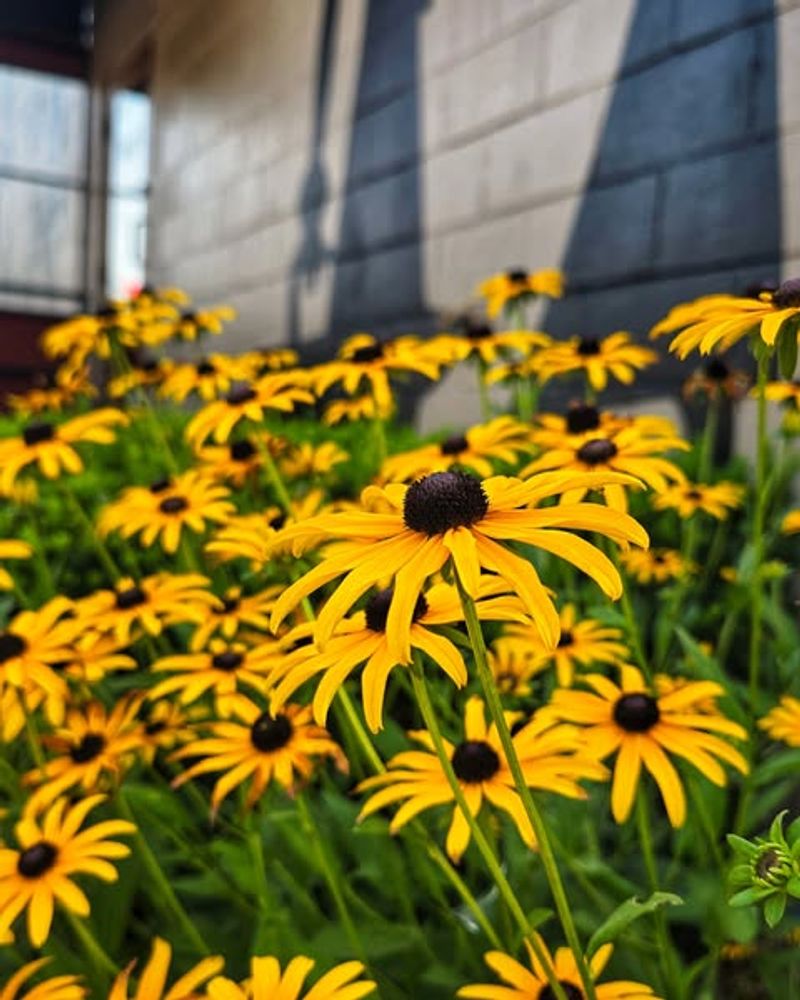
Cheerful, golden, and nearly impossible to ignore, Black-Eyed Susan brings a burst of sunshine to any fence line in Oregon. Its bright yellow petals wrap around a rich dark brown center, creating a bold contrast that stands out even from the street.
These flowers bloom from midsummer through early fall, filling that awkward gap when spring flowers have faded but fall plants have not yet kicked in. Oregon gardeners often call them the bridge blooms of the season.
Black-Eyed Susans thrive in full sun and well-drained soil. They are drought-tolerant once established, which is great news for gardeners in Eastern Oregon where summer rainfall is limited.
Even in the wetter parts of the state, they do just fine as long as they are not sitting in soggy ground.
They grow one to three feet tall, making them a solid mid-height choice for layering along a fence. Plant them in clusters for the biggest visual impact.
Pollinators swarm to these blooms all season long. Leaving the seed heads standing through winter also provides food for birds, so your fence line stays useful even after the growing season ends.
3. Bee Balm (Monarda didyma)
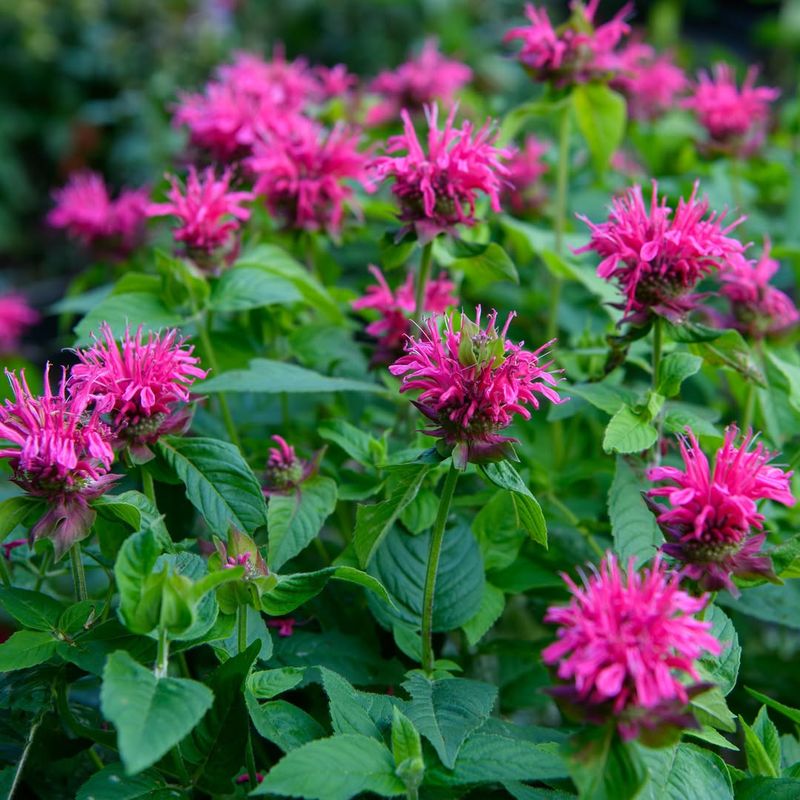
If you want hummingbirds visiting your Oregon yard all summer long, plant Bee Balm along your fence line and watch the magic happen.
This showy wildflower produces spiky, firework-shaped blooms in shades of red, pink, purple, and white. It is hard to look away from.
Bee Balm loves the mild, moist climate found across much of western Oregon. It grows in full sun to partial shade, which gives it an edge over plants that strictly need direct sunlight all day long.
Beyond its looks, Bee Balm smells incredible. The leaves have a minty, oregano-like scent that fills the air when you brush against them.
Many Oregon gardeners grow it near seating areas just for that reason.
It spreads fairly quickly through underground roots, so give it room or contain it with a garden border. Clumps grow two to four feet tall and create a lush, full look along a fence in just one or two seasons.
Did you know Bee Balm is also called Oswego Tea? Native tribes brewed the leaves into a soothing herbal drink.
Growing it along your fence means you have both a stunning garden feature and a ready-made tea garden at your fingertips.
4. Hollyhock (Alcea rosea)
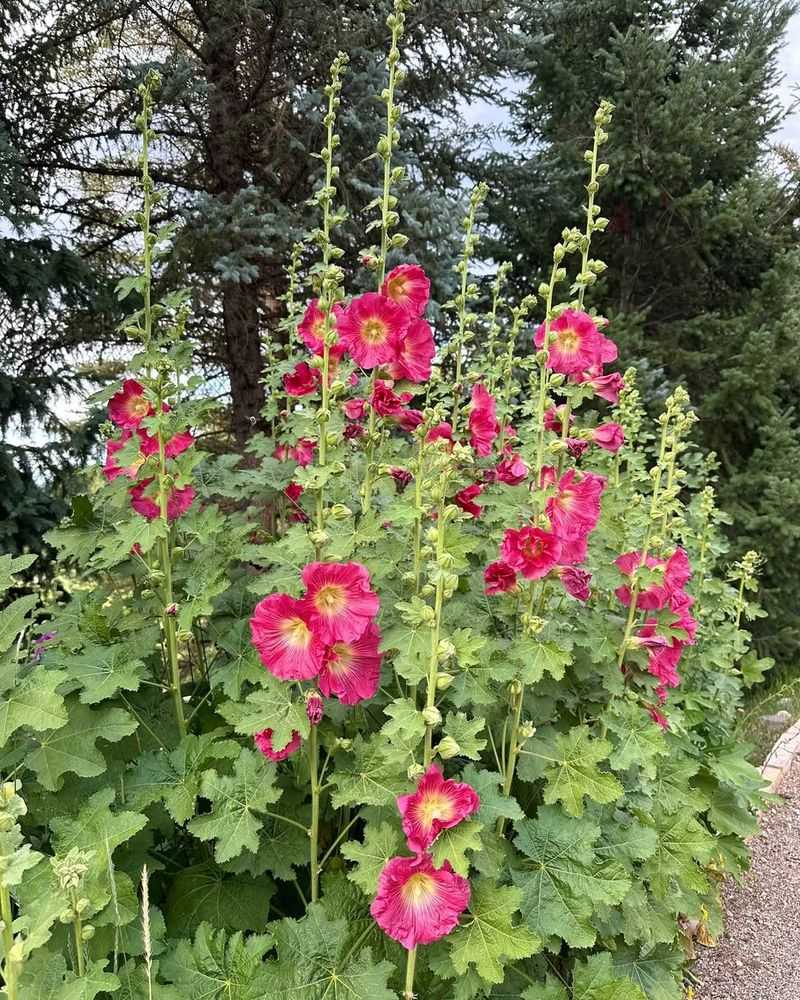
Nothing says old-fashioned cottage garden quite like a row of hollyhocks standing tall along a fence.
These dramatic plants can reach six to eight feet in height, turning an ordinary fence line into a stunning vertical display that neighbors will notice from across the street.
Hollyhocks bloom in midsummer and come in almost every color imaginable, from soft white and pale pink to deep burgundy and near-black purple. Oregon gardeners often mix several shades together for a rich, layered look that feels like something out of a storybook.
They prefer full sun and well-drained soil. In Oregon’s wetter regions, make sure the soil does not stay waterlogged, since hollyhocks can develop rust fungus in overly damp conditions.
A little spacing between plants helps with airflow and keeps them healthier.
Hollyhocks are biennials, meaning they grow leaves the first year and bloom the second. Once established, they self-seed reliably, so you will have new plants coming up each year without replanting.
Bumblebees are particularly fond of hollyhock flowers, often climbing inside the large blooms to collect pollen. Watching that happen on a warm Oregon afternoon is one of the simple joys of gardening along a fence line.
5. Delphinium (Delphinium elatum)
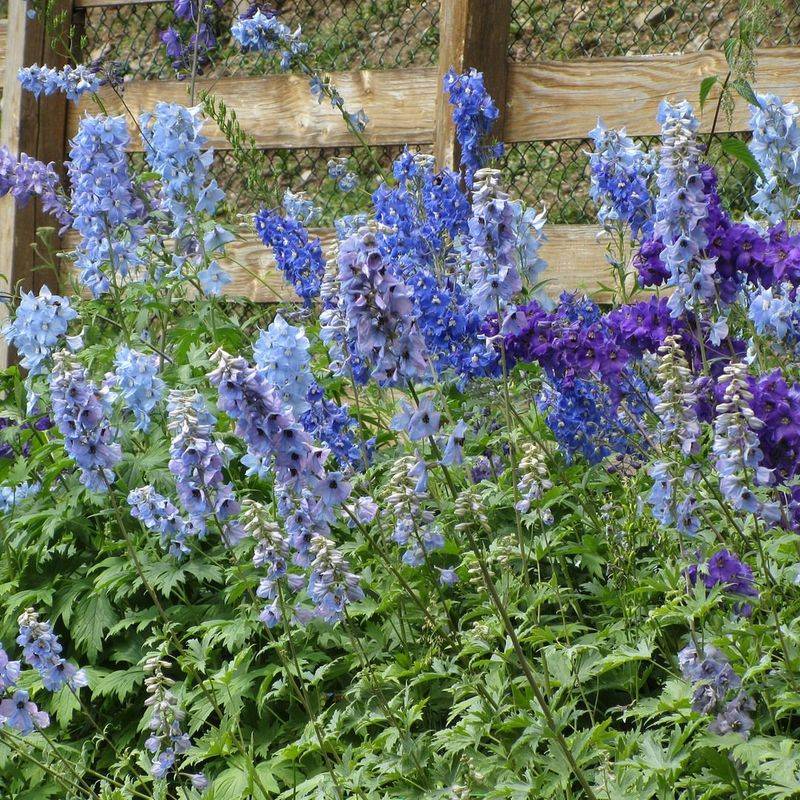
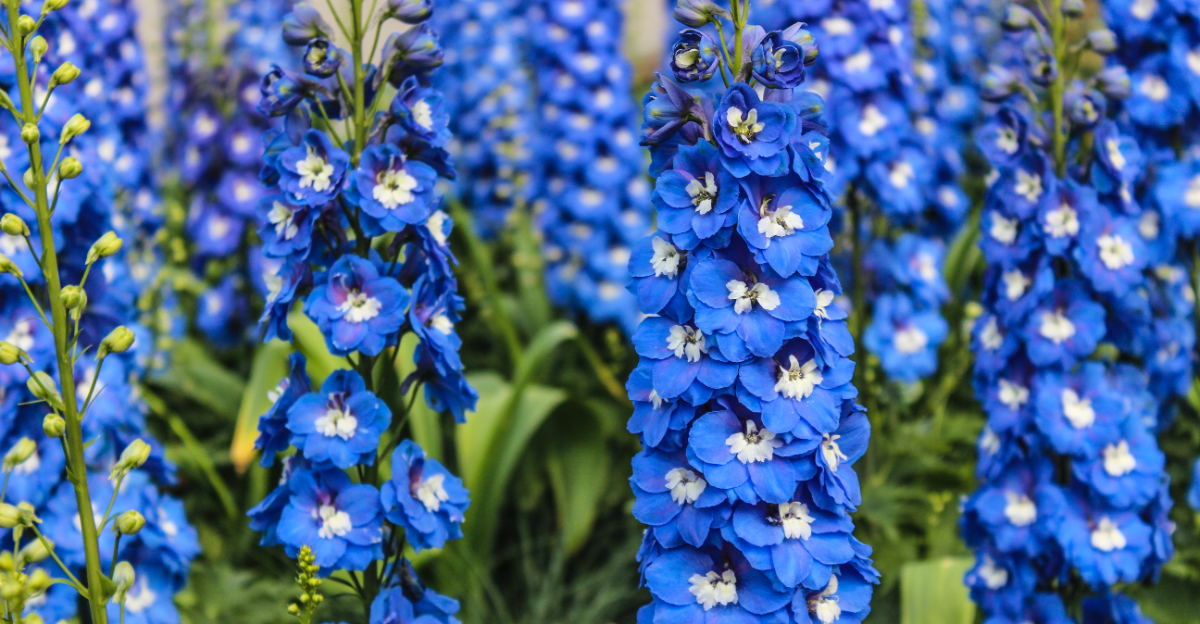
There is something almost magical about a row of delphiniums rising up along an Oregon fence line. Their tall spikes of blue, purple, pink, or white blooms can reach five to seven feet high, creating a dramatic vertical accent that few other flowers can match.
Oregon’s cool, moist climate is genuinely ideal for delphiniums. They struggle in hot, dry regions, but the Pacific Northwest gives them exactly what they need to thrive.
Gardeners in the Willamette Valley and along the coast often grow the most spectacular specimens.
Plant delphiniums in a spot with full sun and shelter from strong winds. Their tall stems can snap in gusty conditions, so placing them along a fence provides natural support.
Many gardeners also stake individual plants for extra stability.
Water them consistently and feed with a balanced fertilizer in spring. After the first bloom, cut the spent spikes back to encourage a second flush of flowers later in the season.
One quirky detail worth knowing: delphiniums are related to ranunculus and buttercups, which you would never guess from looking at them.
They have been cultivated in European gardens since the 1600s, and Oregon gardeners are carrying on a very long and beautiful tradition by planting them today.
6. Shasta Daisy (Leucanthemum × superbum)
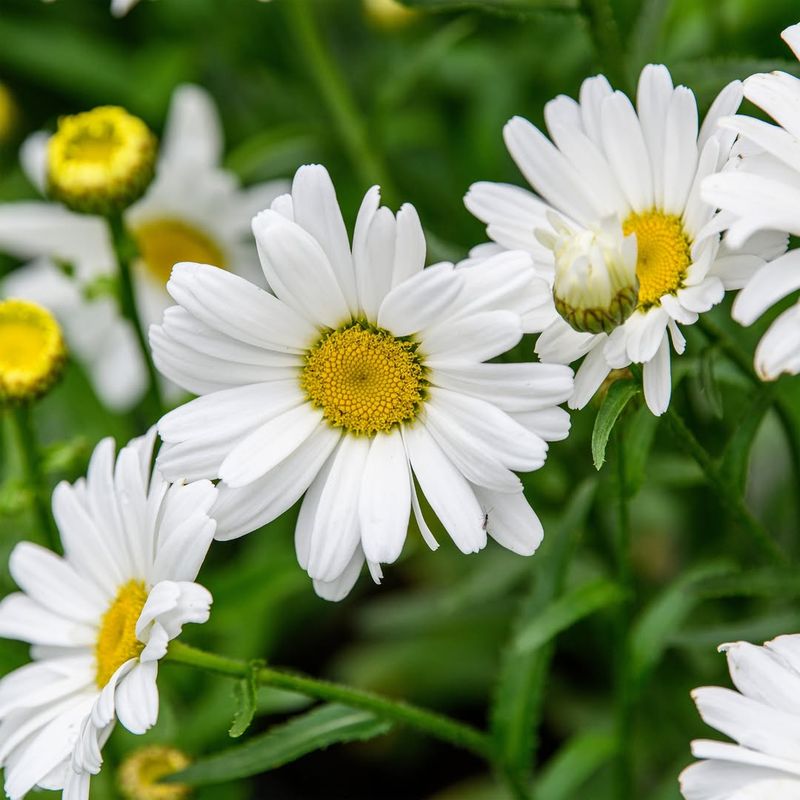
Bright, clean, and endlessly cheerful, Shasta Daisies are a staple in Oregon fence line gardens for good reason. Their crisp white petals surrounding a golden yellow center create a classic look that works beautifully with almost any other flower you plant nearby.
Shasta Daisies bloom from early summer through early fall, giving you months of color with very little effort. They grow two to three feet tall, which makes them a great mid-height filler between taller plants like delphiniums and shorter groundcover flowers.
These daisies love full sun and handle Oregon’s variable weather with ease. They are not picky about soil as long as it drains well.
In fact, too much fertilizer can actually reduce blooming, so less really is more when it comes to feeding them.
Deadheading spent blooms regularly keeps the plants producing new flowers throughout the season. Cut the whole plant back by half in late summer and it will often rebloom before the first frost arrives.
Shasta Daisies were actually developed right here in the Pacific Northwest by famous horticulturist Luther Burbank in the late 1800s. He bred them in Northern California, not far from Oregon’s southern border, making them feel like a true regional treasure worth growing.
7. Foxglove (Digitalis purpurea)
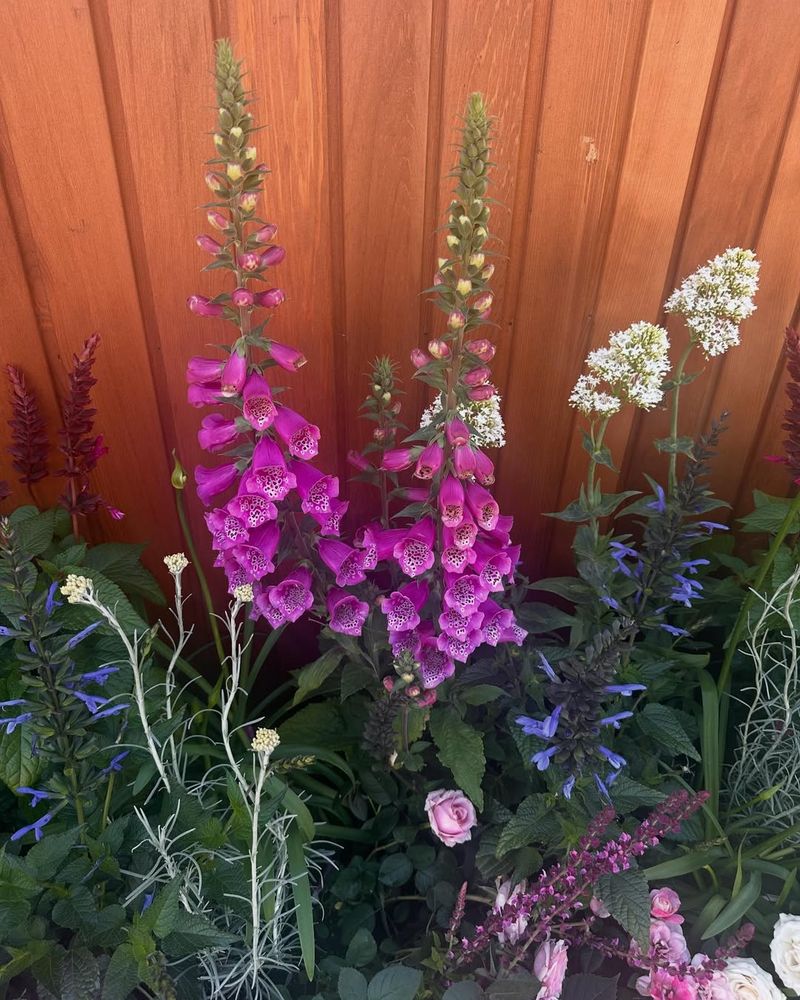
Walk through almost any Oregon forest edge in early summer and you will spot foxgloves growing wild along the tree line.
That same magical quality translates beautifully to garden fence lines, where their tall spires of tubular blooms create an enchanting, storybook atmosphere.
Foxgloves grow four to six feet tall and produce dozens of bell-shaped flowers in shades of purple, pink, white, and cream, often with striking spotted interiors.
Hummingbirds and bumblebees push right inside the tubes to reach the nectar, which is endlessly entertaining to watch.
They prefer partial shade, making them one of the best choices for fence lines that do not get full sun all day. Oregon’s frequent overcast skies suit them perfectly.
Plant them on the north or east side of a fence for ideal growing conditions.
Like hollyhocks, foxgloves are biennials. They form a leafy rosette in year one and bloom in year two.
Once you have them established, they self-seed generously and keep coming back season after season without any replanting needed.
A word of caution worth sharing: every part of the foxglove plant is toxic if eaten, so plant them away from areas where small children or pets play. Keep them along the fence where they can be admired safely from a distance.
8. Yarrow (Achillea millefolium)
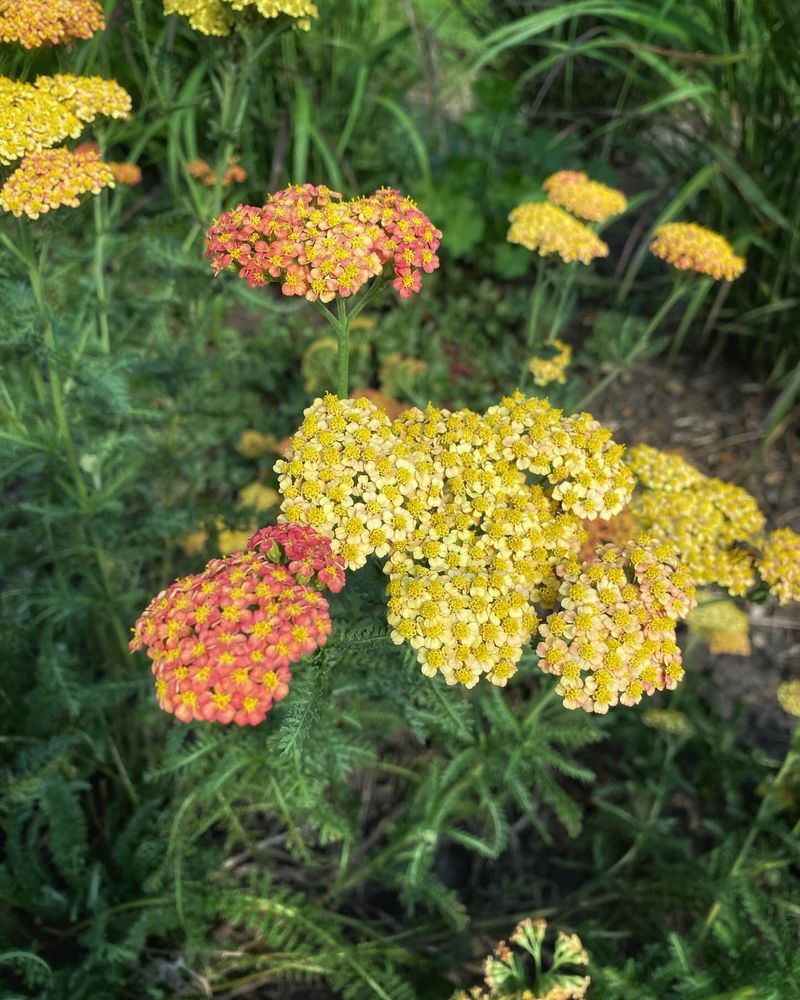
Yarrow is the kind of plant that makes experienced Oregon gardeners smile knowingly. It looks delicate with its flat-topped clusters of tiny flowers and feathery, fern-like leaves, but underneath that soft appearance is one of the toughest plants you can grow along a fence line.
Native to the Pacific Northwest, yarrow is perfectly adapted to Oregon’s climate. It handles drought, poor soil, and even light foot traffic without skipping a beat.
That resilience makes it an outstanding choice for low-maintenance fence borders across the state.
Blooms come in white, yellow, pink, red, and coral, lasting from late spring all the way through summer. The flat flower heads are magnets for beneficial insects like lacewings, ladybugs, and parasitic wasps, which help keep garden pests under control naturally.
Yarrow grows one to three feet tall and spreads steadily over time, eventually forming a dense, weed-suppressing mat along your fence. Divide clumps every few years to keep them vigorous and to share plants with neighbors.
Ancient Greeks named yarrow after Achilles, the legendary warrior said to have used it to stop bleeding on the battlefield. Growing something with that kind of history along your Oregon fence line adds a pretty remarkable story to your garden.
9. Climbing Rose (Rosa)
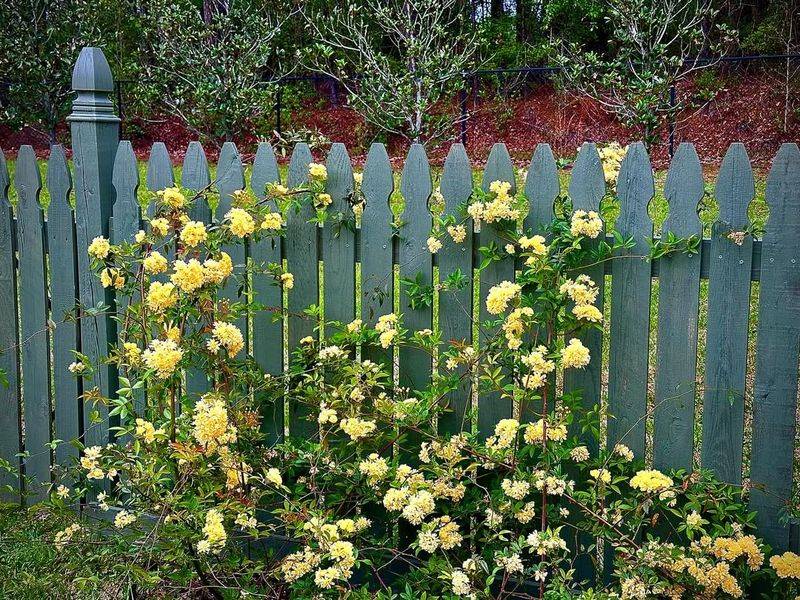
A climbing rose trained along a fence is one of the most rewarding sights in any Oregon garden. Over time, it transforms a plain fence into a flowing curtain of blooms that looks like it belongs on the cover of a gardening magazine.
Oregon’s mild, maritime climate in the western part of the state is nearly perfect for roses. They love the cool nights and moderate temperatures found in the Willamette Valley.
Even in sunnier Eastern Oregon, heat-tolerant climbing varieties do surprisingly well with consistent watering.
Choose disease-resistant varieties like New Dawn, Zephirine Drouhin, or Don Juan for the best results along an Oregon fence.
These varieties handle moisture and humidity better than older types, which means less worry about common rose diseases like black spot or powdery mildew.
Train new canes horizontally along the fence as they grow. Horizontal training encourages the plant to produce more blooming side shoots, which means more flowers across the entire fence rather than just at the tips.
Climbing roses can live for decades when properly cared for. Some Oregon homeowners have roses trained along their fences that were planted by previous generations.
There is something deeply satisfying about growing a plant that becomes a lasting part of your home’s story.