Oregon Gardeners Are Turning To Native Grasses For 2025 Yard Designs
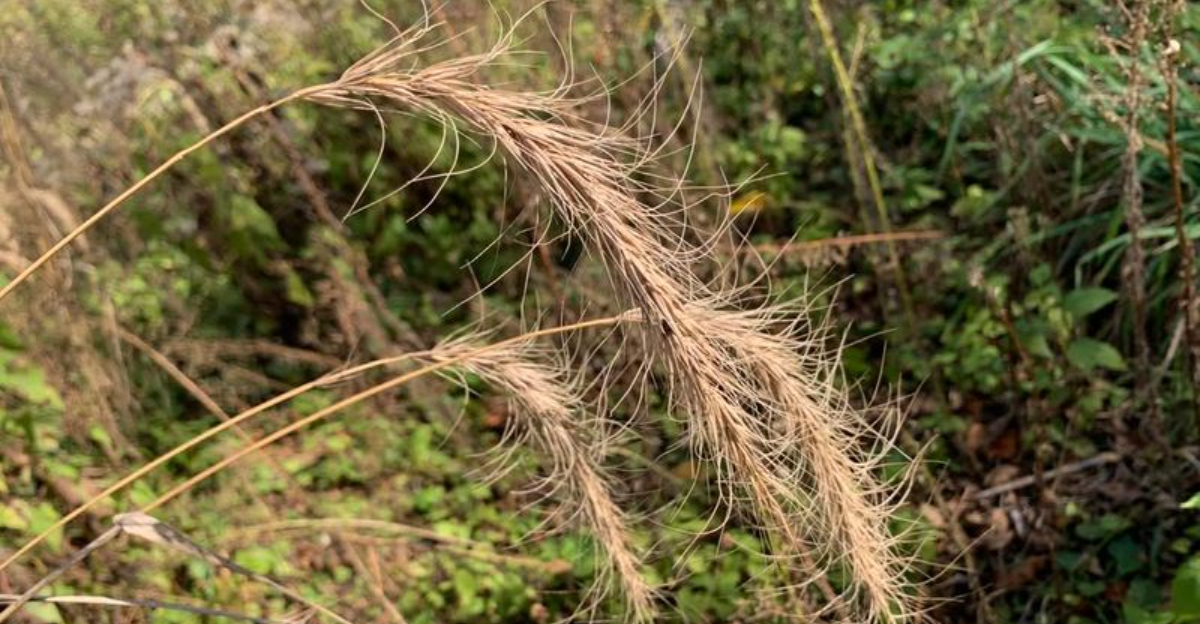
Native grasses are taking over Oregon yards right now, and I keep seeing how naturally they fit into everyday landscapes across the state.
More gardeners are choosing them because they handle local conditions well while still making yards feel thoughtfully designed and easy to manage.
In 2025, this shift feels less like an experiment and more like a confident move toward yards that finally make sense.
1. Native Grasses Require Far Less Water Than Traditional Lawns
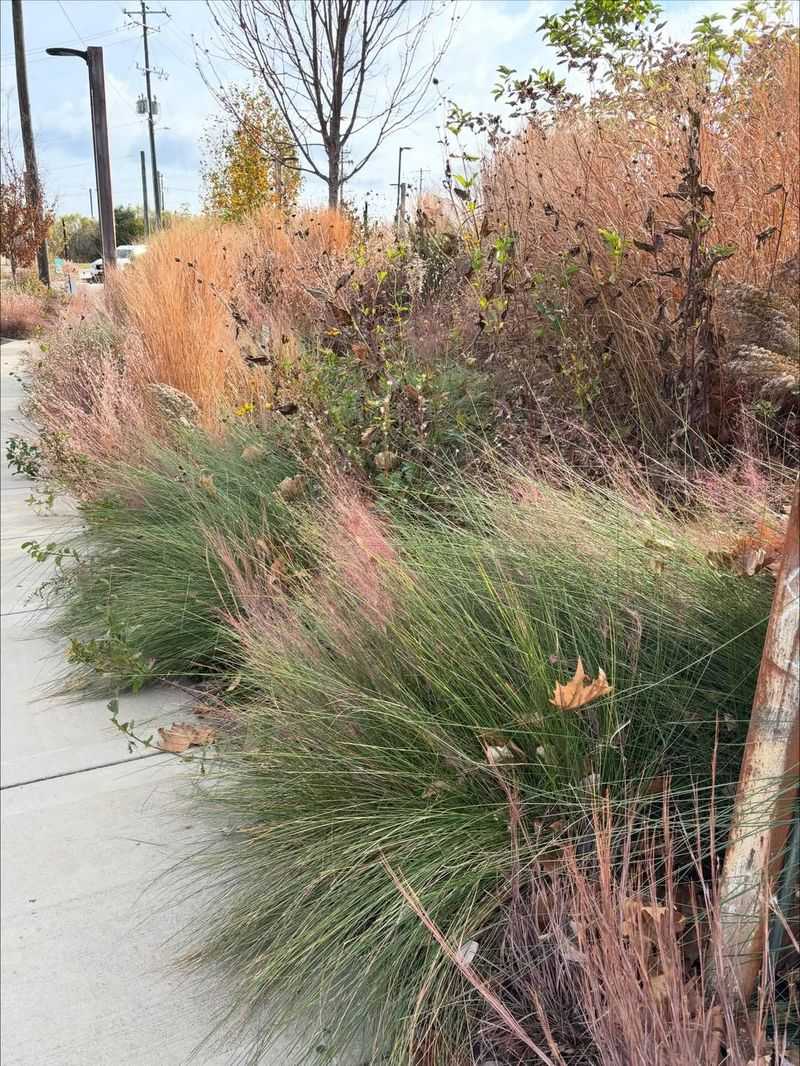
Traditional lawns guzzle water like there’s no tomorrow, but native grasses have adapted to Oregon’s natural rainfall patterns over thousands of years.
Homeowners across the Willamette Valley are cutting their summer watering schedules by more than half after switching to native varieties like Idaho fescue.
Once established, these grasses develop deep root systems that tap into moisture reserves far below the surface where conventional turf cannot reach.
Most native species need watering only during the driest weeks of summer, and some varieties survive entirely on rainfall alone in many regions.
Portland-area landscapers report that clients save hundreds of dollars annually on water bills after transitioning from thirsty bluegrass to drought-adapted natives.
The financial benefits multiply during drought years when water restrictions limit lawn irrigation but native grasses continue thriving without intervention.
Beyond cost savings, reduced watering means less time spent dragging hoses around your property and more time enjoying your outdoor space instead.
2. They Provide Critical Habitat For Oregon’s Native Wildlife
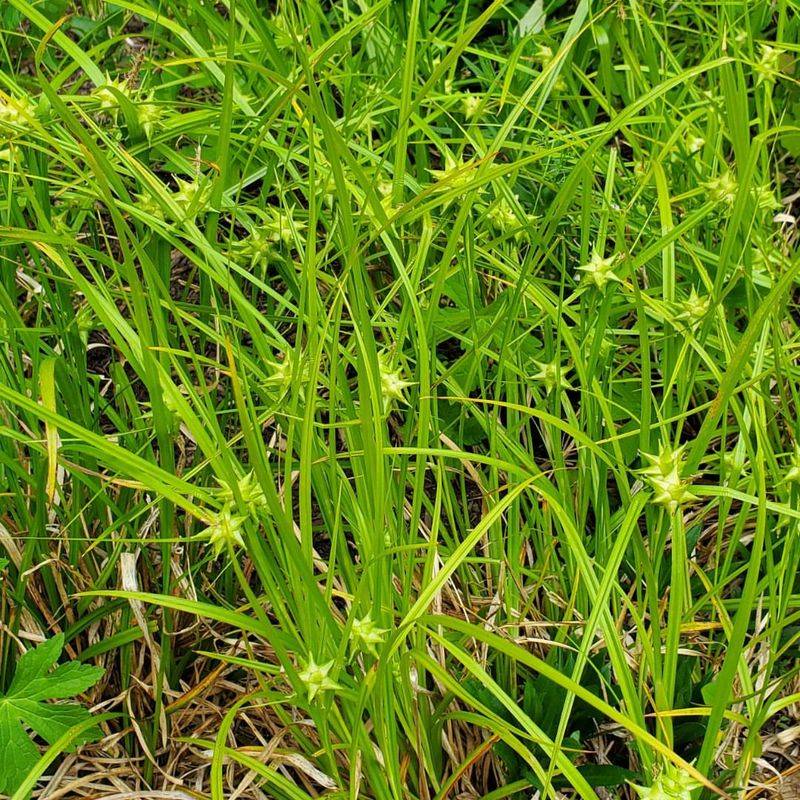
Native grasses create living ecosystems that support dozens of insect, bird, and small mammal species that depend on these plants for survival.
Songbirds throughout Oregon rely on native grass seeds as a primary food source during fall and winter when other options become scarce.
Beneficial insects like native bees and butterflies use the grass blades and root systems for shelter, nesting sites, and overwintering protection from harsh weather.
Eugene gardeners have documented increased bird activity within weeks of planting native grass borders, with species like goldfinches and sparrows becoming regular visitors.
The dense growth structure provides safe cover for ground-nesting birds and small mammals escaping predators, creating wildlife corridors through suburban neighborhoods.
Unlike sterile monoculture lawns that offer little ecological value, native grass plantings function as miniature nature preserves supporting biodiversity in urban settings.
Watching wildlife interact with your yard transforms it from mere decoration into a dynamic living space that changes with the seasons.
3. Maintenance Requirements Drop Dramatically After Establishment
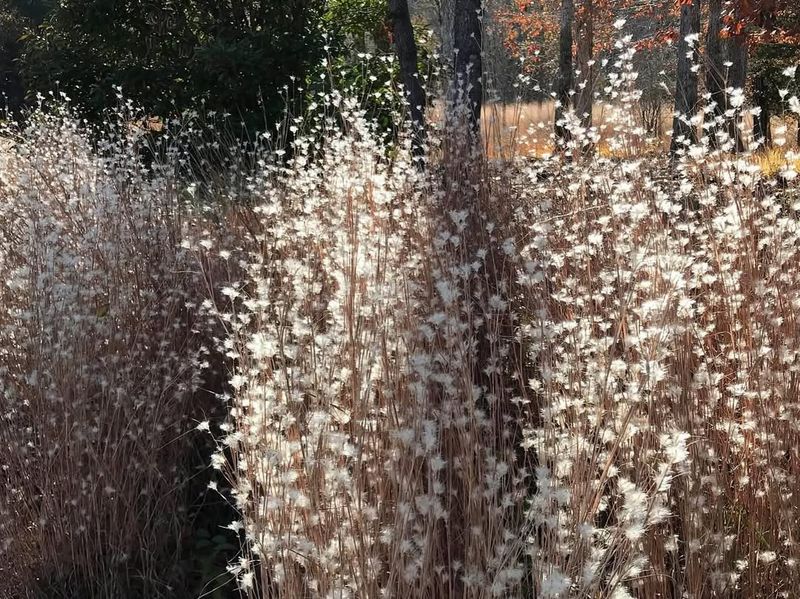
Forget weekly mowing marathons that devour your weekends—native grasses need cutting only once or twice per year at most, if at all.
Many Oregon gardeners simply trim their native grass plantings in late winter to remove old growth before fresh blades emerge in spring.
The reduced maintenance schedule eliminates the need for gas-powered mowers, string trimmers, and all the associated noise, pollution, and mechanical headaches.
Fertilization becomes unnecessary because native species evolved to thrive in Oregon’s natural soil conditions without chemical supplements boosting their growth artificially.
Bend residents report spending less than an hour per month maintaining native grass areas that previously required several hours weekly as traditional lawns.
The grasses naturally resist local pests and diseases, eliminating the need for pesticide applications that harm beneficial insects and contaminate groundwater supplies.
Reduced maintenance translates to lower equipment costs, less fuel consumption, and significantly more free time for activities you actually enjoy instead.
4. Native Species Adapt Perfectly To Oregon’s Seasonal Climate Patterns
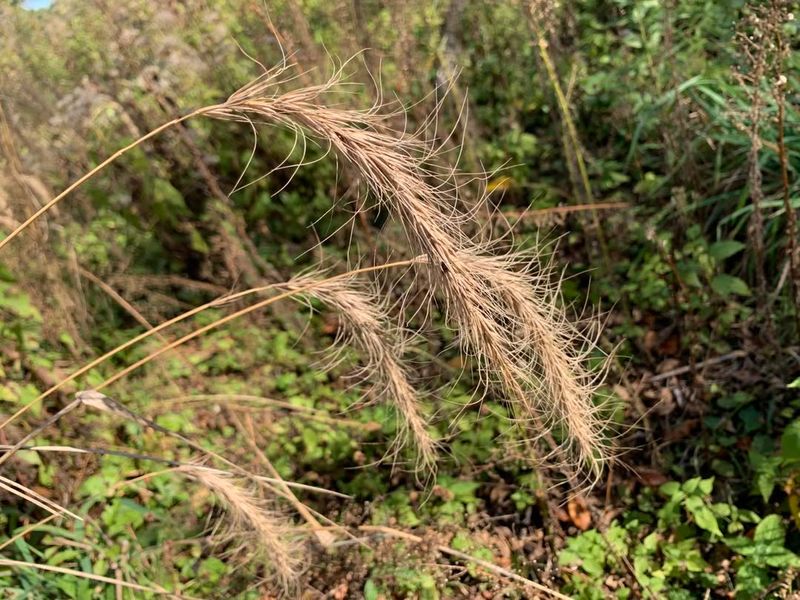
Oregon’s distinctive wet winters and dry summers challenge many ornamental plants, but native grasses evolved specifically to thrive under these exact conditions.
Species like California oatgrass and tufted hairgrass green up naturally with fall rains without requiring irrigation to break summer dormancy.
Their growth cycles align perfectly with seasonal moisture availability, actively growing during cool wet months and gracefully going dormant when summer heat arrives.
Salem gardeners appreciate how native grasses handle heavy winter rains without developing the fungal diseases that plague conventional lawns in soggy conditions.
The plants’ natural dormancy period during summer heat protects them from stress while reducing water demands during the driest months.
Coastal Oregon properties benefit from native grasses that tolerate salt spray and strong winds that would damage less adapted species within a season.
This inherent climate compatibility means your yard works with nature’s rhythms rather than constantly fighting against them with artificial inputs and interventions.
5. They Create Year-Round Visual Interest With Changing Textures
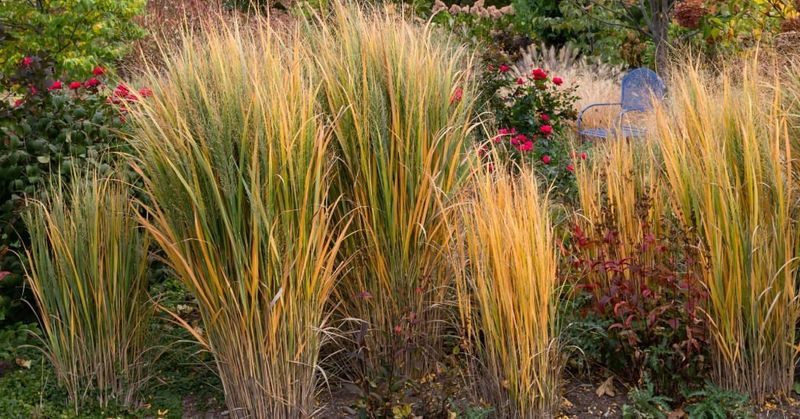
Native grasses offer dynamic beauty that shifts with the seasons, providing visual drama that static lawns simply cannot match in any conditions.
Fresh spring growth emerges in vibrant greens that brighten landscapes after winter’s gray skies, while summer brings flowing seed heads that dance gracefully.
Autumn transforms many species into stunning shades of gold, bronze, and copper that rival any perennial border for sheer visual impact and appeal.
Even winter dormancy brings architectural interest as dried blades catch frost and snow, creating sculptural elements that remain attractive throughout cold months.
Corvallis landscape designers combine multiple native grass species with staggered bloom times to ensure something always catches the eye regardless of season.
The grasses’ natural movement in breezes adds kinetic energy to gardens, making outdoor spaces feel alive and dynamic rather than static and lifeless.
This ever-changing display keeps your yard interesting throughout the year, offering new visual rewards each time you look out the window or step outside.
6. Root Systems Improve Soil Health And Prevent Erosion
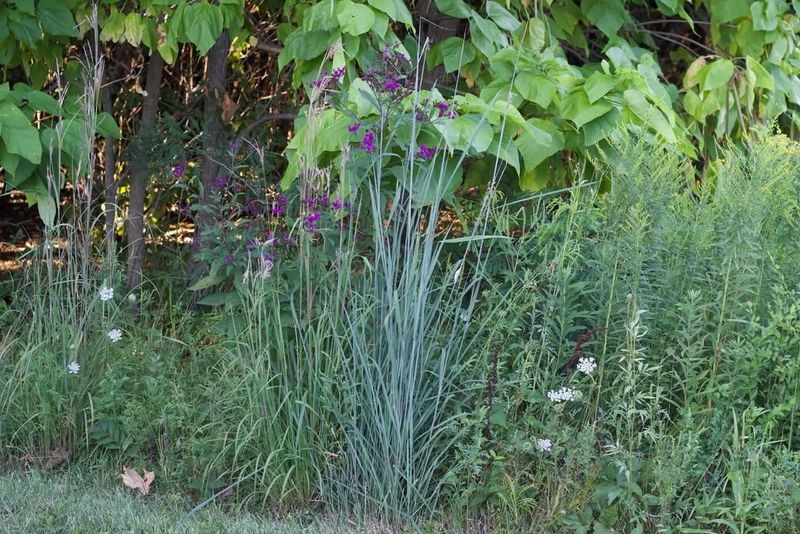
Native grass roots penetrate several feet deep into soil, creating networks that hold earth in place far more effectively than shallow turf roots.
Hillside properties throughout Oregon’s Cascade foothills use native grasses to stabilize slopes where erosion threatens structures and creates maintenance nightmares during heavy rains.
The extensive root systems break up compacted soil, improve drainage, and create channels that allow water infiltration rather than problematic surface runoff.
As roots grow and decompose over seasons, they add organic matter deep in the soil profile where it improves structure and fertility.
Medford gardeners working with clay soils report improved drainage and easier digging after several years of native grass cultivation in problem areas.
The root systems also sequester carbon from the atmosphere, storing it underground where it contributes to climate change mitigation efforts at the local level.
Healthy soil creates the foundation for a thriving landscape ecosystem, and native grasses build that foundation more effectively than almost any other plant group.
7. Installation Costs Prove Lower Than Traditional Lawn Establishment
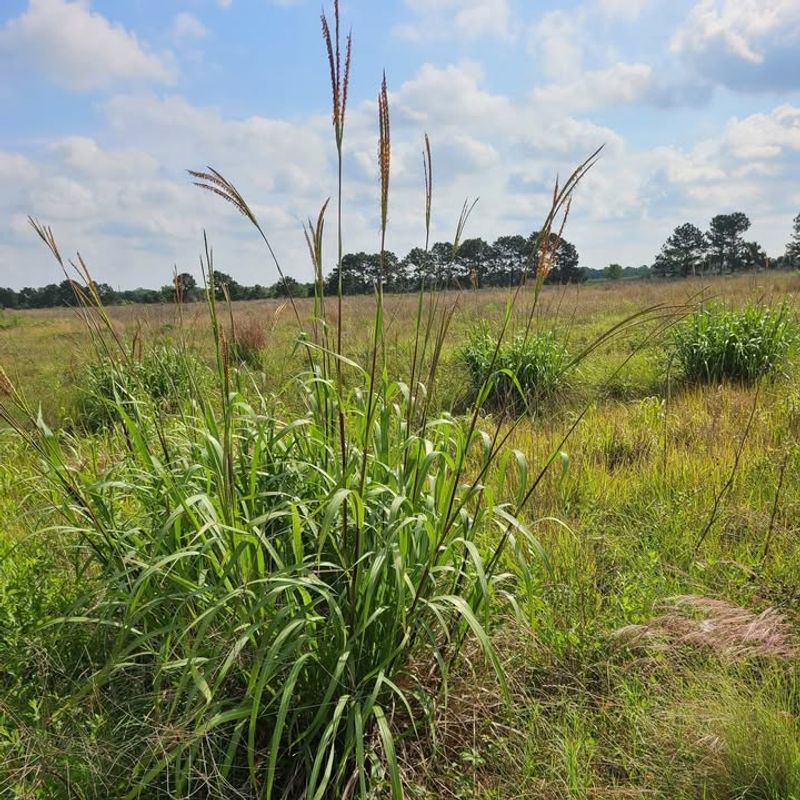
Starting a native grass area costs significantly less than installing sod or even seeding conventional turf, especially when using locally grown plant materials.
Many Oregon nurseries now offer native grass plugs at affordable prices, and direct seeding costs even less for larger areas requiring extensive coverage.
The plants establish successfully without expensive soil amendments, specialized fertilizers, or elaborate irrigation systems that traditional lawns demand from day one of installation.
Ashland homeowners report total installation costs running thirty to fifty percent lower than comparable conventional lawn projects when accounting for all necessary inputs.
Native grass seeds germinate readily in Oregon’s spring and fall weather without requiring constant watering or specialized germination blankets and coverings.
Labor costs drop because native grass installation tolerates imperfect site preparation that would doom traditional turf to patchy failure and disappointing results.
Lower upfront investment combined with minimal ongoing costs makes native grasses an economically smart choice that pays dividends for years into the future.
8. They Support Sustainable Landscaping Goals And Environmental Stewardship
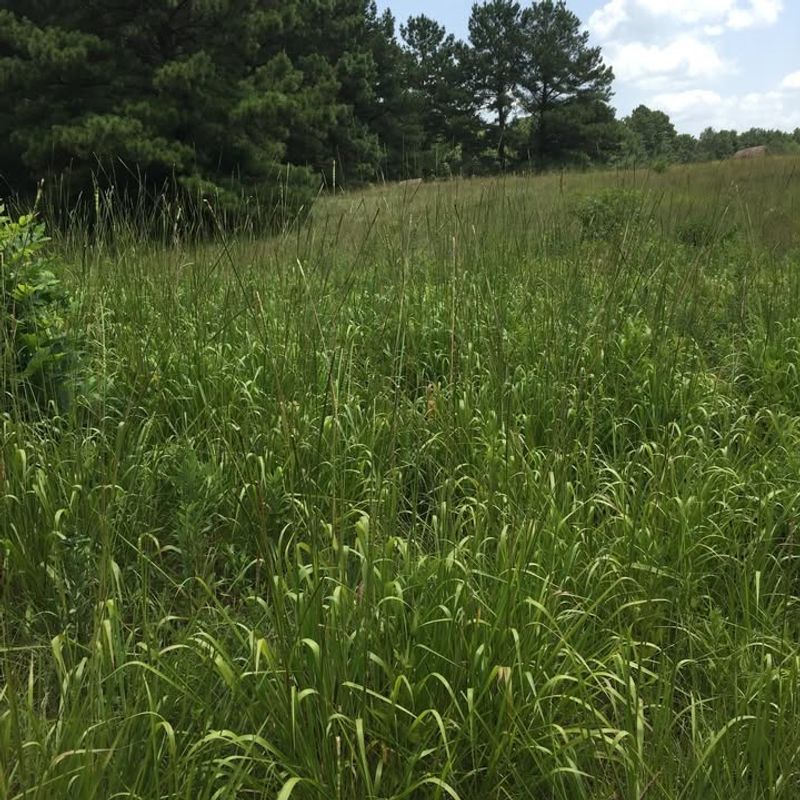
Choosing native grasses demonstrates environmental responsibility by reducing chemical use, water consumption, and carbon emissions from maintenance equipment throughout the growing season.
Oregon communities increasingly recognize sustainable landscaping practices through certification programs that reward homeowners who prioritize native plants in their yard designs.
Native grasses eliminate the need for synthetic fertilizers and pesticides that contaminate waterways, harm beneficial organisms, and contribute to environmental degradation regionally.
The reduced mowing requirements cut greenhouse gas emissions significantly compared to weekly lawn cutting with gas-powered equipment throughout the entire growing season.
Gresham neighborhoods report improved air quality on summer weekends after multiple households transition from conventional lawns to native grass landscapes that require minimal maintenance.
Using locally appropriate plants also reduces the transportation and production impacts associated with shipping non-native species from distant nurseries across the country.
Environmental stewardship begins at home, and native grass yards represent concrete action toward sustainability goals that benefit both your property and the broader community.
9. Design Flexibility Allows Creative Landscaping Applications Throughout Your Property
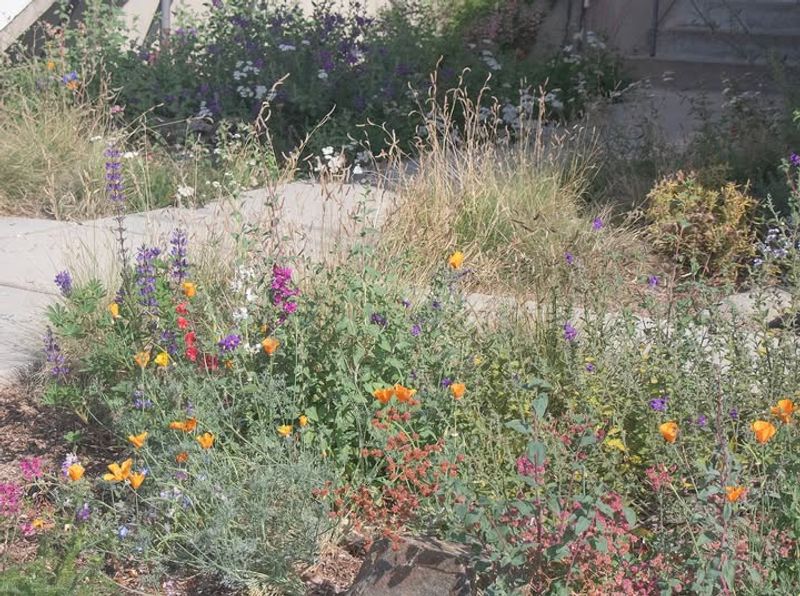
Native grasses work beautifully in formal borders, naturalistic meadows, rain gardens, and everything in between, offering remarkable versatility for diverse design visions.
Short species like Idaho fescue create lawn alternatives for high-traffic areas, while taller varieties like western needlegrass provide dramatic backdrops and privacy screening.
Oregon landscape architects combine multiple native grass species with complementary native perennials to create layered plantings that deliver interest at every height and season.
The grasses transition seamlessly between cultivated garden areas and wilder spaces, helping blend your property with surrounding natural landscapes rather than creating jarring contrasts.
Hood River designers use native grasses to soften hardscape edges, frame focal points, and guide movement through outdoor spaces with subtle visual cues.
Mass plantings create sweeping meadow effects, while individual specimens serve as architectural accents that draw attention and create memorable garden moments.
This design flexibility means native grasses adapt to your aesthetic vision rather than forcing your landscape into predetermined templates that may not suit your style.