Oregon Gardeners: Never Put These 10 Items In Your Compost Bin
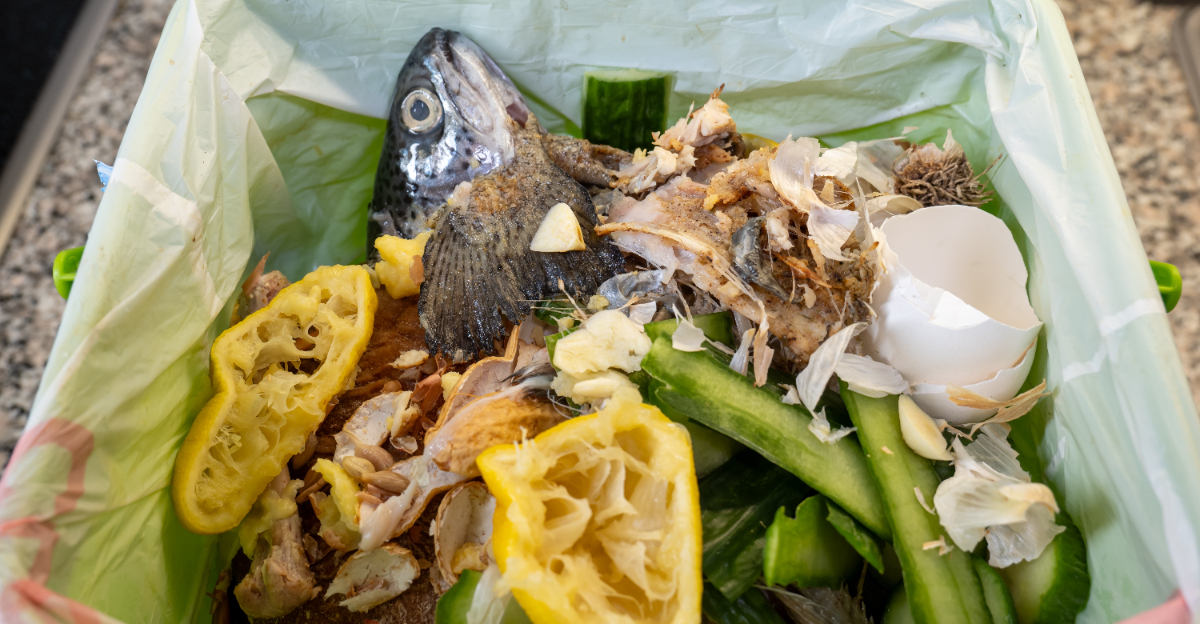
Composting is one of the best ways to turn kitchen scraps into nutrient-rich soil for your Oregon garden, but not everything belongs in the bin.
Some items can attract pests, create unpleasant odors, or even introduce harmful bacteria that hurt plants instead of helping them.
It’s easy to assume that anything organic is fair game, but certain foods and materials can do more harm than good.
Knowing what to avoid keeps your compost healthy, speeds up decomposition, and ensures that the final product is safe and full of nutrients for your garden beds.
From meats to treated papers and some common household scraps, a few simple rules can make all the difference. Avoiding these ten items will help your compost bin stay productive, odor-free, and pest-resistant.
With the right ingredients, composting becomes not only easy but a satisfying way to recycle waste and grow healthier, happier plants in your garden.
1. Meat, Fish, And Bones
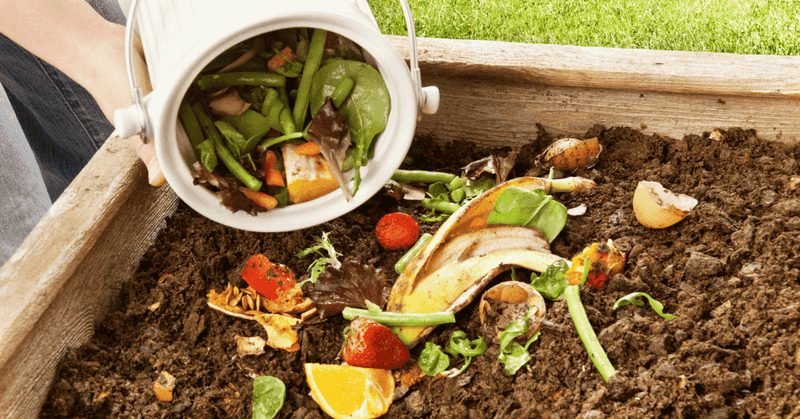
Protein-rich animal products might seem like they would break down nicely, but they create serious problems in backyard compost bins. These materials attract raccoons, rats, possums, and even neighborhood dogs who can smell them from blocks away.
Oregon’s wildlife population is already quite active, and you don’t want to invite them to feast in your yard every night.
Meat and fish also decompose very slowly in typical compost conditions. They produce terrible odors as they rot, creating a stench that bothers you and your neighbors.
The smell comes from anaerobic bacteria breaking down the proteins, which releases ammonia and sulfur compounds that make your whole yard unpleasant.
Bones take even longer to break down, sometimes persisting for years in home compost systems. They don’t contribute much to your finished product and just get in the way when you try to use your compost.
Even small chicken bones or fish bones can remain intact through multiple compost cycles.
The fats in meat and fish can also coat other materials in your bin, preventing proper air circulation and moisture distribution. This creates pockets of anaerobic decomposition that slow everything down.
Save yourself the headache and keep all animal proteins out of your compost pile completely.
2. Dairy Products And Eggs
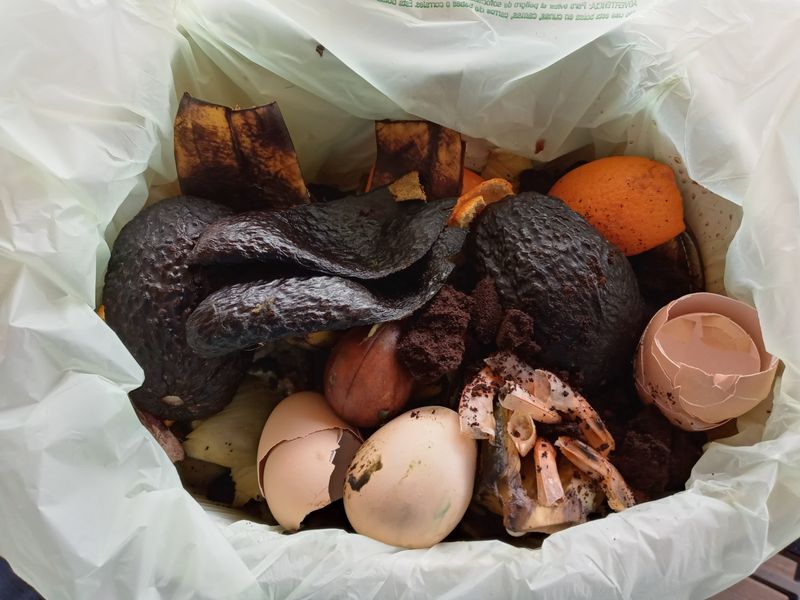
Milk, cheese, yogurt, and eggs seem harmless enough, but they cause major issues in compost bins. Just like meat, dairy products attract unwanted animals who can detect even small amounts buried in your pile.
Oregon’s persistent moisture means these items stay wet longer, making the smell even worse and more attractive to pests.
Dairy breaks down through a process that creates incredibly foul odors. Anyone who has left milk out too long knows exactly what this smells like, and that same process happens in your compost, only magnified.
The smell can linger for weeks and spread throughout your yard, making outdoor activities unpleasant for everyone.
Cheese, butter, and other fatty dairy products create the same coating problems as meat fats. They form barriers around other materials, preventing proper decomposition and creating anaerobic pockets.
These pockets not only smell bad but also slow down the entire composting process significantly.
Eggshells are actually fine for composting, but whole eggs or egg residue cause problems. The protein in eggs rots quickly and smells terrible, attracting flies and other insects.
If you want to compost eggshells, rinse them thoroughly first and crush them into small pieces for faster breakdown.
3. Diseased Or Pest-Infested Plants
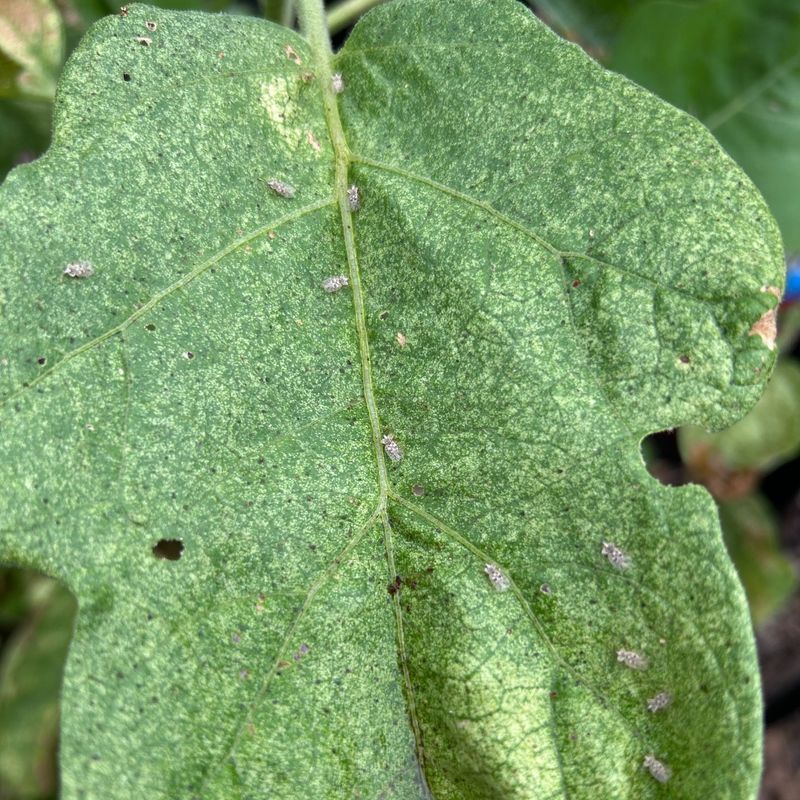
When plants in your garden get sick or infested with bugs, your first instinct might be to toss them in the compost. This seems logical since they’re plant material, but it’s actually one of the worst mistakes you can make.
Most backyard compost bins don’t get hot enough to eliminate plant diseases or insect eggs completely.
Fungal diseases like powdery mildew, blight, and rust can survive in compost that doesn’t reach temperatures above 140 degrees Fahrenheit. Home compost piles rarely maintain these temperatures consistently throughout the entire pile.
When you spread this compost in your garden next season, you’re essentially spreading the same diseases you tried to get rid of.
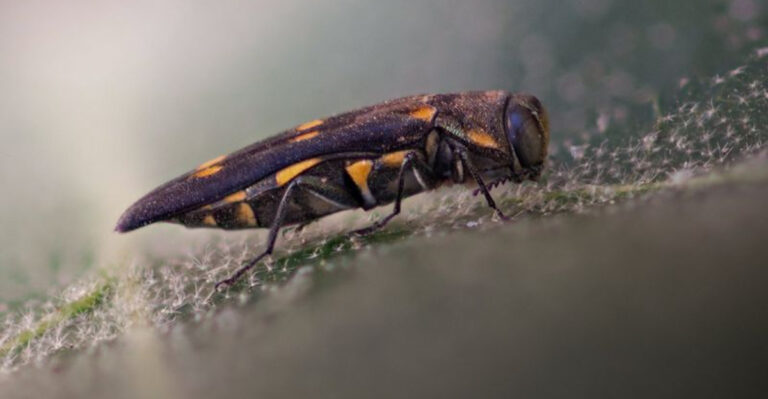
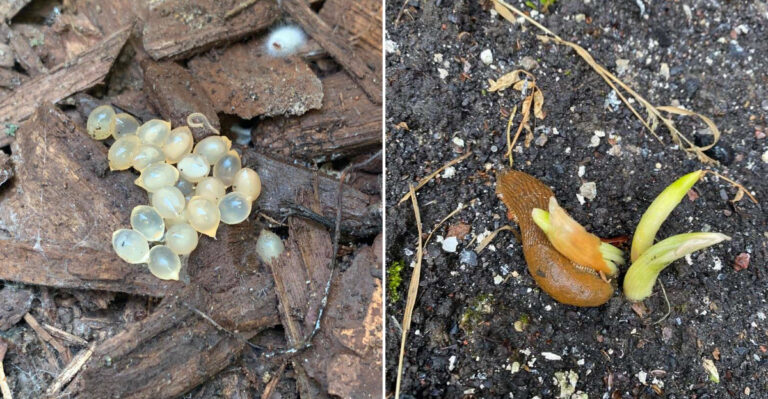
Insect eggs and larvae can also survive the composting process, especially in Oregon’s cooler climate where compost doesn’t heat up as much. Aphids, whiteflies, and other pests can overwinter in your compost and emerge ready to attack your plants when you use it.
This creates a frustrating cycle of infestation that’s hard to break.
Instead of composting diseased or infested plants, bag them up and dispose of them in your regular trash. Some municipal composting facilities can handle these materials because they maintain much higher temperatures.
Check with your local waste management to see if they accept diseased plant material.
4. Weeds With Seeds Or Roots
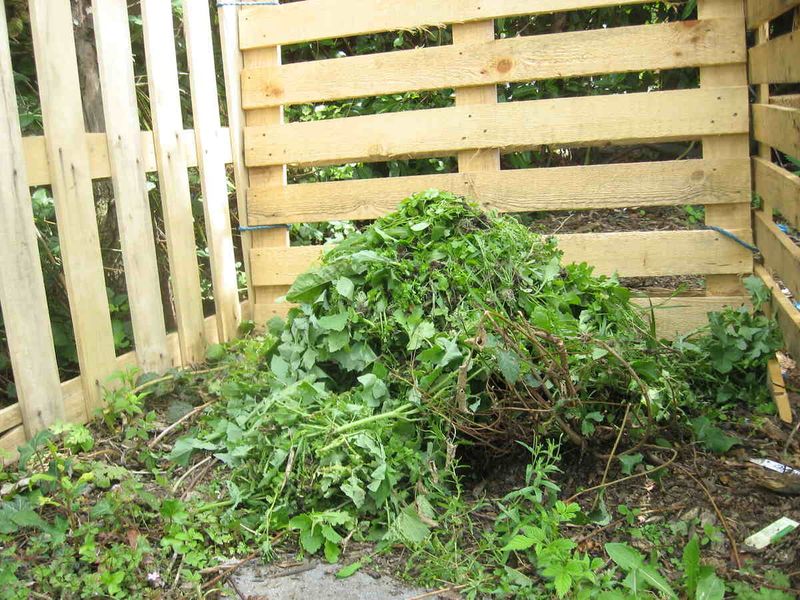
Pulling weeds feels productive, and tossing them in the compost seems like a great way to recycle them back into your garden. However, many common Oregon weeds are incredibly resilient and can survive the composting process.
Their seeds remain viable for years, and some roots can actually regrow even after being composted.
Dandelions, bindweed, quackgrass, and blackberry vines are particularly problematic. These tough plants have evolved to survive harsh conditions, and your compost pile won’t stop them.
When you spread your finished compost, you’re essentially planting weed seeds throughout your entire garden bed, creating more work for yourself later.
Weed seeds need sustained high temperatures to become nonviable, typically above 130 degrees for several weeks. Most home compost systems don’t maintain these conditions, especially in Oregon’s moderate climate.
Even if the center of your pile gets hot, the edges stay cooler, providing a safe haven for seeds to survive.
Perennial weeds with extensive root systems pose an even bigger problem. Pieces of root from plants like bindweed or morning glory can sprout new plants even after being chopped up.
These fragments hide in your compost and spread when you use it, potentially infesting areas that were previously weed-free.
5. Pet Waste And Litter
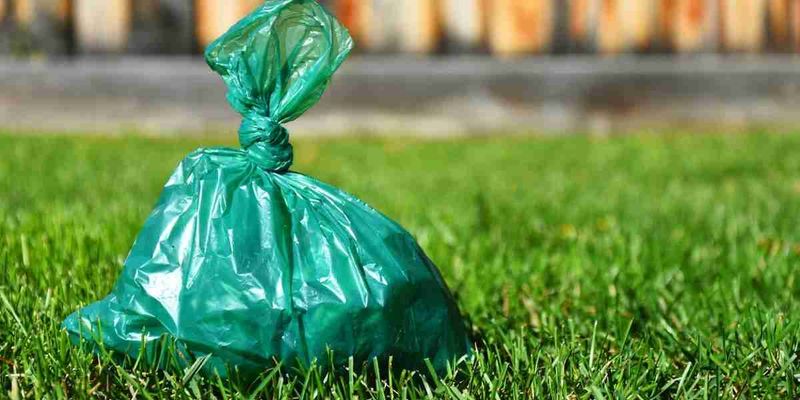
Dog and cat waste might seem like natural organic material, but it absolutely does not belong in compost bins used for growing food. Pet waste contains harmful pathogens and parasites that can survive the composting process and contaminate your vegetables.
Toxoplasma, roundworms, and other parasites pose serious health risks to humans, especially children and pregnant women.
Cat litter, even the biodegradable kinds made from corn or wheat, shouldn’t go in your compost either. The litter itself might break down eventually, but it carries the same pathogens as the waste it contains.
Clay-based litters add another problem because they don’t decompose at all and just create clumps in your finished compost.
Some people argue that herbivore manure works great in compost, so why not carnivore waste? The key difference lies in diet and digestive systems.
Cows, horses, and chickens process plant material, while dogs and cats eat meat-based diets that produce waste containing different bacteria. These bacteria can include E. coli and salmonella strains harmful to humans.
Oregon’s wet climate makes pathogen survival even more likely since moisture helps many organisms persist longer. If you want to compost pet waste, you need a separate, dedicated system that never gets used for food gardens.
Regular compost bins should remain free of all pet waste to keep your vegetables safe.
6. Treated Or Painted Wood
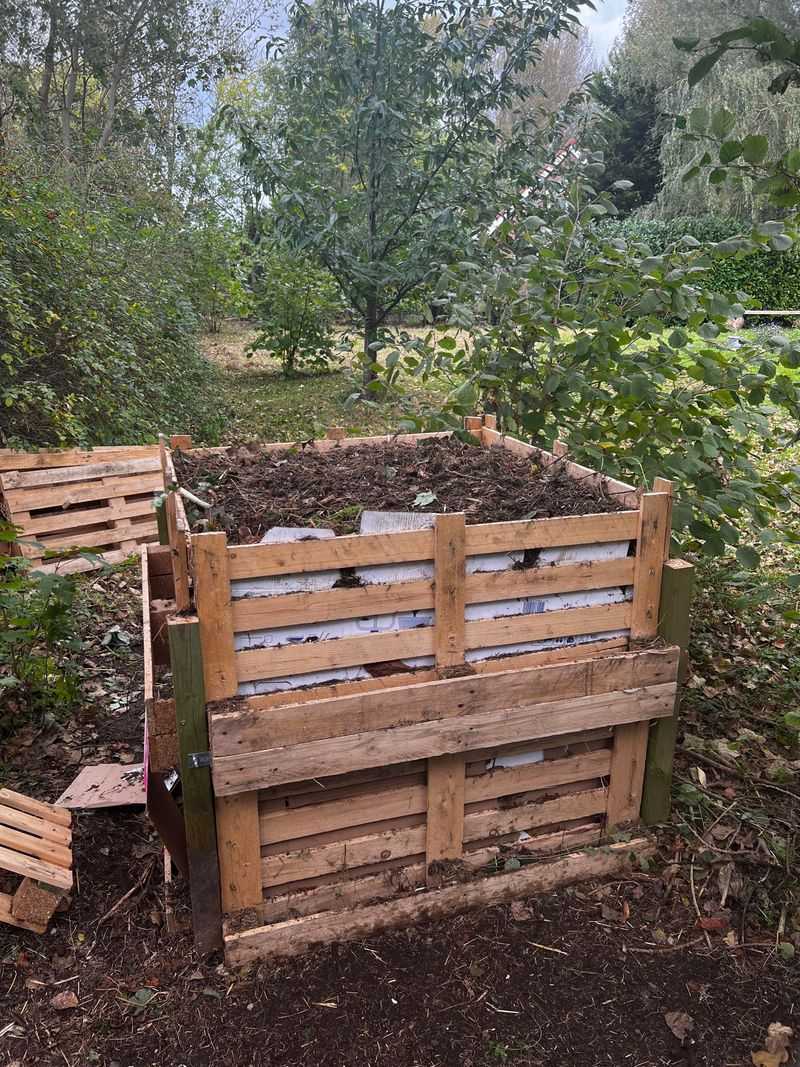
Wood chips and sawdust from untreated lumber make excellent brown material for compost, but treated or painted wood is a completely different story.
Pressure-treated lumber contains chemicals like copper, chromium, and arsenic that preserve the wood but contaminate your compost.
These heavy metals don’t break down and will accumulate in your soil when you use the compost.
Painted or stained wood carries similar problems because the coatings contain various chemicals and heavy metals. Even old paint that seems dried and harmless can release lead and other toxins as it breaks down.
You definitely don’t want these substances anywhere near the vegetables you plan to eat or the flowers your family enjoys.
Some newer treated woods use different preservatives than older versions, but they still contain chemicals meant to resist decomposition.
This means they break down very slowly anyway, making them impractical for composting even without the contamination concerns.
They’ll sit in your pile for years, taking up space without contributing to your finished product.
Plywood, particleboard, and other manufactured wood products also contain glues and resins that don’t belong in compost. These adhesives can include formaldehyde and other chemicals you don’t want in your garden.
Stick to untreated, natural wood materials for your compost, or better yet, focus on leaves, straw, and cardboard for your brown materials.
7. Glossy Or Coated Paper
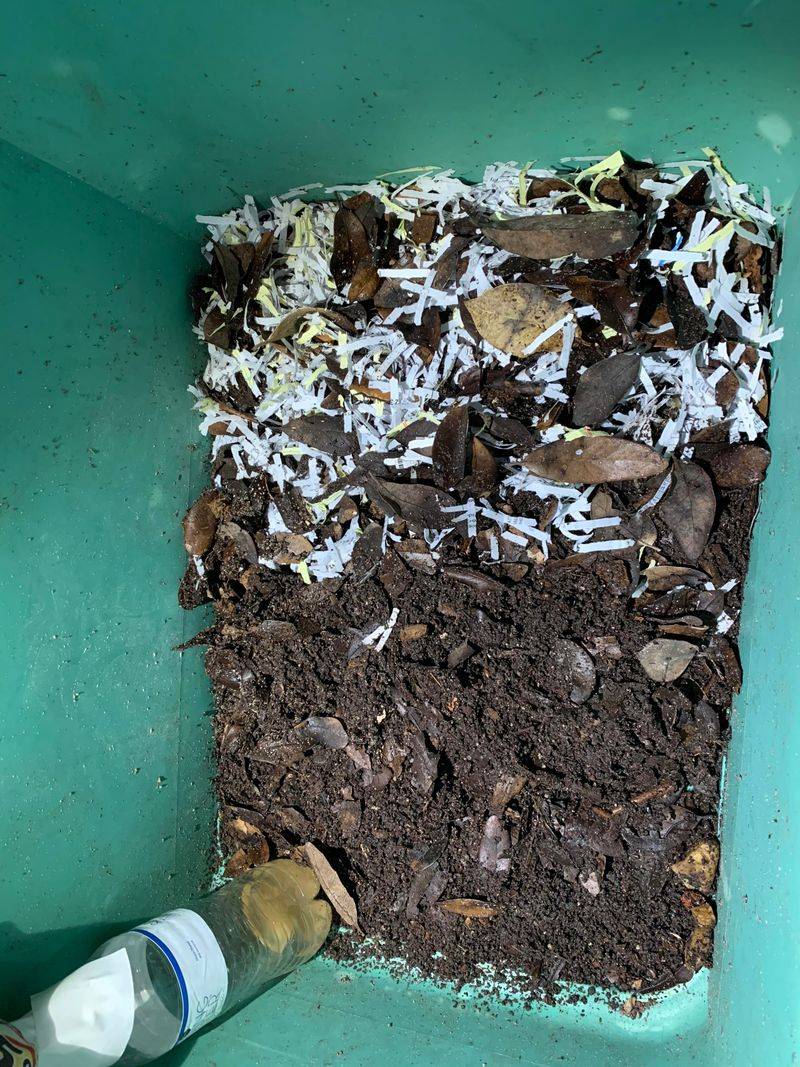
Plain cardboard and newspaper work wonderfully in compost, providing carbon-rich brown material that balances nitrogen-heavy greens. But glossy magazines, coated cardboard, and shiny paper products are a different matter entirely.
The coating that gives these materials their smooth, shiny appearance contains plastics and chemicals that don’t break down in your compost pile.
Magazine pages, gift wrap, and glossy advertisements are typically coated with clay and plastic polymers.
These substances remain intact even as the paper fibers break down, leaving behind small pieces of plastic in your finished compost.
Over time, these microplastics accumulate in your soil and can even enter your plants.
Coated cardboard, like the kind used for frozen food boxes or some shipping materials, has a similar plastic lining. You can usually identify these by their waxy or shiny surface that repels water.
Regular cardboard absorbs moisture, but coated versions shed it, which is your clue that they contain materials that won’t compost properly.
Colored inks on glossy paper can also contain heavy metals and other chemicals, though modern inks are generally safer than older versions. Still, why take the chance when plenty of better materials exist?
Save glossy paper for recycling and use plain cardboard, newspaper, and kraft paper for your compost instead. Your garden will thank you with healthier, cleaner soil.
8. Coal Or Charcoal Ash
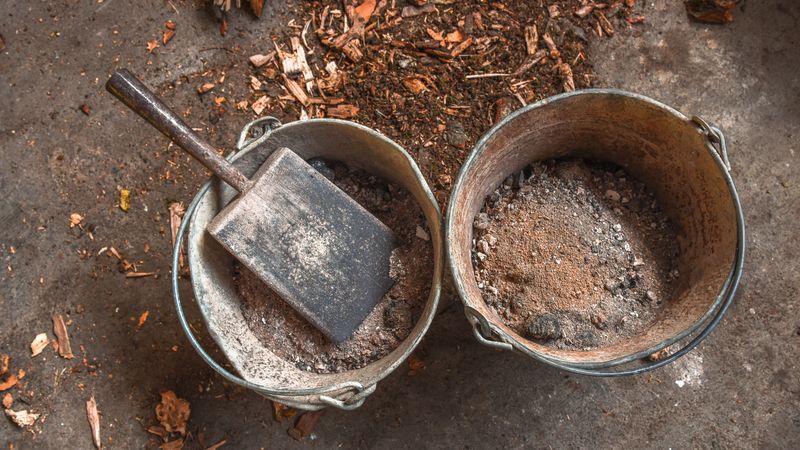
Wood ash from your fireplace can actually benefit compost in small amounts, adding potassium and raising pH slightly.
However, ash from coal or charcoal briquettes is completely different and should never enter your compost bin.
These ashes contain sulfur oxides and heavy metals that harm plants and beneficial soil organisms.
Charcoal briquettes used for grilling often include additives like borax, limestone, and various binders to help them hold their shape and light easily.
When burned, these additives concentrate in the ash and can damage your plants when the compost gets spread in your garden.
Some briquettes also contain lighter fluid residue, adding petroleum products to the toxic mix.
Coal ash is even worse because coal naturally contains trace amounts of mercury, lead, arsenic, and other heavy metals. Burning concentrates these elements in the ash, creating a substance that’s essentially toxic waste.
Using coal ash in your garden can lead to heavy metal accumulation in your soil that persists for decades.
Oregon gardeners who heat with wood stoves can use wood ash sparingly in compost, but should avoid it if they burn treated wood or trash.
Pure wood ash adds valuable minerals, but any contamination makes it unsuitable.
When in doubt, throw ash in the trash rather than risking your compost and garden soil with unknown contaminants.
9. Grease, Oils, And Fats
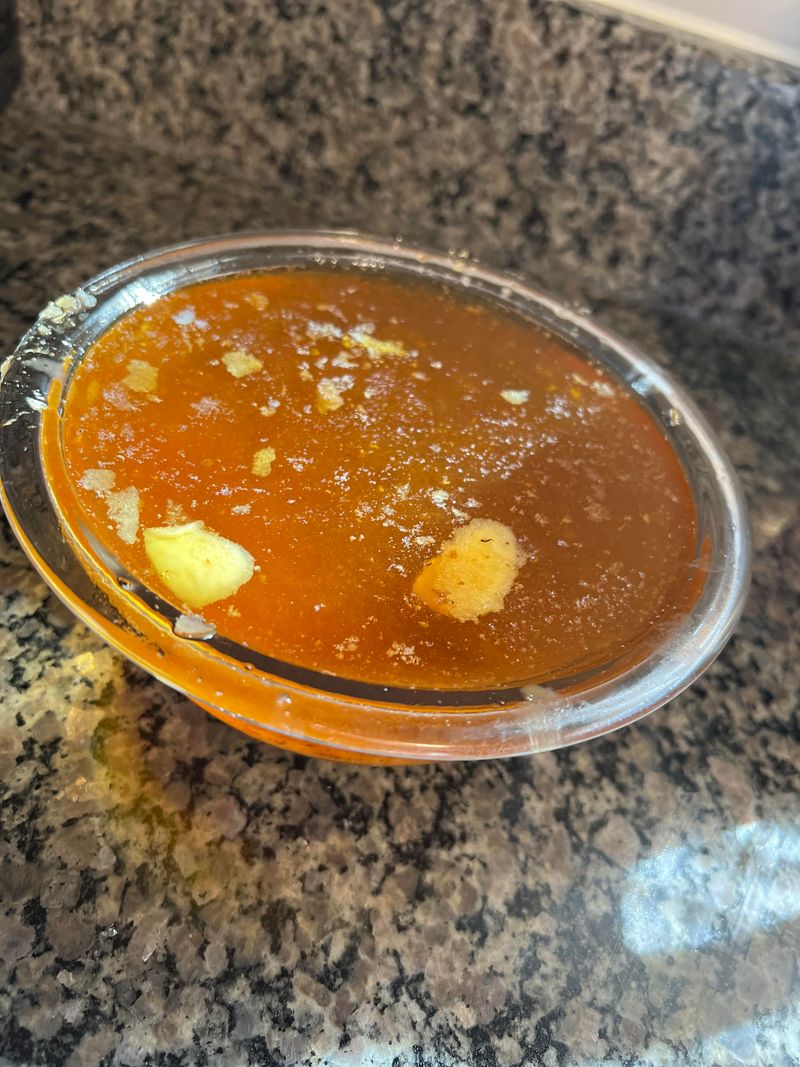
Cooking grease, vegetable oil, and animal fats seem organic and biodegradable, but they wreak havoc on compost systems.
These substances coat other materials in your bin, creating waterproof barriers that prevent moisture and air from circulating properly.
Composting requires oxygen and water to reach all the materials, and oils block both.
When grease coats your compost ingredients, it creates anaerobic conditions where beneficial bacteria can’t survive.
Instead, anaerobic bacteria take over, producing foul-smelling compounds as they slowly break down materials.
This process is much slower than normal composting and creates odors strong enough to bother neighbors and attract scavenging animals.
Fats and oils also attract rats, mice, raccoons, and other pests just like meat and dairy products do. Animals have excellent senses of smell and can detect even small amounts of grease buried in your pile.
Once they discover your compost bin as a food source, they’ll keep coming back and make a mess of your whole system.
Rancid oils develop particularly unpleasant smells as they oxidize and break down. This process happens faster in Oregon’s moist climate, where water speeds up the chemical reactions.
Instead of pouring grease down your drain or adding it to compost, let it solidify in a container and throw it in the trash, or check if your local recycling center accepts cooking oil.
10. Synthetic Materials And Plastics
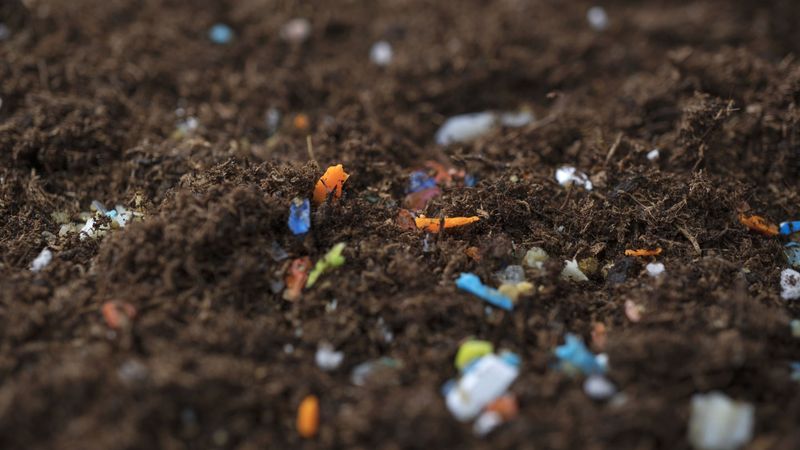
This one seems obvious, but you’d be surprised how many non-biodegradable items accidentally end up in compost bins.
Plastic bags, even ones labeled biodegradable or compostable, don’t break down in home compost systems.
Those commercial compostable bags require industrial composting facilities with sustained high temperatures that backyard bins never reach.
Synthetic fabric scraps, rubber bands, twist ties, stickers on fruit, and plastic plant labels all persist in your compost indefinitely.
They might get smaller as they break into pieces, but they never truly decompose.
Instead, they contaminate your finished compost with microplastics that spread throughout your garden when you use it.
Tea bags often contain plastic fibers in their construction, and many coffee pods are made entirely of plastic or aluminum. Even natural-looking items can hide synthetic components that won’t compost.
Dryer lint might seem like harmless fiber, but if your clothes contain polyester or other synthetics, the lint includes plastic fibers too.
Make a habit of checking everything before it goes in your bin. Remove stickers from fruit and vegetables, use only paper tea bags or loose tea, and avoid anything with a synthetic component.
When you’re unsure whether something will compost, research it first or throw it away. Keeping plastics out of your compost protects your soil and the environment from microplastic contamination that’s becoming a serious concern.