Oregon Gardeners Should Plant These Now For Stronger Summer Results
Oregon’s spring weather signals the perfect time to get a head start on summer gardens. Planting now gives the landscape a chance to develop strong roots, sturdy stems, and healthy growth before the heat of summer arrives.
Waiting can leave young growth struggling while warmer temperatures and intense sun take over, which means slower progress and less vibrant results.
Early planting takes advantage of cooler soil and consistent moisture. Young growth establishes quickly and can handle sun and heat better once summer arrives.
This extra time allows for fuller development, stronger structure, and a more resilient garden overall.
Getting started now sets the stage for a landscape that thrives when the season peaks. A few weeks of preparation and action can transform the yard into a space that feels lush, vibrant, and full of life.
By planting early, you give your garden the best chance to reach its full potential and stay strong through the hottest months.
1. Peas
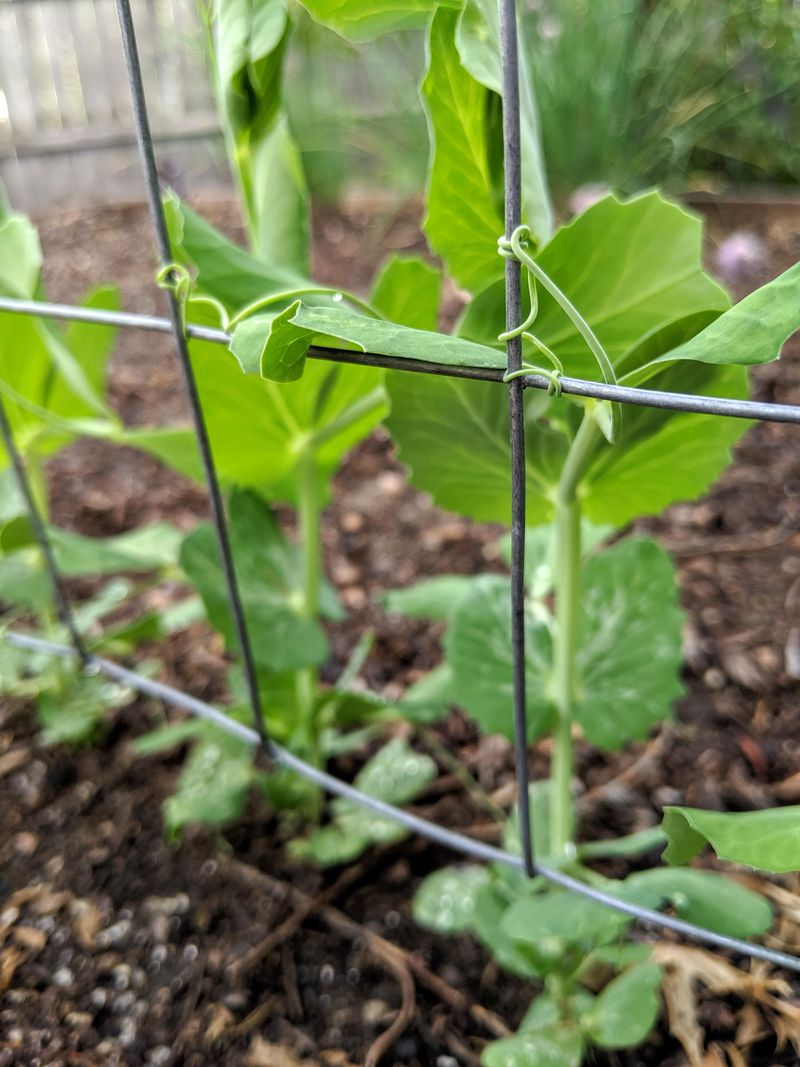
There is something almost magical about watching pea vines climb a trellis on a cool Oregon morning. Peas are one of the earliest crops you can plant, and they absolutely love the chilly, damp weather that Oregon springs are famous for.
Getting them in the ground now means you will be harvesting sweet, crunchy pods well before summer temperatures arrive.
Peas prefer soil that stays between 45°F and 70°F, making early spring in Oregon just about perfect. Sow seeds about one inch deep and two inches apart directly in the garden bed.
They do not need much fertilizer since peas actually pull nitrogen from the air and put it back into your soil, which is a bonus for your whole garden.
Set up a simple trellis or some sticks for the vines to grab onto. Water them regularly but avoid waterlogging the roots.
Snap peas, snow peas, and shelling peas all grow beautifully in Oregon gardens. Harvest pods when they look plump and firm for the sweetest flavor.
Peas planted now in Oregon can be ready to pick in as little as 60 days.
2. Lettuce
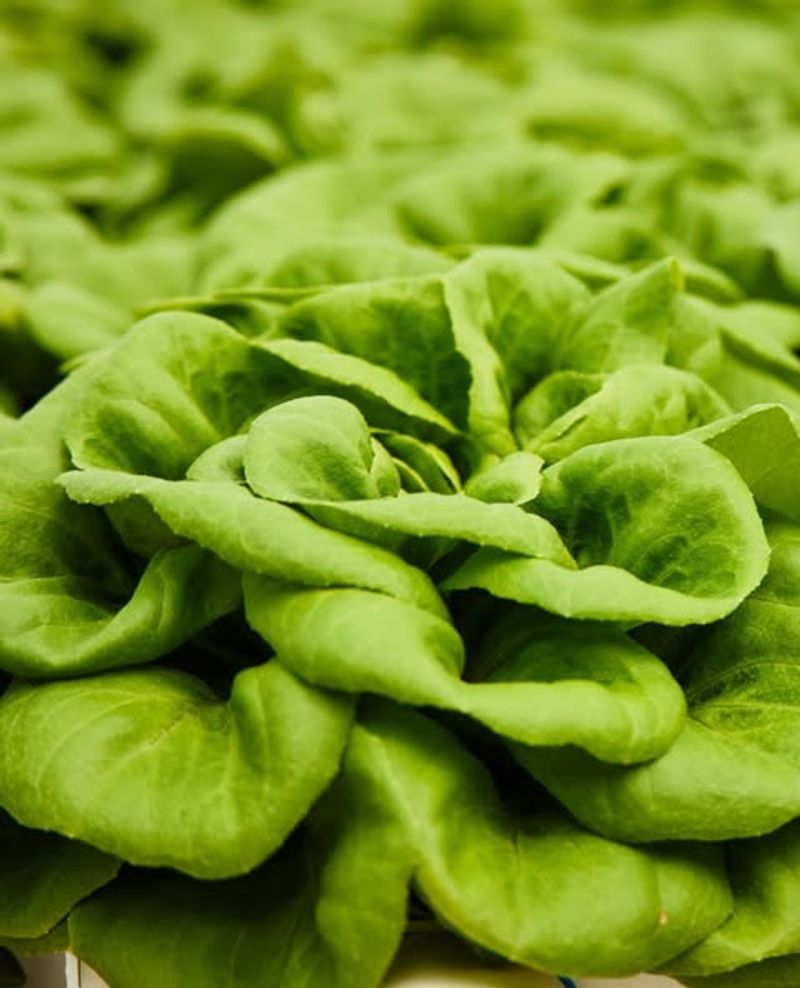
Crisp, colorful, and ridiculously easy to grow, lettuce is one of the best reasons to start your Oregon garden early. It actually prefers cooler temperatures and tends to struggle once summer heat sets in, so planting now gives you the longest possible growing window.
You can even do multiple plantings a few weeks apart to keep a steady supply going all spring long.
Lettuce seeds are tiny, so simply scatter them lightly over loose, moist soil and press them in gently. They need very little soil cover, just about an eighth of an inch.
Raised beds and containers work especially well in Oregon because they warm up faster than in-ground beds during the cool spring weeks.
Keep the soil consistently moist but not soggy. Lettuce has shallow roots and dries out quickly between Oregon’s spring rain showers.
Once leaves reach about four inches tall, you can start harvesting outer leaves and let the plant keep growing. This cut-and-come-again method stretches your harvest for weeks.
Try growing a mix of varieties like butterhead, romaine, and red leaf for a colorful and tasty salad bowl straight from your Oregon backyard.
3. Spinach
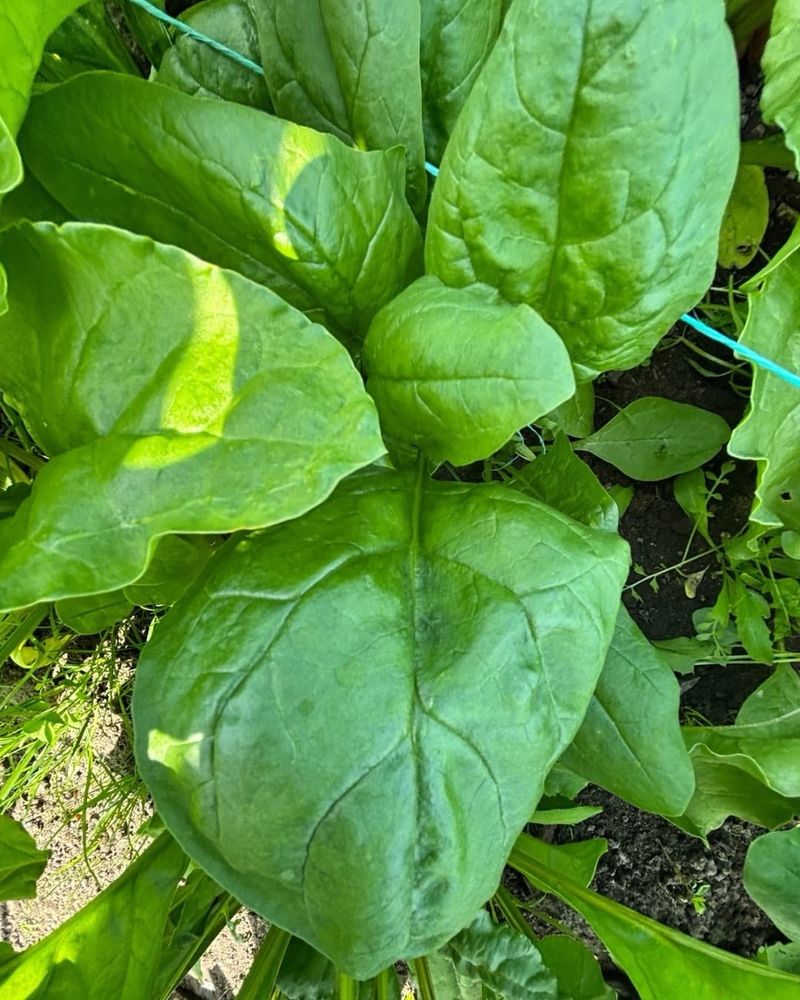
Few vegetables are as eager to grow in cool, wet Oregon weather as spinach. It can handle light frosts without any fuss, which makes it one of the most reliable crops to plant right now.
Spinach seeds will germinate in soil temperatures as low as 40°F, so you do not have to wait for warm days to get started.
Sow spinach seeds about half an inch deep and two inches apart in rows or simply broadcast them across a prepared bed. Thin seedlings to about four to six inches apart once they sprout so each plant has room to spread its leaves.
Oregon’s naturally moist spring soil is ideal because spinach needs consistent moisture to grow tender, flavorful leaves.
One great trick is to plant spinach in a spot that gets morning sun but some afternoon shade. This helps slow down bolting, which is when the plant sends up a flower stalk and turns bitter.
Spinach planted in early spring in Oregon can be harvested in as few as 40 days. It is packed with iron, vitamins, and nutrients, making it one of the most rewarding quick crops for any Oregon home garden this season.
4. Radishes
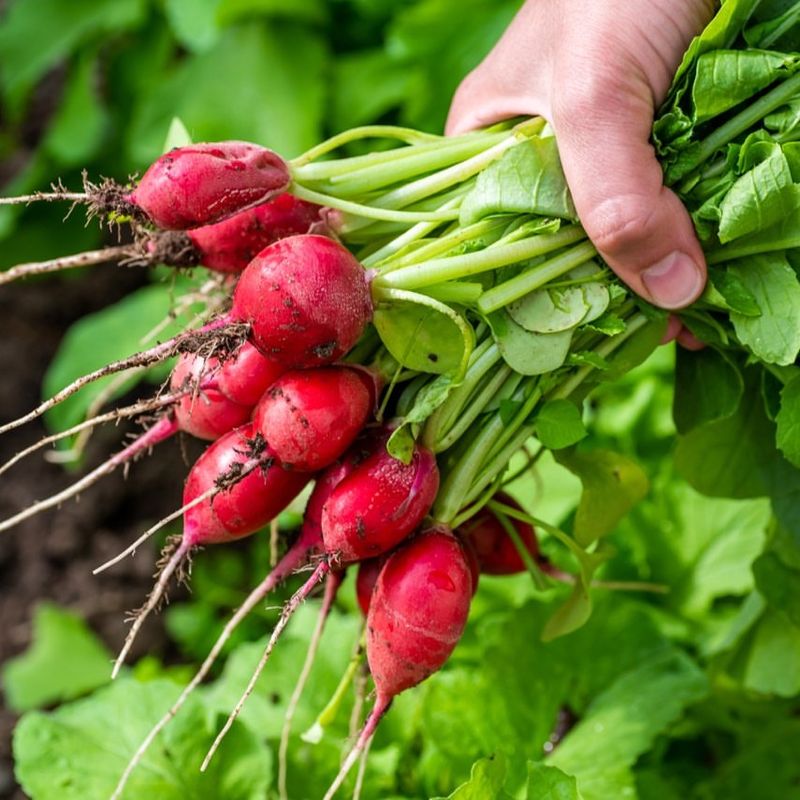
Want to see results fast? Radishes are the speedsters of the vegetable garden.
Some varieties go from seed to harvest in as little as 22 days, making them one of the most satisfying crops for beginner gardeners in Oregon. They are also a great way to mark your rows while slower crops like carrots are still germinating underground.
Plant radish seeds about half an inch deep and one inch apart directly in the garden. They like loose, well-draining soil, so if your Oregon garden bed is heavy with clay, mix in some compost before planting.
Thin the seedlings to about two inches apart once they sprout so the roots have room to swell into that familiar round shape.
Radishes grow best in cool weather, which is exactly what Oregon offers in early spring. Once temperatures climb into the 80s, radishes tend to turn hot and pithy, so harvesting them before summer heat arrives is key.
Pull them when they are about the size of a marble for the mildest, crunchiest flavor. Try French Breakfast radishes for a mild taste or Cherry Belle for a classic round shape.
Either way, your Oregon garden will reward you quickly.
5. Broccoli
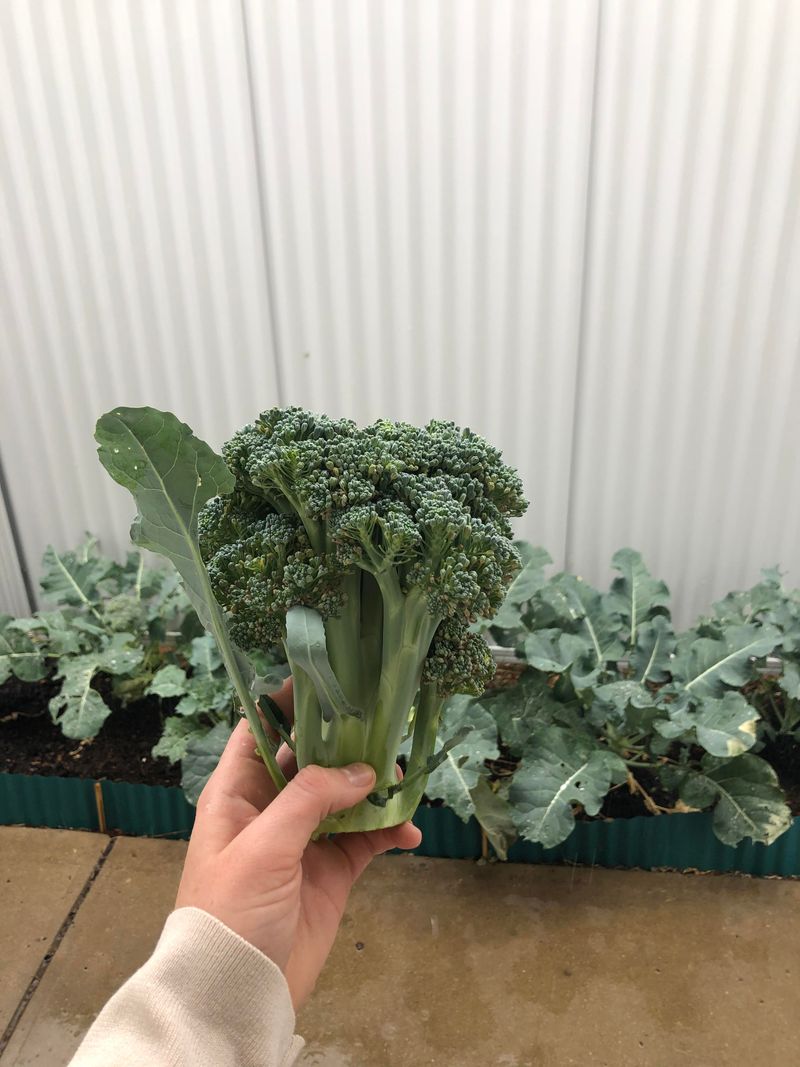
Broccoli is one of those vegetables that actually tastes better when it grows in cool weather. The heads develop tighter, more flavorful florets when temperatures stay mild, which is exactly what Oregon delivers in spring.
Starting broccoli now, either indoors from seed or by transplanting seedlings outdoors, sets you up for a strong early summer harvest before the heat arrives.
If starting from seed indoors, plant them about six to eight weeks before your last expected frost date. In most parts of Oregon, that means seeds started in late winter can go outside as transplants in early to mid-spring.
Space transplants about 18 inches apart so each plant has plenty of room to grow a full-sized head.
Broccoli is a heavy feeder, meaning it loves rich soil. Work compost into your bed before planting and give plants a balanced fertilizer a few weeks after transplanting.
Keep an eye out for cabbage worms and aphids, which are common Oregon garden pests that love brassica crops. Covering young plants with row cover fabric is a simple, effective way to keep bugs off without using chemicals.
Harvest broccoli heads while the buds are still tight and dark green for the best flavor and texture.
6. Kale
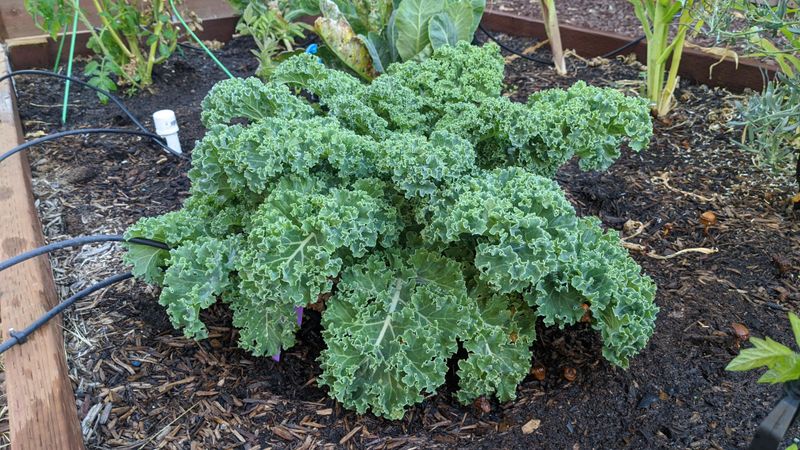
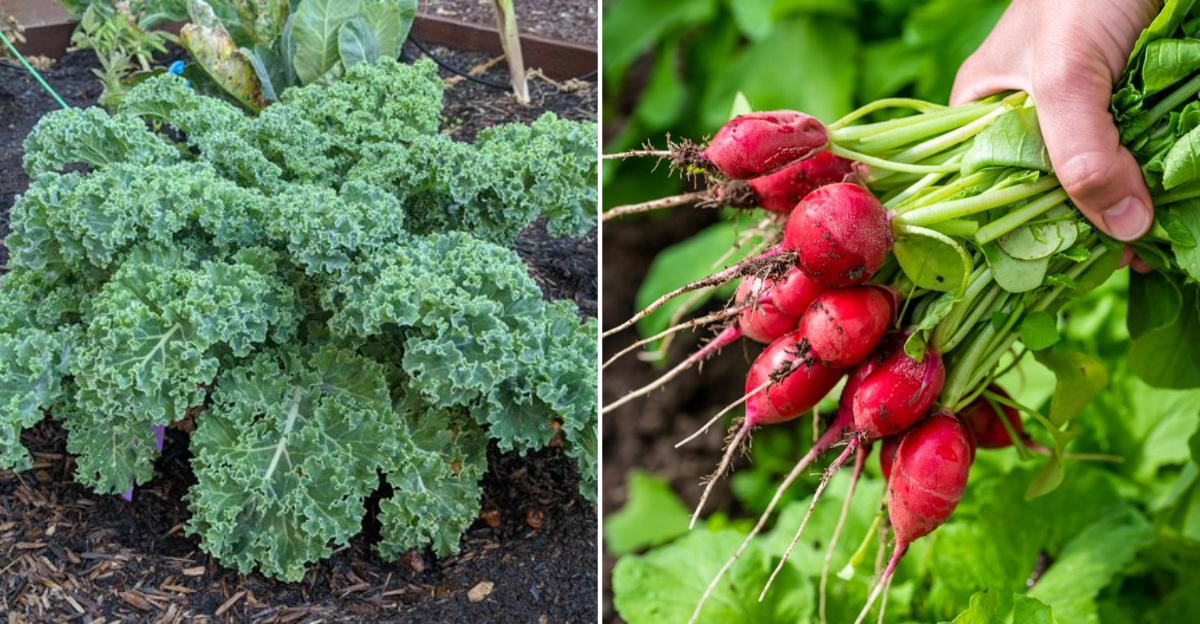
This veggie has earned its reputation as one of the toughest, most versatile vegetables you can grow in an Oregon garden. It tolerates frost, thrives in cool and rainy conditions, and keeps producing leaves for months on end.
Planting kale now means you will have fresh greens to harvest well into summer and possibly beyond, even as other crops start to wind down.
Direct sow kale seeds about a quarter inch deep in your garden bed, or start transplants indoors and move them outside once they have a few sets of true leaves. Space plants about 12 to 18 inches apart.
Kale is not picky about soil, but it does grow much better when the soil is rich in organic matter, so adding compost before planting is always a smart move in Oregon gardens.
Harvest kale by picking the lower, outer leaves first and leaving the center of the plant to keep growing. This keeps production going for a long time.
Curly kale, Lacinato kale, and Red Russian kale all perform wonderfully in Oregon’s climate. Did you know that a light frost actually makes kale taste sweeter?
The cold triggers the plant to convert starches into sugars, giving you a naturally more flavorful leaf straight from your garden.
7. Carrots
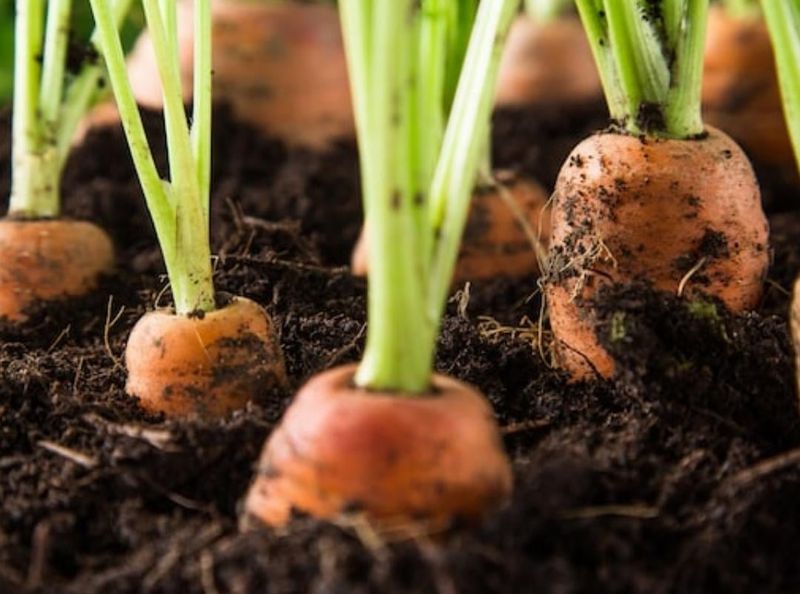
When it comes to carrots, they do need a little patience, but the payoff is absolutely worth it. They are one of those crops that reward gardeners who prepare their soil carefully and give seeds time to establish.
In Oregon, early spring is the ideal window to sow carrot seeds because the cool soil helps them germinate evenly and develop strong, straight roots before summer arrives.
Loose, deep, and rock-free soil is the key to growing great carrots. Rocky or compacted soil causes roots to fork and twist.
If your Oregon garden has heavy soil, try growing carrots in a raised bed filled with a mix of compost and sandy loam. Sow seeds thinly, about a quarter inch deep, and keep the soil surface consistently moist until they sprout, which can take up to two weeks.
Once seedlings are about two inches tall, thin them to three inches apart. This step is important because crowded carrots produce small, underdeveloped roots.
Carrots take about 70 to 80 days to mature, so seeds planted now in Oregon will be ready to pull by mid to late summer.
Try Nantes or Danvers varieties, which are both well-suited to Pacific Northwest growing conditions and deliver sweet, crisp results that taste nothing like store-bought carrots.
8. Beets
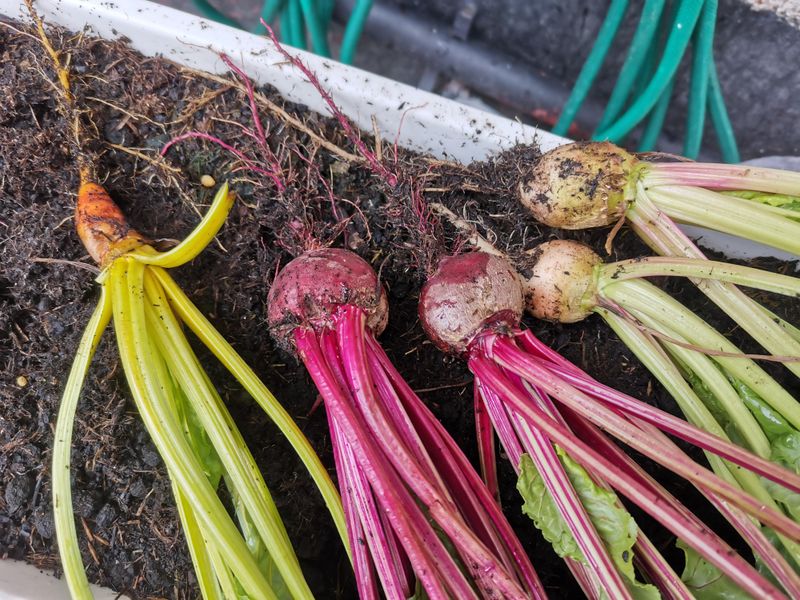
Beets are one of the most underrated vegetables you can grow in an Oregon spring garden. They give you two crops in one since both the roots and the leafy tops are completely edible.
The greens can be harvested early and used just like spinach, while the roots keep developing underground for a sweet, earthy harvest weeks later.
Sow beet seeds about half an inch deep and two inches apart directly in the garden. Each beet seed is actually a small cluster of seeds, so multiple sprouts will come up together.
Thin them to about four inches apart once they reach a few inches tall so the roots have space to grow round and full. Oregon’s cool spring weather is ideal for beet development and helps the roots build their natural sweetness.
Beets are not too picky about soil, but they do prefer a slightly loose, well-drained bed. Add compost to improve any heavy clay soil that is common in parts of Oregon.
Varieties like Detroit Dark Red, Chioggia, and Golden Beet all grow beautifully in the Pacific Northwest. Harvest beets when the roots are about two to three inches wide for the best texture and flavor.
Waiting too long can make them woody, so check them regularly as summer approaches.