Oregon Gardeners, Turn A Broken Pot Into A 2 Minute Toad House For Natural Slug Control
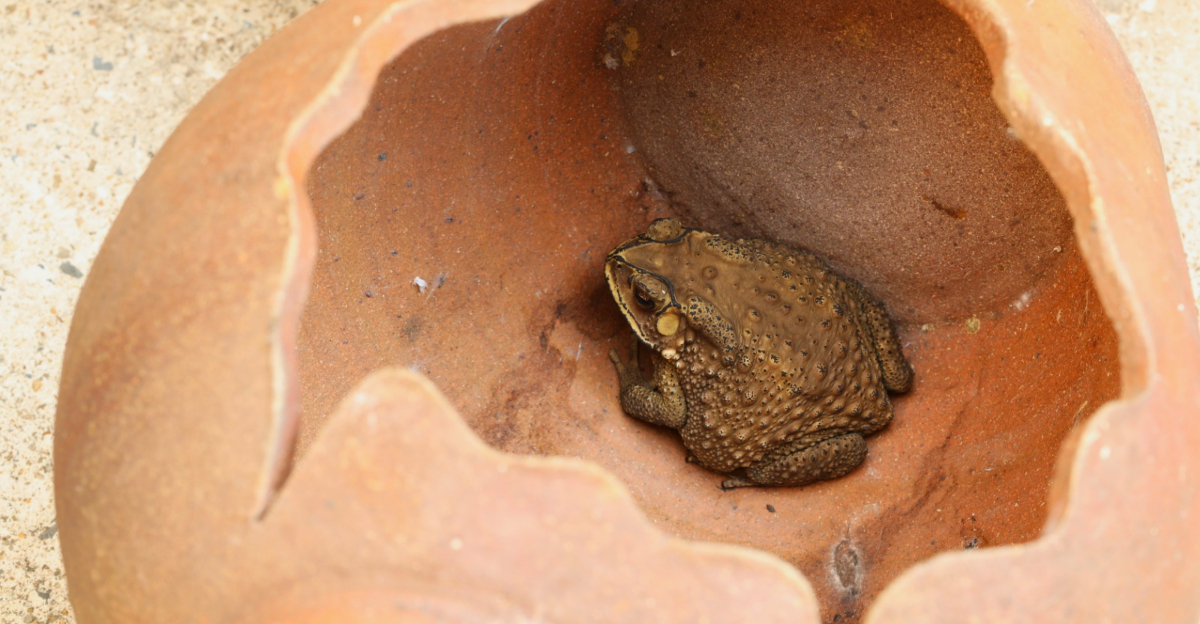
In Oregon, slugs rarely need an invitation. Give them a damp spring, a shady bed, and a few tender seedlings, and they show up fast.
They chew through fresh growth overnight and leave behind ragged leaves and shiny slime trails by morning. That is why more Oregon gardeners are looking for simple, wildlife-friendly ways to push back without turning to constant treatments.
One of the easiest ideas starts with something you might already have lying around.
A broken clay pot and a cool, shaded corner can create a quick shelter for one of the garden’s best nighttime hunters.
Toads are quiet, low-maintenance, and helpful to have around, and making a simple daytime hideout for them takes almost no time at all.
1. Find A Broken Pot And Put It Back To Work
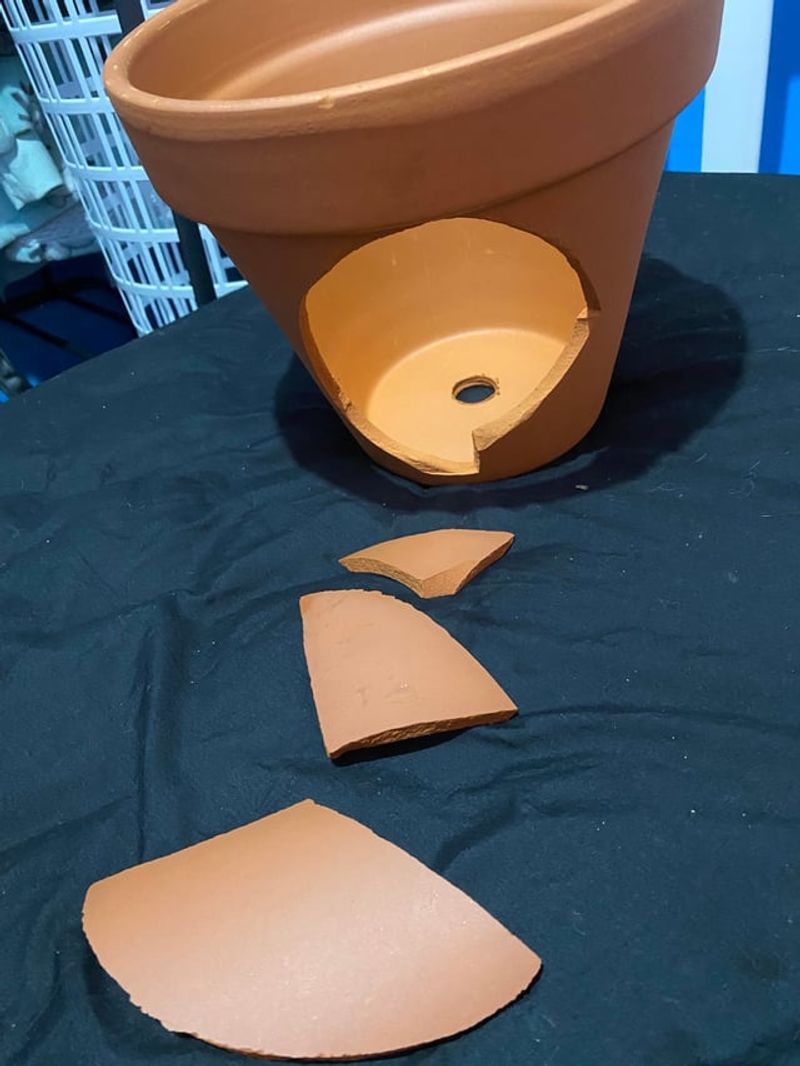
That cracked pot sitting in the corner of your shed or tucked behind a fence post does not have to go in the recycling bin.
Before you toss it, take a closer look, because a broken clay pot can become one of the most useful things in your Oregon garden with almost no effort at all.
A medium to large terracotta pot works best for this project. You want a piece with a clean break that leaves a curved opening large enough for a toad to squeeze through comfortably, roughly the size of a tennis ball or slightly bigger.
Smaller openings may keep toads out entirely, while too-large gaps can make the shelter feel exposed rather than secure.
Clay is actually a great material for a toad house because it stays naturally cool and holds a little moisture without staying soaking wet.
That combination makes it far more comfortable for a toad resting through the heat of the day than plastic or wood would be.
Oregon spring mornings can be chilly and damp, and a clay shelter warms slowly and stays consistent inside.
No gluing, painting, or special tools are needed here. The pot does not need to look pretty to do its job.
Set it aside once you have chosen it, and get ready to give a garden helper a surprisingly comfortable home in just a couple of minutes.
2. Pick A Shady Spot Near Your Most Slug-Hit Beds
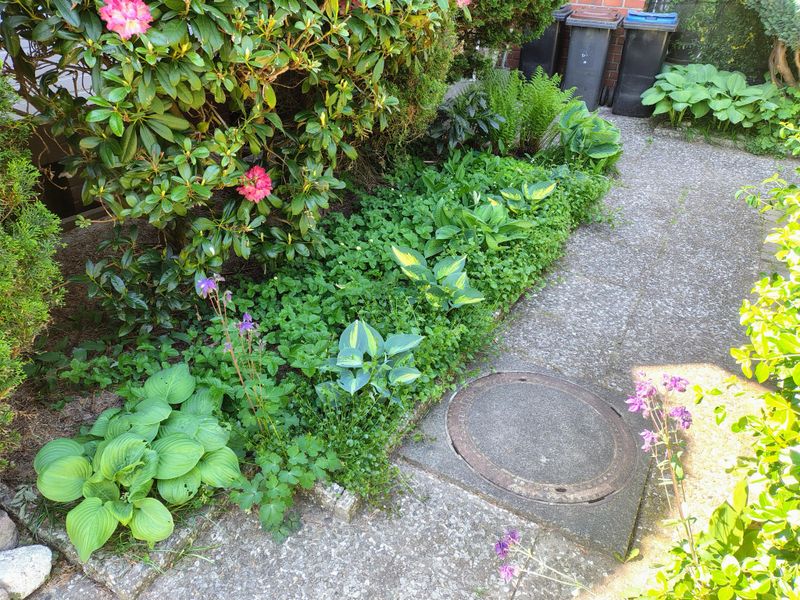
Walk through your garden on a cool Oregon morning after a night of light rain and you will usually spot exactly where the slug damage hits hardest.
Those beds with chewed hostas, ragged lettuce edges, or hollowed-out strawberries are precisely where a toad house will do the most good.
Placement matters more than most gardeners expect. Toads are not wanderers by nature during the day.
They tend to find a comfortable hiding spot and return to it regularly, hunting nearby at night rather than traveling long distances. Putting the shelter close to the problem area means the toad does not have to go far to find food once evening arrives.
Shade is a non-negotiable factor. A toad house sitting in full afternoon sun in an Oregon summer will get too warm inside and drive any resident away fast.
Look for spots under large-leaved plants like hostas, near the base of shrubs, under a raised bed frame, or tucked beside a fence where the canopy keeps things cool through the warmest part of the day.
North-facing beds and spots under mature trees are especially good candidates in Oregon gardens, where spring shade is already plentiful.
Damp, dark corners that feel almost too shady for most plants are often exactly the kind of microhabitat a toad finds most appealing and most worth settling into for the season.
3. Place It Upside Down And Create An Easy Entry Point
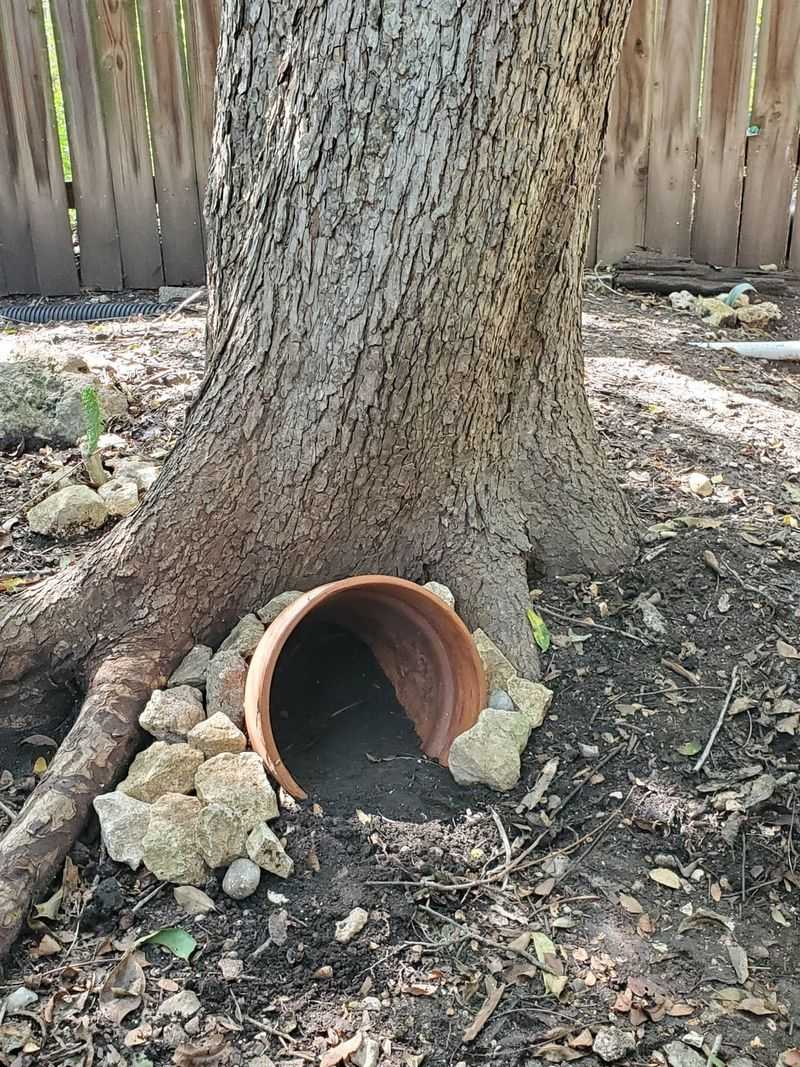
Flipping the pot upside down is the key move that turns a broken planter into a functional toad shelter.
Once inverted, the rounded dome shape creates a small cave-like space underneath that stays noticeably cooler and more humid than the open air around it.
That enclosed feeling is exactly what toads look for when they are choosing a daytime resting spot.
The broken edge of the pot should face down toward the ground, creating a natural arch or gap that acts as the entry point.
You want this opening to sit flush with the soil surface or just slightly above it so a toad can walk in without having to jump or squeeze awkwardly.
If the gap is too high off the ground, simply press the pot down gently into the soil until the opening lines up naturally.
For pots that broke in a way that left a very small chip rather than a usable opening, you can use a hammer to carefully widen the gap a little. Work slowly and tap lightly along the existing crack line.
You are not trying to reshape the whole pot, just create a low, wide arch that a toad-sized visitor can use without effort.
Once the pot is in place and the opening feels right, press down lightly on top to make sure it sits stable and level. A wobbly shelter can shift during rain or wind, which may discourage a toad from settling in long-term.
4. Keep The Ground Cool, Damp, And Toad-Friendly
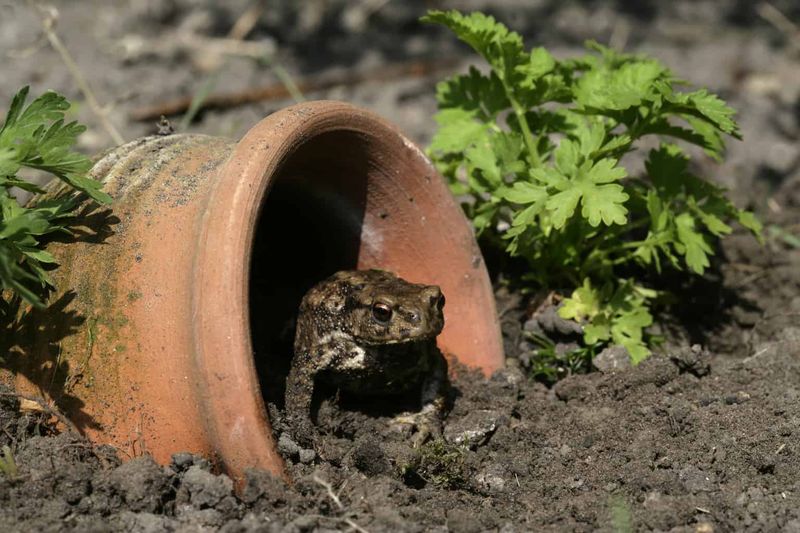
Oregon spring soil is often already cool and moist without much extra effort, but the area directly around a toad house benefits from a little intentional attention.
Toads breathe and absorb moisture partly through their skin, which means dry conditions are genuinely uncomfortable for them rather than just inconvenient.
Spreading a layer of leaf litter, bark mulch, or straw around the base of the pot helps the ground hold moisture longer between rain events.
This is especially helpful during those late spring stretches in Oregon when the weather shifts from weeks of steady rain to a few dry, sunny days in a row.
Keeping the microhabitat consistently damp makes the shelter more attractive and more livable.
Avoid using dyed or treated wood chip mulch near the toad house. Plain bark mulch, dried leaves, or untreated straw are all fine options.
Toads spend time pressed against the soil, and anything applied to that surface can potentially affect them, so keeping materials simple and natural is the safest approach for an amphibian-friendly space.
Adding a shallow dish of clean water nearby is one of the most effective upgrades you can make to the whole setup.
A plant saucer or a low terracotta dish filled with fresh water gives toads a place to soak and rehydrate without needing to travel far.
Change the water every few days to keep it clean and mosquito-free through the warmer months.
5. Wait For Night Shift Garden Helper To Move In
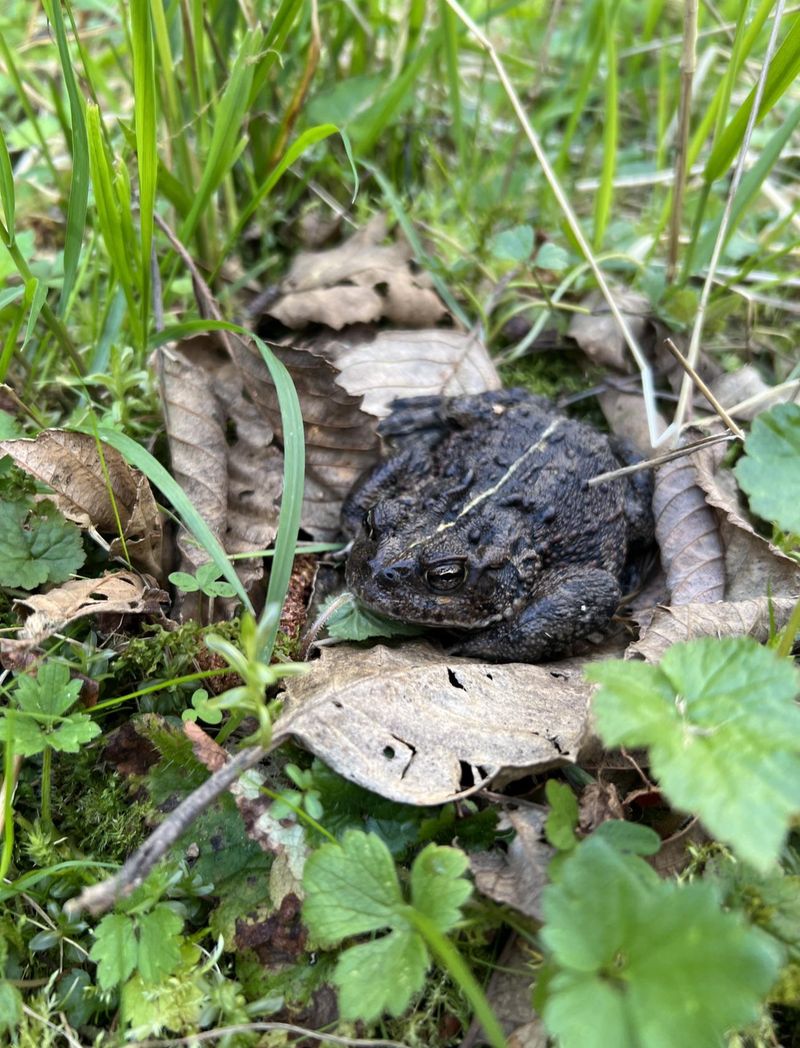
Once your toad house is in place, the next part requires something most gardeners find genuinely challenging: patience. Toads are not going to show up on a schedule, and there is no shortcut to attracting one.
The process works on the toad’s timeline, not yours, and that is actually a good thing because it means the animal is making a real choice about habitat rather than being forced into a space.
Western toads and Pacific treefrogs are both found across many Oregon landscapes, and either may investigate a new shelter during the active spring and summer season.
Toads tend to be more ground-based and reliable slug hunters than treefrogs, but both are welcome guests in a garden that has been made safe and comfortable for amphibians.
Check the shelter gently in the early morning by crouching down and peeking at the opening without disturbing the pot.
You may spot a toad tucked inside resting after a night of activity, or you might notice fresh soil disturbance near the entrance that suggests a visitor has been exploring.
Avoid picking up or moving the pot frequently during the first few weeks, as repeated disturbance can discourage a toad from committing to the space.
A toad that finds the shelter comfortable may return to it night after night throughout the season. Give it time, keep the area undisturbed, and the chances of a resident visitor improve considerably as Oregon spring settles in.
6. Toads Hunt Slugs, Snails, And Other Garden Pests After Dark
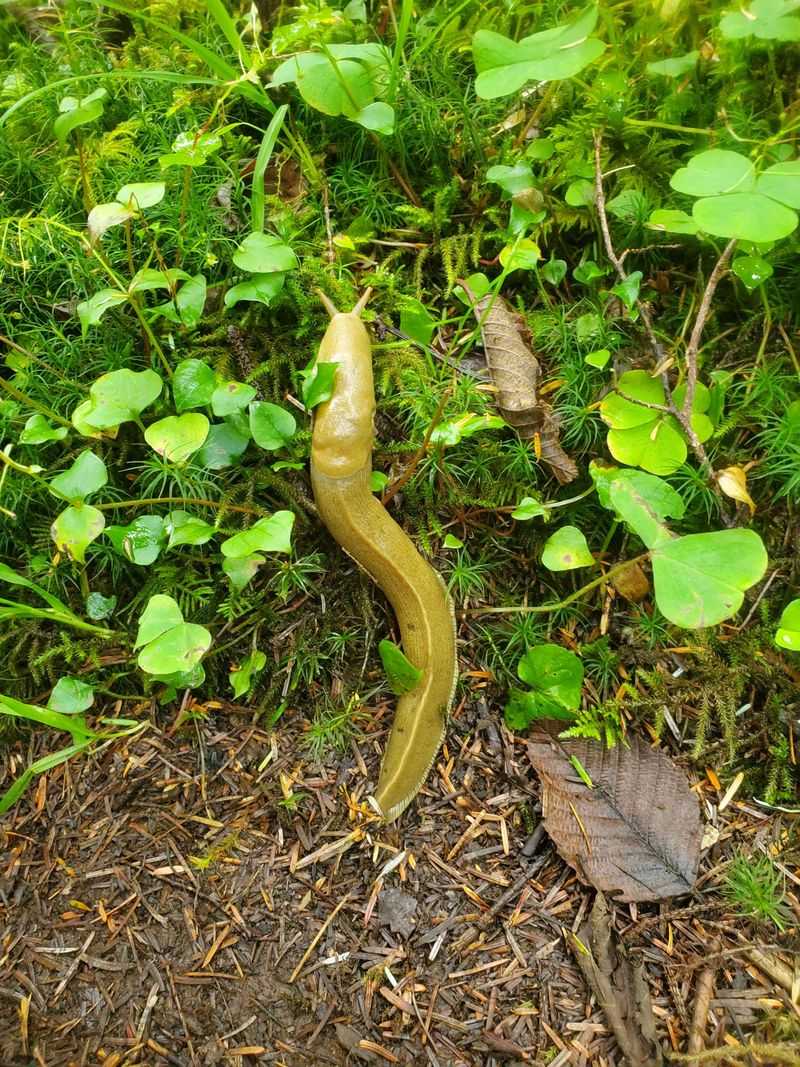
Once the sun goes down and the Oregon evening air turns cool and damp, toads shift from resting to actively hunting.
Their eyesight is tuned for movement, and slugs moving across moist soil or climbing plant stems at night are exactly the kind of targets a toad can detect and respond to quickly.
The hunting process is fast, decisive, and requires no help from the gardener at all.
Toads consume a wide variety of soft-bodied invertebrates and insects, which makes them broadly useful in a garden ecosystem rather than narrowly specialized.
Along with slugs and snails, they may also eat earwigs, beetles, ants, and various larvae that can cause their own kinds of plant damage.
Having one or more toads active in a garden bed means multiple pest types are being managed simultaneously during each night of activity.
Their appetite tends to be highest during the cool, moist evenings that are so common across Oregon from spring through early fall.
On warm, dry nights their activity may slow somewhat, but Oregon’s marine-influenced climate means truly dry nights are fairly rare through much of the growing season.
That natural moisture pattern actually works in the gardener’s favor when toads are part of the pest management approach.
The key takeaway is that toads are opportunistic and active hunters rather than passive residents. Providing them with shelter simply keeps them nearby and ready to work the surrounding garden beds throughout the night on their own terms.
7. A Simple Shelter Can Support Natural Pest Control All Season
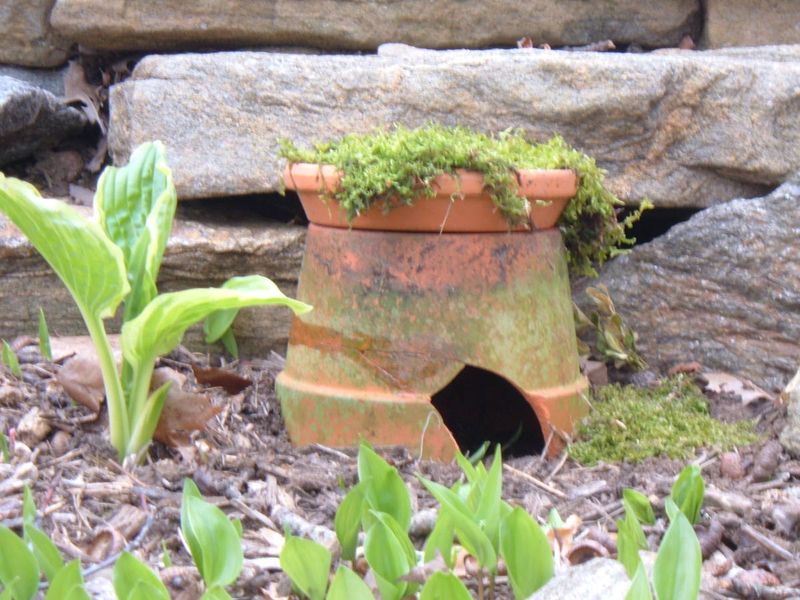
One of the underappreciated things about a toad house is how little maintenance it actually needs once it is in place.
Unlike traps, baits, or sprays that require regular reapplication or replacement, a clay pot shelter can sit in the same spot from early spring through late fall and continue doing its job without any upkeep beyond keeping the surrounding soil moist and undisturbed.
Oregon’s gardening season stretches from the soggy days of March through the dry warmth of September and into a mild October in many parts of the state.
That is a long window of potential toad activity, especially in coastal and valley regions where summer nights stay relatively cool.
A shelter that works well in April can still be in use by an active toad well into August or September.
If a toad does establish a home base near your shelter, you may notice a gradual reduction in slug pressure in that particular garden area over the course of the season.
Results vary depending on garden size, slug population density, and how many toads are present, so keeping expectations realistic is important.
A toad house is one part of a broader approach to natural pest management, not a standalone fix.
Combining the shelter with good garden practices like removing excess debris, avoiding overhead watering at night, and reducing hiding spots for slugs gives the whole system a better chance of making a noticeable difference by midsummer in an Oregon garden.
8. Skip The Sprays And Make Your Garden More Amphibian-Friendly
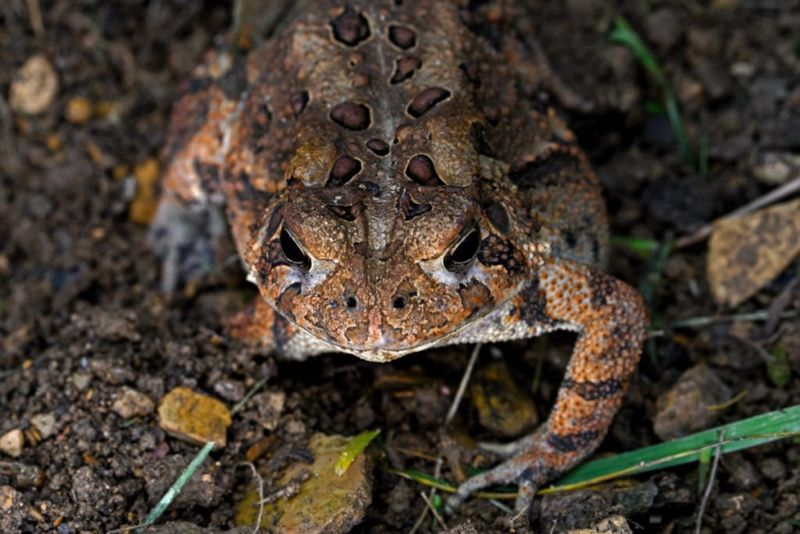
Amphibians are among the most chemically sensitive creatures in a backyard ecosystem, and even products that seem mild to humans can affect toads through skin contact or contaminated water sources.
Switching away from synthetic slug baits, herbicides, and broad-spectrum insecticides is one of the most impactful things an Oregon gardener can do to make a yard genuinely safe for toad residents.
Some common slug control products contain metaldehyde or iron phosphate as active ingredients.
Iron phosphate-based baits are generally considered lower risk for wildlife compared to metaldehyde, but even these should be used sparingly and placed in ways that keep them away from areas where toads are active.
The best long-term strategy is reducing reliance on any bait or spray and letting natural predators carry more of the load.
Beyond avoiding chemicals, there are several simple steps that make an Oregon garden more welcoming for amphibians overall.
Leaving a small area of the yard slightly wild with leaf piles, low ground cover, or a log or two gives toads additional shelter options beyond the pot house.
Native plantings support the insect populations that toads depend on for food, which keeps the whole food web functioning more naturally.
Even a small, chemical-free garden space in Oregon can become a surprisingly active habitat over time.
Toads, once they find a safe and comfortable spot, tend to use it consistently, making your few minutes of effort with a broken pot genuinely worthwhile through the season.