Oregon Homeowners Are Being Warned About A Sudden Spike In Slug Damage This Winter
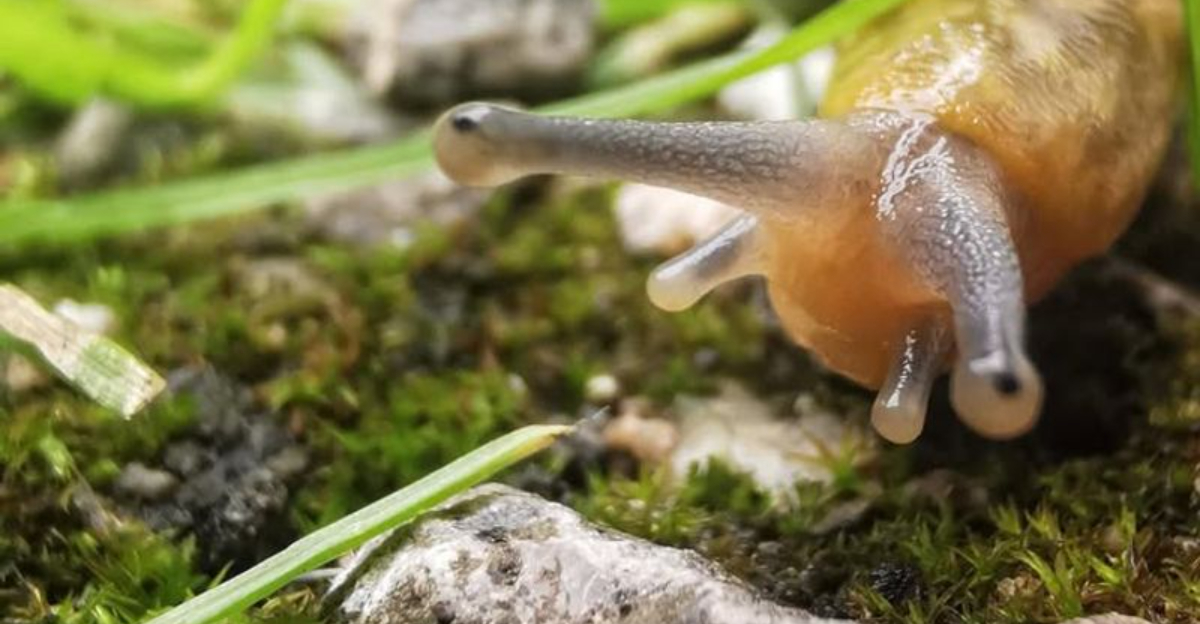
Oregon gardeners are noticing an unwelcome trend this winter: a sharp increase in slug damage.
Mild temperatures and consistent moisture have created ideal conditions for slugs to stay active instead of retreating.
These pests target tender plants, winter greens, and emerging growth, often causing damage overnight.
Many homeowners assume winter slows pests down—but in Oregon, slugs are proving otherwise.
Experts urge early awareness and prevention.
Understanding why slug activity is spiking helps homeowners protect gardens before damage escalates.
Mild, Wet Winter Conditions Favor Slug Activity
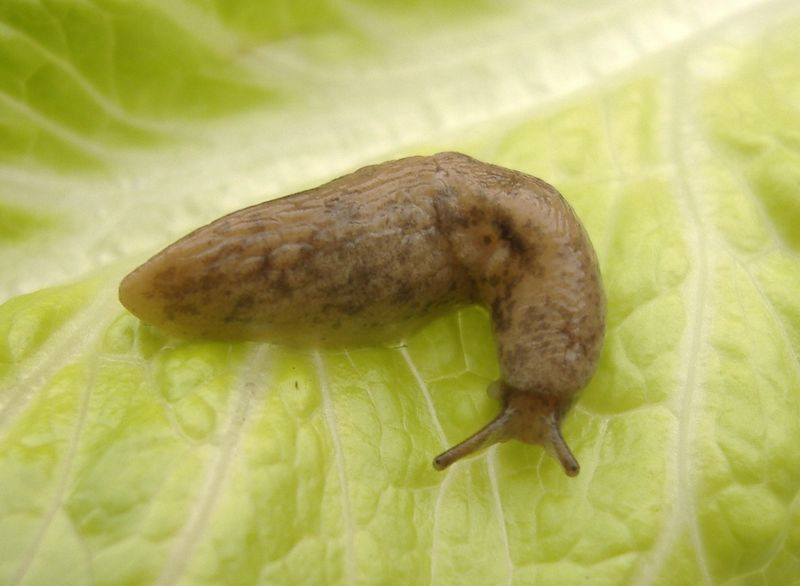
Oregon winters are typically mild compared to other parts of the country, and this season has been no exception.
When temperatures stay above freezing and rain falls regularly, slugs find the conditions absolutely perfect for staying active.
Unlike many pests that disappear when cold weather arrives, slugs continue feeding and moving around as long as moisture is abundant and temperatures remain moderate.
Western Oregon especially experiences these ideal slug conditions throughout winter months.
The Pacific Northwest climate naturally supports slug populations year-round, but this winter’s particular weather pattern has amplified their activity to concerning levels.
Homeowners who expected slugs to slow down or become less troublesome during winter have been caught off guard by the persistent damage.
Rain keeps soil surfaces wet and creates the moist environment slugs need to breathe through their skin and move efficiently.
Without dry spells or cold snaps to reduce their numbers, slug populations build continuously.
Gardens that might normally get a winter break from slug pressure are instead experiencing relentless feeding damage.
Understanding that mild, wet winters directly support slug survival helps homeowners prepare appropriate protective measures for their landscapes and vegetable gardens throughout the season.
Slugs Remain Active When The Ground Doesn’t Freeze

Hard freezes act as natural controls for many garden pests, but western Oregon rarely experiences sustained freezing temperatures.
When soil stays above freezing point, slugs continue their normal behaviors rather than entering dormancy or retreating to protected areas.
This ongoing activity means they keep consuming plant material at rates similar to milder seasons.
Eastern Oregon might see more freezing conditions, but the heavily populated western valleys where most homeowners live maintain warmer ground temperatures.
Slugs take advantage of this by feeding throughout daylight hours when moisture levels permit, not just during traditional nighttime activity periods.
The absence of frozen ground also means slug eggs buried in soil remain viable and continue developing.
Gardeners accustomed to winter providing relief from pest pressure find themselves battling slug damage month after month without respite.
Mulched beds and areas with organic matter stay especially warm, creating microenvironments where slugs thrive.
Even brief cold snaps that do occur fail to penetrate deeply enough to affect slug populations sheltering beneath debris or in soil crevices.
Recognizing that unfrozen ground enables continuous slug activity helps homeowners understand why damage persists and why winter protection strategies remain necessary.
Heavy Mulch And Leaf Litter Provide Ideal Shelter

Many gardeners apply thick mulch layers in fall to protect plant roots and improve soil quality, but these layers also create perfect slug habitats.
Fallen leaves that accumulate around shrubs and in garden beds add another layer of protection that slugs exploit.
These organic materials trap moisture against the soil surface while providing dark, protected spaces where slugs hide during daylight hours.
The shelter effect becomes especially pronounced when mulch exceeds two or three inches in depth.
Slugs burrow into the layers, emerging at night or during rainy days to feed on nearby plants.
Decomposing leaves and wood chips also provide supplemental food sources, supporting larger slug populations.
Garden debris like old plant stems, boards, or pots left on the ground compound the problem by creating additional hiding spots.
While mulch serves important garden functions, excessive amounts during winter months can work against homeowners by fostering slug breeding grounds.
Pulling mulch back slightly from plant crowns and stems reduces direct contact opportunities for slugs.
Raking up excessive leaf litter eliminates hiding places and exposes slugs to drier conditions and potential predators.
Balancing the benefits of mulch with slug management requires thoughtful application and regular monitoring to prevent creating unintentional pest sanctuaries.
Winter Vegetable Gardens Are Especially Vulnerable
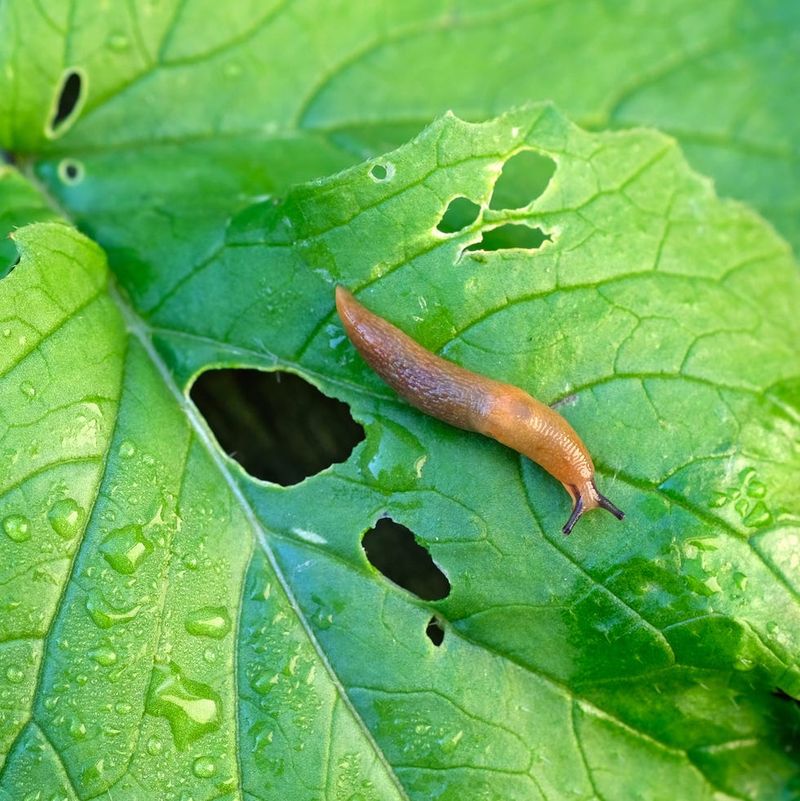
Oregonians who grow winter vegetables face particularly severe slug challenges this season.
Leafy greens such as lettuce, spinach, and arugula offer tender, easily accessible meals for hungry slugs.
Brassicas including kale, cabbage, and broccoli also suffer extensive damage, with slugs chewing irregular holes through leaves and sometimes hollowing out entire plant centers.
When most other plants are dormant or have tough, unpalatable foliage, these winter crops stand out as prime feeding targets.
Young seedlings and transplants are particularly vulnerable because slugs can consume entire plants overnight.
Overwintered vegetables that gardeners are counting on for fresh produce through cold months may be reduced to shredded remnants.
The economic and practical impact hits home gardeners hard, as replacing damaged crops during winter proves difficult and expensive.
Slug slime trails across leaves also create food safety concerns for vegetables intended for kitchen use.
Many gardeners discover the damage only after significant harm has occurred, since winter garden checks happen less frequently.
Protecting winter vegetable gardens requires proactive measures like barriers, traps, and careful monitoring rather than waiting until damage becomes obvious.
High Humidity Keeps Slugs Feeding At Night And Day
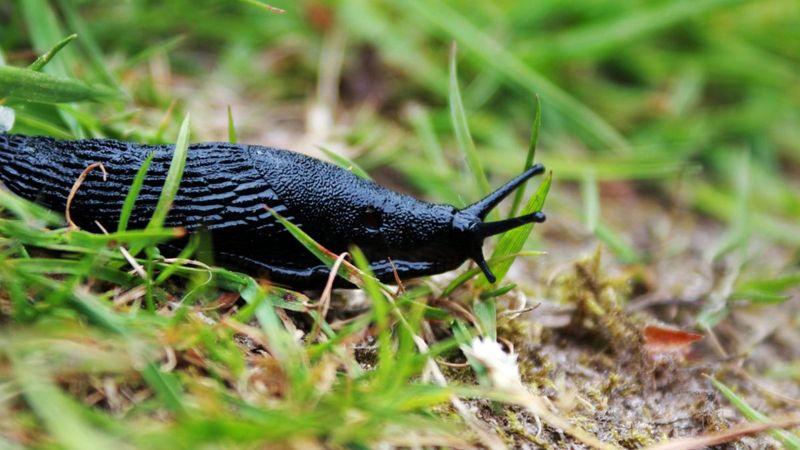
Slugs typically restrict their activity to nighttime hours when humidity rises and temperatures cool.
However, Oregon’s persistently high humidity levels this winter have changed that pattern dramatically.
When atmospheric moisture remains elevated throughout the day, slugs feel comfortable emerging and feeding during daylight hours as well.
This extended activity window effectively doubles or triples the time slugs spend consuming plant material.
Cloudy, drizzly days that characterize Pacific Northwest winters provide perfect conditions for around-the-clock slug movement.
Without dry periods to force slugs back into hiding, they roam freely across garden surfaces.
Homeowners who check gardens during afternoon hours may be surprised to see slugs actively feeding rather than tucked away in sheltered spots.
The constant moisture in the air prevents slug skin from drying out, which is their primary vulnerability.
Extended feeding times translate directly into accelerated plant damage and faster slug population growth.
Understanding this humidity connection helps explain why damage seems more severe than in typical years.
Managing moisture around vulnerable plants becomes crucial, including improving air circulation and avoiding unnecessary watering that adds to already high humidity levels.
Eggs Laid In Fall Are Hatching Earlier Than Normal
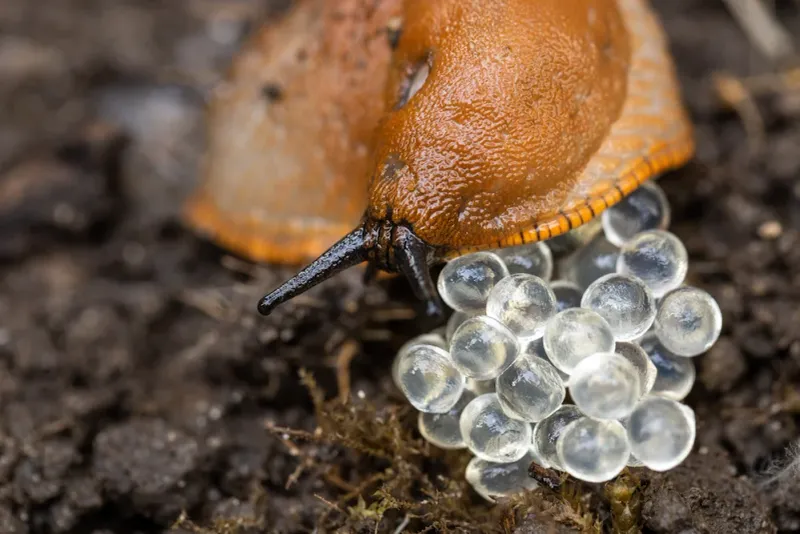
Slug reproduction typically follows seasonal patterns, with eggs laid in fall remaining dormant through winter cold.
This winter’s warmer soil temperatures have disrupted that pattern, causing eggs to develop and hatch weeks earlier than usual.
Each slug can lay dozens of eggs, and when entire batches hatch prematurely, juvenile slug numbers surge dramatically.
These young slugs immediately begin feeding, adding to damage caused by adult populations.
Warmer soil also increases egg survival rates, meaning fewer eggs succumb to cold-related mortality.
The combination of early hatching and high survival creates population spikes that overwhelm gardens.
Juvenile slugs may be smaller, but they’re equally voracious and can slip through protective barriers more easily than adults.
By the time spring arrives, these early-hatched slugs will have grown to reproductive maturity themselves, setting up another generation ahead of schedule.
This accelerated lifecycle means homeowners face not just current damage but also future population explosions.
Soil temperatures just a few degrees above normal make significant differences in egg development timing.
Monitoring for tiny slugs and implementing control measures early in the season helps interrupt this cycle before populations become unmanageable.
Natural Predators Are Less Active In Winter
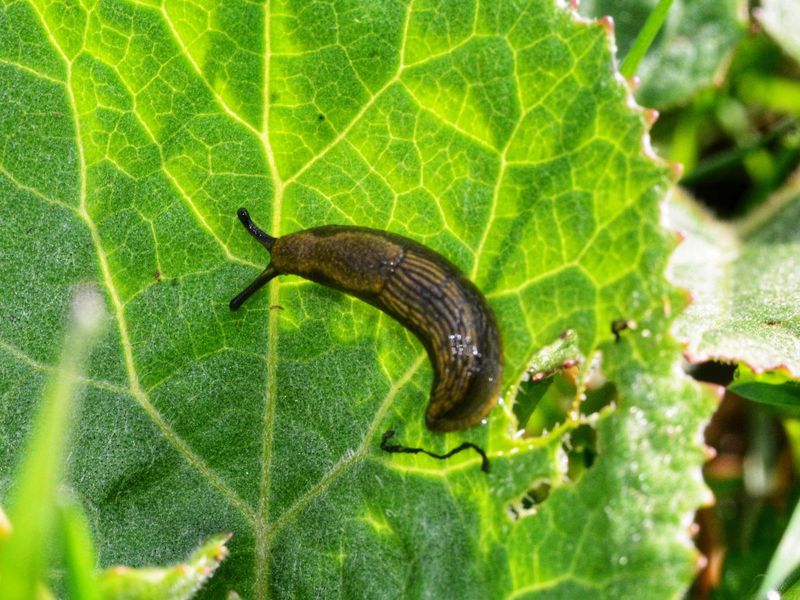
Birds, ground beetles, frogs, and other creatures that normally help control slug populations become scarce during winter months.
Many birds migrate to warmer regions, while others shift their diets to seeds and berries rather than hunting slugs in wet conditions.
Frogs and toads enter hibernation, removing another important predator from the ecosystem.
Ground beetles and other beneficial insects also become inactive or significantly reduce their hunting activity.
This predator absence creates a perfect opportunity for slug populations to expand unchecked.
Without natural controls, even small slug populations can grow rapidly into serious infestations.
The imbalance becomes especially pronounced when mild weather keeps slugs active while predators remain dormant or absent.
Homeowners who rely on natural pest control find themselves without that support during critical winter months.
Ducks and chickens, if kept in home gardens, continue providing slug control through winter, but most urban and suburban homeowners lack this option.
Encouraging predator habitat through rock piles, log shelters, and diverse plantings helps, but these measures take time to establish and may not provide immediate relief.
Understanding this predator gap explains why human intervention becomes necessary during winter slug surges.
Gardeners Often Reduce Monitoring During Winter
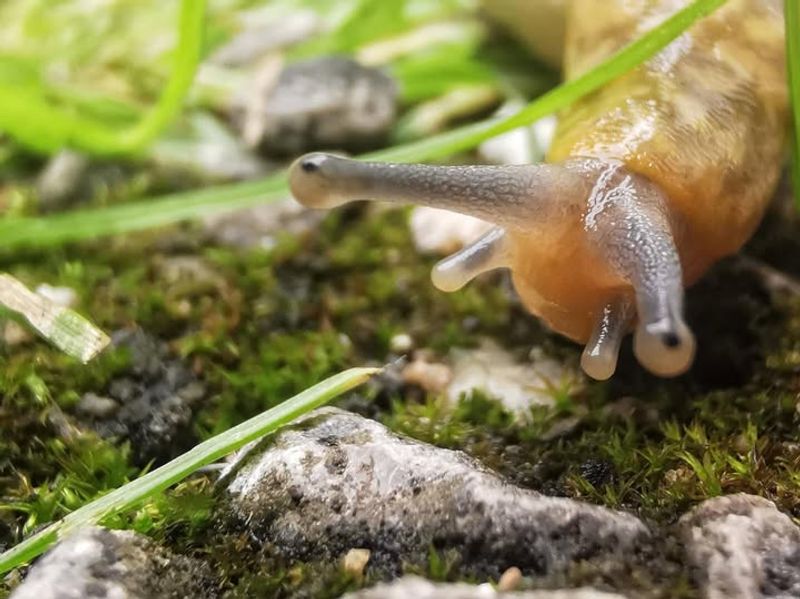
Human nature leads many gardeners to reduce their garden visits during cold, rainy winter months.
When plants appear dormant and outdoor conditions feel uninviting, checking for pest problems drops down the priority list.
This reduced vigilance allows slug populations to build and damage to accumulate before anyone notices.
By the time obvious harm becomes visible from windows or quick glances, significant destruction may have already occurred.
Winter crops that could have been saved with early intervention end up beyond rescue.
Regular monitoring, even just brief weekly checks, makes enormous differences in catching slug problems early.
Looking for slime trails, checking under pots and boards, and inspecting plant leaves for feeding damage takes only minutes but provides crucial early warning.
Gardeners who maintain consistent monitoring routines through winter report much better success controlling slug damage.
Setting calendar reminders or linking garden checks to other weekly routines helps maintain consistency.
Even during rainy weather, quick inspections while properly dressed can reveal developing problems.
The effort invested in regular winter monitoring pays dividends in healthier plants and smaller pest populations come spring.
Irrigation And Drainage Issues Increase Moisture Levels

Poor drainage transforms gardens into slug paradises by creating persistently wet conditions.
Clogged gutters, blocked drainage channels, and compacted soil all contribute to water accumulation that slugs exploit.
Even properly designed irrigation systems can cause problems if homeowners forget to adjust watering schedules for winter rainfall.
Running sprinklers or drip systems on summer schedules during rainy months adds unnecessary moisture to already saturated soil.
Standing water in low spots or near foundations creates breeding grounds where slug populations concentrate.
Clay soils common throughout Oregon valleys hold water longer than sandy or loamy soils, exacerbating moisture retention issues.
Checking and clearing drainage systems before winter arrives prevents many water accumulation problems.
Adjusting irrigation controllers to account for rainfall or installing rain sensors stops redundant watering.
Adding organic matter to heavy soils improves drainage over time, though this remains a long-term solution.
Creating slight slopes or swales directs water away from planting areas toward appropriate drainage points.
Addressing moisture management holistically reduces slug habitat while also preventing root rot and other water-related plant problems.
Early Spring Plants Are Being Damaged Before Emergence
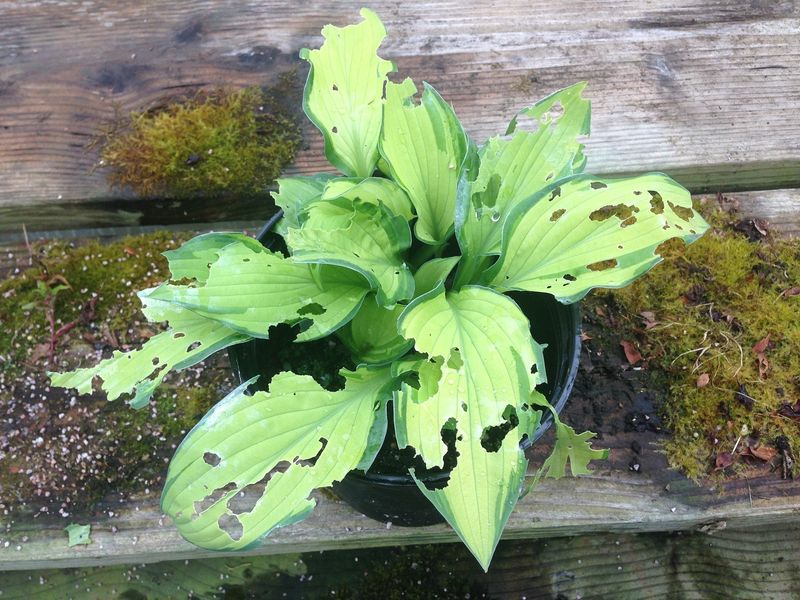
Spring bulbs and perennials beginning to emerge in late winter face immediate slug attacks.
Tender new shoots pushing through soil represent easy, nutritious meals that slugs target aggressively.
Damage often occurs underground or at soil level before homeowners even realize plants are emerging.
Tulips, daffodils, hostas, and other early risers can have their shoots hollowed out or completely consumed.
This early damage sets plants back significantly, reducing bloom quality or preventing flowering entirely.
By the time gardeners notice problems, the critical early growth period has passed and plants struggle to recover.
Slugs congregate around emerging plants, attracted by the fresh growth and concentrated nutrients.
Protecting emerging plants requires anticipating their arrival and placing barriers or treatments before shoots appear.
Marking bulb locations in fall helps homeowners remember where to focus protection efforts.
Applying slug deterrents around known emergence areas in late winter provides crucial early protection.
Regular soil surface checks reveal emerging shoots early enough to implement protective measures.
Understanding that damage happens before visible emergence emphasizes the importance of proactive rather than reactive slug management strategies for spring gardens.