Oregon Living Rooms Embrace The Minimalist Indoor Garden Trend
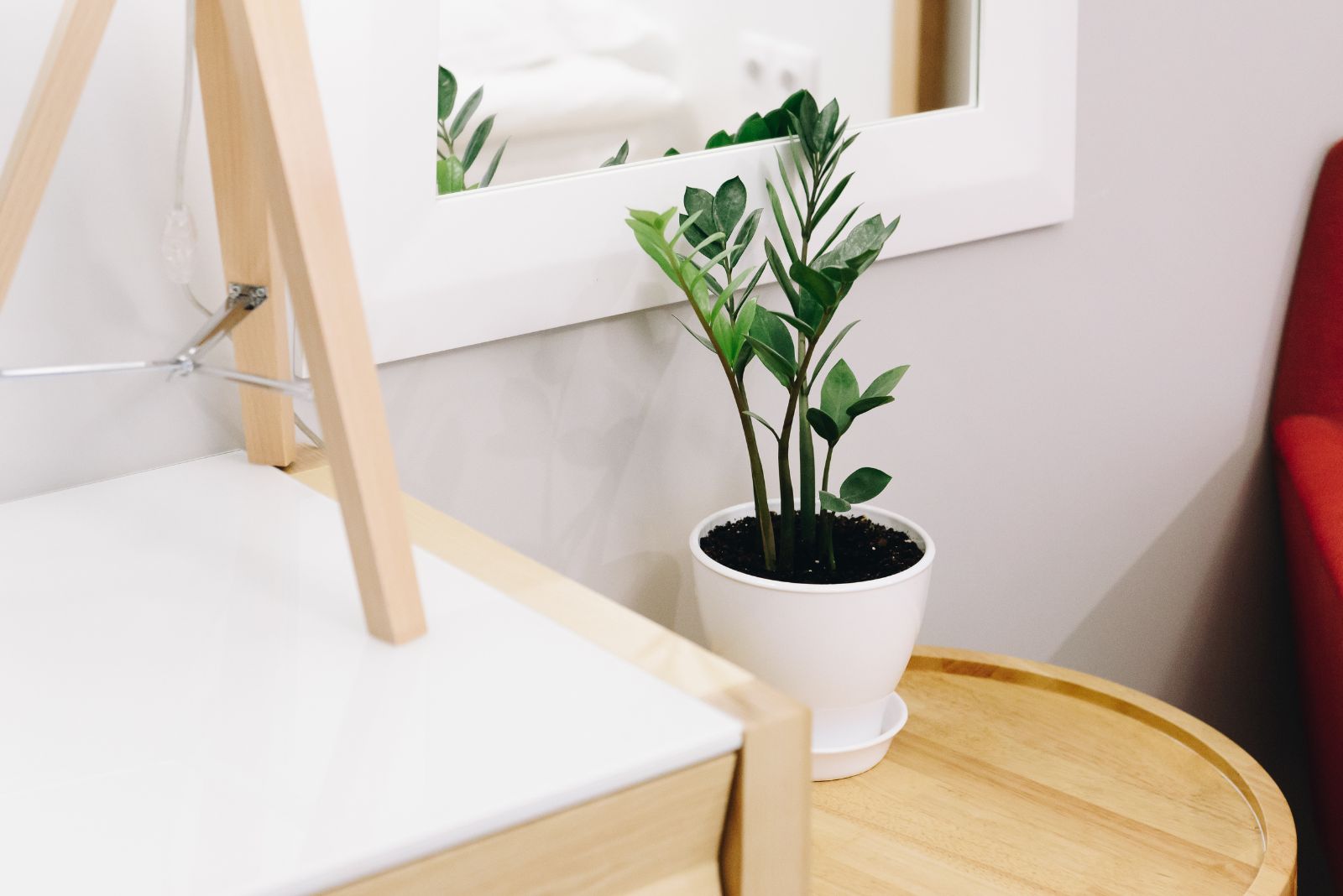
Oregon living rooms are turning over a new leaf as the minimalist indoor garden trend takes root across the state.
Homeowners are clearing the clutter and giving greenery the spotlight, creating spaces that feel calm, modern, and full of quiet charm.
A single sculptural plant can steal the show, standing tall in a room that’s designed to breathe.
Soft light, clean lines, and natural textures work hand in hand, giving every leaf room to shine.
Instead of packing corners with pots, residents pick a few standouts that bring the outdoors in without crowding the scene.
The result is a style that feels fresh as morning dew and smooth as polished stone.
People walk into these spaces and instantly feel the difference, as if the room took a deep breath for them.
This trend keeps growing by the day, proving that a touch of green can speak louder than a full jungle indoors.
The Minimalist Indoor Garden Trend
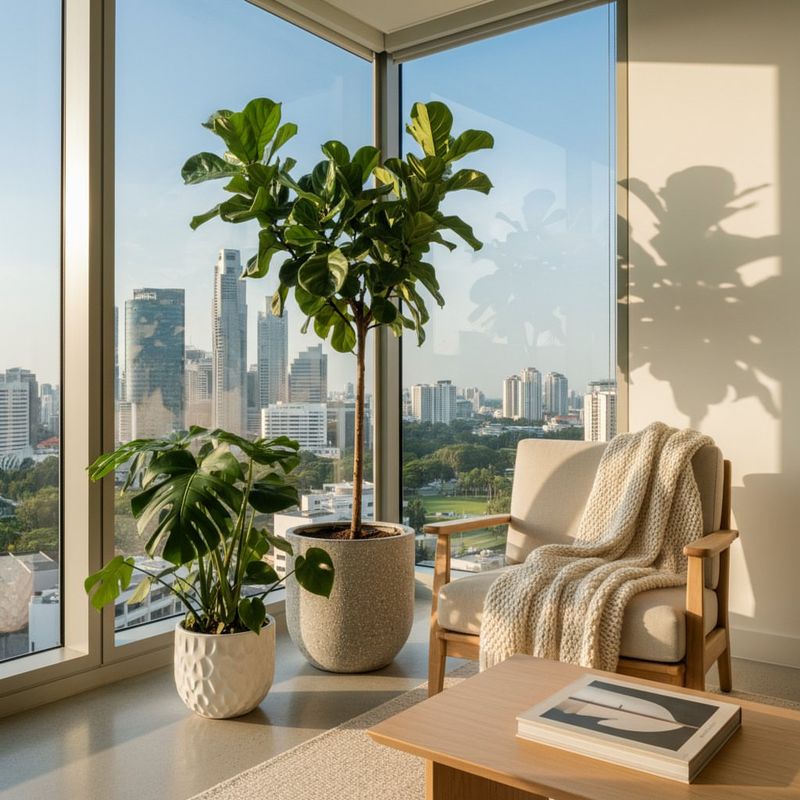
Oregon living rooms are taking on a fresh, calming look as the minimalist indoor garden trend moves into the spotlight.
This trend focuses on bringing nature indoors in a simple, uncluttered way that fits seamlessly with modern Northwest style.
Instead of packing rooms with dozens of plants, homeowners choose a small number of statement pieces arranged with intention.
Clean lines, neutral colors, and natural textures set the stage for greenery that feels both soothing and stylish.
The goal is to create a space that breathes, where every plant has its own purpose and presence.
Many Oregonians lean toward hardy, sculptural varieties like snake plants, pothos, or monstera, placing them in sleek pots made from clay, stone, or wood.
The look stays light and airy, echoing Oregon’s love for nature without overwhelming the room.
As more residents embrace this trend, living spaces gain a peaceful balance that feels grounded, modern, and effortlessly inviting.
Quality Over Quantity Makes Spaces Feel Calmer
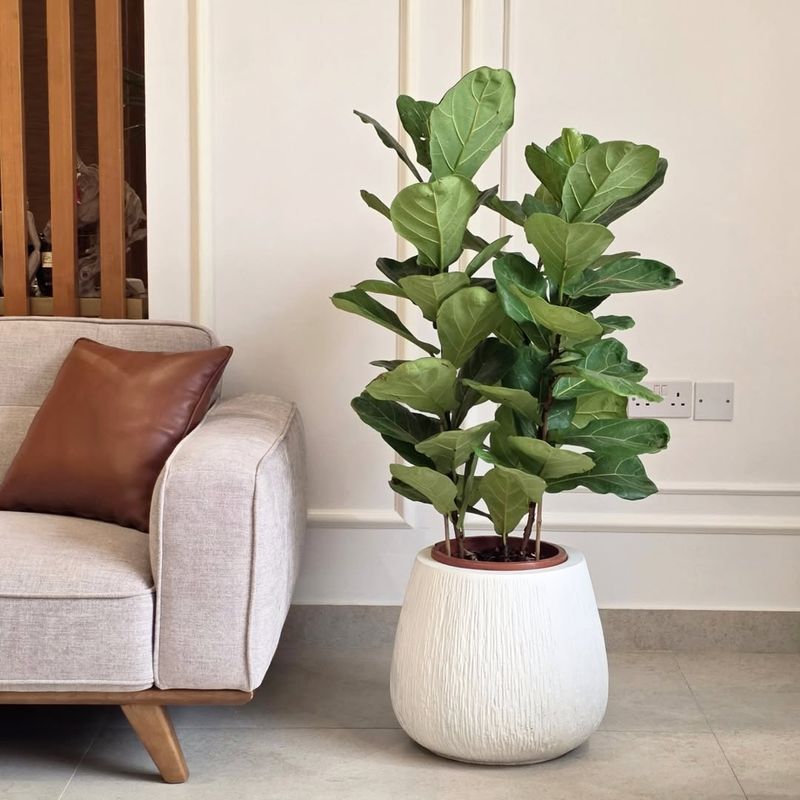
Entering a room filled with too many plants can sometimes feel overwhelming rather than calming.
Selecting only a few remarkable specimens often creates a stronger sense of harmony, allowing each plant to feel intentional and appreciated.
A sculptural fiddle leaf fig or a tall bird of paradise becomes a subtle centerpiece that captures attention without taking over the entire room.
This approach reflects a refined, gallery-like mindset where each plant is treated as an individual piece of art, allowing its form, color, and texture to be fully noticed.
Minimizing the number of plants reduces visual clutter and gives the eye more freedom to rest, echoing the Japanese concept of ma, which values the presence of empty space as much as objects themselves.
This design philosophy pairs beautifully with Oregon’s naturally lush outdoor environments, creating a peaceful indoor contrast.
With fewer plants, homeowners form deeper connections to each one, noticing subtle changes like new leaves, shifts in color, or growth patterns.
Plant care evolves from a rushed routine into a grounding practice that encourages mindfulness and presence.
Instead of managing constant maintenance, individuals find themselves appreciating their surroundings more fully.
A curated plant selection becomes an invitation to quiet reflection and visual clarity, making living spaces feel intentionally balanced and genuinely soothing.
Easier Maintenance Fits Busy Oregon Lifestyles
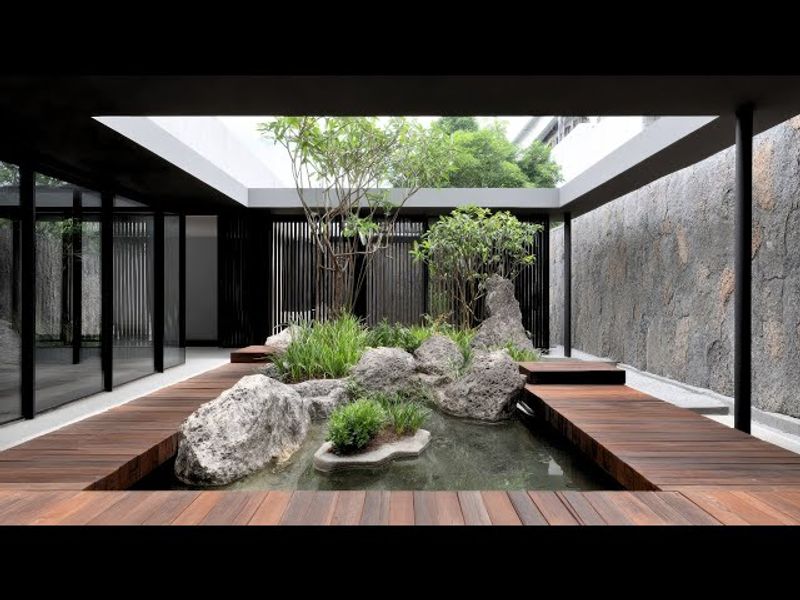
Residents of cities like Portland and Eugene often juggle demanding jobs, outdoor activities, and community commitments, leaving limited time for intricate houseplant routines.
Caring for three thoughtfully chosen plants requires far less effort than tending to twenty, allowing people to keep track of watering schedules and environmental needs without stress.
Fewer plants also limit the spread of common issues such as leaf discoloration or tiny pests, making it easier to detect and manage concerns early before they escalate into larger problems.
Oregon’s active lifestyle means many individuals take weekend trips to the coast, mountains, or desert, so relying on hardy species like snake plants or ZZ plants ensures that greenery remains healthy even during short absences.
Returning home to thriving plants instead of wilted or stressed ones reinforces the value of simplicity.
Minimizing plant quantity also reduces mental load, eliminating the confusion of researching dozens of different care requirements.
Selecting plants with similar needs makes routines nearly automatic and far more enjoyable.
The time saved can be spent engaging with the plants more meaningfully, such as gently cleaning leaves, adjusting light exposure, or simply enjoying their presence while sipping morning coffee.
This thoughtful, simplified approach transforms plant care from a chore into a peaceful, restorative part of daily life.
A smaller collection ultimately provides more joy, more success, and less worry, aligning naturally with Oregon’s blend of productivity and relaxation.
Statement Plants Reflect Personal Style Better
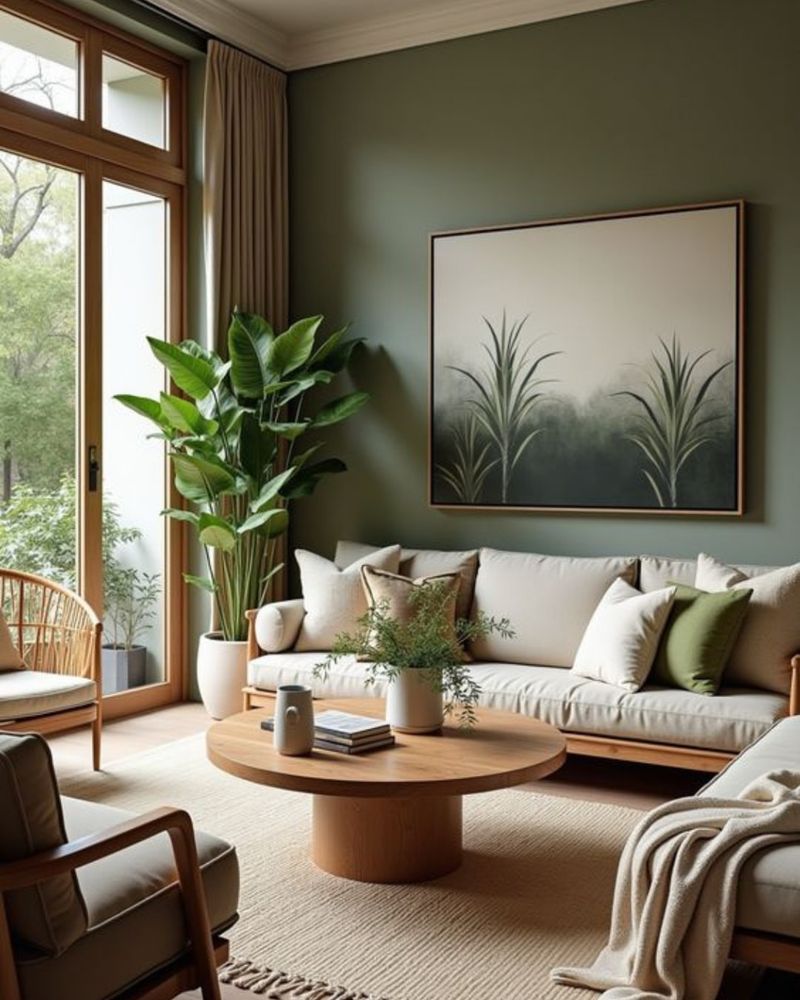
A home should communicate personality and intention, not resemble a crowded plant shop with mismatched varieties competing for attention.
Choosing one or two standout plants allows personal taste to shine more clearly than assembling a large, unfocused collection.
A dramatic monstera may reflect someone with adventurous tendencies, while a refined rubber tree might express sophistication and timeless style.
Many Oregon homeowners now treat plants as design-forward elements similar to furniture pieces, selecting them with care and intention.
Just as one would avoid purchasing numerous mediocre chairs, people are learning not to fill their homes with plants that do not genuinely resonate with them.
A single striking plant becomes a memorable conversation piece that enhances the room without overwhelming it.
This minimal approach encourages investment in higher-quality containers, such as handmade ceramics from Portland artists or vintage stands found in local markets.
Thoughtful accessories elevate the overall aesthetic and reinforce the idea that each plant holds meaningful value.
Focal plants also photograph beautifully, creating authentic, stylish moments that feel natural rather than staged.
Matching a few plants to existing décor is far easier than coordinating dozens, allowing every space, from modern to rustic, to feel harmonious and expressive.
Environmental Consciousness Drives Thoughtful Choices
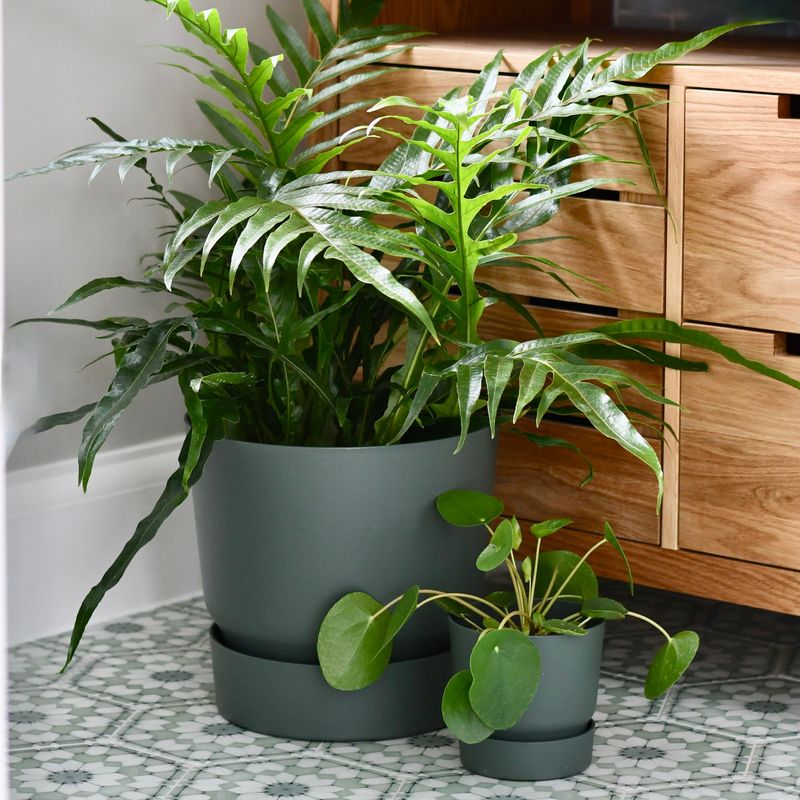
Oregon’s strong environmental values naturally extend into indoor plant culture, encouraging residents to prioritize sustainable choices.
Purchasing fewer plants reduces the overall carbon footprint associated with greenhouse production, plastic containers, and long-distance shipping.
Supporting local growers in cities like Portland and Eugene decreases transportation impact while strengthening community-based businesses.
Many plant enthusiasts now favor native or well-adapted species that thrive in Oregon’s moisture-rich climate without requiring energy-intensive equipment such as grow lights or humidifiers.
This approach aligns with a broader desire to work with the environment rather than against it.
Minimalist plant ownership also promotes propagation, allowing individuals to share cuttings with friends or expand their collection slowly and intentionally.
This method fosters knowledge, patience, and deeper appreciation rather than relying on constant purchasing.
Sustainability also means understanding the ethical origins of plants, ensuring they were not gathered irresponsibly or treated with harsh chemicals.
Choosing fewer, responsibly sourced plants supports Oregon’s cultural emphasis on environmental respect.
Additionally, smaller plant collections naturally conserve water, an important consideration during the region’s dry summer months, making mindful plant care both practical and eco-friendly.
Small Oregon Homes Need Space-Smart Solutions
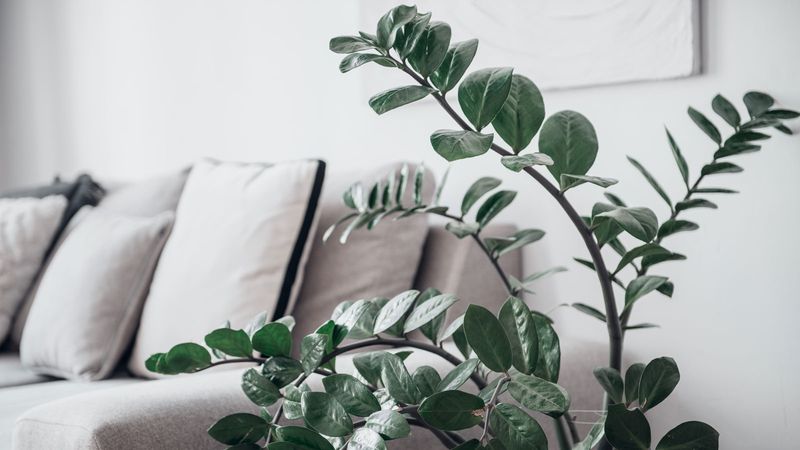
With rising housing costs in cities like Portland, many residents live in smaller apartments, condos, or tiny homes where square footage is limited.
These compact living environments require careful planning, and an excessive number of plants can quickly dominate the space, making it feel cramped rather than comforting.
A few well-selected plants provide the beauty of nature without overwhelming precious room.
Vertical designs, such as tall snake plants or elegant dracaenas, draw the eye upward and create an illusion of height while occupying minimal floor space.
Hanging a single lush pothos adds charm without taking over shelves or countertops.
Because smaller homes often have limited natural light, choosing low-light tolerant varieties prevents the frustration of plant decline.
Instead of struggling to keep dozens of plants alive in dim corners, homeowners can focus on species that genuinely flourish.
This leads to a more rewarding experience with fewer replacements.
Clear pathways and uncluttered windowsills make homes feel more spacious and easier to navigate, especially for families with children or pets.
Strategic minimalism enhances comfort, allowing small Oregon homes to maintain a sense of airiness and intentional design even with limited room.
Health Benefits Improve With Proper Plant Care
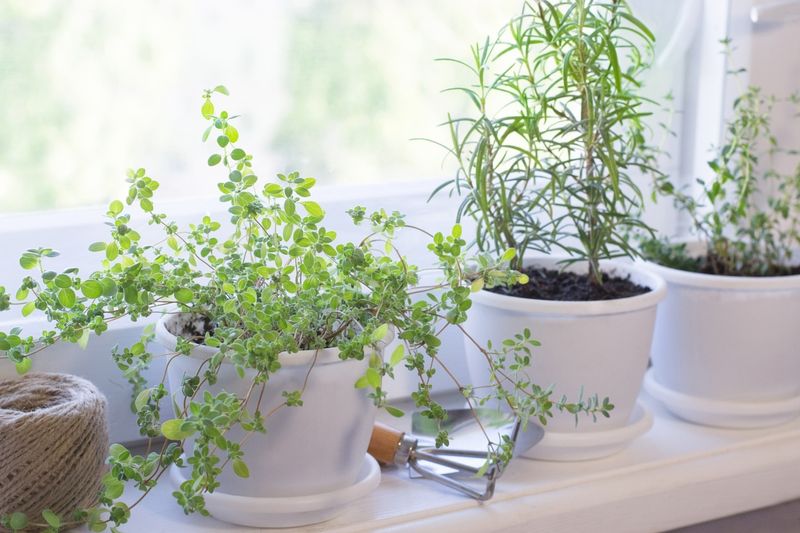
While plants are known for supporting indoor air quality, these benefits only occur when they are kept healthy and well-maintained.
An oversized collection can lead to overwatering, overcrowding, and inconsistent care, which may create undesirable indoor conditions.
With fewer plants, individuals can more easily monitor moisture levels, avoiding the damp environments that may encourage unwanted growth in Oregon’s naturally humid climate.
Regularly cleaning plant leaves becomes feasible, keeping them functioning efficiently and ensuring they continue supporting indoor freshness.
A small collection also reduces the risk of lingering pests or fungal concerns that thrive in congested plant arrangements.
Proper spacing allows each plant to receive sufficient airflow and light, promoting strong, vibrant growth.
Mentally, managing a reasonable number of plants prevents stress caused by neglect or worry.
Caring for a few thriving plants builds confidence and satisfaction rather than frustration.
A calm indoor ecosystem contributes to a fresher atmosphere and an energizing sense of well-being.
This balanced approach reinforces the idea that mindful plant ownership is as much about quality care as it is about aesthetics.
Mindful Living Aligns With Oregon’s Cultural Values
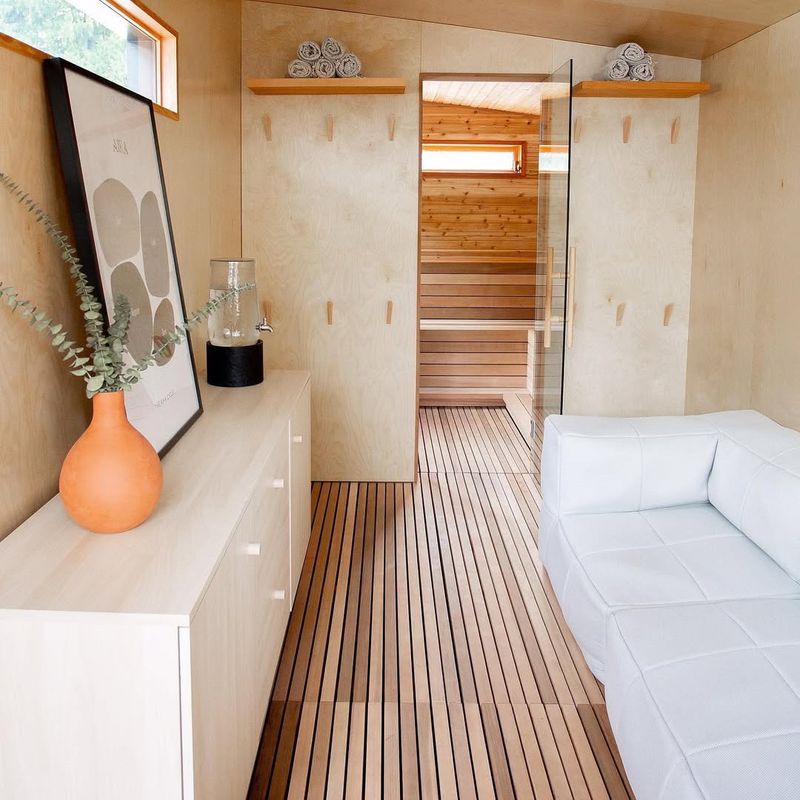
Oregon culture celebrates simplicity, mindfulness, and intentional choices, making minimalist plant ownership a natural fit.
This philosophy encourages individuals to ask whether a new plant enriches their home or merely adds more possessions.
Caring for a small number of plants becomes an immersive, meditative experience rather than a rushed checklist.
Observing growth patterns, adjusting placement for improved light, and removing old leaves transforms into a peaceful ritual that reinforces presence.
Many residents appreciate design principles from Scandinavian hygge and Japanese wabi-sabi, both of which highlight warmth, authenticity, and subtle beauty.
A single thoughtfully placed plant in a handcrafted container captures these values with clarity.
Minimalism also challenges the urge toward constant acquisition fueled by social media trends.
Oregonians often prefer authenticity over appearance, selecting plants that genuinely resonate with them rather than collecting for display.
This intentional approach influences other lifestyle habits as well, encouraging thoughtful purchases and balanced daily routines.
Plant minimalism becomes a gateway to broader personal transformation, reinforcing a life anchored in purpose, awareness, and appreciation.