7 Oregon Plants You Should Be Fertilizing In February (And 3 To Avoid)
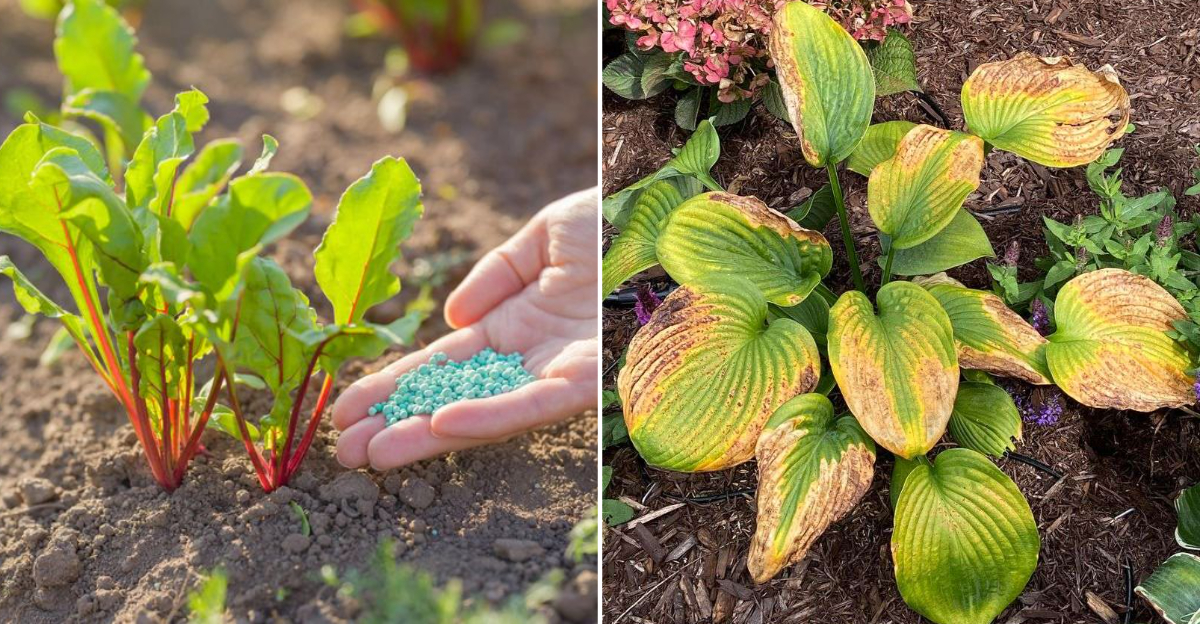
Winter may still be hanging around in Oregon, but your garden is far from asleep. Beneath the cool soil, roots are getting busy and early growth is quietly gearing up for spring.
A well timed boost of nutrients right now can set the stage for stronger stems, fuller leaves, and a much happier garden when warmer weather arrives. The key is knowing who is ready for a meal and who prefers a little more rest.
Give the right plants some February attention and they will thank you with vigorous growth and vibrant color. Rush the wrong ones and you could do more harm than good.
With a little smart timing, you can support the plants that are eager to grow while letting others snooze a bit longer before their big spring debut.
1. Fruit Trees (apple, pear, plum, cherry)
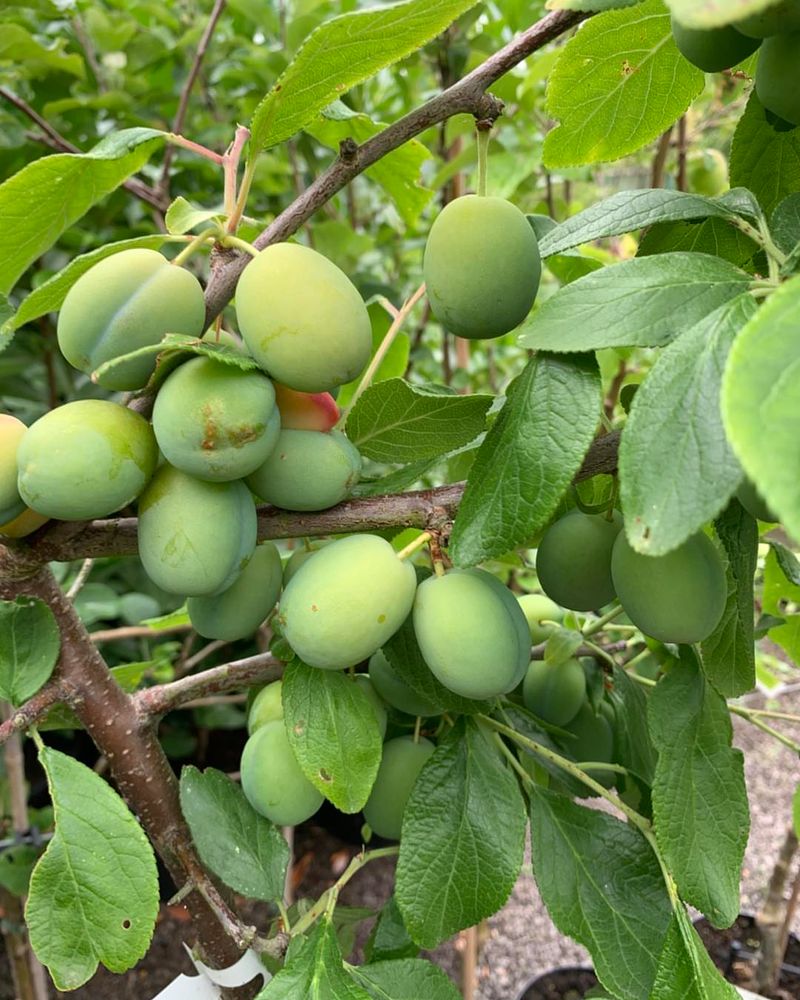
Late winter is when fruit trees quietly prepare for the burst of blossoms and leaves they’ll push out in just a few weeks. Right now, while branches are still bare and buds are tight, the roots below are slowly waking up and ready to absorb nutrients.
Fertilizing in February gives your apple, pear, plum, and cherry trees exactly what they need before the real growing begins.
Many Oregon gardeners wait too long, fertilizing after bloom when trees are already working hard. By then, they’ve missed the window when roots can store energy for strong fruit set.
A balanced organic fertilizer or aged compost spread around the drip line now sets the stage for healthy growth without forcing tender new shoots during unpredictable late frosts.
Apply fertilizer when the soil isn’t waterlogged or frozen. In the Willamette Valley, late February usually works well, but if you’re in the Gorge or higher elevations, early March might be safer.
Avoid piling fertilizer against the trunk. Spread it evenly where feeder roots live, usually starting a foot out from the base and extending to just beyond the canopy edge.
2. Blueberries
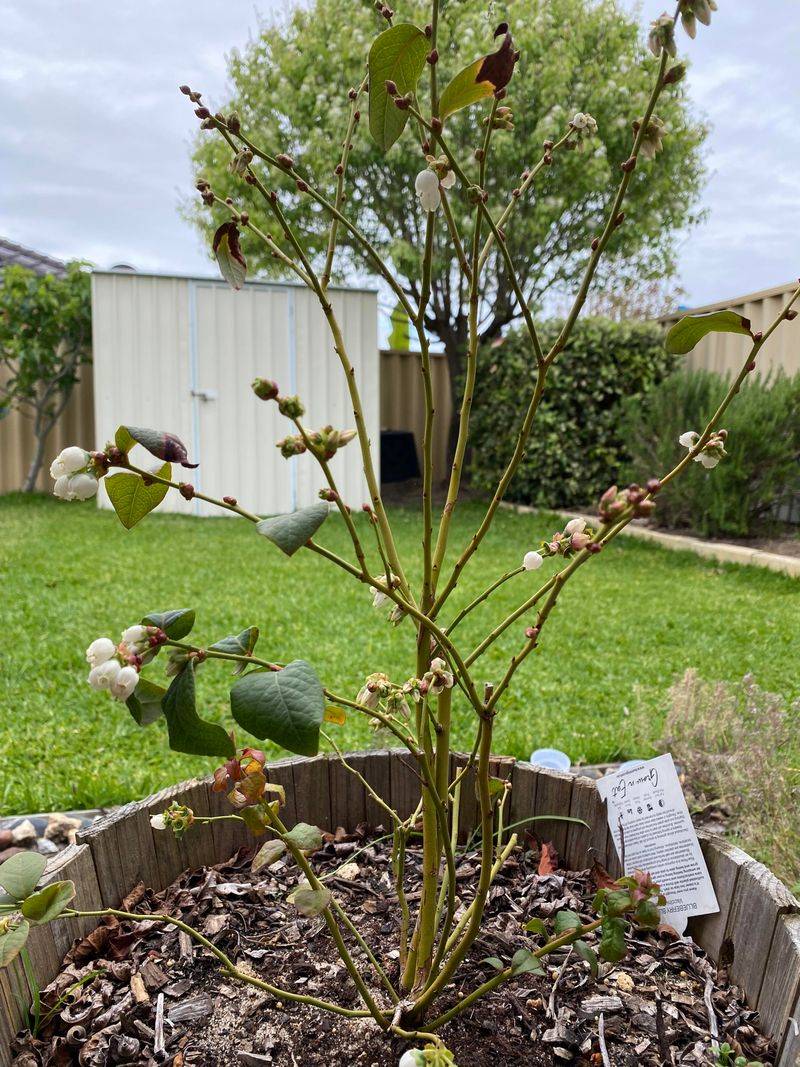
Blueberries love acidic soil, and Oregon’s naturally lower pH in many areas makes them happy campers. But even in ideal conditions, they need a little help as they come out of dormancy.
February is the perfect time to give them a boost, especially with an acid-loving fertilizer that keeps the soil chemistry just right.
Without proper feeding, blueberry bushes can yellow and produce small, disappointing berries. They’re shallow-rooted, so they rely heavily on what’s available in the top few inches of soil.
A slow-release fertilizer formulated for azaleas or rhododendrons works beautifully, delivering nutrients gradually as temperatures rise and growth resumes.
Spread fertilizer evenly around each bush, staying a few inches away from the base. Water it in gently if rain isn’t in the forecast soon.
Avoid over-fertilizing, which can burn tender roots or push too much leafy growth at the expense of fruit. A light application now, followed by another after harvest, keeps bushes productive without overwhelming them during their most vulnerable early-season phase.
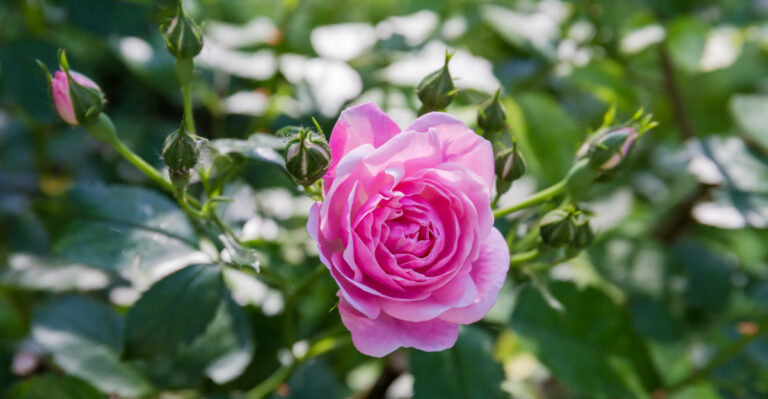
3. Roses

Roses start their year strong when they get fed early. As February unfolds and pruning wraps up, the canes are ready to channel energy into fresh shoots and eventually those gorgeous blooms.
Feeding them now means roots absorb nutrients before the real push begins, building strength for months of flowering ahead.
A lot of gardeners assume roses need feeding only when buds appear, but that’s actually too late for the first flush. Early feeding supports healthy foliage and strong stems, which directly impacts bloom size and disease resistance.
Choose a balanced rose fertilizer or a general-purpose organic option, and apply it after you’ve finished pruning but before new growth is more than an inch long.
Scatter fertilizer around the base of each plant, keeping it a few inches from the crown to avoid burn. If your soil drains poorly, wait until it’s workable and not soaking wet.
Western Oregon’s February rains usually keep moisture levels fine, so you won’t need to water it in. Just let nature do the work, and your roses will thank you with vigorous spring growth.
4. Garlic And Overwintering Onions
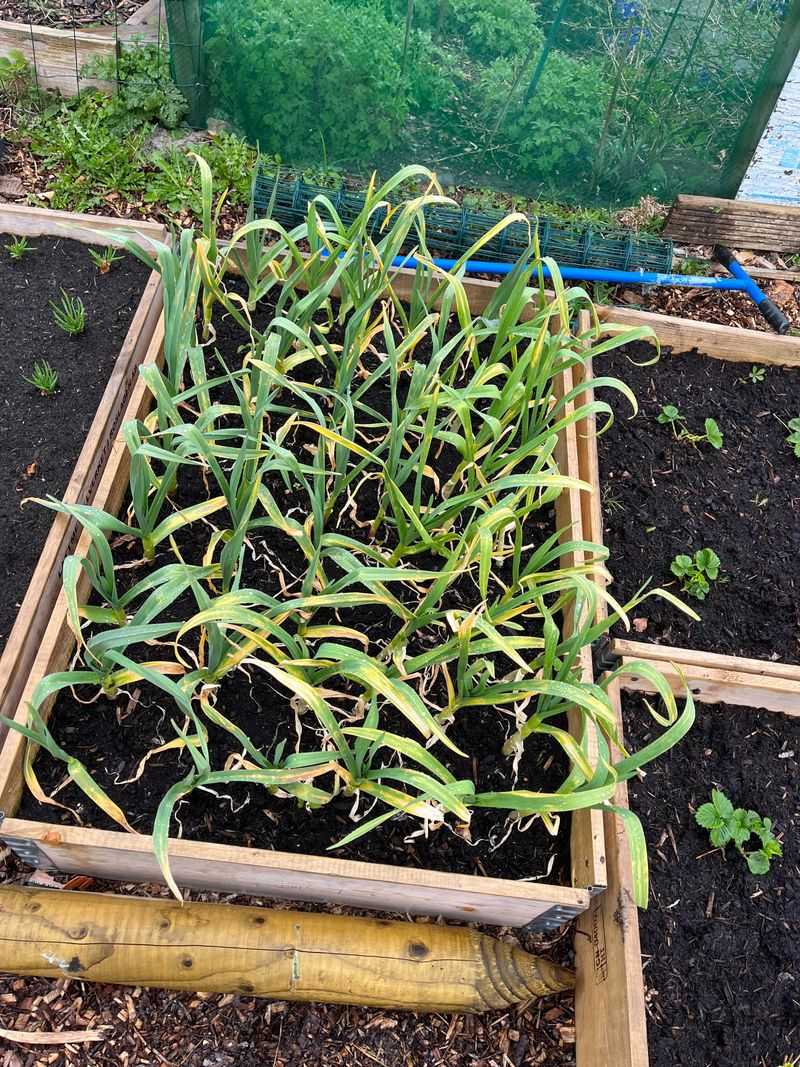
Walk past your garlic bed in February and you’ll likely see green shoots poking through the mulch, even when mornings are frosty. Those shoots are deceptively tough, but underneath, the bulbs are sizing up and need fuel to keep growing.
This is one of the best times to give garlic and overwintering onions a nitrogen boost that’ll carry them through to harvest.
Garlic planted in fall spends winter establishing roots, and by February, it’s ready to put on real top growth. Without adequate nitrogen now, bulbs stay small and cloves don’t fill out properly.
A light side-dressing of compost, blood meal, or a balanced organic fertilizer keeps plants vigorous without encouraging too much soft growth that frost could damage.
Sprinkle fertilizer between rows or around individual plants, then gently work it into the top inch of soil if you can. Avoid disturbing roots.
If heavy rain is coming, let it wash nutrients down naturally. If your onions look pale or stunted, they’re likely hungry and will green up quickly once fed.
Just don’t overdo it, too much nitrogen late in the season can delay bulb maturation.
5. Winter Vegetables
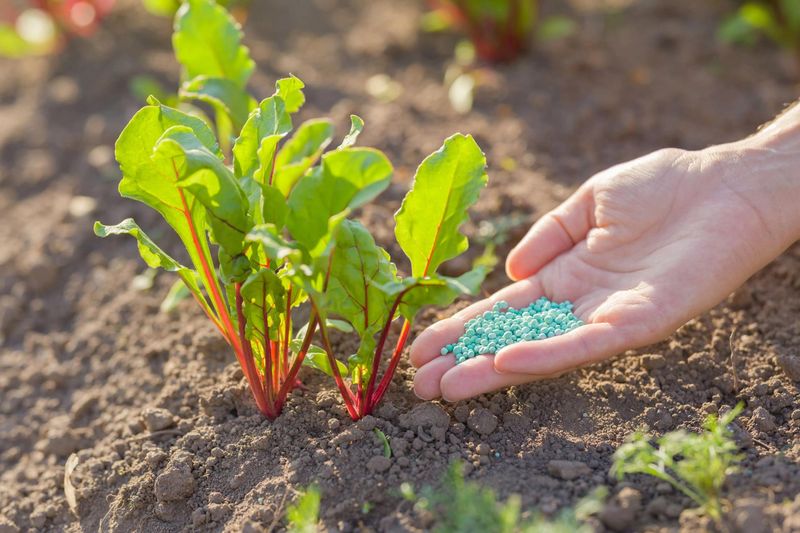
Kale, cabbage, broccoli, and spinach are the heroes of the Oregon winter garden, standing strong through rain and cold. But even these tough plants appreciate a little extra nutrition as days start to lengthen and growth picks up.
February feeding helps them produce tender new leaves and, in the case of broccoli and cabbage, develop larger, tastier heads.
Winter vegetables grow slowly during the darkest months, but they never fully stop. As light increases, their metabolism shifts into a higher gear.
A dose of balanced fertilizer or compost tea now supports that transition beautifully. It’s especially helpful if your soil has been leached by months of heavy rain, which is common in western Oregon.
Use a gentle, water-soluble fertilizer or top-dress with compost around the base of each plant. Avoid high-nitrogen formulas that push too much leaf growth on heading crops like cabbage, they need balanced nutrition to form solid heads.
If plants look dark green and vigorous already, they might not need much. But if leaves are pale or growth seems stalled, a light feeding will get things moving again as spring approaches.
6. Established Strawberries
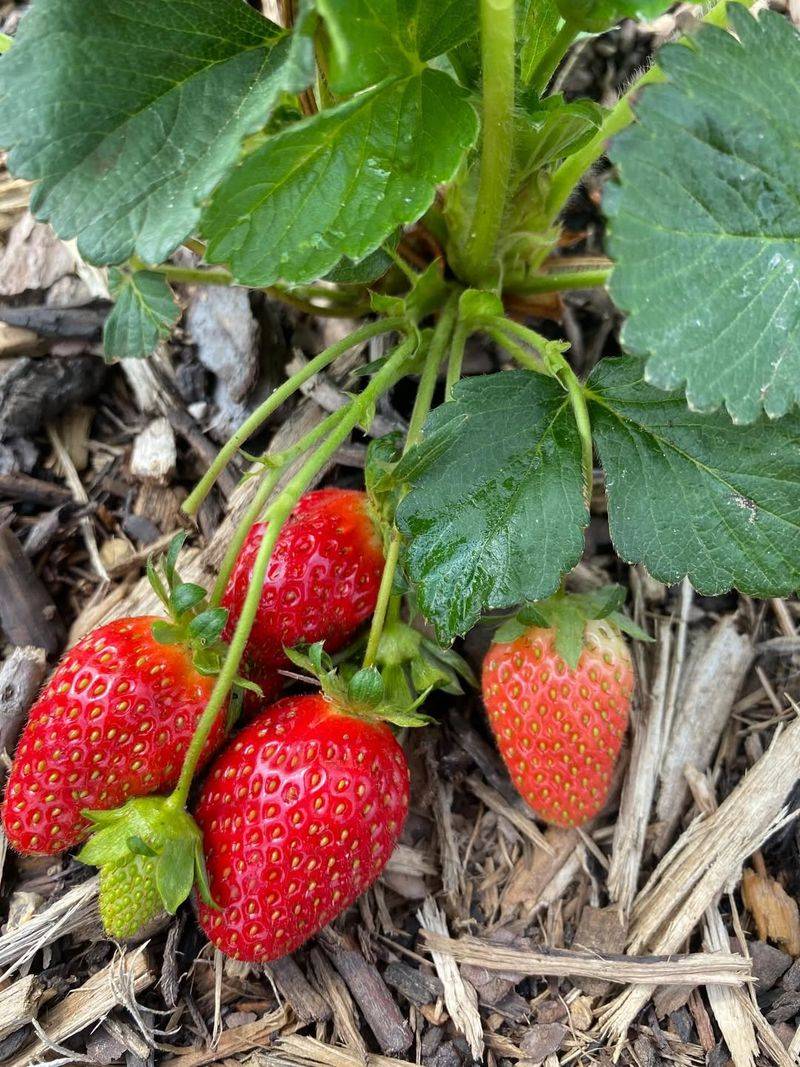
Strawberry beds that have been in the ground a year or more are gearing up for their big spring show, and a little February fertilizer can make a noticeable difference in berry size and sweetness.
Established plants have strong root systems ready to absorb nutrients as soon as soil temperatures start to climb, even slightly.
Strawberries are heavy feeders during fruiting season, but they also benefit from early feeding that supports leaf development and flower bud formation. If you wait until blooms appear, you’ve missed the chance to build the plant’s reserves.
A balanced fertilizer applied now gives plants time to take up nutrients before the energy-intensive work of flowering and fruiting begins.
Spread fertilizer evenly across the bed, keeping it away from crowns to prevent burn. If you’ve mulched with straw, pull it back slightly, apply fertilizer, then replace the mulch.
Water lightly if rain isn’t expected soon. Avoid over-fertilizing, which can lead to lush leaves but fewer berries.
A modest application now, combined with good mulching and weed control, sets your strawberry patch up for a generous, flavorful harvest come late spring.
7. Evergreen Shrubs
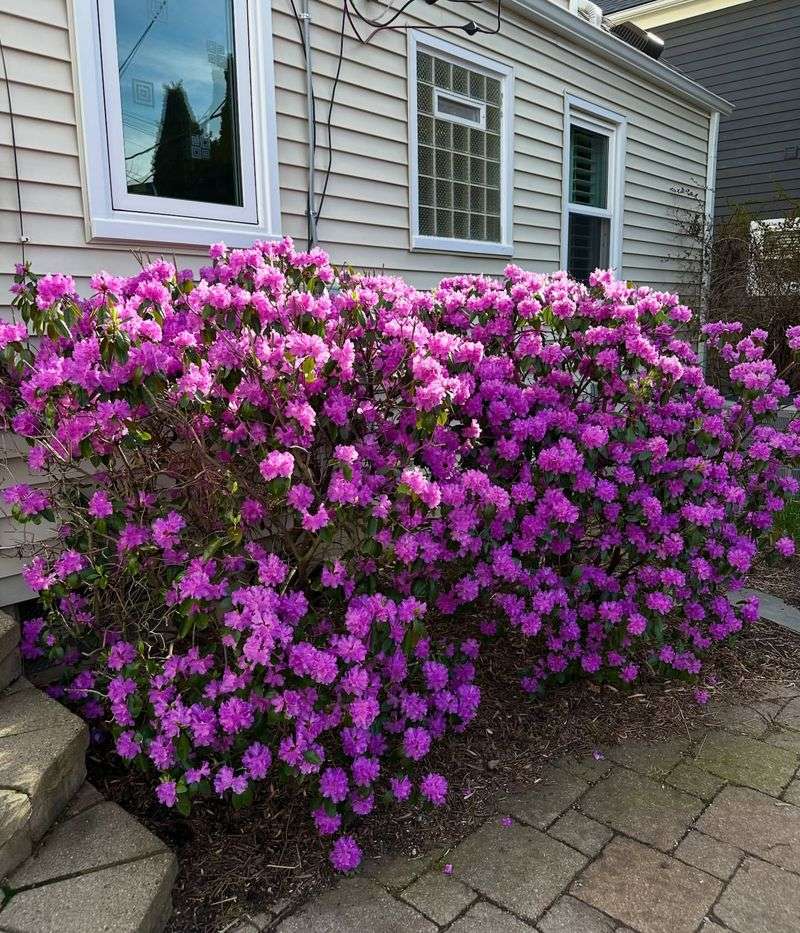
Rhododendrons, azaleas, and camellias are Oregon garden staples, thriving in our mild, moist climate. February is an ideal time to feed them, especially as some camellias are already blooming and rhododendrons are setting buds for their spring display.
These acid-loving shrubs benefit from specialized fertilizer that keeps soil pH low and nutrients available.
Many gardeners assume evergreens don’t need feeding because they look green year-round, but that’s misleading. These plants are actively growing roots and preparing for bloom, and nutrient-depleted soil can lead to pale leaves, weak growth, and fewer flowers.
A slow-release, acidic fertilizer applied now supports healthy foliage and vibrant blooms without the risk of burning tender roots.
Apply fertilizer evenly around the drip line, where feeder roots are most active. Avoid piling it against the trunk or main stems.
Water it in lightly if the soil is dry, though February rain usually handles that. If your shrubs are mulched with bark or compost, pull mulch back slightly, apply fertilizer, then replace it.
This keeps nutrients from being tied up in decomposing mulch and ensures they reach the roots where they’re needed most.
8. Dormant Perennials
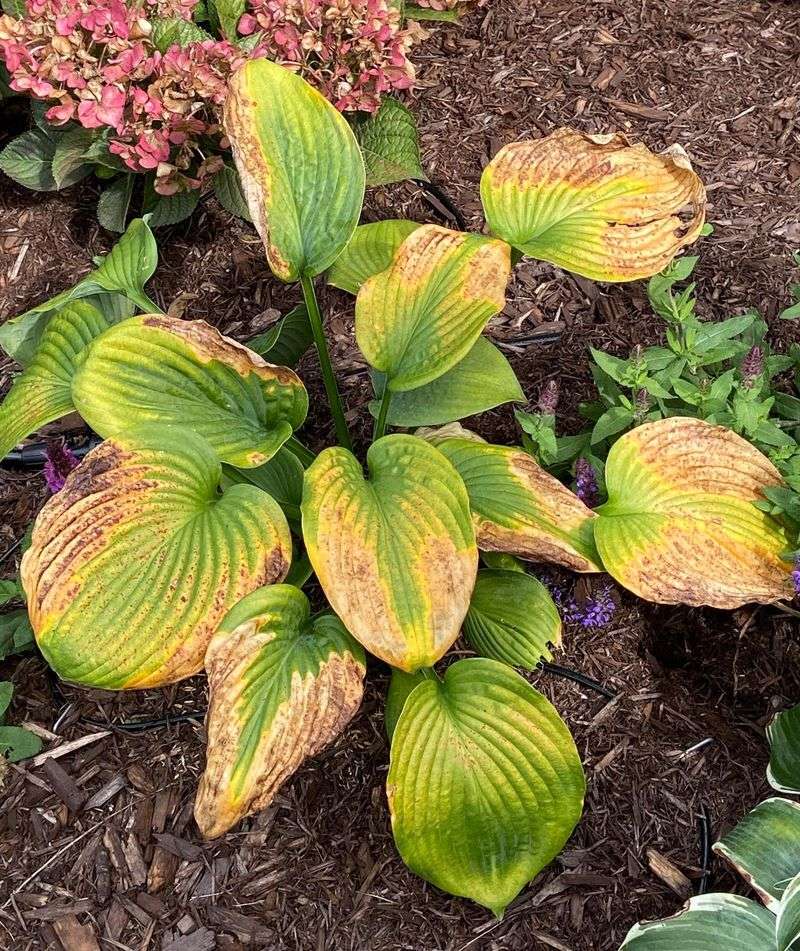
Hostas, daylilies, and ornamental grasses are completely dormant in February, with no visible growth above ground. Their roots are resting, and their energy is conserved for the warmer days ahead.
Fertilizing them now is not only unnecessary, it can actually cause problems by encouraging premature growth that cold snaps or heavy rain can damage.
When you fertilize dormant plants, nutrients sit in the soil unused and can leach away with Oregon’s winter rains, wasting your time and money. Worse, if a warm spell tricks plants into sprouting early, those tender shoots are vulnerable to frost damage.
It’s far better to wait until you see new growth emerging in March or April, when plants can actually use the nutrients you’re providing.
If you’re eager to do something productive in February, focus on clearing away old foliage, refreshing mulch, or improving drainage. These tasks prepare the bed without the risks that come with early feeding.
When the time is right and green shoots start poking through, then you can fertilize with confidence, knowing your perennials are ready to put those nutrients to work building strong, healthy growth for the season ahead.
9. Tender Warm-Season Plants
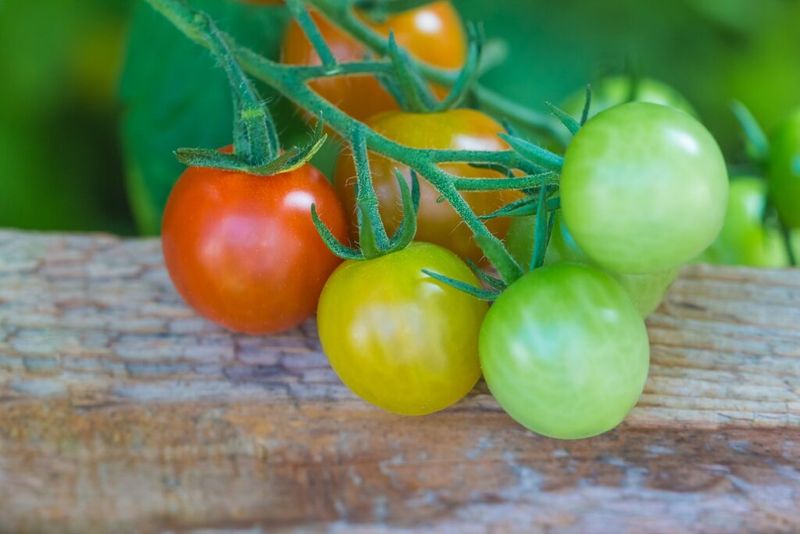
Tomatoes, peppers, squash, and summer flowers have no business being fertilized in February, because they shouldn’t even be in the ground yet.
These heat-loving plants need warm soil and reliably mild temperatures to thrive, and Oregon’s February weather is far too cold and unpredictable for them to survive outdoors.
Some gardeners get excited and start seedlings early indoors, then wonder if they should fertilize. Even then, young seedlings in trays don’t need fertilizer until they’ve developed their first true leaves and are actively growing.
Feeding too early can burn delicate roots and create weak, leggy plants that struggle when it’s finally time to transplant.
If you’re starting seeds indoors, use a quality seed-starting mix and wait until seedlings are a few weeks old before introducing diluted liquid fertilizer. For outdoor planting, hold off until mid-May or even early June, depending on your microclimate.
Once warm-season plants are in the ground and growing, then you can fertilize regularly to support their heavy fruiting and flowering. But in February, the best thing you can do is plan, prepare beds, and be patient.
Your tomatoes will thank you later.
10. Newly Planted Trees And Shrubs
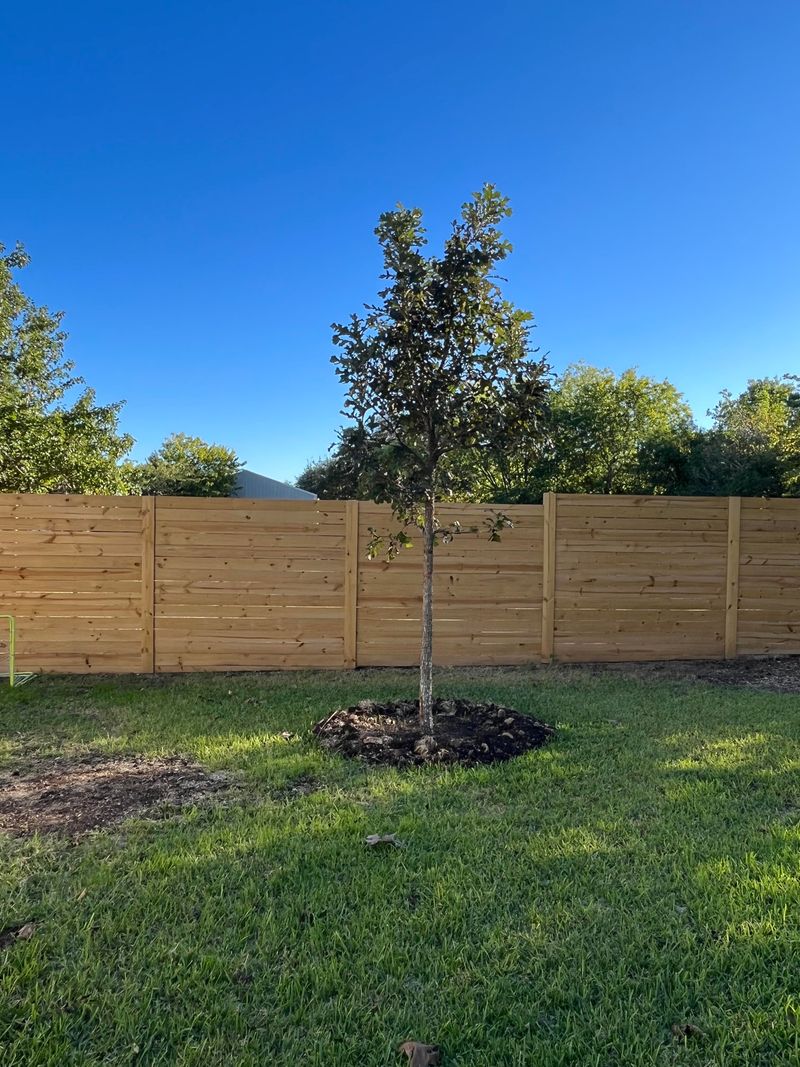
It’s tempting to give a newly planted tree or shrub a little fertilizer to help it settle in, but February is not the time.
Young plants are focused entirely on root establishment, not top growth, and fertilizing now can actually hinder that process by encouraging shoots and leaves when the plant should be building a strong foundation below ground.
Newly planted trees and shrubs are also more sensitive to fertilizer burn, especially if their roots were disturbed during planting. Adding nutrients before the root system is established can damage tender feeder roots and stress the plant further.
In Oregon’s wet winter soil, excess fertilizer can also leach away quickly, providing no benefit while potentially harming soil biology.
Instead of fertilizing, focus on proper watering, mulching, and protecting young plants from wind and heavy rain. Make sure the planting hole drains well and that mulch isn’t piled against the trunk.
Once spring arrives and you see new growth emerging, then you can consider a light application of slow-release fertilizer. But for now, patience is the best fertilizer.
Let roots grow strong and deep, and your new trees and shrubs will reward you with vigorous, healthy growth for years to come.