Oregon Tree Removal Rules Every Homeowner Should Know
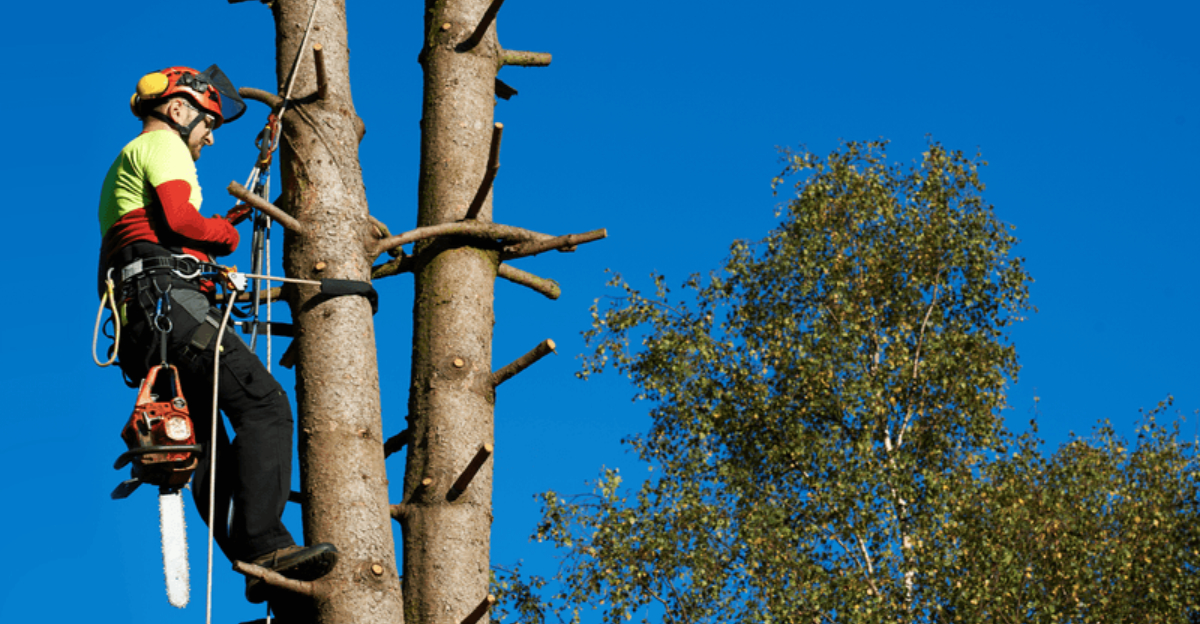
A few years ago, I realized one of the trees in my Oregon yard wasn’t doing so well.
It was leaning a little more each season, and I started wondering if it might be time to remove it.
That’s when I discovered just how tricky tree removal can be here, and how important it is to know the rules before you grab a chainsaw.
Oregon has specific regulations to protect trees, property, and public safety, and these rules can vary depending on whether your tree is in the city, a historic district, or near a protected area like a creek or wetland.
Even healthy trees may need permits in some locations, and failing to follow the rules can result in fines or legal headaches.
Before I tackled my own tree, I learned it’s crucial to check with your local city or county building department, understand which trees are protected, and know when professional removal or consultation is required.
It’s not just about following the law, it’s about making sure the job is done safely for you, your property, and your neighbors.
1. When A Tree Removal Permit Is Required In Oregon Cities
Most Oregon cities require permits before you remove certain trees from your property.
Portland, Eugene, Bend, and other municipalities have ordinances that protect trees based on size, species, or location.
The rules vary widely from one city to another.
In Portland, you typically need a permit to remove any tree over 20 inches in diameter.
Eugene has different thresholds depending on whether your property sits in a special zone.
Smaller towns might have looser regulations or none at all.
Check with your local planning department before starting any tree work.
The application process usually involves submitting plans, paying a fee, and waiting for approval.
Some cities offer expedited permits for emergency situations.
Removing a tree without the proper permit can result in fines ranging from hundreds to thousands of dollars.
You might also be required to plant replacement trees at your own expense.
Always confirm your city’s specific requirements before cutting.
This simple step protects you legally and helps preserve the community’s tree canopy.
2. Understanding Diameter Thresholds For Tree Removal Permits
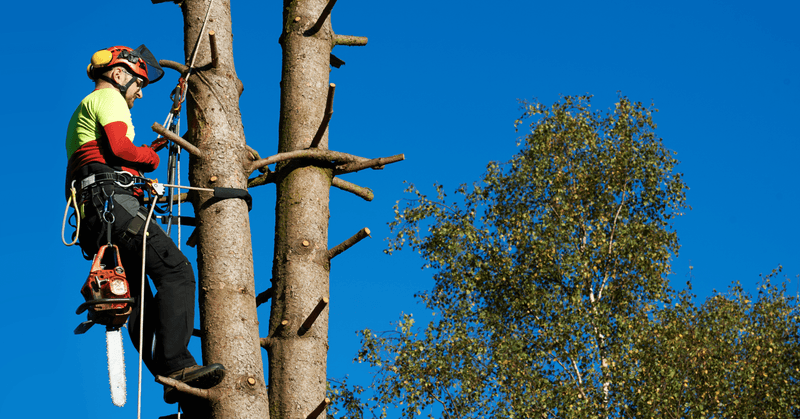
Diameter matters more than you might think when it comes to tree removal in Oregon.
Cities measure tree trunks at a standard height called DBH, which stands for diameter at breast height.
This measurement is taken at 4.5 feet above the ground.
Portland requires permits for trees measuring 20 inches DBH or larger.
Eugene sets the threshold at 24 inches for single-family residential properties.
Beaverton and other suburbs have their own specific measurements.
If your tree has multiple trunks, cities often combine the measurements using a special formula.
You cannot simply cut one trunk and claim it falls below the threshold.
Measuring correctly is crucial because being off by an inch or two could mean the difference between needing a permit or not.
Use a diameter tape or wrap a regular measuring tape around the trunk at the correct height.
Divide the circumference by 3.14 to get the diameter.
When in doubt, contact your city arborist for guidance.
They can help you measure accurately and determine whether your tree requires a permit.
3. Street Trees vs. Private Trees: Different Rules Apply
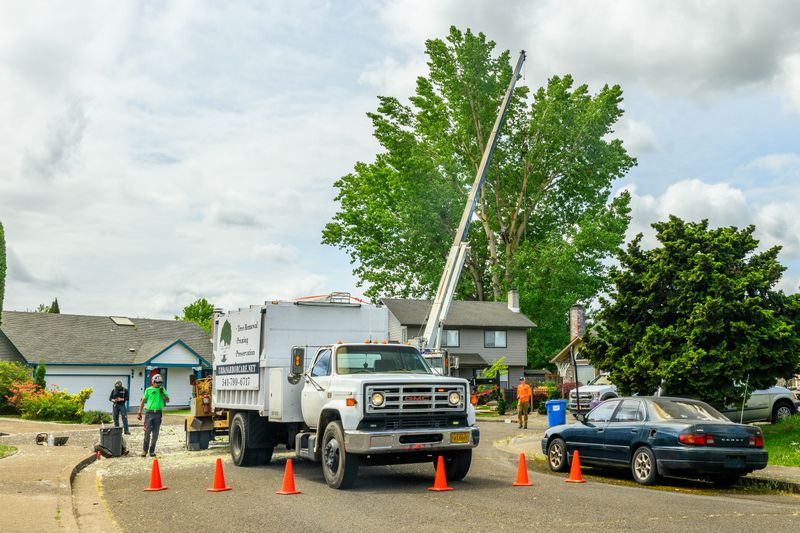
Not all trees on your property belong entirely to you when it comes to removal decisions.
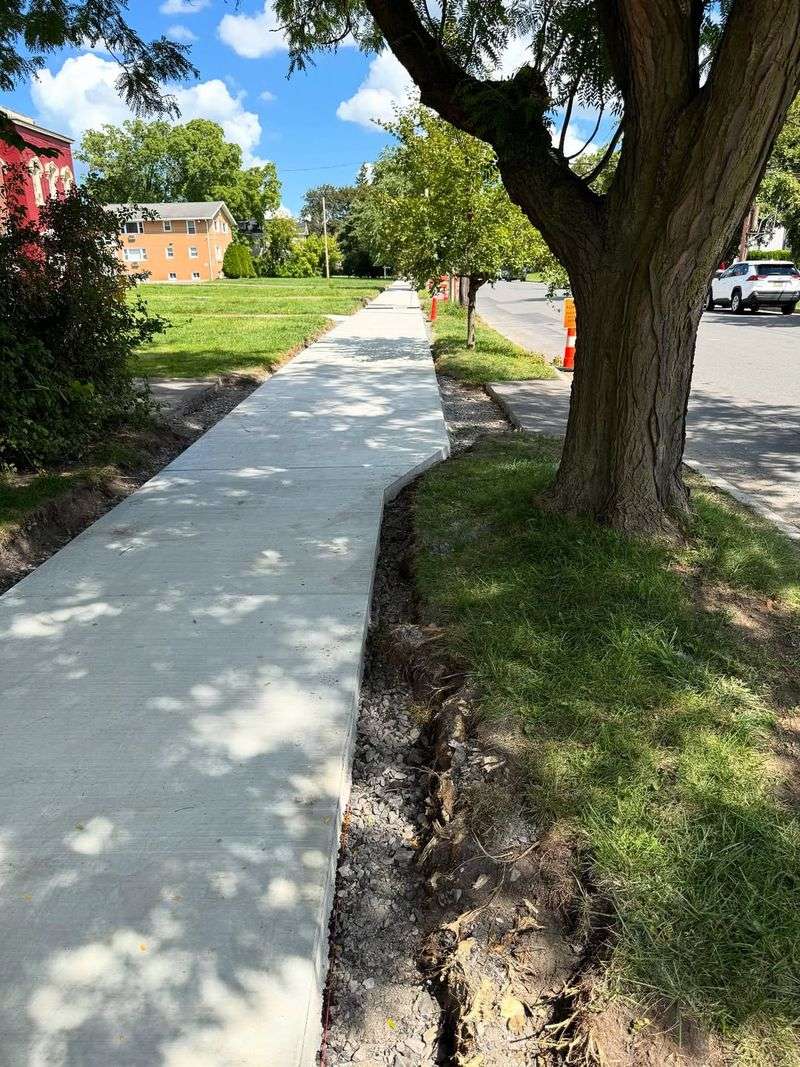
Street trees grow in the public right-of-way between the sidewalk and the street.
Even though they sit in front of your house, the city owns them and controls their fate.
You cannot remove a street tree without explicit city permission.
Many Oregon cities require special permits and will only approve removal if the tree poses a genuine hazard.
The city might remove the tree itself or hire a contractor to do the work.
Private trees growing entirely on your property face different regulations.
You have more control, but still need to follow local ordinances about size and species.
Trees growing on the property line between you and a neighbor create another complication.
Both property owners typically share responsibility and must agree before removal.
Cutting down a shared tree without neighbor consent can lead to legal disputes.
Always identify tree ownership before making removal plans.
Your city planning office can help clarify which trees fall under which category.
4. Protected Trees And Special Categories
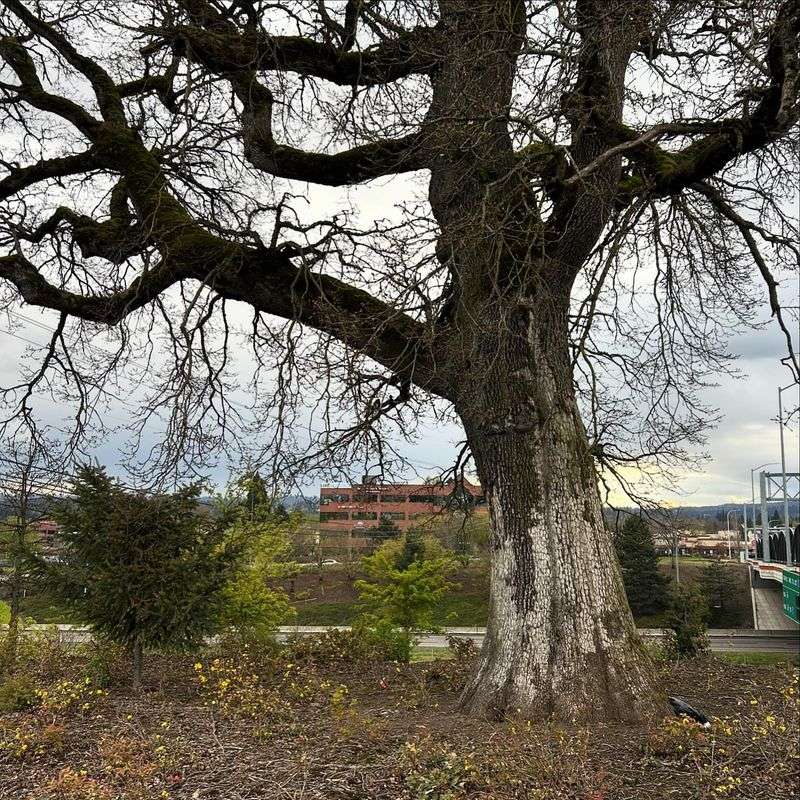
Oregon cities designate certain trees as protected, meaning removal faces extra scrutiny or outright prohibition.
Heritage trees earn protection because of their age, size, historical significance, or rare species status.
Portland maintains a Heritage Tree list with specific trees you cannot remove without exceptional circumstances.
Native species like Oregon white oak and Pacific madrone often receive special protection.
These trees provide crucial habitat for wildlife and represent the region’s natural heritage.
Cities may prohibit their removal even on private property unless the tree creates a documented safety hazard.
Landmark trees located in historic districts face additional restrictions.
Removing these trees might require approval from historic preservation boards in addition to standard permits.
Some cities protect entire groves or groups of trees rather than individual specimens.
Before planning any removal, research whether your tree falls into a protected category.
Your local urban forestry department maintains lists of protected species and individual trees.
Violating protected tree ordinances carries steep penalties including significant fines.
Respect these protections as they help maintain Oregon’s natural character for future generations.
5. Tree Removal In Environmentally Sensitive Areas
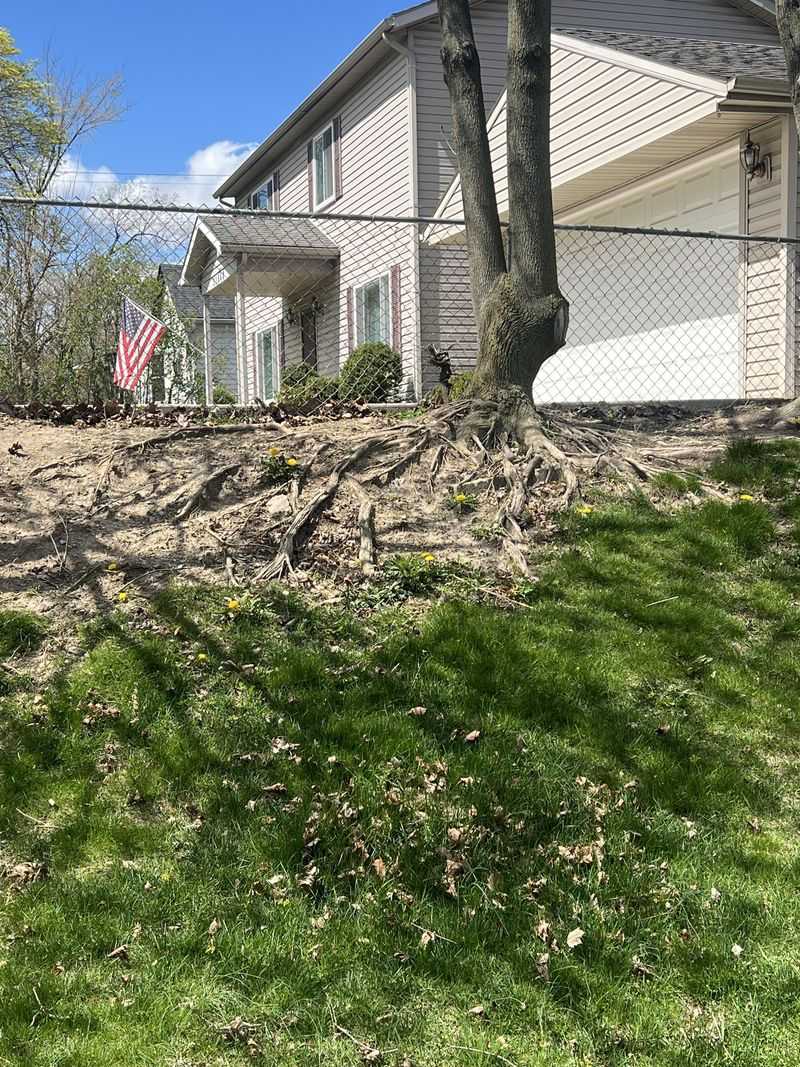
Location on your property dramatically affects tree removal rules in Oregon.
Environmentally sensitive areas include slopes, wetlands, stream corridors, and areas prone to erosion.
Trees in these zones provide critical functions like stabilizing soil and filtering water.
Portland’s environmental overlay zones impose strict limitations on tree removal.
You might need an environmental review in addition to a standard tree permit.
Properties near creeks, rivers, or wetlands face the most stringent regulations.
Riparian buffers protect water quality and aquatic habitat.
Removing trees within these buffers often requires mitigation plans showing how you will replace ecological functions.
Steep slopes depend on tree roots to prevent landslides.
Cities may deny removal permits for slope-stabilizing trees even if they meet size thresholds.
If your property includes any environmentally sensitive features, consult with your city’s environmental services department early.
They can identify constraints and help you understand options.
The permit process takes longer in sensitive areas and may require professional environmental assessments.
Budget extra time and money when trees grow in these protected zones.
6. Rules For Damaged, Diseased, Or Hazardous Trees
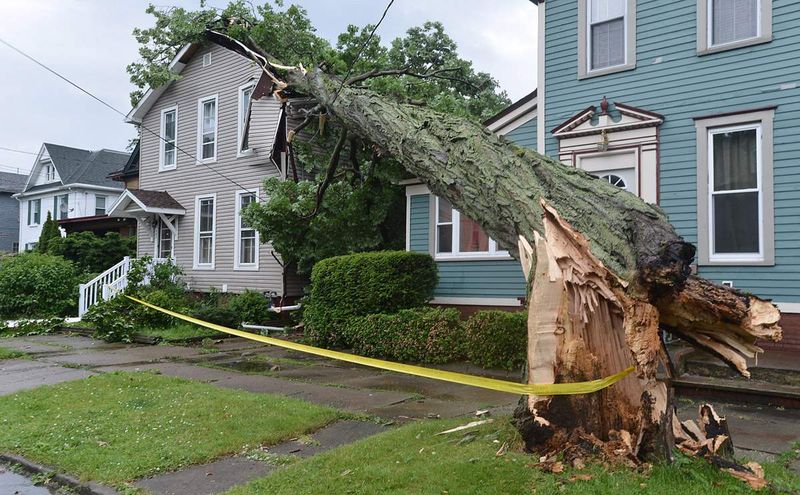
Safety concerns change the equation when it comes to tree removal permits in Oregon.
Most cities expedite or waive permit requirements for trees that pose immediate danger.
A hazardous tree leans dangerously toward your house, has major structural defects, or threatens to fall.
You typically need documentation from a certified arborist confirming the hazard.
Cities want professional verification rather than just your opinion about danger.
The arborist report should detail specific defects like cracks, decay, or unstable root systems.
Diseased trees might qualify for expedited removal if the illness threatens other trees.
Sudden oak syndrome and other contagious conditions sometimes warrant quick action.
Even with hazardous trees, you still need to follow proper procedures.
Call your city’s urban forestry office to report the situation.
They may send an inspector to verify the hazard before approving emergency removal.
Do not assume you can remove any unhealthy-looking tree without permission.
The definition of hazardous is specific and requires professional assessment.
Keep all documentation in case questions arise later about your removal decision.
7. What Counts As Tree Removal Under City Codes
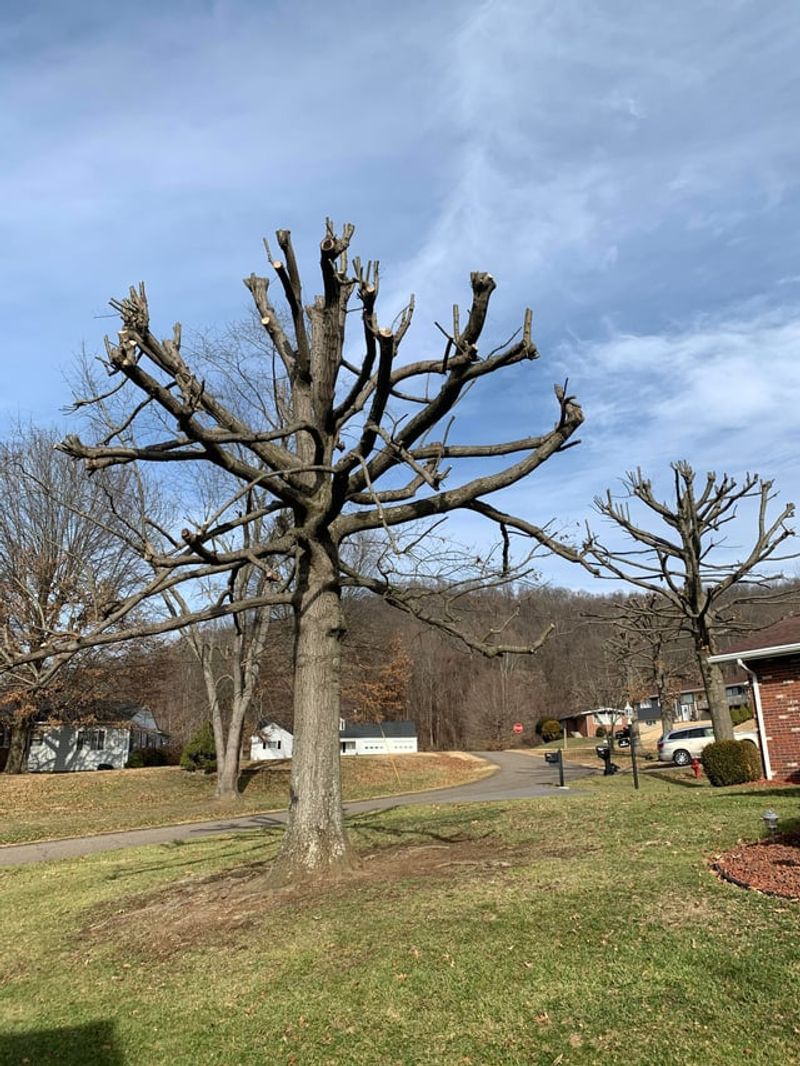
Tree removal encompasses more activities than simply cutting down the entire trunk.
Oregon city codes define removal broadly to prevent homeowners from skirting regulations.
Topping a tree by cutting off its main stem often counts as removal.
This practice severely damages tree health and structure.
Cities prohibit topping and may require permits even for severe pruning that removes large portions of the canopy.
Root cutting that damages more than a certain percentage of the root zone can also trigger permit requirements.
You cannot avoid regulations by slowly harming a tree until it declines enough to justify removal.
Girdling the bark or poisoning trees violates ordinances and can result in criminal charges.
Some cities regulate transplanting large trees off your property.
Even if the tree survives, moving it might require a permit.
Construction activities that damage protected trees also fall under removal regulations.
You need to protect tree roots and canopies during building projects.
Always check whether your planned tree work qualifies as removal under local definitions.
The code language is broader than most homeowners expect and covers many activities beyond simple cutting.
8. Replacement And Replanting Requirements After Tree Removal
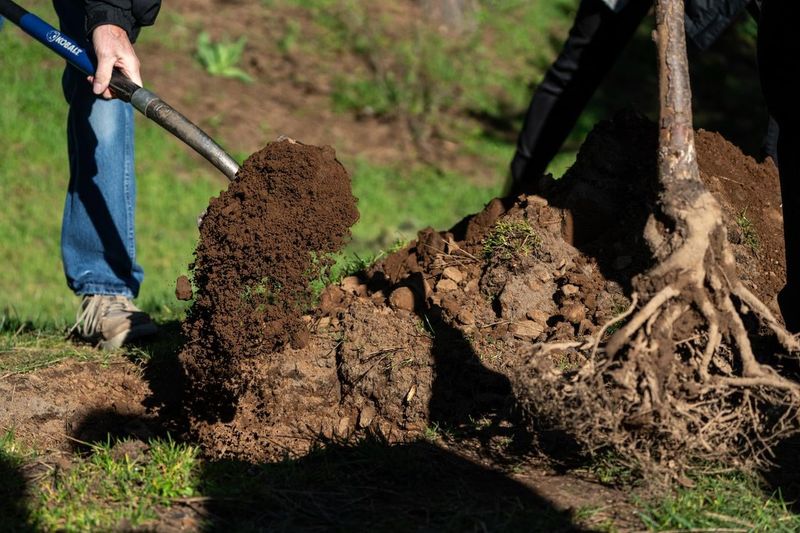
Removing a permitted tree does not end your obligations under Oregon city codes.
Most municipalities require you to plant replacement trees to maintain urban canopy levels.
Portland requires inch-for-inch replacement based on the diameter of the removed tree.
A 30-inch tree might require you to plant three 10-inch trees or six smaller specimens.
Cities provide lists of approved species for replacement plantings.
You must choose appropriate trees for your site conditions and avoid invasive species.
Native trees often receive preference or earn extra credit toward replacement requirements.
Replacement trees must be planted within a specified timeframe, usually one planting season after removal.
You need to maintain and care for replacement trees to ensure survival.
Some cities inspect replacement plantings and require you to replace any that perish within the first few years.
If your property lacks space for required replacements, cities may accept fees paid into tree planting funds.
These funds support public tree planting projects throughout the community.
Keep all receipts and documentation showing you completed replacement requirements.
Failure to replant as required can result in additional fines and enforcement actions.