Oregon’s New Favorite Way To Build A DIY Shade Garden
A new DIY shade garden approach is turning into a fast favorite because Oregon gardeners want setups that feel cool, simple, and welcoming through the warm months.
The idea mixes easy materials with relaxed planting layers, giving Oregon a way to build shady spots that look effortless and still feel thoughtfully arranged.
The whole trend carries a calm energy that people love, and Oregon is leaning into this softer garden style more every season.
1. Assess Your Shade Type Before Planting Anything
Understanding shade levels makes all the difference when selecting plants that will actually thrive rather than struggle in your Oregon garden space each day.
Full shade means less than two hours of direct sunlight daily while partial shade receives two to four hours of gentle morning light instead.
Dappled shade occurs under trees with open canopies where light filters through leaves creating patterns that shift throughout the day as sun moves overhead.
Oregon gardeners often find their yards contain multiple shade types requiring different plant choices for each unique area within the property boundaries and beyond.
Observing your space throughout one full day helps identify which category applies to each section before purchasing any plants from local nurseries nearby.
Morning sun with afternoon shade proves ideal for many shade lovers while dense evergreen cover creates challenges requiring specialized plant selections for success.
Taking notes about light patterns prevents costly mistakes and ensures your garden thrives beautifully from the very start of your project this season ahead.
2. Improve Soil Quality With Organic Amendments
Shaded areas often suffer from poor soil conditions because tree roots compete for nutrients and moisture leaving little for other plants growing nearby today.
Oregon’s naturally acidic soil benefits from adding compost which improves texture and provides essential nutrients for healthy plant growth throughout the growing season ahead.
Mixing aged compost into existing soil creates a loose structure that allows roots to spread easily while retaining moisture during drier summer months here.
Leaf mold works wonderfully as a free amendment since decomposed leaves mimic forest floor conditions where many shade plants naturally evolved over thousands of years.
Adding a two to three inch layer of organic material annually keeps soil healthy and reduces the need for chemical fertilizers in Oregon gardens.
Well-amended soil supports beneficial microorganisms and earthworms that improve drainage and nutrient availability for plants growing in challenging shaded conditions throughout the year.
Testing soil pH helps determine if additional amendments like lime or sulfur are needed to create optimal growing conditions for your chosen plant varieties.
3. Choose Native Plants That Love Shade Naturally
Native Oregon plants evolved to thrive in local shade conditions making them perfect low maintenance choices for gardens that practically care for themselves each year.
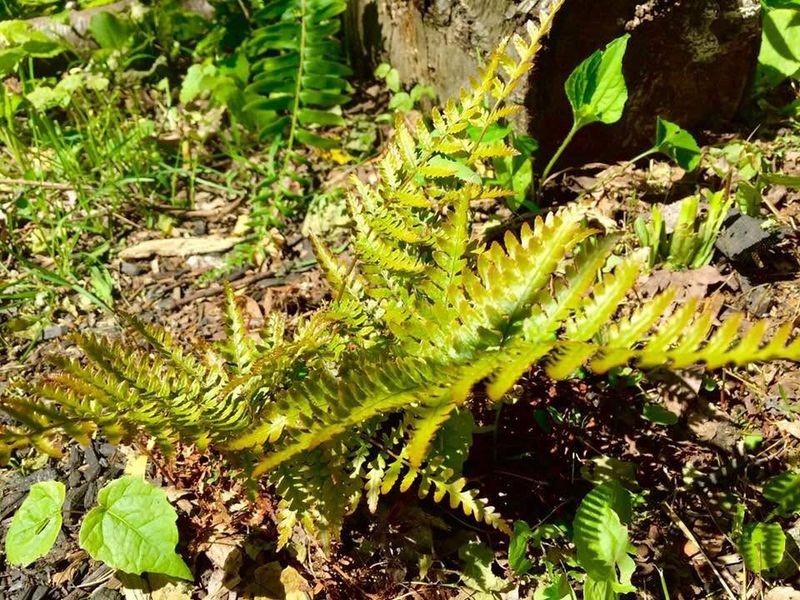
Sword ferns create dramatic texture with their long fronds while western bleeding heart offers delicate pink flowers that bloom beautifully during spring months here.
Wild ginger spreads as an attractive groundcover with heart shaped leaves that smell spicy when crushed between your fingers on warm summer afternoons today.
Inside passage flower and trillium provide stunning blooms that attract native pollinators while requiring minimal care once established in Oregon garden beds and borders.
Native plants support local wildlife including beneficial insects and birds that help maintain healthy garden ecosystems without requiring pesticides or chemical interventions throughout seasons.
These plants naturally resist local pests and diseases since they developed alongside them over countless generations in Pacific Northwest forests and woodlands nearby.
Visiting local native plant sales helps you find species perfectly suited to your specific conditions while supporting conservation efforts throughout Oregon communities statewide.
4. Layer Plants For Visual Interest And Depth
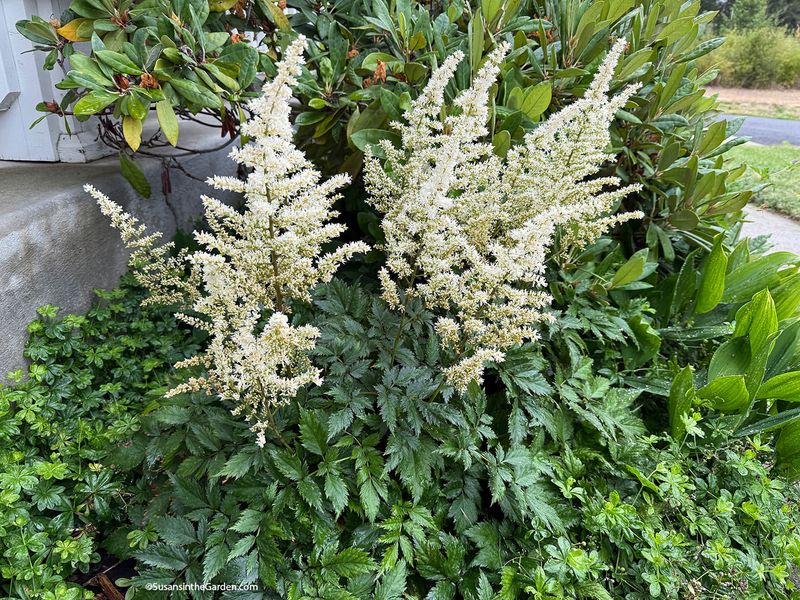
Creating layers mimics natural forest ecosystems and adds dimension that makes small spaces appear larger and more interesting to visitors exploring your Oregon garden.
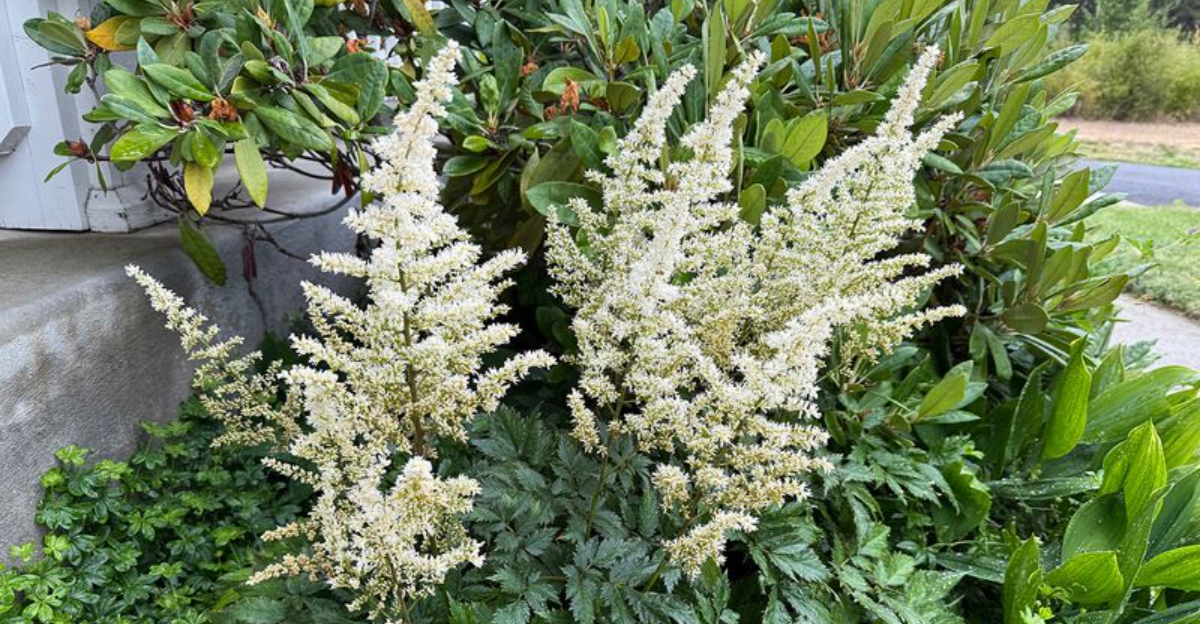
Tall plants like astilbe and foxglove form the back layer providing height while medium plants fill the middle creating fullness throughout the growing season.
Low groundcovers such as sweet woodruff or creeping Jenny spread along the front edge softening borders and preventing weeds from taking over bare soil.
Varying plant heights creates visual movement that guides eyes through the space while providing habitats for different creatures at various levels within Oregon gardens.
Mixing textures between fine foliage and bold leaves adds contrast that remains interesting even when flowers finish blooming during late summer and fall months.
Evergreen plants like heuchera provide year round structure ensuring your garden looks attractive even during winter when deciduous plants lose their leaves completely.
Thoughtful layering transforms flat boring spaces into dynamic gardens that reveal new details each time you walk through them throughout the year in Oregon.
5. Add Mulch To Retain Moisture And Suppress Weeds
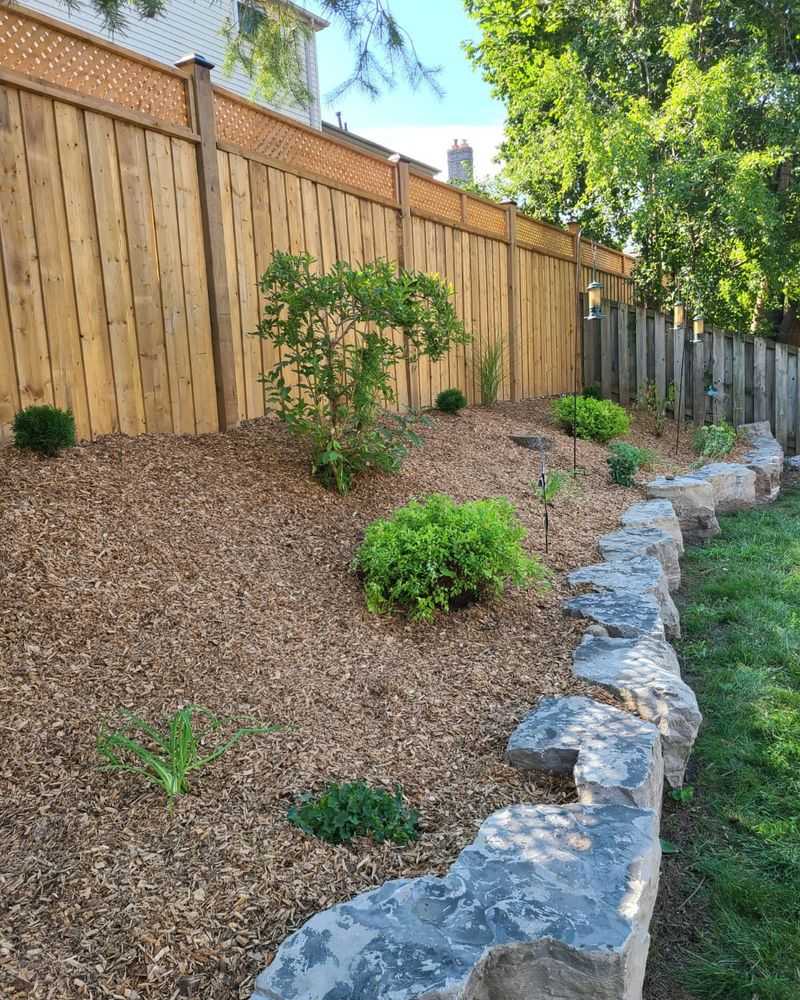
Mulching shade gardens provides multiple benefits including moisture retention and weed suppression while giving beds a polished finished appearance throughout the Oregon growing season.
Organic mulches like shredded bark or wood chips break down slowly adding nutrients to soil while maintaining consistent moisture levels around plant roots below.
A two to three inch layer proves ideal since thicker applications can prevent water from reaching roots while thinner layers fail to suppress weeds effectively.
Keeping mulch pulled back slightly from plant stems prevents rot and discourages pests from making homes right against your plants in Oregon gardens statewide.
Refreshing mulch annually maintains its effectiveness and keeps your garden looking neat while continuing to improve soil quality as lower layers decompose over time.
Avoid using dyed mulches which may contain chemicals and instead choose natural options that blend beautifully with woodland style plantings throughout Oregon landscapes today.
Proper mulching reduces watering needs by up to fifty percent while creating ideal conditions for beneficial soil organisms that support healthy plant growth naturally.
6. Incorporate Colorful Foliage For Season Long Beauty
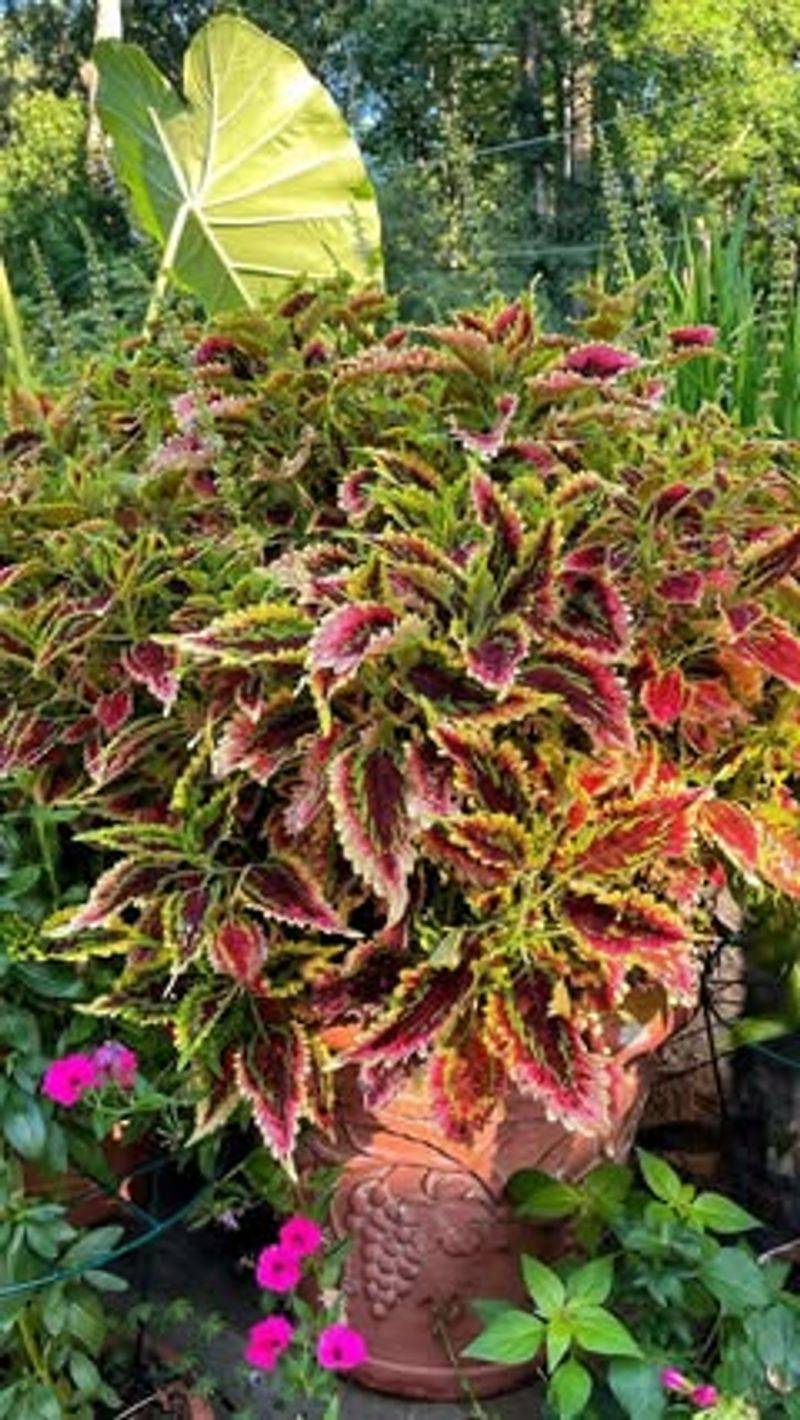
Relying solely on flowers limits your garden’s appeal since most blooms last only a few weeks while foliage provides color throughout the entire Oregon growing season.
Heuchera varieties offer leaves in burgundy purple chartreuse and bronze creating dramatic displays that brighten dark corners from spring through fall months each year.
Hostas range from blue green to gold and variegated patterns providing endless combinations that remain attractive even after their lavender flowers fade away completely.
Japanese forest grass adds movement with cascading golden foliage that practically glows in low light conditions found under trees throughout Oregon gardens and landscapes.
Brunnera features silver spotted leaves that look stunning paired with spring blue flowers creating combinations that catch attention from across the yard all season.
Coleus plants traditionally grown as annuals provide bold tropical looking foliage in shades of red pink orange and lime green throughout Oregon summer months.
Mixing foliage colors creates tapestries that remain interesting from early spring until hard frosts arrive bringing the growing season to a close each year.
7. Install Simple Pathways For Easy Garden Access
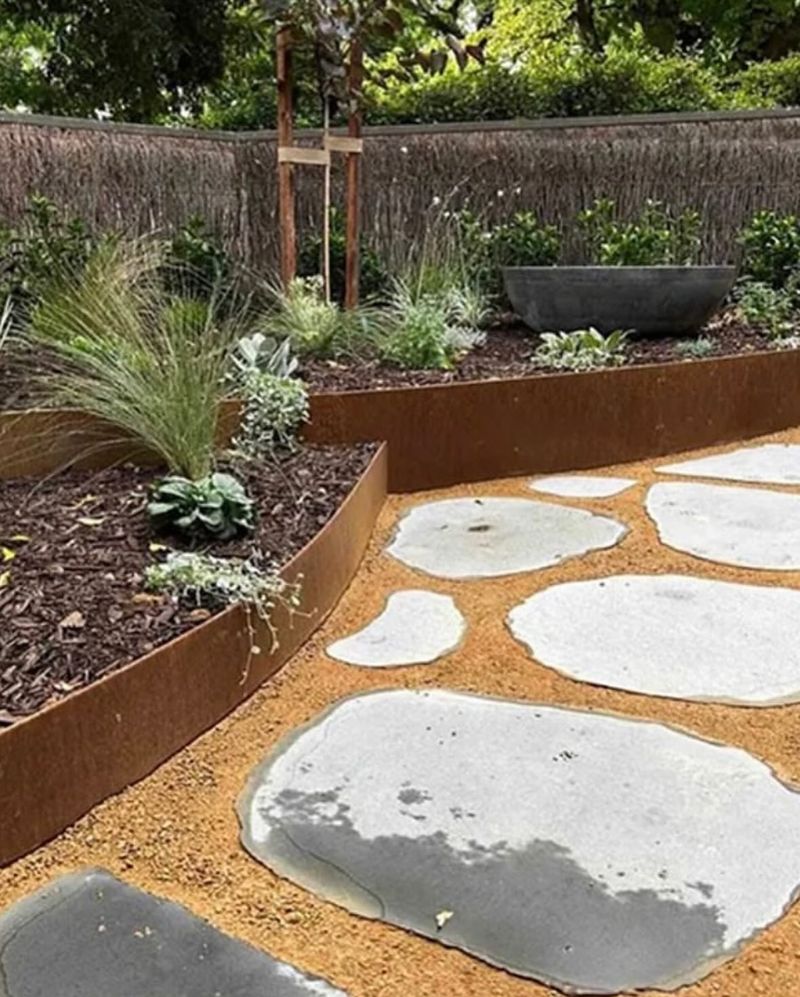
Pathways provide practical access for maintenance while creating structure that makes gardens feel intentional rather than random throughout your Oregon property and beyond each day.
Stepping stones offer an informal option that works beautifully in woodland style gardens allowing plants to spill over edges softening hard lines between elements.
Gravel paths drain well and feel pleasant underfoot while requiring minimal maintenance compared to grass or other materials that need regular care in Oregon.
Leaving space between pavers allows low growing plants like thyme or moss to fill gaps creating a living pathway that feels magical and enchanting.
Paths should be at least two feet wide to allow comfortable passage with garden tools and wheelbarrows when working in your Oregon garden beds.
Curving pathways create mystery by hiding what lies around the next bend encouraging exploration and making small spaces feel larger than they actually are.
Installing pathways early in your garden development protects soil from compaction and prevents you from accidentally stepping on emerging plants during spring maintenance activities.
8. Provide Consistent Moisture Without Overwatering Plants
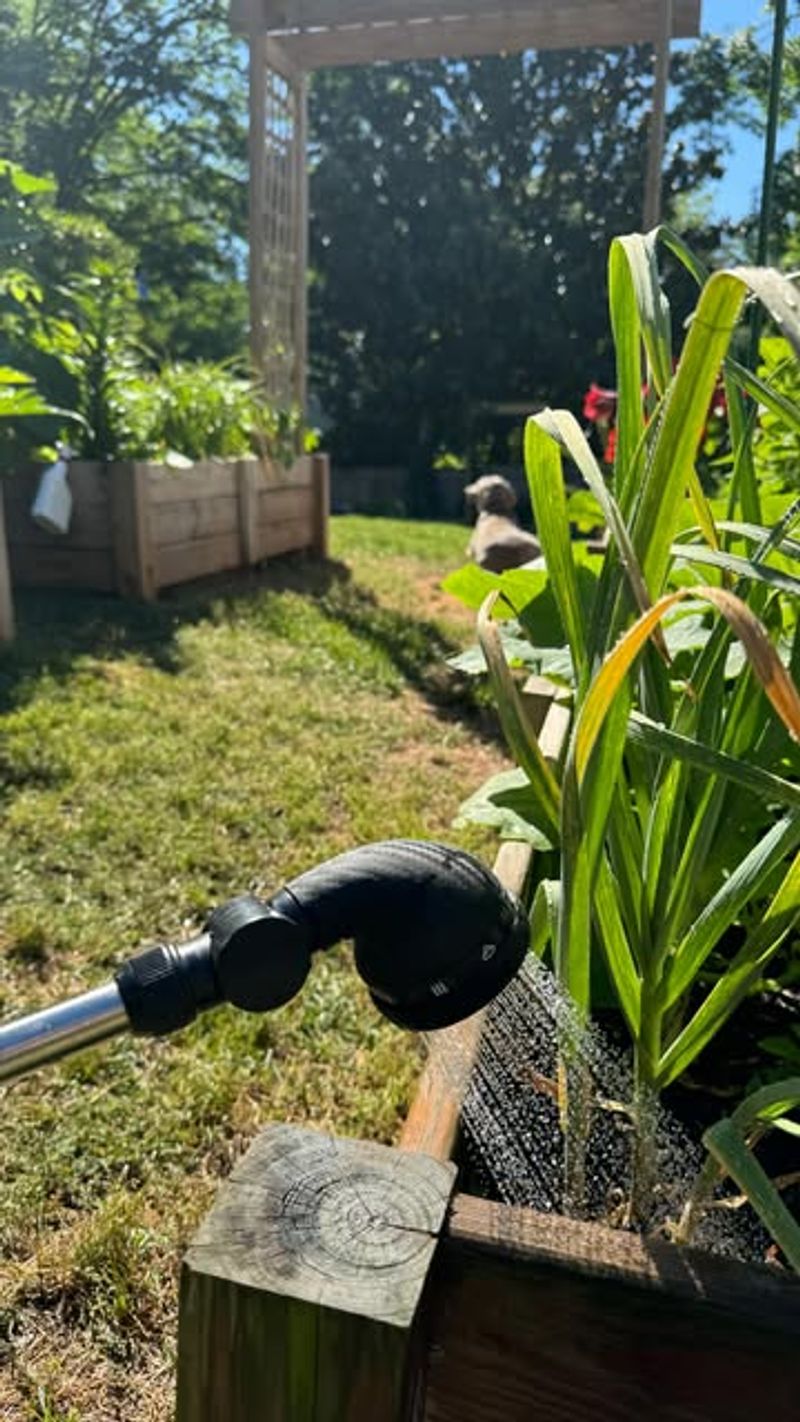
Shade gardens need regular moisture but overwatering causes root rot and fungal problems that harm plants more than occasional dryness ever could in Oregon.
Installing soaker hoses delivers water directly to roots while keeping foliage dry reducing disease problems common in humid shaded areas throughout the growing season.
Watering deeply once or twice weekly encourages deep root growth making plants more drought tolerant than frequent shallow watering ever could accomplish here.
Checking soil moisture by inserting your finger two inches deep helps determine when watering is actually needed rather than following arbitrary schedules throughout Oregon summers.
Morning watering allows foliage to dry before evening reducing fungal issues while ensuring plants have moisture available during the warmest parts of each day.
Established shade gardens often require less supplemental water than sunny beds since evaporation rates remain lower under tree canopies throughout Oregon growing seasons annually.
Adjusting watering based on rainfall and temperature prevents both drought stress and waterlogged conditions that compromise plant health in shaded garden areas statewide.
9. Add Garden Art And Lighting For Extra Interest
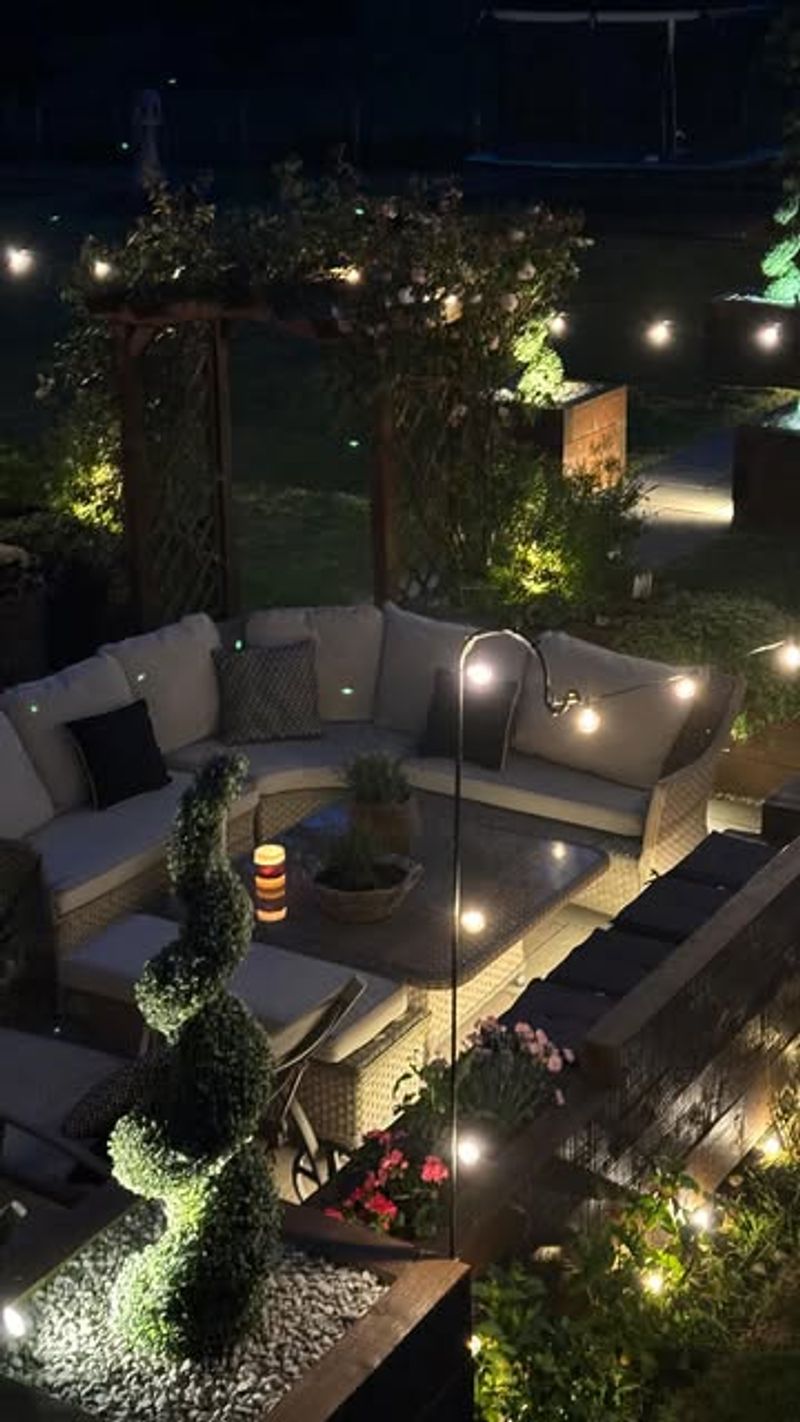
Shade gardens benefit from focal points that draw attention and create interest during seasons when plants look less vibrant throughout Oregon landscapes and properties.
Birdbaths attract feathered visitors while providing visual anchors that give eyes a place to rest when scanning your garden from patios or windows nearby.
Solar lights along pathways extend enjoyment into evening hours while creating magical ambiance that makes your Oregon garden feel enchanting after sunset each night.
Weathered wood benches or stone seats invite visitors to pause and appreciate the peaceful atmosphere found in shaded retreats throughout the growing season.
Decorative containers filled with shade loving plants add height and mobility allowing you to rearrange displays as needed throughout the year in Oregon gardens.
Mirrors placed strategically reflect light deeper into shaded areas while creating illusions of additional space that make small gardens feel more expansive and open.
Garden art should complement rather than overwhelm plantings ensuring decorative elements enhance rather than distract from the natural beauty present in Oregon shade gardens.
10. Maintain Your Garden With Regular Simple Tasks
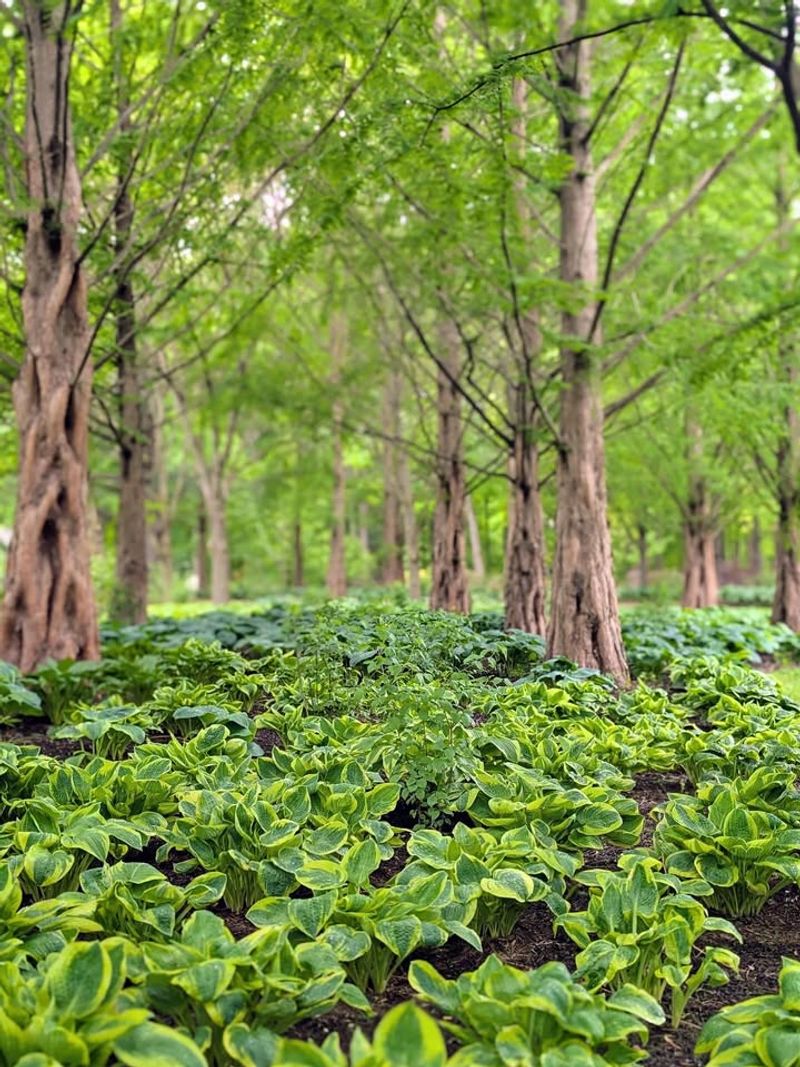
Regular maintenance keeps shade gardens looking their best while preventing small problems from becoming overwhelming challenges that require major interventions throughout Oregon growing seasons.
Removing spent flowers and damaged leaves weekly maintains appearances while preventing disease and pests from gaining footholds in your garden beds and borders.
Dividing overcrowded perennials every three to four years rejuvenates plants while providing extras to expand your garden or share with friends throughout Oregon communities.
Watching for slug damage and addressing it promptly protects tender plants since these pests thrive in the moist conditions common in shaded areas here.
Pruning lower tree branches gradually increases light levels without shocking plants while improving air circulation that reduces fungal problems in Oregon shade gardens statewide.
Keeping garden journals helps track what works and what doesn’t allowing you to make informed decisions when planning changes for future seasons ahead.
Spending just fifteen minutes weekly on maintenance prevents gardens from becoming overgrown while allowing you to notice and enjoy subtle changes happening throughout Oregon growing seasons.