9 Organic Tricks To Treat And Prevent Slugs In Oregon Gardens
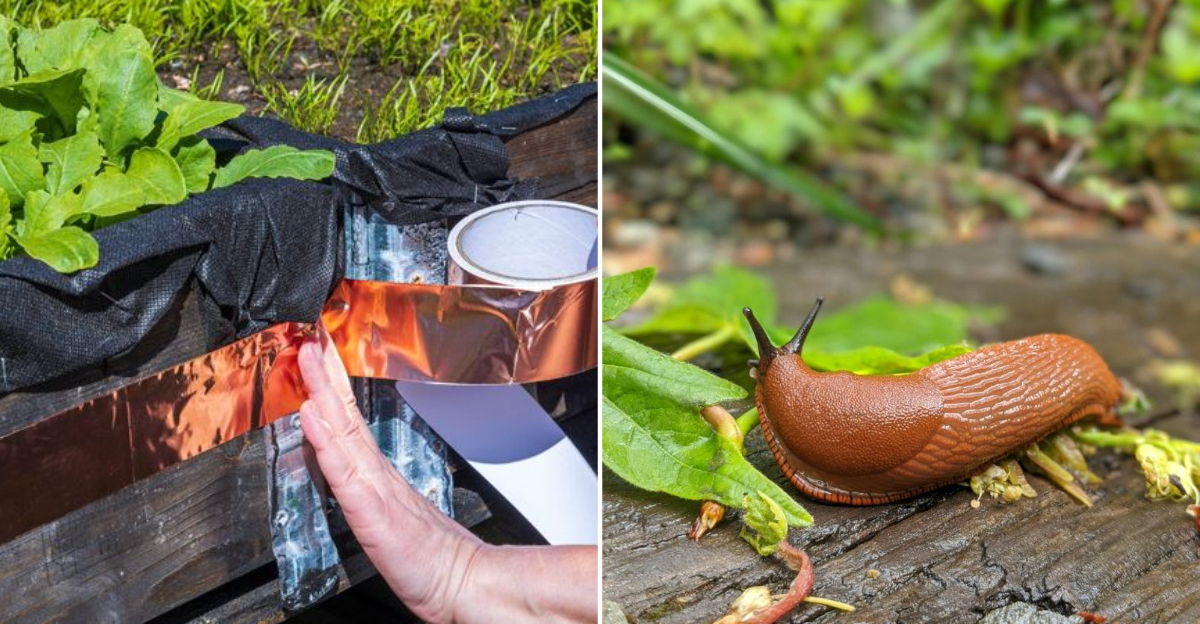
Oregon gardens have a special talent for growing gorgeous plants and plenty of slugs. Cool nights, damp soil, and shady beds give these pests the kind of comfort they love, so the damage can show up fast.
You’ll spot ragged holes in hostas, lettuce, and tender seedlings, plus shiny slime trails across mulch and stepping stones that were clean the day before.
The good news is you can push back without reaching for harsh chemicals. Organic slug control works best when it’s consistent and a little strategic.
Cut down the hiding spots, change the timing of your watering, and protect the plants slugs target first. Small tweaks can add up, especially during rainy stretches when slug activity spikes.
These organic tricks focus on prevention and practical treatment you can start right away. They’re garden-safe, pet-aware, and built for Oregon conditions, so you can keep your beds thriving instead of feeding the night shift.
1. Coffee Grounds Barrier
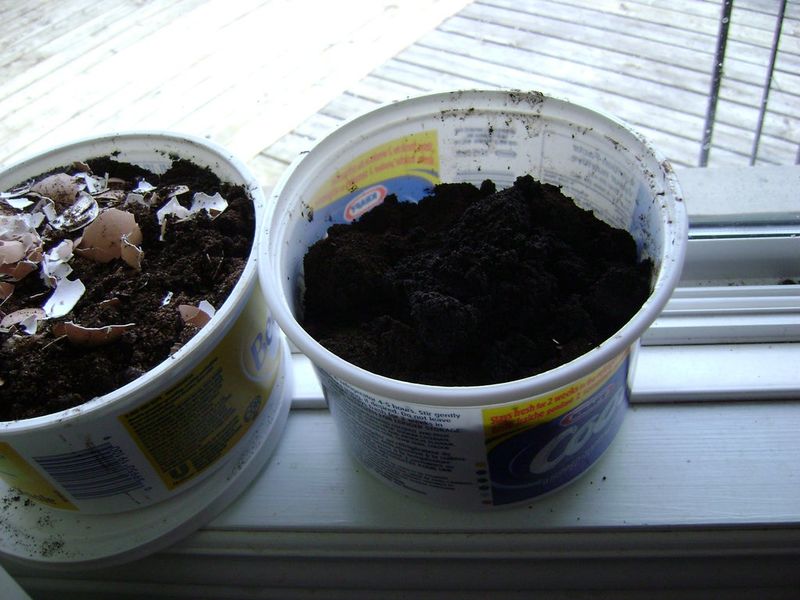
Spent coffee grounds can help in two different ways: they feel rough and drying under a slug’s body, and they add a mildly acidic layer that slugs seem to avoid when they’re on the move.
The leftover caffeine can also irritate or stress soft-bodied pests, which is part of why this trick sometimes works better than plain mulch.
For Oregon gardens, the timing matters. Sprinkle grounds right after an evening watering, then refresh them the next day once the surface has dried a bit.
A thin dusting disappears fast, so go thicker than you think – a continuous ring about 1 to 2 inches wide around each plant, plus a light scatter between plants in tight beds.
Keep the grounds slightly back from tender stems to avoid trapping too much moisture right at the crown, especially around lettuces, hostas, and young seedlings.
Reapply after rain or heavy morning dew, since Oregon moisture breaks the barrier down quickly and turns it into a soggy paste that slugs can slide across.
Coffee shops can be an easy source, and used grounds also boost compost, so any extra can go straight into your pile.
2. Beer Trap Technique
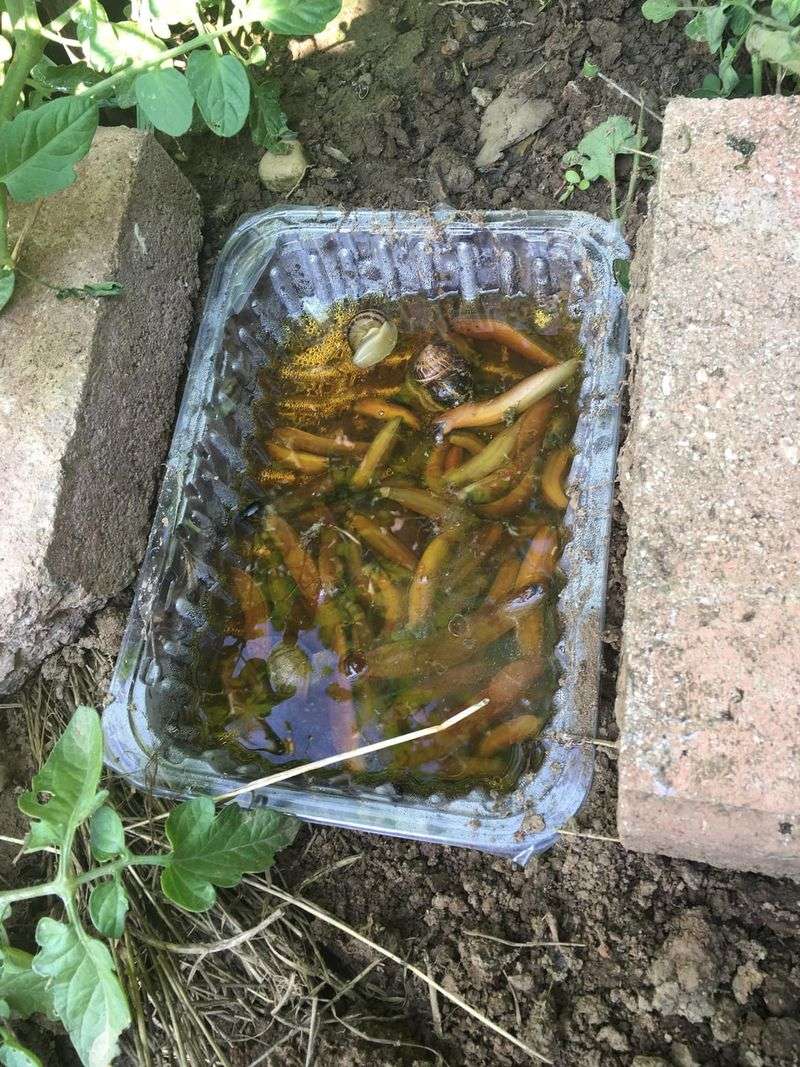
Nothing seems to draw slugs in like a tiny beer party in your garden. The yeasty scent is irresistible to these slimy visitors, and once they crawl in, there’s no turning back—they sink and drown in the frothy liquid.
This classic trick thrives in Oregon’s damp climate, where moisture-loving pests are always on the move. To set it up, grab a shallow container and bury it so the rim sits flush with the soil.
Pour beer in until it’s about halfway full, creating a tempting little pool for your unwanted guests. Check back every few days, emptying the container and topping it up with fresh beer to keep the lure strong.
During the busy spring planting season, I scatter several of these mini “pubs” near my most tender seedlings. Watching dozens of slugs make their way to the traps each week is oddly satisfying, and it keeps young plants safe without the use of harsh chemicals.
Plus, it’s a simple, hands-on way to stay on top of Oregon’s slug population before they get too ambitious.
3. Copper Tape Barriers
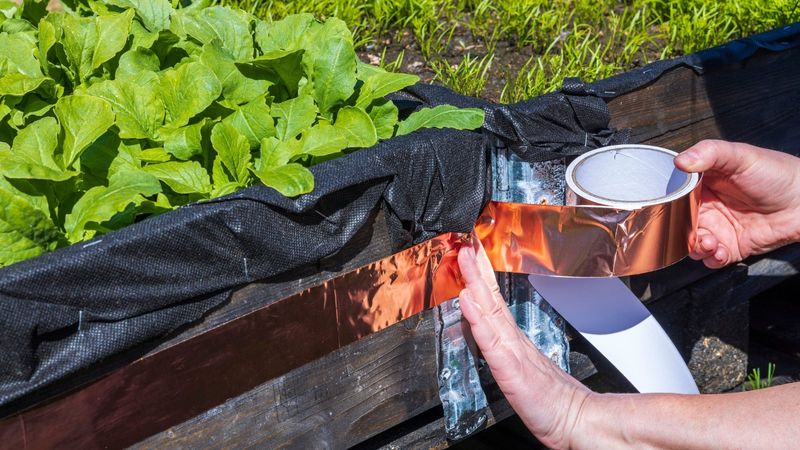
Slugs seem to have a strong dislike for copper, and gardeners around Oregon have discovered why: the metal generates a tiny electrical reaction when a slug’s slime makes contact.
It’s not harmful, but it’s enough to convince these pests to stay away from your prized plants.
This method works particularly well in raised beds and container gardens, where edges and rims are easy to protect.
For best results, wrap copper tape completely around pots or along garden bed borders, making sure there are no gaps where slugs can sneak through. Keep the tape clean and dry, debris or moisture can reduce its effectiveness.
Beyond the practical benefit, it’s a low-maintenance solution that avoids chemicals, so you can focus on enjoying your garden rather than chasing pests.
Over time, copper also weathers naturally, so it remains an elegant and subtle addition to the landscape while keeping slugs at bay.
4. Diatomaceous Earth Shield
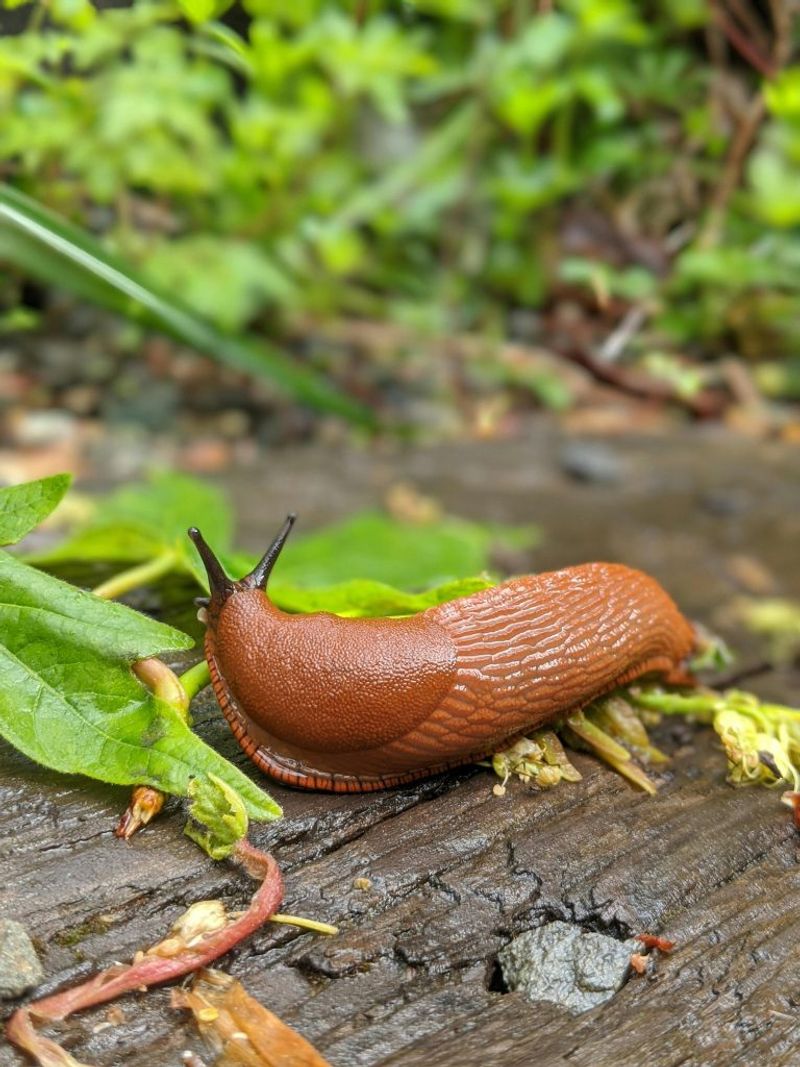
Diatomaceous earth offers a surprisingly effective, natural way to keep slugs at bay in Oregon gardens. This powder is made from the fossilized remains of tiny aquatic organisms, creating millions of microscopic, razor-sharp edges.
When slugs try to crawl across it, the fine particles damage their soft bodies and draw out moisture, leaving them dehydrated and unwilling to venture further.
The beauty of this method is that it works well during dry spells, which are common in parts of Oregon, and it’s safe to use around edible plants.
To set it up, sprinkle a generous ring around individual plants or even around entire beds, making a clear barrier that slugs don’t want to cross. Stick to food-grade DE for safety, and avoid directly dusting beneficial insects, as the powder can be abrasive to them too.
After a good watering or any rainfall, the layer can wash away or lose effectiveness, so reapplication is key.
With regular use, diatomaceous earth becomes a reliable, low-maintenance ally in protecting vulnerable seedlings, lettuces, and ornamentals from those persistent slimy invaders.
5. Duck Patrol Squad

For Oregon gardeners with larger yards, Indian Runner ducks are both entertaining and practical allies against slugs. Their upright, slender bodies let them weave easily between garden rows without trampling plants, making them gentler than chickens on delicate beds.
These ducks have a voracious appetite for slugs, snails, and other soft-bodied pests, often devouring dozens in a single day. A small flock can quickly make a noticeable dent in slug populations, reducing damage to vegetables, flowers, and ornamentals alike.
Beyond pest control, they contribute nutrient-rich manure that benefits soil fertility, adding another layer of value to their presence.
They are social, active, and surprisingly hardy in Oregon’s climate, thriving in damp conditions where slugs are most troublesome.
For gardeners willing to invest in a few feathered helpers, Indian Runner ducks offer an organic, low-maintenance way to protect crops while adding charm and life to the garden.
6. Nighttime Hunting Expedition
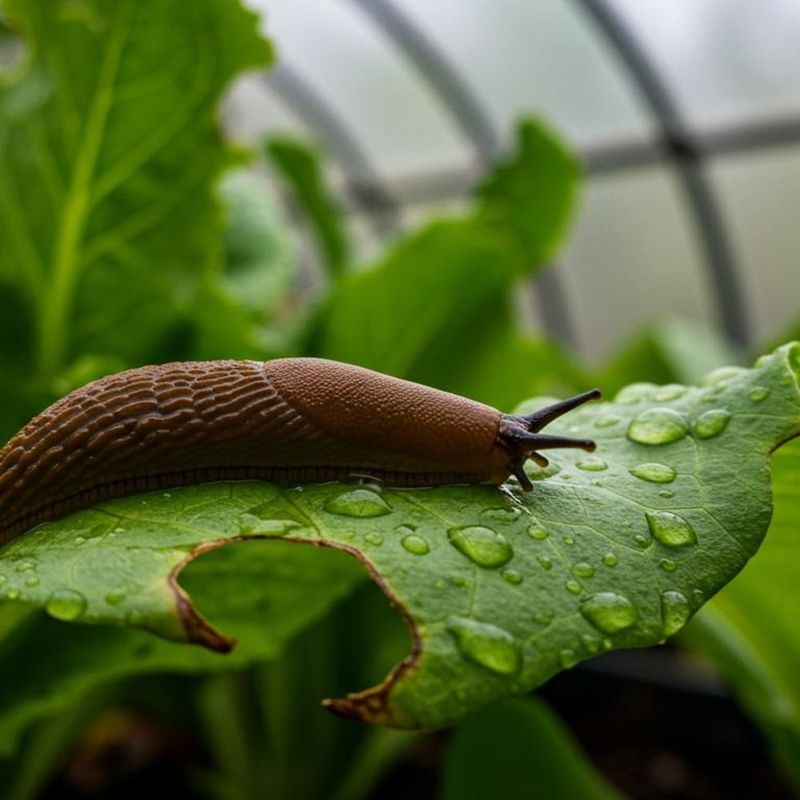
Slug hunting can turn into a surprisingly satisfying nightly ritual for Oregon gardeners. Slugs are most active after dark, particularly following rain or heavy dew, so armed with a flashlight, you can see exactly where they’re hiding.
While it might seem like an old-school approach, manual removal delivers immediate results and lets you target problem areas with precision. For disposal, a bucket of soapy water works well, or for larger slugs, a quick snip with scissors does the trick.
The key is consistency, spending just 15 minutes a few nights each week can dramatically lower slug numbers and protect tender seedlings, lettuces, and ornamentals.
Over the peak spring season, a routine patrol around my vegetable beds often nets more than 30 slugs in a single evening.
Beyond pest control, it’s oddly satisfying to see the results of your efforts in real time, knowing the plants you’ve nurtured are now safe to flourish.
Pair this method with other preventive measures, and you can keep Oregon’s slug population firmly in check without relying on chemicals.
7. Rough Mulch Perimeter
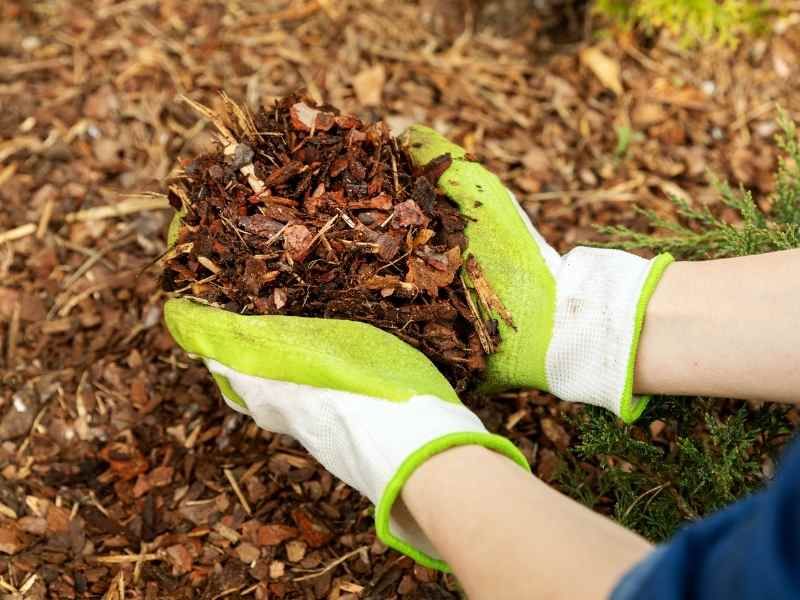
Using coarse materials in your garden can be a surprisingly simple yet effective way to discourage slugs in Oregon. Crushed eggshells, pine needles, rough wood chips, or even oyster shells create a scratchy, uneven surface that irritates slugs’ soft underbellies, making them think twice before crossing.
The key is to build a barrier that’s wide enough to be effective, aim for at least 3 inches around individual plants or along the edges of entire garden beds.
In Western Oregon, where our long rainy seasons provide ideal conditions for slugs, these physical barriers can make a noticeable difference in protecting tender vegetables, berries, and ornamentals.
Over time, the materials may settle or shift, so topping them up periodically keeps the barrier intact.
Personally, my crushed oyster shell border has kept my strawberry patch virtually slug-free for three consecutive wet springs, and it also adds a rustic, natural aesthetic to the garden.
Layered thoughtfully, coarse materials combine practicality with beauty, offering a chemical-free method to protect plants while blending seamlessly into the landscape.
8. Slug-Repelling Companion Plants
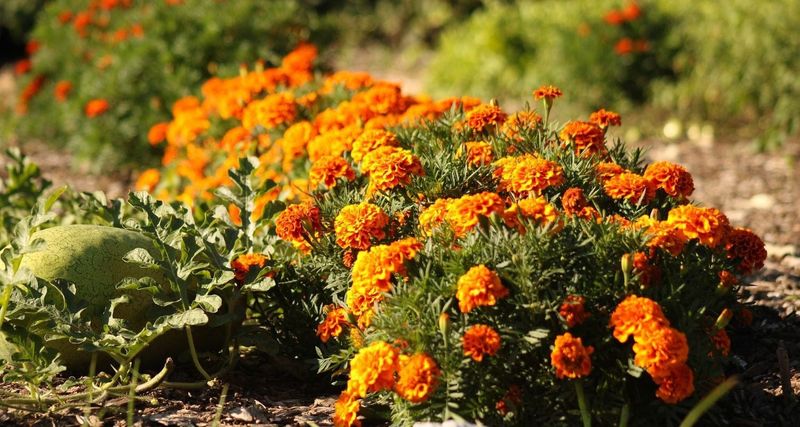
Aromatic herbs offer a fragrant and functional way to keep slugs away in Oregon gardens. Plants like rosemary, sage, lavender, and mint release strong scents and essential oils that slugs find unappealing, effectively creating natural deterrents without any chemicals.
Position these herbs strategically around garden beds or in containers near your most vulnerable plants, forming fragrant barriers that slugs are reluctant to cross.
The Pacific Northwest’s climate is particularly well-suited to these hardy herbs, allowing them to thrive while also providing fresh, flavorful additions for the kitchen.
Beyond pest control, they attract pollinators and beneficial insects, enhancing overall garden health.
In my own garden, I noticed a dramatic difference after bordering my lettuce bed with rosemary: the leaves stayed lush and largely untouched, a clear improvement over previous seasons plagued by slug damage.
Combining multiple aromatic herbs throughout your garden creates layered protection, while adding texture, color, and delightful scents that make tending your Oregon garden even more enjoyable.
9. Iron Phosphate Pellets
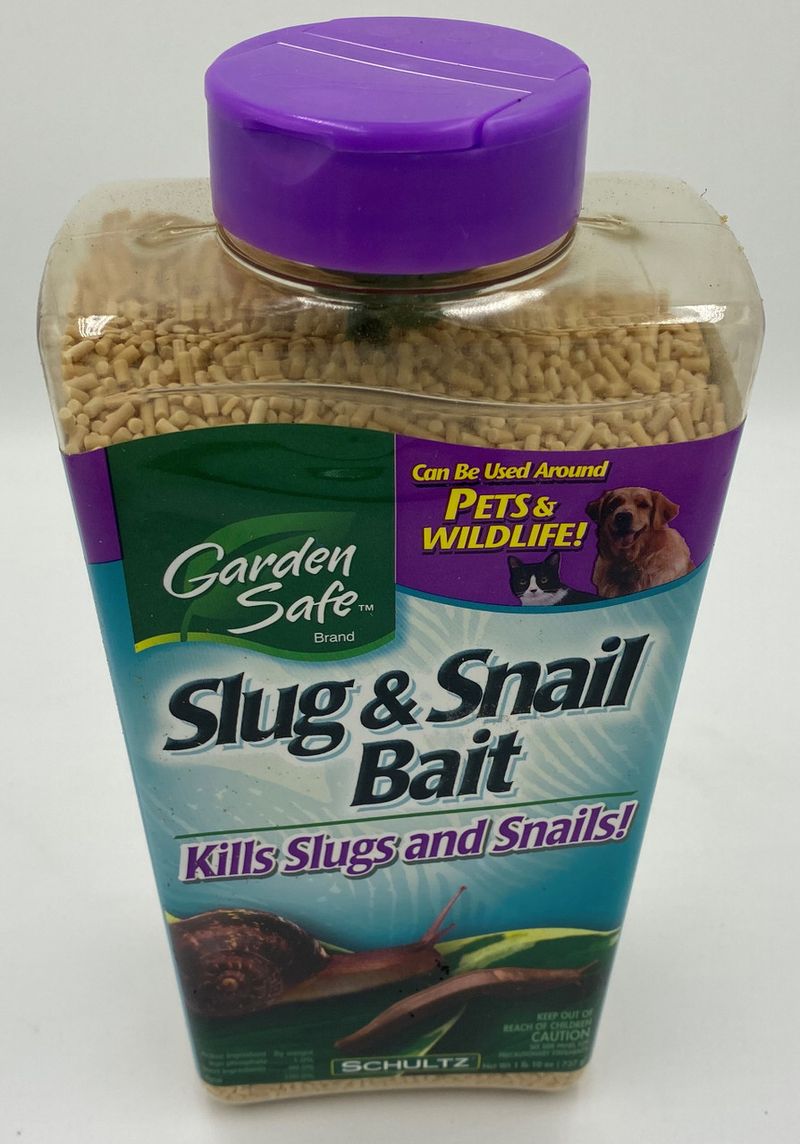
When slug problems get serious, organic iron phosphate products such as Sluggo offer a reliable and environmentally friendly solution for Oregon gardens.
These pellets are designed to attract slugs, but the active ingredient affects only the pests, leaving pets, wildlife, and our region’s sensitive waterways unharmed.
Once consumed, the material breaks down safely into nutrients that enrich the soil, making it a low-impact way to manage slug populations.
For best results, scatter the pellets sparingly around the edges of garden beds and near plants most at risk, such as young seedlings, lettuces, and tender ornamentals.
Timing matters: I apply these pellets early in the growing season, giving new plants a head start while reducing the overall slug population. Regular monitoring is key, especially after heavy rains, since moisture can disperse or dissolve the pellets.
Used thoughtfully, iron phosphate pellets provide targeted, safe control that complements other preventative methods like barriers, traps, and companion planting, helping Oregon gardeners protect their crops without resorting to harsh chemicals.