9 Ornamental Grasses You Should Trim Before New Growth Starts In Georgia
In many Georgia gardens, ornamental grasses still carry the look of winter long after other plants begin waking up.
The soft plumes that once added texture through the colder months turn dry, the blades fade to tan, and the clumps can start looking a little tired as spring approaches.
Before fresh green shoots rise from the base, a simple trim helps. Removing last season’s dry growth clears the way for new blades and keeps the plant neat and healthy.
This is one of those small early-spring garden tasks that takes only a few minutes but can completely change how ornamental grasses look once warmer Georgia days settle in.
1. Fountain Grass Should Be Trimmed Before New Blades Start
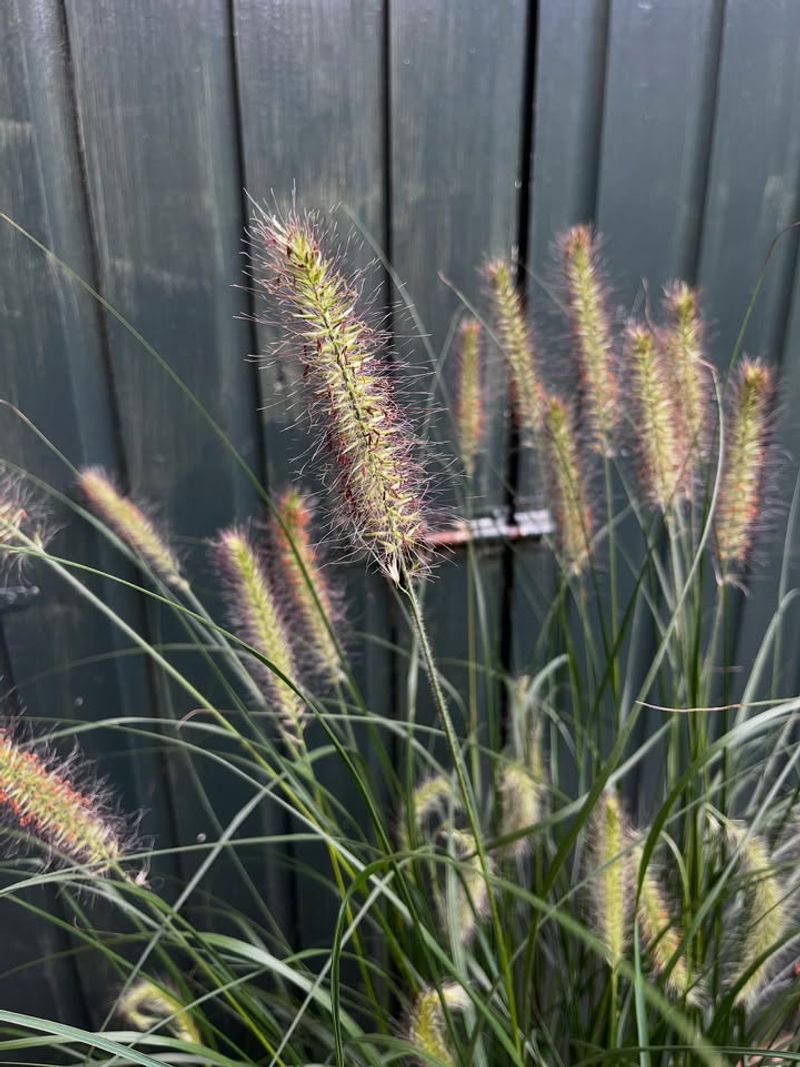
Fountain grass has a way of looking dramatic all through fall and into winter, but those arching brown plumes eventually become a tangled mess that smothers new growth if you leave them too long.
Most gardeners across Georgia should plan to cut fountain grass back between mid-February and early March.
Aim to cut the entire clump down to about four to six inches above soil level. Sharp bypass loppers or a sturdy pair of hedge shears work well here.
If your clump has gotten large over the years, a reciprocating saw with a pruning blade saves a lot of hand strain.
One thing worth knowing: fountain grass spreads by seed, and leaving old flower heads standing late into the season lets those seeds scatter before you get a chance to clean up.
Cutting early reduces unwanted seedlings popping up in your mulch beds or lawn edges.
After trimming, pull out any loose debris from the crown area. Fountain grass bounces back fast in Georgia’s warming spring soil, and a clean cut gives it the best possible start.
Within a few weeks, you will see fresh green blades pushing out from the center of the clump.
2. Muhly Grass Needs Old Stems Cut Back Before Fresh Spring Growth
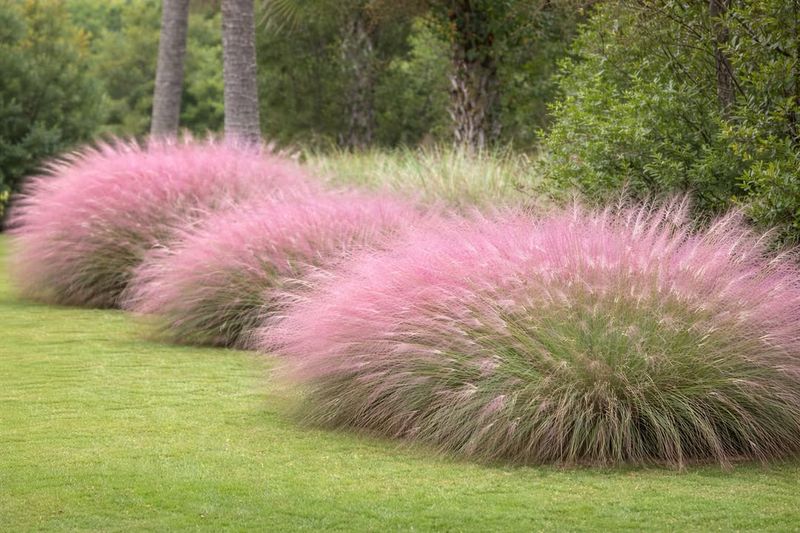
Muhly grass puts on a spectacular show every fall with those pink, cloud-like plumes, but by January or February in Georgia, those same stems look rough and tired.
Leaving them standing too long into late winter is a mistake most new gardeners make at least once.
Cut muhly grass back hard, down to about four to six inches from the ground. Use a sharp pair of hedge shears or even a reciprocating saw if you have a large clump.
Bundling the stems with twine before cutting makes cleanup much easier and keeps the mess contained.
Timing matters more than most people realize. Georgia springs can arrive quickly, and if you wait until you see green shoots poking through, you risk nicking new growth during the trim.
Aim to get the job done by late February in South Georgia and no later than early March in the northern part of the state. After cutting, rake out any dry or damaged material from the base so air can circulate around the crown.
A healthy crown means stronger pink blooms when fall rolls back around.
3. Maiden Grass Benefits From A Hard Cut In Late Winter
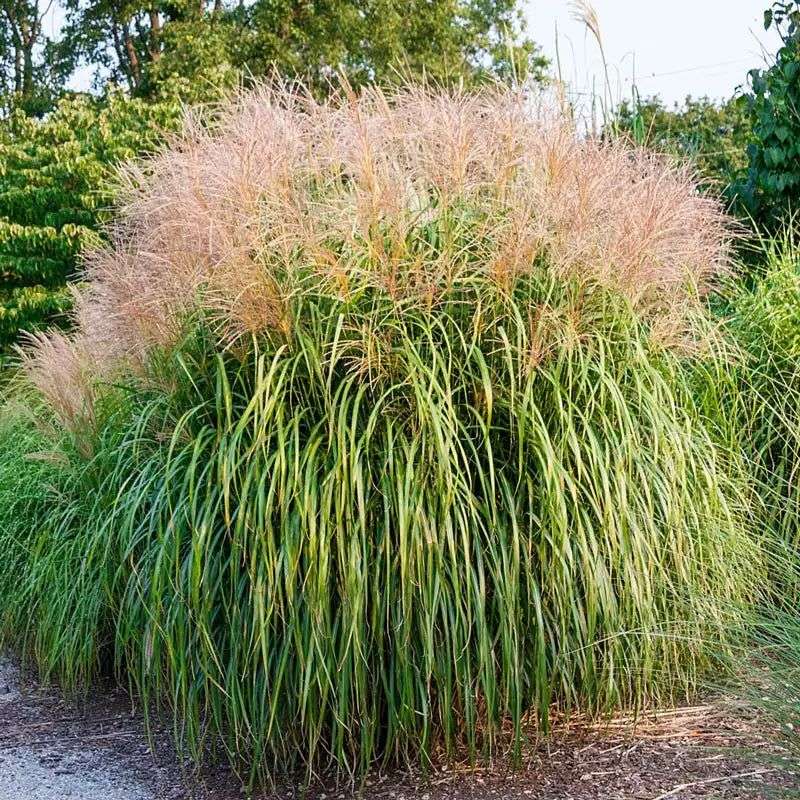
Few ornamental grasses grow as impressively large as maiden grass, and that size is exactly why a hard late-winter cut is so important.
Skip a year of trimming and you end up with a thick, woody center that crowds out new growth and makes the plant look hollow in the middle.
Cut maiden grass down to about six to eight inches from the ground. Because these clumps can get three to five feet wide in Georgia gardens, wrapping the stems with bungee cords or twine before cutting saves you from chasing grass all over the yard.
An electric hedge trimmer handles the job much faster than hand shears on a large clump.
Late February is the sweet spot for most of Georgia. North Georgia gardeners can push that to early March if needed, but South Georgia’s warmer temperatures mean new growth comes earlier, so do not drag your feet.
After cutting, check the base of the plant for any hollow or dried sections in the crown. If you find large damaged patches, this is a good time to divide the clump with a sharp spade.
Dividing every three to four years keeps maiden grass vigorous and full looking throughout the growing season.
4. Switchgrass Grows Stronger After Old Growth Is Removed
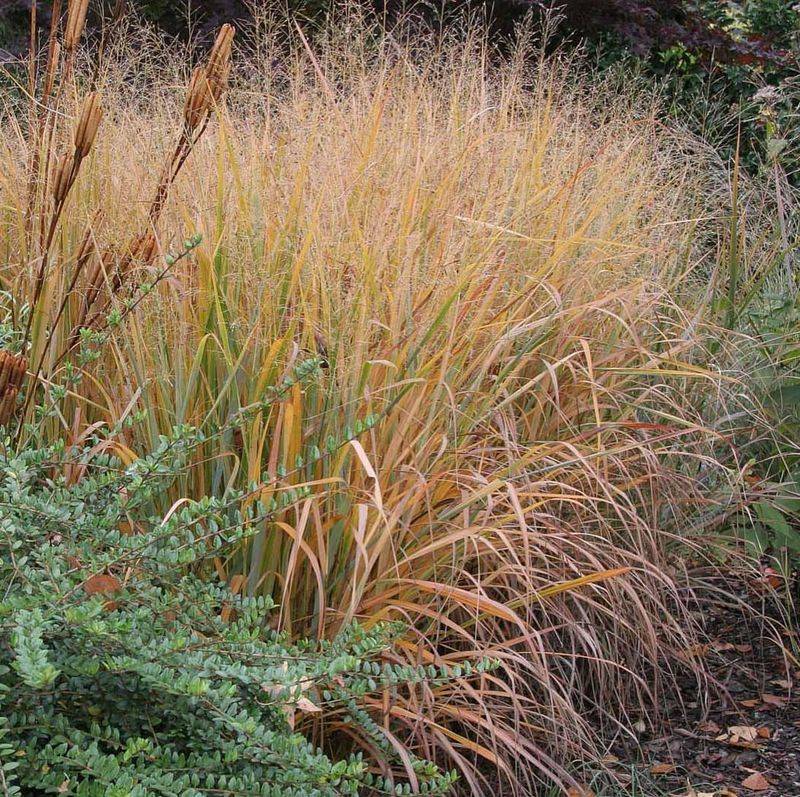
Switchgrass is one of those grasses that looks deceptively fine standing through winter, but those old stems are actually blocking light and air from reaching the crown. Removing them before spring arrives gives the plant room to push up strong, upright new growth.
Cut switchgrass down to four to six inches above the soil. It does not need to be cut as short as some other ornamental grasses, but a firm cut is still important.
Bypass loppers or hand shears work well on smaller clumps. Larger established plantings may need a hedge trimmer to get through the dense mass of stems efficiently.
Switchgrass is popular in Georgia rain gardens and naturalized areas because it tolerates both wet and dry conditions.
However, those same tough traits mean the old growth can become very stiff and thick by late winter, making trimming a bit of a workout.
Wear gloves and long sleeves since the edges of the old blades can be surprisingly sharp. Plan to trim by late February in central and south Georgia, and by early March in the north.
After cutting, switchgrass rebounds quickly and will fill back out with attractive bluish-green foliage well before summer heat arrives.
5. Little Bluestem Should Be Cut Back Before Spring Shoots Appear
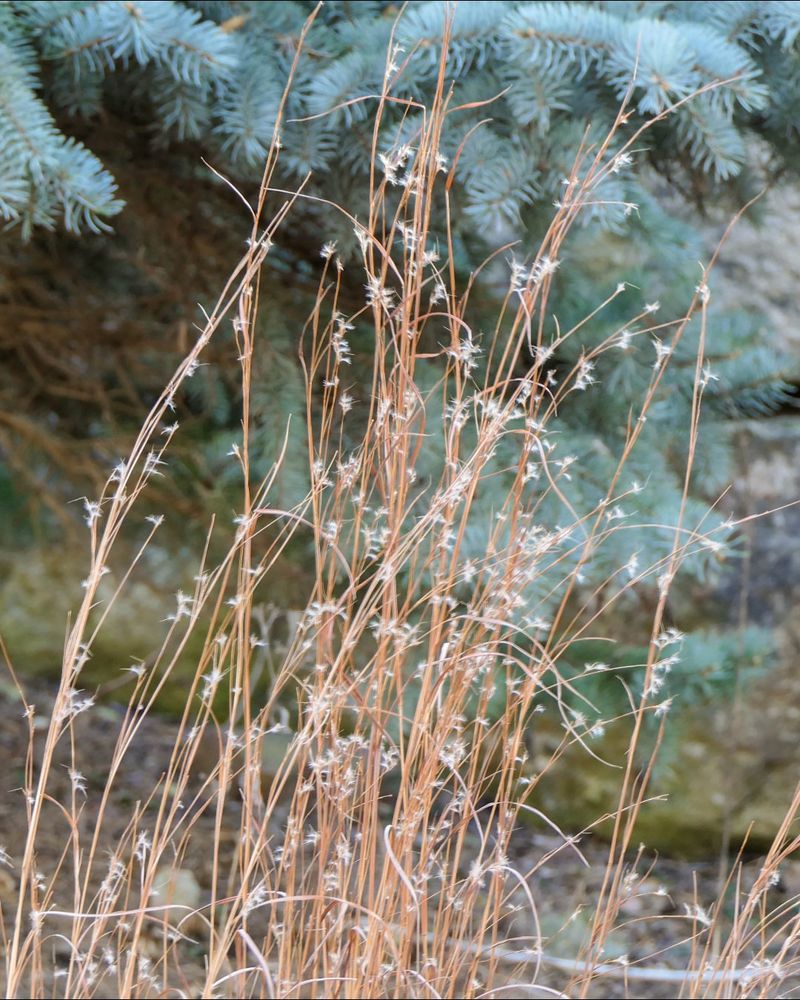
Little bluestem holds its copper and rust-red color well into winter, which makes it one of the prettiest grasses to leave standing through the cold months.
But there comes a point, usually by late January or February in Georgia, when those colors fade and the old stems start looking ragged.
Cut little bluestem back to about four to six inches from the ground before you see any green at the base.
New shoots emerge from the very center of the crown, and if you wait too long, trimming becomes a delicate operation where it is easy to accidentally remove the growth you are trying to protect.
Little bluestem is not a huge grass, so hand shears or bypass pruners handle it well without much effort. Clumps rarely get wider than two feet, which makes this one of the easier grasses to manage in a Georgia garden bed.
After trimming, shake out any loose material from around the base and check that the crown is firm and healthy. A soft or mushy crown can indicate rot from poor drainage over winter.
If the crown looks healthy, expect to see fresh green growth pushing through within a few weeks as Georgia soil temperatures begin to climb in early spring.
6. River Oats Looks Better After Last Season’s Stems Are Trimmed
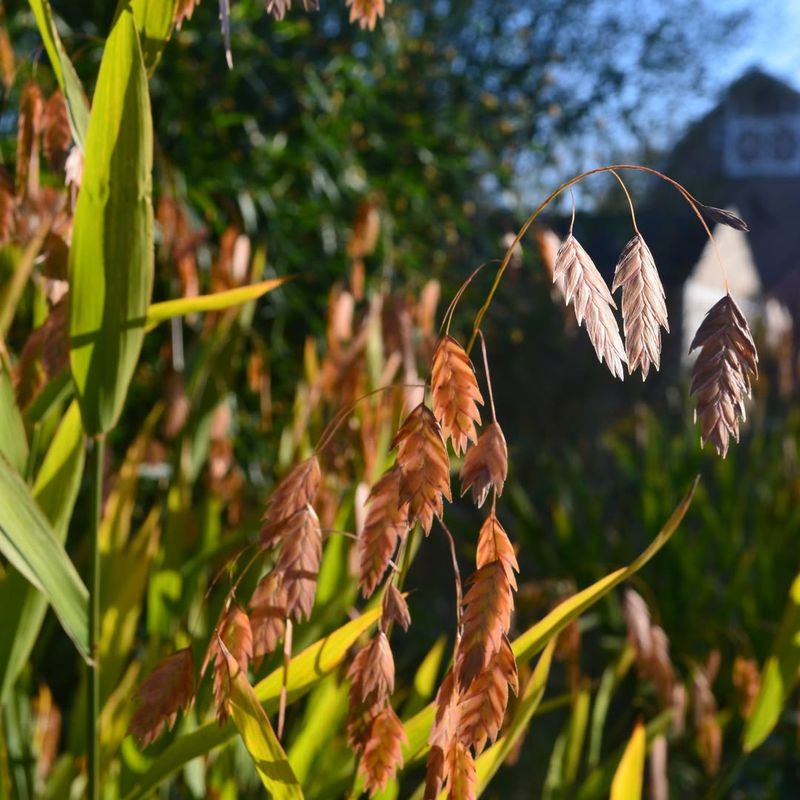
River oats is one of the most relaxed grasses you can grow in Georgia, especially in shaded spots where other plants struggle.
It spreads freely and naturalizes quickly, but by late winter, all those flat, oat-like seed heads have dropped their seeds and the stems look worn and weedy.
Trim river oats back to about four to six inches. Because it tends to spread in loose, open clumps rather than tight mounds, hand pruners or shears work better than a hedge trimmer for getting into the irregular growth pattern.
Take your time and work through the clump section by section.
One thing to keep in mind is that river oats reseeds enthusiastically. If you let the old stems stand too long in late winter, you may find seedlings popping up in places you did not plan for by spring.
Trimming early and raking up the cut material helps you stay ahead of that spread. In Georgia’s shaded woodland gardens and rain garden edges, river oats fills in beautifully when managed thoughtfully.
After cutting, the plant needs very little else from you. Fresh growth emerges reliably each spring, and the distinctive flat seed heads return by late summer to add texture and movement to the garden.
7. Purple Lovegrass Sends Up Strong New Growth After A Late Winter Cut
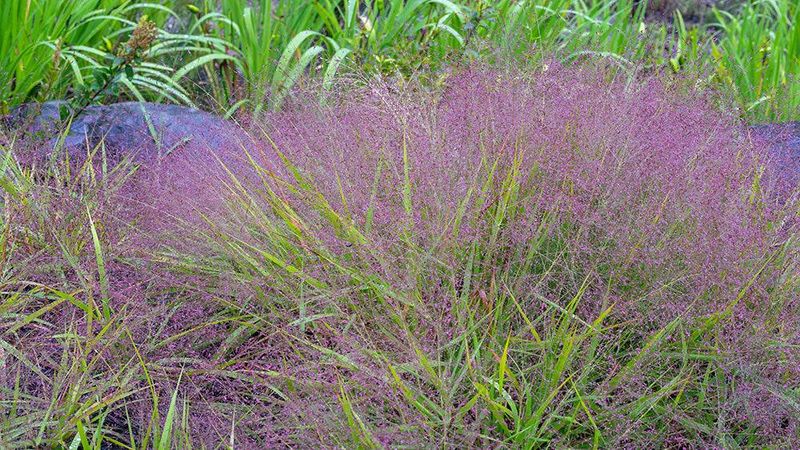
Purple lovegrass brings a delicate, airy look to garden beds just when many other plants begin fading from the heat.
In Georgia landscapes, this native ornamental grass creates a soft purple haze above the foliage during late summer, making it one of the most eye-catching grasses in sunny planting areas.
The fine flower stalks rise lightly above the clump and form a mist-like cloud that shifts and moves with even the smallest breeze.
During winter, however, the plant loses that soft purple color. The stems dry out and turn tan, leaving behind a loose mound of old growth that no longer adds much visual interest.
Cleaning up that old material before spring begins helps the plant start the new season in better shape.
Purple lovegrass should be cut back in late winter before fresh shoots begin emerging from the base. In most parts of Georgia, late February through early March is the right time for this task.
Trim the plant down to about four to six inches above the soil using hand shears or garden pruners. The stems are thin, so cutting the clump usually takes only a few minutes.
After trimming, rake away any loose debris around the crown so sunlight and air can reach the base of the plant.
As temperatures begin warming in early spring, new green growth quickly appears and the clump fills out again, preparing for another round of those airy purple blooms later in the season.
8. Blue Fescue Benefits From A Light Early Season Cleanup
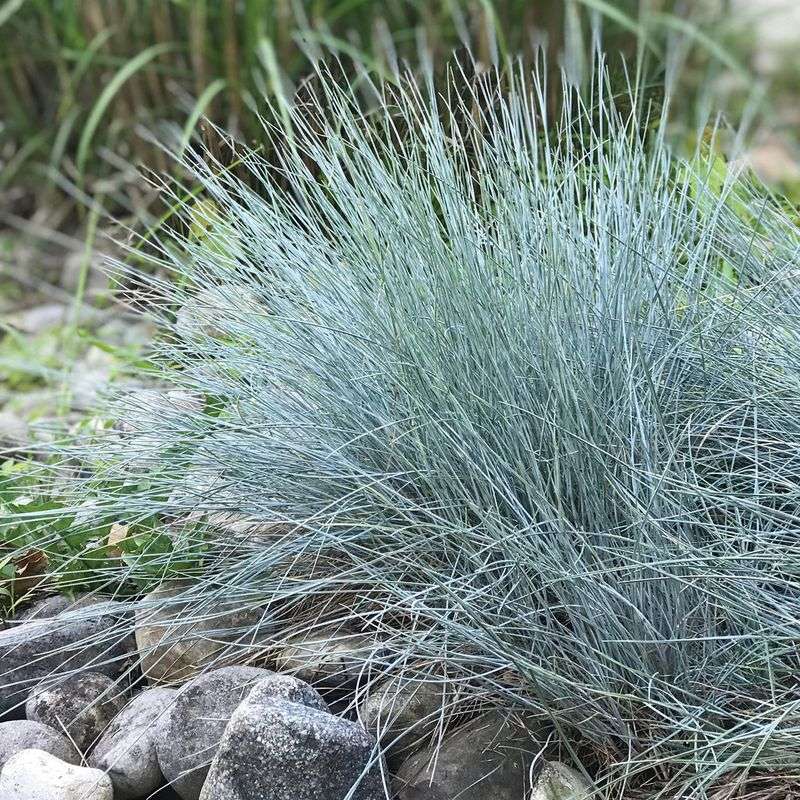
Blue fescue plays by slightly different rules than most of the other grasses on this list. It is a cool-season grass, which means it actually does its best growing in fall and early spring rather than the heat of summer.
That changes how and when you approach trimming it in Georgia.
Rather than cutting it all the way to the ground, blue fescue needs a lighter touch. Run your fingers through the clump and pull out any brown or dried blades from the interior.
Then use hand pruners to trim the outer edges back by about one-third, removing brown tips and tidying up the mound’s shape without removing healthy green material.
In Georgia, blue fescue can struggle during hot, humid summers, and aggressive trimming in late winter can stress the plant right before it needs to put on its best growth.
A gentle cleanup by late February or early March is all it needs to look sharp and encourage fresh blue-gray foliage.
Plant blue fescue in a spot with good drainage and plenty of morning sun.
Rock gardens and gravel beds work especially well in Georgia’s warmer climate because the extra drainage keeps the crown from sitting in moisture during summer rains, which is the main cause of decline in this species.
9. Zebra Grass Should Be Trimmed Before New Growth Begins
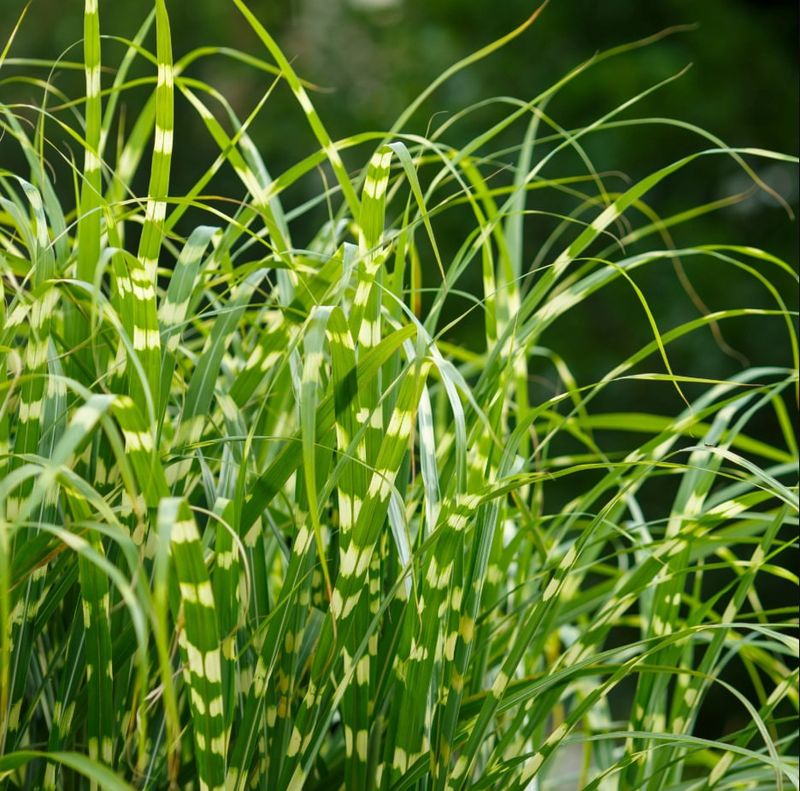
Zebra grass gets its name from those distinctive horizontal yellow bands on the blades, but by late winter in Georgia, all you see is a towering mass of dry, tan stems that have lost every bit of their charm.
A hard cutback before spring growth begins is the reset this grass needs.
Cut zebra grass down to six to eight inches from the ground. It grows similarly to maiden grass in terms of size and density, so plan for some real effort if your clump has not been divided in several years.
An electric or battery-powered hedge trimmer makes the job much more manageable than hand tools alone.
Zebra grass can get very large in Georgia’s long growing season, sometimes reaching six feet tall or more by late summer. That impressive size is part of the appeal, but it also means the old growth becomes thick and heavy by the time winter ends.
Wrap the clump with bungee cords before trimming to keep cut material from scattering across the yard. After the trim, use a hand rake to pull debris away from the crown.
Check the base for any hollow or dried sections, which signal it is time to divide. Dividing every few years keeps zebra grass producing those beautiful banded blades all season long in Georgia gardens.