Outdoor Composting Rules Washington Homeowners Should Know
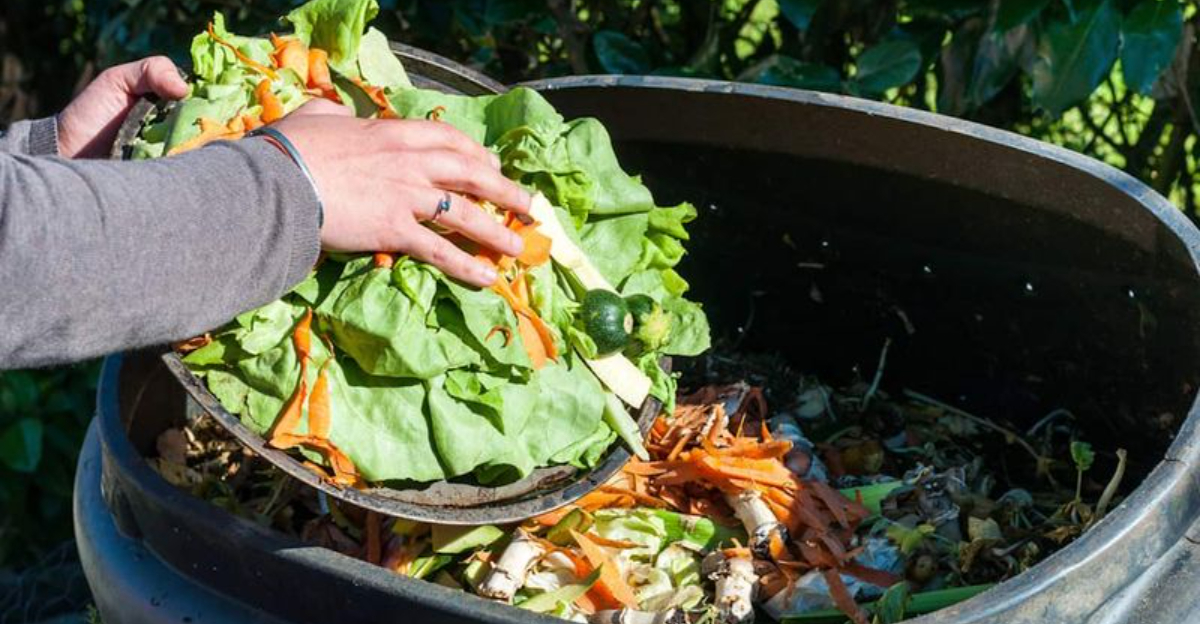
From kitchen scraps to garden gold, outdoor composting sounds simple, but rules can change the game fast.
Many Washington homeowners jump in with good intentions, only to learn the fine print later.
In the Evergreen State, composting is encouraged, but it is not a total free-for-all.
Think of it like driving a familiar road where speed limits suddenly matter more than you expect.
What you compost, where you place the pile, and how you manage it can all affect compliance.
Washington yards can turn waste into rich soil, but only if you play by the rules.
Before you toss food scraps outside, it pays to know what attracts trouble and what stays neighbor-friendly.
Getting compost wrong can invite pests, odors, or even complaints that snowball quickly.
A simple compost pile can spark big problems if local guidelines are ignored.
Smart composting keeps your garden thriving and your household out of hot water.
Beyond saving money and helping the planet, following the rules protects your peace of mind.
Neighbors notice smells and messes long before they admire your tomatoes.
When you understand the do’s and don’ts, composting becomes a win-win instead of a headache.
Knowing these outdoor composting rules puts you ahead of the curve and keeps your home on solid ground.
1. Keep Your Compost Bin At Least Three Feet From Property Lines
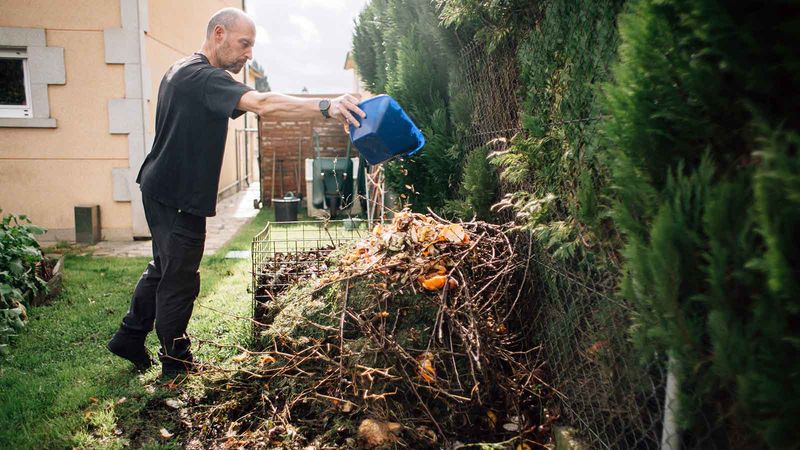
Property boundaries matter more than you might think when setting up a compost system in Washington.
Many homeowners get excited about composting and place their bins wherever seems convenient, but this can lead to neighbor complaints and potential code violations.
Most Washington cities require compost bins to sit at least three feet away from any property line, though some areas have even stricter requirements.
This distance requirement exists for several good reasons that protect both you and your neighbors.
Compost piles can occasionally produce odors, especially if they’re not managed properly, and keeping them away from fences helps minimize any smell that might drift into neighboring yards.
The three-foot buffer also prevents moisture from your compost from seeping onto someone else’s property, which could cause drainage issues or attract pests to their space.
Before you set up your composting area, grab a tape measure and check your placement carefully.
Some Washington municipalities have additional setback requirements from structures like sheds, garages, or homes themselves.
Seattle, for example, recommends keeping compost bins even further from buildings to prevent any potential foundation moisture problems.
Taking time to position your bin correctly from the start saves headaches later.
You won’t need to move a heavy, full compost bin because a neighbor complained or a code enforcement officer came knocking.
Plus, placing your compost thoughtfully shows respect for the people living around you, which helps maintain good relationships in your Washington neighborhood.
Check your specific city’s regulations online or call your local planning department to confirm the exact setback requirements for your area.
2. Balance Your Greens And Browns In A Proper Ratio
Successful composting depends on mixing the right ingredients in the correct proportions.
Think of your compost pile like a recipe where greens and browns are the main components that need balancing.
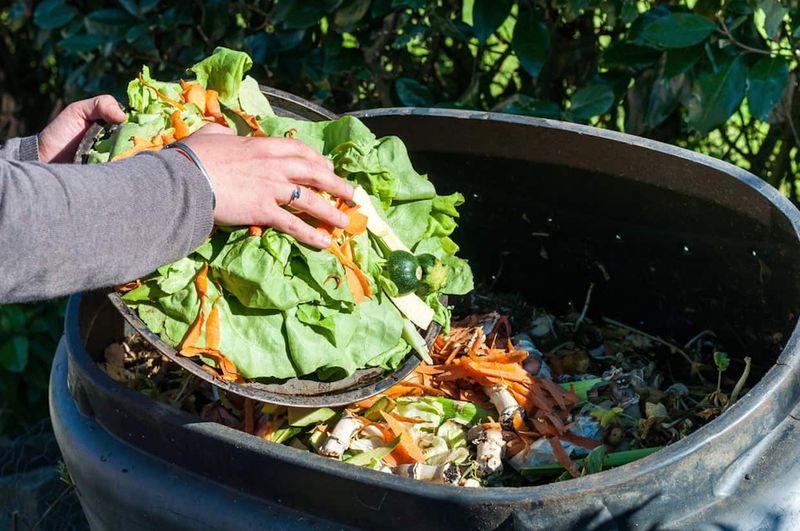
Greens include nitrogen-rich materials like vegetable scraps, coffee grounds, and fresh grass clippings, while browns are carbon-rich items such as dried leaves, newspaper, and small twigs.
Washington’s mild, often damp climate makes the balance between these materials especially important.
Too many greens create a slimy, smelly mess that attracts flies and produces unpleasant odors that can bother neighbors.
Too many browns, on the other hand, cause your pile to decompose incredibly slowly, sometimes taking years instead of months to produce usable compost.
The ideal ratio for Washington composters is roughly three parts brown materials to one part green materials by volume.
This means for every bucket of kitchen scraps you add, you should mix in about three buckets of dried leaves or shredded paper.
During rainy Pacific Northwest winters, you might need to add even more browns to absorb excess moisture that naturally accumulates in outdoor bins.
Many Washington homeowners collect and store bags of dried fall leaves specifically for this purpose.
These stored browns become incredibly valuable during winter and spring when you’re generating lots of kitchen waste but not much dry material from your yard.
Keeping a supply of browns next to your compost bin makes it easy to add the right amount each time you deposit fresh scraps.
Getting this balance right speeds up decomposition, prevents odor problems, and creates rich, crumbly compost that your garden will love.
Washington gardeners who master this ratio often produce finished compost in just three to six months, even during the cooler seasons.
3. Never Compost Meat, Dairy, Or Oily Foods In Outdoor Bins
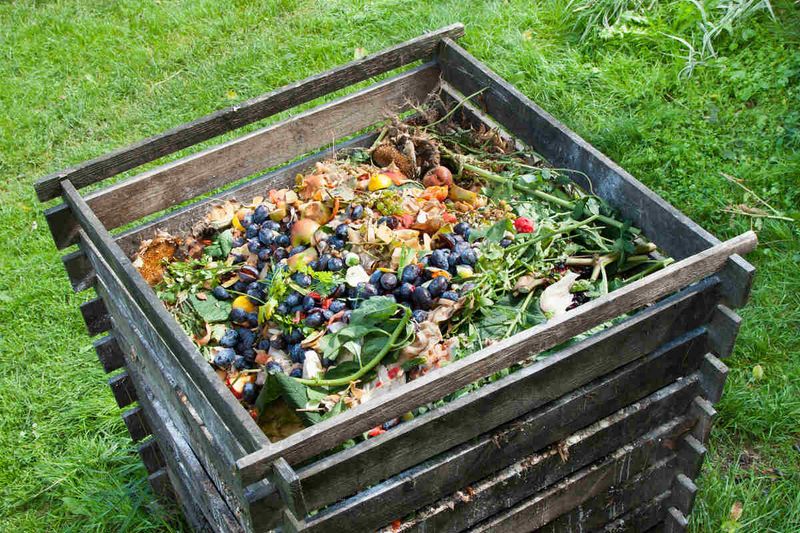
What you leave out of your compost pile matters just as much as what you put in.
Meat, dairy products, and oily foods might seem like they would break down naturally, but they create serious problems in typical backyard compost systems.
These items decompose very slowly and produce strong odors that can travel across your entire neighborhood.
Washington’s wildlife population makes this rule especially critical for homeowners throughout the state.
Raccoons, rats, possums, and even bears in some areas have incredibly sensitive noses that can detect meat and dairy from remarkable distances.
Once these animals discover your compost bin as a food source, they’ll return repeatedly, making messes and potentially damaging your bin or spreading waste across your yard.
The smell from decomposing animal products differs completely from normal compost odors.
While a healthy compost pile smells earthy and pleasant, meat and dairy create a rotten stench that neighbors will definitely notice and complain about.
This can lead to code enforcement issues in many Washington cities that have nuisance ordinances related to odors.
Stick to composting fruit and vegetable scraps, coffee grounds, tea bags, and plant-based materials in your outdoor bin.
If you really want to compost meat, dairy, or oily foods, consider signing up for a municipal composting program.
Many Washington cities, including Seattle and Tacoma, offer curbside compost collection that accepts these materials because they process everything in controlled, high-temperature industrial facilities.
Some composters also avoid onions, garlic, and citrus peels because these can slow decomposition and repel beneficial organisms.
However, these plant materials are generally acceptable in moderation, unlike meat and dairy which should never go in a home outdoor compost system.
Following this rule protects your property, keeps wildlife away, and maintains good relationships with everyone living nearby in your Washington community.
4. Maintain Proper Moisture Levels Throughout The Year
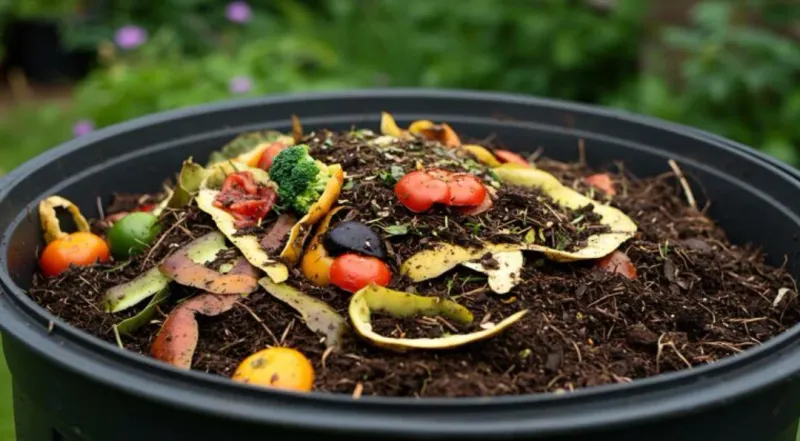
Water content makes or breaks the composting process, and Washington’s variable climate requires attention to moisture management.
Your compost pile should feel like a wrung-out sponge, damp enough that you can feel moisture but not so wet that water drips when you squeeze a handful.
Getting this balance right keeps beneficial microorganisms active and breaking down your materials efficiently.
Western Washington’s rainy climate often creates the opposite problem most composters face.
While gardeners in drier states worry about adding water, those west of the Cascades frequently need to protect their piles from becoming waterlogged during the wet months from October through May.
Too much moisture pushes out oxygen, creating anaerobic conditions that produce foul-smelling slime instead of rich compost.
Using a bin with a lid helps tremendously in managing moisture during Washington’s rainy season.
Many composters also add extra brown materials during wet months to absorb excess water and maintain the right consistency.
If your pile becomes too soggy, mix in shredded newspaper, dried leaves, or even cardboard to soak up moisture and restore proper balance.
Eastern Washington presents different challenges with its drier climate and hotter summers.
Composters in Spokane, Yakima, and other areas east of the mountains often need to add water regularly during summer months to keep decomposition active.
A completely dried-out pile stops breaking down entirely, essentially preserving your materials instead of composting them.
Check your compost moisture weekly by reaching into the center of the pile and grabbing a handful.
Adjust as needed by adding water with a hose or mixing in dry browns depending on what your pile needs.
Washington composters who monitor moisture levels produce finished compost faster and avoid common problems like odors and slow decomposition.
This simple habit takes just minutes but makes a huge difference in your composting success throughout the changing seasons.
5. Turn Your Pile Regularly To Speed Decomposition
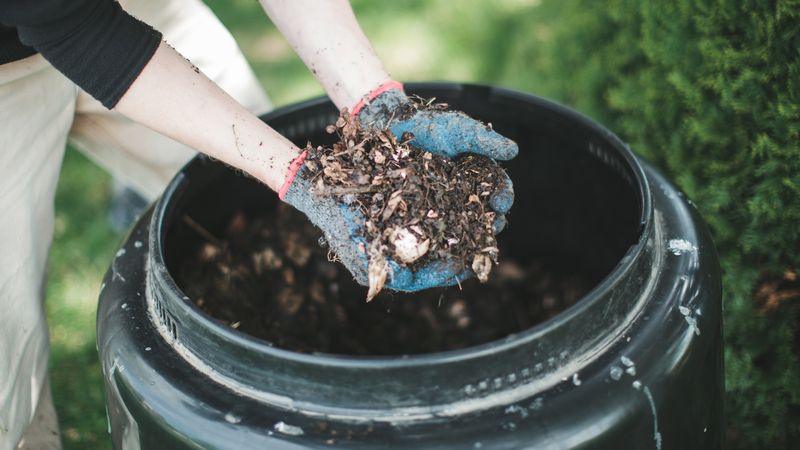
Oxygen plays a crucial role in breaking down organic materials efficiently, and turning your compost introduces fresh air throughout the pile.
Many Washington homeowners build compost bins and then simply add materials without ever mixing or turning the contents.
This approach eventually produces compost, but it takes much longer and can create anaerobic pockets that smell terrible.
Regular turning speeds up the entire process dramatically by distributing oxygen, moisture, and microorganisms evenly.
When you mix your pile, you move partially decomposed materials from the edges toward the center where temperatures are highest.
This rotation ensures everything breaks down at a similar rate rather than having finished compost on the bottom while fresh materials sit untouched on top.
Most composting experts recommend turning your pile every two to four weeks for optimal results.
Washington’s mild temperatures mean your compost stays active most of the year, so maintaining this turning schedule keeps decomposition moving steadily even during cooler months.
During summer, you might turn your pile more frequently as warmer temperatures accelerate microbial activity.
Turning doesn’t require fancy equipment or tremendous effort.
A simple pitchfork or garden fork works perfectly for most backyard compost bins.
Some Washington homeowners invest in tumbler-style composters that make turning as easy as rotating a barrel a few times, which can be especially helpful for people with physical limitations.
You’ll know your turning schedule is working when you notice the pile shrinking and heating up in the center.
A well-maintained compost pile can reach internal temperatures between 130 and 150 degrees Fahrenheit, hot enough that you’ll feel warmth when you stick your hand into the middle.
This heat indicates active decomposition and helps break down materials quickly while also reducing weed seeds and pathogens.
Washington composters who commit to regular turning often produce finished compost in three to four months instead of waiting a full year.
6. Use A Secure Container To Prevent Wildlife Access
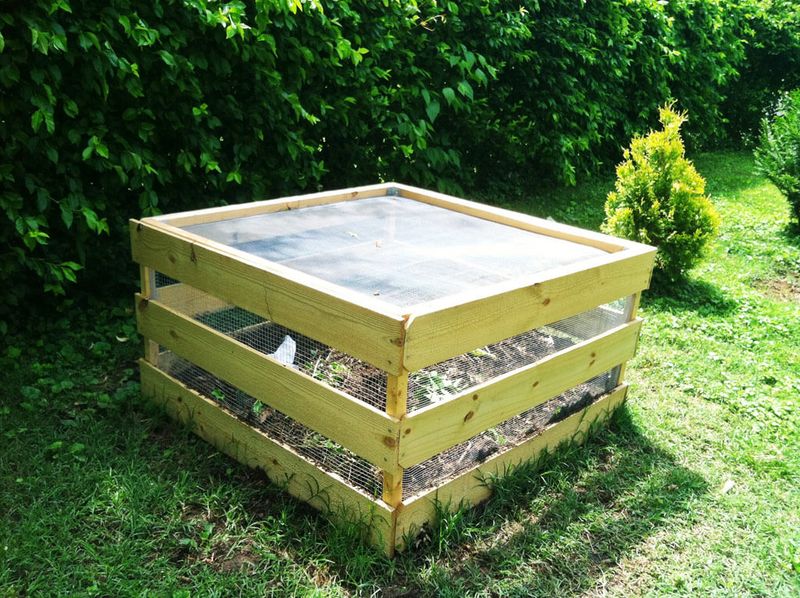
Washington’s abundant wildlife makes secure composting containers absolutely essential for homeowners throughout the state.
Open compost piles might work in some regions, but they’re an invitation for problems in areas where raccoons, rats, possums, and other animals are common.
Even well-maintained piles with appropriate materials can attract curious critters if they’re not properly contained.
Choosing the right bin design makes all the difference in keeping wildlife out of your compost.
Look for containers with secure lids that latch or lock, solid sides without large gaps, and a bottom that either sits flush with the ground or has small mesh that prevents animals from digging underneath.
Many Washington homeowners have learned this lesson the hard way after finding their compost scattered across the yard by hungry raccoons.
Several Washington cities actually require enclosed composting systems rather than open piles.
Seattle, for instance, has regulations about proper containment to prevent nuisance issues and wildlife conflicts.
Even if your area doesn’t legally require enclosed bins, using them prevents problems that could result in neighbor complaints or code enforcement visits.
Tumbler-style composters offer excellent security because they’re completely enclosed and elevated off the ground.
Stationary bins with locking lids also work well, especially models specifically designed with wildlife resistance in mind.
Some Washington residents add extra security by placing bungee cords or weights on their bin lids, particularly in areas where bears occasionally wander through neighborhoods.
Remember that even the best bin won’t help if you’re composting inappropriate materials like meat or dairy that strongly attract animals.
Combining a secure container with proper composting practices creates a system that works smoothly without wildlife interference.
Washington homeowners who invest in quality, secure bins from the start save themselves considerable frustration and protect their yards from messy animal visits.
This investment pays for itself by preventing problems and producing compost without interruption throughout the year.
7. Avoid Composting Diseased Plants Or Invasive Weeds
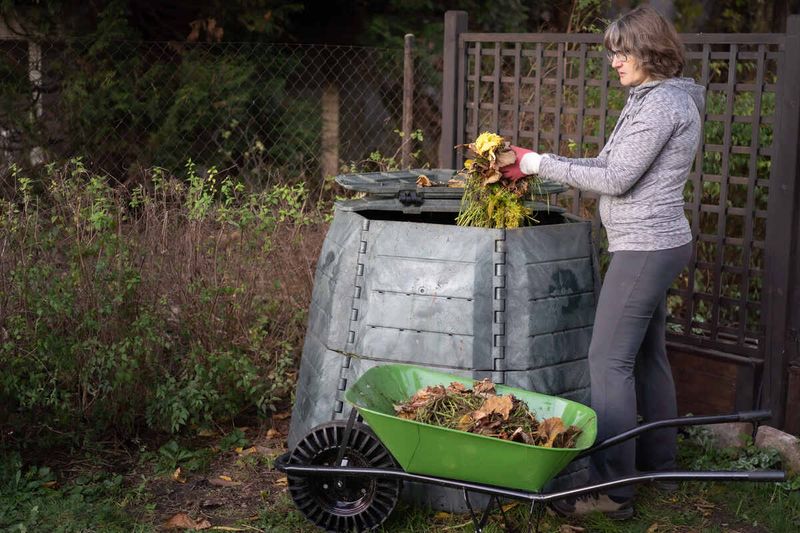
Not all plant materials belong in your backyard compost system, even though they’re organic and will eventually break down.
Diseased plants and certain aggressive weeds can survive the composting process and cause problems when you spread finished compost in your garden.
This rule protects your future plantings and prevents you from accidentally spreading problems throughout your Washington landscape.
Plant diseases like blight, mildew, and fungal infections often persist through typical backyard composting temperatures.
Unless your pile consistently reaches and maintains temperatures above 140 degrees Fahrenheit for several days, these pathogens can survive.
When you later use that compost in your vegetable garden or flower beds, you risk reintroducing the same diseases that affected your plants previously.
Washington gardeners should be particularly careful with tomato and potato plants showing signs of late blight, a common problem in the state’s damp climate.
Roses affected by blackspot, squash plants with powdery mildew, and any plant material showing obvious disease symptoms should go in your yard waste bin for municipal composting instead.
Those industrial facilities reach much higher temperatures that effectively destroy pathogens your backyard pile cannot eliminate.
Invasive weeds present a different but equally serious concern for Washington composters.
Species like bindweed, quackgrass, and blackberry vines can regenerate from tiny root fragments that survive composting.
Even their seeds often remain viable through the composting process, ready to sprout when you spread finished compost.
Creeping buttercup, a persistent problem in many Washington lawns, also falls into this category of weeds that shouldn’t be composted at home.
When pulling these problematic weeds, bag them separately and dispose of them through your municipal yard waste collection.
Many Washington cities process yard waste at facilities specifically designed to handle these materials safely.
By keeping diseased plants and invasive weeds out of your home compost, you protect your garden’s future health and prevent frustrating problems from spreading through your beautiful Washington landscape.