8 Outdoor Garden Chores New Jersey Gardeners Are Better Off Waiting To Do In Spring

Winter in New Jersey can make outdoor chores feel impossible—but even as snow melts and temperatures creep up, some tasks are best left for spring.
Rushing to prune, plant, or dig now can actually harm your garden rather than help it.
Timing is everything, and patience pays off when it comes to protecting plants and encouraging healthy growth.
Not every task is urgent—some are better left for warmer days.
From pruning tender perennials to dividing bulbs or fertilizing early, doing these chores too soon can stress plants, damage roots, or invite disease.
Waiting for consistent warmer temperatures and thawed soil ensures your efforts actually help your garden thrive rather than set it back.
Knowing which chores to postpone can save time, energy, and frustration while giving your garden a stronger start in spring.
Spring isn’t just a season—it’s a garden reset button.
For New Jersey gardeners, resisting the urge to work outdoors too early is a strategic move.
These eight chores are worth the wait, ensuring healthier plants, better blooms, and a garden that truly flourishes when the season arrives.
Patience now means a thriving, worry-free garden later.
1. Pruning Spring-Flowering Shrubs
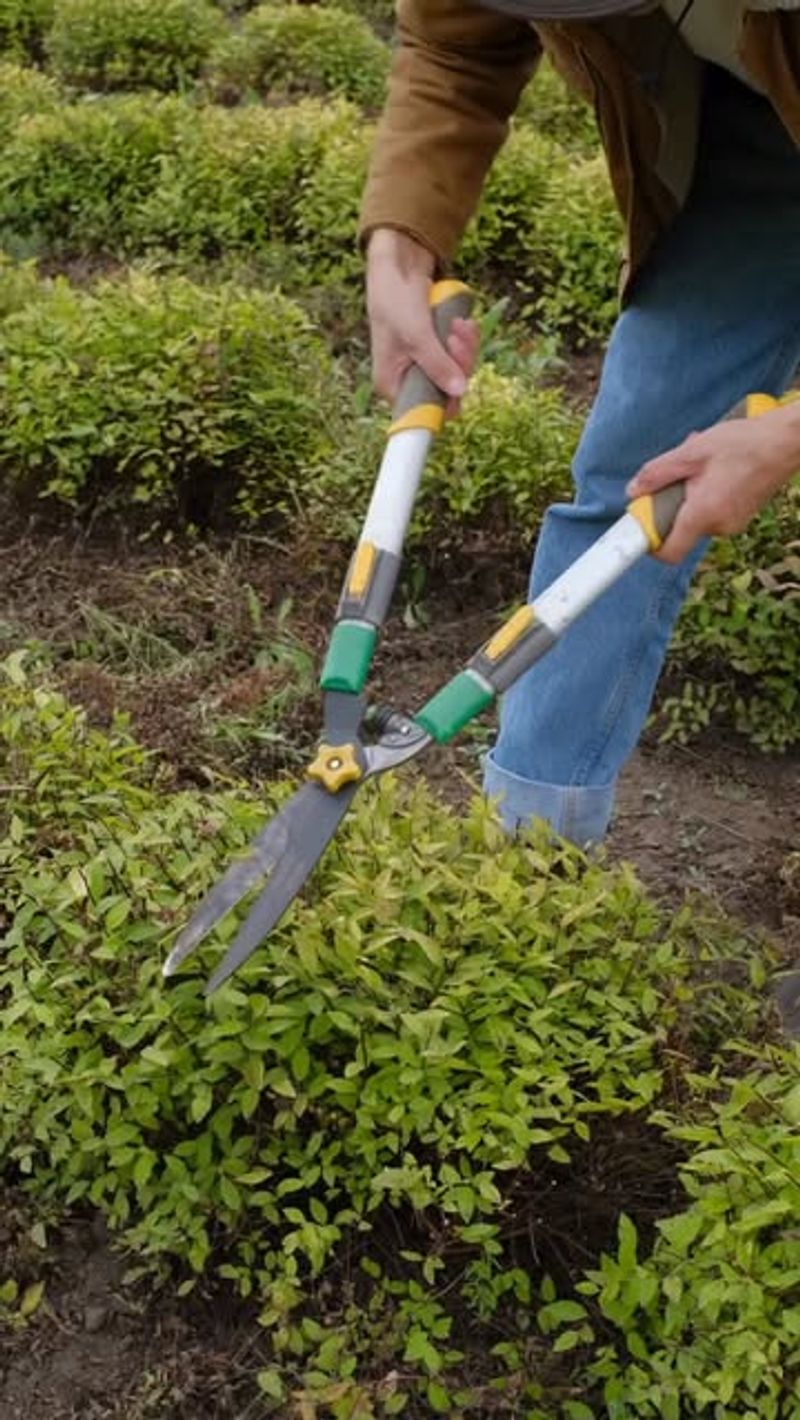
Those gorgeous lilacs, azaleas, and forsythias that paint your New Jersey garden with color each spring set their flower buds during the previous summer and fall.
When you prune these beauties during winter months, you’re actually snipping away the very buds that would have opened into spectacular blooms come spring.
Each cut removes potential flowers, leaving you with a disappointing display after all your hard work.
The timing of pruning makes all the difference for spring-blooming shrubs.
These plants need their branches intact through winter to protect those precious flower buds from harsh conditions.
Once they finish blooming in late spring or early summer, that’s your window to shape and trim them without sacrificing next year’s show.
Waiting until after flowering also lets you see the natural form of each shrub, making it easier to prune thoughtfully rather than guessing under bare winter branches.
You’ll be able to remove only what’s necessary while preserving the plant’s graceful shape.
The shrubs will have the entire growing season to develop new wood and set buds for the following spring, creating a beautiful cycle of growth and bloom that rewards your patience with abundant color year after year.
2. Cutting Back Perennials Too Early
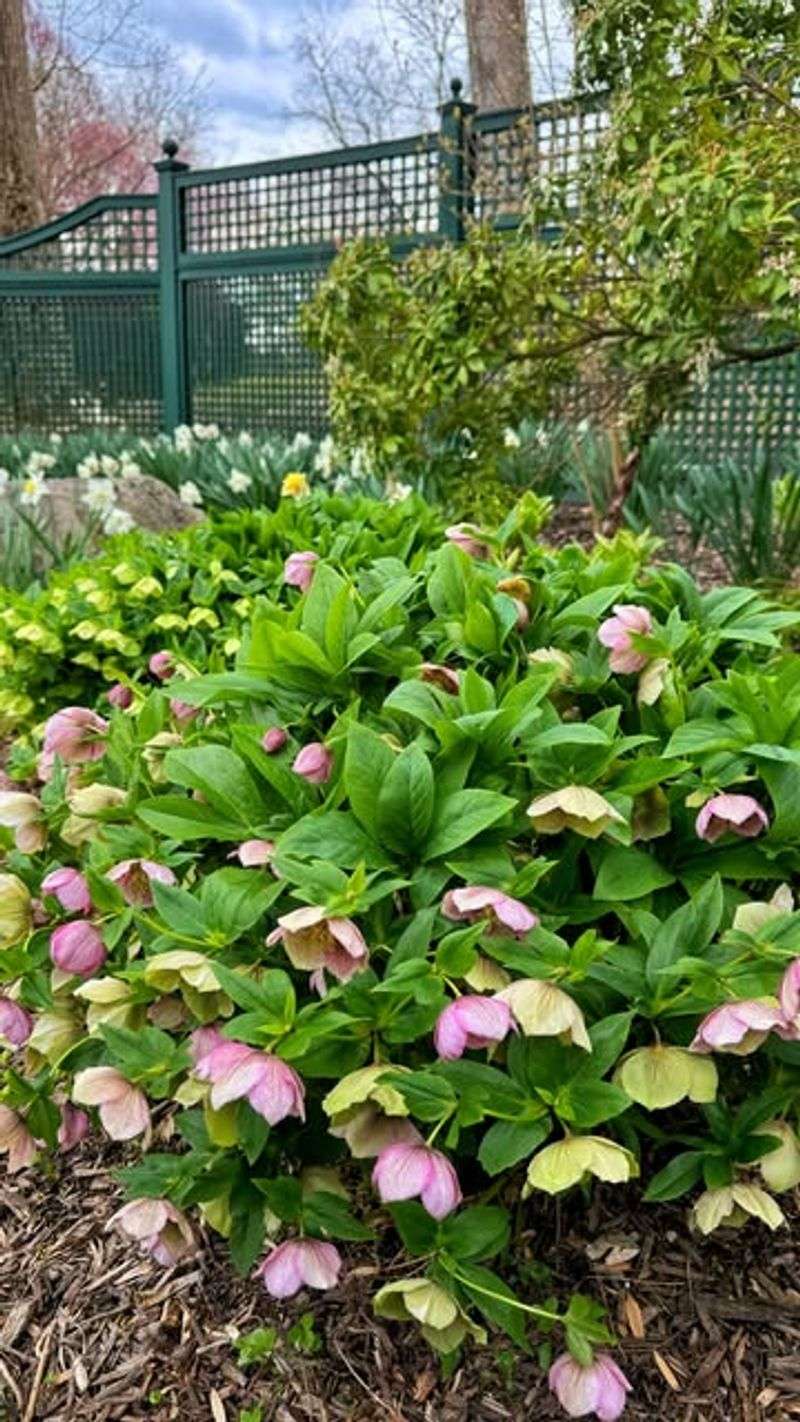
Leaving your perennial stems standing through winter might look a bit messy, but those brown stalks are actually working hard to protect your plants.
The stems and seed heads create a natural insulating layer over the plant crowns, shielding them from temperature swings and harsh winds that can damage tender growth points below the soil surface.
This protection becomes especially valuable during New Jersey’s unpredictable winter weather when mild spells suddenly give way to bitter cold snaps.
Beyond protecting your plants, those standing stems provide crucial winter habitat for beneficial insects that will help your garden thrive come spring.
Ladybugs, native bees, and other helpful creatures shelter in hollow stems and seed heads, surviving the cold months so they can pollinate your flowers and control pests when the growing season returns.
Cutting everything down removes these vital overwintering sites.
Many gardeners also discover that winter perennials offer unexpected beauty when frost coats their seed heads or snow caps their dried flowers.
Ornamental grasses, coneflowers, and black-eyed Susans create stunning winter interest while serving important ecological functions.
Wait until early spring when new growth begins emerging, then cut back the old stems to make room for fresh foliage while still providing maximum winter protection and habitat benefits.
3. Turning Or Tilling Frozen Or Wet Soil
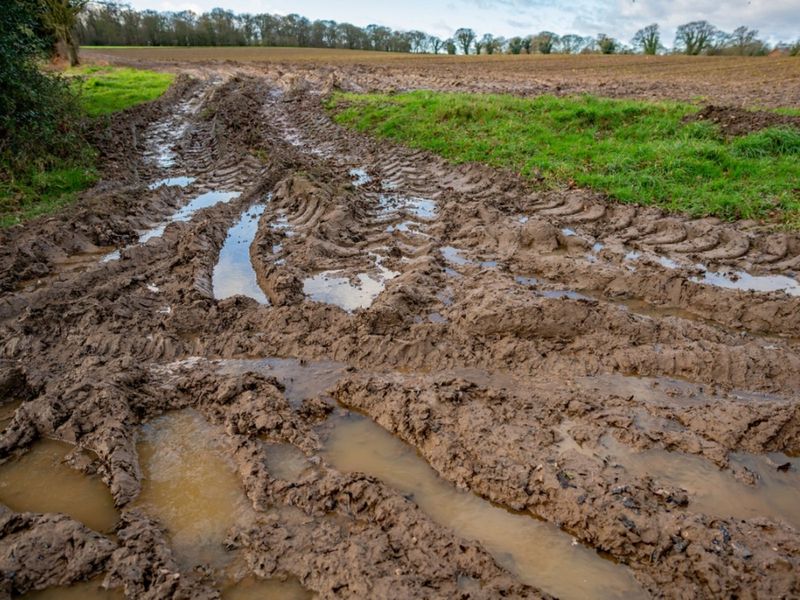
Working soil when it’s frozen solid or saturated with winter moisture ranks among the worst things you can do for your garden’s long-term health.
Cold, wet soil lacks the proper structure to withstand disturbance, and tilling or turning it causes soil particles to smash together into dense, brick-like clumps.
This compaction destroys the network of tiny air pockets that plant roots need for oxygen and water movement, creating conditions where roots struggle to penetrate and plants fail to thrive.
The damage from working wet or frozen soil persists throughout the entire growing season and sometimes longer.
Compacted soil drains poorly, leading to waterlogged conditions that suffocate roots and encourage fungal problems.
It also becomes rock-hard when dry, making it nearly impossible for seedlings to establish and for you to work with later.
New Jersey’s freeze-thaw cycles make this issue even more critical because the soil naturally expands and contracts through winter.
Adding mechanical disturbance to this process accelerates structural breakdown.
Instead of rushing to prepare beds in late winter, wait until spring when soil has dried enough that a handful crumbles easily rather than forming a muddy ball.
This simple patience preserves the fluffy, well-aerated soil structure that allows roots to spread freely and plants to access nutrients and water efficiently throughout the growing season.
4. Planting Trees, Shrubs, Or Perennials Too Soon
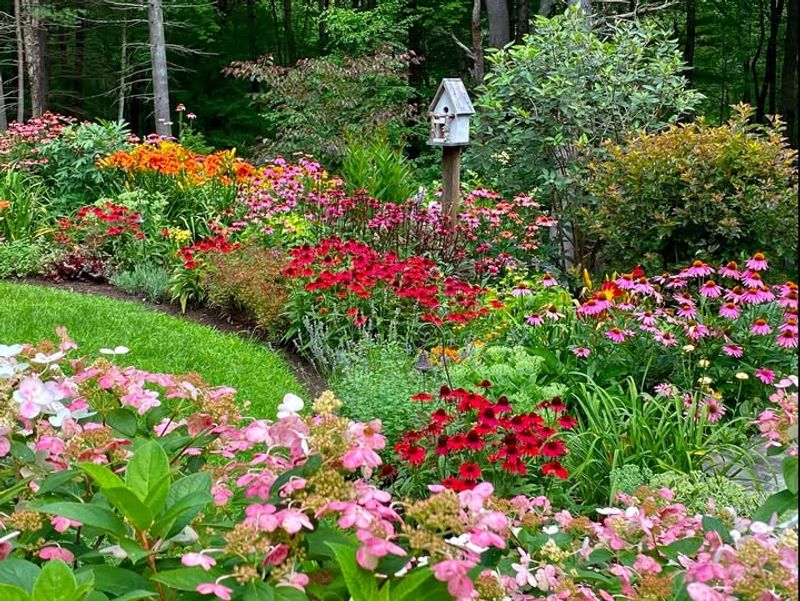
Planting during winter or very early spring in New Jersey puts new additions at serious risk because roots simply cannot establish in frozen or waterlogged soil.
When ground temperatures stay near or below freezing, root growth stops completely, leaving plants unable to anchor themselves or begin absorbing water and nutrients.
Even if the soil isn’t frozen solid, cold temperatures slow root development to a crawl, giving plants no chance to settle in before facing spring weather challenges.
Saturated winter soil creates equally problematic conditions for new plantings.
Roots need oxygen to grow and function properly, but waterlogged soil fills all the air spaces, essentially drowning roots before they can establish.
Plants stuck in these conditions often develop root rot and other fungal issues that compromise their health for the entire season or lead to complete failure.
Waiting for genuine spring conditions dramatically improves survival rates and long-term plant health.
When soil temperatures rise into the 50s and 60s Fahrenheit and excess moisture drains away, roots actively grow and spread, quickly establishing the foundation that supports healthy top growth.
Plants installed at the right time develop strong root systems before summer heat arrives, making them far more resilient and requiring less intensive care.
The few weeks of patience you exercise in early spring translates to years of better performance from your trees, shrubs, and perennials.
5. Fertilizing Lawns And Garden Beds In Winter
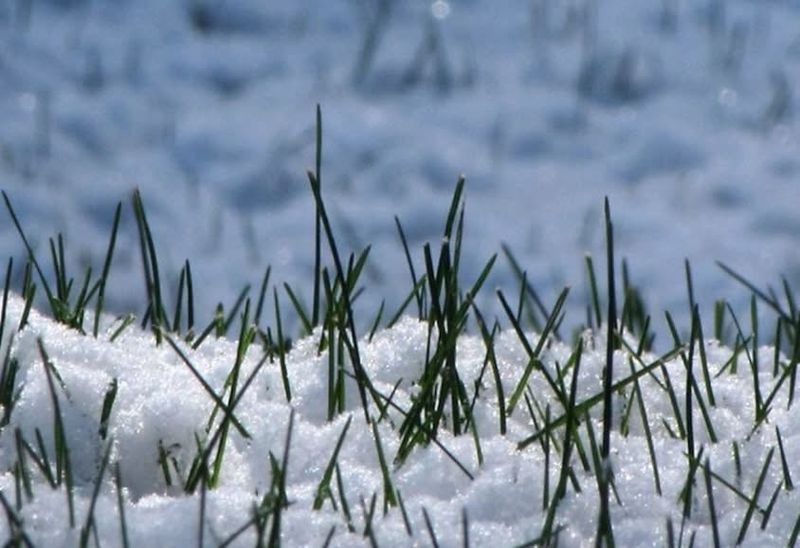
Applying fertilizer during New Jersey’s cold winter months wastes your money and potentially harms the environment because plants simply aren’t growing enough to use those nutrients.
When grass and garden plants enter dormancy, their metabolic processes slow dramatically, and they stop actively taking up nutrients from the soil.
Fertilizer applied during this dormant period just sits on the surface or in the soil, vulnerable to being washed away by winter rain and snowmelt.
This runoff becomes a significant environmental concern as unused nutrients flow into storm drains, streams, and eventually larger waterways.
Excess nitrogen and phosphorus contribute to algae blooms and water quality problems that affect entire ecosystems.
You’re essentially paying to pollute local waterways rather than feed your plants.
Winter fertilization can also harm dormant plants by forcing premature growth when conditions aren’t right.
Tender new shoots that emerge during warm spells become vulnerable to damage when temperatures inevitably drop again.
The stress of this disrupted dormancy cycle weakens plants and makes them more susceptible to pests and diseases.
Instead, wait until spring when soil temperatures warm and plants actively resume growth.
Your fertilizer applications will be absorbed and used efficiently, promoting vigorous healthy growth rather than washing away unused.
Timing your feeding to match plant needs saves money, protects the environment, and delivers far better results for your lawn and garden beds.
6. Spreading Fresh Mulch Too Early
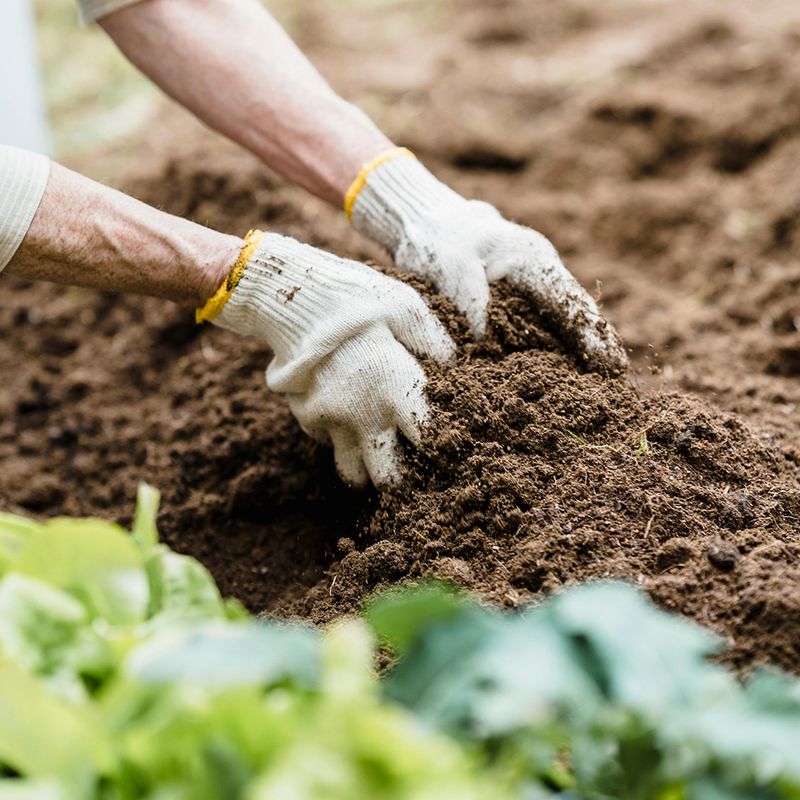
Rushing to spread mulch before winter fully releases its grip on your New Jersey garden actually works against you by trapping cold in the soil and preventing it from warming up when spring sunshine arrives.
That fresh layer of mulch acts as an insulating blanket, which is wonderful in summer for keeping soil cool and moist, but in early spring it keeps soil temperatures lower for longer.
Plants trying to break dormancy and begin spring growth need warming soil to trigger their natural cycles.
Cold soil trapped under early mulch delays everything from bulb emergence to perennial sprouting to seed germination.
Your garden essentially stays stuck in winter mode even as temperatures rise and daylight increases.
This delayed start means shorter growing seasons for your plants and later blooms than gardens where soil was allowed to warm naturally.
The ideal time for mulching in New Jersey gardens is late spring, typically May, after soil has thoroughly warmed and plants have emerged and begun active growth.
At this point, mulch serves its intended purposes perfectly by conserving moisture during increasingly warm weather, suppressing weeds that compete with your plants, and keeping soil temperatures more stable through summer heat.
You’ll use your mulch more effectively and see better plant performance by exercising patience and waiting for the right timing rather than jumping the gun in early spring when that mulch layer does more harm than good.
7. Reseeding Or Repairing Lawn Patches
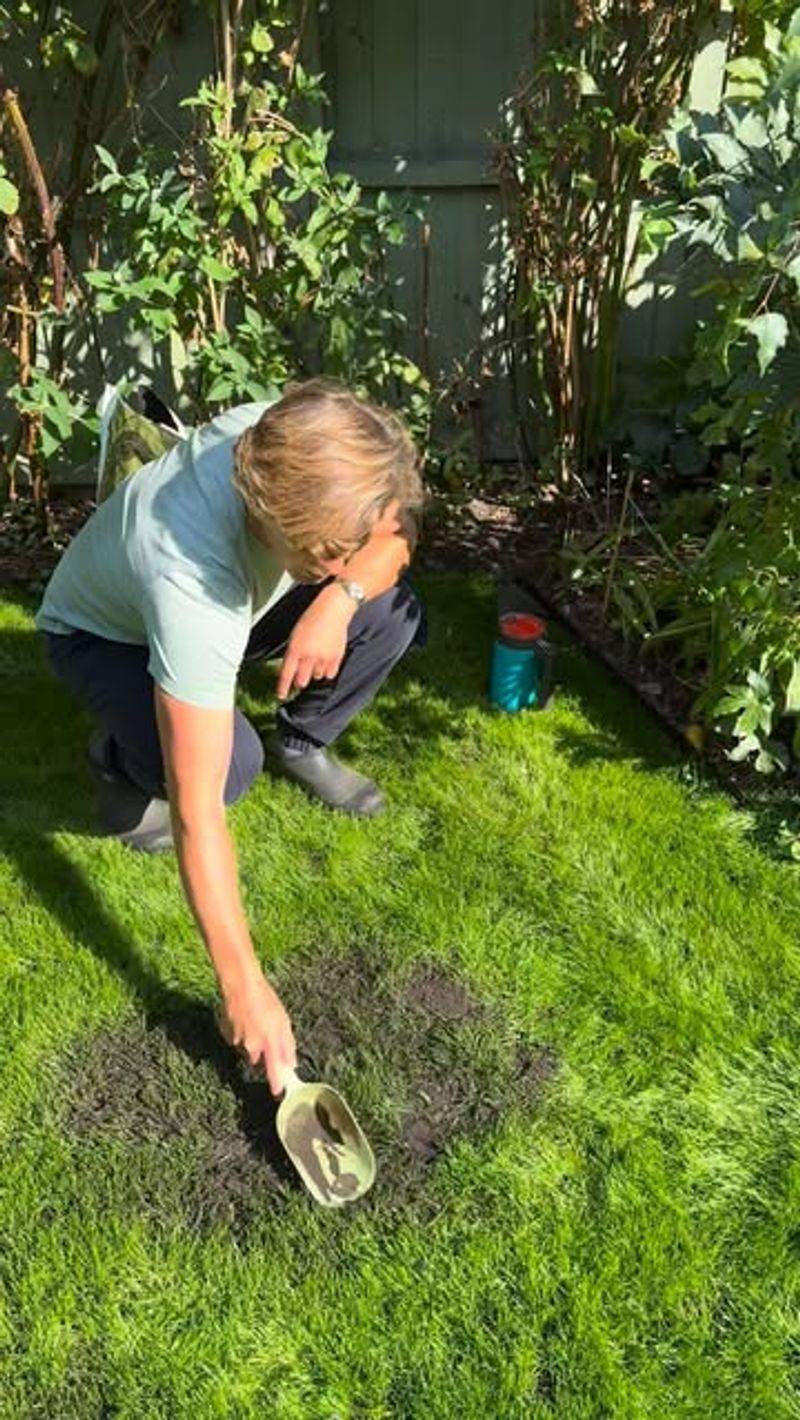
Grass seed scattered across your lawn during winter months is essentially wasted because the conditions required for germination simply don’t exist when temperatures stay cold.
Most grass varieties need soil temperatures consistently above 50 degrees Fahrenheit to sprout, with cool-season grasses preferring 60 to 75 degrees for optimal germination.
Winter soil temperatures in New Jersey stay well below these thresholds, meaning seeds just sit dormant on or in the cold ground.
While dormant, those seeds face numerous threats that reduce their viability.
Birds and small mammals feast on exposed seeds, seeing them as an easy winter food source.
Rain and snow wash seeds away from bare patches into areas where you don’t want grass growing or completely off your property.
Freeze-thaw cycles can damage seed coatings and reduce germination rates even if seeds survive until spring.
New Jersey gardeners get far better results by waiting for proper spring conditions, typically mid-April through May for cool-season grasses, when soil temperatures warm sufficiently for reliable germination.
Seeds planted at the right time sprout quickly, usually within seven to fourteen days, establishing strong roots before summer heat arrives.
You’ll use less seed, get better coverage, and enjoy a thicker, healthier lawn by timing your overseeding and patch repairs to match optimal growing conditions rather than fighting against winter’s grip on your yard.
8. Removing Winter Protection Before It’s Time
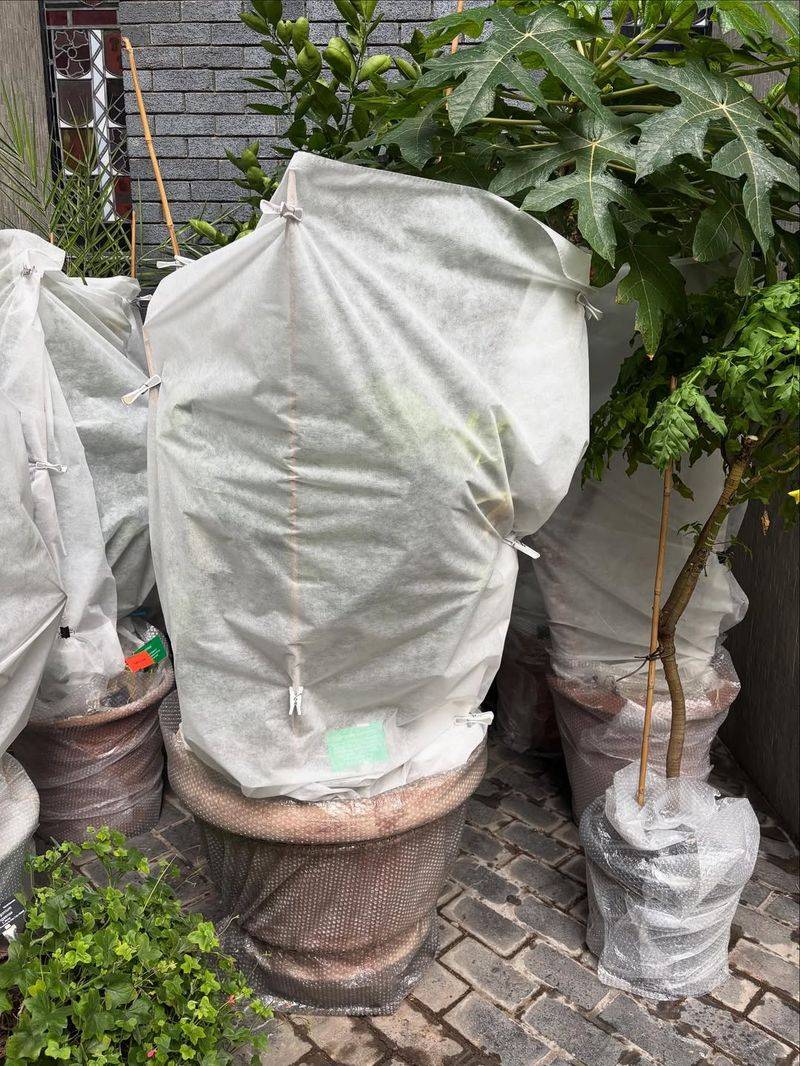
That burlap wrapping around your evergreens, the protective mulch mounded over rose crowns, and the covers shielding tender plants all need to stay in place until New Jersey’s weather truly stabilizes in spring.
While those first warm days in March might feel like winter’s over, the Garden State regularly experiences late cold snaps and surprise frosts well into April that can severely damage plants that have lost their protection.
Removing coverings too early exposes plants to these temperature swings when they’re most vulnerable.
Plants begin responding to warming temperatures and lengthening days by breaking dormancy and producing tender new growth.
This fresh growth has no cold tolerance and suffers significant damage if temperatures plunge again.
Flower buds on fruit trees, new shoots on perennials, and emerging foliage on shrubs can all be harmed by late freezes, reducing your garden’s productivity and beauty for the entire season.
The safest approach is leaving winter protection in place until nighttime temperatures consistently stay above freezing and the danger of hard frost has passed, typically late April in most of New Jersey.
Watch long-range forecasts and remove protection gradually on mild days, keeping materials handy to replace quickly if cold weather threatens.
This cautious approach ensures your plants safely transition from winter dormancy to active spring growth without setbacks from temperature extremes, rewarding your patience with healthy, vigorous plants ready to flourish through the growing season.