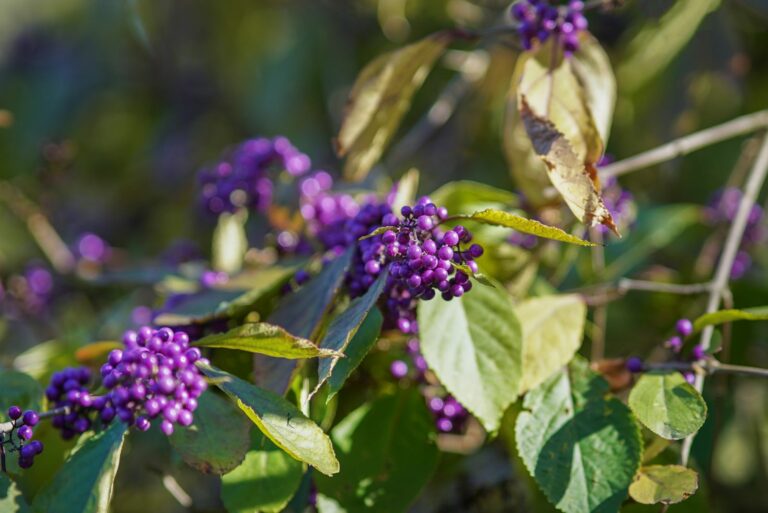
10 Outdoor Landscaping Habits Facing Stricter Rules In Pennsylvania
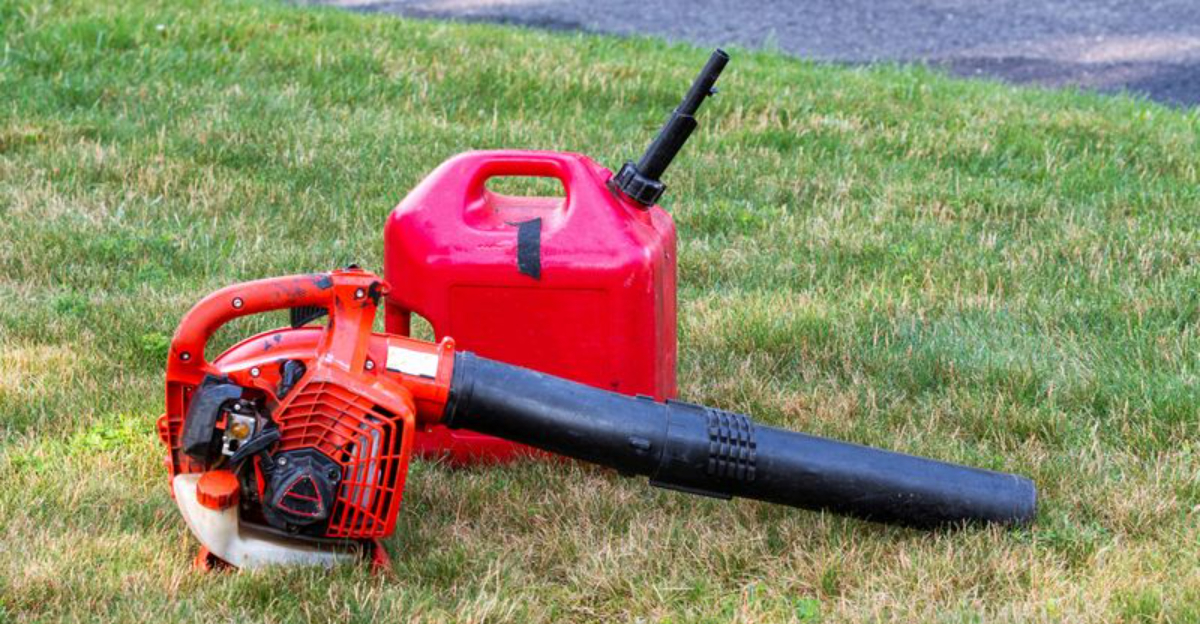
Outdoor landscaping in Pennsylvania is starting to look a little different as rules tighten around practices that were once considered normal or harmless.
Many homeowners are surprised to learn that everyday habits, from how yards are maintained to what materials are used, are now drawing closer attention.
These changes are not appearing out of nowhere, but are tied to environmental concerns, safety issues, and the growing impact of residential landscaping on surrounding communities.
Local officials across the state are paying closer attention to how outdoor spaces affect water quality, wildlife, and shared neighborhood environments.
What once felt like a personal choice inside a property line is increasingly connected to broader rules meant to protect public spaces and resources.
Some landscaping habits quietly slipped into routine years ago, long before regulations began catching up with modern concerns.
As expectations shift, many property owners are realizing that staying informed matters just as much as keeping yards looking neat.
Understanding which practices are facing stricter oversight helps avoid confusion, frustration, and unexpected notices down the road.
These rules are not designed to punish homeowners, but to guide landscaping in a direction that works better for everyone involved.
Knowing what is changing makes it easier to adapt outdoor habits while still enjoying a well-kept Pennsylvania yard.
1. Using Chemical Fertilizers Near Waterways
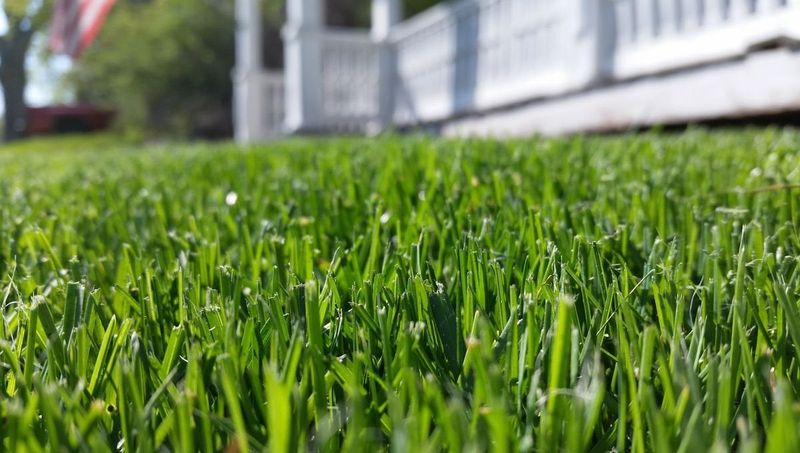
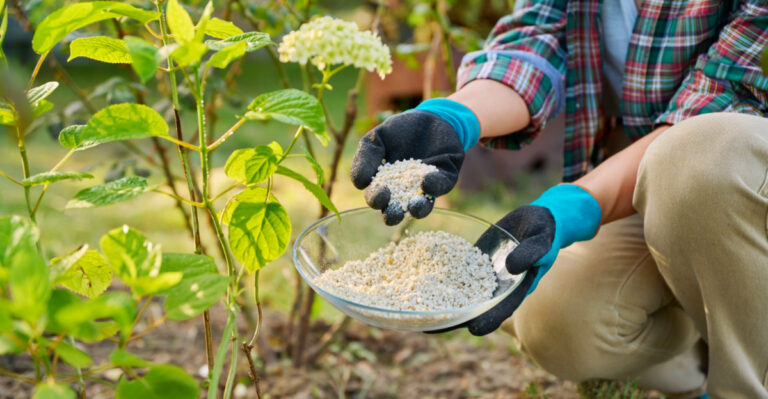
Homeowners across Pennsylvania often spread fertilizer to keep their lawns lush and green, but new rules limit applications near streams and rivers.
Chemical runoff causes serious harm to the Chesapeake Bay watershed, which covers large portions of the state and supports countless wildlife species each year.
Phosphorus and nitrogen from lawn treatments create algae blooms that suffocate fish and damage drinking water supplies for thousands of Pennsylvania communities statewide.
Municipalities now require buffer zones ranging from ten to fifty feet where no fertilizer application is permitted near any water body or wetland.
Violating these restrictions can result in fines starting at several hundred dollars, with repeat offenders facing even steeper penalties from local authorities.
Property owners should check their county regulations before applying any lawn chemicals, especially during spring and fall when runoff is most common.
Natural alternatives like compost and organic matter improve soil health without threatening Pennsylvania waterways, making them smarter choices for environmentally conscious homeowners today.
Many garden centers now stock eco-friendly options that comply with the stricter guidelines while still delivering excellent results for your yard.
Understanding these rules protects both your wallet and the natural beauty that makes Pennsylvania such an exceptional place to call home forever.
2. Planting Invasive Species in Garden Beds
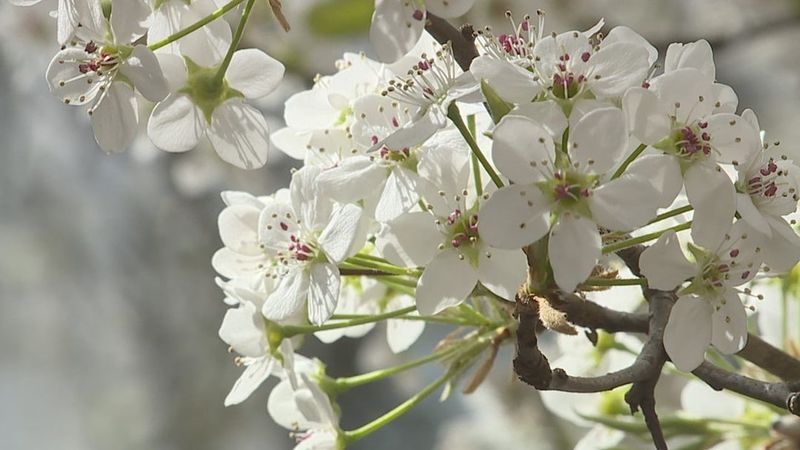
Bradford pear trees and burning bush shrubs were once popular choices for Pennsylvania landscapes, but regulations now restrict their sale and planting statewide.
These non-native plants spread aggressively into forests and parks, crowding out native species that provide food and shelter for local wildlife populations.
State agencies have identified dozens of invasive plants that threaten Pennsylvania ecosystems, and many municipalities enforce removal requirements for existing specimens on properties.
Nurseries face penalties for selling prohibited species, and homeowners may be required to replace banned plants with native alternatives at their own expense.
Japanese barberry, multiflora rose, and Oriental bittersweet are among the common ornamentals now facing restrictions in various Pennsylvania counties and townships today.
Native alternatives like serviceberry, ninebark, and Virginia sweetspire offer similar beauty without the ecological damage caused by invasive varieties in your garden.
Local extension offices provide free lists of approved plants that thrive in Pennsylvania conditions while supporting pollinators and songbirds throughout the growing season.
Making informed planting choices helps preserve the state’s natural heritage while ensuring your landscape remains compliant with current environmental protection standards.
Checking regulations before purchasing plants saves money and hassle while contributing to healthier ecosystems across Pennsylvania neighborhoods and wild spaces alike.
3. Excessive Lawn Watering During Drought Conditions
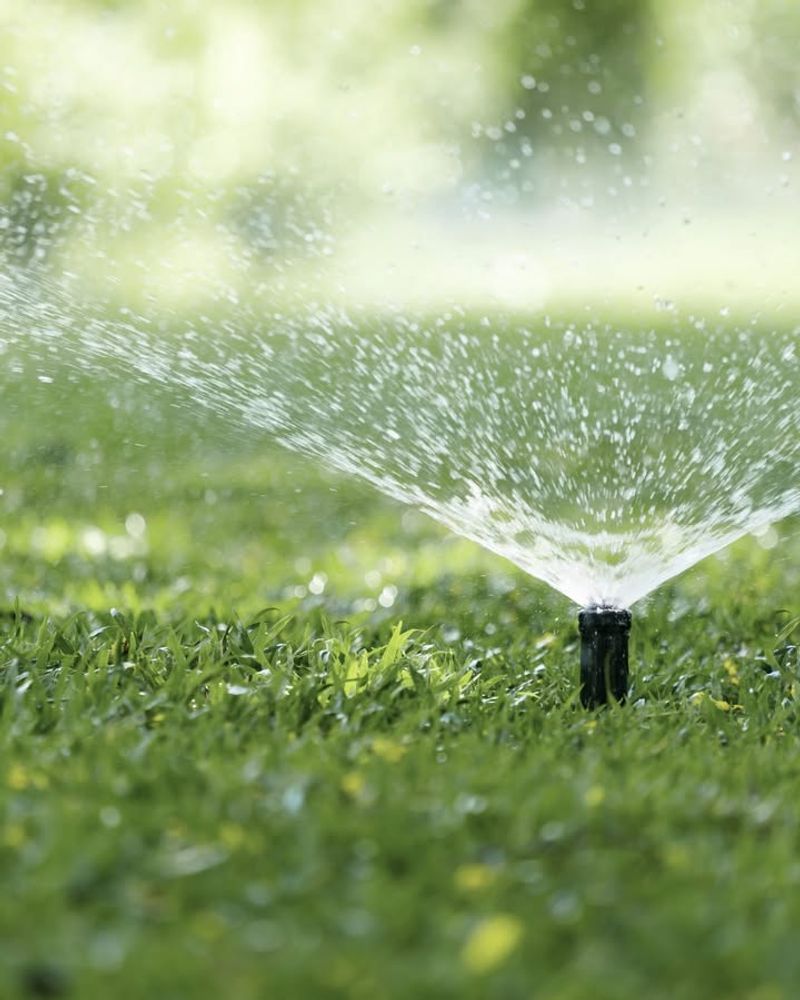
Many Pennsylvania communities now impose mandatory water restrictions during dry spells, limiting when and how often residents can irrigate their lawns and gardens.
Climate patterns have shifted, bringing more frequent droughts to regions that traditionally enjoyed reliable rainfall throughout the spring and summer months each year.
Municipal water supplies struggle to meet demand when thousands of sprinklers run simultaneously, forcing local governments to implement strict conservation measures statewide.
Penalties for violating watering restrictions in Pennsylvania range from warnings to substantial fines, with some townships shutting off service to repeat offenders entirely.
Odd-even watering schedules based on house numbers are common, and some areas prohibit all outdoor watering during peak afternoon hours completely.
Smart irrigation systems with rain sensors and soil moisture monitors help homeowners comply with regulations while maintaining healthy landscapes throughout challenging weather conditions.
Drought-tolerant grasses and groundcovers reduce water needs significantly, making them practical choices for Pennsylvania homeowners concerned about both compliance and utility bills today.
Collecting rainwater in barrels provides a legal alternative for garden watering in most areas, though some municipalities require permits for larger systems.
Staying informed about current restrictions in your Pennsylvania community prevents costly violations while promoting responsible stewardship of precious water resources for future generations.
4. Removing Trees Without Permits
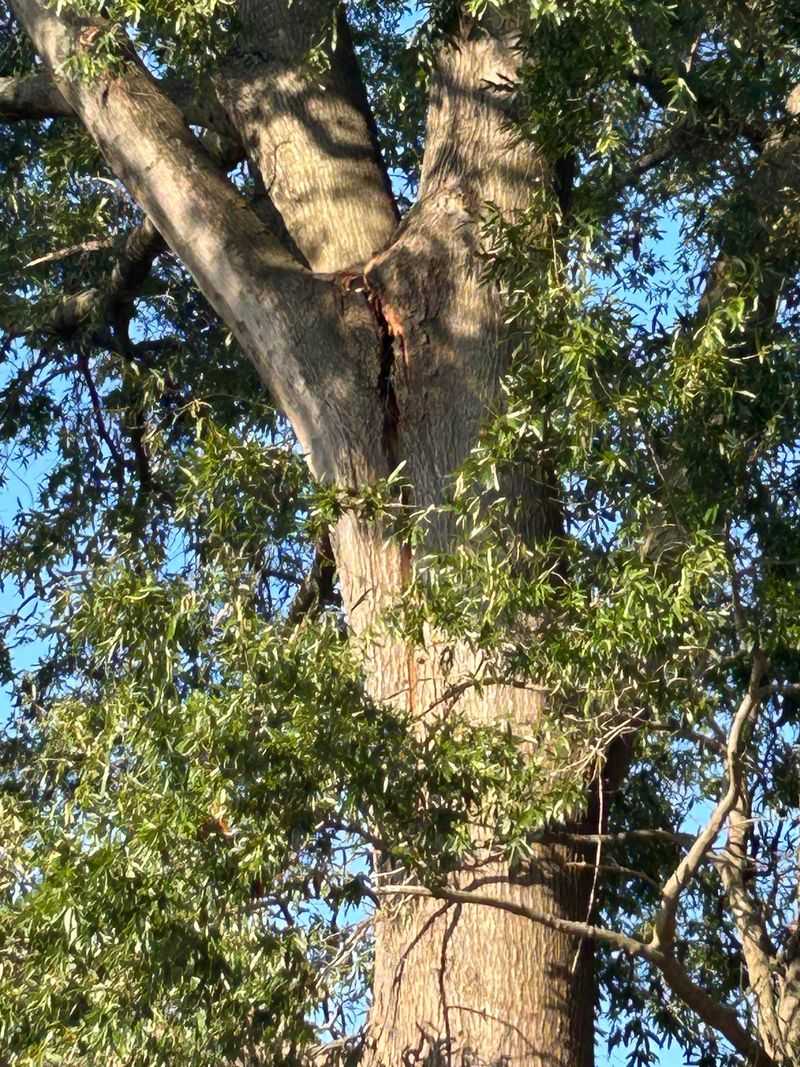
Cutting down large trees on your Pennsylvania property might require official approval, especially in historic districts or areas with tree preservation ordinances today.
Many municipalities have established minimum trunk diameter thresholds, typically ranging from six to twelve inches, that trigger permit requirements before any removal occurs.
These regulations protect community tree canopy, which provides cooling, stormwater management, and air quality benefits that individual homeowners might not fully appreciate initially.
Fines for unauthorized tree removal in Pennsylvania can reach thousands of dollars per tree, with some ordinances requiring replacement plantings at specific ratios.
Heritage trees, those with historical or ecological significance, receive extra protection and may be completely off-limits for removal regardless of property ownership rights.
Diseased or dangerous trees usually qualify for expedited permit processes, but documentation from certified arborists is often necessary to prove the removal necessity.
Some Pennsylvania townships require public hearings before approving permits for healthy trees, giving neighbors opportunity to voice concerns about proposed removals nearby.
Professional tree services familiar with local regulations help homeowners navigate the permitting process while ensuring compliance with all applicable Pennsylvania tree protection laws.
Planning ahead for tree work prevents legal complications and preserves the leafy character that makes Pennsylvania neighborhoods attractive and environmentally healthy places.
5. Installing Impermeable Hardscaping Without Drainage Plans
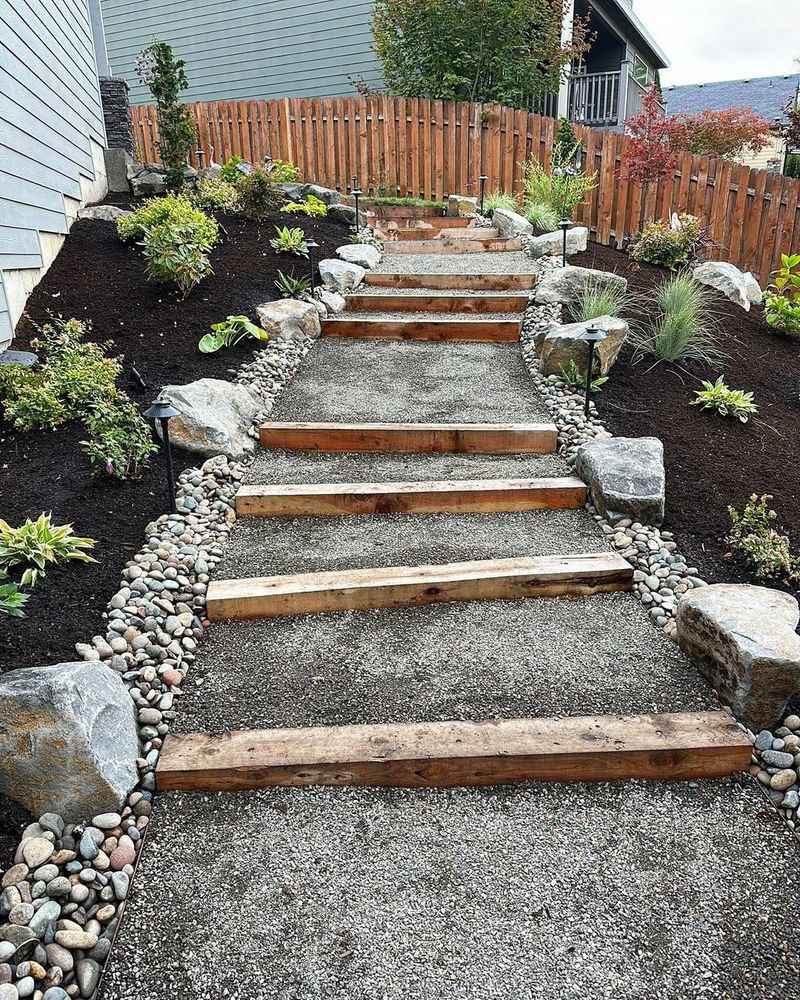
Concrete patios and asphalt driveways create runoff problems that overwhelm Pennsylvania stormwater systems, prompting new requirements for permeable surfaces and drainage solutions today.
Municipalities now limit the percentage of lot coverage that can be paved with impermeable materials, forcing homeowners to incorporate rain gardens or permeable pavers.
Stormwater fees based on impervious surface area have become common across Pennsylvania, with higher charges for properties that contribute more runoff to systems.
Permits for hardscaping projects now require detailed drainage plans showing how water will be managed on-site rather than directed into streets or sewers.
Retrofitting existing impermeable surfaces with drainage improvements may be required when properties change hands or undergo major renovations in Pennsylvania communities statewide.
Permeable pavers, porous concrete, and gravel driveways allow water infiltration while providing durable surfaces that meet modern stormwater management standards effectively and attractively.
Rain barrels, bioswales, and infiltration trenches are often required components of approved drainage plans for new hardscaping installations throughout the state today.
Professional landscape architects familiar with Pennsylvania stormwater regulations can design attractive outdoor spaces that comply with current rules while enhancing property value significantly.
Understanding these requirements before starting patio or driveway projects saves Pennsylvania homeowners from costly redesigns and potential fines from local enforcement authorities.
6. Disposing of Yard Waste Through Burning
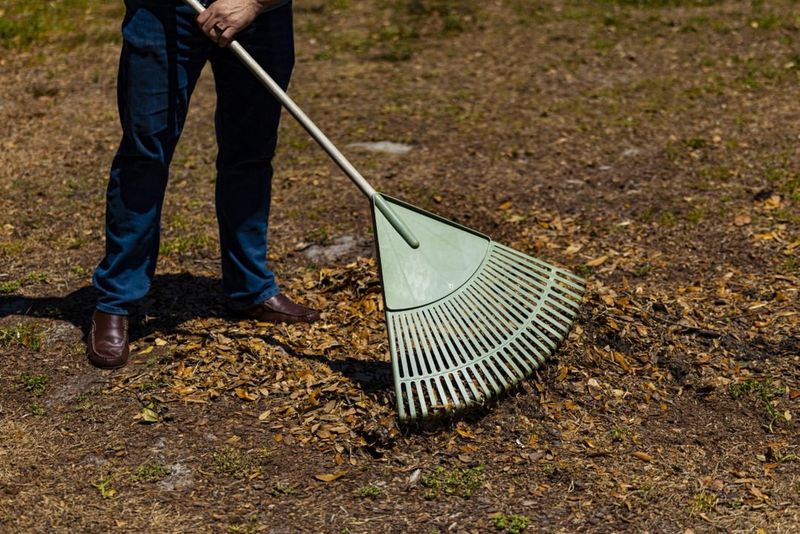
Backyard burning of leaves, branches, and grass clippings has become heavily restricted across Pennsylvania due to air quality concerns and fire safety issues.
Many counties now prohibit all open burning within municipal boundaries, with exceptions only for recreational campfires in approved containers and locations statewide.
Smoke from yard waste fires contains particulate matter that aggravates respiratory conditions and contributes to regional air pollution problems throughout Pennsylvania communities.
Violators face fines that escalate with repeated offenses, and some municipalities impose criminal charges for burning during prohibited times or conditions today.
State regulations prohibit burning when air quality alerts are in effect, and local fire marshals can issue immediate stop orders for unsafe fires.
Composting yard waste on-site or using municipal collection services provides legal alternatives that enrich soil and reduce landfill waste across Pennsylvania neighborhoods.
Many townships offer free or low-cost yard waste drop-off sites where residents can dispose of organic materials responsibly throughout the growing season.
Chipping brush and using it as mulch creates valuable landscape material while eliminating the need for burning or hauling debris off-site.
Checking current burning regulations with your Pennsylvania municipality prevents violations while protecting air quality and neighborhood safety for everyone in your community today.
7. Maintaining Overgrown Vegetation on Property Lines
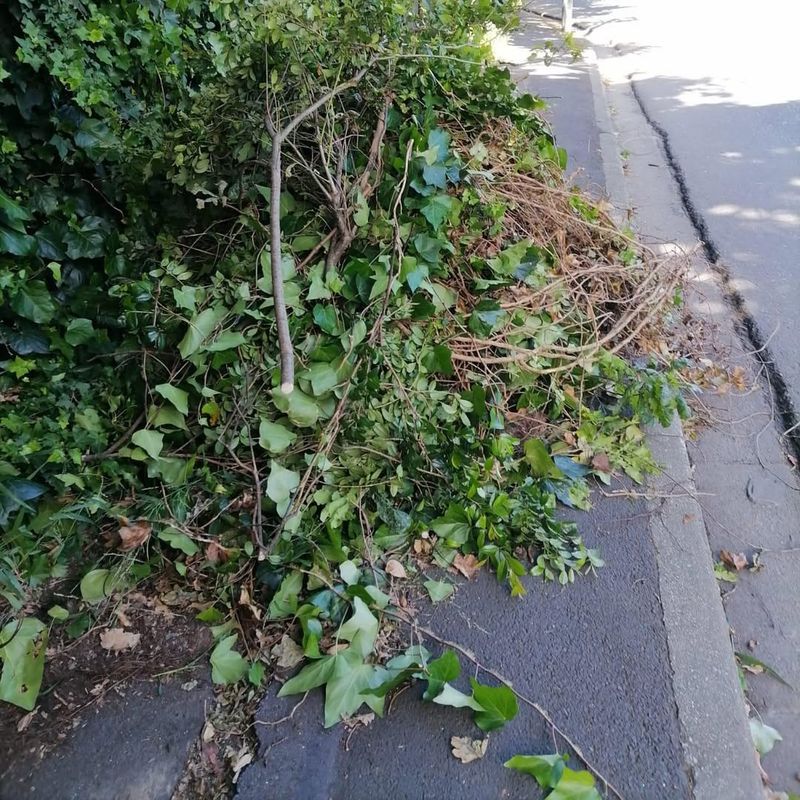
Allowing weeds, brush, and grass to grow unchecked along property boundaries can now trigger code enforcement actions in Pennsylvania municipalities with vegetation ordinances.
Height limits for lawn grass typically range from six to twelve inches, with stricter standards in residential areas compared to rural properties statewide.
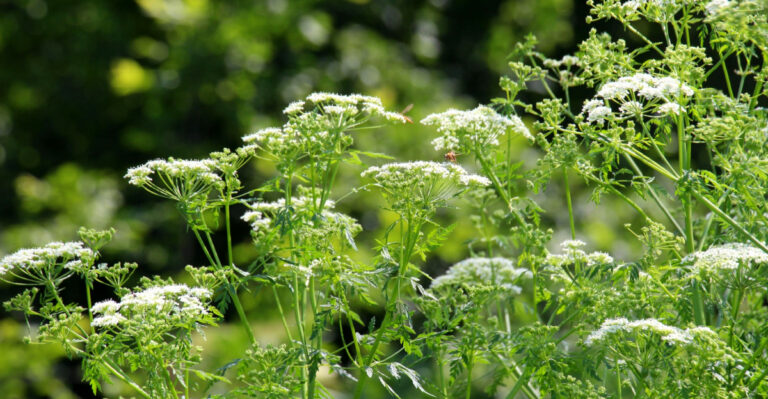
Noxious weeds like poison hemlock and giant hogweed must be removed promptly due to health hazards they pose to residents and visitors throughout Pennsylvania.
Property owners receive violation notices requiring remediation within specific timeframes, usually seven to thirty days depending on severity and local ordinance provisions.
Failure to comply results in municipal crews performing the work and billing property owners for costs plus administrative fees, often totaling hundreds of dollars.
Repeat violations can lead to daily fines that accumulate until the problem is corrected, creating substantial financial burdens for Pennsylvania homeowners who ignore notices.
Natural landscaping with native meadow plants is permitted in many areas but often requires registration and maintenance plans to distinguish intentional gardens from neglect.
Regular mowing and trimming along fence lines and property edges prevents complaints and maintains good neighbor relations while ensuring compliance with Pennsylvania regulations.
Understanding local vegetation standards helps property owners balance low-maintenance landscaping preferences with community expectations and legal requirements throughout the state today.
8. Using Gas-Powered Leaf Blowers During Restricted Hours
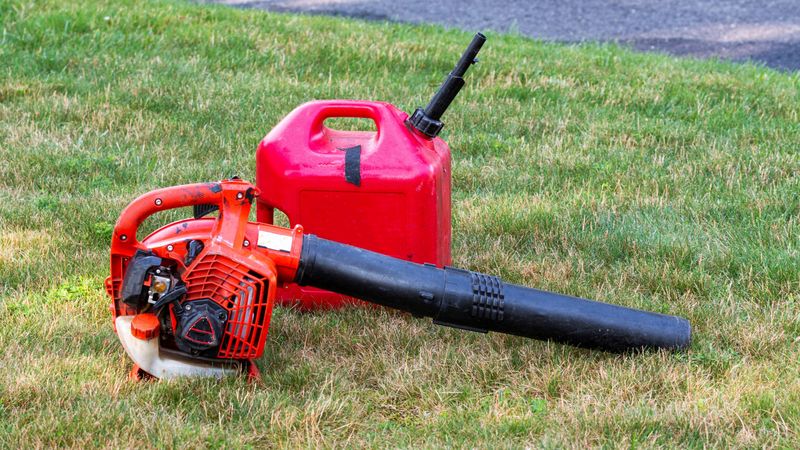
Noise ordinances in Pennsylvania communities increasingly restrict when residents can operate loud landscaping equipment like leaf blowers and lawn mowers each day.
Typical restrictions prohibit gas-powered equipment before seven or eight in the morning and after eight in the evening on weekdays throughout residential areas.
Weekend and holiday limitations are often stricter, with some municipalities banning noisy equipment entirely on Sundays to preserve neighborhood peace and quiet.
Violations result in fines starting around fifty dollars for first offenses, with amounts increasing for repeat violations within the same calendar year statewide.
Some Pennsylvania townships are considering complete bans on gas-powered leaf blowers due to noise pollution and emissions concerns from professional landscaping services operating daily.
Battery-powered equipment offers quieter alternatives that comply with noise restrictions while delivering performance comparable to gas models for most residential applications today.
Professional landscapers working in Pennsylvania must schedule services during permitted hours or risk losing contracts and facing penalties from multiple municipalities they serve.
Homeowners should check local noise ordinances before purchasing equipment or scheduling yard work to avoid conflicts with neighbors and enforcement authorities alike.
Respecting quiet hours maintains community harmony while ensuring compliance with Pennsylvania regulations designed to balance property maintenance needs with quality of life considerations.
9. Creating Wildlife Feeding Stations Near Homes
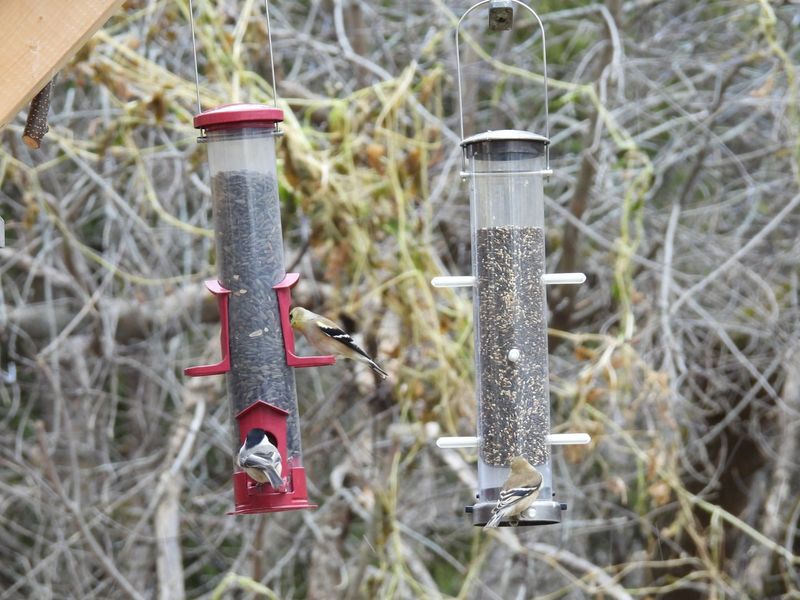
Bird feeders and wildlife feeding stations have become controversial in Pennsylvania neighborhoods where bears, deer, and other animals create safety and property damage concerns.
Many municipalities now prohibit feeding wildlife entirely, with specific bans on bird feeders from April through November when bears are most active statewide.
Attracting wildlife to residential areas increases human-animal conflicts, vehicle collisions, and property damage that affect entire communities beyond the feeding property alone.
Fines for prohibited wildlife feeding in Pennsylvania start around one hundred dollars but can reach thousands for violations that result in bear incidents.
State wildlife officials may require removal of attractants and issue additional penalties when fed animals become habituated to human areas and food sources.
Natural landscaping with native plants provides food and habitat for birds and pollinators without the problems associated with concentrated feeding stations in yards.
Some Pennsylvania communities allow bird feeding only if feeders are brought indoors nightly or protected by electric fencing that excludes bears and mammals.
Residents should consult local wildlife officers and municipal codes before installing any feeding stations to ensure compliance with current Pennsylvania wildlife management regulations.
Responsible wildlife appreciation through observation and habitat enhancement avoids legal problems while supporting healthy animal populations throughout Pennsylvania neighborhoods and wild areas today.
10. Applying Pesticides Without Proper Certification
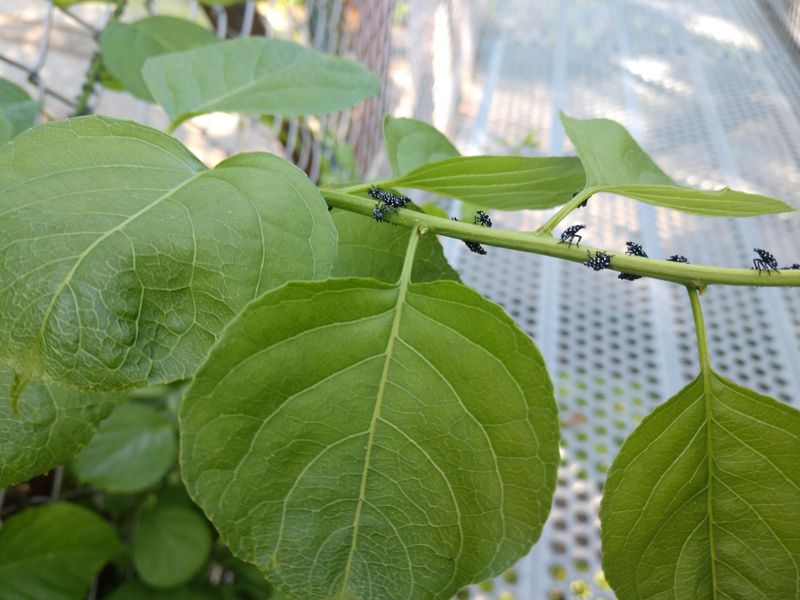
Pennsylvania law now requires certification for anyone applying pesticides beyond simple household products, including homeowners treating their own larger properties extensively today.
Commercial applicators must hold state licenses, but even residential property owners need training for restricted-use pesticides that pose environmental or health risks.
Misapplication of chemicals harms beneficial insects like pollinators, contaminates groundwater, and creates liability issues when drift affects neighboring properties across Pennsylvania communities.
Fines for unlicensed pesticide application range from several hundred to thousands of dollars, with criminal charges possible for serious violations causing environmental damage.
Record-keeping requirements now apply to many pesticide applications, documenting what products were used, when, where, and in what quantities throughout the year.
Integrated pest management approaches emphasizing prevention and targeted treatments reduce chemical use while achieving effective control of landscape pests in Pennsylvania gardens.
Licensed professionals understand proper timing, application rates, and safety precautions that protect people, pets, and ecosystems from unintended harm caused by pesticides.
Many Pennsylvania municipalities restrict pesticide use in public spaces and near schools, with some considering broader limitations on cosmetic applications for lawns.
Consulting certified applicators and exploring non-chemical alternatives helps homeowners maintain attractive landscapes while complying with evolving Pennsylvania pesticide regulations and environmental protection standards.