9 Outdoor Plants That Could Be Banned As Invasive In Georgia
In Georgia, a beautiful garden can sometimes hide a growing problem.
Some outdoor plants spread fast, crowd out native species, and quietly cause damage beyond the fence line.
These are outdoor plants that could be banned as invasive in Georgia, and many homeowners already grow them without realizing the risk.
What looks harmless today can turn into a headache tomorrow.
Outdoor plants that could be banned as invasive in Georgia often start out popular for a reason.
They grow quickly, look great, and seem easy to manage at first.
Still, once they take hold, they can be hard to control and even harder to remove.
Outdoor plants that could be banned as invasive in Georgia do not stay put.
They spread into woods, waterways, and neighboring properties before anyone sees trouble coming.
Georgia has been cracking down on invasive species, and more plants are landing on the watch list.
Outdoor plants that could be banned as invasive in Georgia are under growing scrutiny as officials work to protect local ecosystems.
For gardeners, staying informed now can save time, money, and frustration later.
Knowing which plants raise red flags helps keep gardens beautiful without causing long term harm.
1. English Ivy
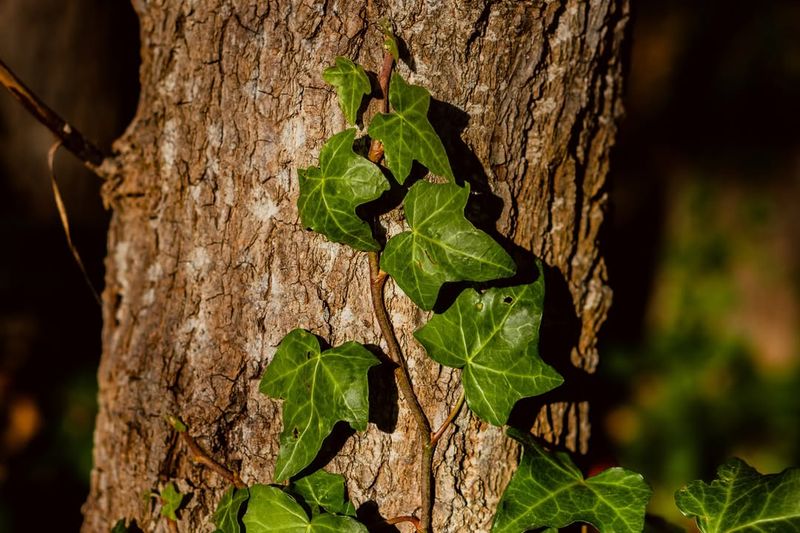
Climbing up trees and blanketing the ground, English ivy might look charming on brick walls, but it’s become a serious problem across Georgia’s woodlands.
This evergreen vine was brought from Europe as an ornamental plant, and homeowners loved how quickly it covered unsightly areas.
Unfortunately, that same fast growth makes it a nightmare in natural settings where it smothers everything in its path.
Trees suffer tremendously when English ivy wraps around their trunks and branches.
The heavy vines add extra weight that can topple trees during storms, and the dense leaf coverage blocks sunlight that the tree needs for photosynthesis.
Georgia’s native ground plants also disappear under thick ivy mats, leaving nothing for local insects and wildlife to eat.
Property values can actually drop when English ivy gets out of control because it damages building foundations and creates hiding spots for rodents.
Many Georgia neighborhoods now organize ivy-pulling events to remove this plant from parks and nature preserves.
Native alternatives like coral honeysuckle or crossvine provide the same visual appeal without the ecological damage, making them much better choices for Georgia gardens looking for climbing plants.
2. Chinese Privet
Walk through any Georgia forest in spring, and you’ll probably smell Chinese privet before you see it.
The sweet-scented white flowers might seem pleasant at first, but this shrub has taken over huge sections of woodland across the state.
Originally planted as hedges and ornamental shrubs throughout the Southeast, Chinese privet now forms impenetrable thickets that block out native plants completely.
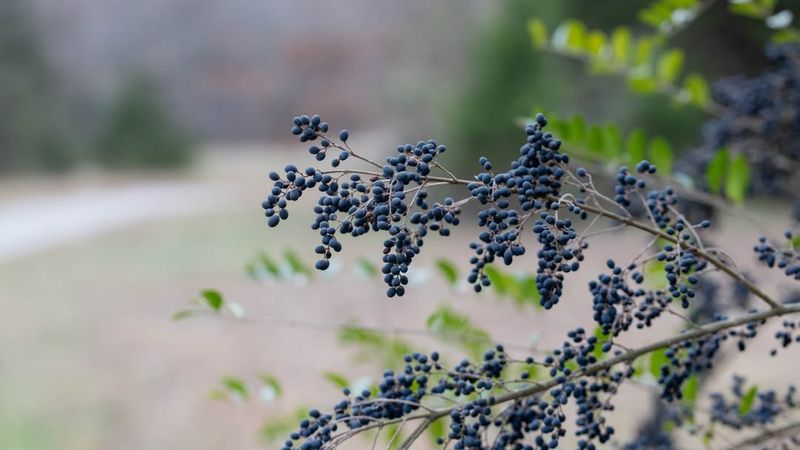
Birds love the small berries that Chinese privet produces, which sounds good until you realize this helps spread the plant even further.
Each shrub can produce thousands of seeds, and birds deposit them across Georgia’s forests after eating the fruit.
The dense shade created by privet thickets prevents native wildflowers, shrubs, and tree seedlings from growing, essentially creating plant deserts where little else survives.
Removing Chinese privet requires serious effort because the roots resprout vigorously after cutting.
Georgia landowners spend countless hours and dollars battling this aggressive shrub on their properties.
Better alternatives for Georgia hedges include native beautyberry, which offers similar size and shape but supports local ecosystems instead of harming them.
3. Japanese Honeysuckle
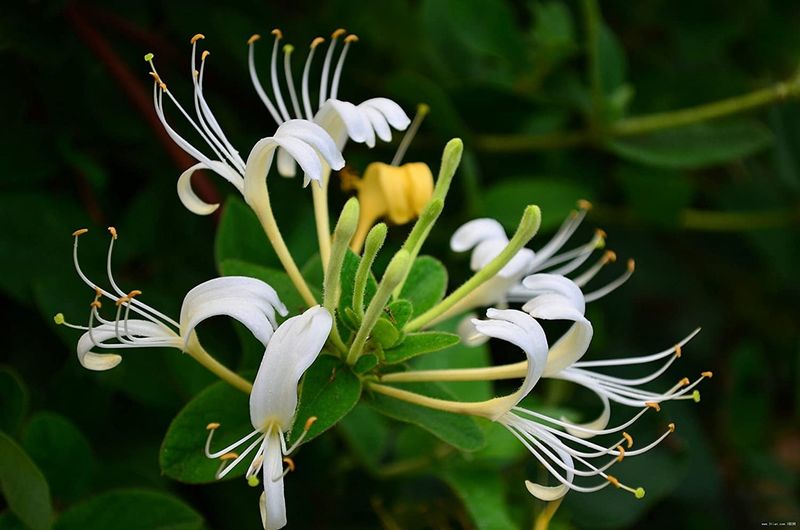
That sweet perfume drifting through Georgia neighborhoods on summer evenings often comes from Japanese honeysuckle, a vine that seems innocent but causes massive ecological problems.
Kids might remember sucking nectar from the tubular flowers, creating fond memories that make this plant feel like a harmless part of Southern landscapes.
Reality tells a different story as this aggressive vine strangles native vegetation throughout Georgia’s natural areas.
Japanese honeysuckle grows so vigorously that it can completely cover small trees and shrubs in a single growing season.
The weight of the vines pulls branches down, and the dense leaf coverage blocks all sunlight from reaching plants underneath.
Georgia’s forest understory becomes a tangled mess where native species can’t compete, reducing food sources for native insects that our birds and other wildlife need.
Interestingly, Japanese honeysuckle was intentionally planted along highways for erosion control, which seemed like a good idea until the vine escaped into every habitat imaginable.
Now it’s found in forests, fields, and wetlands across Georgia, requiring constant management.
Native coral honeysuckle offers beautiful tubular flowers that hummingbirds adore without the aggressive spreading behavior that makes Japanese honeysuckle such a problem.
4. Kudzu

Everyone in Georgia knows kudzu, the vine that ate the South.
Introduced at the 1876 Centennial Exposition in Philadelphia, this Japanese import was promoted heavily across the Southeast for livestock forage and erosion control during the Great Depression.
Farmers received payment to plant kudzu, and the government even established kudzu clubs to encourage its spread, decisions that would have devastating consequences for Georgia’s landscapes.
Growing up to a foot per day during summer, kudzu transforms entire hillsides into undulating green blankets that swallow trees, power lines, and abandoned buildings.
The vine completely blocks sunlight from anything it covers, eventually causing trees and shrubs to perish from lack of light.
Georgia loses valuable timber and wildlife habitat to kudzu every year, and the vine’s spread shows no signs of slowing without intensive human intervention.
Fighting kudzu requires years of persistent effort because the massive root systems can weigh hundreds of pounds and store enough energy to resprout repeatedly.
Some Georgia counties have kudzu eradication programs, but the plant’s rapid growth makes complete removal nearly impossible once it becomes established in an area.
5. Nandina
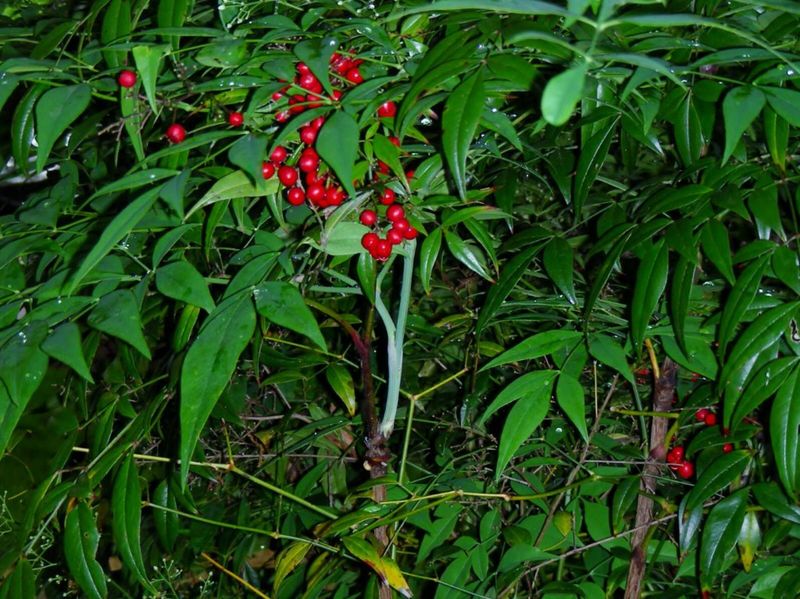
Commonly called heavenly bamboo despite not being bamboo at all, nandina decorates countless Georgia yards with its delicate foliage and bright red winter berries.
Garden centers stock dozens of nandina varieties, and landscapers recommend it for foundation plantings because it tolerates shade and requires little maintenance.
What most people don’t realize is that those pretty berries contain toxic compounds and the plant readily escapes cultivation to invade Georgia’s natural areas.
Birds eat nandina berries and spread seeds into forests and parks where the shrubs form dense colonies that crowd out native plants.
The berries contain cyanide compounds that can actually harm cedar waxwings and other birds when consumed in large quantities, creating a dangerous food source that looks appealing but offers poor nutrition.
Georgia’s native shrubs provide much better food for wildlife while supporting the insects that birds need to feed their young.
Several Georgia nature preserves now list nandina as a priority removal target because it’s becoming so widespread in natural areas.
The shrub’s ability to spread through both seeds and underground stems makes control difficult once populations become established.
6. Bradford Pear

Suburban Georgia streets lined with Bradford pears create stunning white flower displays each spring, but this popular ornamental has become one of the state’s most problematic invasive trees.
Developed as a supposedly sterile cultivar that wouldn’t produce fruit, Bradford pears seemed like perfect street trees because they grew quickly and shaped themselves into attractive pyramids.
Scientists didn’t anticipate that different pear cultivars would cross-pollinate, creating fertile offspring that spread aggressively.
Those hybrid pear seedlings now pop up everywhere across Georgia, forming thorny thickets in pastures, along roadsides, and in natural areas.
Unlike the shapely Bradford pears in yards, these wild descendants grow into dense, thorny tangles that livestock and wildlife avoid.
The trees also have weak branch structures that split apart during storms, creating hazards and costly cleanup for Georgia property owners.
Many Georgia municipalities have stopped planting Bradford pears in public spaces, and some actively encourage their removal.
Native alternatives like serviceberry or fringe tree provide beautiful spring flowers and support Georgia’s ecosystem instead of harming it, making them far superior choices for landscapes throughout the state.
7. Bamboo
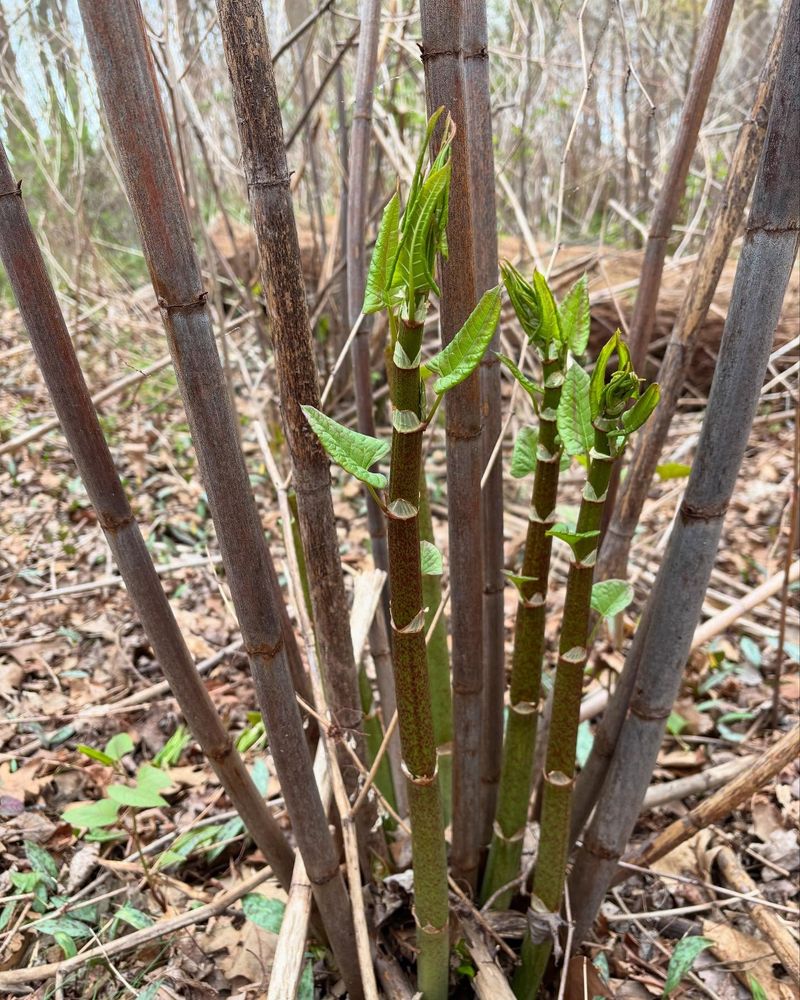
Planted for privacy screens or Asian-inspired garden aesthetics, bamboo seems like an elegant solution until it starts spreading into every corner of your property and beyond.
Running bamboo species send underground stems called rhizomes that can travel surprising distances, popping up dozens of feet from the original planting.
Georgia’s warm climate and ample rainfall create perfect conditions for bamboo to spread aggressively, often crossing property lines and causing neighbor disputes.
Controlling bamboo once it escapes its intended area requires extreme persistence and often professional help.
The rhizomes can tunnel under driveways and foundations, and even small fragments left in the soil can regenerate into new plants.
Georgia homeowners have spent thousands of dollars trying to remove unwanted bamboo from their properties, making it one of the most regretted landscape choices.
Some Georgia counties already regulate bamboo planting, requiring barriers or prohibiting running species entirely.
Clumping bamboo varieties spread much more slowly and pose fewer problems, but many experts recommend avoiding bamboo altogether in Georgia landscapes.
Native river cane offers similar aesthetics without the aggressive spreading, and it provides valuable habitat for specialized insects found nowhere else.
8. Wisteria
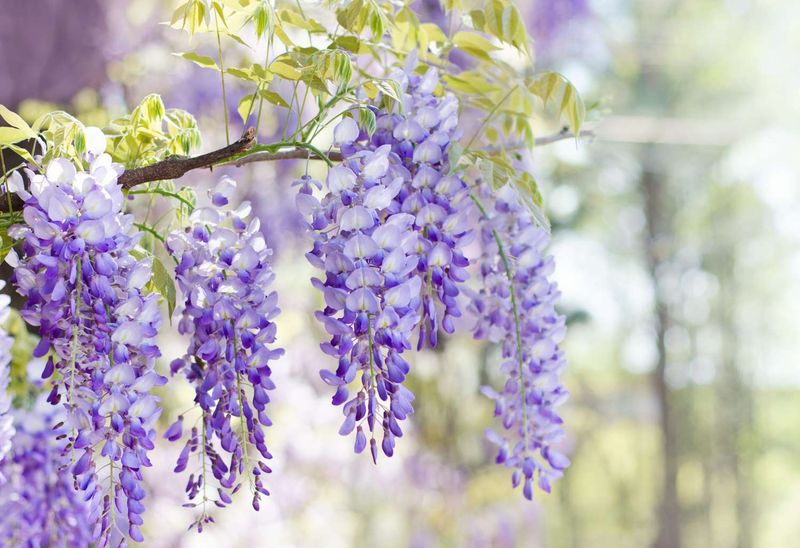
Draping purple blooms make wisteria one of the most photographed plants in Southern gardens, but Chinese and Japanese wisteria species have become serious threats to Georgia’s forests.
These Asian imports grow much more aggressively than native American wisteria, twining up tree trunks and into canopies where their weight can snap large branches.
The vines grow so thick that they can actually strangle trees, girdling trunks and cutting off the flow of water and nutrients.
Georgia’s woodland edges often show signs of wisteria invasion, with massive vines hanging from trees like thick ropes.
Once established in natural areas, wisteria spreads through both seeds and vegetative growth, making eradication extremely difficult.
The dense shade created by wisteria-covered canopies prevents native plants from growing underneath, reducing biodiversity and food sources for wildlife.
Gardeners who want wisteria’s beauty should choose native American wisteria instead of Asian species.
American wisteria grows less aggressively, stays more manageable, and provides the same gorgeous flower clusters that make this plant family so popular across Georgia and the broader Southeast region.
9. Miscanthus
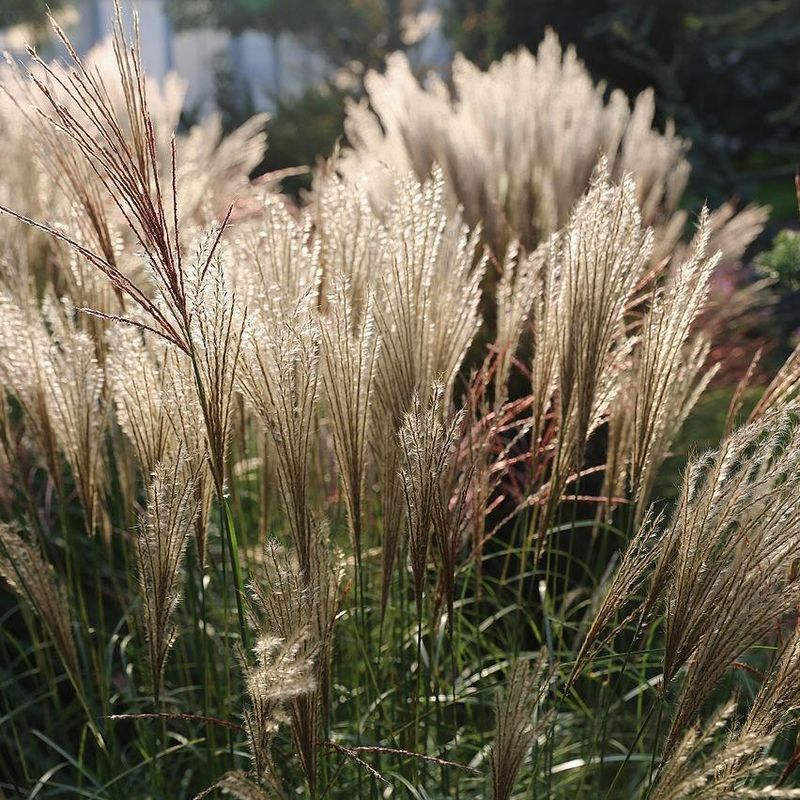
Ornamental grass enthusiasts across Georgia have embraced miscanthus for its dramatic height, feathery plumes, and low maintenance requirements.
Also called maiden grass or Chinese silvergrass, miscanthus varieties appear in countless landscape designs where designers want texture and movement.
Several miscanthus species produce viable seeds in Georgia’s climate, however, allowing them to escape gardens and establish in natural areas where they outcompete native grasses and wildflowers.
Each miscanthus plant can produce thousands of seeds that wind carries across Georgia’s landscape, establishing new populations in fields, roadsides, and forest edges.
The tall, dense clumps create monocultures that exclude other plants and provide poor habitat for native insects and wildlife.
Georgia’s native warm-season grasses support hundreds of specialized insects, but miscanthus from Asia offers almost nothing to local ecosystems.
Some states have already banned certain miscanthus species, and Georgia regulators are watching populations closely.
Sterile miscanthus cultivars pose less risk, but telling varieties apart can be difficult.
Safer alternatives include native switchgrass, Indiangrass, or little bluestem, all of which provide similar ornamental value while supporting Georgia’s native wildlife and pollinators that depend on indigenous plants.