8 Overused Ohio Trees Homeowners Keep Planting (And 4 Better Swaps)
Ever wonder why the same tree that looked like a dream on planting day turns into a nonstop chore a few years later? Take a walk down your street and it starts to click.
The same familiar choices pop up again and again, and many come with strings attached that no one talks about upfront. What begins as quick shade can turn into cracked walkways, messy drop, and constant pruning that eats up your weekends.
Ohio has a way of testing every tree you plant. Heavy clay soil, humid summers, and cold winters push even popular favorites to their limits.
Some handle it, many do not. A better path is right in front of you.
The right trees bring the same beauty and structure without the ongoing hassle. A few smart swaps can completely change how your yard looks, feels, and functions year after year.
1. Bradford Pear Overcrowds Streets And Fails In Storms
Few trees have caused as much frustration for Ohio homeowners as the Bradford pear. For decades, nurseries sold it heavily across the state because it grew fast, bloomed beautifully in spring, and cost very little upfront.
Municipalities planted rows of them along streets in Columbus, Dayton, and Cincinnati without fully understanding what would happen twenty years later.
The core problem is structural. Bradford pears develop multiple upright branches that all emerge from nearly the same point on the trunk.
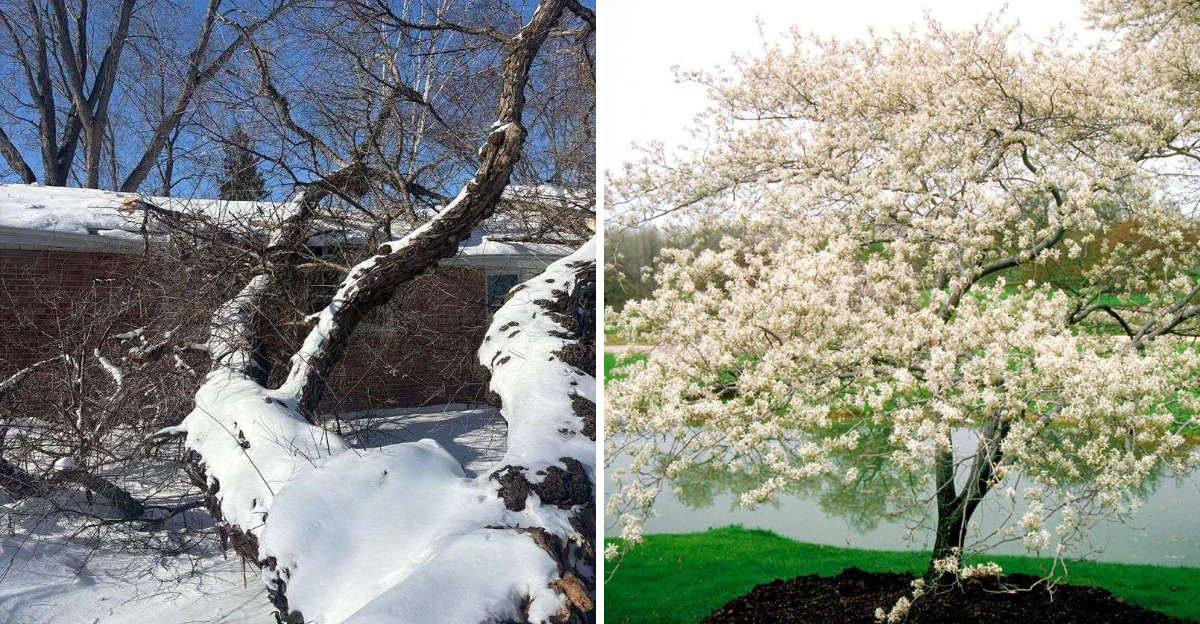
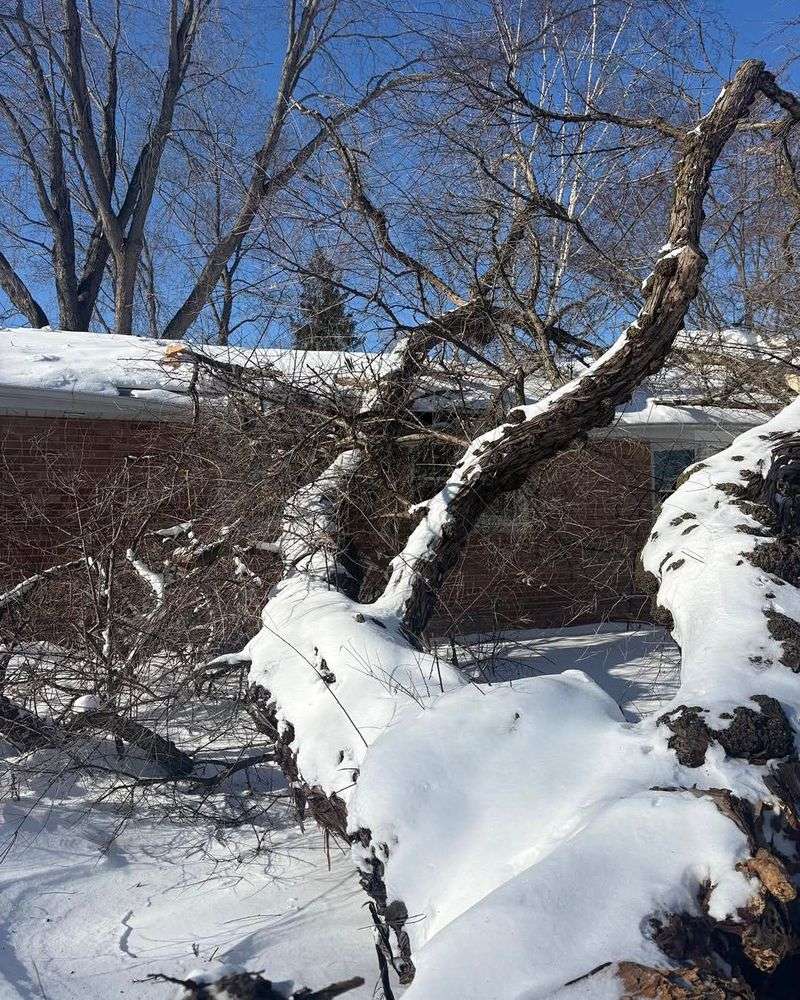
As the tree matures, those branches press tightly against each other, creating what arborists call included bark. That weak union cannot handle Ohio’s frequent thunderstorms or winter ice loads, and entire halves of the tree often split away suddenly.
Ohio State University Extension has long flagged the Bradford pear’s poor branch architecture as a major liability. Beyond storm damage, the tree also contributes to invasive spread.
Seeds from Bradford pears cross-pollinate with other Callery pear varieties, producing thorny wild seedlings that invade roadsides and natural areas across Ohio. The short lifespan of roughly 20 years combined with its invasive tendencies makes this one of the worst long-term investments an Ohio homeowner can make in their landscape.
2. Norway Maple Creates Dense Shade And Crowds Out Natives
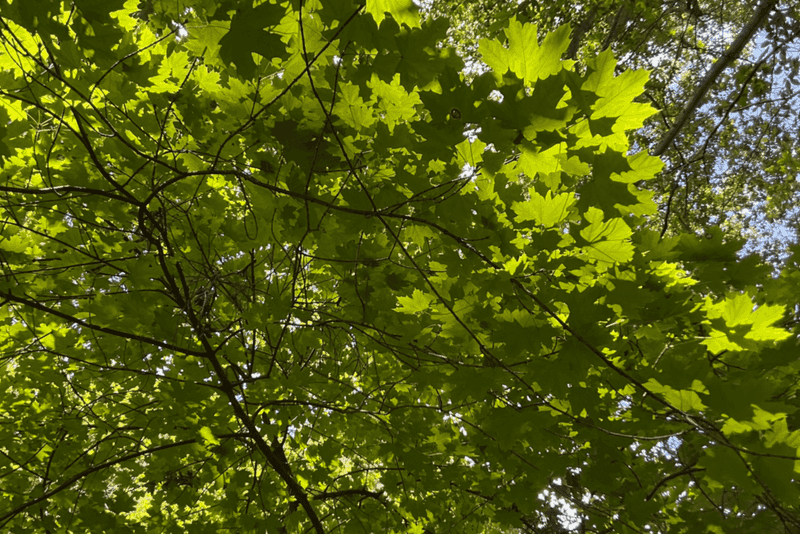
Spend time under a mature Norway maple in midsummer and you will notice something strange. Almost nothing grows beneath it.
The grass thins out, native wildflowers disappear, and even shade-tolerant shrubs struggle to survive. That dense canopy is one of the Norway maple’s defining traits, and in Ohio landscapes it creates real problems for biodiversity and soil health.
Originally introduced from Europe as a tough urban tree, Norway maple became widely planted across Ohio through the mid-20th century. It tolerates compacted soil and pollution reasonably well, which made it popular in cities.
But its shallow, fibrous root system competes aggressively with nearby plants for water and nutrients, leaving little for anything else to survive nearby.
Ohio’s natural areas have felt the impact too. Norway maple spreads readily by seed and has naturalized in woodland edges throughout the state, outcompeting native understory trees like serviceberry and redbud.
The Ohio Department of Natural Resources has noted its invasive behavior in disturbed natural areas. For homeowners, the combination of surface roots that buckle driveways, dense shade that limits garden options, and invasive spread into neighboring properties makes Norway maple a tree worth skipping entirely when better alternatives exist.
3. Callery Pear Spreads Beyond Yards And Becomes Problematic
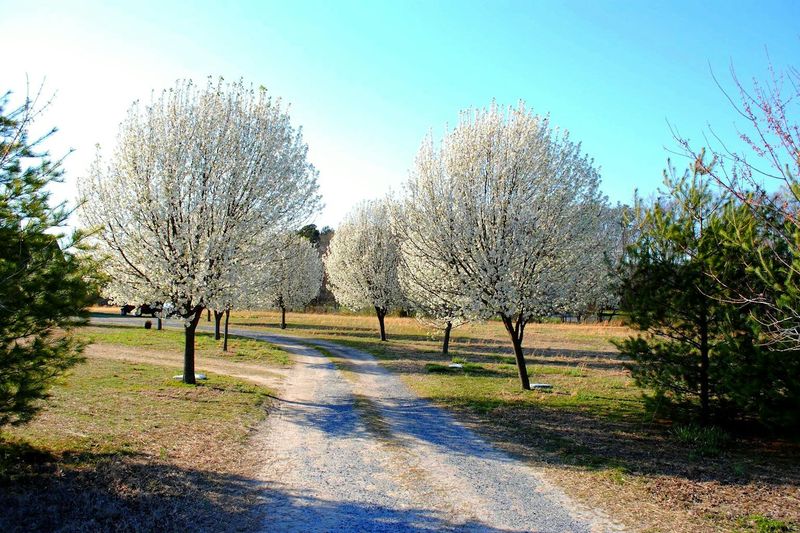
Driving through rural Ohio in early spring, you have almost certainly spotted those clouds of white blooms along roadsides and field edges. That is not a native wildflower display.
In most cases, those are feral Callery pear trees, and they represent one of Ohio’s most visible invasive plant problems today.
Callery pear is the species that includes Bradford pear and dozens of other named cultivars sold at nurseries for years. When different cultivars cross-pollinate, which happens easily because they bloom simultaneously, they produce fertile seeds.
Birds eat the small fruits and deposit seeds across fields, roadsides, and natural areas. The resulting seedlings grow into thorny, dense thickets that crowd out native vegetation and are extremely difficult to remove once established.
Ohio officially listed Callery pear as a prohibited invasive plant, with sales restrictions taking effect in 2023. That legal recognition reflects how serious the problem has become across the state.
For homeowners who still have Callery pear cultivars in their yards, the trees continue contributing to this spread every spring. Beyond invasiveness, these trees share the same weak branch structure as Bradford pear, making storm damage a recurring issue.
Choosing a native flowering tree instead eliminates both the structural and ecological concerns entirely.
4. Silver Maple Grows Fast But Breaks Easily In Ohio Weather
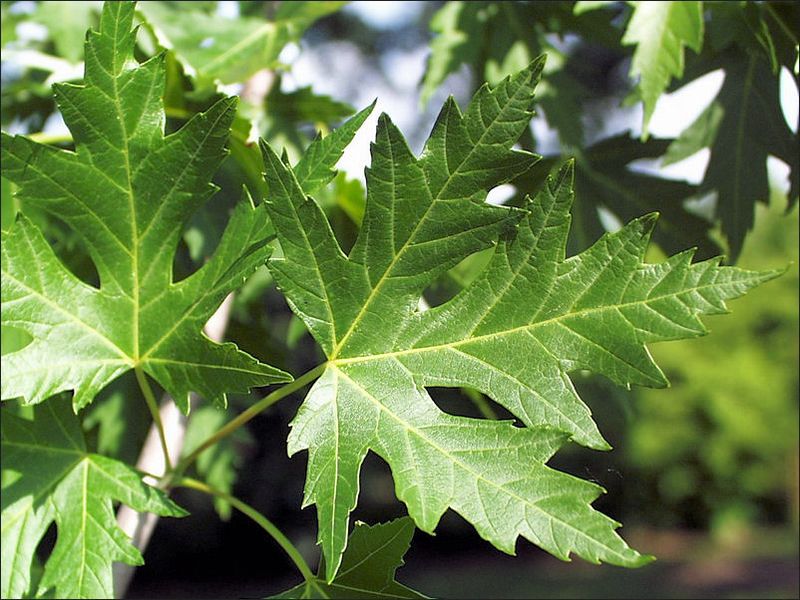
When a young homeowner wants shade fast, silver maple is often the first tree someone recommends. It can grow three feet or more per year under good conditions, and that speed is genuinely appealing when you are staring at a bare, sun-baked backyard.
Ohio nurseries have sold silver maples for generations for exactly that reason.
The tradeoff becomes obvious once the tree matures. Silver maple wood is notably brittle compared to other native maples, and Ohio’s summer thunderstorms test that weakness regularly.
Large limbs snap and fall with little warning, creating hazards for roofs, vehicles, fences, and anyone nearby. The shallow, aggressive root system also spreads widely, lifting sidewalks, cracking driveways, and invading sewer lines over time.
Midwest urban forestry guidelines consistently rate silver maple as a high-maintenance tree in residential settings because of these structural concerns. In Ohio’s clay-heavy soils, the surface rooting is especially problematic since the compacted clay pushes roots laterally rather than deep.
The tree also produces heavy seed crops that germinate in gutters, garden beds, and lawn areas throughout spring. For homeowners who want fast shade, there are better options that grow reasonably quickly without the long-term liability that silver maple reliably delivers.
5. Colorado Blue Spruce Struggles With Disease In Humid Summers
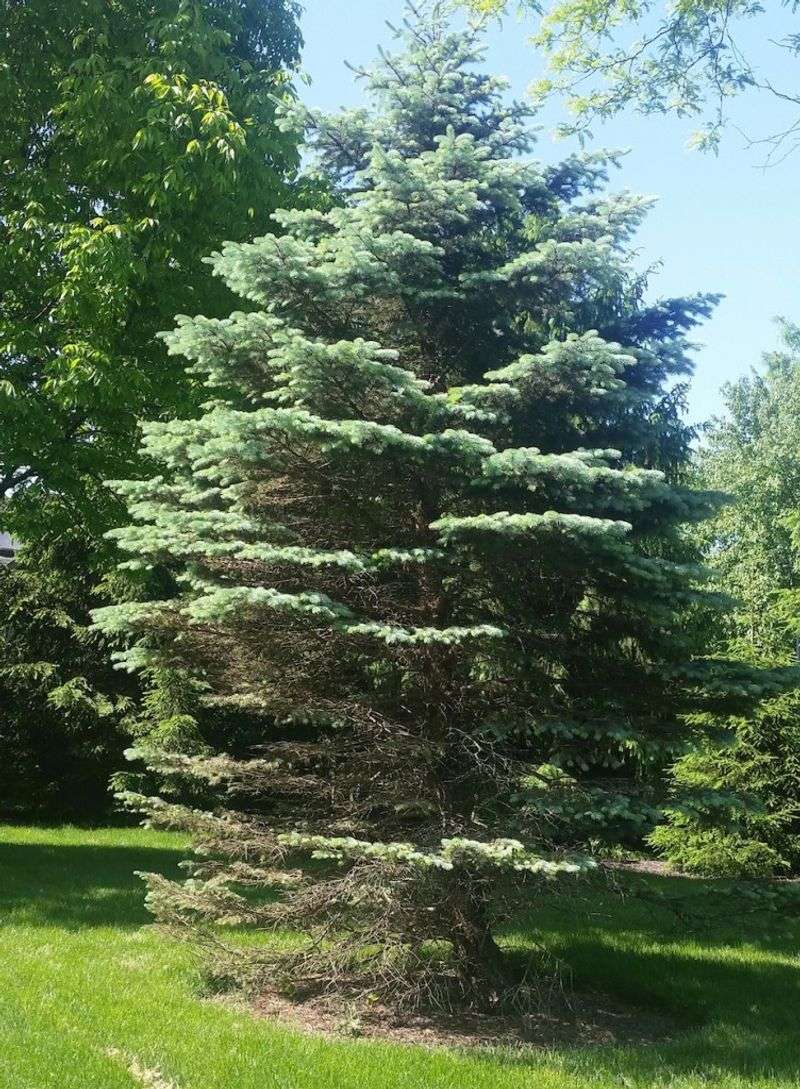
Colorado blue spruce looks stunning in photos and in Colorado. Plant one in Ohio and the story often changes within a decade.
Across the state, you can spot declining blue spruces in yards everywhere, their lower branches brown and bare while the top clings to a thin tuft of needles. That pattern is the signature of Rhizosphaera needle cast, a fungal disease that thrives in exactly the humid conditions Ohio summers deliver.
The tree originates from the Rocky Mountain region, where dry summers and low humidity keep fungal pathogens in check. Ohio’s combination of warm temperatures, frequent summer rain, and high humidity creates a very different environment.
Rhizosphaera spreads from the lower branches upward, causing progressive needle loss that weakens the tree over several years. Stigmina needle cast and Cytospora canker also affect blue spruces planted in Ohio, compounding the decline.
Ohio State University Extension plant pathologists have documented widespread blue spruce decline across the state and note that the problem is essentially a mismatch between the tree’s native climate and Ohio’s conditions. Fungicide treatments can slow the disease but rarely reverse serious decline.
For homeowners wanting an evergreen with year-round presence, native alternatives like eastern red cedar or white pine perform far more reliably in Ohio’s actual climate without constant intervention.
6. Weeping Willow Causes Root And Moisture Issues Near Homes
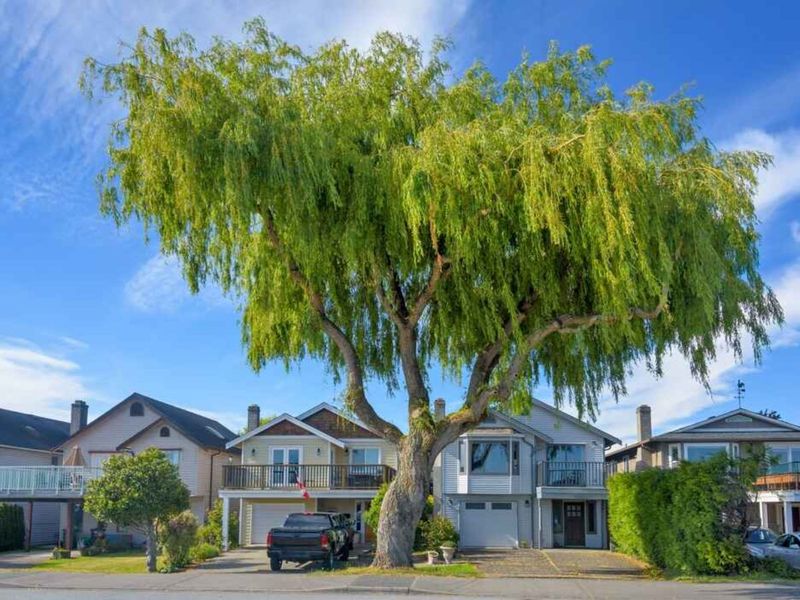
There is something undeniably romantic about a weeping willow. The long, graceful branches sweeping toward the ground have made it a landscape favorite for generations, and Ohio homeowners continue planting them near ponds, streams, and even in ordinary suburban yards.
The visual appeal is real. The practical consequences, however, can be severe.
Weeping willows are genetically programmed to find water, and their root systems pursue any available moisture source with remarkable persistence. Water lines, sewer pipes, French drains, and basement foundations are all vulnerable.
Roots can infiltrate small cracks in pipes and expand them significantly over time, leading to expensive plumbing repairs. In Ohio’s clay-heavy soils, where drainage is already limited, willow roots spread broadly near the surface and can heave structures over time.
Beyond the root issues, weeping willows are short-lived compared to many landscape trees, often declining noticeably after 20 to 30 years. They drop branches and twigs constantly, require significant cleanup, and are vulnerable to several canker diseases common in Ohio.
Planting one within 50 feet of any structure, pipe, or utility line is widely discouraged by Midwest arborists. For homeowners who love the look near water, river birch offers a far more manageable option with far less risk to nearby infrastructure.
7. Pin Oak Suffers Chlorosis In Ohio’s Clay Soil
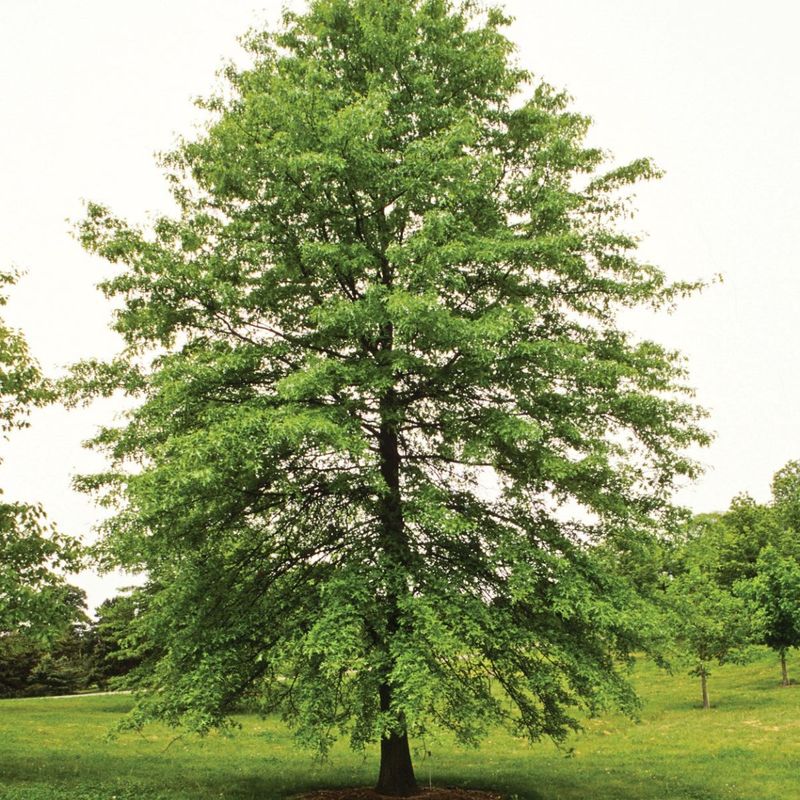
Pin oak is native to Ohio and grows beautifully in the right conditions. That qualifier matters more than most homeowners realize before planting one.
Across Ohio’s suburban landscapes, pin oaks planted in typical clay-heavy, slightly alkaline soils develop iron chlorosis, a condition where yellowing leaves with dark green veins signal that the tree cannot absorb enough iron to stay healthy.
Ohio’s clay soils tend to have a higher pH than pin oak prefers. In alkaline conditions, iron in the soil becomes chemically unavailable to the tree even when iron is physically present.
The result is slow, chronic stress that weakens the tree over many years. Leaves yellow progressively, growth slows, and the tree becomes more vulnerable to secondary pest and disease problems including bacterial leaf scorch, which is widespread among stressed oaks in Ohio.
Treating chlorosis with soil acidifiers or trunk injections provides temporary relief but rarely solves the underlying problem permanently, especially in Ohio’s buffered clay soils. Ohio State University Extension recommends evaluating soil pH before planting pin oak and choosing alternative oak species better suited to alkaline clay conditions.
Swamp white oak, for example, handles Ohio’s clay soils with far less chronic stress and delivers comparable shade and wildlife value without the ongoing management that chlorotic pin oaks demand.
8. Arborvitae Gets Overplanted And Declines In Tight Spaces
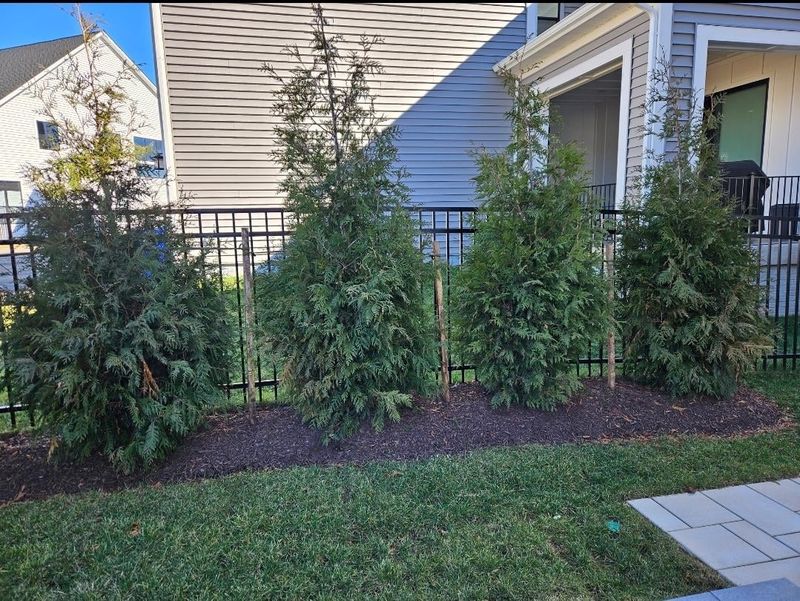
Privacy screening is one of the most common landscaping goals for Ohio homeowners, and arborvitae has become the default answer for that need. Walk along almost any suburban fence line in central or northern Ohio and you will find a row of them, planted tightly together and expected to form a dense green wall.
Sometimes that works out. Often, it does not.
Arborvitae planted in tight rows quickly develop interior browning as air circulation drops and sunlight cannot reach the inner foliage. The crowded conditions promote fungal issues and make the plants look thin and patchy within a few years.
Ohio winters bring another serious problem: deer. White-tailed deer populations are high across much of Ohio, and arborvitae is one of their preferred winter food sources.
Significant browse damage can strip plants severely during harsh winters when other food is scarce.
Beyond deer and airflow problems, arborvitae planted in Ohio’s heavy clay soils often develop root rot in areas with poor drainage, which is common across much of the state. They also suffer branch splitting under heavy snow and ice loads.
Homeowners looking for reliable privacy screening in Ohio would do better exploring native alternatives like American holly or inkberry holly, which offer year-round screening with far better adaptability to Ohio’s actual growing conditions.
9. Serviceberry Adds Native Beauty With Year-Round Interest
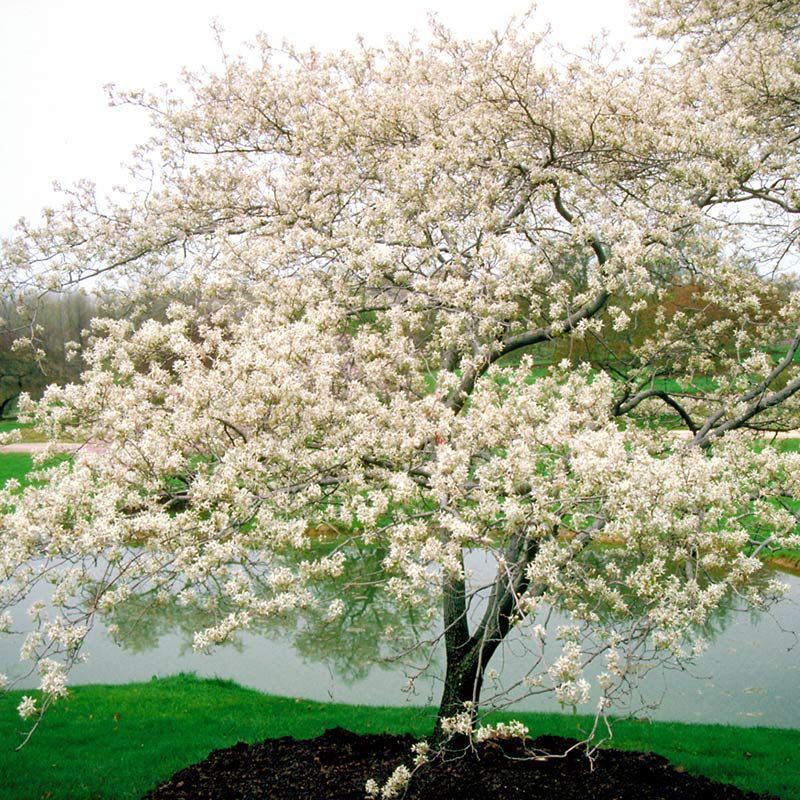
Most Ohio homeowners have never planted a serviceberry, and that is a genuine missed opportunity. This small native tree or large shrub blooms earlier than almost anything else in the Ohio landscape, often opening its delicate white flowers while patches of snow are still melting in late March or early April.
That early color is striking and welcomes pollinators at a time when few other food sources exist.
Serviceberry, known botanically as Amelanchier, is native across Ohio and naturally adapted to the state’s varied soil conditions, including clay-heavy sites. It tolerates both full sun and partial shade, making it flexible enough to fit many different yard situations.
In early summer, the small blueberry-like fruits attract birds enthusiastically, and the tree earns its place in the landscape multiple times over across a single season.
Fall foliage adds another layer of appeal, with leaves turning orange and red reliably each autumn. The multi-stemmed form of most serviceberry species gives it an attractive natural structure that looks good year-round, even in winter.
Mature plants typically reach 15 to 25 feet, making serviceberry genuinely appropriate for smaller Ohio yards where large shade trees would feel overwhelming. Ohio State University Extension recommends it as one of the best small native trees for residential landscapes across the state.
10. Eastern Redbud Brings Reliable Spring Color In Ohio Landscapes
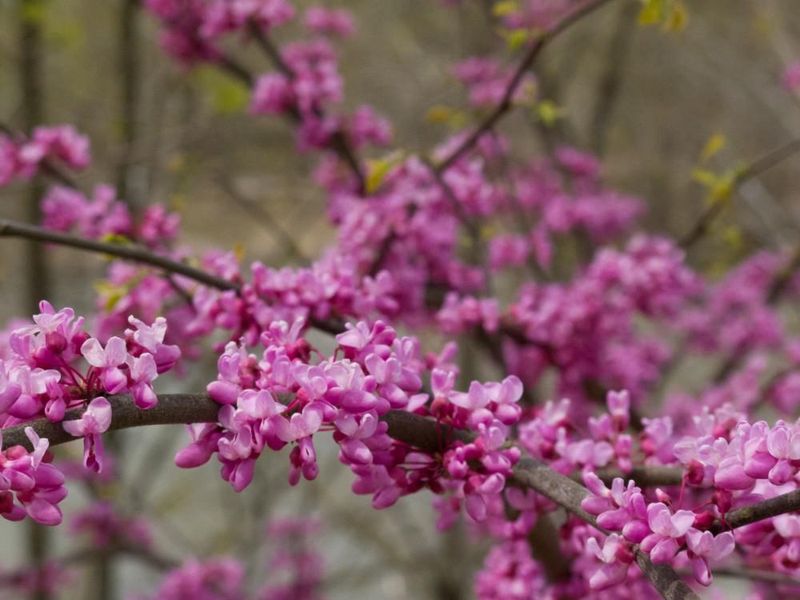
Before the leaves even open, eastern redbud puts on one of the most memorable spring displays in the entire Ohio landscape. The vivid pink-purple flowers emerge directly from the bare branches and trunk in early April, creating a color effect that is hard to match with any other small tree.
Redbuds are native across much of Ohio and have been lighting up woodland edges and roadsides here long before anyone planted them intentionally.
For homeowners, eastern redbud offers a practical size advantage over many flowering trees. Most mature specimens in Ohio reach 20 to 30 feet tall with a similar spread, which fits comfortably in typical suburban yards without overwhelming neighboring structures or utilities.
The heart-shaped leaves that follow the blooms are attractive through summer and turn a soft yellow in fall, extending the tree’s seasonal interest well beyond spring.
Redbud adapts reasonably well to Ohio’s clay soils when drainage is adequate, and it performs in both full sun and partial shade. Native ecotype plants sourced from Ohio or nearby states tend to show the best long-term performance in local conditions.
Compared to invasive ornamental pears that offer similar spring bloom timing, redbud delivers the color without any of the structural failure or invasive spread that makes those alternatives so problematic across Ohio landscapes.
11. Swamp White Oak Handles Clay Soil Far Better Than Most Oaks
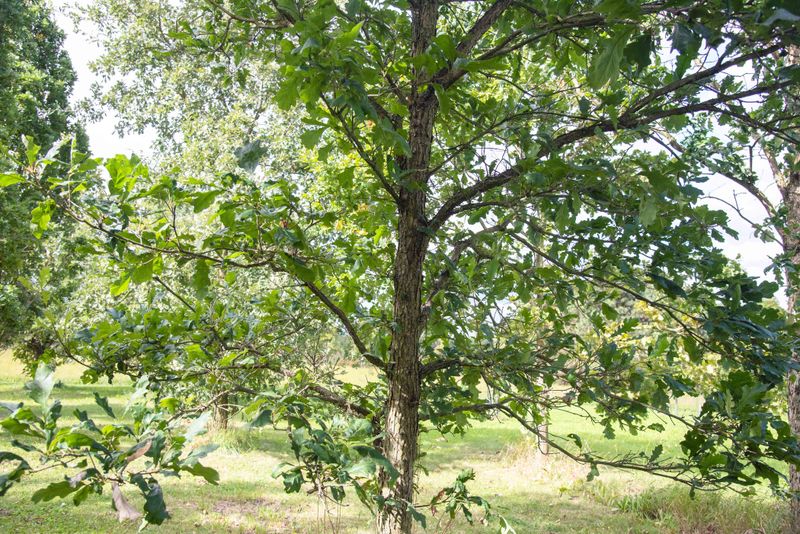
Ohio homeowners who want a large, long-lived shade tree often reach for red oak or pin oak by default. Swamp white oak deserves far more attention than it typically gets, especially for yards with the heavy clay soils that cover so much of central and western Ohio.
Unlike pin oak, which struggles chronically with chlorosis in alkaline clay, swamp white oak tolerates a wider pH range and handles wet, compacted conditions with impressive resilience.
The tree is native to Ohio’s floodplain forests and wetland edges, which explains its natural tolerance for the poorly drained clay conditions that challenge so many landscape trees. In residential settings, swamp white oak develops a strong branching structure that holds up well in Ohio’s storms, making it a notably safer choice than silver maple or Bradford pear for long-term planting near homes and structures.
Wildlife value is substantial. Swamp white oak produces acorns that support deer, squirrels, and numerous bird species, contributing meaningfully to local food webs.
The distinctive peeling bark on younger branches adds year-round visual texture that many homeowners appreciate as the tree matures. With a lifespan measured in centuries rather than decades, swamp white oak represents exactly the kind of long-term investment in Ohio’s landscape that fast-growing, short-lived alternatives simply cannot match.
12. River Birch Thrives In Moist Soil Without Structural Issues
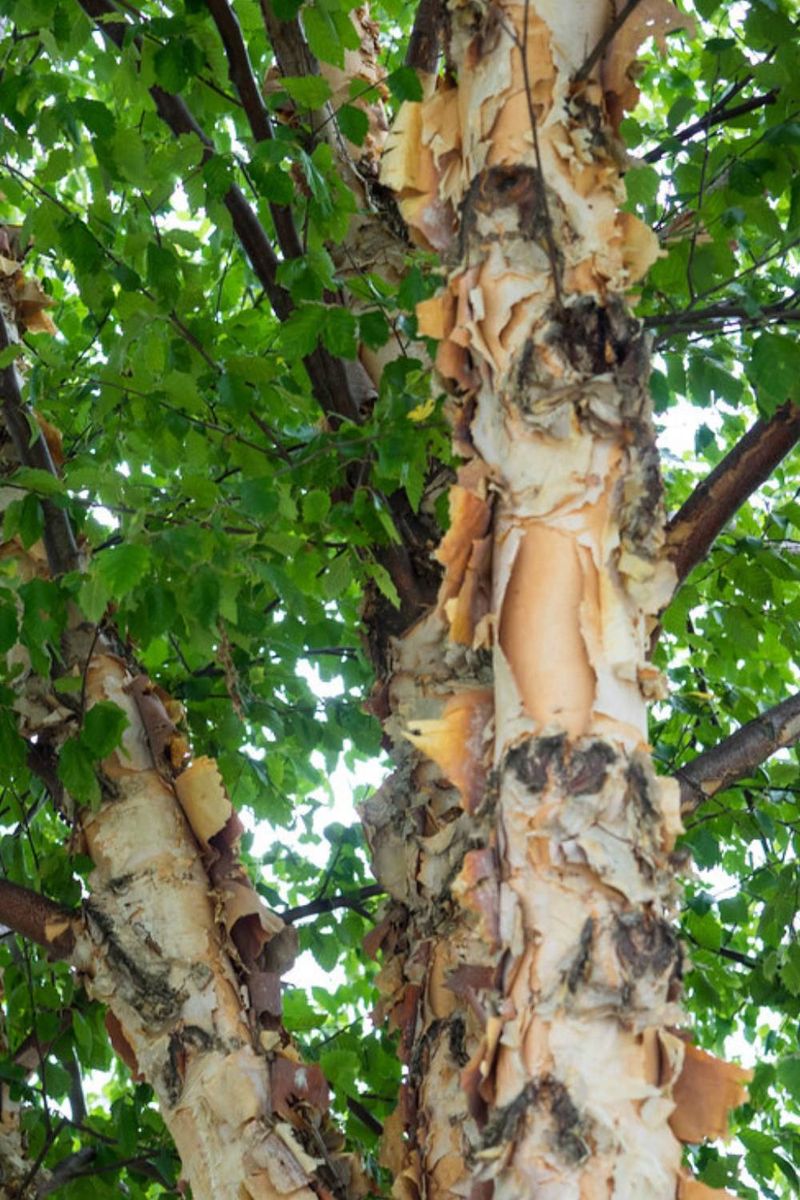
Anyone who has ever admired a weeping willow near water but worried about root damage to their home should take a serious look at river birch. Native to Ohio’s stream banks and floodplains, river birch handles moist and periodically wet soils with ease, making it one of the most practical choices for Ohio yards with drainage challenges or low-lying areas that stay damp after heavy rains.
The bark is the tree’s most immediately striking feature. Peeling layers of cinnamon, cream, and tan create a visual texture that looks interesting in every season, including winter when most trees offer little to look at.
Multi-stemmed forms are particularly popular in Ohio landscapes and provide a graceful, naturalistic appearance that works well in both formal and informal garden settings.
Unlike weeping willow, river birch roots are far less aggressive toward pipes and foundations, making it a much safer choice near structures. The tree grows at a moderate to fast rate and typically reaches 40 to 70 feet at maturity, providing genuine shade value over time.
River birch also shows good resistance to the bronze birch borer that devastates European white birch in Ohio, a significant practical advantage for long-term health. Ohio State University Extension consistently recommends it as one of the most reliable native trees for challenging Ohio planting sites.