7 Peach Tree Mistakes Arizona Gardeners Often Overlook
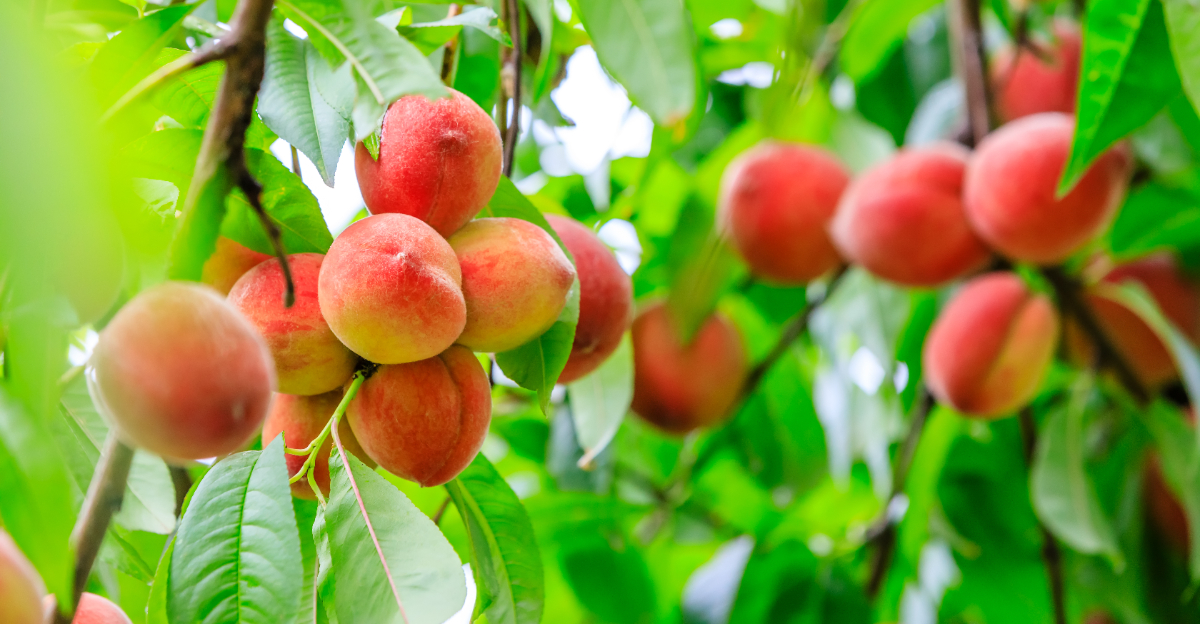
Peach trees can look fine at first in Arizona, and that is exactly why some problems get missed until the tree starts struggling.
A little growth in spring can make it seem like everything is on track, even when the tree is already dealing with stress, poor timing, or care that is not quite right for desert conditions.
That is where many gardeners get caught off guard. Arizona can be tough on peach trees in ways that are easy to underestimate, especially when heat, dry air, and fast seasonal shifts all start working against them.
The frustrating part is that some of the most common issues do not seem like big mistakes in the moment. They often look harmless until fruit production slows, leaves lose their healthy look, or the tree just never seems to perform the way it should.
Knowing what tends to get overlooked makes a big difference, especially before those small problems start affecting the whole tree.
1. Planting High Chill Varieties That Struggle In Low Desert Winters
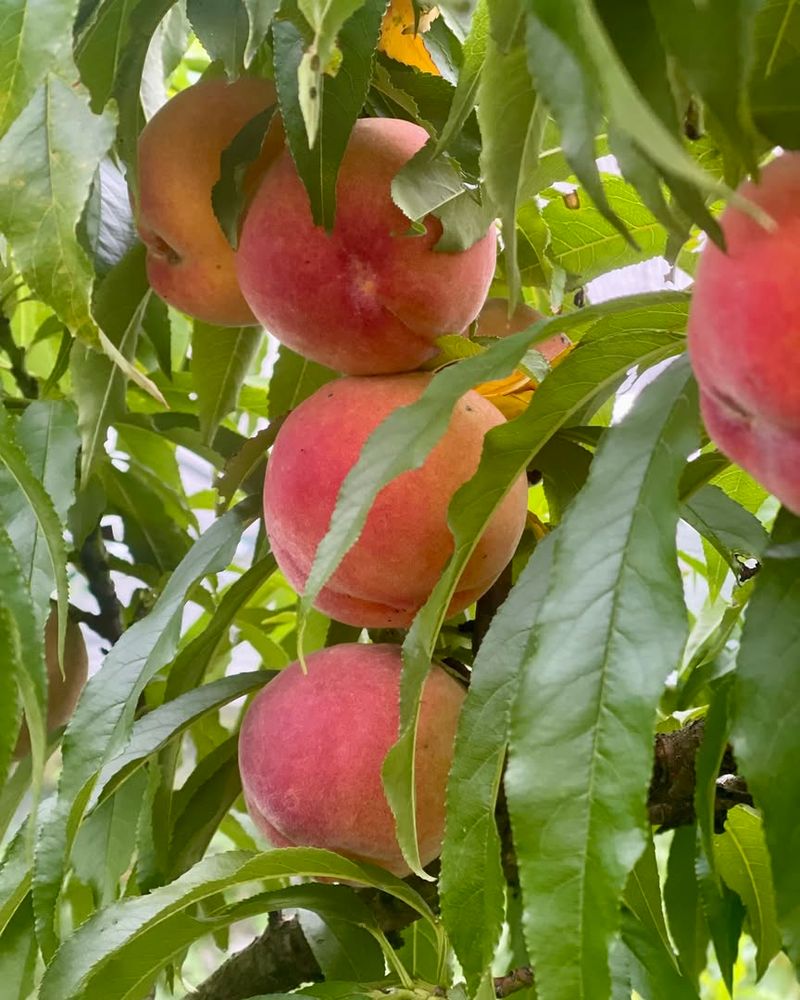
Not every peach tree belongs in Phoenix or Tucson. Chill hours are one of the most misunderstood requirements for peach trees, and ignoring them in Arizona’s low desert is one of the fastest ways to end up with a tree that leafs out but never delivers fruit.
Peach trees need a set number of hours where temperatures stay between 32 and 45 degrees Fahrenheit during winter. High-chill varieties like Elberta need around 800 of those hours, which just does not happen in the Valley of the Sun.
When a tree does not get enough cold exposure, it struggles to break dormancy properly, and fruit set becomes inconsistent or completely absent.
Low-chill varieties are the right call for most Arizona gardeners living below 3,500 feet elevation. Desert Gold needs only about 250 chill hours, and Florida Prince requires around 150.
Both perform reliably in low desert winters without needing cold spells that rarely come.
Check the tag before you buy. Nurseries in Arizona sometimes carry varieties suited for other climates, and a label that says peach does not automatically mean it will work in your yard.
Ask specifically about chill hour requirements and match them to your elevation and zip code.
Gardeners in Flagstaff or higher elevations have more flexibility since winters there are genuinely cold enough for mid-chill and even some high-chill types.
Know your zone, pick the right variety, and the whole growing experience becomes a lot less frustrating from the start.
2. Skipping Fruit Thinning Leads To Small Poor Quality Peaches
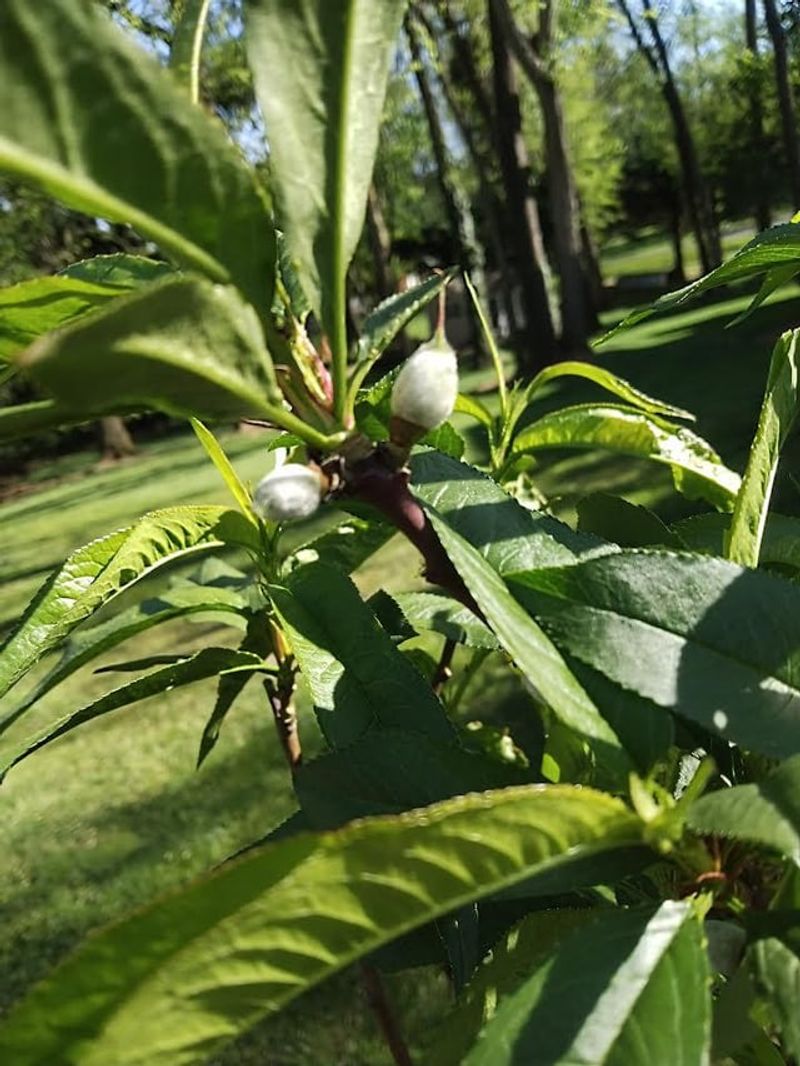
A branch packed with dozens of tiny peaches might look impressive in spring, but come harvest time, you end up with fruit barely worth eating.
Skipping thinning is one of those mistakes that seems harmless early in the season and only becomes obvious once the damage is done.
Peach trees in Arizona set more fruit than they can realistically support. When too many peaches compete for the same nutrients and water, none of them reach full size or develop the sweetness you are actually going for.
Crowded fruit also creates extra weight that can snap branches, especially during summer monsoon winds.
Thinning should happen around four to six weeks after bloom, once the fruitlets are roughly the size of a marble. Pull or snip them off so remaining peaches are spaced about six to eight inches apart along each branch.
It feels counterintuitive to remove fruit, but the peaches left behind will be noticeably larger and more flavorful.
Arizona’s intense summer heat already puts stress on developing fruit. Giving each peach enough room means better airflow, less fungal pressure, and more consistent ripening across the tree.
Overcrowded fruit holds moisture between peaches, which invites problems you do not want to deal with during monsoon season.
Thinning takes maybe an hour or two depending on tree size, and the payoff is significant. Bigger peaches, stronger branches, and a healthier tree heading into fall make that time investment worth every minute.
3. Pruning At The Wrong Time Reduces Next Season’s Growth
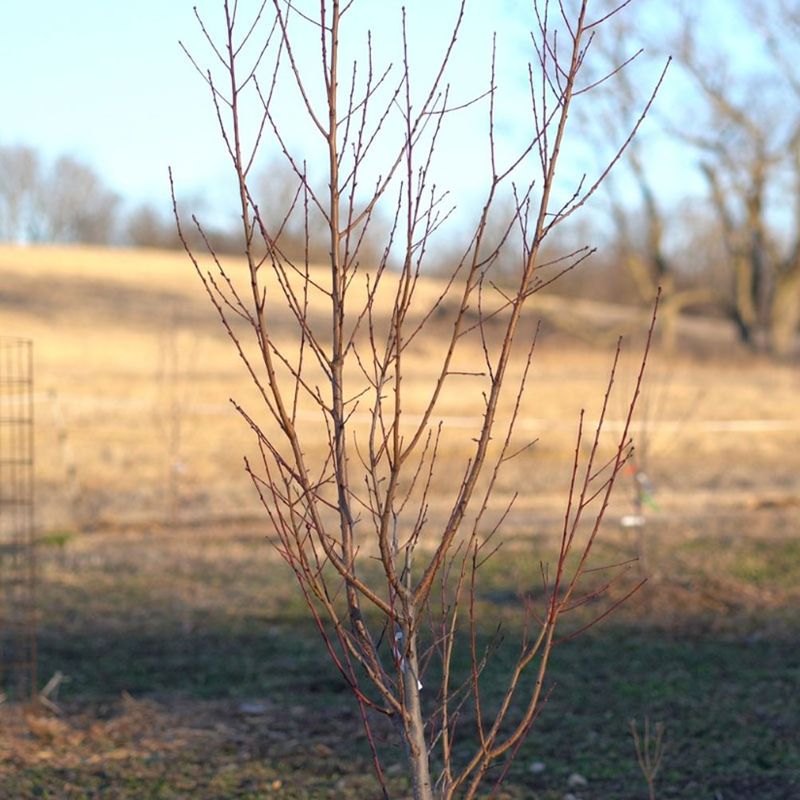
Grab the pruning shears at the wrong time of year and you could wipe out most of next season’s fruit before it ever forms. Timing is everything with peach trees, and Arizona’s unusual climate makes this even more critical than in most other states.
Peaches bloom on one-year-old wood, meaning the branches that grew last season are where next year’s fruit will come from. Heavy pruning during summer removes that productive wood right when the tree needs it most.
Cuts made during Arizona’s brutal heat also expose fresh wood to sunscald, which causes lasting bark damage that takes seasons to recover from.
Late January through early February is the ideal window for structural pruning in the low desert. By that point, chill requirements have been met, but buds have not started to swell yet.
Pruning during that narrow period encourages strong new growth once temperatures warm up, and the tree has time to heal before summer heat arrives.
Keep summer pruning light. Removing damaged or crossing branches is fine, but stripping more than about 15 percent of the leaf canopy at once during hot months puts the tree under real stress.
Leaves are doing critical work shading bark and feeding the root system through Arizona’s long, intense summers.
Shape the tree toward an open center structure to improve airflow and light penetration.
Arizona gardeners who learn this pruning rhythm consistently see better fruit production and healthier trees year after year compared to those who prune whenever it feels convenient.
4. Overwatering Causes Weak Roots And Disease Issues
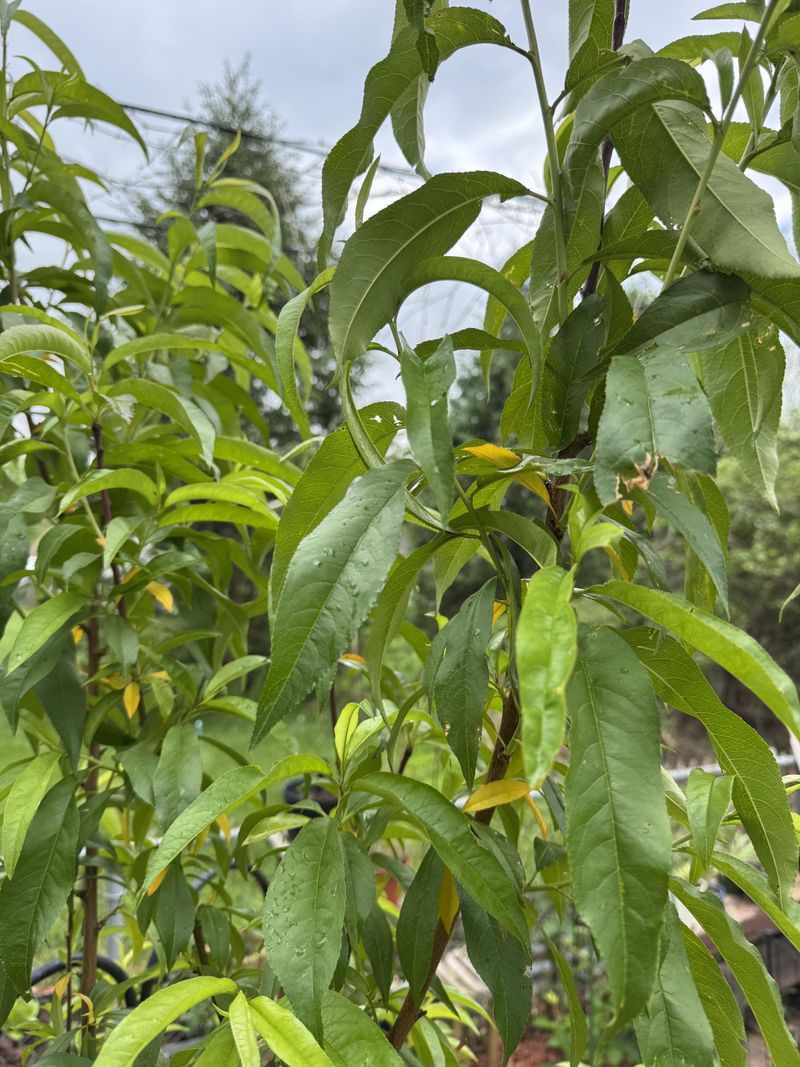
Watering a fruit tree in Arizona feels urgent when summer temperatures hit 110 degrees, and that urgency leads a lot of gardeners to overdo it.
Overwatering is actually more damaging to peach trees here than underwatering in most cases, and the signs often show up weeks after the damage is already done.
Roots need oxygen as much as they need water. Constantly wet soil cuts off that oxygen supply, weakening the root system and making the tree vulnerable to fungal pathogens like Phytophthora root rot.
Once root rot takes hold in Arizona’s warm soil, it spreads quickly and can compromise the entire tree.
Newly planted peach trees need deep watering every two to three days for the first month. After that, back off significantly.
Established trees during summer generally do well with a deep soak once a week, allowing the soil to dry slightly between sessions. In spring and fall, stretching that to every ten to fourteen days is usually fine.
Drip irrigation works better than sprinklers for peach trees in Arizona. It delivers water directly to the root zone without wetting foliage, which reduces the risk of fungal leaf diseases that thrive in humid conditions.
Position emitters about eighteen inches from the trunk and move them outward as the tree grows.
Check soil moisture before watering instead of following a rigid schedule. Stick a finger or a screwdriver six inches into the ground.
If it comes out with damp soil clinging to it, hold off another day or two before watering again.
5. Ignoring Sunburn On Exposed Trunks And Branches
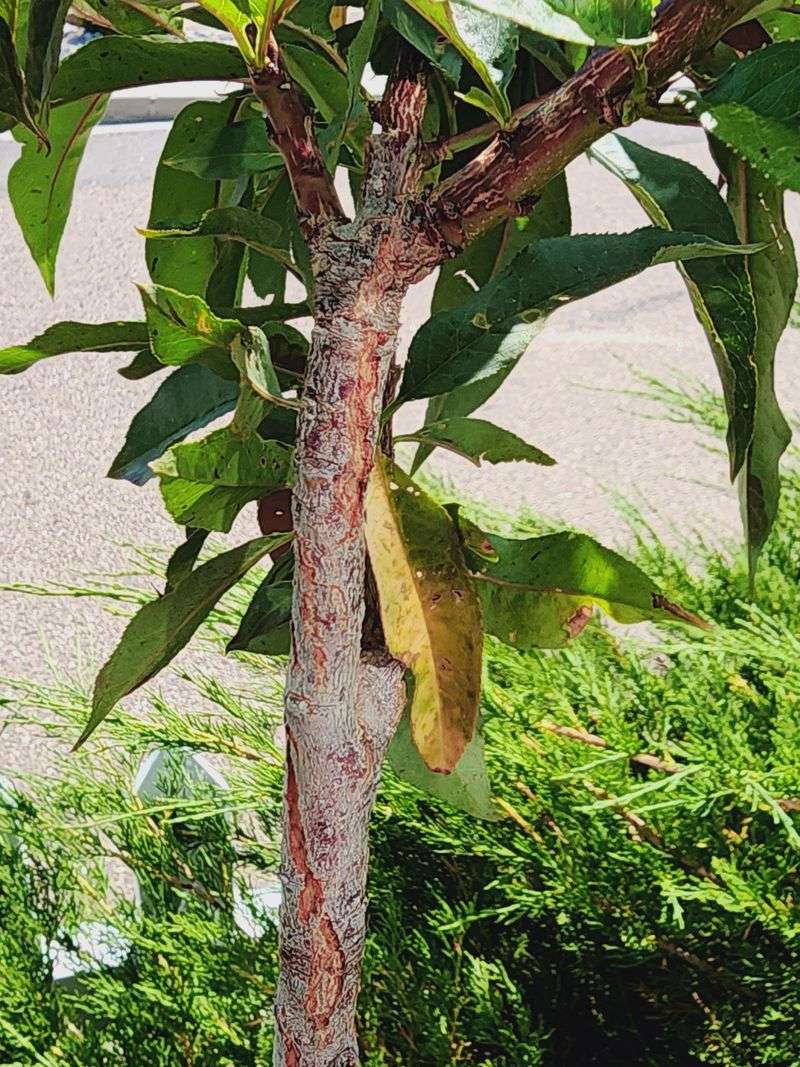
Arizona’s sun is relentless, and peach tree bark was not built to handle direct UV exposure at 110 degrees for months on end.
Sunscald might not get as much attention as pests or watering, but it causes serious structural damage that weakens trees over time and opens the door to secondary infections.
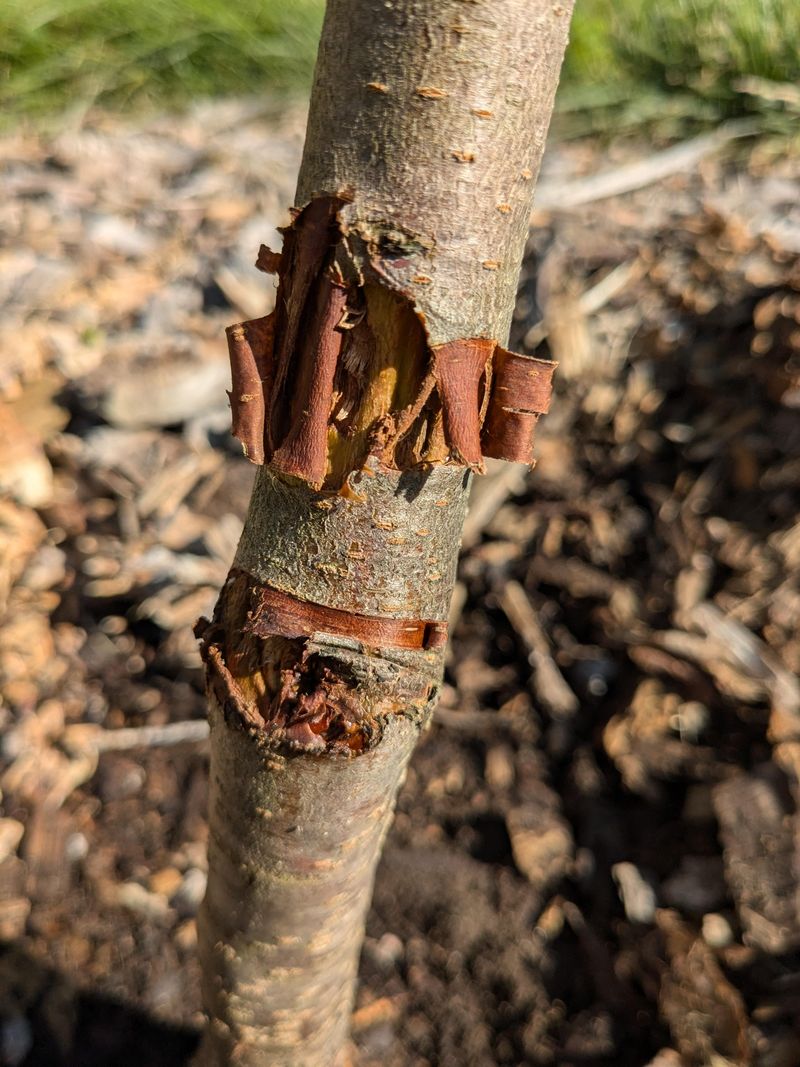
Sunscald shows up most often on the south and west-facing sides of trunks and large branches. The bark dries out, cracks, and eventually peels away, exposing the inner wood.
Once that happens, wood-boring insects and bacterial canker pathogens have an easy entry point into the tree’s vascular system.
Painting exposed trunks with diluted white interior latex paint is the most reliable fix. Mix one part paint with one part water and apply it to the trunk and lower scaffold branches.
White reflects UV radiation instead of absorbing it, keeping bark temperatures significantly cooler during Arizona’s peak summer months.
Young trees are especially vulnerable right after planting because they have not developed thick protective bark yet.
Wrapping newly planted trunks with tree wrap or burlap for the first couple of seasons provides meaningful protection while the bark toughens up naturally.
Organic mulch helps too. A four to six inch ring of wood chip mulch around the base of the tree keeps soil temperatures lower and reduces reflected heat bouncing up onto the lower trunk.
Rock mulch does the opposite and should be avoided around peach trees in Arizona yards. Protecting bark is a small effort that pays off across the entire life of the tree.
6. Delaying Pest Control During Early Spring Activity
Spring in Arizona moves fast. Temperatures climb, trees wake up, and pests get active all at once.
Waiting too long to check for insects or disease pressure means problems that were easy to manage in February become genuinely difficult by April.
Peach tree borers are one of the biggest threats in Arizona orchards. Adult moths lay eggs near the base of the trunk in late summer, and larvae spend winter tunneling through the wood.
By early spring, the damage shows up as amber-colored sap mixed with a sawdust-like material called frass near the soil line. Catching this early gives you options.
Waiting until summer usually means the damage is already deep.
Aphids are another early-season problem. They cluster on new growth in late winter and early spring, sucking sap from tender shoots and curling leaves around themselves for protection.
A strong spray of water dislodges them from small trees, and insecticidal soap handles heavier infestations without harming beneficial insects when used carefully.
Brown rot is a fungal disease that hits blossoms and developing fruit hard, especially during Arizona’s spring rains or humid mornings.
Applying a copper-based fungicide at petal fall and again ten days later gives solid protection during the window when infection risk is highest.
Walk the tree once a week starting in February. Look at the trunk base, check new growth, and inspect any developing buds.
Early detection makes every pest and disease issue easier to address, and Arizona gardeners who stay consistent with scouting rarely face the kind of serious infestations that require aggressive intervention later in the season.
7. Letting Fruit Overload Stress The Tree And Reduce Future Yields
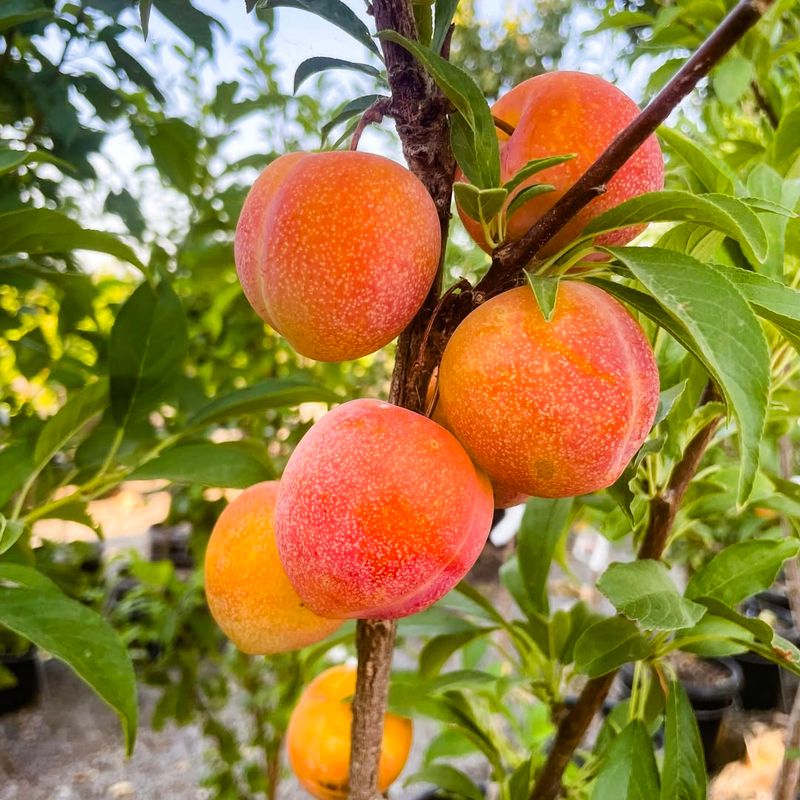
A heavy crop sounds like the goal, but letting a peach tree carry more fruit than it can handle creates problems that stretch well beyond the current season.
Fruit overload is one of those issues that quietly chips away at tree health while you are busy looking forward to harvest.
When a tree pours energy into ripening hundreds of peaches at once, it has very little left over for root development, branch strength, or building the carbohydrate reserves it needs to survive Arizona’s brutal summer and set a strong crop the following year.
Trees that are consistently overloaded tend to produce well one year and poorly the next, falling into a frustrating biennial bearing cycle.
Branch breakage is the most immediate risk. Peach wood is not especially strong, and a branch loaded with fruit plus the added force of monsoon winds is a recipe for splitting.
Lost branches mean lost fruiting wood and open wounds that invite borers and canker diseases common in Arizona’s summer heat.
Thinning fruit early in the season, as mentioned earlier, is the main solution. But also pay attention to overall tree structure during winter pruning.
Spreading scaffold branches outward at wide angles distributes weight more evenly and reduces the chance of structural failure under a heavy load.
Feeding the tree with a balanced fertilizer in late winter gives it enough nutritional support to handle a reasonable crop without running on empty.
Arizona soils are often low in nitrogen and zinc, so a soil test before fertilizing helps you apply exactly what the tree actually needs rather than guessing.