Pennsylvania Gardeners Are Choosing These Beautiful Shrubs Instead Of Hydrangeas
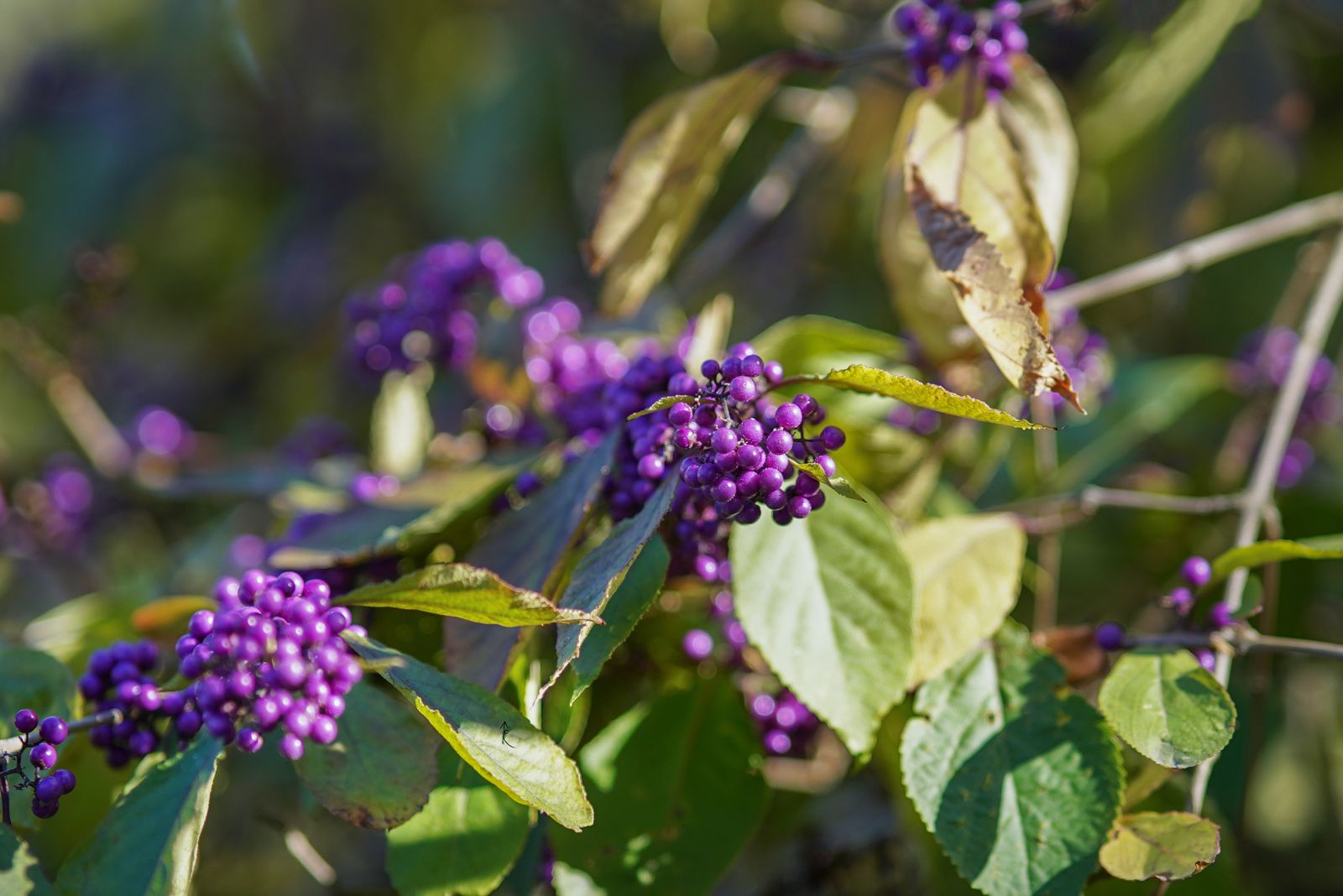
Hydrangeas may be garden royalty, but in Pennsylvania, they’re slowly stepping aside. Local gardeners are discovering a fresh set of showstoppers, shrubs that deliver gorgeous color, better resilience, and way less fuss.
Whether it’s the unpredictable spring weather or just a craving for something new, homeowners are reaching for alternatives that offer both beauty and backbone.
These standout shrubs aren’t just pretty faces; they’re tough enough for Keystone State winters, bloom like champs, and often attract birds and pollinators too.
If you’ve struggled with high-maintenance hydrangeas or just want to switch up your landscape, you’re in good company. Pennsylvania gardeners are digging these dependable picks for hedges, borders, and eye-catching accents.
Want something that blooms reliably, holds up in the cold, and still gives you all the curb appeal? This list is for you.
Let’s explore the stunning shrubs that are stealing the spotlight from hydrangeas across the state right now.
1. Ninebark Offers Year-Round Interest With Minimal Effort
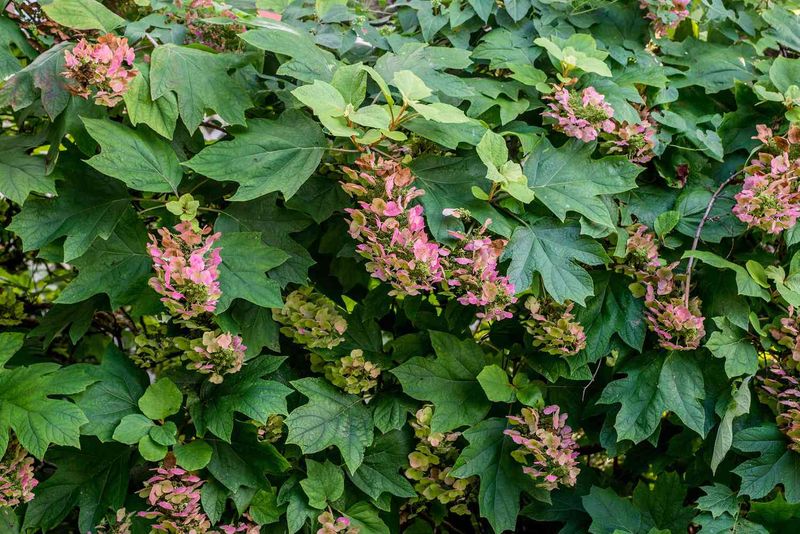
Gardeners across Pennsylvania are falling hard for ninebark, and it’s easy to see why. This tough shrub laughs at our cold winters and hot summers without breaking a sweat.
The foliage comes in shades ranging from deep burgundy to bright gold, giving your garden constant color even when nothing’s blooming. What makes ninebark really special is how it changes through the seasons.
Spring brings clusters of tiny white or pink flowers that bees absolutely love. Summer showcases those incredible leaves that stay vibrant no matter how hot it gets.
Fall adds interesting seed pods that birds enjoy, and winter reveals attractive peeling bark that adds texture to your landscape. Unlike hydrangeas that need specific soil conditions, ninebark grows just about anywhere in Pennsylvania.
Clay soil in Harrisburg? No problem. Rocky ground in the Poconos? It thrives there too.
You can plant it in full sun or partial shade, and it will adapt beautifully to whatever spot you choose. Maintenance is basically nonexistent with this shrub.
A quick trim in early spring keeps it shaped nicely, but even that’s optional. It doesn’t need fertilizer, rarely gets diseases, and deer usually leave it alone.
For Pennsylvania gardeners who want maximum beauty with minimum work, ninebark delivers exactly that. The shrub grows between four and eight feet tall depending on the variety you pick.
Smaller yards do well with compact versions, while larger properties can handle the bigger types that create stunning privacy screens.
2. Beautyberry Creates Purple Magic In Fall Gardens
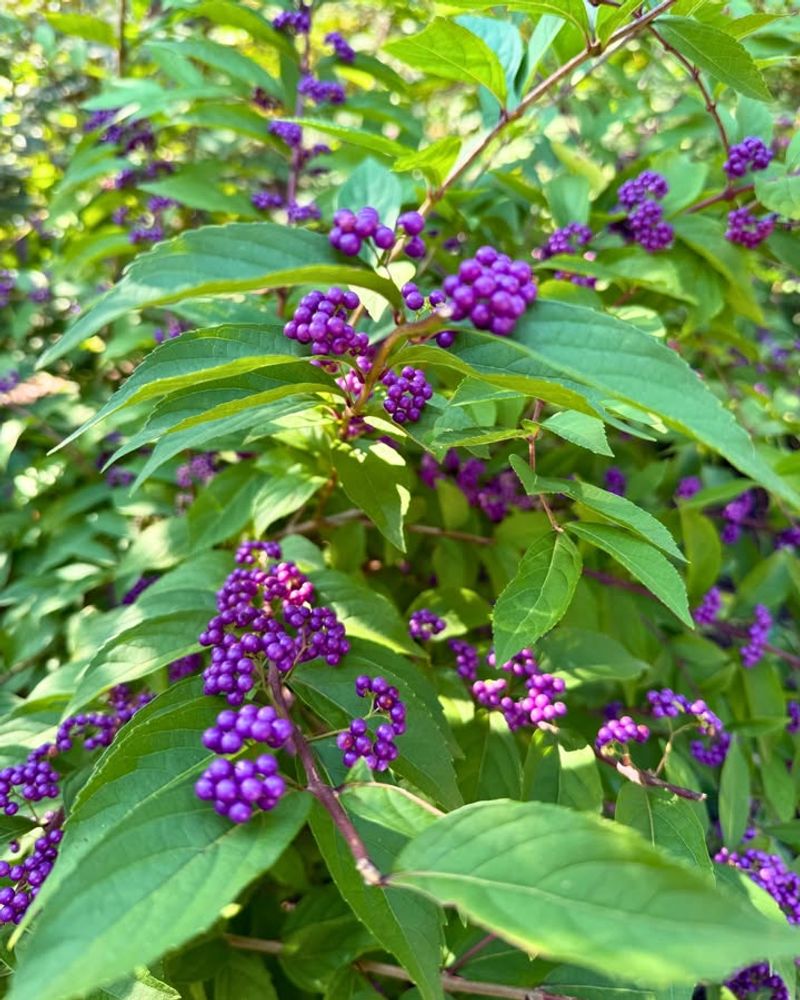
Picture walking through your Pennsylvania garden in October and spotting branches loaded with bright purple berries that look almost unreal. That’s beautyberry, and it’s becoming the must-have shrub for gardeners who want something truly different.
Those iridescent purple clusters appear in late summer and stick around well into fall, creating a show that hydrangeas simply can’t match. The berries aren’t just pretty to look at.
Birds go crazy for them once the weather turns cold, bringing life and movement to your yard when most other plants have finished their season. Watching cardinals and mockingbirds feast on those purple jewels makes beautyberry worth growing all by itself.
This shrub handles Pennsylvania’s climate beautifully, from the shores of Lake Erie down to the Maryland border. It prefers a bit of shade, making it perfect for those tricky spots under trees where hydrangeas often struggle.
The soil doesn’t need to be perfect either, which is great news for gardeners dealing with less-than-ideal ground. Come spring, beautyberry puts out small pink flowers that don’t make a huge statement but smell wonderfully sweet.
The real magic happens in fall when those berries develop their stunning color. Some gardeners in Philadelphia have started using beautyberry as a natural dye, crushing the berries to create beautiful purple shades for fabric projects.
Growing four to six feet tall and wide, beautyberry fits nicely into medium-sized yards. It dies back to the ground in harsh winters but always returns stronger in spring.
3. Summersweet Fills Your Yard With Incredible Fragrance
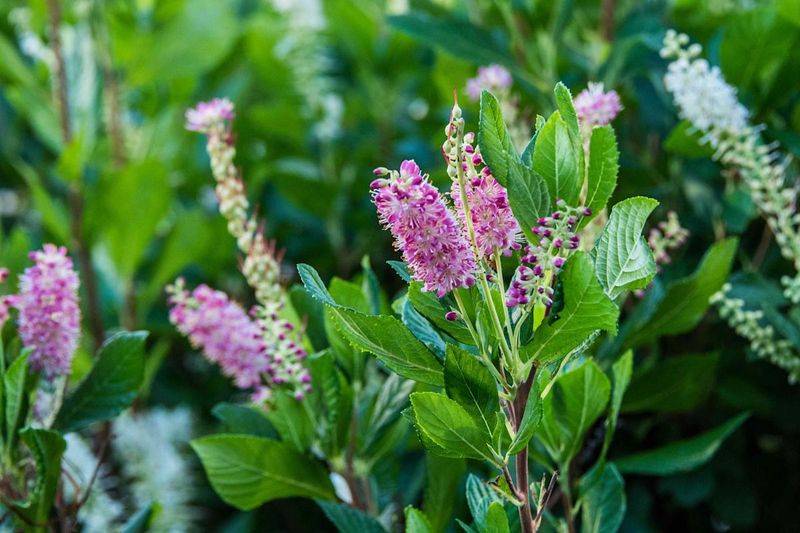
Walk past a summersweet shrub on a warm July evening in Pennsylvania, and you’ll stop in your tracks. The scent is absolutely amazing, sweet and spicy all at once, drifting across your entire yard.
This native plant blooms right when most spring flowers have faded and hydrangeas are just getting started, filling that awkward gap in summer color. The flowers look like fuzzy white or pink bottlebrushes standing upright on the branches.
They last for weeks, much longer than hydrangea blooms that can get damaged by summer storms. Butterflies and hummingbirds visit constantly, turning your garden into a wildlife haven that’s fascinating to watch from your porch.
Summersweet absolutely loves the conditions many Pennsylvania gardeners struggle with. Got a low spot that stays damp?
Perfect. Shady area where nothing else grows well?
Summersweet will thrive there. This shrub actually prefers moist soil, making it ideal for gardens in areas like Lancaster County where clay holds water longer.
Fall brings another surprise when the leaves turn bright yellow, adding one more season of interest. The seed heads stick around through winter, providing food for small birds when they need it most.
Gardeners in Pittsburgh have found summersweet particularly useful for rain gardens and areas near downspouts. This shrub grows slowly but steadily, reaching about four to six feet in height.
It spreads gradually by underground stems, creating a nice colony over time without becoming invasive or taking over your whole yard.
4. Inkberry Holly Provides Structure That Lasts All Year
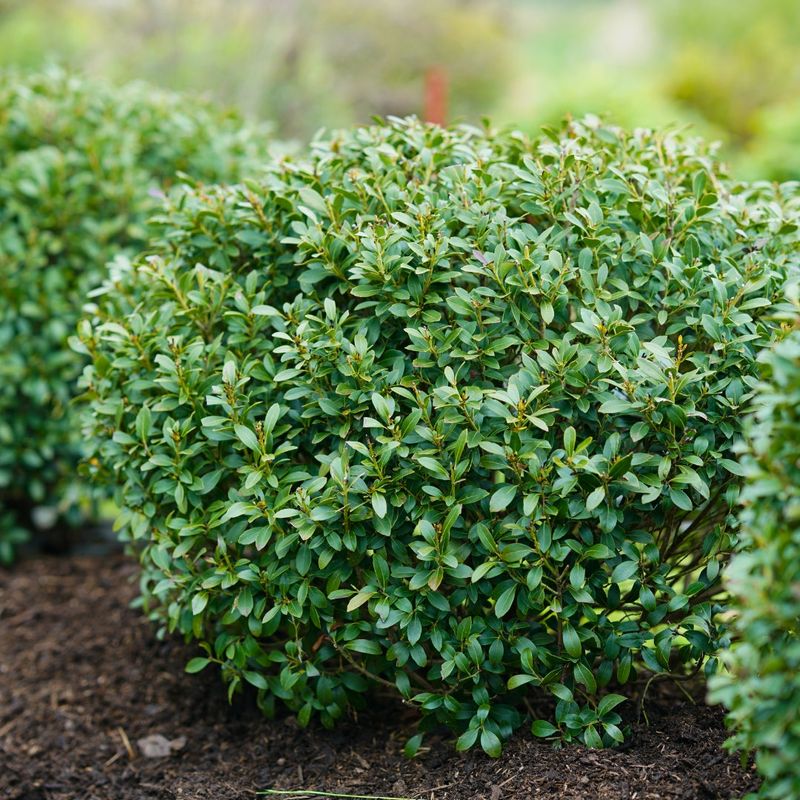
Pennsylvania gardeners tired of watching their hydrangeas turn into brown sticks every winter are switching to inkberry holly for good reason.
This evergreen keeps its glossy dark green leaves all year long, giving your landscape structure and color even during February snowstorms.
While your neighbor’s hydrangeas sit there looking weak, your inkberry stays gorgeous and full. The berries are small and black, appearing in fall on female plants if you have a male nearby for pollination.
Birds appreciate them during lean winter months, and the dark color creates an interesting contrast against the green foliage. The overall look is neat and tidy without any effort from you.
What really sells gardeners on inkberry is how incredibly tough it is. Cold winters in Erie? No problem. Hot humid summers in Philadelphia?
It handles those too. This native shrub grows naturally in Pennsylvania wetlands, so it can take both wet and dry conditions once established in your yard.
Unlike hydrangeas that need protection from afternoon sun, inkberry grows happily in full sun or shade. It works beautifully as a low hedge, a foundation plant, or mixed into shrub borders.
The dense growth provides shelter for small birds year-round, and you might spot nests tucked safely inside the branches come spring. Reaching about three to six feet tall, inkberry stays compact without constant pruning.
The variety ‘Compacta’ works especially well for smaller yards, maintaining a nice rounded shape naturally. Pennsylvania gardeners appreciate plants that look good without demanding constant attention, and inkberry delivers exactly that.
5. Virginia Sweetspire Brings Cascading Blooms And Fall Fire
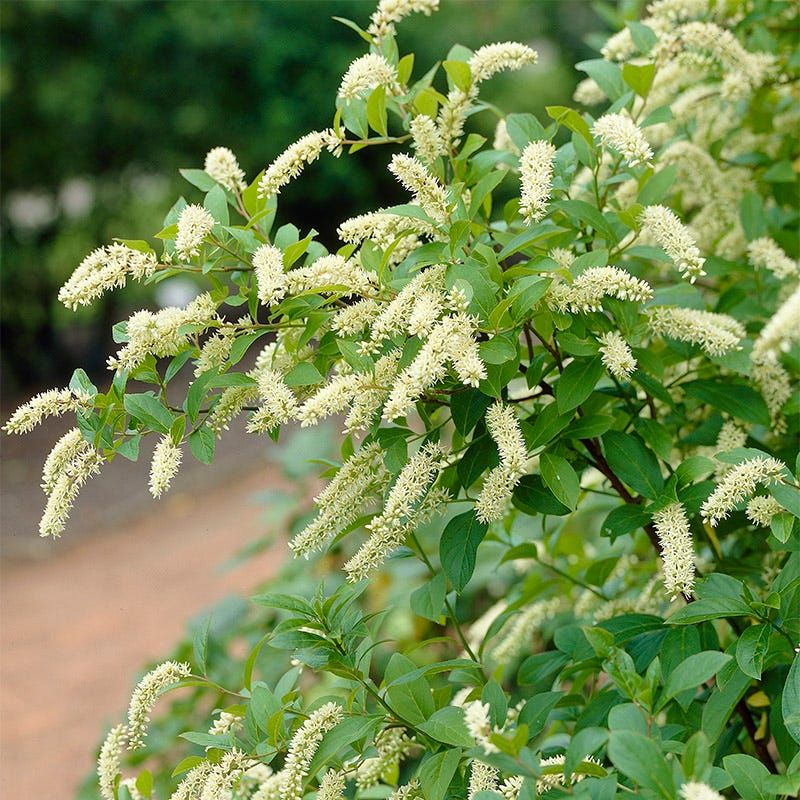
Imagine graceful white flower clusters that droop down like nature’s chandeliers, filling your Pennsylvania garden with elegance in late spring.
Virginia sweetspire does exactly that, producing fragrant blooms that last several weeks and attract every pollinator in the neighborhood.
The flowers appear just as late frosts finally end across the state, bringing reliable beauty without the risk of bud damage that plagues hydrangeas. This native shrub really shows off when autumn arrives and the leaves explode into shades of red, orange, and purple.
The fall color rivals any maple tree, and it holds those brilliant hues for weeks before finally dropping. Gardeners in Allentown and Scranton report that their sweetspire often keeps colorful leaves well into November.
Growing conditions that make other shrubs sulk don’t bother Virginia sweetspire at all. It actually prefers moist spots and tolerates occasional flooding, making it perfect for low areas in your yard where water collects after heavy rains.
Plant it along streams, near ponds, or in rain gardens where it will thrive with zero extra watering. The arching branches create a graceful fountain shape that softens hard landscape edges beautifully.
Use it to hide ugly downspouts, frame walkways, or create natural-looking groups in larger beds. The shrub spreads slowly by underground stems, filling in gaps without becoming aggressive or invasive.
Height varies from three to five feet depending on growing conditions, with width often exceeding height. The variety ‘Henry’s Garnet’ offers especially long flower clusters and intense fall color, making it a favorite across Pennsylvania.
6. Buttonbush Attracts Wildlife Like Nothing Else
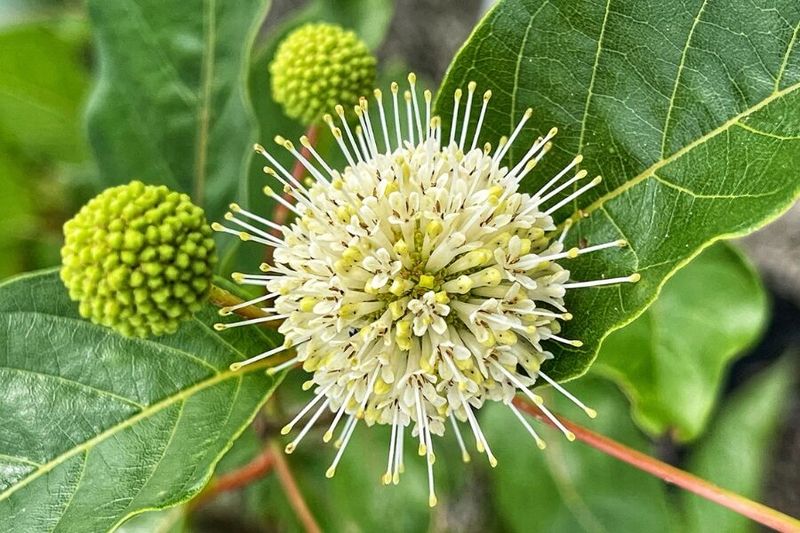
Round white flowers that look like fuzzy pincushions cover buttonbush all summer long, creating a display that’s completely unique in Pennsylvania gardens.
Each bloom is actually dozens of tiny flowers packed into a perfect sphere, and they appear in waves from June through August.
The strange beauty catches everyone’s eye, and the nonstop blooms outlast hydrangeas by weeks. Wildlife goes absolutely bonkers for buttonbush.
Butterflies, bees, and hummingbirds visit constantly throughout the day. Later in the season, the round seed balls attract ducks and other water birds if you’re lucky enough to have a pond nearby.
Gardeners near Pennsylvania’s rivers and lakes have discovered that buttonbush brings more wildlife activity than any other shrub they’ve tried.
This native plant loves water more than almost anything else you can grow. Got a soggy spot where everything else rots? Plant buttonbush there and watch it flourish.
It grows naturally along Pennsylvania waterways from the Delaware River to the Ohio border, so it’s perfectly adapted to our climate and soil conditions. The shrub can handle full sun or light shade, though it blooms heaviest with plenty of sunshine.
In really wet locations, it can grow quite large, reaching eight to twelve feet tall. Drier spots keep it smaller and more manageable for average yards.
You can prune it hard in early spring if it gets too big. Buttonbush works wonderfully in rain gardens, beside water features, or anywhere you want to create a wildlife habitat.
Pennsylvania gardeners focused on supporting native pollinators put this shrub at the top of their planting lists.
7. Fothergilla Combines Spring Flowers With Spectacular Fall Color
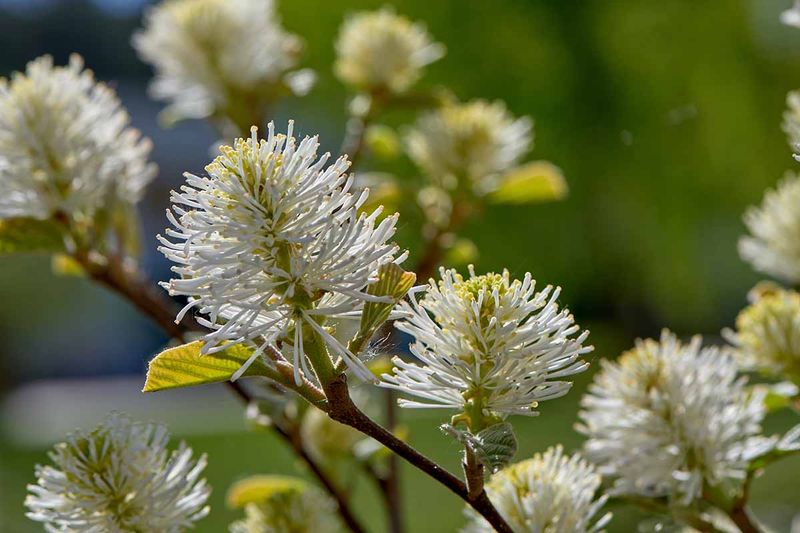
Before the leaves even fully emerge in spring, fothergilla covers itself with fuzzy white bottlebrush flowers that smell like honey.
Pennsylvania gardeners love how early this shrub blooms, often appearing in April when the garden desperately needs something cheerful after a long winter.
The flowers last for weeks and never get damaged by late frosts like hydrangea buds often do. Fall is when fothergilla really steals the show.
The leaves turn into a mix of yellow, orange, red, and purple all at once, creating a fiery display that stops traffic. Single plants often show multiple colors simultaneously, giving you the impact of several different shrubs in one spot.
Gardens across Pennsylvania from Pittsburgh to Philadelphia feature fothergilla specifically for this incredible autumn performance. This shrub stays compact and well-behaved, growing slowly to about three to five feet tall and wide.
It never needs pruning to maintain its naturally rounded shape, and it doesn’t spread aggressively or drop messy seed pods. Just plant it and forget it while enjoying the beauty it provides twice a year.
Fothergilla prefers acidic soil, which many Pennsylvania gardeners already have naturally. It grows best with morning sun and afternoon shade, though it tolerates full sun if given adequate moisture.
Once established, it handles dry spells better than hydrangeas and never gets the wilted look that makes those plants so frustrating in summer. Deer generally leave fothergilla alone, which is a huge bonus in areas where these pests destroy everything else.
The shrub rarely gets diseases or pest problems, keeping your maintenance time minimal and your garden looking great.